Our latest articles.

Autumn Meadowhawk Dragonfly: Identification and Facts

Autumn Meadowhawk Dragonfly: Identification and Facts

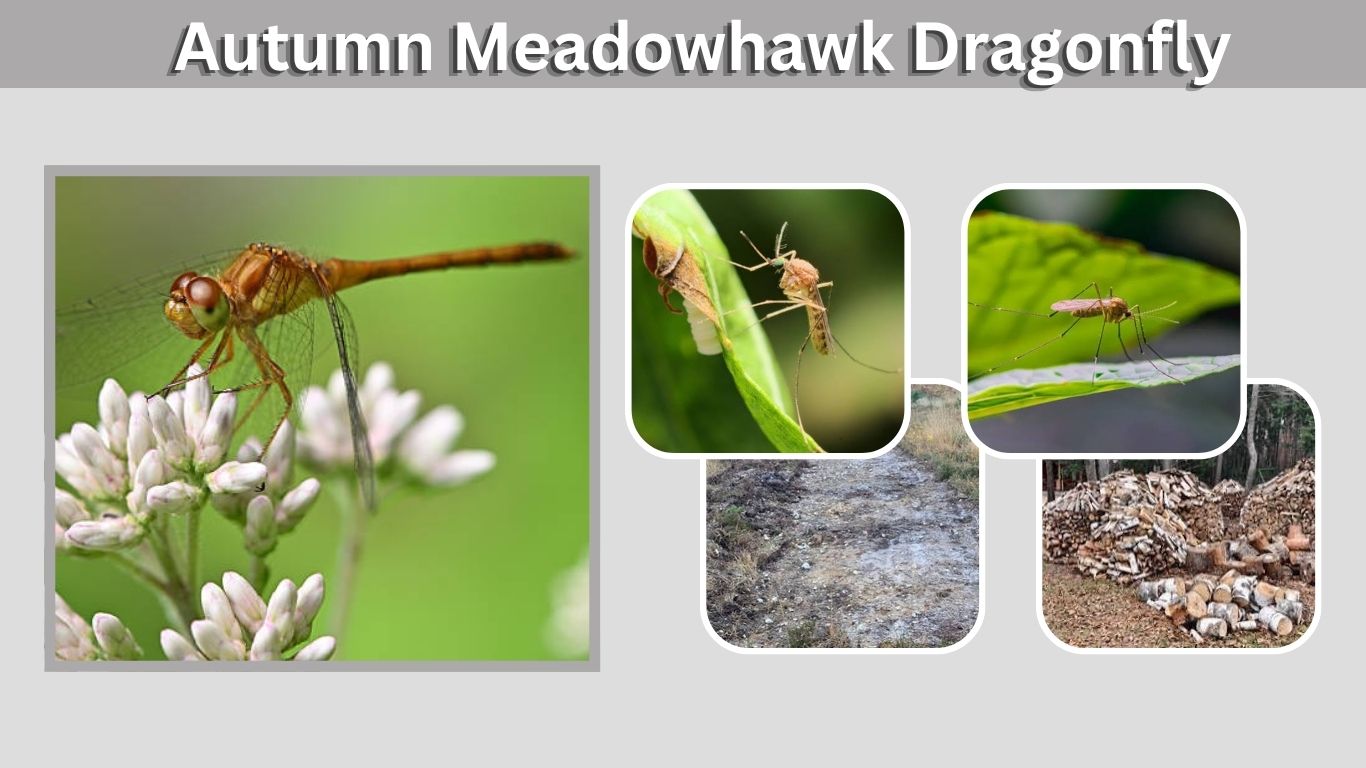
The autumn meadowhawk is a small North American dragonfly known for remaining active later in the year than most other species. Mature males develop a pale red body, while females and young adults are usually yellow, orange, or reddish brown. Often seen basking on sunny paths, logs, and vegetation near ponds, this cold-tolerant meadowhawk may … Read more
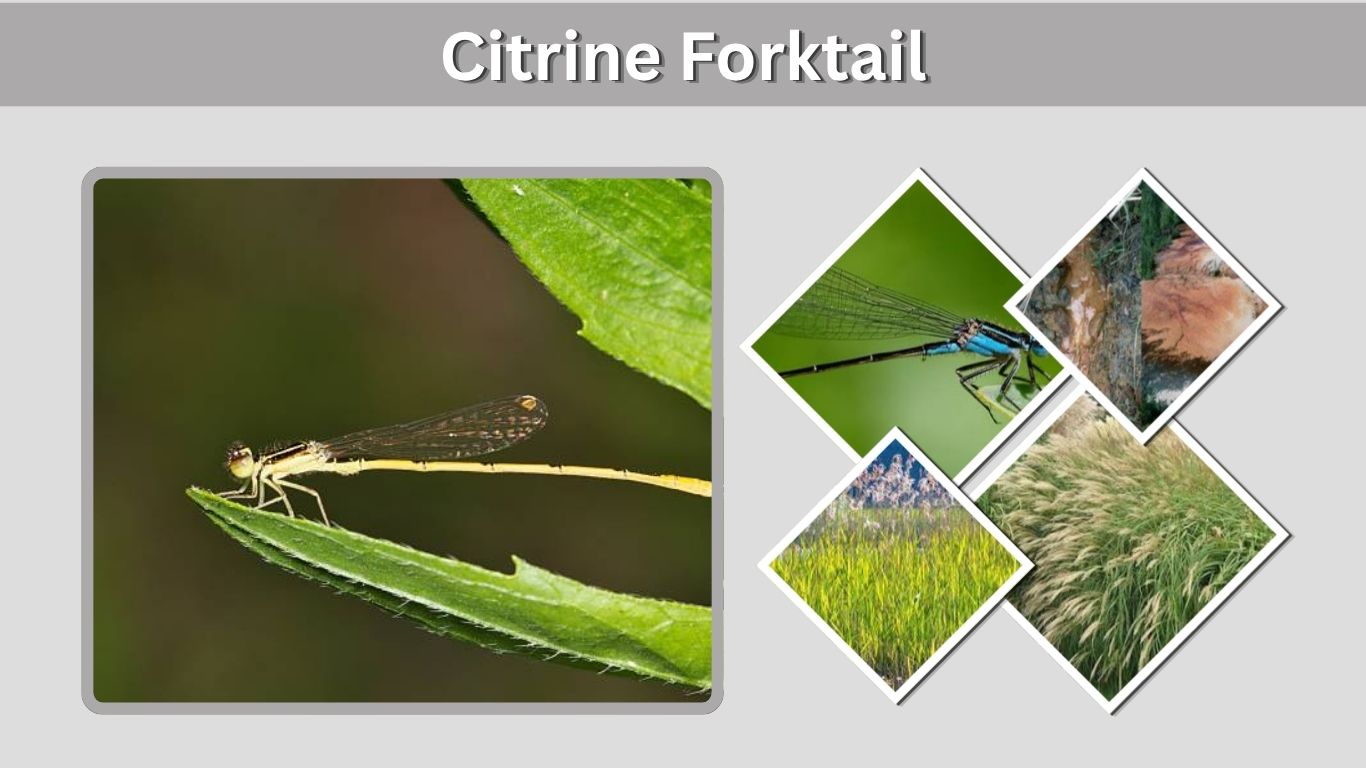
Citrine Forktail: Identification, Habitat, Life Cycle and Facts

Citrine Forktail: Identification, Habitat, Life Cycle and Facts

The citrine forktail, Ischnura hastata, is a tiny yellow, green, orange, and black damselfly commonly found around grassy ponds, marshes, bogs, and other shallow wetlands. Mature males are especially distinctive because of their bright-yellow abdomen and black spear-shaped markings. Females change color as they mature, making identification more challenging. The species is also scientifically remarkable … Read more

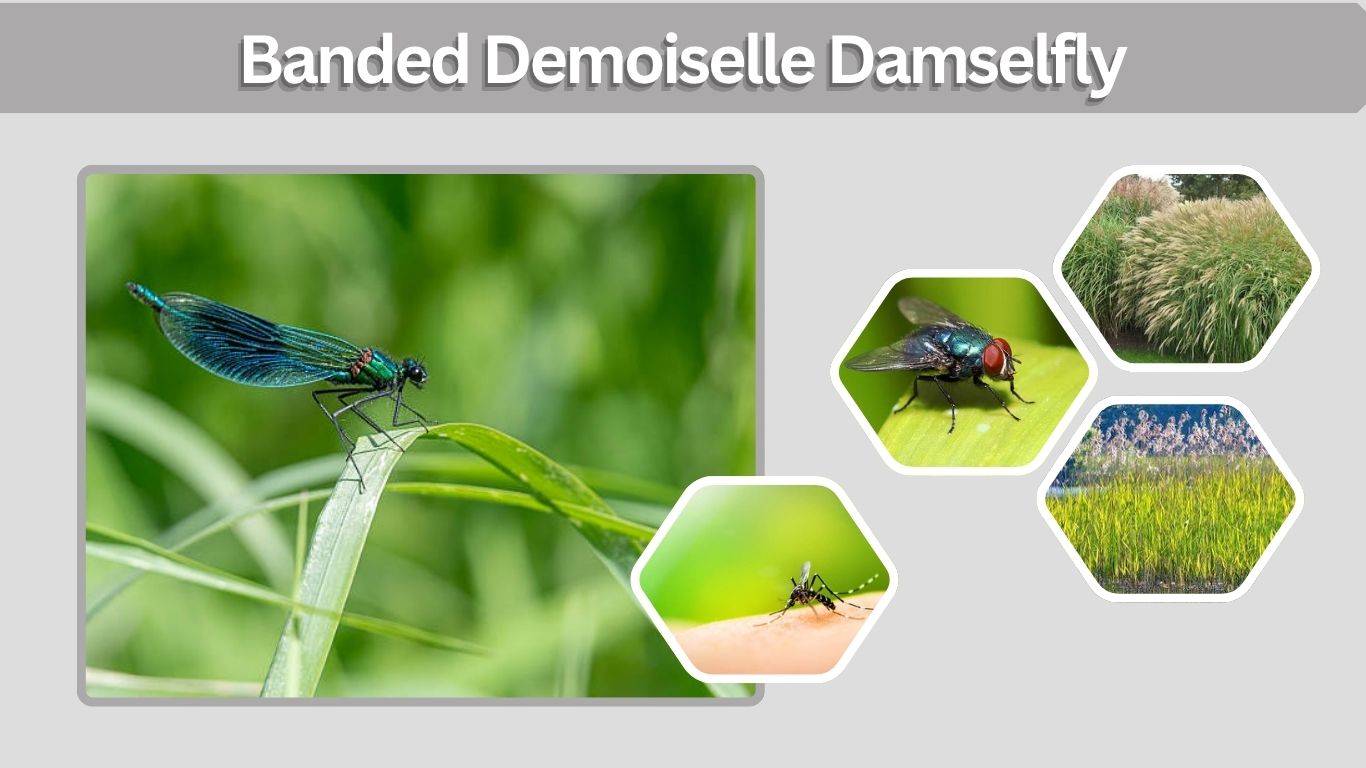
Banded Demoiselle Damselfly: Identification and Facts

Banded Demoiselle Damselfly: Identification and Facts

The banded demoiselle, Calopteryx splendens, is a large, metallic damselfly known for its slow, butterfly-like flight. Males have shimmering blue-green bodies and broad dark bands across their wings, while females are metallic green with pale, translucent wings. Sometimes called a banded dragonfly, it is technically a damselfly found mainly beside slow-flowing rivers, streams, and canals … Read more

Eastern Forktail Damselfly: Identification and Facts

Eastern Forktail Damselfly: Identification and Facts

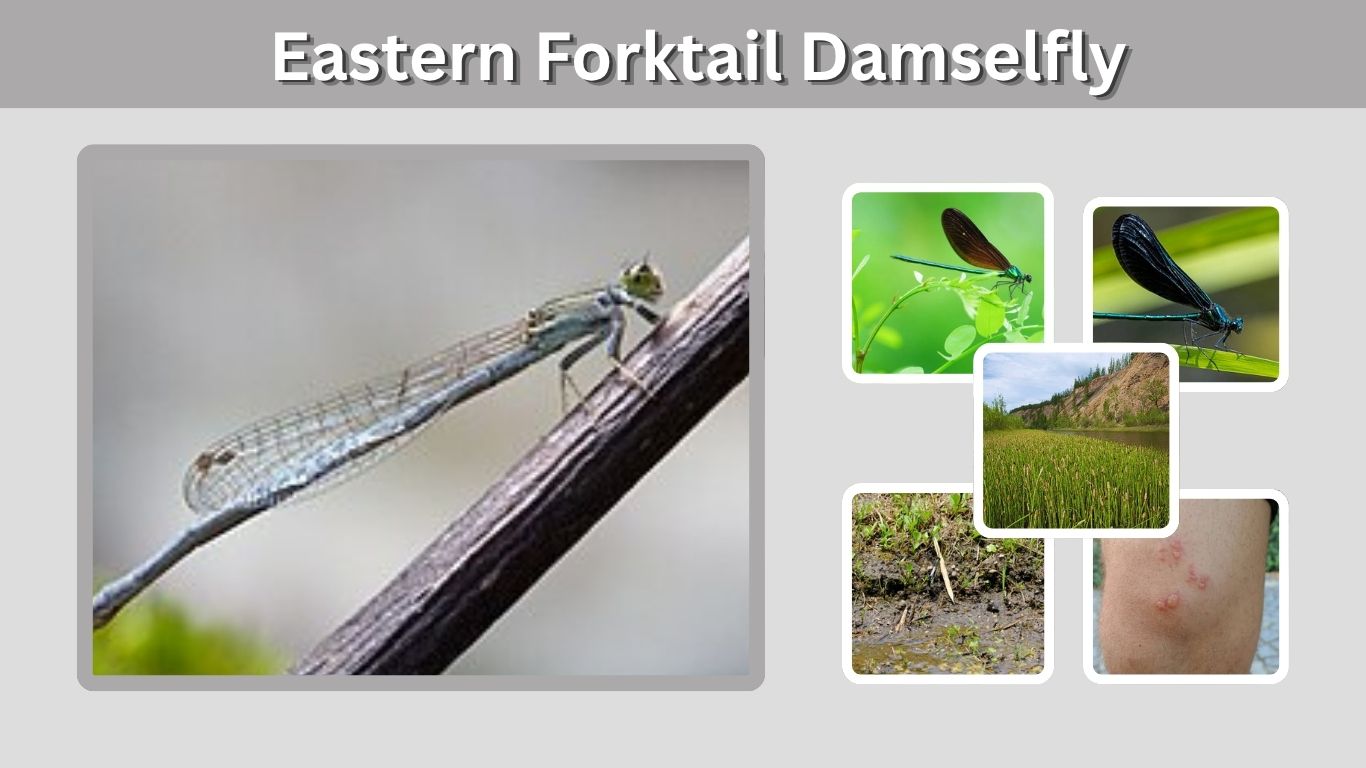
The eastern forktail, Ischnura verticalis, is a small green, black, and blue damselfly found around ponds, marshes, lake edges, ditches, and slow-moving streams. Mature males are recognizable by their green-striped thorax and bright blue abdominal tip. Females are more challenging because their coloration changes from orange when young to powdery blue-gray as they mature. Eastern … Read more

Azure Damselfly: Identification, Habitat, Diet, and Facts

Azure Damselfly: Identification, Habitat, Diet, and Facts

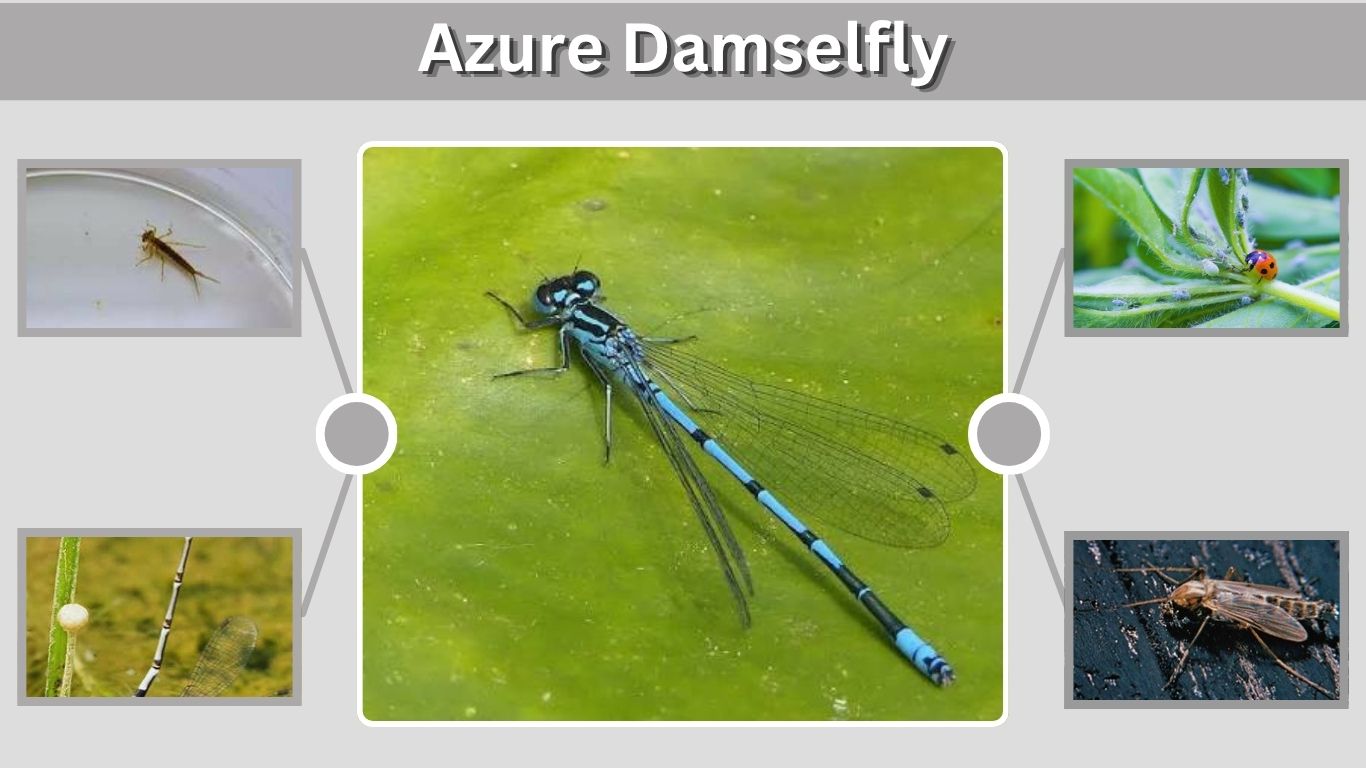
The azure damselfly is a small, slender insect known for the striking blue-and-black pattern of mature males. Scientifically named Coenagrion puella, it is commonly seen around ponds, ditches, slow streams, lakes, and garden water features. Females are usually green and black, while newly emerged adults appear much paler. Because several damselflies share similar blue markings, … Read more

Blue-Tailed Damselfly: Identification, Habitat, and Facts

Blue-Tailed Damselfly: Identification, Habitat, and Facts

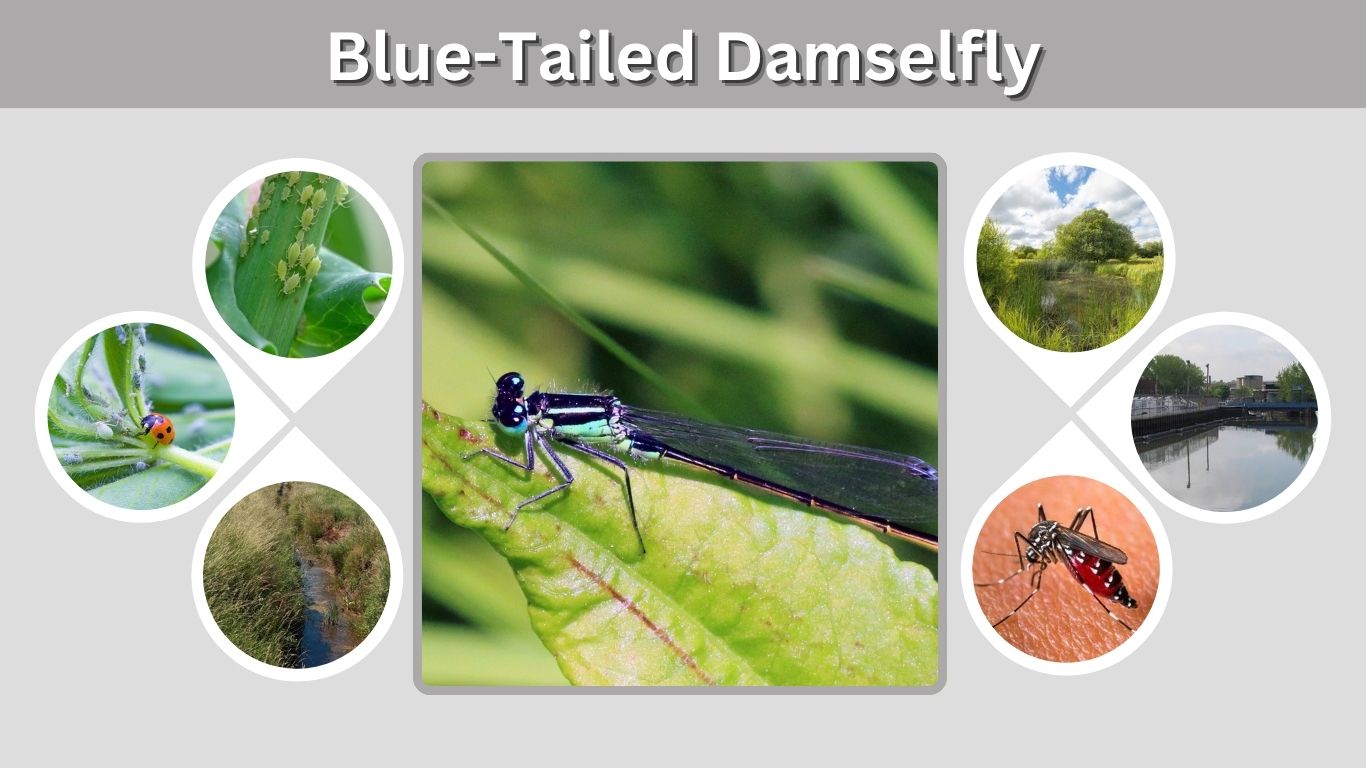
The blue-tailed damselfly is a delicate waterside insect recognized by its mostly dark abdomen and a bright blue segment near the tip. Scientifically named Ischnura elegans, it is widespread across Britain, Ireland, Europe, and parts of Asia. However, females occur in several colors, including violet, pink, brown, green, and blue, which can make identification surprisingly … Read more

Ruby Meadowhawk Dragonfly: Identification, Range, and Facts

Ruby Meadowhawk Dragonfly: Identification, Range, and Facts

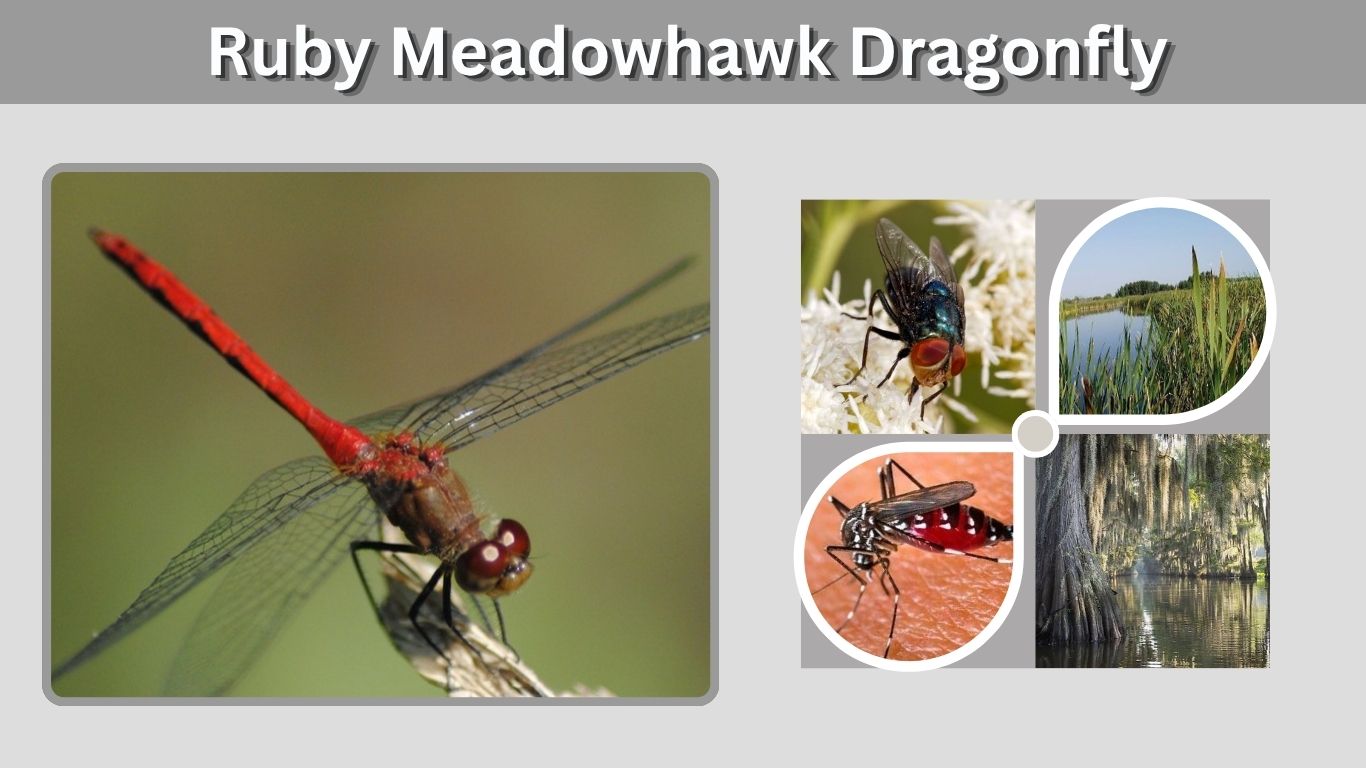
The ruby meadowhawk is a small red dragonfly commonly seen around ponds, marshes, lake edges, and sunny fields during summer and early fall. Scientifically known as Sympetrum rubicundulum, it belongs to the skimmer family and is recognized by its reddish abdomen, black legs, tan-to-brown face, and dark triangular markings. However, females and immature individuals closely … Read more

Swamp Darner Dragonfly: Size, Range, Habitat and Facts

Swamp Darner Dragonfly: Size, Range, Habitat and Facts

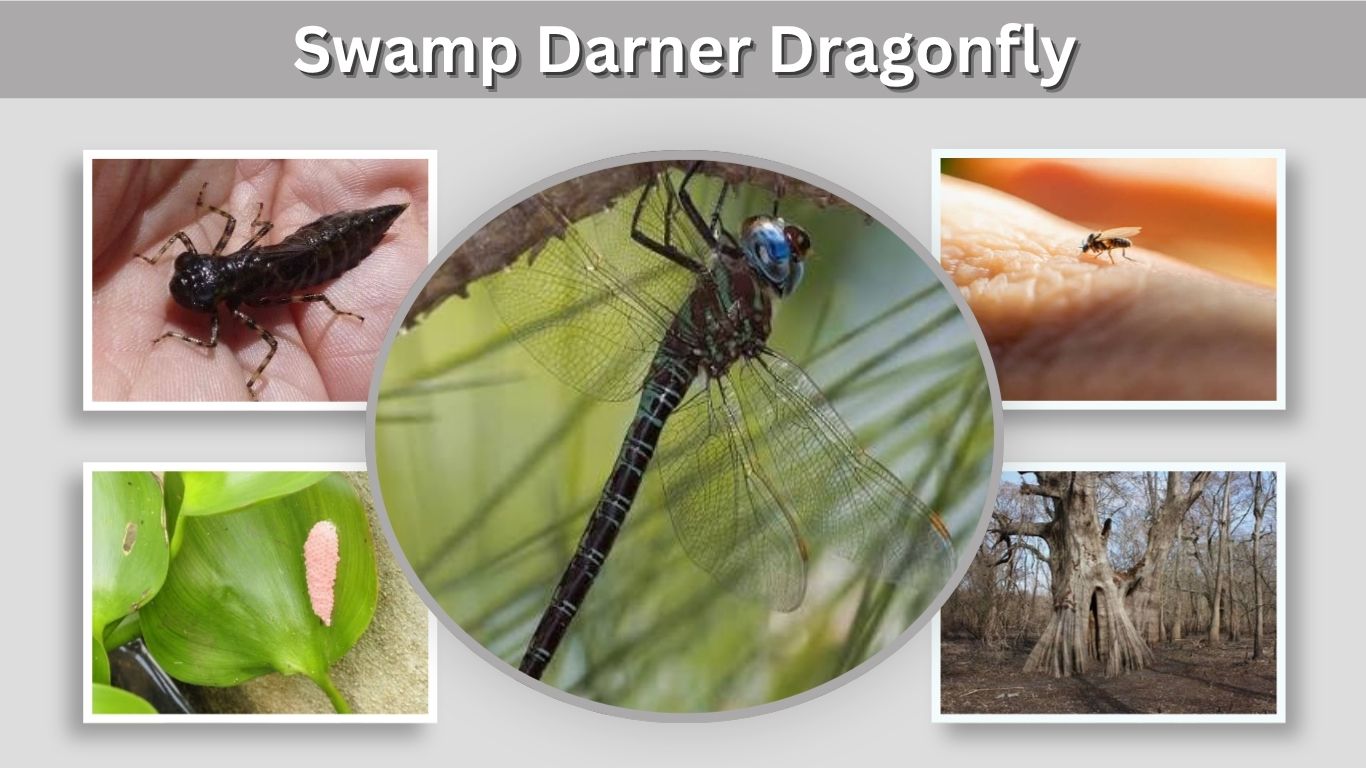
The swamp darner is one of the largest dragonflies in North America. Scientifically named Epiaeschna heros, it has a long dark-brown abdomen, narrow green rings, green thoracic stripes, and striking blue eyes in mature males. This powerful predator inhabits shaded ponds, wooded swamps, temporary wetlands, and slow streams across eastern North America. Adults may also … Read more

Blue-Eyed Darner Dragonfly: Identification, Habitat and Facts

Blue-Eyed Darner Dragonfly: Identification, Habitat and Facts

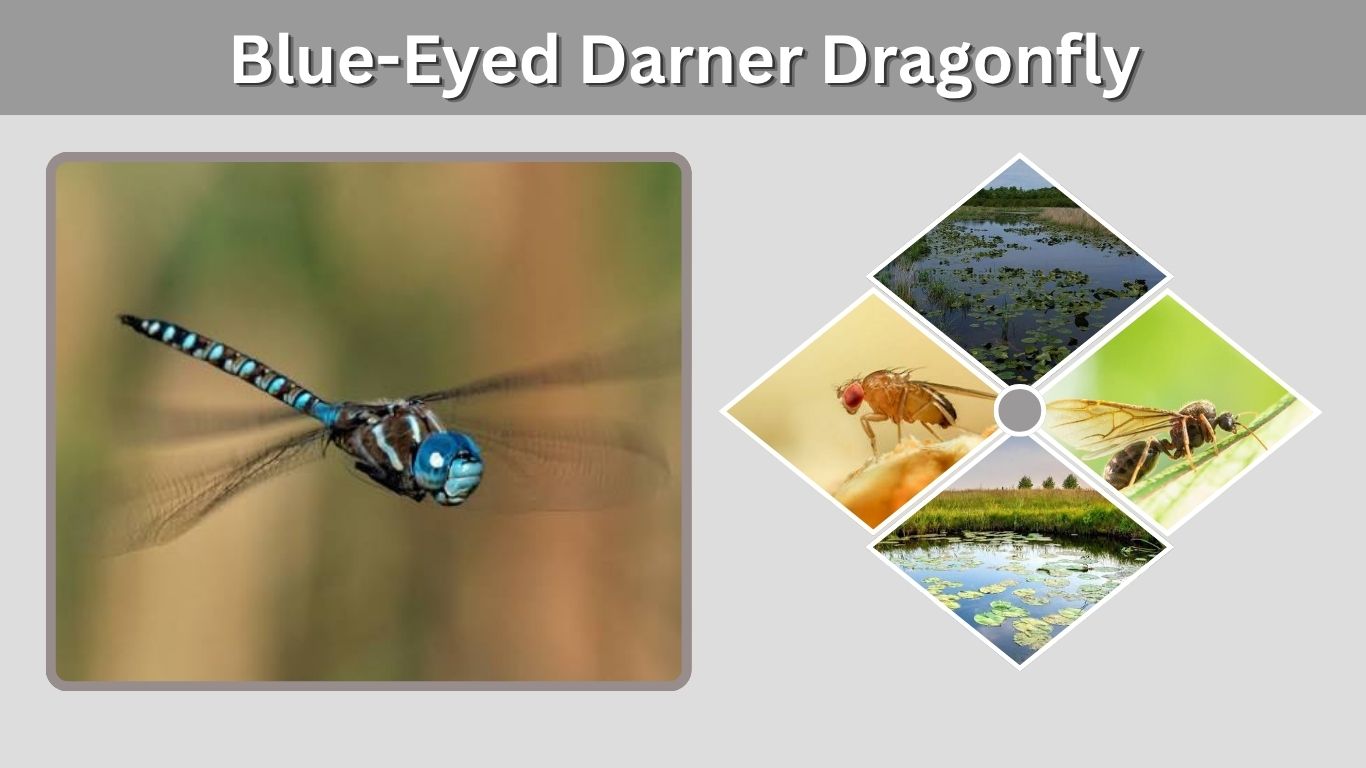
The blue-eyed darner is a large, fast-flying dragonfly recognized by its vivid blue eyes and colorful body markings. Scientifically named Rhionaeschna multicolor, it occurs mainly across western North America, although sightings extend eastward into parts of the Midwest. This powerful aerial predator patrols ponds, lakes, marshes, fields, and shorelines while hunting smaller insects. Females may … Read more

Banded Pennant Dragonfly: Identification, Habitat and Facts

Banded Pennant Dragonfly: Identification, Habitat and Facts

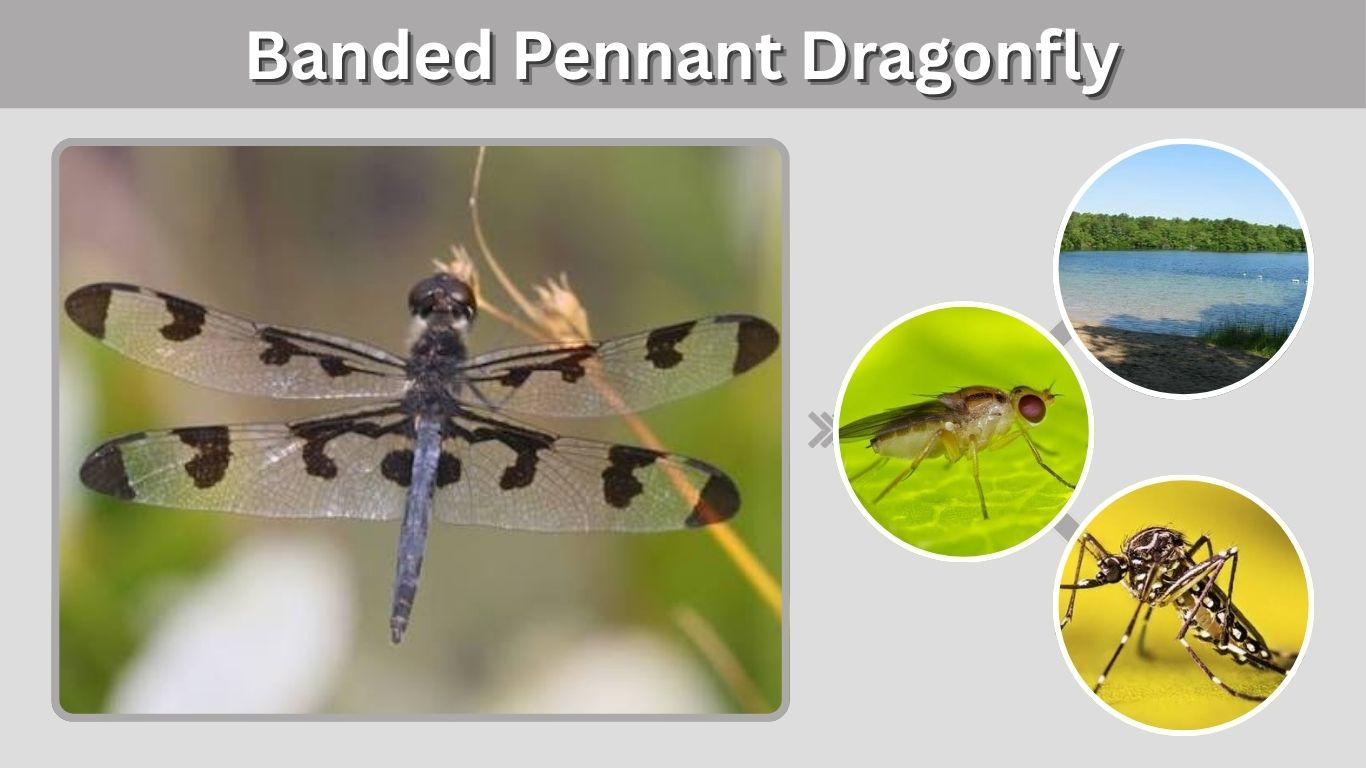
The banded pennant is a small but striking dragonfly known for the bold black markings across its transparent wings. Scientifically named Celithemis fasciata, it usually lives around warm, vegetated ponds and lakes in eastern and south-central North America. Adults often perch at the tips of grass stems or branches, where their wings catch the sunlight … Read more