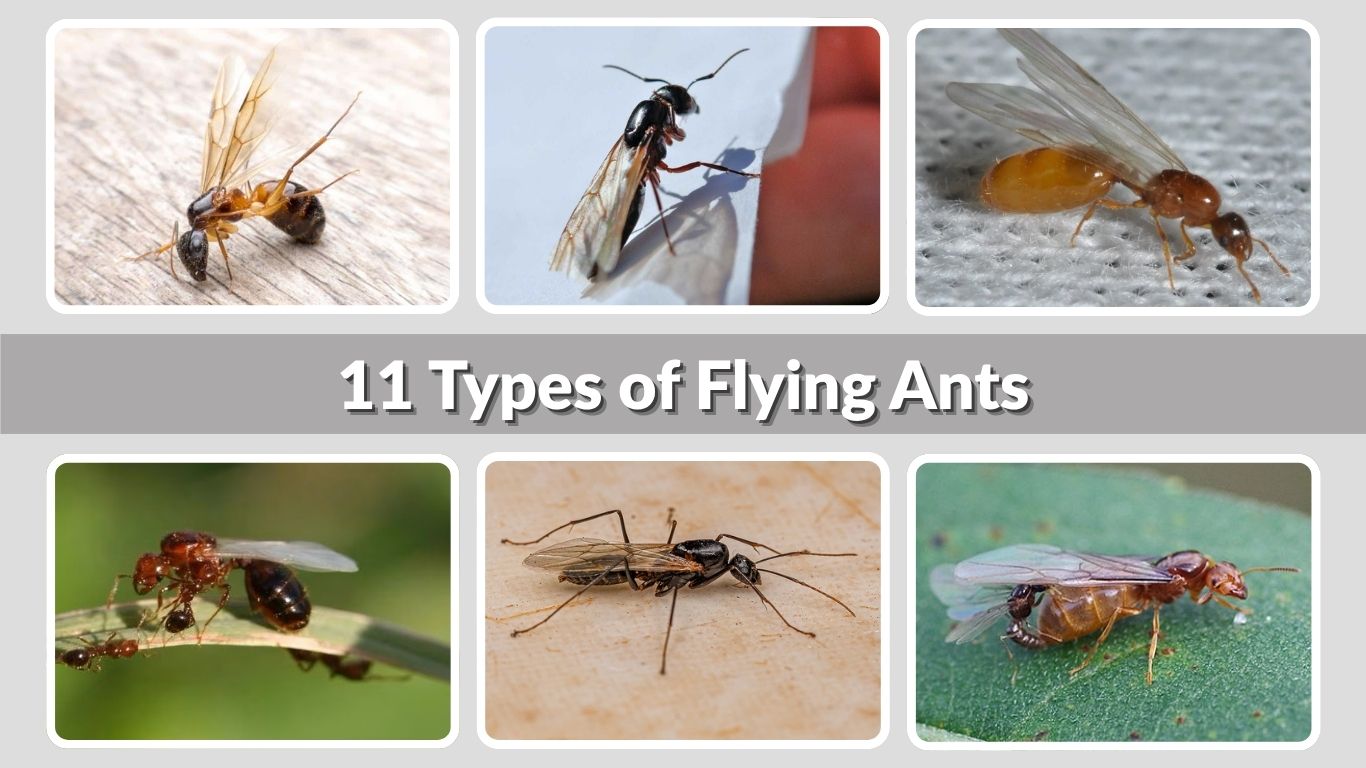
11 Types of Flying Ants: Identification, Habitat, and Risks

11 Types of Flying Ants: Identification, Habitat, and Risks

Flying ants are not a separate species or permanent type of ant. They are reproductive males and queens, known as alates, that develop wings before leaving their established colonies to mate. Many ant species produce these winged adults, and they may appear in large swarms during warm, humid weather. Although most flying ants are harmless, … Read more

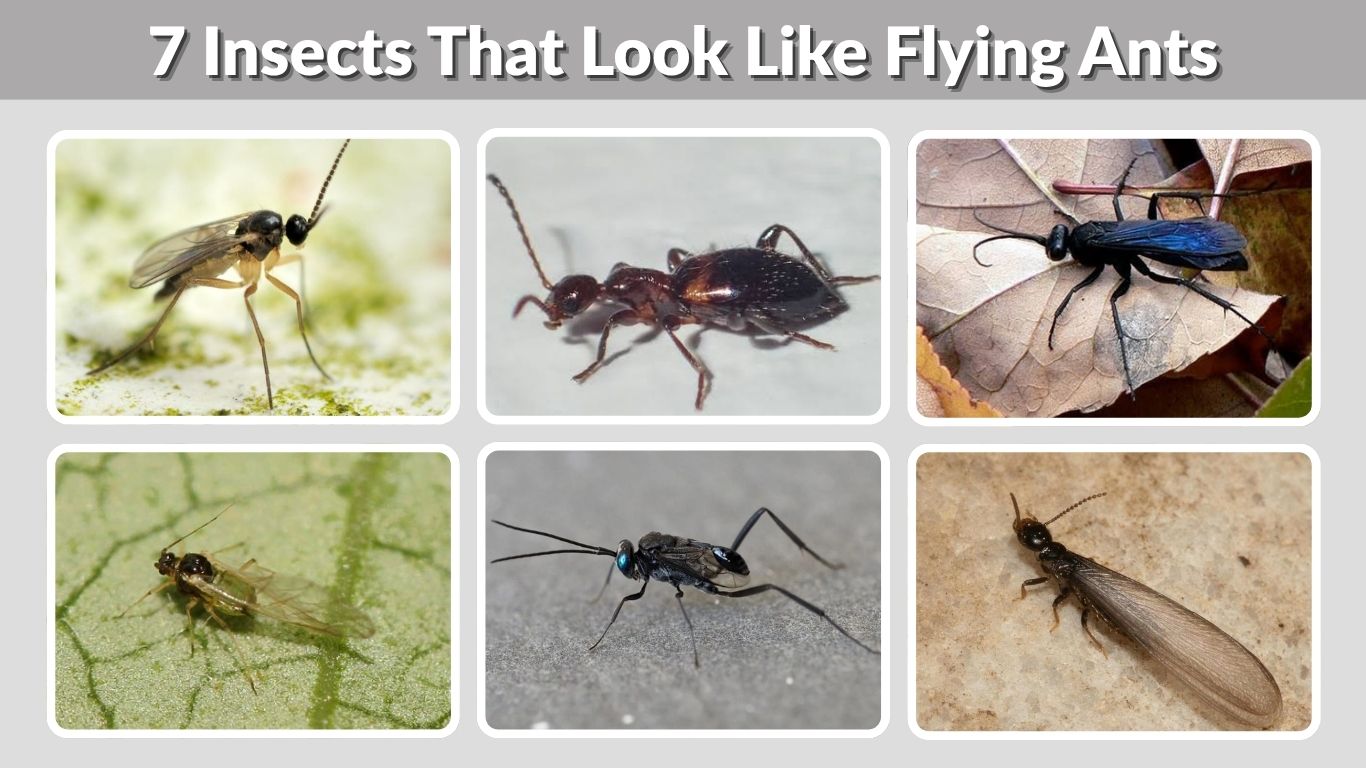
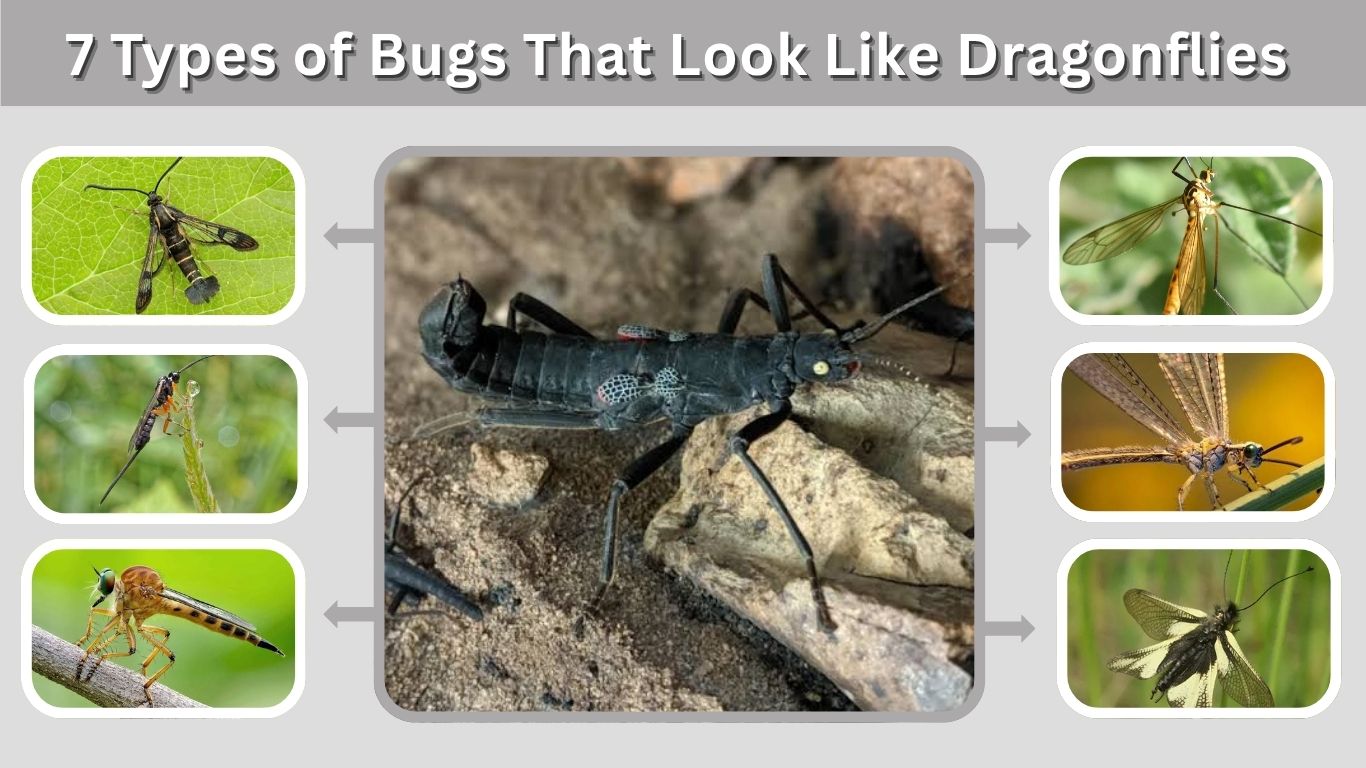
7 Insects That Look Like Flying Ants: Identification Guide

7 Insects That Look Like Flying Ants: Identification Guide

Flying ants are reproductive members of an ant colony that develop wings for mating. Their narrow bodies, transparent wings, and dark coloring can make them difficult to distinguish from termites, wasps, beetles, aphids, and small flies. Some lookalikes are harmless visitors, while others may indicate a pest problem requiring attention. Examining the insect’s antennae, waist, … Read more

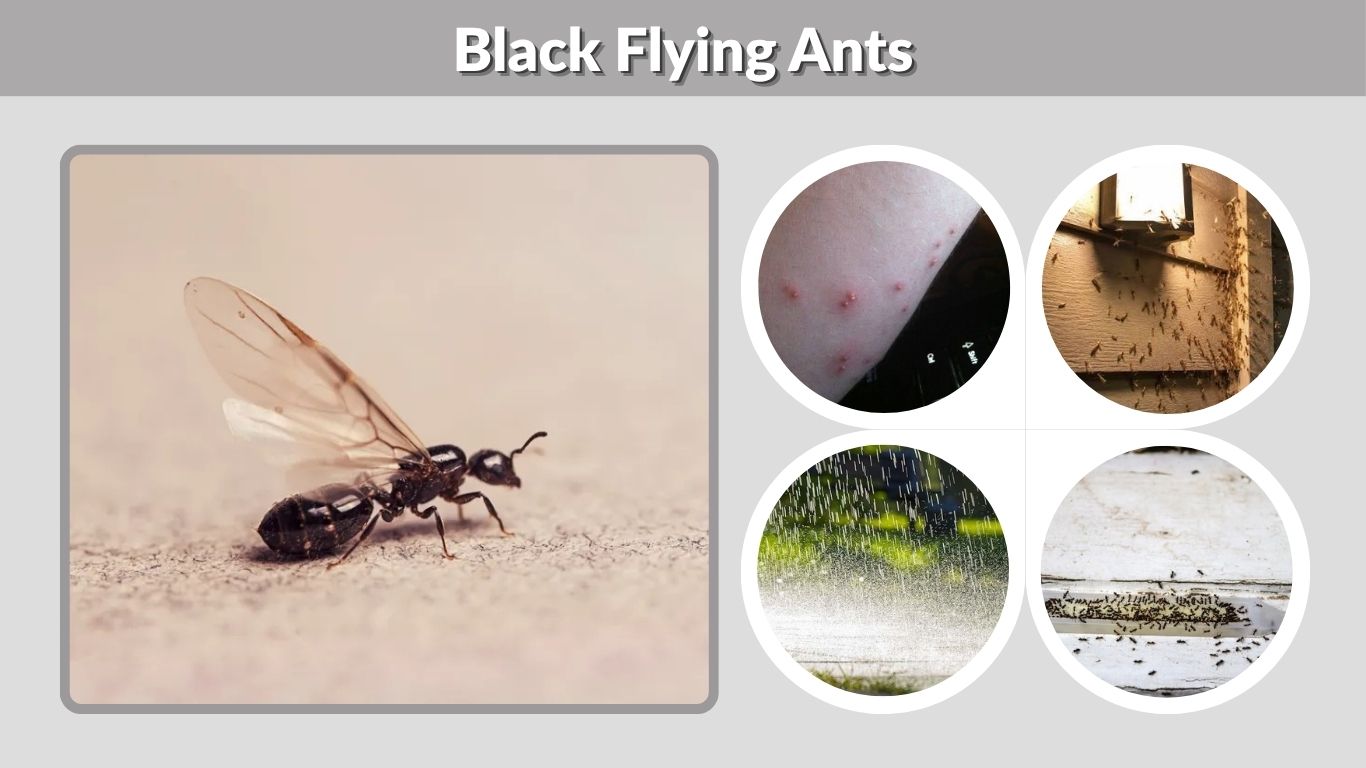
Black Flying Ants: Identification, Bites, and Control

Black Flying Ants: Identification, Bites, and Control

Black flying ants often appear suddenly around homes, gardens, pools, windows, and outdoor lights. These insects are not a distinct ant species. They are reproductive males and queens from established colonies. Their temporary wings allow them to participate in mating flights and establish new nests. Large black flying ants are frequently carpenter ants, while smaller … Read more

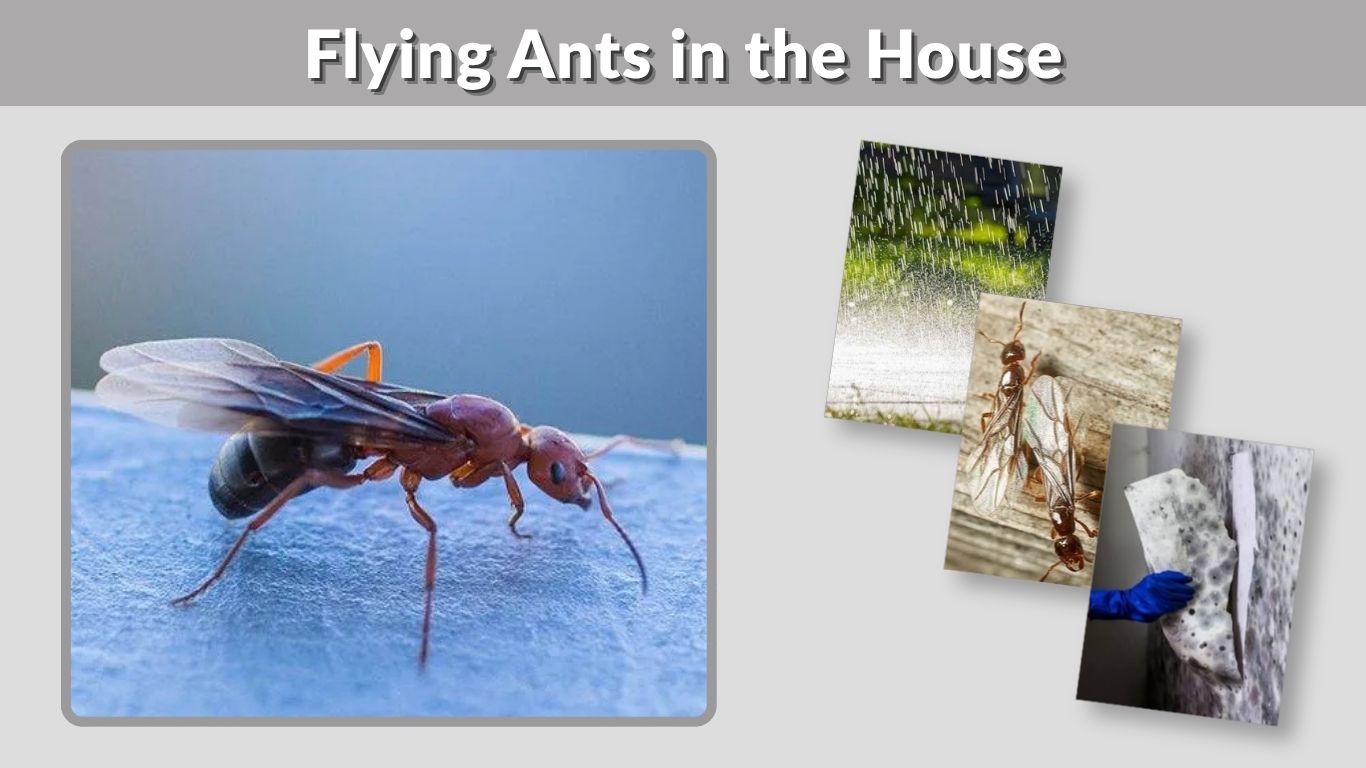
Flying Ants in the House: Causes, Identification, and Control

Flying Ants in the House: Causes, Identification, and Control

Finding flying ants in your house can be alarming, especially when dozens suddenly gather around windows or lights. These insects are reproductive members of an established ant colony, not a separate species. They develop wings temporarily to mate and establish new colonies. A few flying ants may have entered from outside, but repeated indoor swarms … Read more

Flying Ants vs. Termites in the House

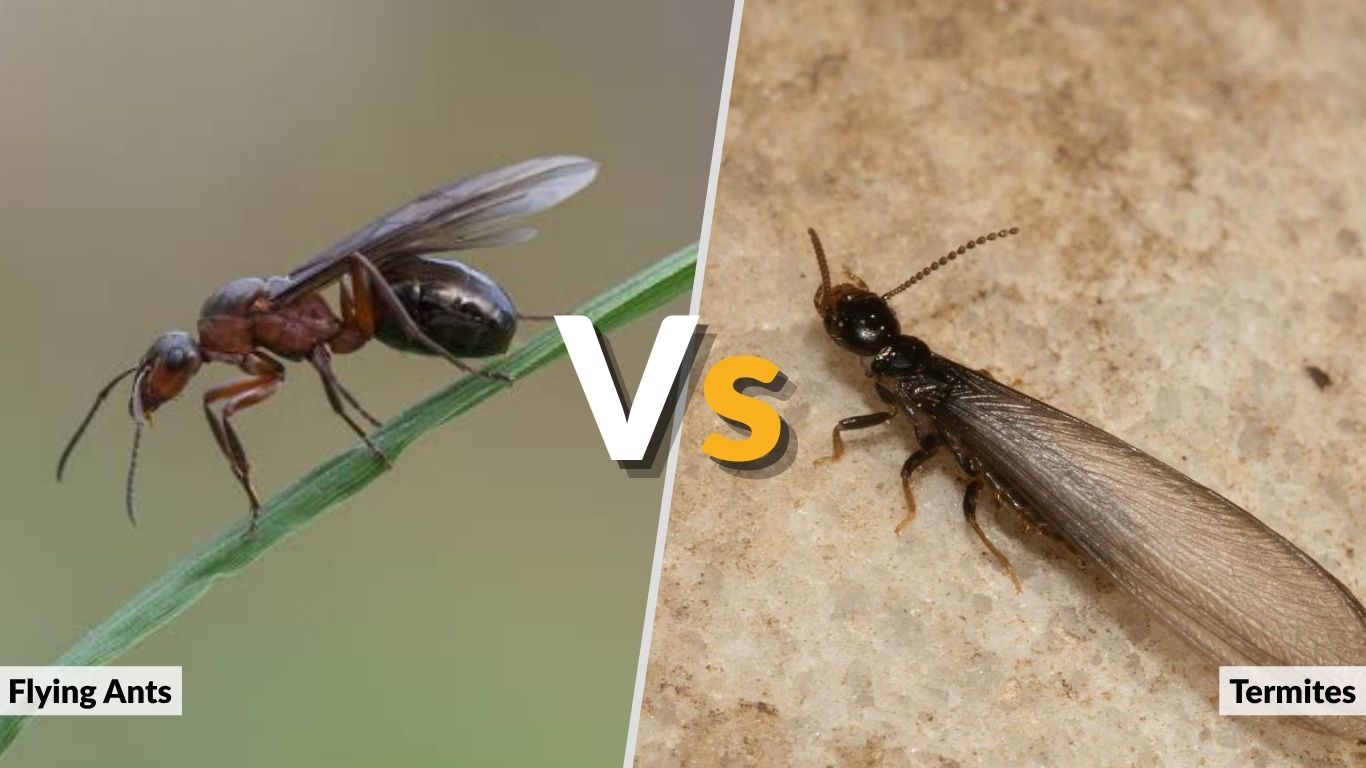
Flying Ants vs. Termites: 7 Key Differences Between Them

Flying ants and winged termites often appear suddenly in large groups, making them easy to confuse. However, their antennae, waists, wings, behavior, and potential impact on a home are noticeably different. Flying ants are reproductive members of an ant colony, while flying termites—called swarmers or alates—leave established colonies to reproduce. Correct identification is important because … Read more

Do Water Bugs Fly

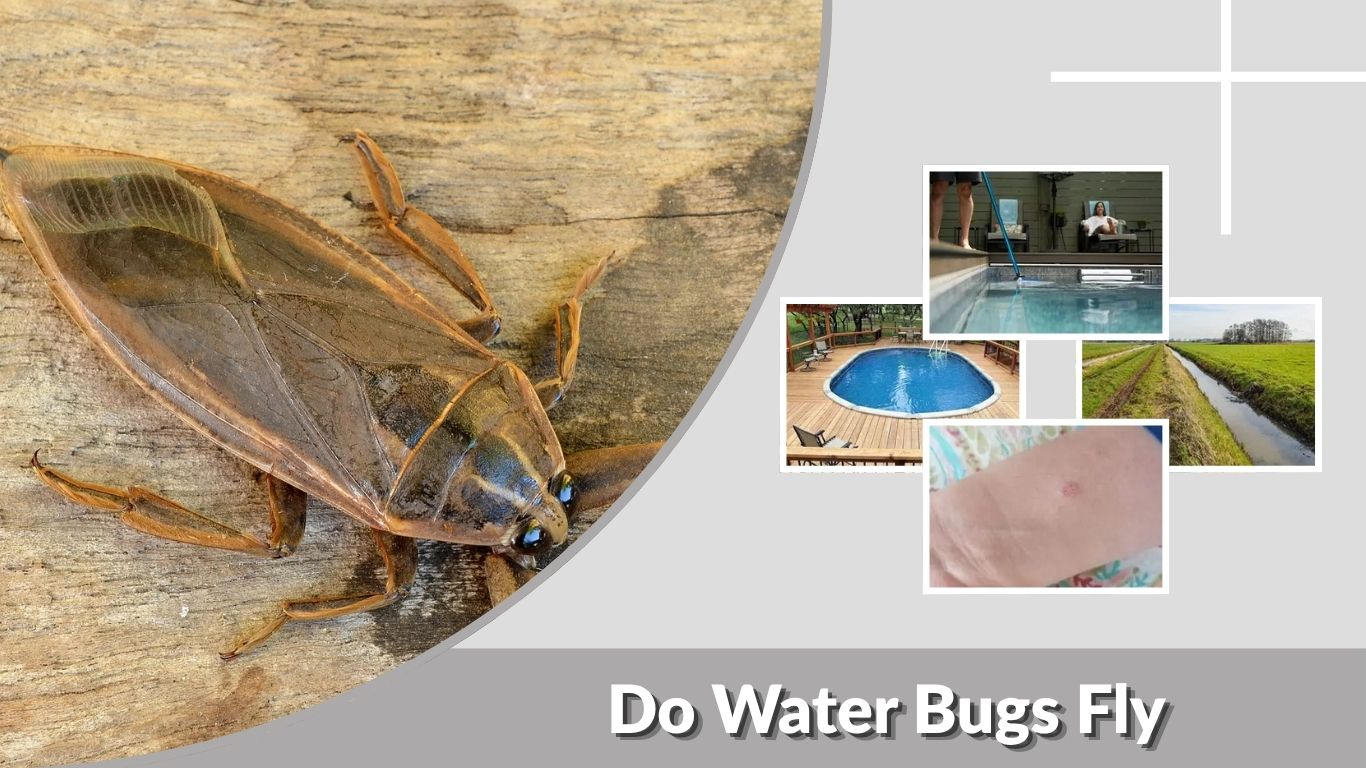
Do Water Bugs Fly? Facts About Flying Water Bugs

Yes, some water bugs can fly, but not every insect called a water bug has the same ability. True aquatic water bugs, including giant water bugs, often have wings and may fly at night, especially around lights. However, household “water bugs” are often cockroaches, and some roach species fly while others do not. Correct identification … Read more

Do Water Bugs Bite? What Humans Should Know

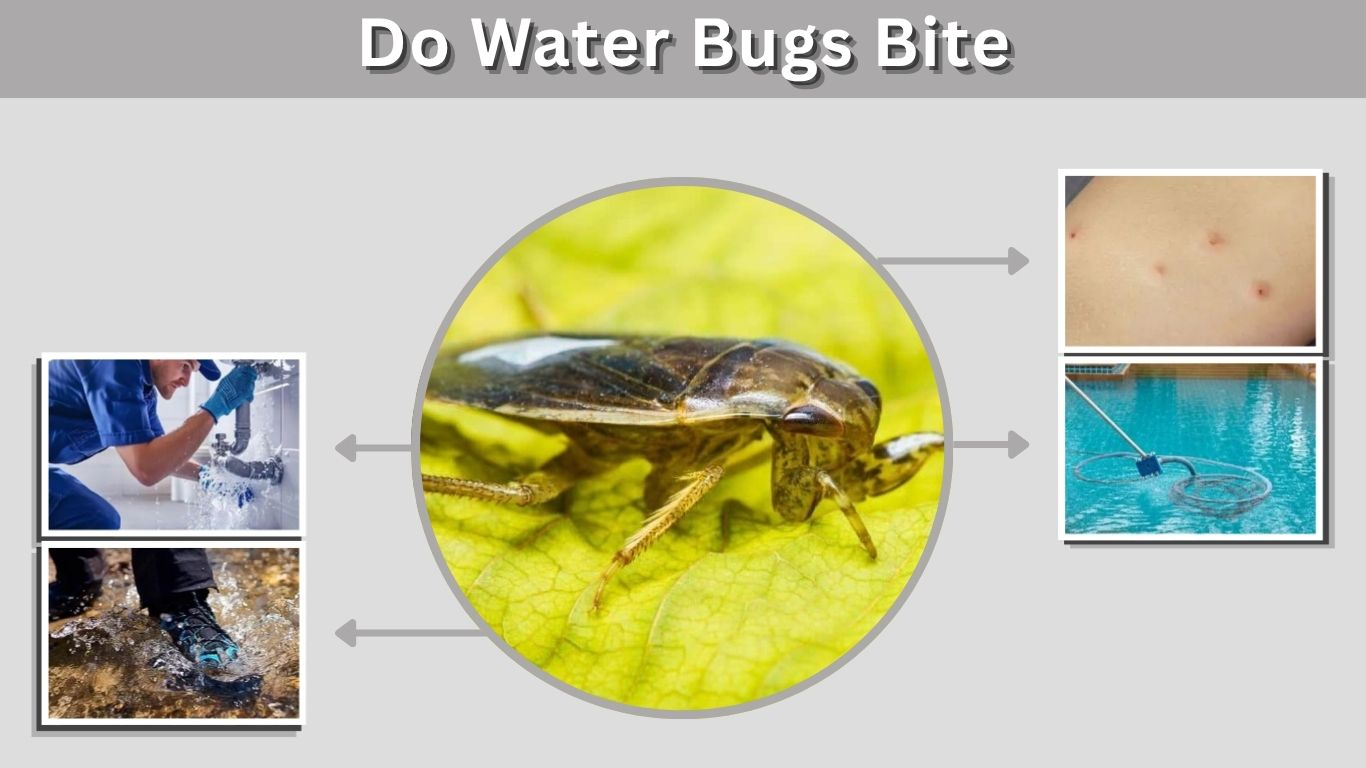
Do Water Bugs Bite? What Humans Should Know

Water bugs can bite, but the answer depends on what kind of “water bug” you mean. Some insects called water bugs are true aquatic predators, while others are household roaches that people casually call water bugs. Giant water bugs and backswimmers can deliver painful bites if handled or threatened, but most bites are not life-threatening. … Read more

Water Bugs in House: Causes, Risks and Removal Tips

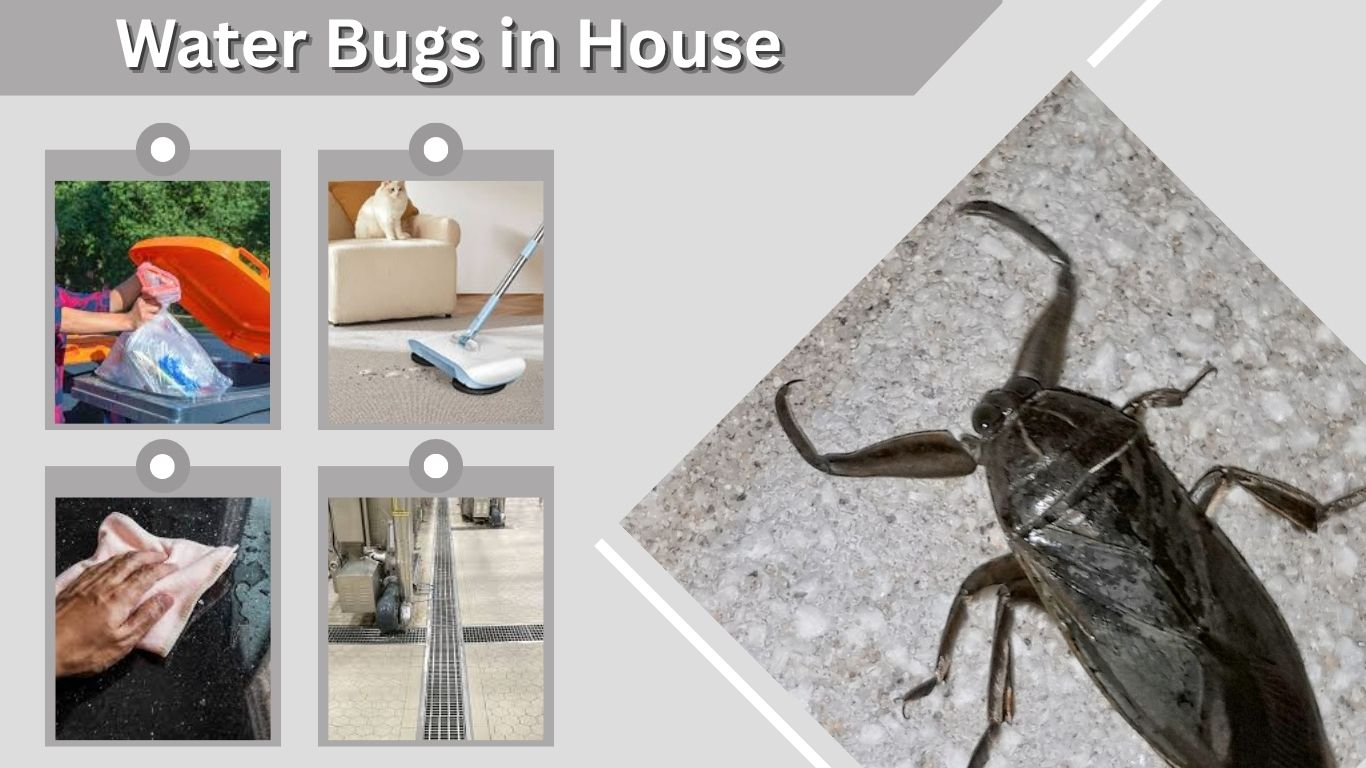
Water Bugs in House: Causes, Risks and Removal Tips

Finding water bugs in house areas like bathrooms, kitchens, basements, or laundry rooms can be unsettling. These insects often appear suddenly, especially in damp spaces or after weather changes. The term “water bug” may refer to true aquatic insects, but in homes, it often describes large roach-like pests. Understanding what attracts them and how they … Read more

Large Water Bug: Identification, Facts and Removal Guide

Large Water Bug: Identification, Facts and Removal Guide

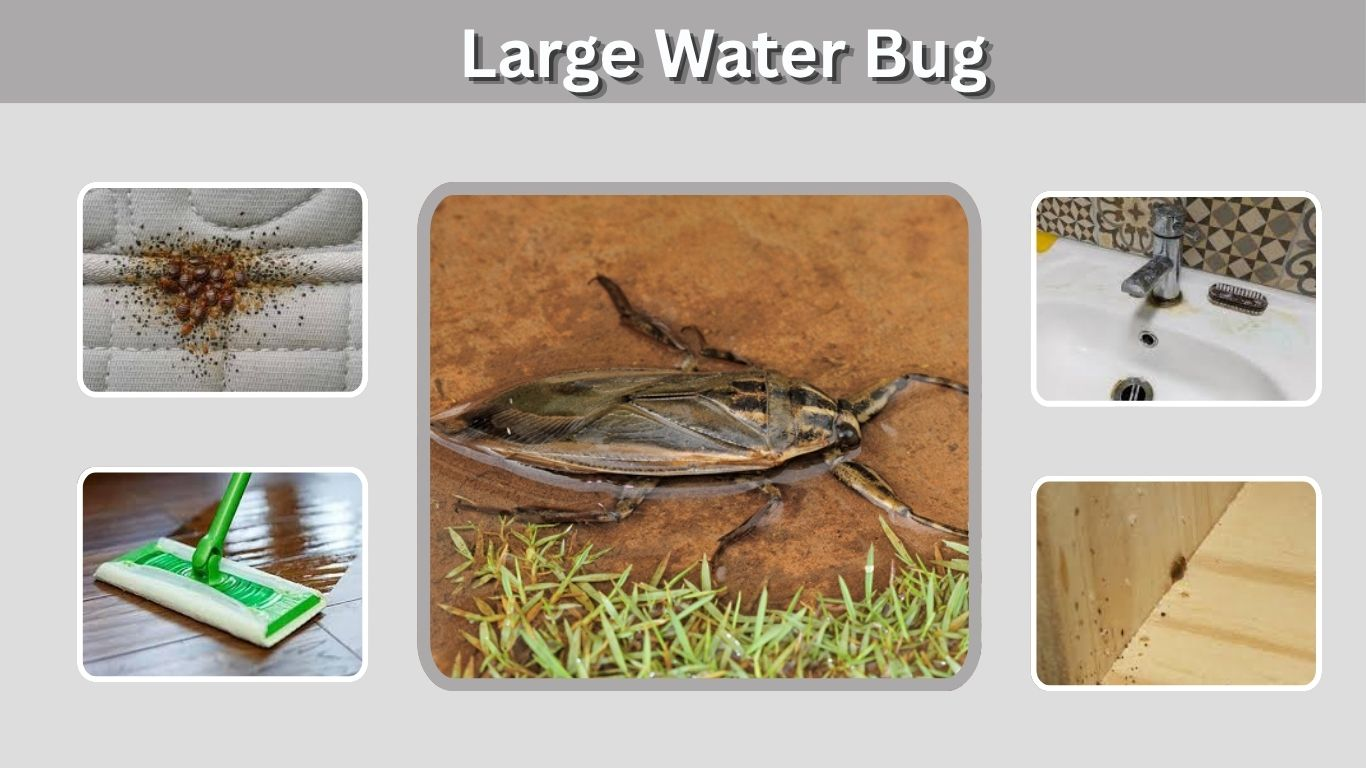
A large water bug can be alarming when it appears in a home, pool, garage, or yard. Many people use the term for different insects, including true giant water bugs and large cockroaches commonly called water bugs. Knowing the difference matters because each insect behaves differently and needs a different control method. This guide explains … Read more