
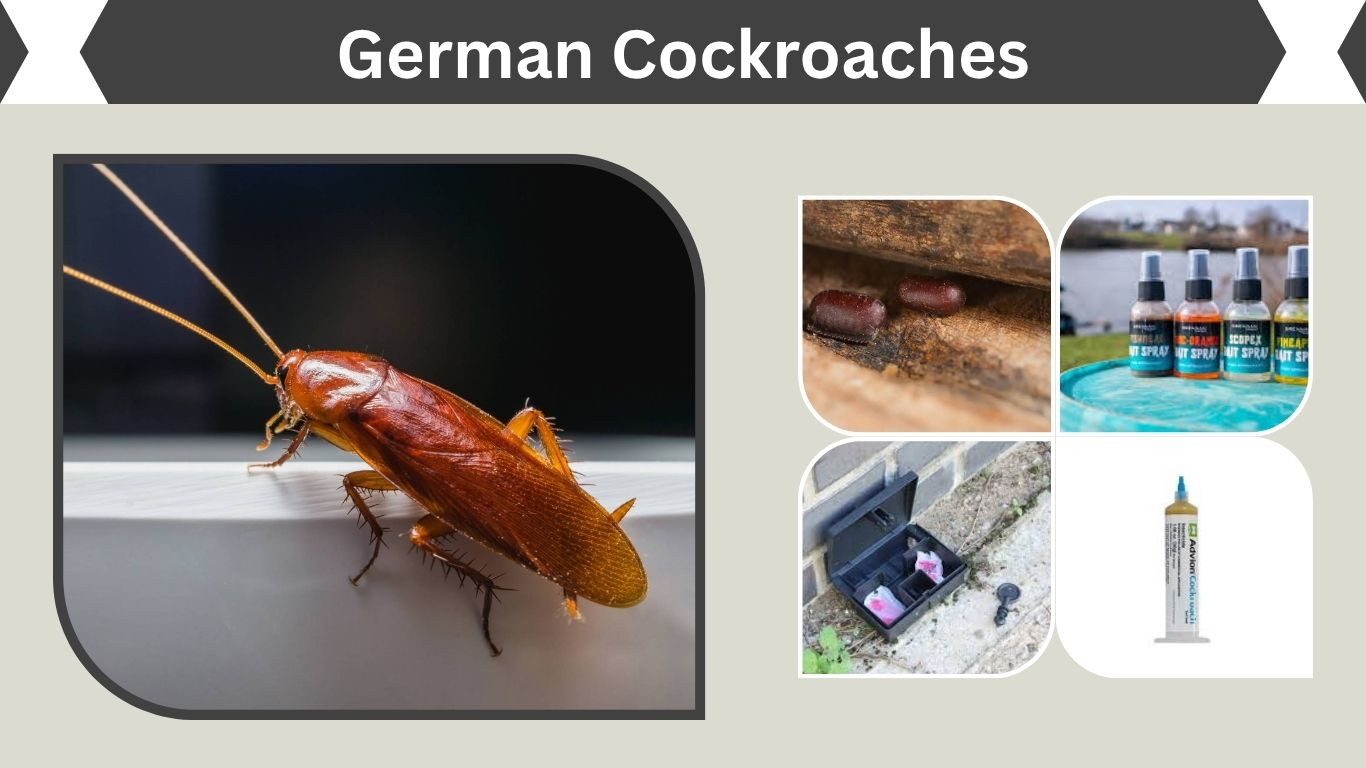
German cockroaches are among the most common household pests worldwide. Small, fast-reproducing, and highly adaptable, they can infest kitchens, bathrooms, and hidden cracks in homes. Understanding their identification, life cycle, and habits is crucial for effective control. This guide explores German cockroach appearance, reproductive habits, infestation signs, health risks, and both chemical and non-chemical methods for elimination. With proper strategies, homeowners can significantly reduce the risk of infestation and maintain a clean, cockroach-free environment.
German Cockroach Identification
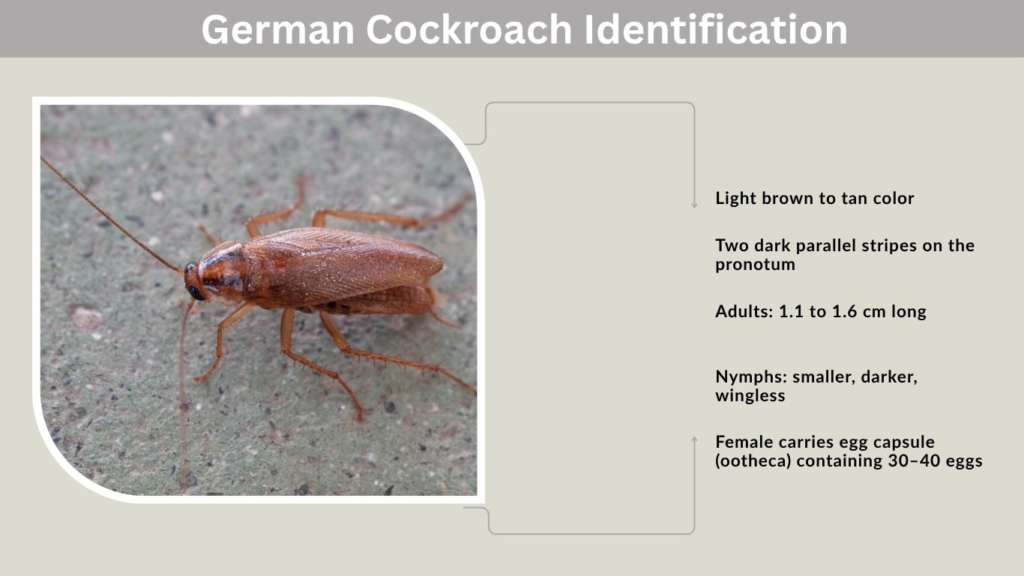
Recognizing German cockroaches is essential for effective pest management. These roaches are smaller than many other species and have distinct markings. Identifying adults, nymphs, and eggs early can prevent rapid population growth and reduce infestation risks. Differentiating them from similar species ensures correct control methods are applied.
Appearance and Size
- Light brown to tan color
- Two dark parallel stripes on the pronotum (just behind the head)
- Adults: 1.1 to 1.6 cm long
- Nymphs: smaller, darker, wingless
Eggs and Egg Capsules
- Female carries egg capsule (ootheca) containing 30–40 eggs
- Egg capsules are brown, oblong, and roughly 0.8 cm long
- Eggs hatch in 28–30 days under favorable conditions
Differences from Other Species
- German vs. American cockroach: smaller, lighter color, cannot fly long distances
- German vs. Asian cockroach: German cockroaches prefer indoor habitats; Asian cockroaches are attracted to light
- German vs. Wood roach: Wood roaches are larger and often found outdoors
- German vs. Palmetto bug: Palmetto bugs are much larger and slower
German Cockroach Life Cycle and Reproduction
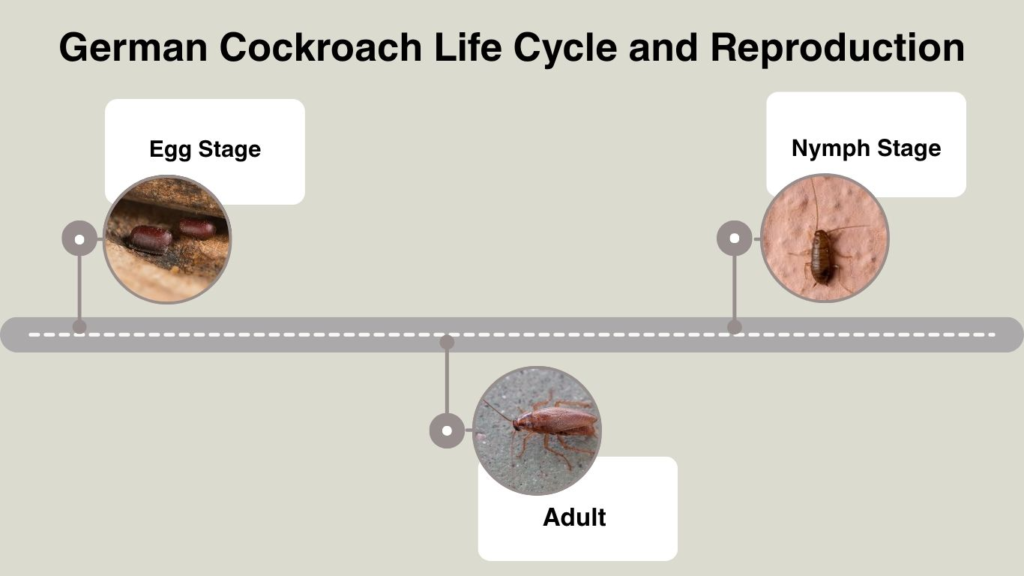
German cockroaches reproduce rapidly, with a life cycle that allows for exponential population growth. A single female can produce hundreds of offspring in a year. Understanding each stage—egg, nymph, adult—helps target control measures more effectively and prevent long-term infestations.
Egg Stage
- Females carry eggs in ootheca for about 28 days
- Each ootheca contains 30–40 eggs
- Eggs are deposited in hidden cracks and crevices
Nymph Stage
- Nymphs are wingless and dark brown
- They molt 5–6 times before reaching adulthood
- Rapidly grow in warm, humid environments
Adult Stage
- Adults measure 1.1–1.6 cm long
- Capable of reproduction within 2 months of hatching
- Lifespan: roughly 100–200 days under optimal conditions
German Cockroach Habits and Behavior
German cockroaches are nocturnal, shy, and highly adaptable. They prefer warm, humid areas like kitchens and bathrooms and feed on scraps, grease, and even soap. Observing their behavior and hiding spots allows homeowners to detect infestations early and implement control strategies effectively.
- Active primarily at night
- Hide in cracks, behind appliances, under sinks
- Feed on food scraps, paper, glue, and organic matter
- Leave droppings resembling small black pepper grains
- Can reproduce rapidly, especially in cluttered or unsanitary areas
German Cockroach Health Risks and Dangers
German cockroaches pose health risks in addition to being a nuisance. They can carry bacteria, contaminate food, and trigger allergies and asthma. Awareness of these risks is important for households, especially in kitchens and areas with young children or immune-compromised individuals.
Health Concerns
- Can spread Salmonella, E. coli, and other pathogens
- Droppings, shed skins, and saliva can trigger asthma and allergic reactions
- Rarely bite humans, but bites may cause minor irritation
- Contaminate food and utensils if left uncontrolled
German CockroachDetection and Monitoring
Early detection allows for targeted and efficient German cockroach control. Regular inspections, traps, and monitoring signs help identify infestations before they grow severe.
Signs of Infestation
- Sightings of live cockroaches at night
- Small black droppings resembling ground pepper
- Shed skins and egg cases (ootheca) in hidden areas
- Musty, oily odor in severe infestations
Monitoring Tools
- Sticky traps placed near suspected hiding spots
- Gel bait stations to attract and monitor roaches
- Regular inspection of cracks, behind appliances, and under sinks
Preventive Measures
Preventing German cockroaches is more effective than eliminating them after infestation. Maintaining a clean, dry, and uncluttered environment reduces their ability to survive and reproduce.
Prevention Strategies
- Store food in sealed containers
- Dispose of garbage daily and maintain clean bins
- Seal cracks, crevices, and gaps around doors and pipes
- Reduce moisture in kitchens, bathrooms, and basements
- Minimize clutter where roaches can hide
German Cockroach Chemical Control
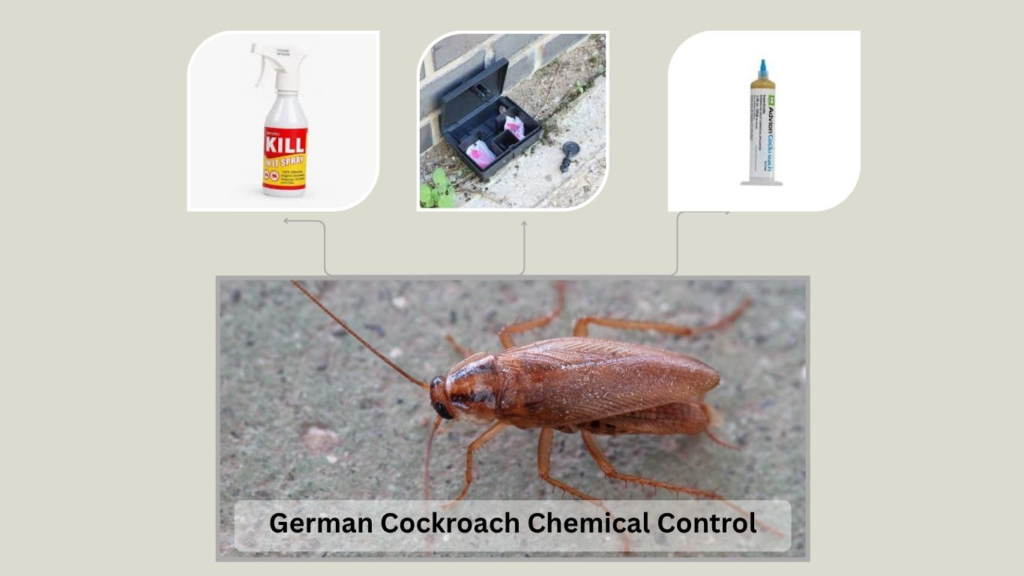
Chemical treatments are highly effective against German cockroaches when used correctly. Combining insecticides with baits and gel treatments ensures comprehensive population reduction.
Effective Treatments
- Gel baits: placed in cracks and under appliances, attract roaches and spread poison
- Bait stations: safe for households and pets, maintain long-term control
- Insecticide sprays and powders: target hiding spots and active roaches
- Always follow product safety instructions and avoid overuse
German Cockroach Non-Chemical Control
Non-chemical methods complement chemical treatments and prevent reinfestation. Integrated Pest Management (IPM) combines hygiene, monitoring, and mechanical removal for long-term results.
Strategies
- Use traps to capture roaches without chemicals
- Heat or cold treatments for infested areas
- Diatomaceous earth or boric acid in cracks (abrasive to exoskeletons)
- Maintain consistent cleaning and monitoring practices
Common Mistakes in Cockroach Control
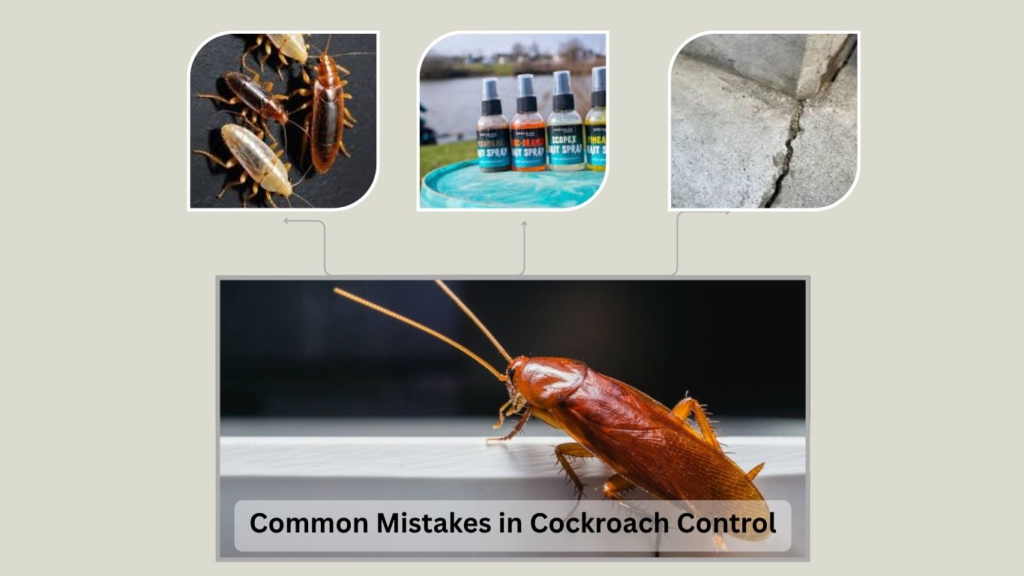
Avoiding common errors speeds up German cockroach elimination. Misidentification or incomplete treatment allows populations to rebound.
Mistakes to Avoid
- Ignoring eggs or nymphs, focusing only on adults
- Using sprays without baits
- Failing to maintain cleanliness after treatment
- Overlooking cracks, behind appliances, and hidden areas
Choosing a Professional Exterminator
Severe infestations may require professional pest control services. Professionals can assess the situation, apply specialized treatments, and ensure safer, faster elimination.
When to Hire
- Persistent infestation despite DIY efforts
- Extensive spread in multiple rooms
- Need for specialized chemical or heat treatments
What to Expect
- Comprehensive inspection
- Treatment with gel baits, sprays, or dusts
- Advice on prevention and maintenance
Regional Considerations
German cockroach prevalence varies by location. Warmer climates and humid regions, such as Florida, often experience heavier infestations. Understanding regional differences helps tailor control strategies.
- Infestations more common in kitchens, restaurants, and humid homes
- Warm climates accelerate reproduction
- Local pest control regulations may apply
Maintaining a Cockroach-Free Home
Preventing reinfestation requires ongoing vigilance. Combining preventive measures, regular monitoring, and periodic treatments keeps German cockroaches out permanently.
Strategies
- Maintain cleanliness and proper waste management
- Inspect food and packaging regularly
- Periodically use baits and traps
- Educate household members on cockroach prevention
FAQs
Do German cockroaches bite humans?
German cockroaches rarely bite. When they do, it typically causes minor irritation. Their primary danger is spreading bacteria and triggering allergies.
How long do German cockroaches live?
Adults live around 100–200 days. Nymphs mature in roughly 2 months, and females can produce hundreds of offspring per year.
Can German cockroaches fly?
No, German cockroaches cannot fly, although adults have small wings. They may glide short distances but do not fly actively like some other cockroach species.
What attracts German cockroaches into a home?
Food scraps, moisture, warmth, and clutter attract German cockroaches. Poor sanitation and easy access to hiding spots increase the risk of infestation.
What is the best way to get rid of German cockroaches?
A combination of gel baits, bait stations, cleanliness, and sealing entry points is most effective. Severe infestations may require professional extermination services.