
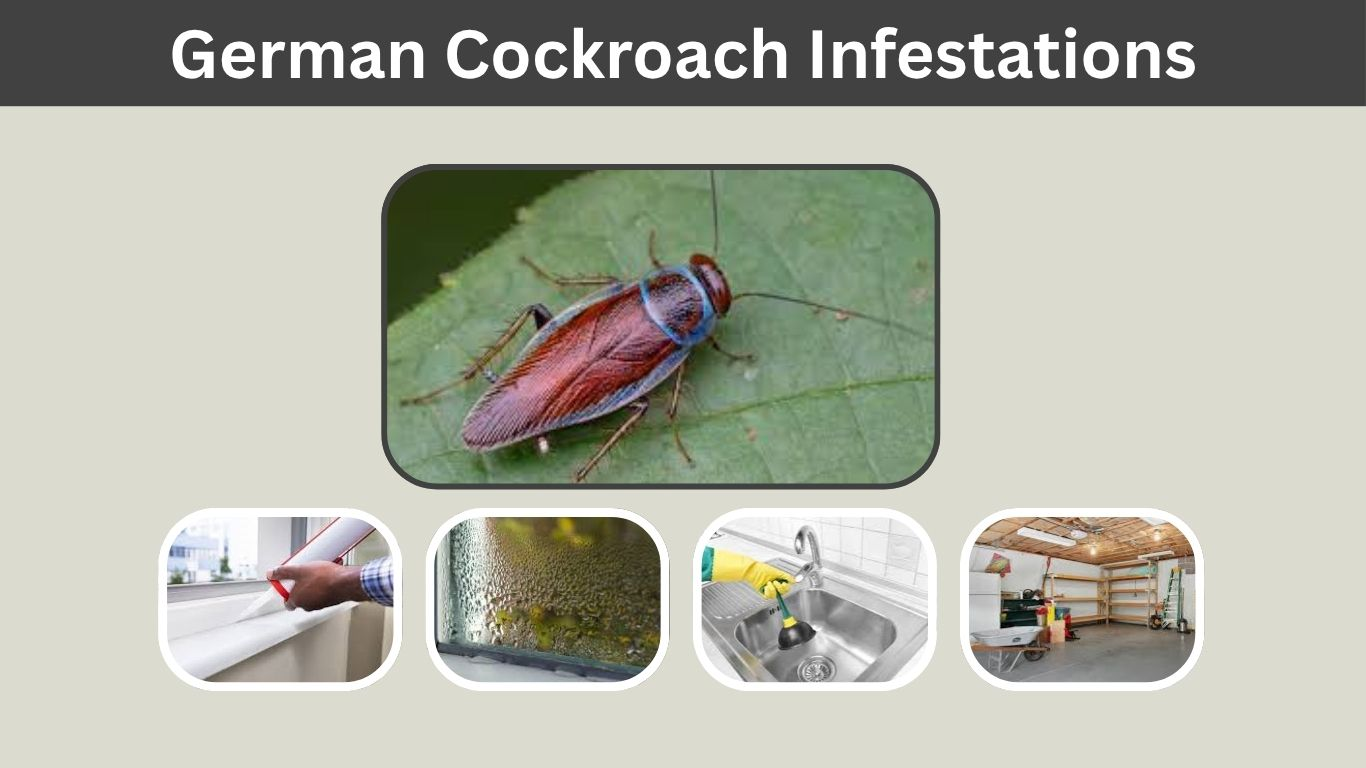
German cockroach infestations are one of the most common and persistent pest problems in homes, apartments, and commercial spaces. These small, fast-reproducing insects hide in cracks, cabinets, and behind appliances, making them difficult to detect and eliminate. Early detection, proper sanitation, and targeted treatment are crucial to control infestations effectively. This guide explores the causes, signs, severity, and methods for treating German cockroach infestations, providing practical solutions for homeowners and tenants.
What Is a German Cockroach Infestation?
A German cockroach infestation occurs when one or more of these pests establish a breeding population in your home or business. Even a single sighting may indicate hundreds of hidden roaches. Understanding what qualifies as an infestation helps homeowners take timely action and prevent the population from growing further.
Early Signs of Infestation
- Sightings of adult or nymph cockroaches
- Egg cases (ootheca) in cracks, cabinets, or behind appliances
- Small black droppings resembling pepper grains
- Musty or oily odor in heavily infested areas
How Infestations Start
- Presence of food crumbs and grease in kitchens
- Moisture in sinks, drains, or under appliances
- Warm, humid environments that encourage breeding
- Introduction via second-hand items, deliveries, or neighboring units
Causes of German Cockroach Infestations
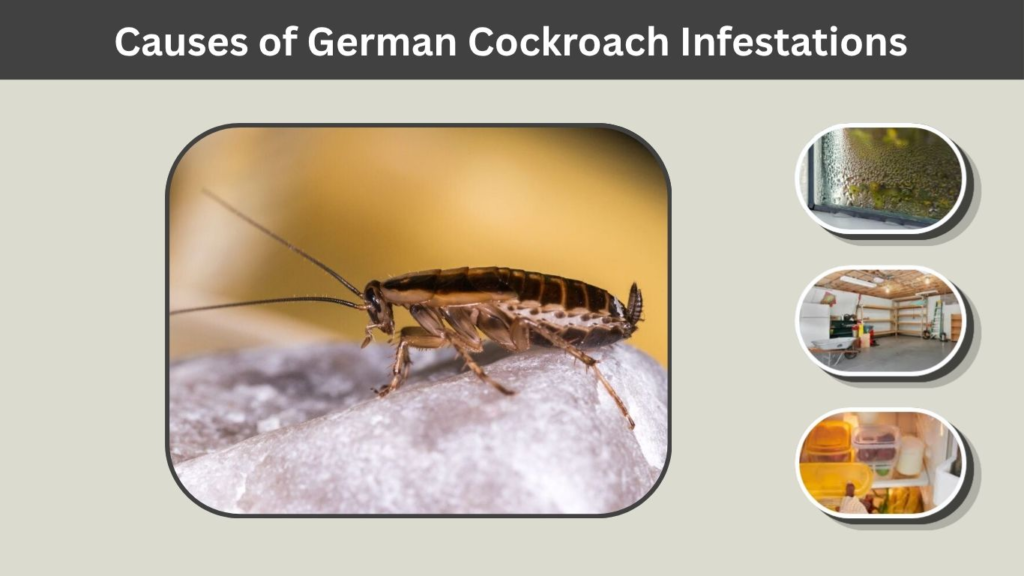
Infestations result from a combination of environmental factors and human habits. German cockroaches thrive in areas with food, water, and hiding spaces. Knowing the causes is key to preventing reinfestation after treatment.
Environmental Factors
- Warm and humid indoor conditions
- Cluttered areas that provide hiding spots
- Poor ventilation or stagnant water in kitchens and bathrooms
Human-Related Causes
- Leaving food exposed or improperly stored
- Overflowing trash bins and dirty surfaces
- Bringing in infested items such as used appliances or furniture
- Lack of routine cleaning and maintenance
Signs of a German Cockroach Infestation
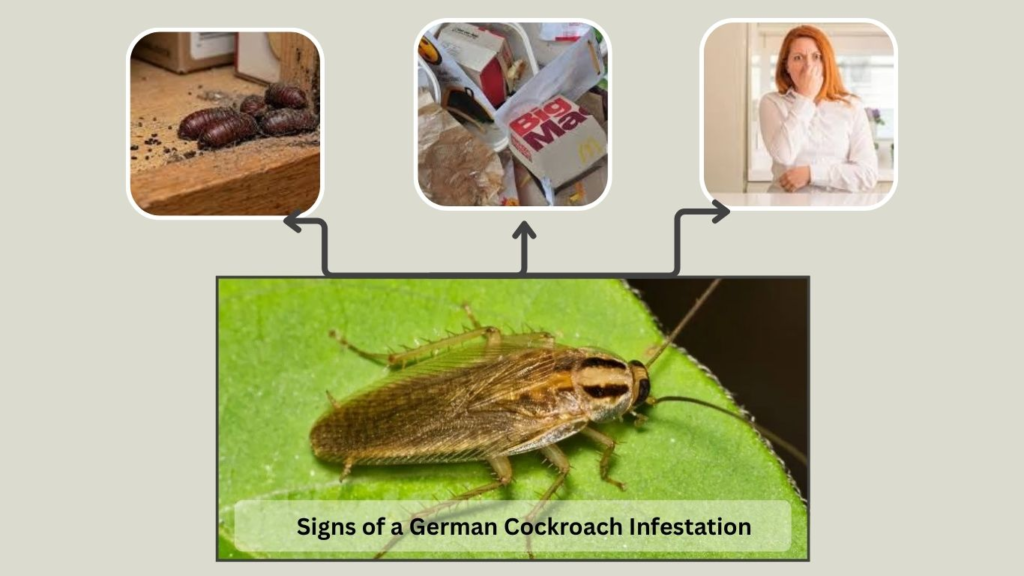
Early detection is critical to prevent the population from multiplying. Cockroach activity can often be detected visually or by odor, even before you see the actual insects. Recognizing these signs allows for faster intervention and targeted control.
Visual Indicators
- Live adults or small nymphs crawling at night
- Shed skins and egg cases in hidden cracks
- Smears on walls or counters from oily bodies
- Damaged or contaminated food packaging
Odor and Droppings
- Musty or oily smell in heavily infested areas
- Droppings resembling ground black pepper
- Accumulation of droppings near hiding spots such as cabinets, sinks, and appliances
German Cockroach Severity of Infestations
The severity of an infestation determines how aggressive the treatment must be. Mild infestations may be controlled with DIY methods, while severe infestations often require professional intervention.
Mild Infestation
- Occasional sightings of one or two cockroaches
- Small areas affected, usually limited to kitchen or bathroom
- Can often be managed with baits, traps, and sanitation
Moderate to Severe Infestation
- Multiple cockroaches seen frequently at night
- Egg cases and nymphs found throughout the home
- Infestation may extend to cabinets, appliances, and even vehicles
- Professional pest control may be required for complete elimination
German Cockroach Inspection and Assessment
A thorough inspection helps identify the full extent of the infestation and informs treatment strategies. Knowing where to look and how to monitor activity is critical for effective control.
Areas to Inspect
- Kitchens: under sinks, behind appliances, inside cabinets
- Bathrooms: around pipes, drains, and baseboards
- Living areas: cracks, furniture, and cluttered spaces
- Vehicles and RVs: hidden compartments and upholstery
Monitoring Tools
- Sticky traps to detect movement and population density
- Visual inspection for droppings, egg cases, and shed skins
- Odor detection for heavily infested areas
Treatment Methods for German Cockroach Infestations
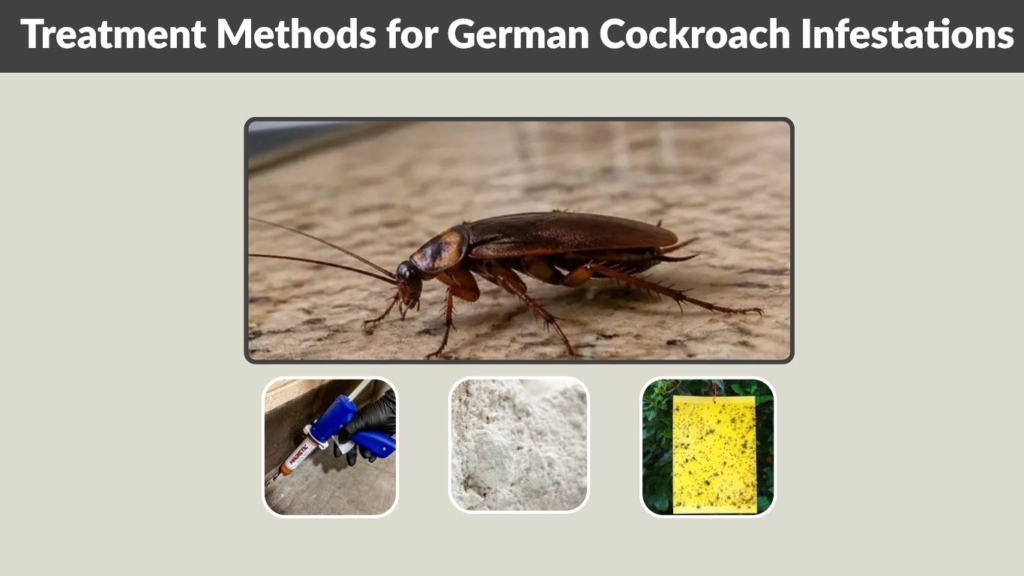
Effective treatment depends on infestation severity and location. Combining DIY approaches, chemical treatments, and sometimes professional extermination ensures all life stages are targeted and infestations are eliminated completely.
DIY Treatments
- Gel baits and bait stations: Attract roaches and spread poison throughout hiding areas
- Boric acid and diatomaceous earth: Applied in cracks and crevices to kill roaches physically
- Sticky traps: Useful for monitoring and catching adult roaches
- Cleaning: Remove food crumbs, grease, and water sources to prevent survival
Natural and Non-Chemical Methods
- Essential oils like peppermint, tea tree, and eucalyptus as repellents
- Heat treatment for infested furniture, appliances, or cabinets
- Manual removal using vacuuming or traps
Professional Extermination
- Comprehensive inspections to identify hiding spots
- Gel baits, dusts, sprays, and heat treatments for severe infestations
- Follow-up visits and monitoring to ensure complete eradication
German Cockroach Targeting Life Stages
To prevent reinfestation, treatment must address all life stages: eggs, nymphs, and adults. Ignoring any stage allows populations to rebound quickly.
Eggs (Ootheca)
- Use insect growth regulators or gel baits near egg deposits
- Remove visible egg cases from cracks or cabinets
Nymphs
- Apply boric acid or diatomaceous earth in areas with high nymph activity
- Sticky traps can catch nymphs and reduce population
Adults
- Bait stations and insecticide sprays target active adults
- Regular monitoring ensures new adults are eliminated promptly
German Cockroach Location-Specific Control
Infestations appear in different locations, requiring tailored strategies for effective elimination. Kitchens, apartments, cars, and restaurants each have unique challenges.
Kitchen Infestations
- Apply baits under sinks, behind appliances, and inside cabinets
- Regularly clean counters, drains, and trash bins
- Remove clutter to reduce hiding spots
Apartment Infestations
- Seal cracks in walls and baseboards
- Use sticky traps along shared walls to monitor activity
- Apply baits in hidden corners and behind furniture
Vehicle and RV Infestations
- Inspect hidden compartments, vents, and upholstery
- Clean thoroughly and apply boric acid or sticky traps
- Avoid leaving food or trash in vehicles
Restaurant and Commercial Spaces
- Maintain clean storage areas and trash zones
- Apply baits strategically under counters and behind appliances
- Combine with professional pest control if infestation is severe
Preventing Reinfestation
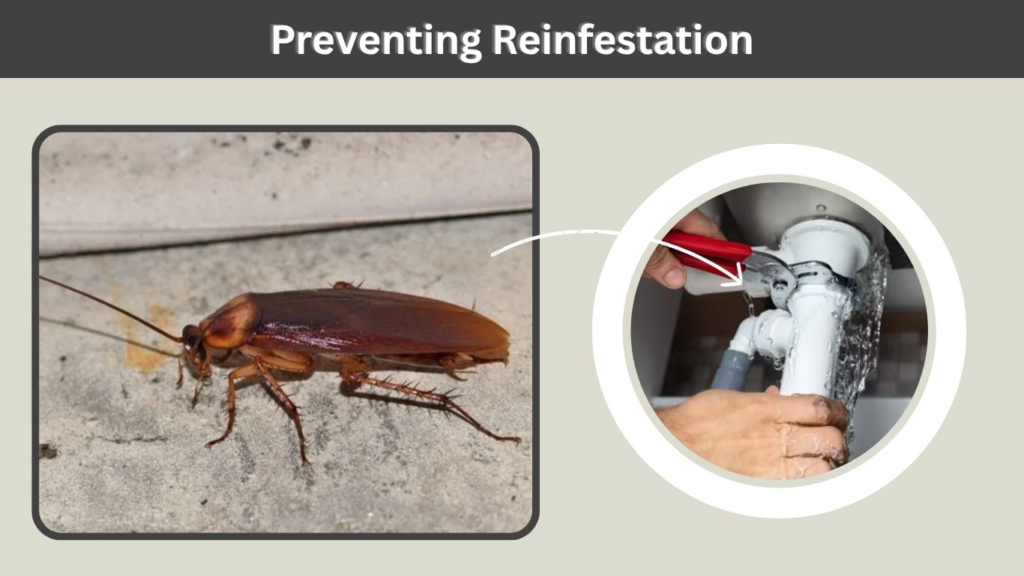
Preventing German cockroaches from returning is as important as treating the infestation. Ongoing hygiene, monitoring, and structural maintenance are critical.
Cleaning and Hygiene
- Regularly clean floors, counters, and appliances
- Store food in sealed containers
- Empty and sanitize trash bins frequently
Structural and Environmental Measures
- Seal cracks, gaps, and entry points
- Reduce moisture in bathrooms, kitchens, and basements
- Minimize clutter and remove hiding spaces
Post-Infestation Cleanup
After an infestation, thorough cleanup ensures hygiene and prevents recurrence. Cleaning contaminated areas and removing infested items is essential for safety.
Sanitizing Areas
- Clean cabinets, appliances, and floors
- Dispose of heavily infested items or food
- Sanitize surfaces to remove droppings, egg cases, and smears
Long-Term Maintenance
- Continue periodic inspections
- Use traps and baits occasionally for monitoring
- Maintain cleanliness and proper food storage
FAQs
Does seeing one German cockroach mean I have an infestation?
Not always, but one sighting can indicate a hidden population. Cockroaches reproduce quickly, so early action is recommended.
How long does it take to get rid of an infestation?
Depending on severity, complete elimination can take several days to a few weeks, especially if eggs and nymphs are present.
Can natural remedies alone eliminate German cockroaches?
Natural remedies may help reduce populations, but severe infestations often require chemical treatments or professional extermination.
How do I get rid of infestations in cars or RVs?
Inspect hidden compartments and upholstery, clean thoroughly, and apply boric acid, sticky traps, or gel baits to target roaches.
When should I hire a professional exterminator?
For severe infestations with widespread cockroach presence, egg cases, or repeated reinfestation, professional services ensure thorough and safe elimination.