
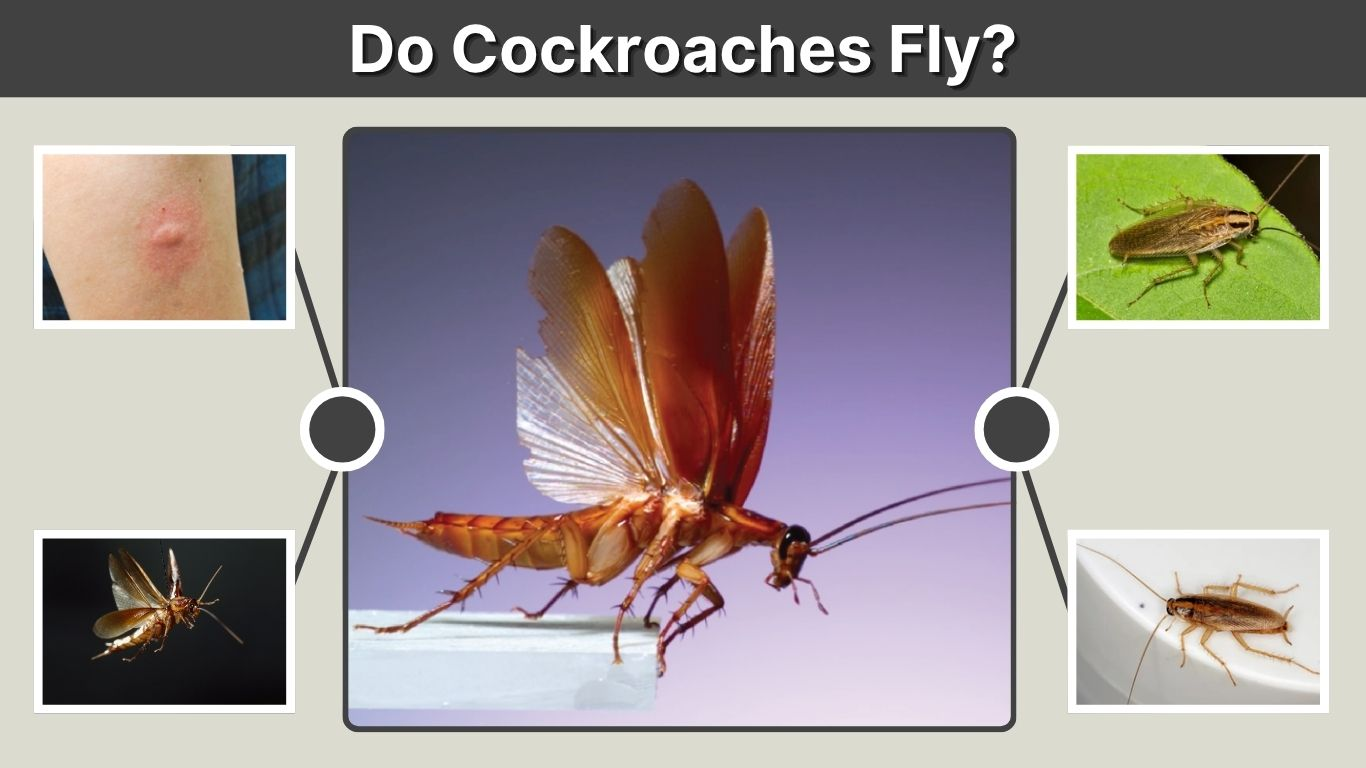
Many people are surprised to discover that some cockroach species can actually fly. While not all cockroaches are strong flyers, several species use their wings to glide, travel short distances, or escape danger. Flying cockroaches are especially common in warm and humid climates where temperatures support increased insect activity. Their sudden flying behavior often scares homeowners because cockroaches may appear to fly directly toward people or indoor lights. Understanding why cockroaches fly, which species can fly, and how they enter homes helps reduce fear and improves pest prevention efforts.
Do Cockroaches Fly?
Cockroaches are equipped with wings in many species, but flying ability varies greatly depending on body structure, species type, and environmental conditions. Some species rarely use their wings, while others are capable of active flight.
Can Cockroaches Actually Fly?
Many cockroach species have wings long enough to support gliding or short bursts of flight. However, not all cockroaches are skilled flyers. Some mainly use their wings to slow falls or move short distances.
Why Some Cockroaches Cannot Fly
Certain cockroaches possess wings but lack the muscle strength needed for sustained flight. Heavier species often rely more on running than flying because they move faster on surfaces than in the air.
Flying Ability Among Cockroach Species
Several factors determine whether a cockroach can fly effectively.
- Wing size
- Body weight
- Species type
- Temperature conditions
- Environmental humidity
Warm temperatures generally increase cockroach activity and improve flying ability in species that use wings regularly.
Which Cockroach Species Fly?
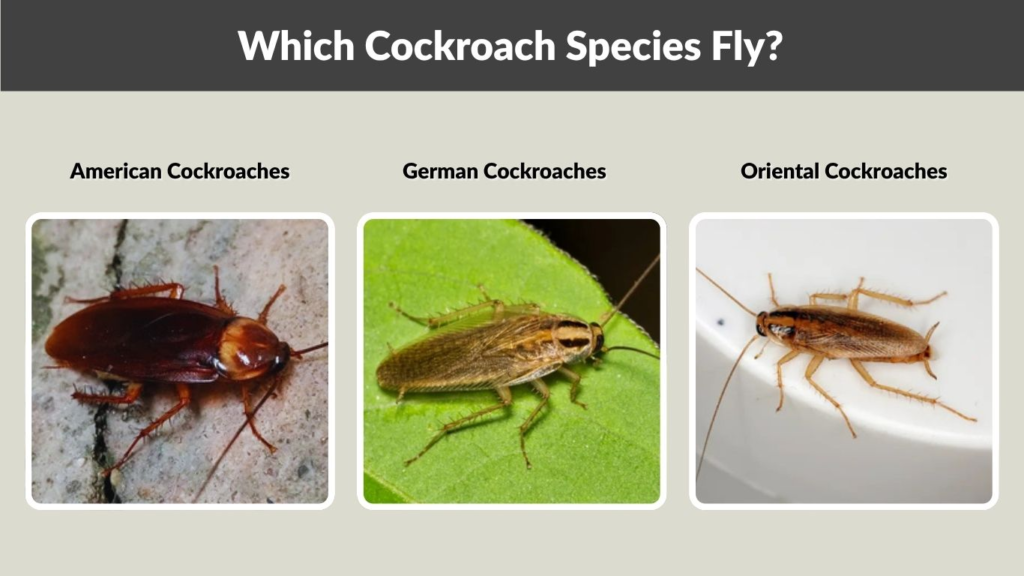
Some cockroach species are known for active flying behavior, while others rarely leave the ground. Regional climate also affects how often flying behavior occurs.
American Cockroaches
American cockroaches are among the largest household cockroach species and are capable of gliding or flying short distances. They become more active in warm and humid weather conditions.
German Cockroaches
German cockroaches possess wings but rarely fly. These pests prefer running quickly across floors, walls, and kitchen surfaces rather than using flight for movement.
Oriental Cockroaches
Oriental cockroaches are poor flyers and mostly move by crawling. Their heavier body structure limits their ability to stay airborne for extended periods.
Other Flying Cockroach Species
Several additional cockroach species are known for stronger flight activity.
- Asian cockroaches
- Smoky brown cockroaches
- Australian cockroaches
- Wood cockroaches
- Turkestan cockroaches
These species are often attracted to outdoor lights and warm nighttime conditions.
Why Do Cockroaches Fly?
Cockroaches do not usually fly to attack humans. Most flight behavior is connected to survival, environmental conditions, or accidental movement patterns.
Flying for Survival
Cockroaches may fly to escape predators, search for food, or locate mates. Flying also helps some species travel between trees, buildings, or outdoor hiding places.
Why Cockroaches Fly at You
Many people believe cockroaches intentionally fly toward them, but this behavior is usually accidental. Cockroaches often have poor flight control and may collide with nearby objects while moving toward light or escaping danger.
Why Cockroaches Fly at Night
Cockroaches are nocturnal insects that become active after dark when temperatures are cooler and conditions feel safer. Outdoor lighting may attract flying species toward homes and buildings during nighttime hours.
What Do Flying Cockroaches Look Like?

Flying cockroaches vary in size and appearance depending on species, but most share several common physical features.
Physical Appearance
Most flying cockroaches have flat brown or reddish bodies with long wings extending past the abdomen. Some species appear shiny, while others display darker matte coloring.
Size Differences Between Species
Flying cockroach size varies significantly between species. American cockroaches can grow quite large, while German cockroaches remain smaller and more compact.
Do Flying Cockroaches Make Noise?
Some large cockroach species create faint buzzing or fluttering sounds during flight. The sound usually comes from rapid wing movement or accidental impacts against walls and objects.
Where Do Flying Cockroaches Come From?

Flying cockroaches are commonly found outdoors but may enter homes while searching for food, warmth, or moisture. Their presence indoors often indicates nearby hiding places or environmental conditions supporting infestations.
Outdoor Habitats
Many flying cockroach species live in warm outdoor environments with moisture and organic debris.
- Sewers
- Gutters
- Wood piles
- Trees
- Drain systems
These areas provide food, shelter, and protection from predators.
How Flying Cockroaches Enter Homes
Flying cockroaches often enter houses through open doors, windows, vents, cracks, and damaged screens. Bright indoor lights may also attract them during nighttime activity.
Why Flying Cockroaches Hide Indoors
Flying cockroaches enter homes because indoor environments provide warmth, food, moisture, and safe hiding locations. Kitchens, bathrooms, basements, and storage spaces are especially attractive to these pests.
Common Indoor Hiding Places
Cockroaches prefer dark and humid areas where they can remain hidden during daylight hours. They often gather near water sources and food crumbs.
Why Flying Cockroaches Like Light
Some flying species become attracted to artificial lighting at night. Porch lights, kitchen lights, and illuminated windows may unintentionally draw flying cockroaches toward homes.
Do Flying Cockroaches Bite?
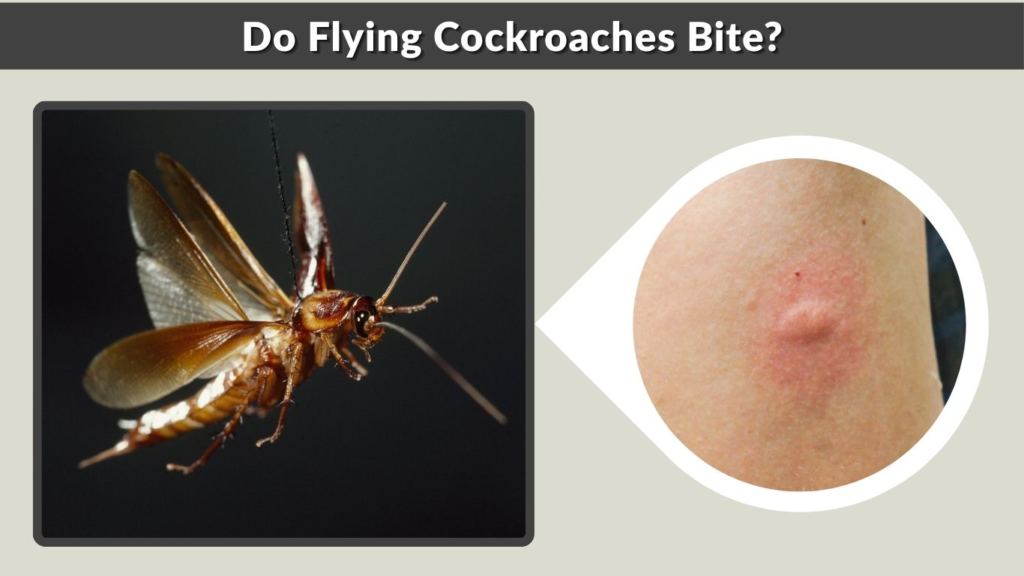
Flying cockroaches are generally not aggressive toward humans. Although cockroaches are physically capable of biting, bites remain extremely uncommon.
Are Flying Cockroaches Dangerous?
Flying cockroaches are more dangerous as contamination pests than as biting insects. They can spread bacteria and allergens by crawling across food preparation surfaces and household items.
Do Flying Cockroaches Attack Humans?
Cockroaches do not intentionally attack people. What appears to be aggressive flying behavior is usually poor flight control or accidental collisions while moving toward light or escaping threats.
Do Flying Cockroaches Bite People?
Cockroach bites are rare and usually occur only during severe infestations with limited food sources.
- Most cockroaches avoid humans
- Bites are uncommon
- Larger species have stronger mouthparts
- Bites usually happen at night
- Poor sanitation increases infestation risks
Maintaining clean living spaces greatly reduces the chance of cockroach activity indoors.
Flying Cockroaches Inside the House
Flying cockroaches inside homes often indicate nearby outdoor populations or conditions that support indoor infestations. Warm climates especially increase the likelihood of indoor encounters.
Why Cockroaches Fly Indoors
Cockroaches may enter houses while searching for food, water, warmth, or shelter. Open doors, cracks, plumbing systems, and damaged window screens provide easy entry points.
Regional Flying Cockroach Activity
Flying cockroach activity is more common in warm and humid regions where insects remain active for longer periods.
- Florida
- Texas
- Hawaii
- Australia
- California
Hot weather increases movement and may encourage more flying behavior during nighttime hours.
Do Cockroaches Fly Toward People?
Cockroaches sometimes appear to fly directly at humans, but this behavior is rarely intentional. Their poor steering ability often causes them to collide with nearby objects, including people.
How to Get Rid of Flying Cockroaches

Eliminating flying cockroaches requires reducing food sources, sealing entry points, and controlling infestations both indoors and outdoors.
Immediate Removal Methods
Several methods may help remove flying cockroaches quickly from indoor spaces.
- Vacuum cleaners
- Insect sprays
- Sticky traps
- Fly swatters
- Pest control foggers
Quick action helps prevent cockroaches from reproducing inside the home.
Preventing Flying Cockroach Infestations
Long-term prevention focuses on reducing conditions that attract cockroaches.
Important Prevention Tips
Homeowners can reduce cockroach problems by maintaining cleaner and drier indoor environments.
- Seal cracks and gaps
- Fix leaking pipes
- Store food in sealed containers
- Clean kitchens regularly
- Remove standing water
Consistent sanitation and maintenance are among the most effective pest prevention strategies.
Interesting Flying Cockroach Facts
Flying cockroaches are often misunderstood because many species rarely use their wings. Their flying behavior depends heavily on environmental conditions and species type.
Not All Cockroaches Fly
Some cockroach species possess wings but almost never become airborne. Others glide rather than perform sustained flight.
Heat Increases Flying Activity
Warm temperatures improve muscle performance and encourage increased movement. This is why flying cockroaches are more common during hot summer nights.
Cockroaches Are Better Runners Than Flyers
Most cockroach species move much faster by running than flying. Their legs are designed for rapid movement across surfaces and quick escapes from danger.
FAQs
Do all cockroaches fly?
No, not all cockroaches can fly. Some species have wings but rarely use them, while others can glide or fly short distances. Flying ability depends on the species, body size, and environmental conditions.
Why do cockroaches fly at you?
Cockroaches usually do not intentionally fly at people. They often have poor flight control and may accidentally move toward humans while escaping danger or flying toward light sources.
Do German cockroaches fly?
German cockroaches have wings, but they rarely fly. They prefer running quickly across surfaces and are mainly known for infesting kitchens, bathrooms, and indoor spaces.
Do flying cockroaches bite?
Flying cockroaches can bite, but bites are extremely rare. Most cockroach species avoid humans and only bite in severe infestations where food sources are limited.
How do flying cockroaches get in the house?
Flying cockroaches commonly enter homes through open doors, windows, vents, cracks, drains, and damaged screens. Bright indoor lights and moisture sources may also attract them indoors at night.