
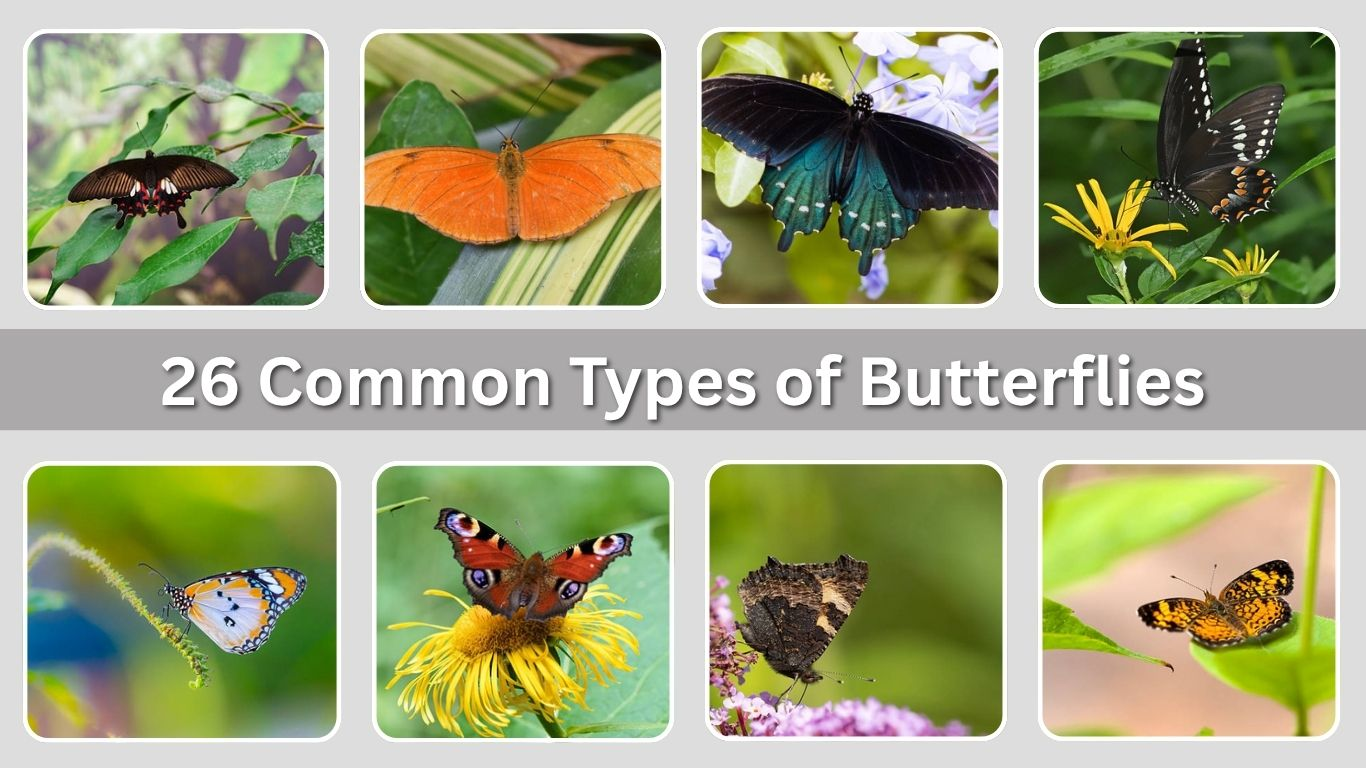
Butterflies are some of the most beautiful and interesting insects in nature. They come in many colors, sizes, and patterns, making each type unique. From the famous Monarch Butterfly to the bright Blue Morpho and graceful Swallowtails, these butterflies can be found in gardens, forests, fields, and tropical areas around the world.
1. Monarch Butterfly
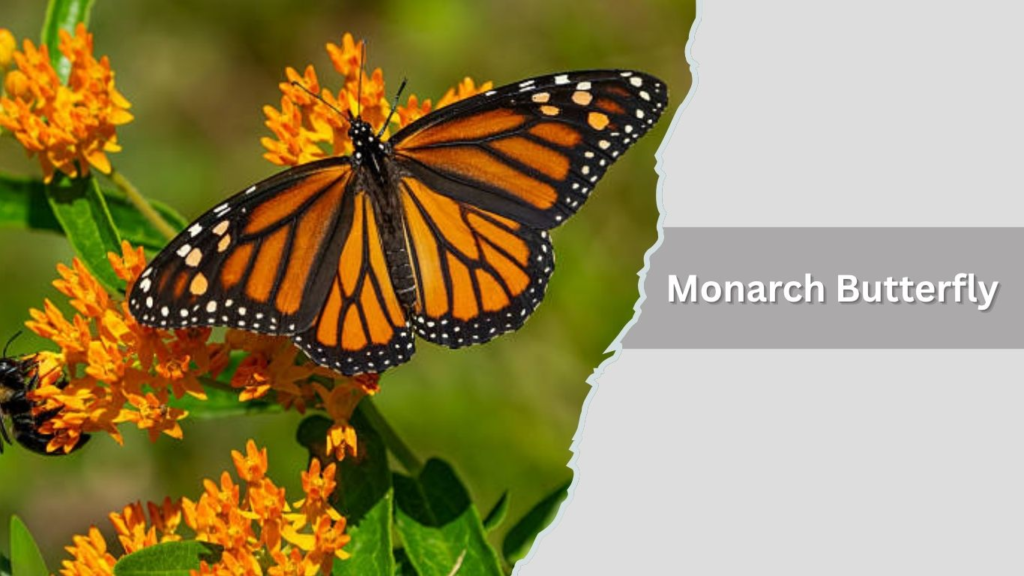
The Monarch Butterfly is one of the most famous and easily recognized butterflies in the world. It is best known for its bright orange wings, black borders, and long-distance migration. This butterfly is often seen in gardens, fields, and open areas where milkweed and nectar flowers grow.
Appearance
The Monarch Butterfly has orange wings with black veins and white spots along the edges. Its bold colors make it stand out from many other butterflies. Male monarchs usually have a small black spot on each hind wing, while females have thicker black veins.
Habitat
Monarch butterflies are commonly found in North America, especially in the United States, Canada, and Mexico. They live in meadows, gardens, roadsides, and grasslands. Milkweed plants are very important because monarch caterpillars depend on them for food.
Key Features
- Bright orange and black wings
- Famous for long-distance migration
- Caterpillars feed mainly on milkweed
- Adults drink nectar from flowers
- Easily recognized by wing patterns
Migration
One of the most amazing things about Monarch Butterflies is their migration. Every year, many monarchs travel thousands of miles to warmer places, especially Mexico. This journey helps them survive cold weather and continue their life cycle.
2. Swallowtail Butterfly
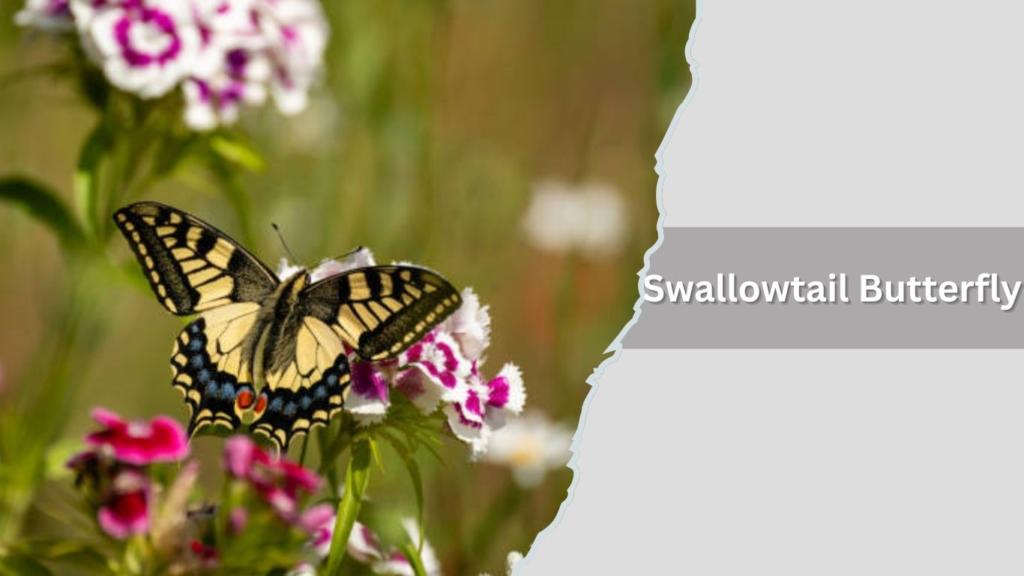
The Swallowtail Butterfly is a beautiful butterfly known for its large wings and tail-like extensions. Many species have bright colors and graceful flying patterns, making them popular among butterfly watchers. They are often found in gardens, forests, meadows, and open fields.
Appearance
Swallowtail butterflies usually have large wings with colorful patterns. Some are yellow and black, while others may have blue, orange, or green markings. Their hind wings often have small tail-like shapes, which give them the name “swallowtail.”
Habitat
Swallowtails live in many parts of the world. They are commonly seen in gardens, woodlands, wetlands, and grasslands. Adult butterflies visit flowers for nectar, while caterpillars feed on specific host plants such as parsley, dill, citrus, or pipevine.
Key Features
- Large and colorful wings
- Tail-like extensions on hind wings
- Strong and graceful flying ability
- Found in gardens and natural areas
- Caterpillars depend on host plants
Life Cycle
The Swallowtail Butterfly goes through four stages: egg, caterpillar, chrysalis, and adult. The caterpillar eats leaves from its host plant before forming a chrysalis. After some time, the adult butterfly emerges with soft wings that soon become ready for flight.
3. Painted Lady
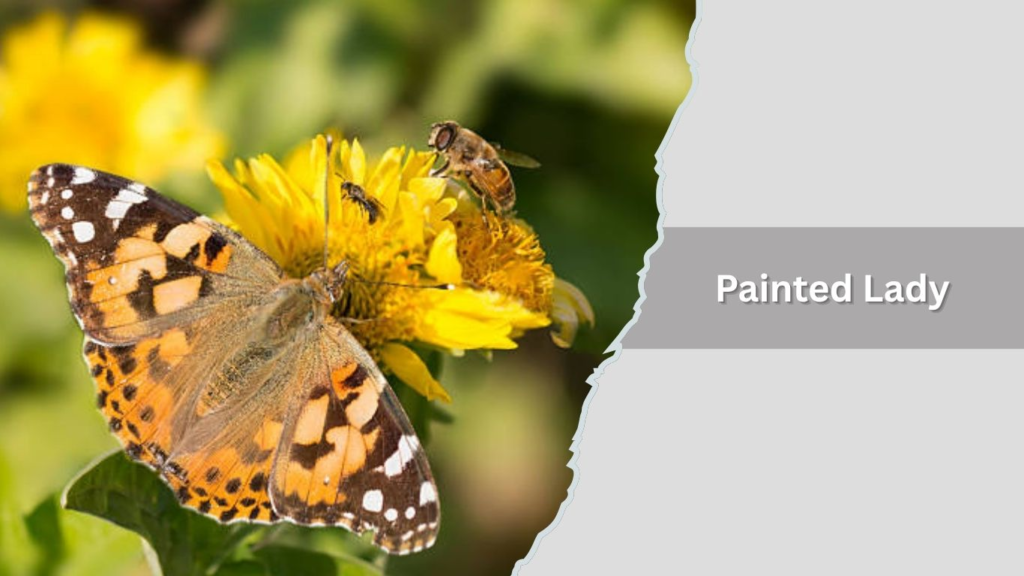
The Painted Lady is a common and widespread butterfly found in many regions of the world. It is admired for its orange, brown, black, and white wing patterns. This butterfly is active, fast-flying, and often seen visiting flowers for nectar in gardens and open spaces.
Appearance
The Painted Lady has orange-brown wings with black and white markings. The underside of the wings has soft brown shades and small eye-like spots. Its colors help it blend with dry leaves and flowers.
Habitat
Painted Lady butterflies can live in many habitats, including gardens, fields, roadsides, parks, and meadows. They are highly adaptable and can travel long distances in search of food, warmth, and suitable breeding areas.
Key Features
- Orange-brown wings with black markings
- Found on many continents
- Strong migratory behavior
- Often visits nectar-rich flowers
- Adaptable to different habitats
Feeding
Adult Painted Ladies feed on nectar from flowers such as thistles, asters, and clover. Their caterpillars feed on plants like thistle and mallow. Because they visit many flowers, Painted Ladies also help with pollination.
4. Red Admiral
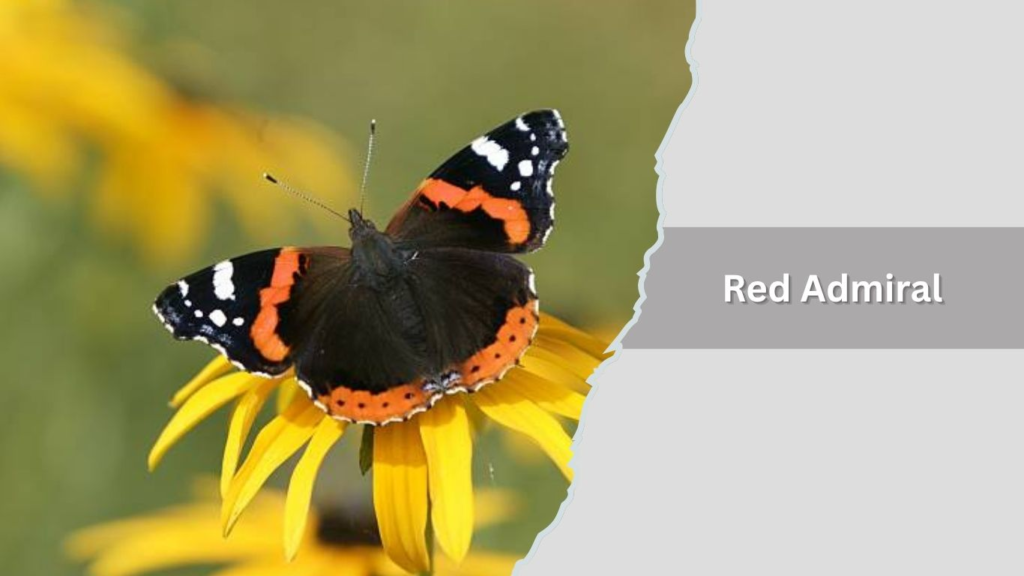
The Red Admiral is a striking butterfly with dark wings and bold red-orange bands. It is commonly seen in gardens, parks, woodland edges, and open areas. This butterfly is known for its fast flight and habit of resting with open wings in sunny places.
Appearance
The Red Admiral has dark brown or black wings with red-orange bands across the front and hind wings. White spots appear near the tips of the front wings. This strong color pattern makes it easy to identify.
Habitat
Red Admirals are found in North America, Europe, Asia, and parts of North Africa. They prefer gardens, forest edges, meadows, and areas where nettles grow. Nettles are important because their caterpillars use them as food plants.
Key Features
- Dark wings with red-orange bands
- White spots near wing tips
- Fast and active flyer
- Often rests in sunny areas
- Caterpillars feed on nettles
Behavior
Red Admirals are often seen flying quickly from flower to flower. They feed on nectar, tree sap, and rotting fruit. In cooler weather, they may bask in the sun to warm their bodies before flying again.
5. Common Buckeye
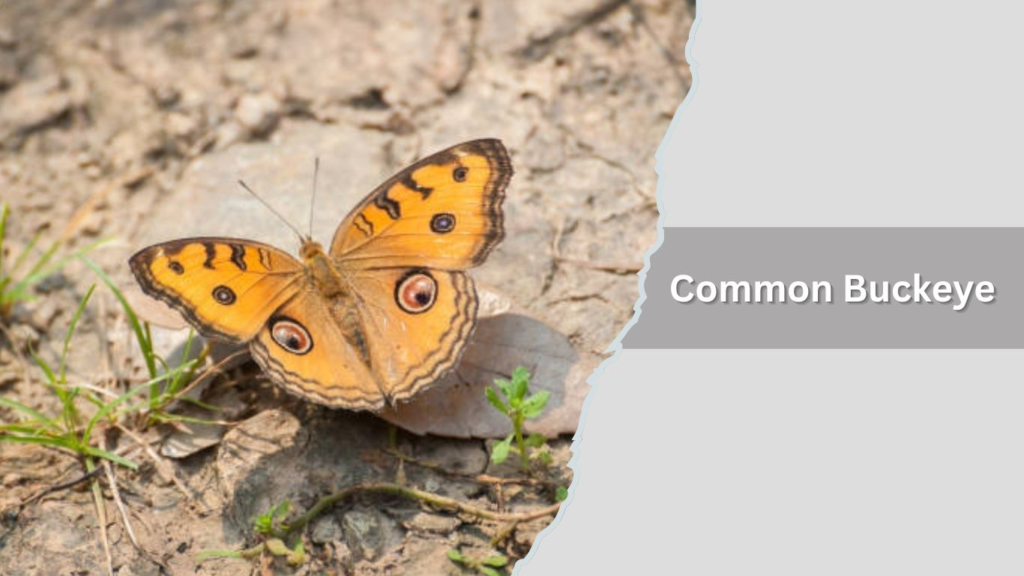
The Common Buckeye is a colorful butterfly known for the eye-like spots on its wings. These spots help protect it by confusing predators. It is often found in sunny, open habitats such as fields, roadsides, gardens, and grasslands.
Appearance
The Common Buckeye has brown wings with orange, white, and blue markings. Its most noticeable feature is the large eye spots on both the front and hind wings. These spots make the butterfly look larger and harder to attack.
Habitat
Common Buckeyes prefer open, sunny places. They are commonly seen in fields, parks, roadsides, and disturbed areas. They often fly close to the ground and rest on bare soil, rocks, or low plants.
Key Features
- Large eye spots on wings
- Brown wings with colorful markings
- Common in sunny open areas
- Flies close to the ground
- Uses wing patterns for protection
Food Plants
Adult Common Buckeyes drink nectar from flowers such as aster, clover, and dogbane. Their caterpillars feed on plants like plantain, snapdragon, and false foxglove. These plants support the butterfly’s growth from caterpillar to adult.
6. Viceroy Butterfly
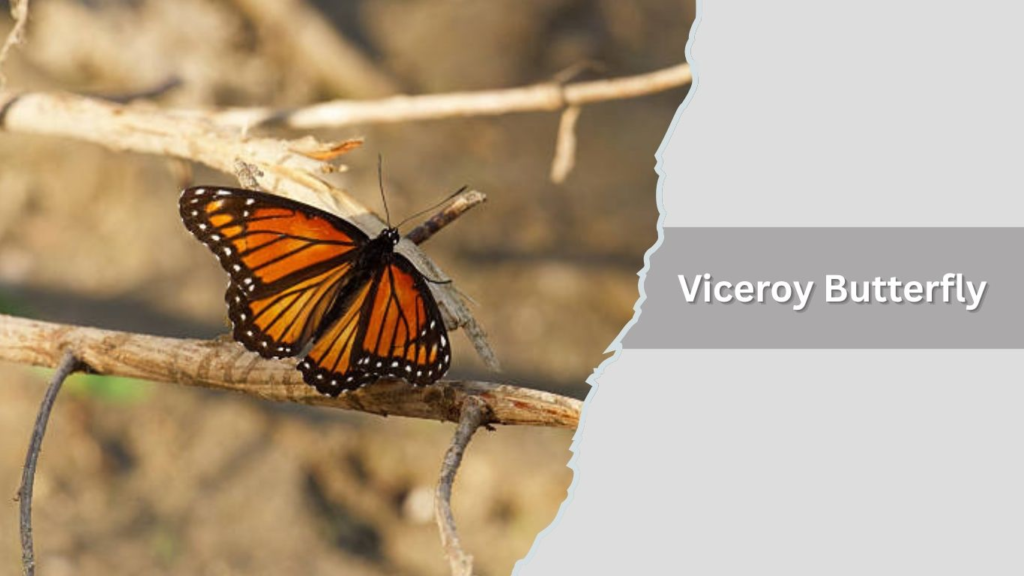
The Viceroy Butterfly is often mistaken for the Monarch Butterfly because of its orange and black wing pattern. However, it is usually smaller and has a black line across the hind wings. This butterfly is commonly found near wet areas, meadows, and woodland edges.
Appearance
The Viceroy has orange wings with black veins and white spots along the edges. A thin black line crossing the hind wings helps separate it from the Monarch. Its similar appearance may help protect it from predators.
Habitat
Viceroy butterflies are often found near streams, ponds, marshes, and wet meadows. They also live around willows, poplars, and cottonwoods because these trees are important food plants for their caterpillars.
Key Features
- Orange and black wing pattern
- Looks similar to the Monarch
- Black line across hind wings
- Found near wet habitats
- Caterpillars feed on willow and poplar
Protection
The Viceroy’s resemblance to the Monarch helps it avoid predators. Birds may avoid eating it because they connect this color pattern with a bad taste. This natural defense helps the Viceroy survive in the wild.
7. Cabbage White
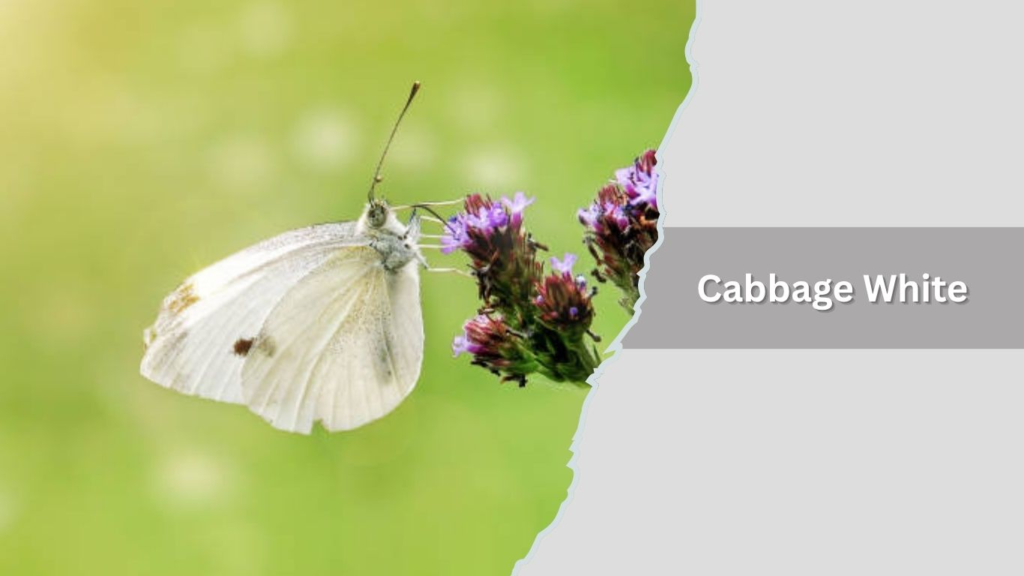
The Cabbage White is a small, common butterfly often seen in gardens, farms, and open fields. It is known for its simple white wings and active flight. This butterfly is especially connected with cabbage family plants, where its caterpillars often feed and grow.
Appearance
The Cabbage White has pale white wings with small black spots. The tips of the front wings are usually dark gray or black. Its plain color makes it look simple, but it is still easy to recognize in gardens.
Habitat
Cabbage Whites are found in many places, including vegetable gardens, farms, meadows, roadsides, and parks. They are common in areas where cabbage, broccoli, mustard, and related plants grow.
Key Features
- Small white butterfly
- Black marks on wing tips
- Common in gardens and farms
- Caterpillars feed on cabbage plants
- Active during sunny weather
Feeding
Adult Cabbage Whites drink nectar from many flowers. Their caterpillars mainly feed on plants from the cabbage family. Because of this, gardeners sometimes consider them pests, especially when caterpillars damage vegetable leaves.
8. Clouded Sulphur
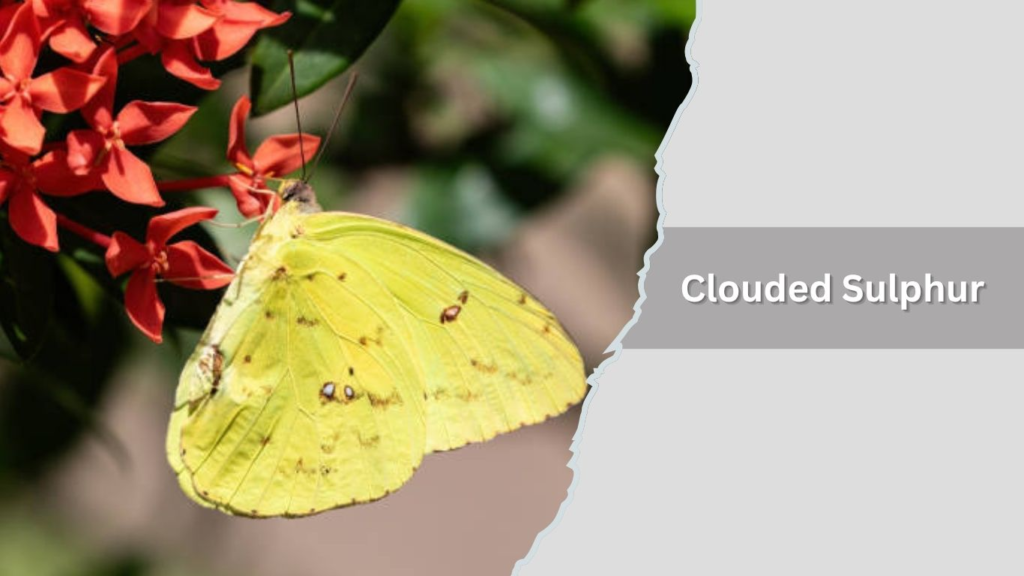
The Clouded Sulphur is a bright yellow butterfly commonly seen in fields, meadows, roadsides, and gardens. It is active during warm months and often flies low over grass and flowers. Its cheerful color makes it one of the easiest butterflies to notice.
Appearance
Clouded Sulphurs usually have yellow wings with dark borders. Some females may appear pale or almost white. The underside of the wings has softer yellow shades and small spots, helping them blend with flowers and grass.
Habitat
This butterfly prefers open and sunny areas. It is often found in fields, pastures, gardens, roadsides, and clover patches. These places provide nectar for adults and food plants for caterpillars.
Key Features
- Bright yellow wings
- Dark wing borders
- Often found in open fields
- Flies close to flowers and grasses
- Caterpillars feed on clover and alfalfa
Life Cycle
The Clouded Sulphur begins life as an egg on a host plant. The caterpillar feeds on leaves before forming a chrysalis. After development, the adult butterfly emerges and begins feeding, mating, and laying eggs.
9. Orange Sulphur
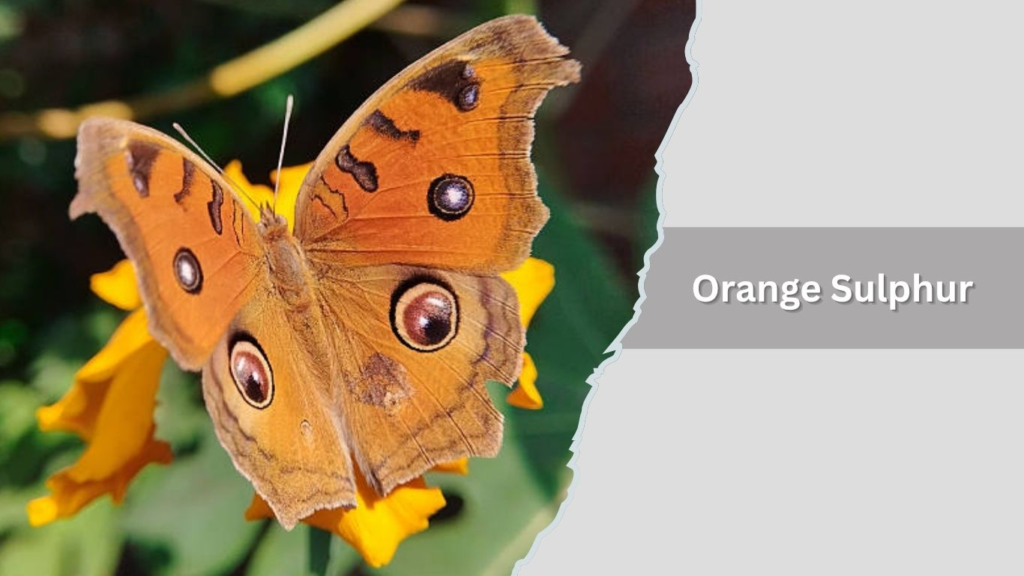
The Orange Sulphur is a colorful butterfly with yellow-orange wings and dark edges. It is closely related to the Clouded Sulphur and is often found in similar habitats. This butterfly is common in open fields, roadsides, farms, and gardens.
Appearance
The Orange Sulphur has orange-yellow wings with dark borders. The upper side is brighter, while the underside is paler with small spots. Its warm color helps separate it from paler sulphur butterflies.
Habitat
Orange Sulphurs live in sunny, open areas such as meadows, fields, pastures, and roadsides. They are often seen around clover and alfalfa, which are important plants for their caterpillars.
Key Features
- Yellow-orange wing color
- Dark borders on wings
- Common in fields and roadsides
- Caterpillars feed on legumes
- Active in warm sunlight
Behavior
Orange Sulphurs fly quickly and often stay close to the ground. They visit flowers for nectar and may gather around moist soil to take in minerals. They are most active during warm and sunny parts of the day.
10. Mourning Cloak
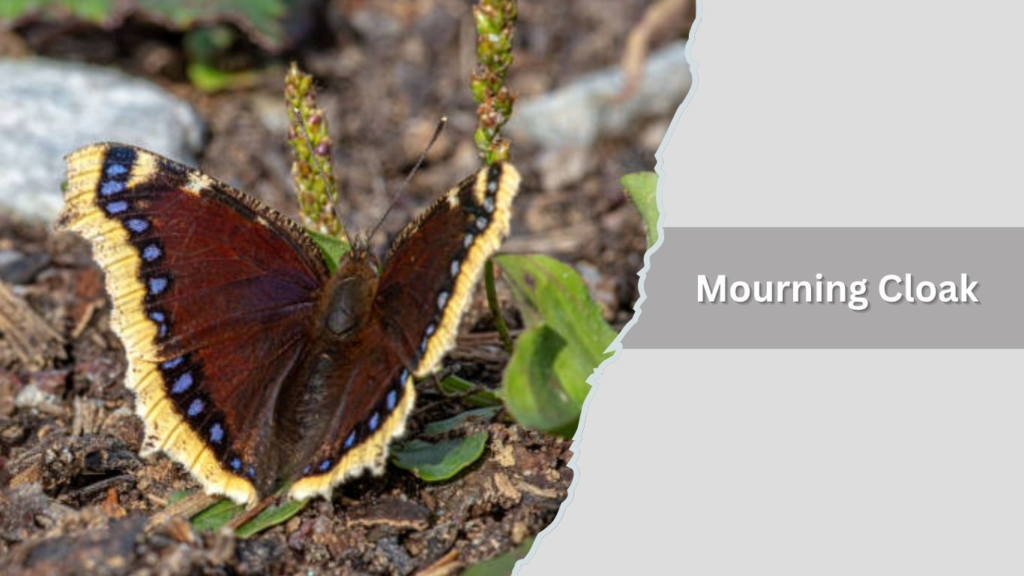
The Mourning Cloak is a unique butterfly with dark wings and pale yellow edges. It is one of the earliest butterflies seen in spring because adults can survive through winter. Its rich colors and unusual habits make it a fascinating butterfly to observe.
Appearance
The Mourning Cloak has dark brown or purplish-black wings with a pale yellow border. Small blue spots appear just inside the border. Its wings look elegant and give the butterfly a distinctive appearance.
Habitat
Mourning Cloaks are found in woodlands, parks, gardens, river edges, and open forests. They often rest on tree trunks, stones, or sunny paths. They are also seen near sap flows and rotting fruit.
Key Features
- Dark wings with yellow edges
- Small blue spots near wing borders
- Can survive winter as an adult
- Often seen early in spring
- Feeds on sap, fruit, and nectar
Survival
Unlike many butterflies, Mourning Cloaks can overwinter as adults. They hide in tree bark, logs, or sheltered spaces during cold months. When spring arrives, they become active again and search for food and mates.
11. Zebra Longwing
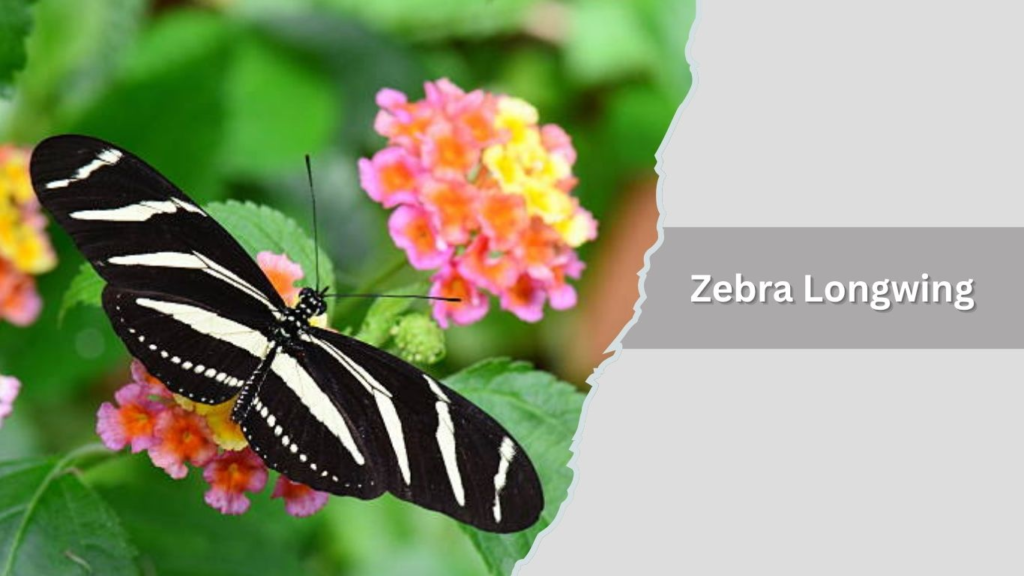
The Zebra Longwing is a striking butterfly known for its long black wings with yellow stripes. Its pattern looks similar to a zebra, which gives it its name. This butterfly is graceful, slow-flying, and often found in warm tropical and subtropical areas.
Appearance
The Zebra Longwing has narrow black wings marked with yellow stripes. Its long wing shape gives it a graceful look in flight. The bold pattern also warns predators that it may not be good to eat.
Habitat
Zebra Longwings are commonly found in forests, gardens, hammocks, and shaded tropical areas. They prefer warm places with plenty of nectar flowers and passionflower vines, which are used by their caterpillars.
Key Features
- Long black wings with yellow stripes
- Slow and graceful flight
- Common in warm climates
- Caterpillars feed on passionflower vines
- Adults can feed on nectar and pollen
Feeding
Zebra Longwings are special because adults feed on both nectar and pollen. Pollen gives them extra nutrients and may help them live longer than many other butterflies. They often return to the same resting places at night.
12. Blue Morpho
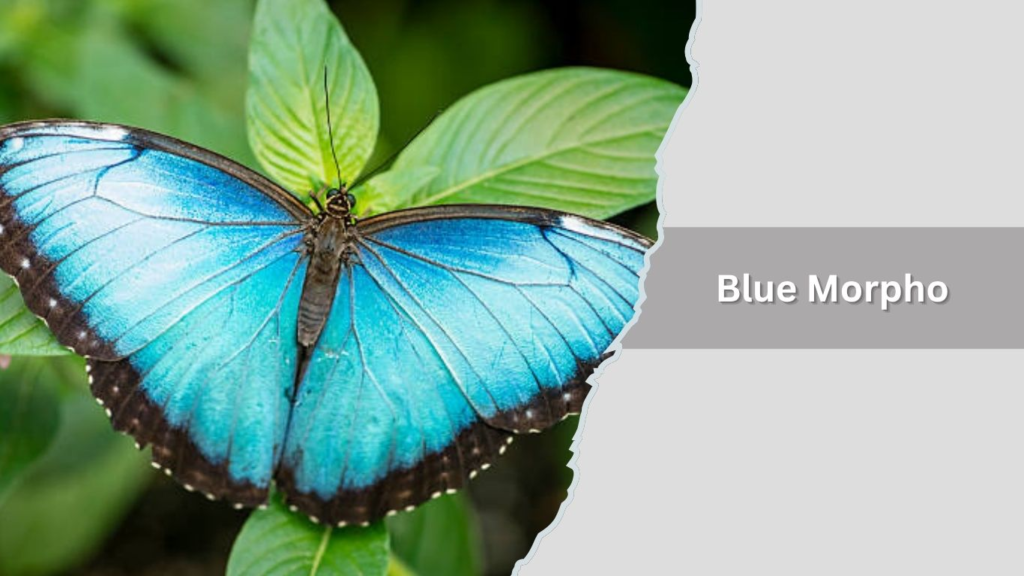
The Blue Morpho is a famous tropical butterfly known for its shining blue wings. It is often found in rainforests, where it flies through shaded areas and near forest openings. Its bright color and large size make it one of the most admired butterflies in the world.
Appearance
The Blue Morpho has large wings with a brilliant blue upper surface. The edges are usually dark brown or black. When the wings are closed, the underside looks brown with eye-like spots, helping it hide from predators.
Habitat
Blue Morphos live mainly in tropical rainforests of Central and South America. They are often seen near rivers, forest paths, and clearings. Their environment provides fruit, moisture, and shelter.
Key Features
- Bright metallic blue wings
- Large tropical butterfly
- Brown underside with eye spots
- Found in rainforest habitats
- Often feeds on fruit juices
Behavior
Blue Morphos usually fly close to the forest floor. Their flashing blue wings can confuse predators as they move between light and shade. Adults often feed on rotting fruit instead of flower nectar.
13. Great Spangled Fritillary
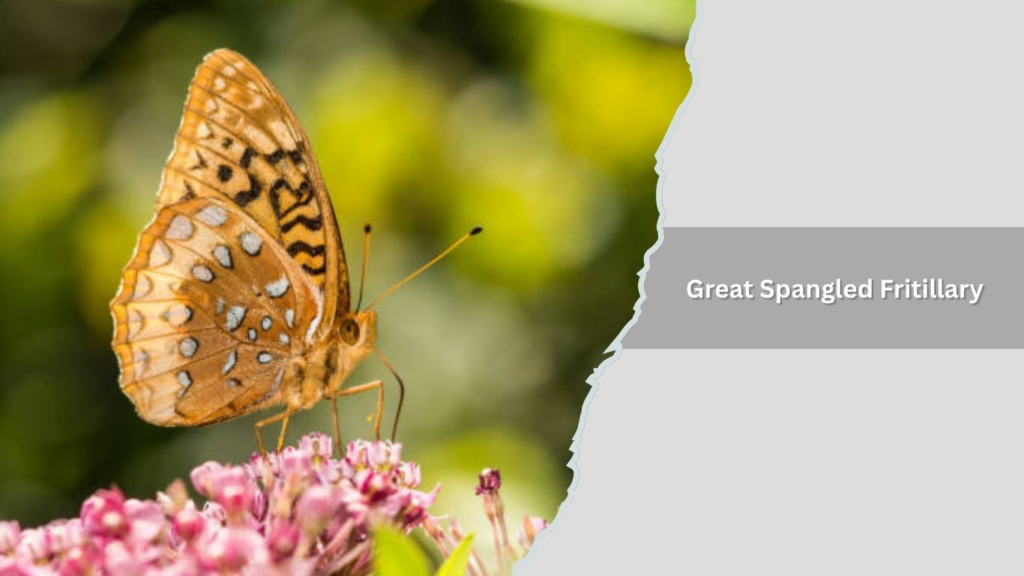
The Great Spangled Fritillary is a bright orange butterfly often seen in fields, meadows, and gardens. It is known for its active flight and beautiful wing patterns. This butterfly is especially common in sunny areas with plenty of flowers and violet plants.
Appearance
This butterfly has orange wings with black markings on the upper side. The underside of the hind wings has pale silver spots, which give it a sparkling look. Its warm colors make it easy to notice on flowers.
Habitat
Great Spangled Fritillaries prefer open places such as meadows, prairies, fields, and garden edges. They need nectar flowers for adults and violet plants for caterpillars.
Key Features
- Orange wings with black markings
- Silver spots under hind wings
- Common in sunny meadows
- Caterpillars feed on violets
- Adults visit many wildflowers
Feeding
Adult butterflies drink nectar from flowers such as milkweed, thistle, clover, and coneflower. Their caterpillars depend mainly on violet leaves. This close connection with violets is important for their survival.
14. Gulf Fritillary
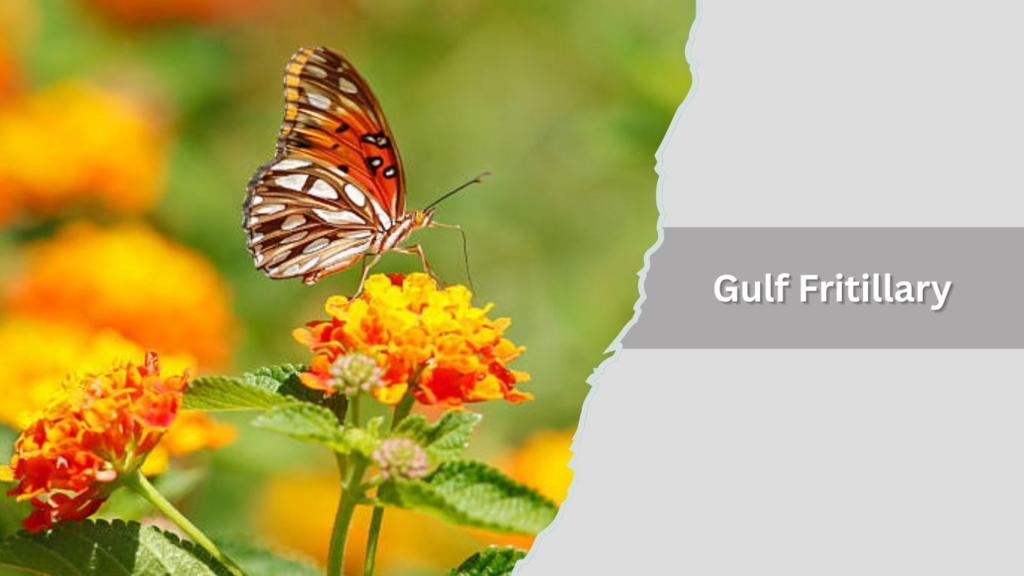
The Gulf Fritillary is a bright orange butterfly with long, narrow wings. It is often seen in gardens, parks, fields, and warm open areas. This butterfly is closely connected with passionflower vines, which serve as food plants for its caterpillars.
Appearance
The Gulf Fritillary has orange wings marked with black spots. The underside of the wings has shiny silver spots, making it very attractive when resting. Its long wings give it a graceful flying style.
Habitat
Gulf Fritillaries live in warm regions, especially in the southern United States, Central America, and South America. They are common in gardens where passionflower vines grow.
Key Features
- Bright orange wings
- Black spots on upper wings
- Silver spots underneath
- Caterpillars feed on passionflower
- Common in warm gardens
Life Cycle
The female lays eggs on passionflower vines. After hatching, the caterpillar feeds on the leaves before forming a chrysalis. Later, the adult butterfly emerges and begins feeding on nectar from nearby flowers.
15. Question Mark Butterfly
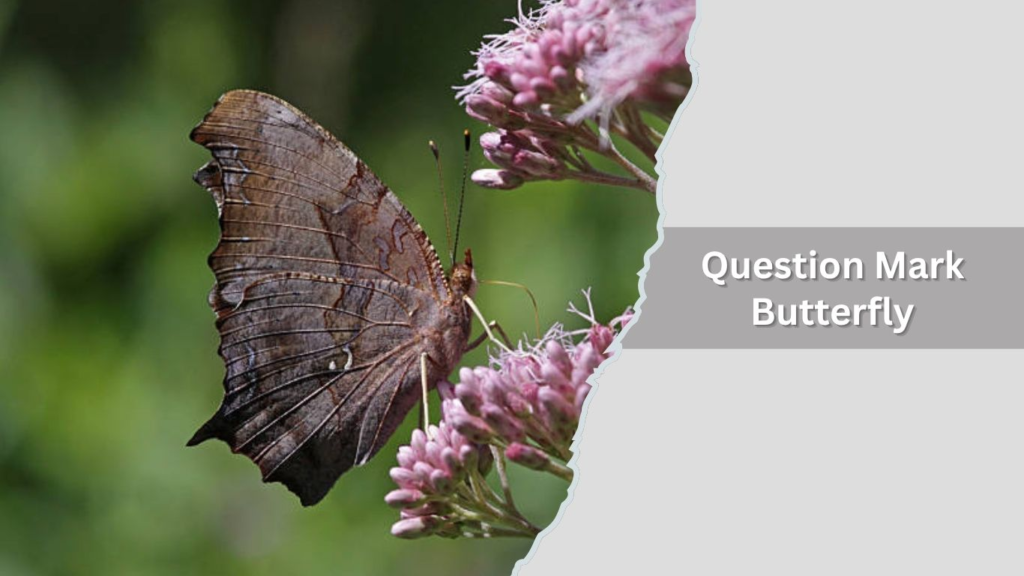
The Question Mark Butterfly gets its name from a small silver mark on the underside of its wing that looks like a question mark. It is a unique butterfly often found in woodlands, parks, gardens, and areas near trees.
Appearance
This butterfly has orange wings with dark spots and uneven wing edges. The underside is brown and leaf-like, helping it hide when resting. The small silver question-mark shape is its most famous feature.
Habitat
Question Mark Butterflies are usually found near forests, wooded parks, riversides, and gardens. Their caterpillars feed on plants such as elm, nettle, hackberry, and hops.
Key Features
- Silver question-mark shape under wing
- Orange wings with dark spots
- Leaf-like underside for camouflage
- Found near wooded areas
- Feeds on sap, fruit, and nectar
Behavior
Adults often feed on tree sap, rotting fruit, and animal droppings more than flower nectar. They may rest on tree trunks with closed wings, blending in with bark and dry leaves.
16. Comma Butterfly
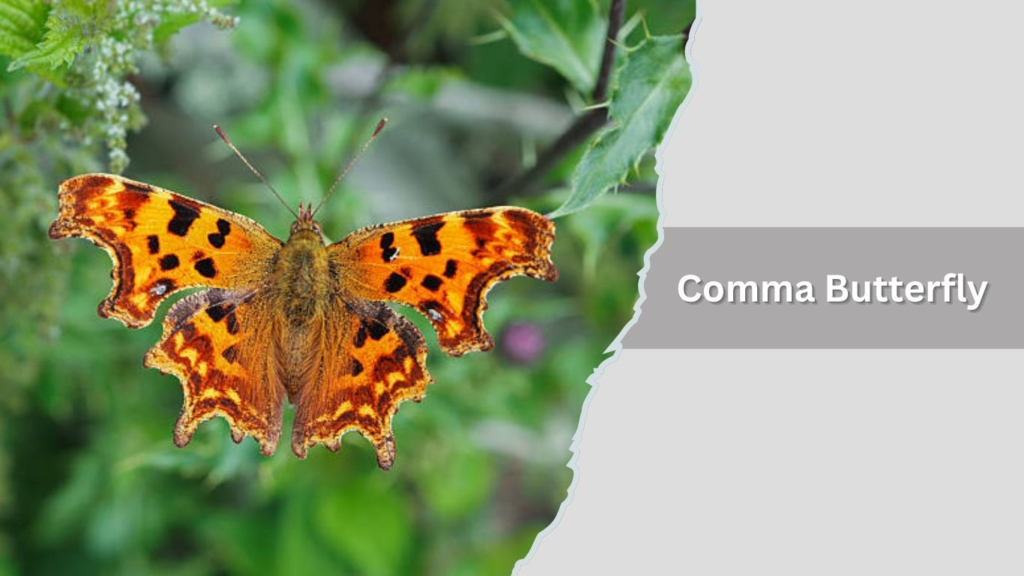
The Comma Butterfly is named for the small white comma-shaped mark on the underside of its wings. It has ragged wing edges and warm orange-brown colors. This butterfly is often seen in gardens, hedgerows, woodlands, and sunny clearings.
Appearance
The Comma Butterfly has orange wings with dark spots and deeply uneven edges. When its wings are closed, the underside looks like a dead leaf. The white comma mark helps identify it.
Habitat
Comma Butterflies live in woodlands, gardens, parks, and countryside edges. They prefer areas with trees, shrubs, and host plants such as nettle, elm, and hops.
Key Features
- White comma-shaped mark underneath
- Ragged wing edges
- Orange wings with dark spots
- Strong camouflage when resting
- Common near woods and gardens
Survival
The Comma Butterfly uses camouflage to avoid predators. When it closes its wings, it can look like a dry leaf. Some adults survive colder months by hiding in sheltered places until warmer weather returns.
17. Pearl Crescent
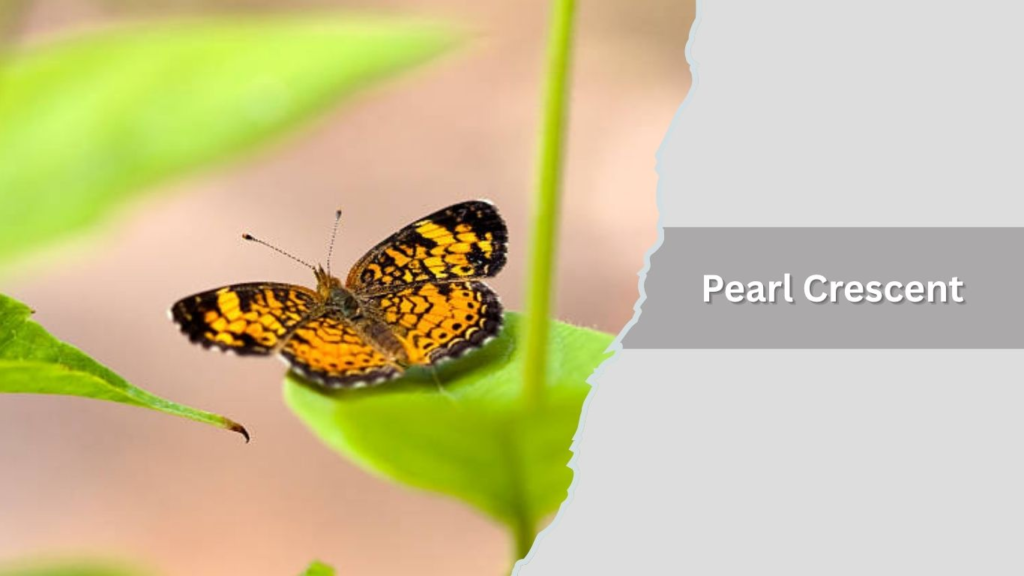
The Pearl Crescent is a small orange butterfly commonly seen in open fields, roadsides, meadows, and gardens. It is active during warm months and often flies low over flowers and grasses. Its small size and bright pattern make it a familiar butterfly in many sunny areas.
Appearance
The Pearl Crescent has orange wings with dark brown or black markings. The pattern may vary slightly from one butterfly to another. Its underside is lighter and has soft markings that help it blend with dry grass and leaves.
Habitat
Pearl Crescents prefer sunny, open habitats. They are often found in meadows, fields, roadsides, parks, and garden edges. These places provide nectar flowers for adults and host plants for caterpillars.
Key Features
- Small orange butterfly
- Dark markings on wings
- Common in sunny open areas
- Often flies close to the ground
- Caterpillars feed on asters
Life Cycle
The female lays eggs on aster plants. After hatching, the caterpillars feed on the leaves and grow through several stages. Later, they form a chrysalis, and the adult butterfly emerges to continue the cycle.
18. Common Blue
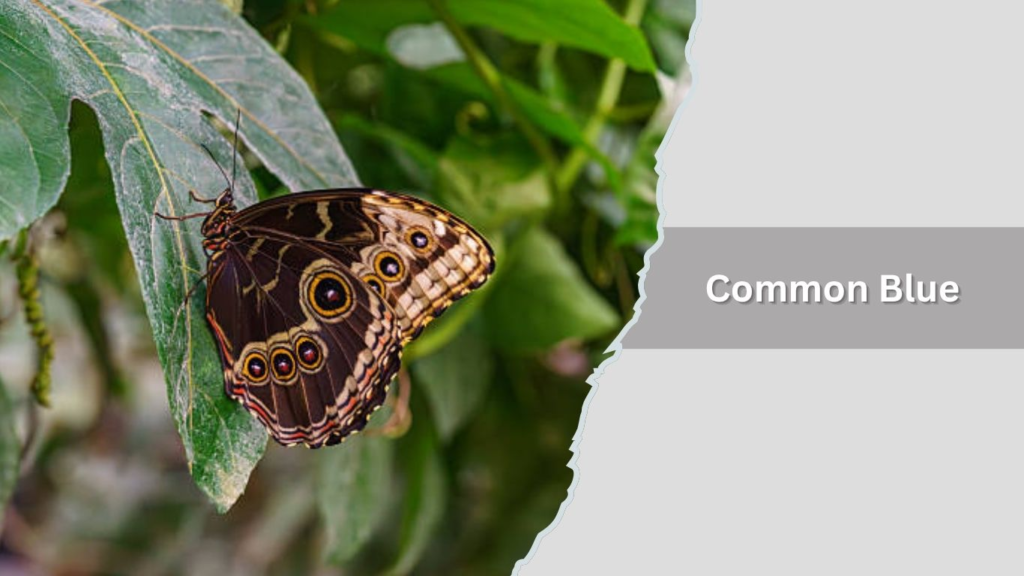
The Common Blue is a small butterfly admired for its soft blue color. It is often found in grasslands, meadows, gardens, and open countryside. This butterfly is usually active in sunny weather and can often be seen resting on low plants and flowers.
Appearance
Male Common Blues usually have bright blue wings with narrow dark borders. Females are often brown with orange spots near the edges, though some may show blue coloring. The underside has small spots and orange markings.
Habitat
Common Blues live in open grassy areas where their food plants grow. They are often seen in meadows, fields, pastures, roadsides, and gardens with plenty of low-growing flowers.
Key Features
- Small blue butterfly
- Males are usually brighter blue
- Females are often brownish
- Found in grassy open areas
- Caterpillars feed on legume plants
Feeding
Adult Common Blues drink nectar from small flowers. Their caterpillars feed on plants from the pea family, such as clover and bird’s-foot trefoil. These plants are important for their growth and survival.
19. Small Tortoiseshell
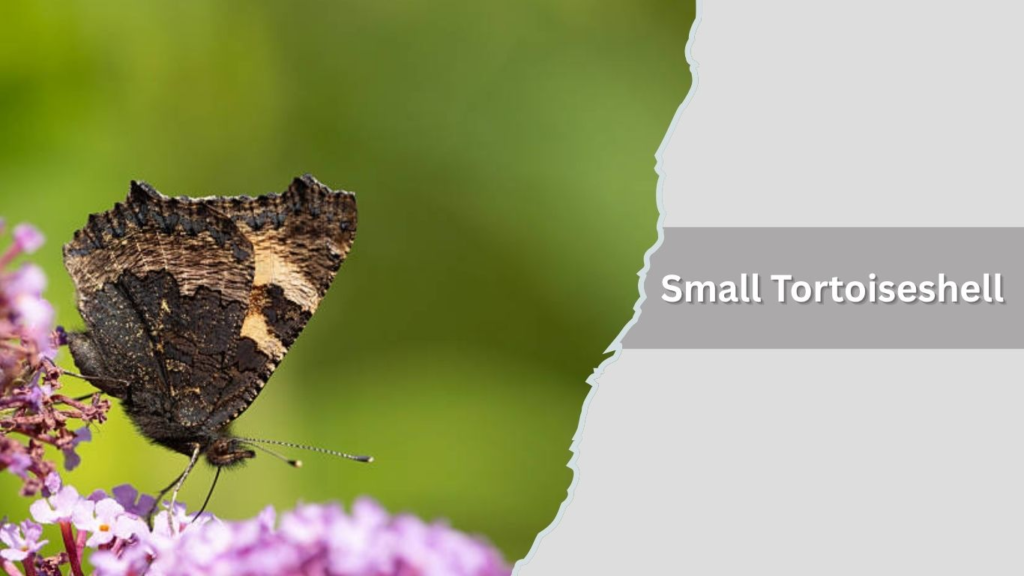
The Small Tortoiseshell is a colorful butterfly known for its orange wings with black, yellow, and blue markings. It is often seen in gardens, parks, meadows, and woodland edges. This butterfly is attractive, active, and commonly visits nectar-rich flowers.
Appearance
The Small Tortoiseshell has bright orange wings with dark markings and pale yellow patches near the front edges. Small blue spots line the wing borders. Its bold colors make it easy to recognize.
Habitat
Small Tortoiseshells live in gardens, hedgerows, fields, parks, and woodland edges. They are often found where nettles grow, because nettles are the main food plants for their caterpillars.
Key Features
- Bright orange wings
- Black, yellow, and blue markings
- Common in gardens and parks
- Caterpillars feed on nettles
- Adults often visit flowers
Survival
Some adult Small Tortoiseshells survive winter by hiding in sheds, tree hollows, or other sheltered places. When warmer weather returns, they become active again and search for nectar, mates, and places to lay eggs.
20. Peacock Butterfly
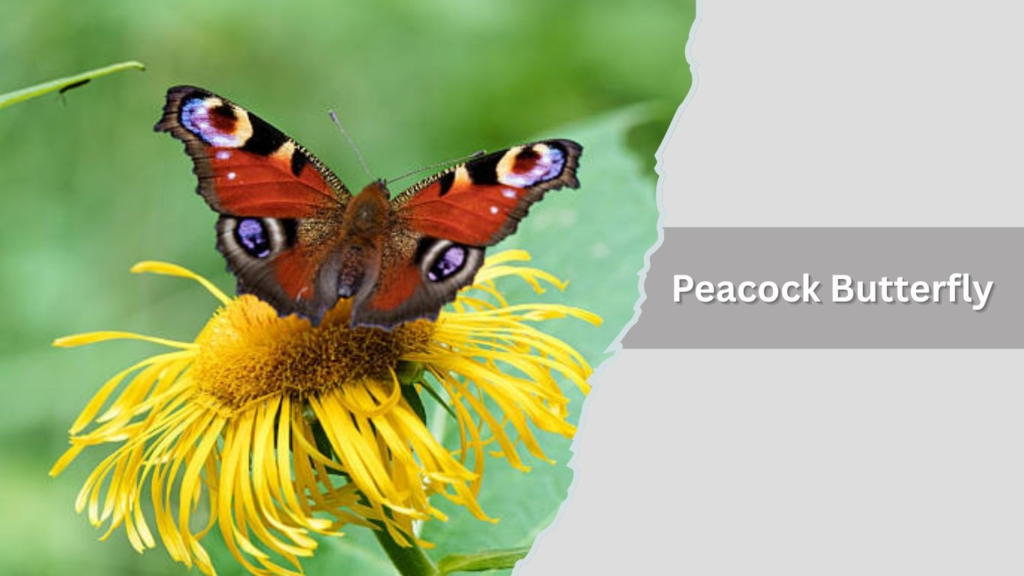
The Peacock Butterfly is a beautiful butterfly known for the large eye-like spots on its wings. These markings look similar to eyes and help scare away predators. It is often seen in gardens, meadows, woodlands, and sunny flower-rich areas.
Appearance
The Peacock Butterfly has reddish-brown wings with large blue, yellow, and black eye spots. These eye spots are its most famous feature. When the wings are closed, the dark underside helps it hide.
Habitat
Peacock Butterflies are found in gardens, parks, meadows, woodland edges, and countryside areas. They prefer places with nectar flowers and nettles, which are important for their caterpillars.
Key Features
- Large colorful eye spots
- Reddish-brown wings
- Dark underside for camouflage
- Caterpillars feed on nettles
- Often seen on garden flowers
Defense
When threatened, the Peacock Butterfly may suddenly open its wings to show its eye spots. This can surprise birds and other predators. Its dark closed wings also help it stay hidden when resting.
21. Tiger Swallowtail
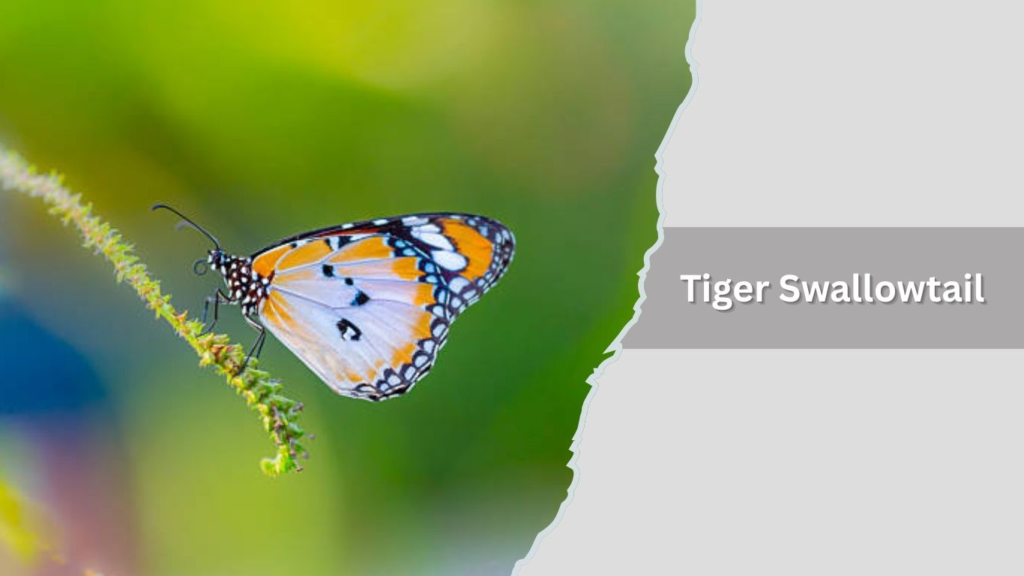
The Tiger Swallowtail is a large and graceful butterfly known for its yellow wings with black tiger-like stripes. It is often seen in gardens, forests, parks, and along rivers. Its bold pattern and strong flight make it one of the most impressive swallowtails.
Appearance
The Tiger Swallowtail usually has yellow wings marked with black stripes. The hind wings may have blue and orange spots near the edges. Some females can be darker, especially in certain regions.
Habitat
Tiger Swallowtails live in forests, gardens, river valleys, parks, and open wooded areas. Adults visit flowers for nectar, while caterpillars feed on trees such as tulip tree, cherry, ash, and birch.
Key Features
- Large yellow butterfly
- Black tiger-like wing stripes
- Tail-like extensions on hind wings
- Strong and graceful flyer
- Caterpillars feed on tree leaves
Feeding
Adult Tiger Swallowtails drink nectar from flowers such as milkweed, lilac, and thistle. They may also visit wet soil for minerals. Their caterpillars depend on leaves from suitable host trees for growth.
22. Spicebush Swallowtail
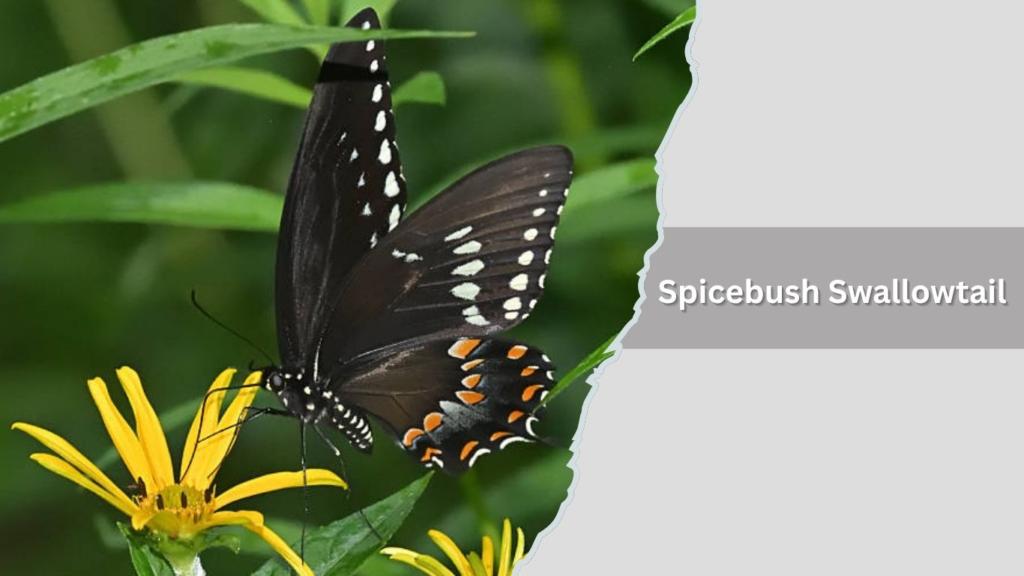
The Spicebush Swallowtail is a dark and elegant butterfly often found in woodlands, gardens, and forest edges. It is known for its beautiful blue or green markings and graceful flight. This butterfly gets its name from the spicebush plant, which is one of its main caterpillar food plants.
Appearance
The Spicebush Swallowtail usually has dark black wings with pale spots along the edges. The hind wings may show bright blue or greenish markings. Its tail-like wing extensions give it a classic swallowtail shape.
Habitat
This butterfly is commonly found in forests, wooded neighborhoods, gardens, and areas near streams. It prefers places where spicebush, sassafras, and other host plants grow. Adults often visit flowers for nectar.
Key Features
- Dark wings with blue or green markings
- Tail-like extensions on hind wings
- Caterpillars feed on spicebush and sassafras
- Common near wooded areas
- Graceful and steady flyer
Caterpillar Stage
The caterpillar of the Spicebush Swallowtail is very interesting. It often hides inside folded leaves for protection. Its body may look like a small snake, which helps scare away predators.
23. Black Swallowtail
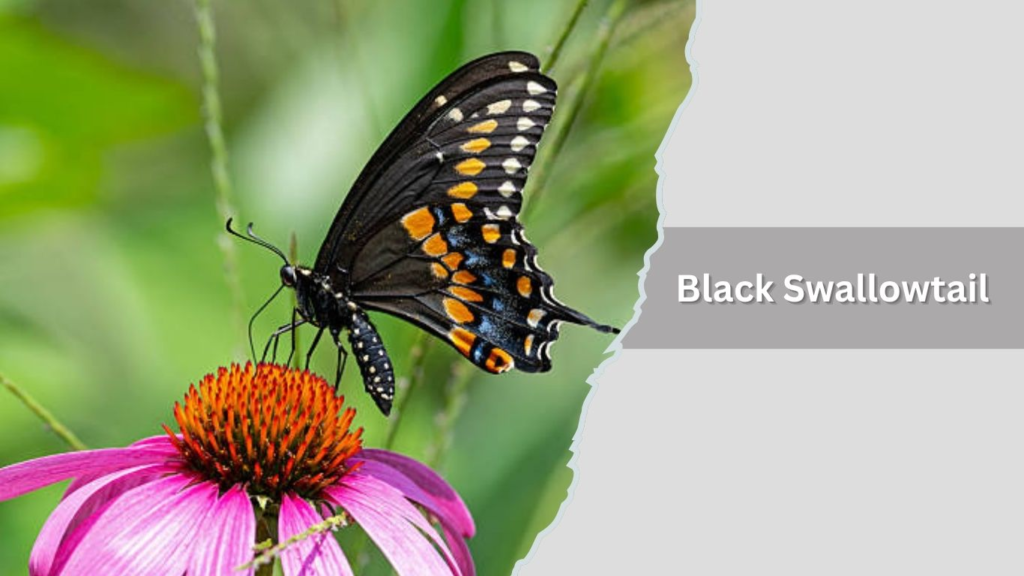
The Black Swallowtail is a common and attractive butterfly known for its dark wings and colorful spots. It is often seen in gardens, fields, and open areas. This butterfly is especially familiar to gardeners because its caterpillars feed on plants like parsley, dill, and fennel.
Appearance
The Black Swallowtail has black wings with rows of yellow spots. The hind wings may also have blue markings and small orange spots. Its tail-like extensions make it easy to recognize as a swallowtail.
Habitat
Black Swallowtails live in gardens, meadows, farms, roadsides, and open fields. They are often found where carrot-family plants grow. These plants provide food for the caterpillars.
Key Features
- Black wings with yellow spots
- Blue and orange markings on hind wings
- Caterpillars feed on parsley, dill, and fennel
- Common in gardens and fields
- Has swallowtail wing extensions
Life Cycle
The female lays eggs on suitable host plants. After hatching, the caterpillar feeds on leaves and grows quickly. It later forms a chrysalis, where it changes into an adult butterfly.
24. Pipevine Swallowtail
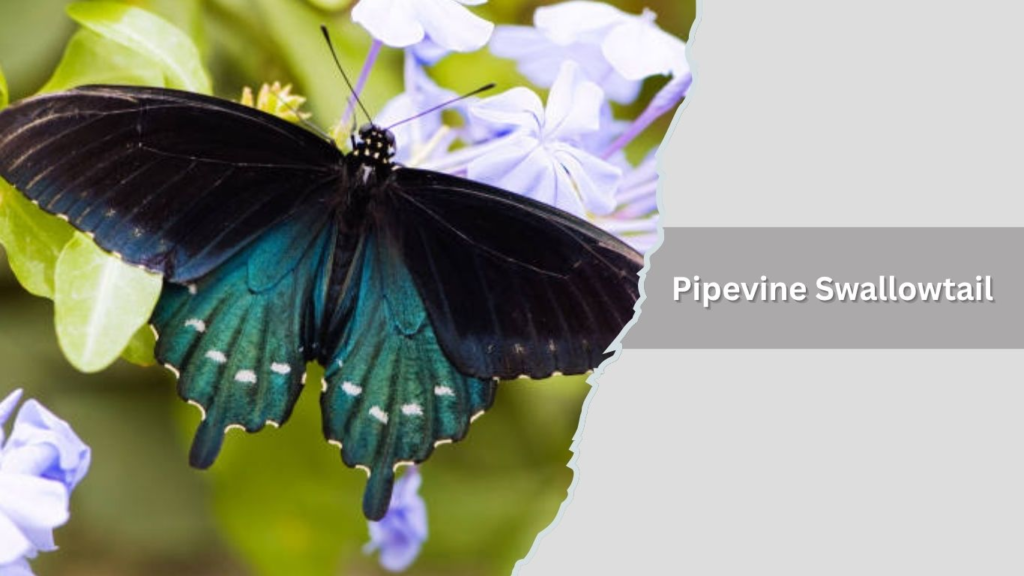
The Pipevine Swallowtail is a beautiful dark butterfly with shining blue hind wings. It is named after pipevine plants, which are the main food source for its caterpillars. This butterfly is often seen in gardens, forests, and open sunny areas.
Appearance
The Pipevine Swallowtail has dark upper wings with a glossy blue or blue-green shine on the hind wings. The underside has bright orange spots. Its colors make it one of the most eye-catching swallowtails.
Habitat
Pipevine Swallowtails live in woodlands, fields, gardens, and along streams. They are usually found where pipevine plants grow. Adults feed on nectar from many different flowers.
Key Features
- Dark wings with metallic blue shine
- Orange spots on wing underside
- Caterpillars feed on pipevine plants
- Found in gardens and wooded areas
- Color pattern warns predators
Protection
Pipevine plants contain chemicals that make the caterpillars and adults unpleasant to predators. The butterfly’s bright markings act as a warning. This defense helps protect it from birds and other animals.
25. Julia Butterfly
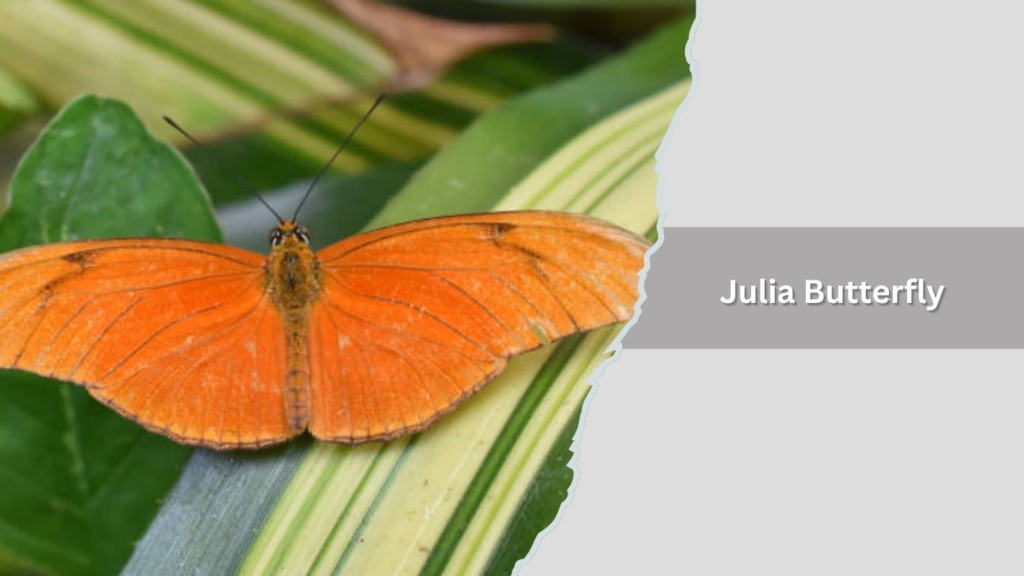
The Julia Butterfly is a bright orange butterfly often found in warm tropical and subtropical regions. It has long, narrow wings and a smooth flying style. This butterfly is closely connected with passionflower vines, which support its caterpillars during their growth.
Appearance
The Julia Butterfly has long orange wings with simple dark markings. Males are usually brighter orange, while females may look slightly duller. Its narrow wing shape gives it a graceful appearance.
Habitat
Julia Butterflies are commonly found in gardens, forests, fields, and warm open areas. They prefer places where passionflower vines grow. Adults often visit flowers for nectar and may rest in sunny spots.
Key Features
- Bright orange wings
- Long and narrow wing shape
- Common in warm regions
- Caterpillars feed on passionflower vines
- Smooth and graceful flight
Feeding
Adult Julia Butterflies drink nectar from flowers. They may also feed on minerals from damp soil. Their caterpillars depend on passionflower leaves, making this plant very important for their life cycle.
26. Common Mormon
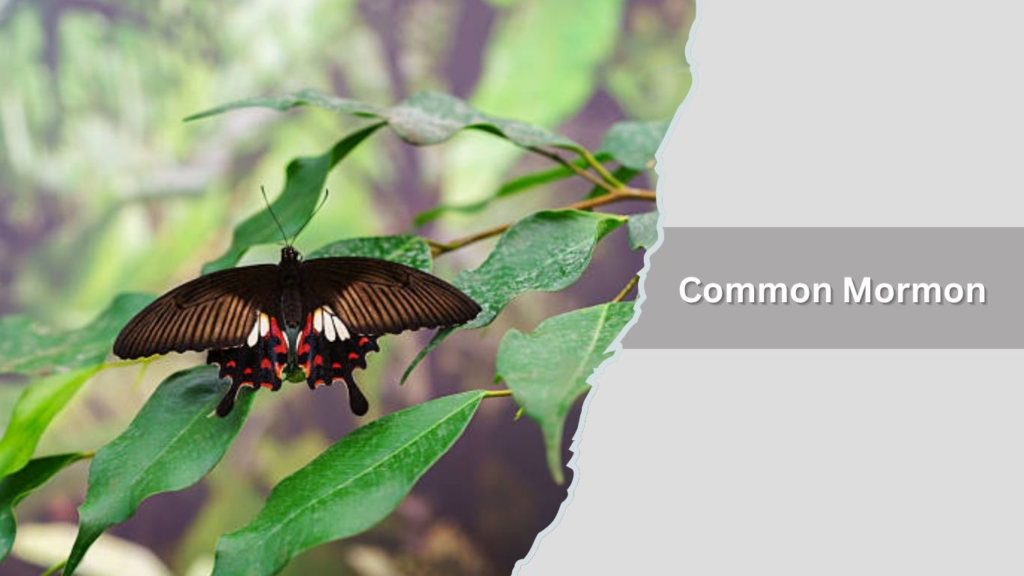
The Common Mormon is a well-known swallowtail butterfly found in South and Southeast Asia. It is admired for its dark wings, pale markings, and interesting wing patterns. This butterfly is often seen in gardens, forests, parks, and places where citrus plants grow.
Appearance
The Common Mormon usually has black wings with pale or white markings. Females can have different forms, and some look similar to other poisonous butterflies. This mimicry may help protect them from predators.
Habitat
Common Mormons live in gardens, forests, farms, parks, and urban green spaces. They are often found near citrus plants because their caterpillars feed on leaves from lemon, lime, and orange trees.
Key Features
- Black wings with pale markings
- Common in South and Southeast Asia
- Caterpillars feed on citrus plants
- Females may mimic other butterflies
- Strong and active flyer
Behavior
The Common Mormon is active during sunny weather and often visits flowers for nectar. It flies strongly through gardens and wooded areas. Females lay eggs on citrus leaves, where caterpillars begin their development.