
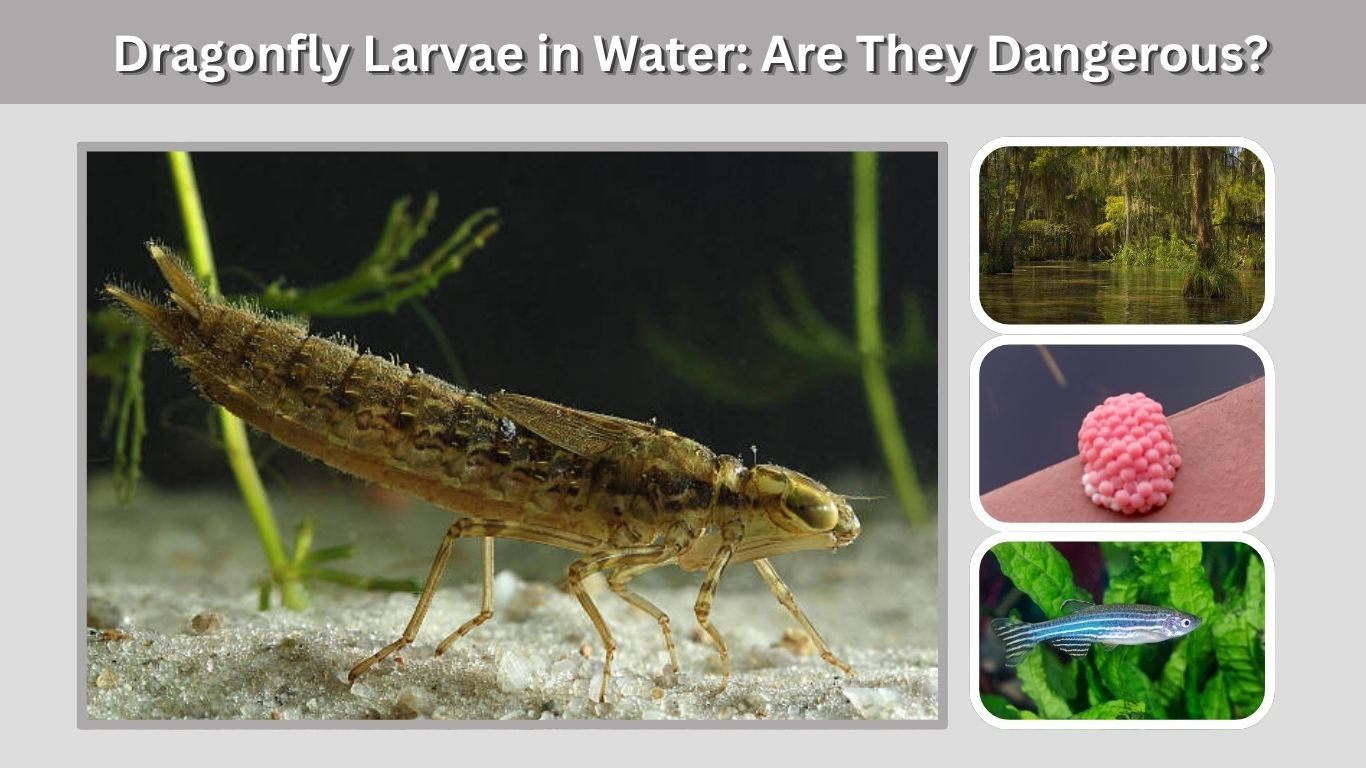
Dragonfly larvae in water are the young, aquatic stage of dragonflies. They are also called nymphs and often live in ponds, marshes, streams, ditches, and water gardens before becoming flying adults. Many people find them while cleaning a pond or checking water plants and wonder if they are dangerous. In most cases, dragonfly larvae are helpful predators that eat mosquito larvae and other small aquatic animals, making them a normal part of a healthy freshwater habitat.
What Are Dragonfly Larvae in Water?
Dragonfly larvae are immature dragonflies that live underwater before they become adults. They look very different from flying dragonflies because they have no full wings yet and spend their time crawling, hiding, and hunting below the surface. They are active predators, but they are usually beneficial in ponds and natural water bodies.
Dragonfly Larvae vs Dragonfly Nymphs
The words “larvae” and “nymphs” are often used for the same life stage. Technically, “nymph” is more accurate because dragonflies go through incomplete metamorphosis. This means they do not have a pupal stage like butterflies or mosquitoes. Instead, they hatch from eggs, grow as aquatic nymphs, and later emerge as flying adults.
Do Dragonfly Larvae Live in Water?
Yes, dragonfly larvae live in water. Adult dragonflies lay eggs in or near freshwater, and the young hatch into aquatic nymphs. These nymphs stay underwater while they grow, molt, and hunt. Depending on the species, this underwater stage may last a few months or even several years.
What Do Dragonfly Larvae Look Like?
Dragonfly larvae can look strange if you have never seen one before. They are usually brown, greenish, tan, or dark, which helps them blend into mud, leaves, and plants.
- Six legs
- Large eyes
- Thick or narrow body
- No full wings
- Small wing pads in older nymphs
- Hinged lower jaw for grabbing prey
- Crawls on plants, mud, leaves, or pond debris
Dragonfly Larvae Stages in Water
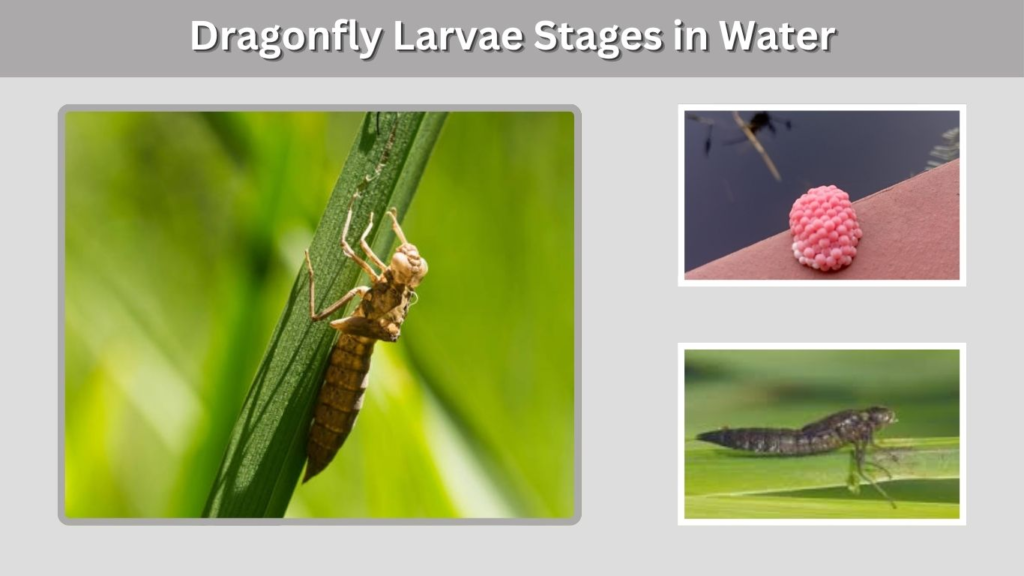
Dragonflies spend a major part of their life in water. Their underwater growth stage is important because larvae feed, molt, and develop before leaving the water. They do not turn into adults all at once. Instead, they pass through several nymph stages until they are ready for their final molt.
Egg Stage
The life cycle begins when a female dragonfly lays eggs in water, mud, floating plants, or wet plant stems. The exact egg-laying place depends on the species. Some lay eggs directly into water, while others place them inside plant tissue or near the edge of a pond or stream.
Nymph or Larval Stage
After hatching, the young dragonfly becomes an aquatic nymph. This is the main underwater stage. The nymph eats small aquatic animals and molts many times as it grows. Each molt lets the body become larger. During this stage, the nymph hides among plants, mud, roots, or submerged leaves while waiting for prey.
Final Molt and Emergence
When the nymph is fully grown, it climbs out of the water onto a plant stem, rock, dock, or pond edge. Then the adult dragonfly emerges from the old skin. The empty skin left behind is called an exuvia. After its wings harden, the adult dragonfly flies away and begins its life above water.
Where Dragonfly Larvae Live in Water
Dragonfly larvae live in many freshwater habitats, but not all species prefer the same conditions. Some live in still ponds and marshes, while others survive in streams or rivers. They need water, shelter, oxygen, and enough small prey. Plants, mud, leaves, and rocks give them places to hide and hunt.
Ponds and Water Gardens
Ponds and water gardens are common places to find dragonfly larvae. They often hide around aquatic plants, roots, algae, leaf litter, and pond edges. If your pond has dragonfly larvae, it usually means adult dragonflies found the area suitable for laying eggs.
Can Dragonfly Larvae Survive in Moving Water?
Yes, some dragonfly larvae can survive in moving water. Certain species live in streams and rivers, especially near slow edges, stones, roots, sand, or aquatic plants. Strong current can wash away weak swimmers, so larvae in moving water usually use shelter and gripping surfaces to stay protected.
Do They Need Clean Water?
Dragonfly larvae need freshwater, but different species tolerate different water conditions. Many are found in ponds, wetlands, streams, and marshes with plants and natural prey. A pond with dragonfly larvae may be a good sign of active aquatic life, although water quality can vary depending on the species present.
Are Dragonfly Larvae in Water Dangerous?
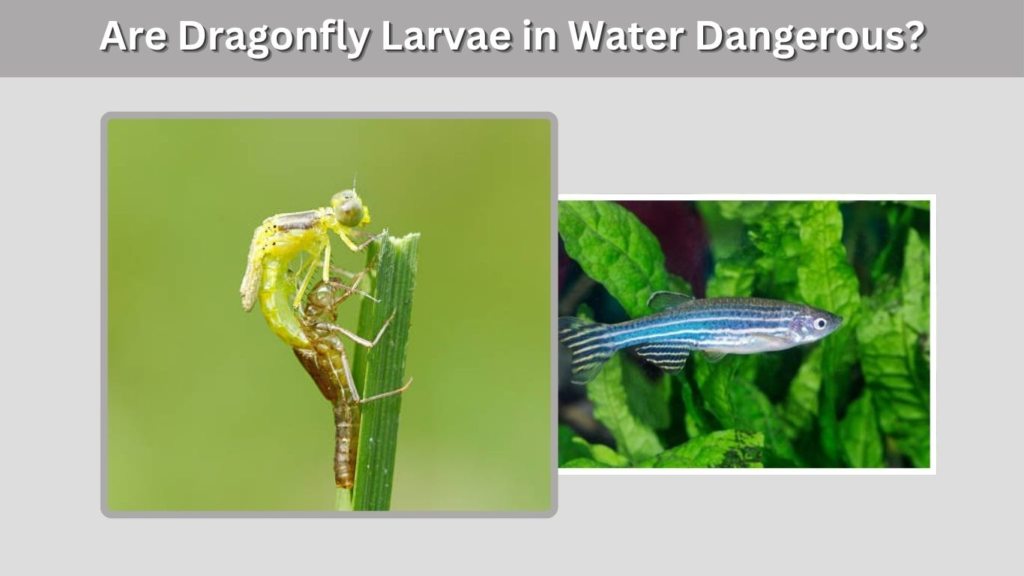
Dragonfly larvae can look scary because they are strong predators for their size. However, they are not dangerous to people. They do not sting, inject venom, or poison the water. The main concern is that large larvae may eat very small pond animals such as fish fry or young tadpoles.
Are They Dangerous to People?
Dragonfly larvae are not poisonous or venomous. They do not sting humans. A large larva might pinch if handled roughly, but this is not usually serious. It is better to avoid touching them with bare hands and use a small net or container if you need to move one.
Are They Dangerous to Fish or Tadpoles?
Dragonfly larvae eat mosquito larvae, aquatic insects, worms, tiny crustaceans, and other small animals. Large larvae may catch fish fry or small tadpoles. In a balanced wildlife pond, this is normal. In a fish-breeding tank or tadpole container, you may want to remove them by hand.
Quick Safety Facts
- Not poisonous to humans
- Do not sting
- May pinch if handled
- Helpful for mosquito control
- Can eat tiny fish fry
- Can eat small tadpoles
- Usually safe in wildlife ponds
What Do Dragonfly Larvae Eat?
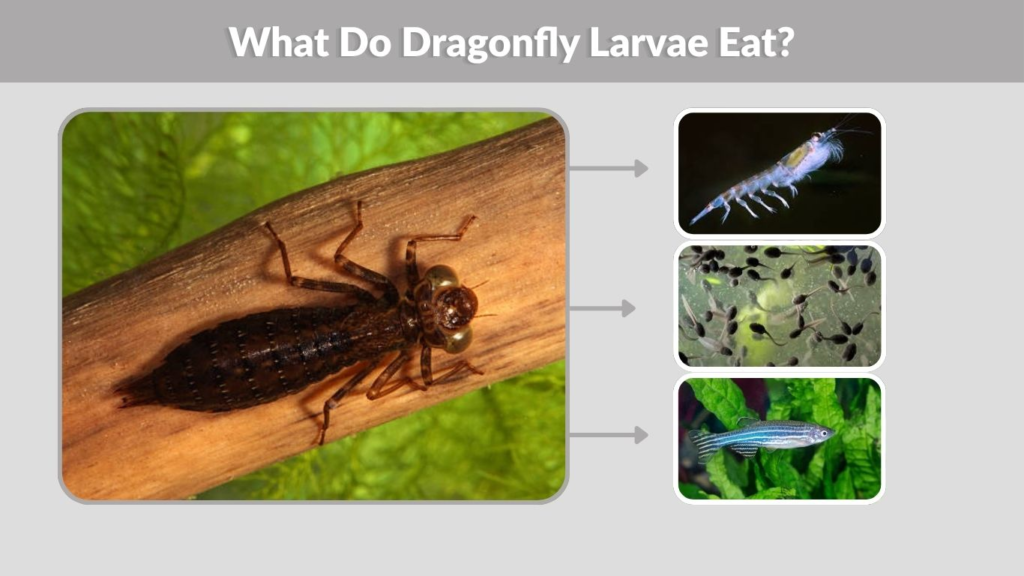
Dragonfly larvae are underwater predators. They usually hide and wait for small animals to come close, then catch them with a fast-moving lower jaw. Their diet makes them useful in ponds because they eat mosquito larvae and other small aquatic pests. However, large larvae may also eat tiny fish or tadpoles.
Common Food Sources
Dragonfly larvae eat many small aquatic animals, including:
- Mosquito larvae
- Small aquatic insects
- Tiny worms
- Water fleas
- Small crustaceans
- Small tadpoles
- Fish fry
- Other tiny pond animals
How They Catch Prey
Dragonfly larvae have a special hinged lower jaw that can shoot forward quickly. When prey comes close, the larva extends this jaw and grabs it. This hunting method makes them effective ambush predators in plants, mud, leaf litter, and pond edges.
Are They Good for Mosquito Control?
Yes, dragonfly larvae can help control mosquito larvae in ponds and wetlands. They eat mosquito larvae underwater before mosquitoes become flying adults. Adult dragonflies also eat flying insects, including mosquitoes, gnats, and midges, so both life stages can benefit a healthy pond.
Chemical Used to Kill Dragonfly Larvae in Pond Water
Many people ask about chemicals because they worry dragonfly larvae will harm fish, tadpoles, or pond life. In most ponds, chemical control is not recommended. Dragonfly larvae are beneficial predators, and chemicals used in pond water can harm fish, frogs, snails, plants, and other helpful aquatic organisms.
Should You Use Chemicals?
It is usually better not to use chemicals to kill dragonfly larvae. Broad insecticides can damage the pond ecosystem and may kill more than the target larvae. Before using any pond chemical, check local rules and speak with a pond specialist, extension office, or licensed professional.
Safer Non-Chemical Options
If control is truly needed, safer methods are usually better than chemicals:
- Remove larvae with a small net
- Move them to a natural pond if legal and safe
- Add plant cover for fish fry
- Keep delicate fry in a separate tank
- Protect tadpoles in a screened container
- Avoid overstocking small ponds
- Improve pond balance with native plants
When Removal Might Make Sense
Removal may make sense in small fish-breeding tanks, tadpole-rearing containers, or ornamental tubs where dragonfly larvae are eating young animals. In that case, manual removal is safer than chemical treatment. In wildlife ponds, leaving them alone is usually the best choice.
Dragonfly Larvae in Ponds and Water Gardens
Dragonfly larvae are common in ponds and water gardens, especially when adult dragonflies visit the area to lay eggs. Their presence usually means the pond has water, shelter, plants, and prey. They may look alarming, but they often help create a more balanced pond ecosystem.
Are They Good or Bad for a Pond?
In most cases, dragonfly larvae are good for a pond. They help reduce mosquito larvae and become food for birds, fish, frogs, and other wildlife. They are part of the natural food web. Problems usually happen only in small tanks where you are trying to raise tiny fish or tadpoles.
How to Manage Them Naturally
Natural pond management focuses on balance instead of killing every predator. Add native aquatic plants, avoid harsh chemicals, and provide hiding places for small animals. A pond with different plant layers and natural edges can support dragonflies while also giving fish fry and tadpoles more cover.
Dragonfly Larvae and Moving Water
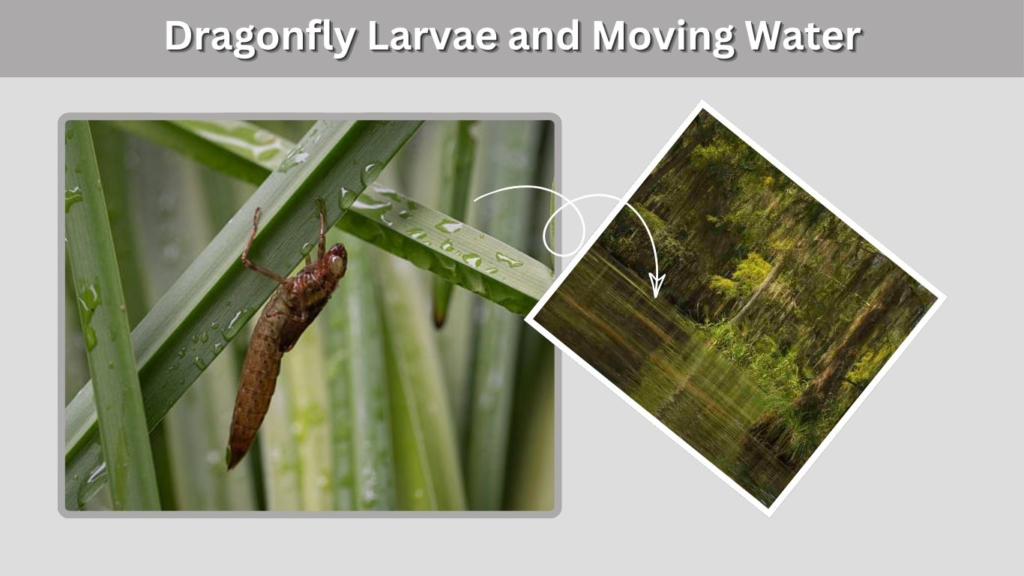
Some dragonfly larvae live in still water, while others can survive in moving water. Species that live in streams or rivers are adapted to currents. They may hide under stones, hold onto plants, or stay near slower edges where the water is not too strong.
Still Water Species
Many dragonfly larvae live in ponds, marshes, swamps, ditches, and water gardens. These habitats often have soft mud, aquatic plants, algae, leaves, and many small prey animals. Still water is especially common for species that lay eggs in ponds or wetlands.
Moving Water Species
Some species live in streams, creeks, and rivers. These larvae may stay near rocks, sand, roots, or slow-current areas. They need places to grip or hide so they are not swept away. Clean, oxygen-rich moving water can support certain dragonfly species.
FAQs
Do dragonfly larvae live in water?
Yes, dragonfly larvae live in water during their immature stage. They hatch from eggs laid in or near freshwater and stay underwater while they grow. Later, they climb out onto plants, rocks, or pond edges and emerge as adult dragonflies.
Are dragonfly larvae in water dangerous?
Dragonfly larvae are not dangerous to humans. They do not sting, inject venom, or poison the water. A large larva may pinch if handled, but this is usually minor. They are mostly a concern for tiny fish fry or small tadpoles.
Can dragonfly larvae survive in moving water?
Yes, some dragonfly larvae can survive in moving water. Certain species live in streams, creeks, and rivers. They usually stay near rocks, roots, plants, sand, or slow-current edges where they can hide and avoid being swept away.
What do dragonfly larvae eat in pond water?
Dragonfly larvae eat small aquatic animals. Their food may include mosquito larvae, aquatic insects, tiny worms, water fleas, small crustaceans, fish fry, and small tadpoles. They are predators and help control mosquito larvae in ponds and wetlands.
Should I use chemicals to kill dragonfly larvae in a pond?
Chemical control is usually not recommended. Dragonfly larvae are beneficial, and pond chemicals can harm fish, frogs, snails, plants, and other wildlife. If removal is needed, use a small net or protect delicate fish fry and tadpoles in a separate container.