
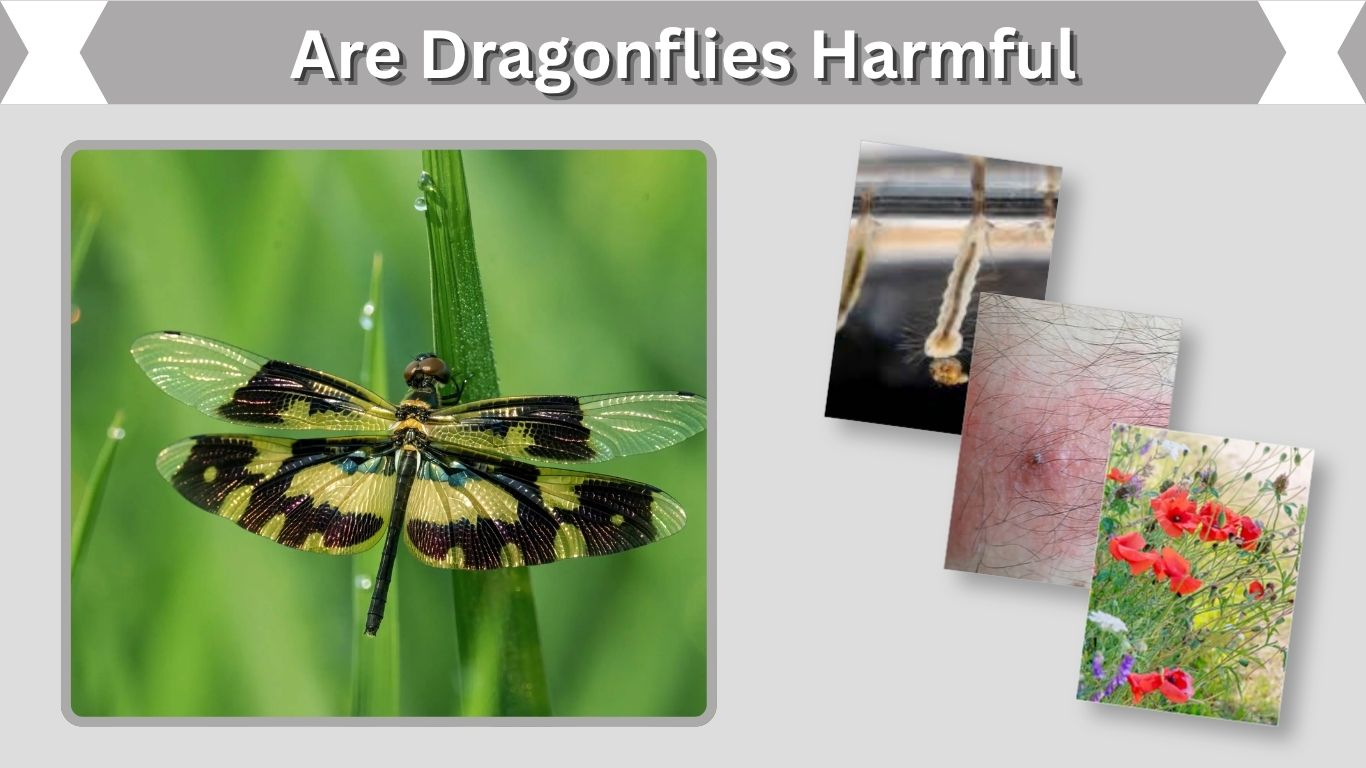
Dragonflies are often misunderstood because of their large eyes, fast flight, and impressive size. Many people wonder whether these insects are dangerous to humans, pets, plants, or the environment. Fortunately, dragonflies are generally harmless and are actually considered beneficial insects in many ecosystems. They help control pest populations and play an important role in maintaining ecological balance. Understanding the truth about dragonflies can help separate myths from facts and reveal why these fascinating insects are usually welcomed rather than feared.
Are Dragonflies Harmful?
Dragonflies have a reputation for being intimidating because they are fast-moving predators with strong jaws. However, their appearance often creates unnecessary concern. Most dragonflies pose little to no threat to humans, pets, or plants. In fact, they are widely recognized as beneficial insects that contribute positively to natural ecosystems and gardens.
The Short Answer
The simple answer is no. Dragonflies are generally not harmful. They:
- Do not sting humans
- Are not poisonous
- Rarely bite people
- Help reduce mosquito populations
- Support healthy ecosystems
For most people, encountering a dragonfly is completely harmless and often beneficial.
Why People Think Dragonflies Are Dangerous
Many myths and legends have contributed to the belief that dragonflies are harmful. Their large bodies and rapid flight patterns can make them appear aggressive. In reality, dragonflies are focused on hunting small insects and have little interest in interacting with humans.
Are Dragonflies Harmful to Humans?
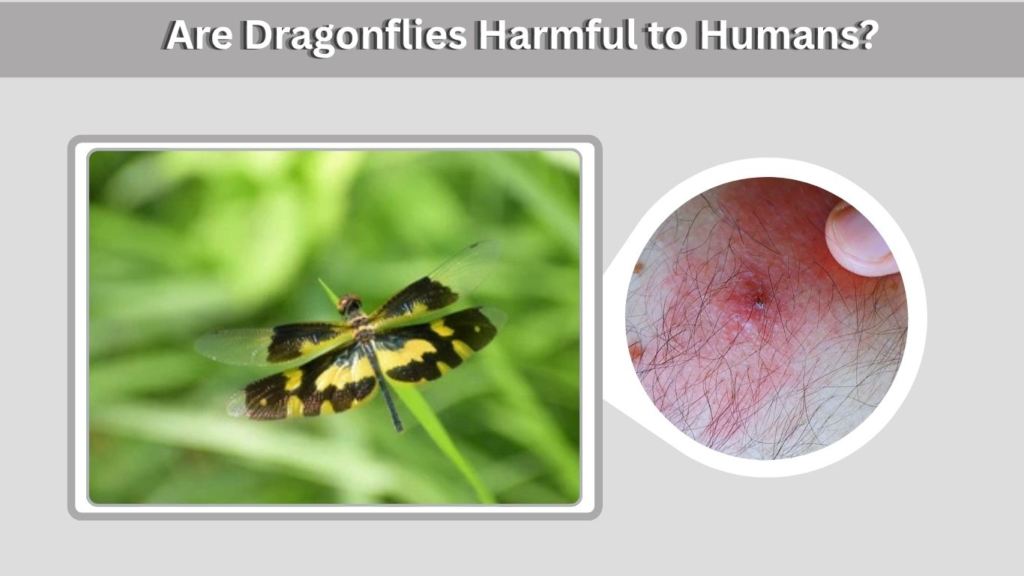
One of the most common concerns is whether dragonflies can hurt people. Although they are predators, their prey consists of small insects rather than humans or animals. Dragonflies do not actively seek out people and rarely come into direct contact with them.
Can Dragonflies Bite People?
Dragonflies have strong mouthparts designed for catching and eating insects. In rare cases, a dragonfly may bite if it is handled or feels threatened. However, these bites are usually mild and do not break the skin significantly. Most people experience little more than minor discomfort.
Do Dragonflies Sting?
Dragonflies do not have stingers. Unlike bees, wasps, and hornets, they are incapable of stinging humans. This is one of the biggest misconceptions about dragonflies and often surprises people who assume they can sting because of their appearance.
Are Dragonflies Poisonous?
Dragonflies are not poisonous and do not produce venom. They do not inject toxins through bites, nor are they dangerous to touch. Their primary defense mechanism is simply flying away from potential threats.
Are Dragonflies Helpful or Harmful to Humans?
While dragonflies are not harmful, they can actually provide several benefits to humans. Their role as natural predators makes them valuable allies in reducing populations of nuisance insects. This is one reason why many gardeners and outdoor enthusiasts appreciate their presence.
Benefits Dragonflies Provide
Dragonflies help people in several ways:
- Consume mosquitoes and mosquito larvae
- Reduce populations of flies and gnats
- Help control agricultural pests
- Contribute to balanced ecosystems
- Reduce the need for chemical insect control
Their appetite for mosquitoes is especially appreciated in areas where mosquito populations are high.
Why Dragonflies Are Considered Beneficial
Dragonflies help maintain natural balance by keeping insect populations under control. Without predators like dragonflies, some pest species could increase rapidly. Their presence also indicates healthy environmental conditions, particularly around freshwater habitats.
Are Dragonflies Harmful to Cats or Dogs?
Pet owners sometimes worry about whether dragonflies pose a threat to their animals. Fortunately, dragonflies are generally harmless to both cats and dogs. Most interactions involve curious pets chasing flying insects rather than any real danger.
Are Dragonflies Harmful to Cats?
Cats are natural hunters and may attempt to catch dragonflies. In most situations, dragonflies are completely safe for cats. Even if a cat manages to eat one, serious health problems are unlikely. At most, a cat may experience mild digestive discomfort if it consumes several insects.
Are Dragonflies Harmful to Dogs?
Dogs occasionally snap at dragonflies while playing outdoors. Dragonflies do not bite or sting dogs, making them largely harmless. If a dog swallows a dragonfly, there is usually no cause for concern. However, pet owners should monitor their dog if unusual symptoms appear after eating any insect.
What Pet Owners Should Know
A few simple precautions can help keep pets safe:
- Discourage excessive insect eating
- Supervise pets in unfamiliar environments
- Monitor for digestive upset
- Contact a veterinarian if unusual symptoms occur
For the vast majority of pets, dragonflies pose no significant risk.
Are Dragonflies Harmful to Hummingbirds?
Dragonflies and hummingbirds often share the same outdoor habitats, leading some people to wonder whether dragonflies threaten these small birds. Although both species are active flyers, serious conflicts between them are extremely uncommon.
Do Dragonflies Attack Hummingbirds?
Reports of dragonflies attacking hummingbirds are very rare. Dragonflies typically focus on insects rather than birds. Because hummingbirds are much larger than their normal prey, dragonflies generally avoid them altogether.
Can Dragonflies and Hummingbirds Share the Same Habitat?
Dragonflies and hummingbirds frequently coexist around gardens, ponds, and wetlands. Both benefit from healthy ecosystems rich in food sources. In most cases, they occupy different ecological roles and do not compete directly for resources.
Are Dragonflies Harmful to Plants?
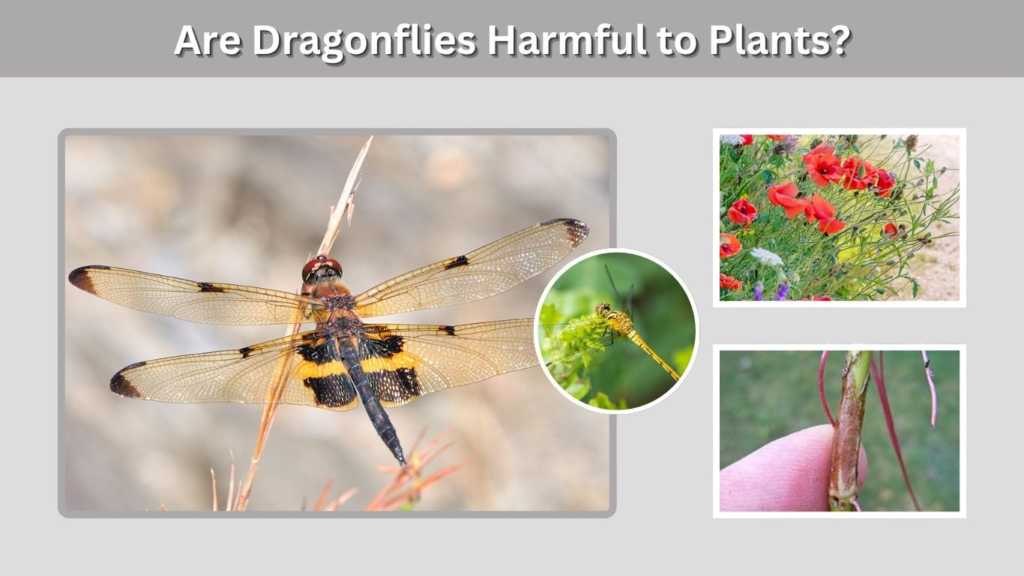
Many gardeners wonder whether dragonflies damage flowers, vegetables, trees, or ornamental plants. Because dragonflies are often seen flying around gardens, some people assume they feed on plant material. In reality, dragonflies are carnivorous insects that survive by hunting other insects rather than feeding on vegetation.
Do Dragonflies Eat Plants?
Dragonflies do not eat leaves, flowers, roots, or stems. Their diet consists entirely of insects and other small prey. Unlike caterpillars, beetles, or aphids, dragonflies do not chew plant tissue or cause visible damage to gardens and crops.
Are Dragonflies Bad for Gardens?
Dragonflies are generally considered beneficial for gardens because they help reduce populations of pest insects. By feeding on mosquitoes, flies, and other nuisance species, they contribute to a healthier outdoor environment.
Why Gardeners Welcome Dragonflies
Gardeners often encourage dragonflies because they:
- Control mosquito populations naturally
- Reduce harmful garden pests
- Require no chemical treatments
- Support a balanced ecosystem
- Add beauty and biodiversity to outdoor spaces
Their presence is usually viewed as a sign of a healthy garden environment.
Are Dragonflies Helpful or Harmful to the Environment?
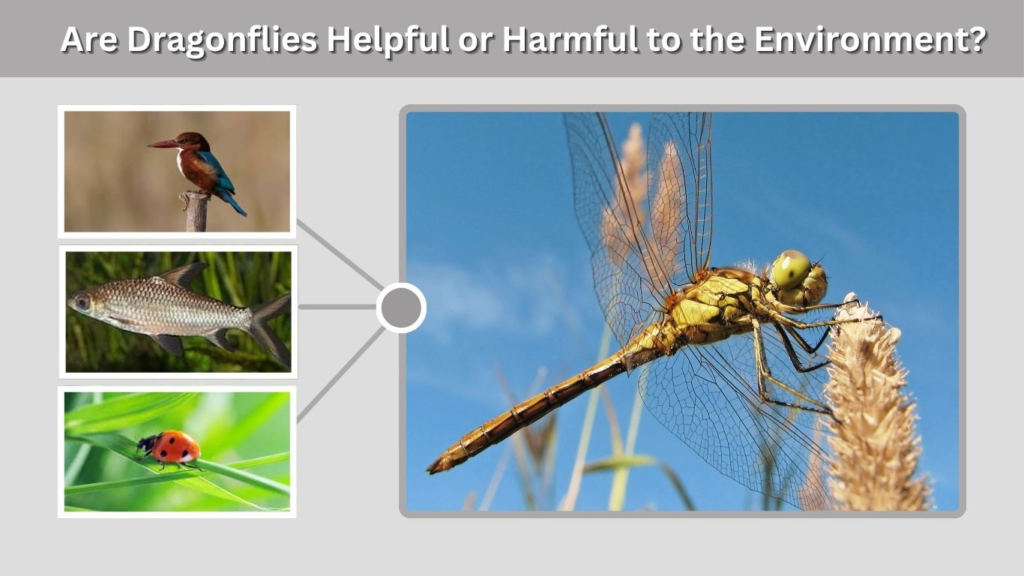
Dragonflies play an important role in ecosystems around the world. As both predators and prey, they help maintain balance within food chains. Their life cycle connects aquatic and terrestrial habitats, making them valuable contributors to biodiversity and environmental health.
Environmental Benefits of Dragonflies
Dragonflies provide numerous ecological benefits, including:
- Controlling insect populations
- Serving as food for birds and fish
- Supporting biodiversity
- Contributing to ecosystem balance
- Helping regulate mosquito numbers
Because they occupy multiple levels of the food chain, dragonflies influence the health of many natural communities.
Dragonflies as Indicators of Environmental Health
Scientists often study dragonflies because they are sensitive to changes in water quality and habitat conditions. A thriving dragonfly population usually indicates healthy freshwater ecosystems. When dragonfly numbers decline, it can signal pollution or habitat degradation.
Why Researchers Study Dragonflies
Researchers monitor dragonflies to better understand environmental changes. Their populations can provide valuable information about wetland health, climate conditions, and the overall quality of aquatic ecosystems.
How Are Dragonflies Harmful?
Although dragonflies are overwhelmingly beneficial, some people wonder whether they have any negative effects. In reality, their harmful impacts are very limited and usually insignificant when compared to their ecological benefits.
Situations Where Dragonflies May Cause Minor Problems
Occasionally, dragonflies may:
- Bite when handled roughly
- Prey on some beneficial insects
- Compete with other insect predators
- Startle people because of their size
These situations are uncommon and generally do not create serious concerns for humans or wildlife.
Why Their Negative Impact Is Minimal
Dragonflies have evolved as natural predators within balanced ecosystems. Their feeding behavior helps regulate insect populations rather than disrupt them. Any minor negative effects are usually outweighed by the benefits they provide through pest control and ecological stability.
Are Dragonflies Considered Pests?
Dragonflies are not classified as pests. Unlike insects that damage crops, invade homes, or spread disease, dragonflies contribute positively to their surroundings. Most experts consider them beneficial insects that deserve protection rather than removal.
Are Dragonflies Harmful to the Environment?
Some people ask whether dragonflies can negatively affect ecosystems because they are active predators. However, dragonflies are a natural part of healthy environments and rarely cause ecological problems.
Do Dragonflies Damage Ecosystems?
Dragonflies do not damage ecosystems. Their predatory behavior is part of the natural balance that exists within food webs. By controlling insect populations, they help prevent certain species from becoming overly abundant.
Their Role in Maintaining Ecological Balance
Dragonflies occupy an important position in both aquatic and terrestrial food chains. They help regulate prey populations while also serving as food for larger animals such as birds, fish, frogs, and reptiles.
Why Dragonflies Are Viewed Positively
Environmental scientists generally view dragonflies as beneficial indicators of healthy habitats. Their presence often reflects good water quality and thriving biodiversity, making them valuable members of many ecosystems.
Benefits of Dragonflies at a Glance
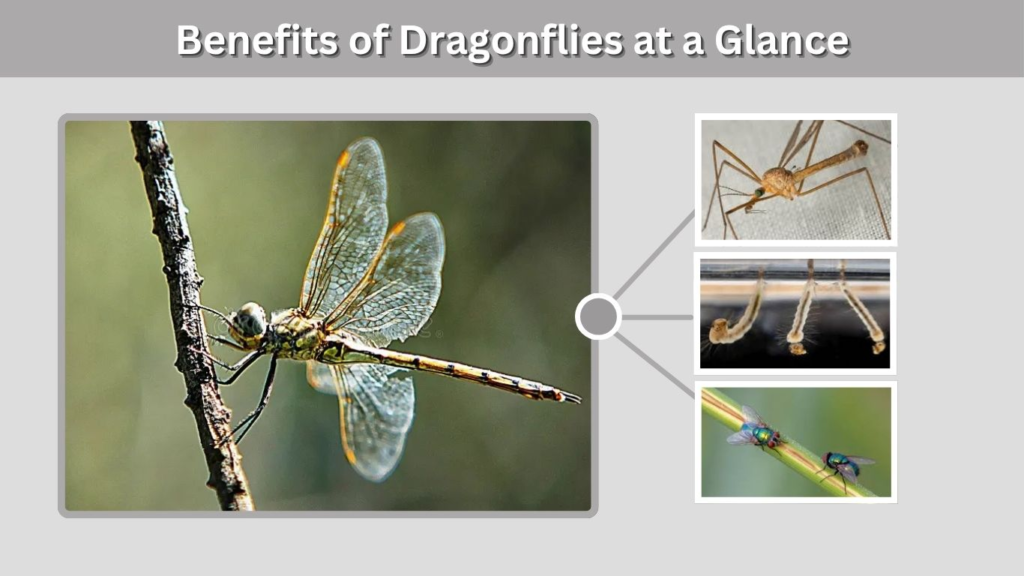
Dragonflies offer numerous advantages to people and the environment. Their contributions extend beyond simple pest control and support the health of natural ecosystems in many ways.
Key Benefits of Dragonflies
- Eat mosquitoes and mosquito larvae
- Reduce pest insect populations
- Support biodiversity
- Help maintain ecological balance
- Indicate healthy water quality
- Provide food for wildlife
- Benefit gardens naturally
Reasons to Encourage Dragonflies in Your Yard
Creating a dragonfly-friendly yard can improve both aesthetics and environmental quality. Adding a small pond, planting native vegetation, and avoiding excessive pesticide use can attract dragonflies and support local wildlife.
FAQs
Are dragonflies dangerous to humans?
No, dragonflies are not dangerous to humans. They do not sting, are not venomous, and rarely bite. Most dragonflies avoid human contact whenever possible.
Can dragonflies bite or sting?
Dragonflies can occasionally bite if handled, but the bite is usually mild. They cannot sting because they do not possess a stinger.
Are dragonflies harmful to pets?
Dragonflies are generally harmless to cats and dogs. If a pet catches or eats one, serious health issues are unlikely, though mild stomach upset can occasionally occur.
Do dragonflies eat mosquitoes?
Yes. Dragonflies are effective predators of mosquitoes and other flying insects. Both adult dragonflies and their aquatic nymphs help reduce mosquito populations.
Should I attract dragonflies to my garden?
Yes. Dragonflies provide natural pest control, support biodiversity, and help create a healthier outdoor environment. Many gardeners consider them beneficial visitors.