
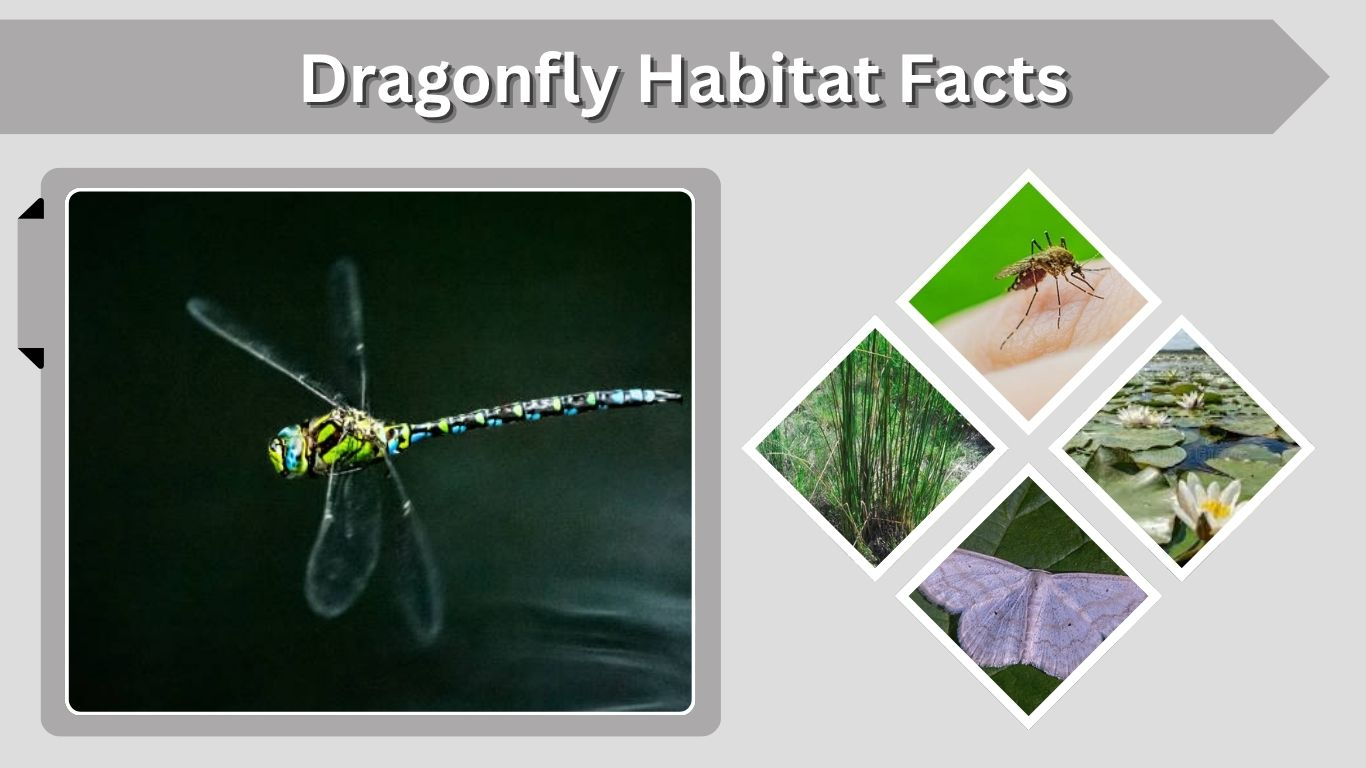
Dragonflies are among the oldest and most fascinating insects on Earth, having existed for more than 300 million years. These agile flyers are commonly found near freshwater habitats, where they spend much of their lives developing before emerging as adults. Dragonflies are important predators that help control mosquito populations and other insects. Their presence often indicates a healthy ecosystem with clean water and abundant biodiversity. Understanding dragonfly habitat requirements provides valuable insight into their survival, behavior, and ecological importance.
What Is a Dragonfly?
Dragonflies belong to a group of flying insects known for their large eyes, elongated bodies, and powerful wings. They are skilled aerial predators capable of catching prey while in flight. Found on every continent except Antarctica, dragonflies play an essential role in maintaining balance within aquatic and terrestrial ecosystems.
Species Overview
Dragonflies are members of the order Odonata and the suborder Anisoptera. Thousands of species exist worldwide, varying in size, color, and habitat preferences. Despite these differences, all dragonflies share similar life cycles that depend heavily on freshwater environments.
Dragonfly Scientific Name
Dragonflies belong to the order Odonata, which also includes damselflies. The suborder Anisoptera contains the true dragonflies recognized by their broader bodies and distinctive wing position when resting. Scientists continue to discover and classify new species in different parts of the world.
Dragonfly Family
Several families of dragonflies exist worldwide, each containing species adapted to specific habitats. These families contribute to the remarkable diversity of dragonflies found across wetlands, rivers, lakes, and ponds.
What Is the Habitat of a Dragonfly?
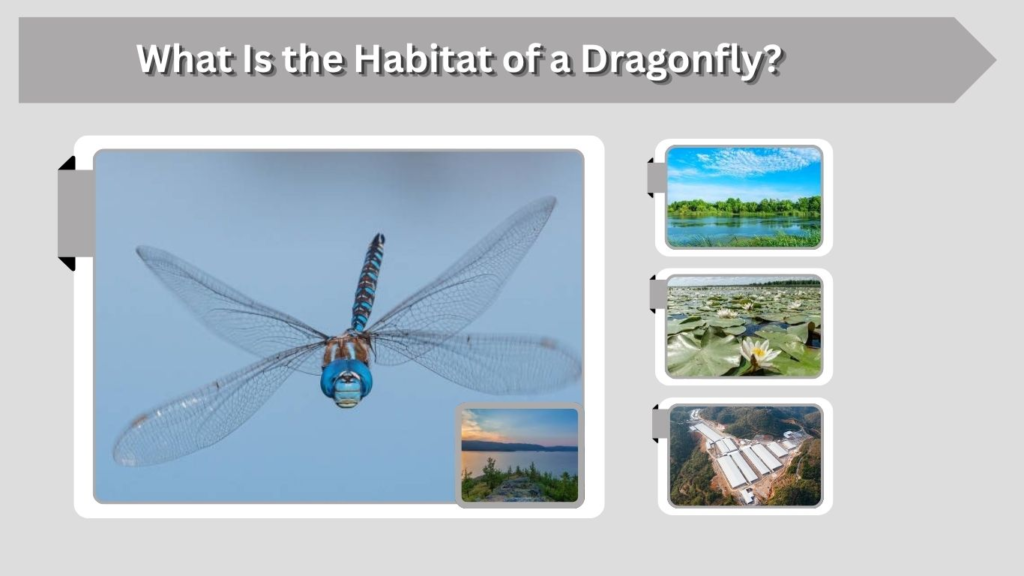
Dragonflies require habitats that support both their aquatic juvenile stage and their aerial adult stage. Freshwater ecosystems are especially important because they provide breeding sites, food resources, and suitable conditions for development. Habitat quality directly influences dragonfly survival and population health.
Dragonfly Habitat Overview
Dragonflies are closely associated with water during the early stages of life. Adults are commonly observed near ponds, lakes, rivers, marshes, and wetlands. Vegetation surrounding these water sources provides shelter, hunting opportunities, and resting places.
Dragonfly Habitat Requirements
Several environmental factors are necessary for a healthy dragonfly population.
Key habitat requirements include:
- Clean freshwater sources
- Aquatic vegetation
- Sunny open spaces
- Adequate prey populations
- Protected breeding areas
These conditions allow dragonflies to complete their life cycle successfully.
Common Dragonfly Habitats
Dragonflies occupy a wide range of freshwater habitats. Some species prefer slow-moving ponds, while others thrive along rivers and streams. Wetlands and marshes often support high dragonfly diversity because they provide abundant food and breeding opportunities.
Dragonfly Habitat Map and Distribution
Dragonflies are among the most widespread insect groups in the world. Their ability to adapt to different climates and ecosystems has enabled them to colonize a wide range of geographic regions.
Global Distribution
Dragonflies occur throughout North America, Europe, Asia, Africa, Australia, and many island regions. They are absent only from Antarctica due to the extreme environmental conditions. Tropical regions generally support the highest number of species because of favorable temperatures and abundant freshwater habitats.
Habitat Range by Species
Different species occupy different habitats depending on their environmental requirements. Some dragonflies prefer forest streams, while others inhabit open wetlands or desert oases. This variation allows multiple species to coexist within the same geographic region.
Migration and Seasonal Movements
Certain dragonfly species are capable of remarkable migrations.
Important migration facts include:
- Some species travel hundreds of miles
- Migration often follows seasonal weather patterns
- Warm temperatures encourage movement
- Coastal regions may serve as migration routes
These movements help dragonflies locate suitable breeding habitats and food resources.
Are Dragonflies Aquatic or Terrestrial?
Dragonflies are unique because they spend different stages of their lives in different environments. Their life cycle includes both aquatic and terrestrial phases, making them dependent on healthy ecosystems above and below the water surface.
Aquatic Life Stage
The majority of a dragonfly’s life is spent underwater as a nymph. During this stage, it lives among aquatic plants and sediments while hunting small organisms. Nymphs are highly effective predators and play an important role in freshwater food webs.
Adult Life Stage
Once mature, dragonflies emerge from the water and transform into winged adults. At this stage, they become aerial hunters capable of capturing insects during flight. Adults frequently remain near water but may travel significant distances while searching for food or mates.
Transition Between Habitats
The transition from aquatic nymph to flying adult is one of the most remarkable events in the insect world. After leaving the water, the nymph molts for the final time and emerges as a fully developed dragonfly with functional wings and reproductive capabilities.
Dragonfly Life Cycle
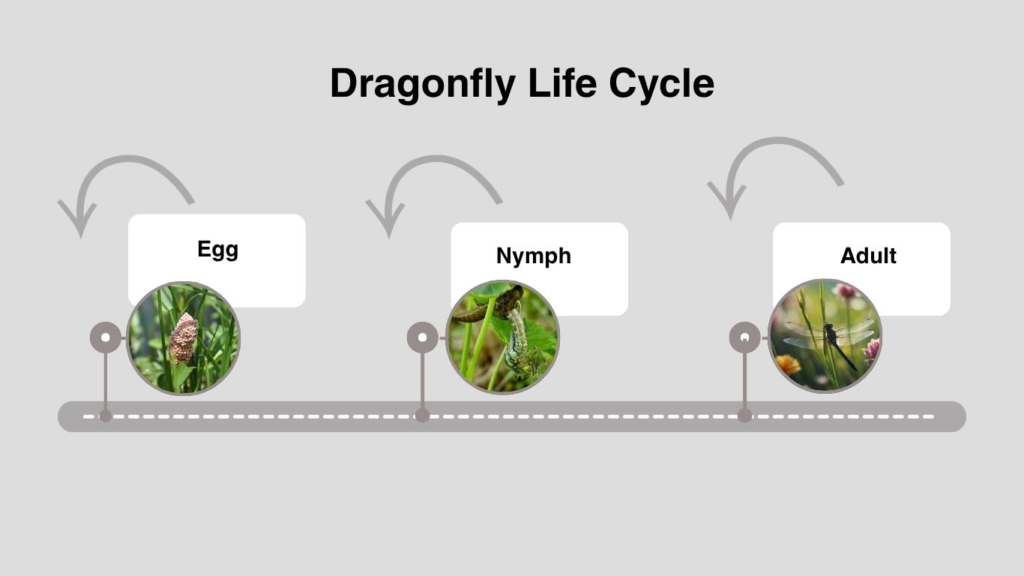
The dragonfly life cycle is closely linked to habitat quality and environmental conditions. Successful development depends on access to clean water, adequate food, and suitable breeding locations. Understanding these stages helps explain why habitat conservation is essential for dragonfly populations.
Life Cycle Stages
Dragonflies undergo incomplete metamorphosis consisting of three primary stages:
- Egg
- Nymph
- Adult
Each stage serves a unique purpose in growth, survival, and reproduction.
Dragonfly Nymph Development
Dragonfly nymphs are active predators that spend months or even years underwater before becoming adults. During this period, they feed on aquatic insects, mosquito larvae, tadpoles, and other small organisms while gradually increasing in size.
Adult Emergence
When a dragonfly nymph reaches maturity, it leaves the water and climbs onto vegetation or another stable surface. The outer skin splits, allowing the adult dragonfly to emerge. Its wings gradually expand and harden before it takes its first flight. This transformation marks the beginning of the reproductive stage of the dragonfly’s life cycle.
Dragonfly Diet and Food Web

Dragonflies are important predators throughout their lives. Both nymphs and adults consume a variety of prey, helping regulate insect populations and maintain ecosystem balance. Their position within the food web makes them valuable indicators of environmental health.
What Do Dragonflies Eat?
Adult dragonflies feed primarily on flying insects. Their exceptional eyesight and flight abilities allow them to capture prey with remarkable precision.
Common food sources include:
- Mosquitoes
- Flies
- Moths
- Gnats
- Small butterflies
- Other flying insects
A single dragonfly can consume large numbers of mosquitoes, making it beneficial in many environments.
Dragonfly Nymph Diet
Nymphs are aquatic predators that hunt underwater. Their diet includes mosquito larvae, small fish, tadpoles, aquatic insects, and other tiny organisms. Their appetite helps control populations of various freshwater species.
Dragonfly Food Web
Dragonflies occupy an important position in aquatic and terrestrial food webs. As predators, they help regulate insect populations. At the same time, they serve as prey for birds, fish, frogs, and larger insects, linking multiple levels of the ecosystem.
Dragonfly Size and Physical Characteristics
Dragonflies are known for their distinctive appearance and remarkable flying abilities. Their body structure has evolved to support speed, maneuverability, and effective hunting.
Dragonfly Size
Size varies considerably among species. Some dragonflies are relatively small, while others rank among the largest flying insects.
Typical size characteristics include:
- Length: 2–13 cm (0.8–5 inches)
- Wingspan: 5–19 cm (2–7.5 inches)
- Large compound eyes
- Long, slender abdomen
The largest species are usually found in tropical regions where environmental conditions support greater body size.
Body Structure
Dragonflies possess large compound eyes that provide nearly 360-degree vision. Their two pairs of wings operate independently, allowing extraordinary aerial control. The elongated abdomen contains important organs involved in digestion and reproduction.
Flight Adaptations
Dragonflies are among the fastest flying insects in the world. Their powerful flight muscles and independently moving wings enable them to hover, fly backward, and change direction rapidly while pursuing prey.
Dragonfly Lifespan
The lifespan of a dragonfly depends on species, habitat quality, and environmental conditions. Although adults may live only a short time, the aquatic stage often lasts much longer.
Average Lifespan
Most dragonflies spend the majority of their lives as nymphs beneath the water surface.
General lifespan estimates include:
- Nymph stage: 1–5 years
- Adult stage: Several weeks to a few months
- Longer development in colder climates
- Shorter life cycles in warmer regions
The nymph stage represents the longest portion of the dragonfly life cycle.
Factors Affecting Lifespan
Habitat quality, food availability, predators, pollution, and weather conditions all influence survival. Healthy freshwater ecosystems generally support longer development periods and higher reproductive success.
Survival Strategies
Dragonflies rely on camouflage, rapid flight, excellent vision, and predatory efficiency to survive. These adaptations increase their chances of reaching adulthood and reproducing successfully.
How to Create a Dragonfly Habitat
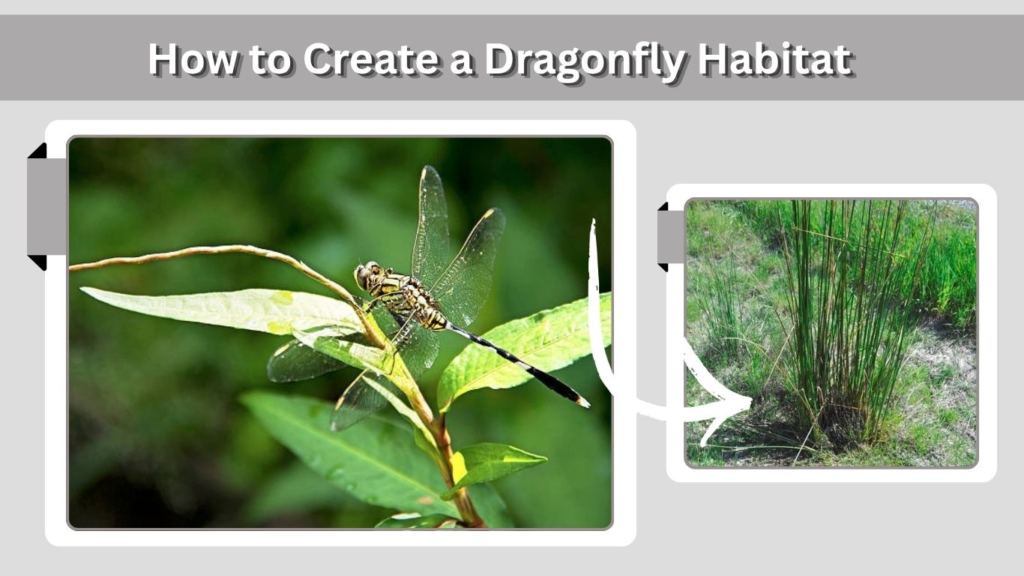
Creating a dragonfly-friendly habitat can help attract these beneficial insects while supporting local biodiversity. Providing suitable water sources and vegetation is essential for encouraging breeding and long-term residence.
Building a Dragonfly-Friendly Pond
A small pond is one of the most effective ways to attract dragonflies. Clean water and varied aquatic plants create ideal breeding conditions for nymph development.
Plants That Attract Dragonflies
Native vegetation provides shelter, resting sites, and hunting opportunities for dragonflies.
Helpful plant choices include:
- Water lilies
- Cattails
- Rushes
- Native grasses
- Floating aquatic plants
Plant diversity supports both dragonflies and their prey species.
Habitat Maintenance Tips
Avoid pesticides whenever possible and maintain good water quality. Preserving natural vegetation around ponds helps create a stable ecosystem that benefits dragonflies and many other wildlife species.
Dragonfly Predators and Threats
Despite their hunting skills, dragonflies face numerous threats throughout their lives. Predators and environmental changes can significantly affect populations.
Natural Predators
Dragonflies are preyed upon by birds, fish, frogs, spiders, and larger insects. Nymphs are particularly vulnerable to aquatic predators during development.
Environmental Threats
Habitat destruction, wetland drainage, water pollution, and climate change represent major threats to dragonfly populations. These factors can reduce breeding opportunities and limit food availability.
Conservation Efforts
Protecting wetlands, improving water quality, and restoring natural habitats are important conservation strategies. Healthy freshwater ecosystems benefit dragonflies as well as countless other aquatic organisms.
Interesting Facts About Dragonfly Habitats
Dragonflies spend most of their lives underwater before becoming flying adults. Some migratory species travel hundreds or even thousands of miles during seasonal movements. They are found on every continent except Antarctica and are considered valuable indicators of ecosystem health. Their presence often suggests clean water, abundant biodiversity, and stable environmental conditions.
FAQs
What is the habitat of a dragonfly?
Dragonflies primarily inhabit freshwater environments such as ponds, lakes, rivers, streams, marshes, and wetlands.
Are dragonflies aquatic or terrestrial?
Dragonflies are both. Their nymphs are aquatic, while adults are terrestrial and aerial insects.
What do dragonflies eat?
Adult dragonflies feed mainly on flying insects, while nymphs consume aquatic organisms such as mosquito larvae and tadpoles.
How long do dragonflies live?
Most species spend one to five years as nymphs and only a few weeks to months as adults.
Where do dragonflies lay eggs?
Female dragonflies typically lay eggs in or near freshwater habitats where developing nymphs can survive.