
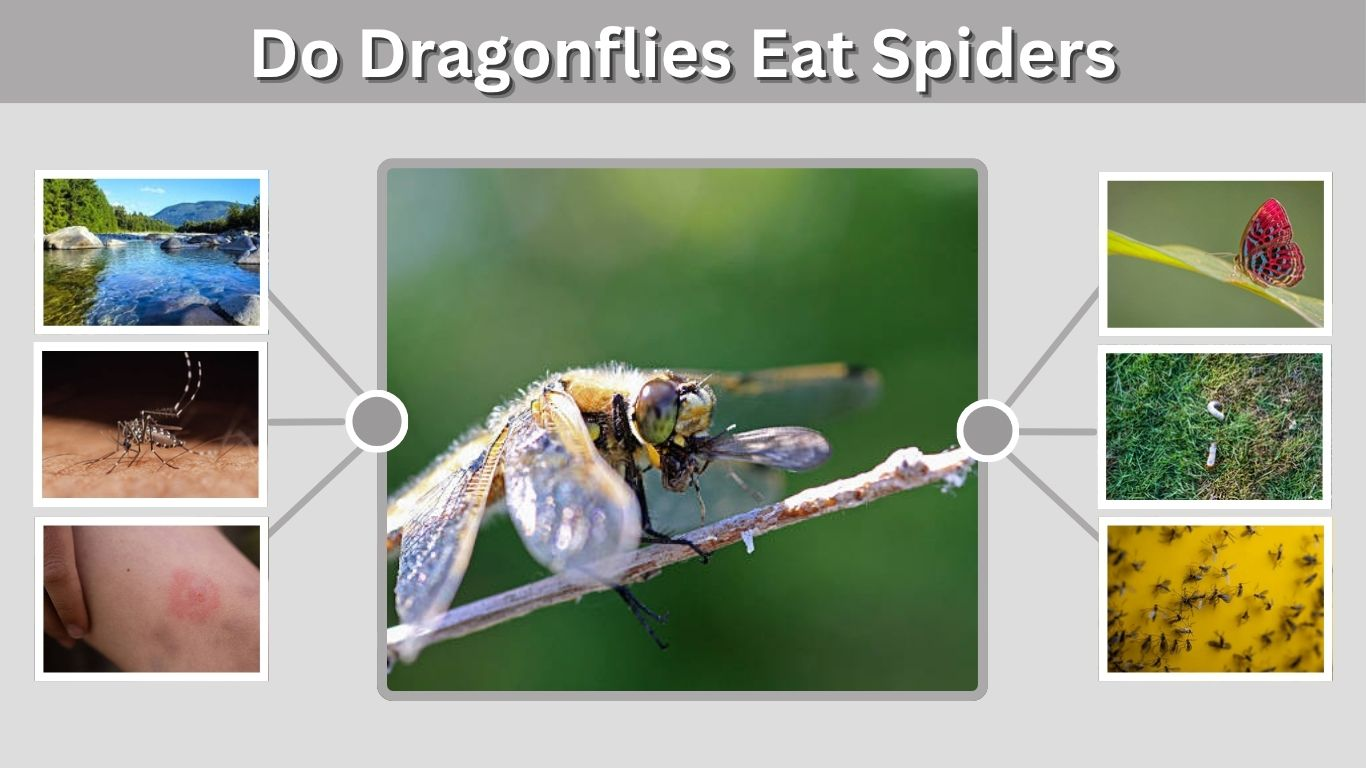
Dragonflies are among the most skilled predators in the insect world. Their remarkable eyesight, rapid flight, and exceptional hunting abilities allow them to capture a wide variety of prey. While mosquitoes, flies, and gnats make up much of their diet, many people wonder whether dragonflies also eat spiders. The answer is yes—dragonflies can eat spiders under certain conditions. Although spiders are not a primary food source, they may become prey when opportunities arise. Understanding this predator-prey relationship helps explain the dragonfly’s important ecological role.
Do Dragonflies Eat Spiders?
Dragonflies are opportunistic hunters that feed on many small animals they can successfully capture. Spiders occasionally become part of their diet, particularly when they are exposed on vegetation or moving through areas where dragonflies actively hunt. However, spiders are generally less common prey than flying insects.
The Short Answer
Yes, dragonflies can eat spiders. Adult dragonflies are carnivorous predators that consume a variety of insects and small arthropods. If a spider is small enough and easily accessible, a dragonfly may capture and eat it.
Why Spiders Become Prey
Several factors increase the likelihood of spiders becoming dragonfly prey.
Common reasons include:
- Shared habitats
- Exposed spider locations
- Opportunistic feeding behavior
- Limited availability of other prey
- Easy access to small spiders
These situations create opportunities for dragonflies to take advantage of available food resources.
How Common Is It?
Although dragonflies can eat spiders, they do not actively specialize in hunting them. Most dragonfly species focus on flying insects because they are easier to detect and capture. Spider predation tends to occur occasionally rather than regularly.
What Do Dragonflies Eat?
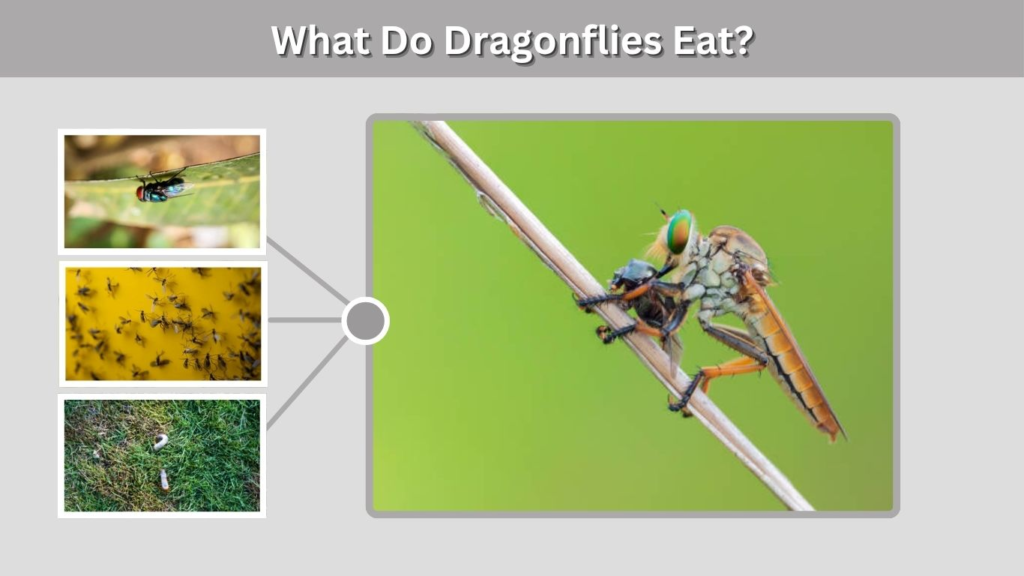
Dragonflies have a diverse diet that varies throughout their lives. Both aquatic nymphs and flying adults are predators, but they hunt different types of prey depending on their habitat and stage of development.
Primary Food Sources
Adult dragonflies consume a wide range of flying insects.
Common prey includes:
- Mosquitoes
- Flies
- Gnats
- Midges
- Flying ants
- Small beetles
These insects are abundant and provide a reliable source of energy for active dragonflies.
Larger Prey Species
Some larger dragonfly species can capture bigger prey. Depending on their size and strength, they may occasionally feed on spiders, butterflies, moths, bees, and even smaller dragonflies. Their powerful flight capabilities allow them to pursue a variety of targets.
Dragonfly Diet by Life Stage
Dragonfly nymphs live underwater and feed on aquatic organisms. As adults, they become aerial predators and switch to hunting insects above the water surface. This shift allows them to exploit different food resources throughout their lives.
How Do Dragonflies Catch Spiders?
Dragonflies possess several adaptations that make them effective hunters. Their hunting strategies allow them to capture prey both in the air and from nearby vegetation. While spiders are not typical aerial prey, dragonflies can take advantage of situations where spiders become vulnerable.
Hunting on Vegetation
Many spiders rest on leaves, stems, grasses, or shrubs. Dragonflies occasionally spot these exposed individuals while patrolling their territory. If conditions are favorable, the dragonfly may swoop down and seize the spider before it can escape.
Aerial Hunting Skills
Some small spiders use a behavior known as ballooning, where they release silk threads and become airborne. During these movements, dragonflies may intercept and consume them. Their speed and maneuverability make them highly effective at capturing moving prey.
Dragonfly Vision and Precision
Dragonflies have enormous compound eyes that provide nearly complete visual coverage of their surroundings. This advanced vision allows them to detect movement quickly and track prey with impressive accuracy. Their ability to predict prey movement contributes greatly to hunting success.
Why Are Dragonflies Effective Predators?
Dragonflies have survived for hundreds of millions of years because they possess specialized traits that make them exceptional hunters. These adaptations allow them to capture prey efficiently while expending minimal energy.
Speed and Agility
Dragonflies are among the fastest flying insects in the world. They can hover, accelerate rapidly, fly backward, and change direction instantly. These abilities give them a major advantage when pursuing prey.
Specialized Eyesight
Their compound eyes contain thousands of individual lenses that provide nearly 360-degree vision. This visual system allows dragonflies to detect prey, avoid predators, and navigate complex environments with remarkable efficiency.
Strong Legs and Mouthparts
Dragonflies use their legs to form a basket-like trap while flying. Once prey is captured, powerful mouthparts quickly begin consuming it. This allows them to process food rapidly and continue hunting.
Do Dragonflies Eat Other Arachnids and Insects?
Dragonflies are generalist predators that feed on many small animals. While spiders occasionally become prey, they are only one part of a much broader diet. Their feeding habits vary according to prey availability and environmental conditions.
Dragonflies and Spiders
Small spiders found on vegetation or moving through exposed areas may be eaten by dragonflies. Such events are opportunistic and generally occur when easier prey is not immediately available.
Dragonflies and Butterflies
Butterflies can also become prey, particularly when they enter dragonfly hunting territories. Larger dragonfly species are capable of capturing small butterflies in flight.
Dragonflies and Bees
Dragonflies may occasionally capture bees, especially larger species that can handle stronger prey. Bees are generally more difficult to catch than mosquitoes or flies because of their speed and awareness. Even so, dragonflies are capable hunters and may take advantage of opportunities when bees fly through their hunting territories.
Dragonfly Food Web
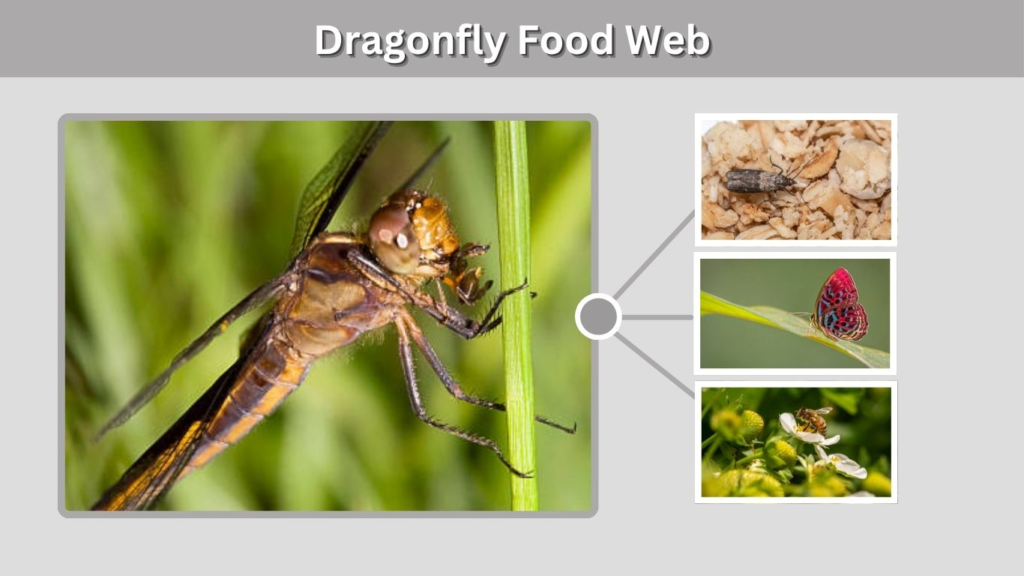
Dragonflies play an important role in the food web because they act as both predators and prey. Their feeding habits help regulate insect populations, while their own presence provides food for numerous animals. This dual role contributes to the stability and balance of ecosystems around the world.
Position in the Food Chain
Dragonflies occupy a middle position in many food chains. As nymphs, they prey on aquatic organisms, while adults consume flying insects and small arthropods. Their predatory behavior helps prevent certain insect populations from growing excessively.
Common Dragonfly Prey
Dragonflies feed on a broad range of animals depending on habitat and prey availability.
Common prey species include:
- Mosquitoes
- Flies
- Gnats
- Midges
- Small spiders
- Butterflies
- Moths
- Bees
This flexible diet allows dragonflies to adapt to changing environmental conditions.
What Eats Dragonflies?
Despite being successful hunters, dragonflies face threats from many predators. Birds, frogs, fish, spiders, reptiles, and larger insects may all feed on dragonflies during different stages of their lives. Their speed and agility help reduce these risks but cannot eliminate them completely.
Benefits of Dragonflies in Ecosystems
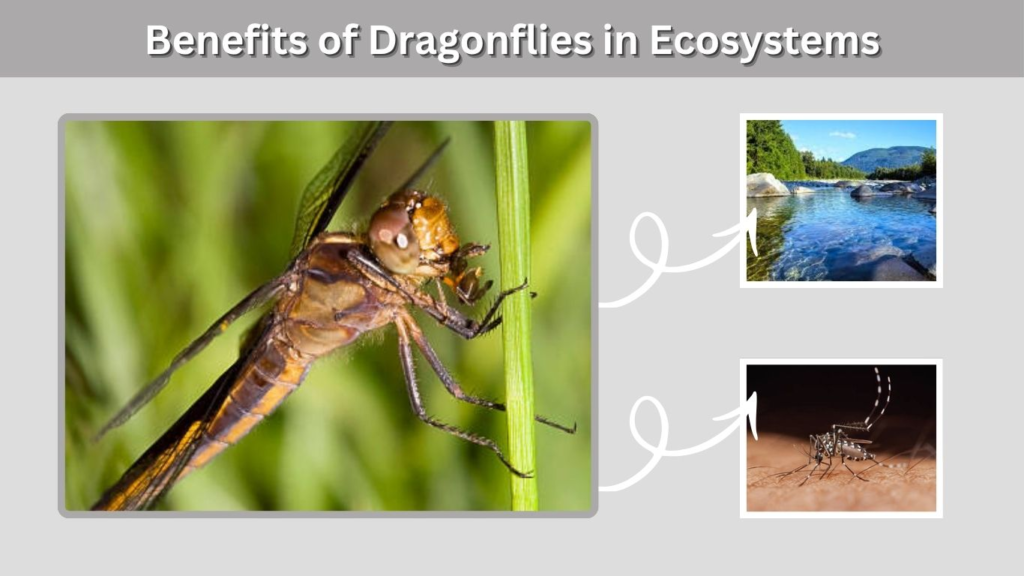
Dragonflies provide valuable ecological services through their role as natural predators. Their feeding habits help maintain balanced insect populations and contribute to healthier ecosystems. Because they depend on clean water, they are also considered indicators of environmental quality.
Natural Pest Control
One of the greatest benefits of dragonflies is their ability to control pest populations naturally. By consuming mosquitoes, flies, and other nuisance insects, they help reduce the need for chemical pest-control methods.
Ecological Importance
Dragonflies contribute to biodiversity by participating in both aquatic and terrestrial food webs. Their presence influences prey populations while also supporting predators higher in the food chain. This interconnected role makes them important components of healthy ecosystems.
Biodiversity Support
Healthy dragonfly populations often indicate thriving freshwater habitats. Protecting wetlands, ponds, rivers, and marshes benefits dragonflies and countless other organisms that depend on these ecosystems for survival.
Interesting Facts About Dragonfly Feeding
Dragonflies are considered among the most efficient insect predators on Earth. Scientists have found that some species successfully capture the majority of prey they pursue. Their unique combination of speed, vision, and flight control allows them to hunt with remarkable precision.
Amazing Feeding Facts
Some fascinating dragonfly feeding facts include:
- Dragonflies catch prey while flying.
- Their hunting success rate is extremely high.
- They can predict prey movement during pursuit.
- Nymphs are effective underwater predators.
- Larger species may eat spiders and butterflies.
- They help reduce mosquito populations naturally.
These characteristics explain why dragonflies have remained successful predators for millions of years.
Are Dragonflies Dangerous to Humans?
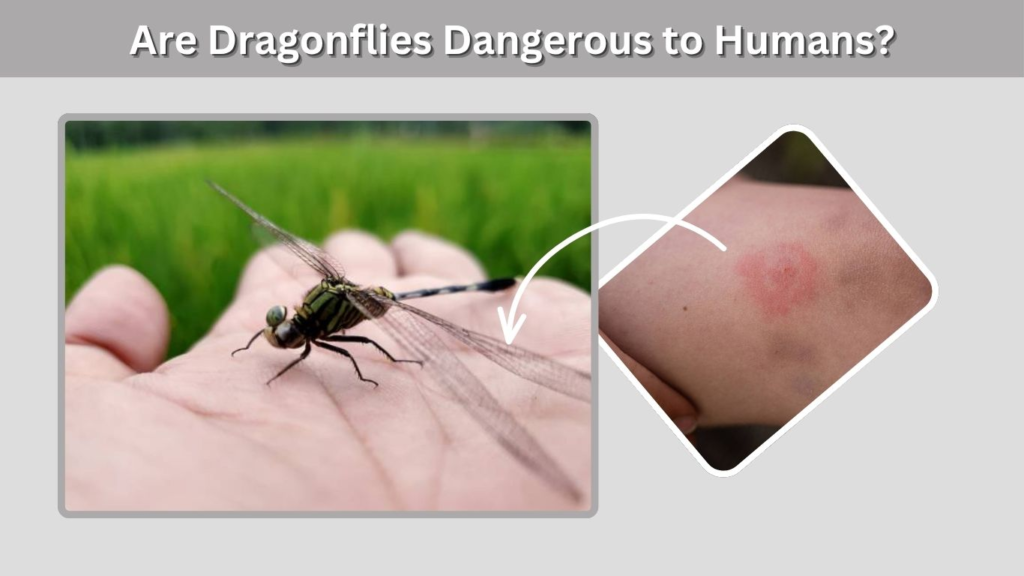
Although dragonflies are fierce predators of insects, they pose little threat to people. They do not possess stingers and are not naturally aggressive toward humans. Most dragonflies actively avoid human contact whenever possible.
Do Dragonflies Bite People?
A dragonfly may bite only if it is caught and handled. Even then, bites are generally harmless and rarely cause injury. Their attention is focused on hunting insects rather than interacting with people.
Are Dragonflies Beneficial Around Homes?
Yes, dragonflies are highly beneficial around homes, gardens, and ponds. Their appetite for mosquitoes and other flying pests makes them welcome visitors in many outdoor spaces.
FAQs
Do dragonflies eat spiders?
Yes, dragonflies can eat spiders, particularly small spiders found on vegetation or exposed surfaces. However, spiders are not a primary food source.
Can dragonflies catch spiders?
Dragonflies may catch spiders resting on plants or occasionally intercept airborne spiders that are ballooning on silk threads.
What do dragonflies eat the most?
Mosquitoes, flies, gnats, midges, and other small flying insects make up the majority of a dragonfly’s diet.
Do dragonflies eat butterflies?
Yes, larger dragonfly species can capture and eat butterflies, although such events are generally opportunistic rather than common.
Do dragonflies eat bees?
Dragonflies sometimes prey on bees, especially when bees fly through active hunting territories.