
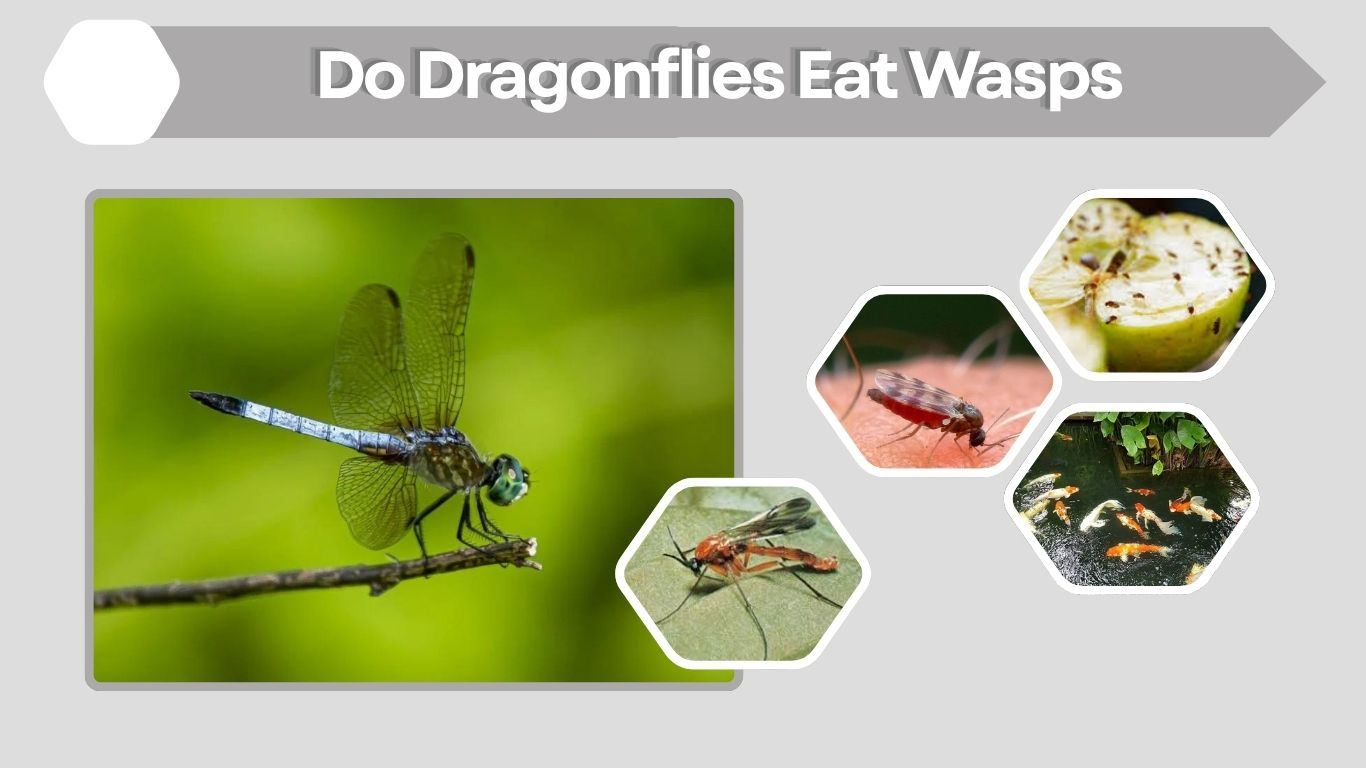
Dragonflies are among the most skilled insect hunters in the natural world. Their speed, excellent vision, and aerial agility allow them to capture prey with remarkable accuracy. While many people know that dragonflies eat mosquitoes and flies, some wonder whether they also prey on larger insects such as wasps. Understanding what dragonflies eat helps explain their role in ecosystems and why they are considered beneficial insects. This guide explores whether dragonflies eat wasps, how they hunt, and what makes them such effective predators.
Do Dragonflies Eat Wasps?
Dragonflies are opportunistic predators that consume a wide variety of insects. Their diet depends on prey availability, habitat conditions, and the size of the dragonfly species. Although smaller dragonflies focus on tiny insects, larger species are capable of catching surprisingly large prey, including wasps under the right circumstances.
Can Dragonflies Eat Wasps?
Yes, dragonflies can eat wasps. Large dragonfly species are capable of capturing and consuming certain types of wasps while flying.
However, wasps are not among the most common prey items in a dragonfly’s diet. Dragonflies generally target insects that are easier to catch and pose less risk during hunting. Even so, if a suitable opportunity arises, a dragonfly may successfully catch and eat a wasp.
Do Dragonflies Kill Wasps?
Dragonflies kill their prey before consuming it. After catching an insect in midair, they use their strong legs to hold it securely and begin feeding with powerful mouthparts.
A captured wasp has little chance of escaping once a dragonfly gains control. Dragonflies are highly efficient hunters and often begin eating prey while still in flight.
Are Wasps Common Dragonfly Prey?
Wasps are considered occasional prey rather than a primary food source. Most dragonflies prefer smaller insects because they are easier to catch and require less effort.
Common prey items include:
- Mosquitoes
- Flies
- Gnats
- Midges
- Small moths
Larger dragonflies may occasionally add wasps, bees, butterflies, and other flying insects to their diet.
How Do Dragonflies Hunt Wasps?
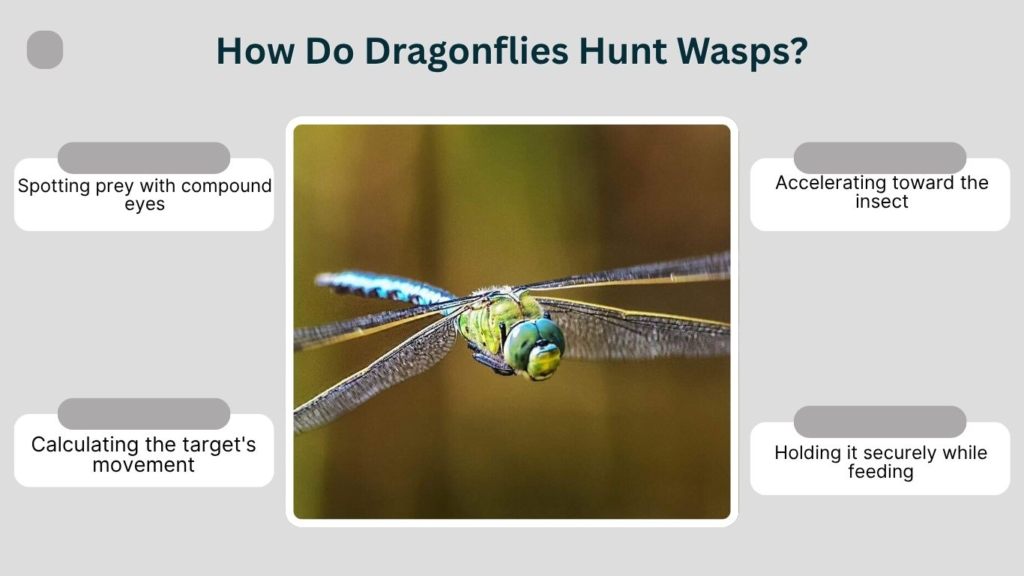
Dragonflies possess some of the most advanced hunting abilities among insects. Their large compound eyes, rapid flight speeds, and precise aerial maneuvers allow them to intercept moving prey with incredible accuracy. These abilities make it possible for them to capture insects that many other predators would struggle to catch.
Dragonflies Catch Prey in Flight
Unlike predators that wait for food to come to them, dragonflies actively pursue prey through the air. They can track moving targets and adjust their flight path within fractions of a second.
This hunting strategy allows them to catch insects that are flying at high speeds, including wasps in certain situations.
How Dragonflies Capture Wasps
Dragonflies use a basket-like structure formed by their legs to trap prey during flight.
The hunting process generally involves:
- Spotting prey with compound eyes
- Calculating the target’s movement
- Accelerating toward the insect
- Grabbing it with spiny legs
- Holding it securely while feeding
This sequence often happens so quickly that it is difficult for the human eye to observe.
Can a Dragonfly Catch a Flying Wasp?
Yes, many large dragonfly species can catch flying wasps. Their hunting success is due to excellent vision and superior maneuverability.
Although wasps are fast and agile, dragonflies often have the advantage because they can predict a target’s flight path and intercept it before it has a chance to react.
What Insects Do Dragonflies Eat?
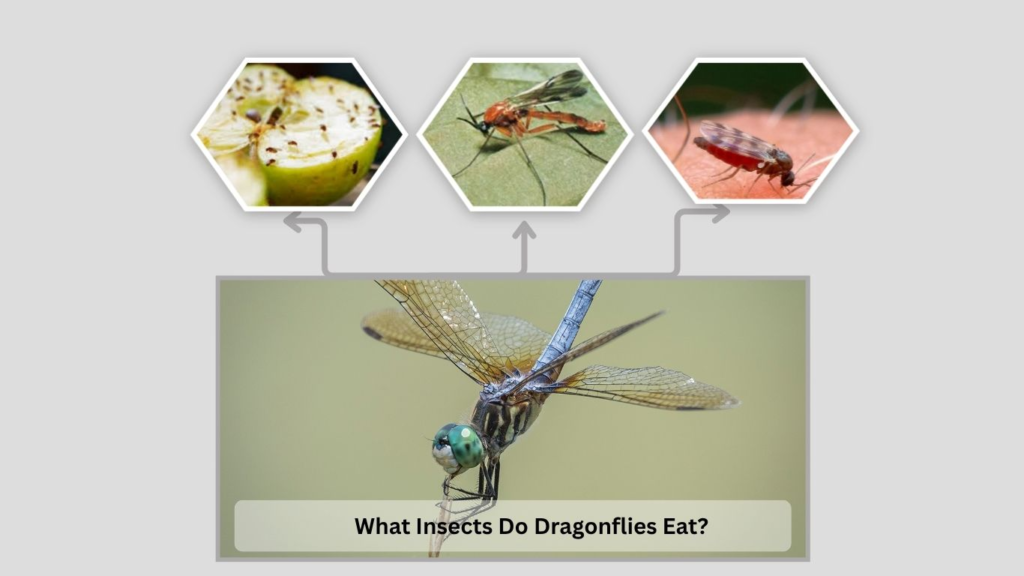
Dragonflies consume a broad range of insects throughout their lives. Their diet varies according to species size, location, and prey availability. Most dragonflies are opportunistic feeders, meaning they eat whatever suitable prey they can successfully capture.
Common Insects Dragonflies Eat
Dragonflies frequently feed on:
- Mosquitoes
- Houseflies
- Fruit flies
- Gnats
- Midges
- Small moths
- Flying ants
These insects are abundant in many habitats and provide a reliable food source.
Larger Prey Dragonflies May Eat
Some larger dragonfly species can hunt surprisingly large insects, including:
- Wasps
- Bees
- Butterflies
- Damselflies
- Smaller dragonflies
The ability to capture larger prey depends largely on the dragonfly’s size and hunting experience.
Do Dragonflies Eat Bees and Wasps?
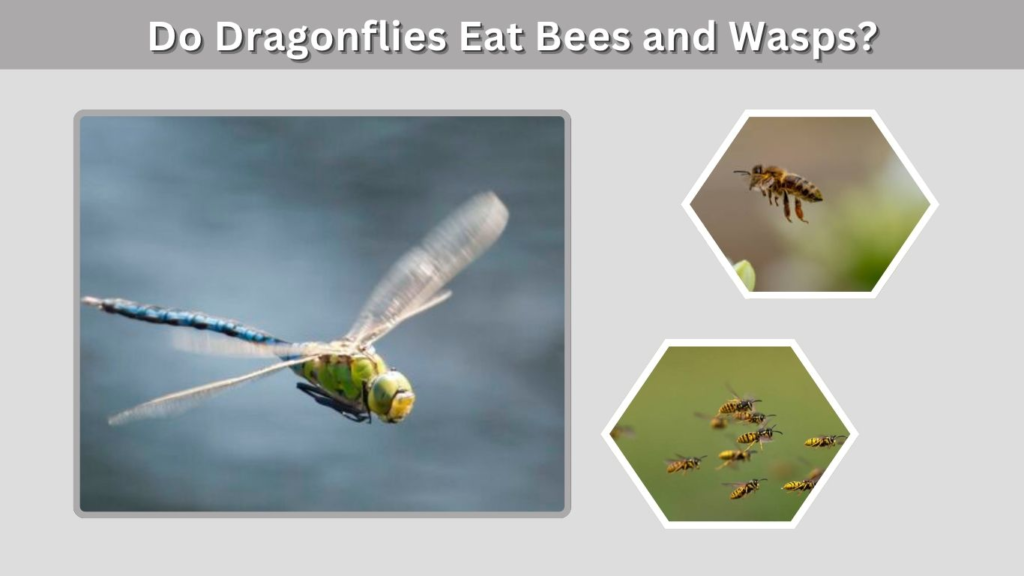
Many people wonder whether dragonflies target stinging insects such as bees and wasps. Although these insects are capable of defending themselves, dragonflies have several advantages that make successful attacks possible. Their speed and aerial hunting skills often allow them to catch prey before the insect can react effectively.
Can Dragonflies Eat Bees?
Yes, dragonflies can eat bees. Larger species occasionally capture honeybees and other bee species while hunting.
Bees are not a preferred food source, but they may become prey when encountered during normal hunting activity. Dragonflies do not specifically seek out bees but will take advantage of available opportunities.
Why Can Dragonflies Catch Stinging Insects?
Dragonflies rely on speed and surprise rather than strength alone. By attacking quickly and securing prey with their legs, they reduce the chance of being stung.
Their exceptional flight control allows them to approach prey from advantageous angles, making them highly successful aerial predators.
Why Are Dragonflies Such Effective Predators?
Dragonflies have evolved specialized features that make them some of the most successful hunters in the insect world. Their combination of exceptional vision, rapid flight, and precise maneuverability gives them an advantage over many prey species. Scientists often regard dragonflies as among the most efficient aerial predators found in nature.
Exceptional Vision
A dragonfly’s large compound eyes contain thousands of individual lenses that help it detect movement from almost every direction.
These eyes allow dragonflies to:
- Track multiple moving objects
- Detect prey from a distance
- Follow fast-moving insects
- React quickly to changing flight patterns
This remarkable vision is one reason dragonflies can successfully hunt agile prey such as flies, bees, and wasps.
Powerful Flight Abilities
Dragonflies are famous for their impressive flying skills. They can hover, accelerate rapidly, fly backward, and change direction almost instantly.
These abilities allow them to pursue prey through complex aerial environments and make midair corrections that increase hunting success. Few insects can match the flight performance of a dragonfly.
High Hunting Success Rate
Research has shown that dragonflies have one of the highest hunting success rates among predators. Their ability to predict a prey’s future position rather than simply chasing it helps them intercept targets efficiently.
This advanced hunting strategy explains why dragonflies are so effective at capturing flying insects of various sizes.
Do Dragonflies Help Control Wasp Populations?
Dragonflies contribute to the natural regulation of insect populations. While mosquitoes and flies make up most of their diet, dragonflies occasionally consume wasps and other larger insects. Their role as predators helps maintain ecological balance and reduces the number of certain nuisance insects in many environments.
Are Dragonflies Beneficial Around Homes?
Yes, dragonflies are highly beneficial around homes, gardens, and ponds.
Benefits include:
- Reducing mosquito populations
- Feeding on flying pests
- Supporting ecosystem balance
- Serving as indicators of healthy environments
Many homeowners welcome dragonflies because they help control insects naturally without chemicals.
Can Dragonflies Eliminate Wasps?
Dragonflies cannot eliminate entire wasp populations. Wasps reproduce quickly and occupy many habitats that dragonflies do not regularly hunt.
Although dragonflies may occasionally eat wasps, they should be viewed as part of a larger ecological system rather than a dedicated wasp-control solution.
Dragonflies and the Food Chain
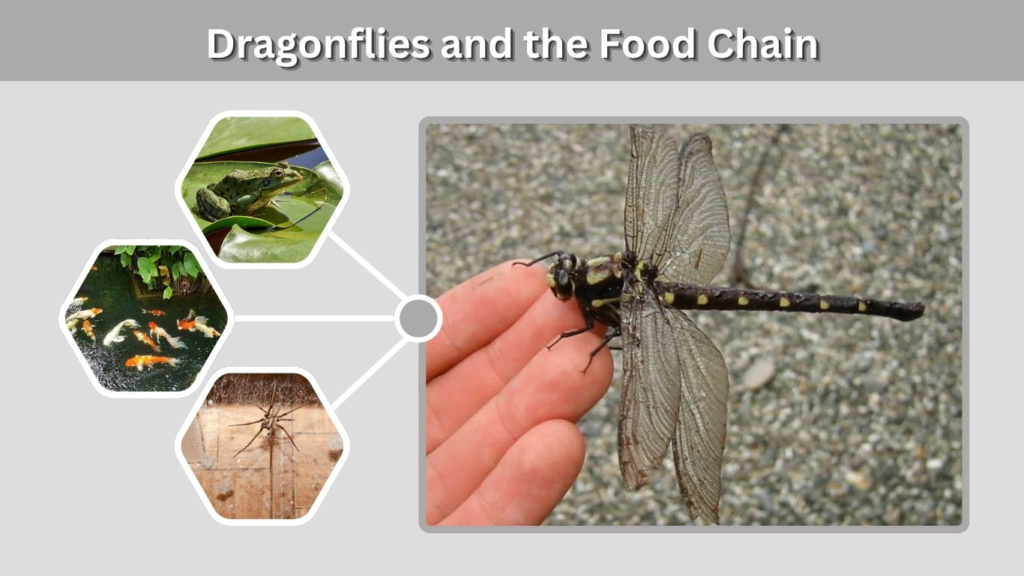
Dragonflies are both predators and prey within their ecosystems. While they hunt many smaller insects, they are also an important food source for larger animals. This dual role makes dragonflies valuable components of healthy food webs in freshwater and terrestrial habitats.
What Eats Dragonflies?
Several animals feed on dragonflies during different stages of their life cycle.
Common dragonfly predators include:
- Birds
- Frogs
- Fish
- Spiders
- Lizards
- Larger insects
Young dragonfly nymphs are especially vulnerable to fish and aquatic predators before reaching adulthood.
Why Dragonflies Matter to Ecosystems
Dragonflies help regulate insect populations and support biodiversity. By consuming large numbers of mosquitoes, flies, and other insects, they contribute to healthier ecosystems.
Their presence is often considered a sign of good environmental quality because many dragonfly species depend on clean water for reproduction and development.
Common Myths About Dragonflies and Wasps
Because dragonflies are large, fast-flying insects, many misconceptions exist about their behavior and relationship with other insects. Understanding the facts helps separate myths from reality and highlights the beneficial role dragonflies play in nature.
Do Dragonflies Hunt Wasps Exclusively?
No, dragonflies do not specialize in hunting wasps.
They are opportunistic predators that feed on a wide variety of insects. Wasps may occasionally become prey, but dragonflies generally focus on whatever insects are most abundant and easiest to catch.
Are Dragonflies Dangerous to Humans?
Dragonflies are not dangerous to humans. They do not seek out people and rarely interact with them directly.
Although a dragonfly can bite if handled roughly, bites are uncommon and generally harmless. Dragonflies are far more interested in hunting insects than bothering people.
Do Dragonflies Sting Like Wasps?
No, dragonflies cannot sting.
Unlike wasps, bees, and hornets, dragonflies do not possess stingers. They are incapable of injecting venom and pose no stinging threat to humans or pets.
FAQs
Do dragonflies eat wasps?
Yes, dragonflies can eat wasps. Larger dragonfly species are capable of catching and consuming certain wasps while hunting in flight.
Can a dragonfly catch a wasp in midair?
Yes. Dragonflies are highly skilled aerial predators and can intercept flying wasps using their excellent vision and maneuverability.
Do dragonflies eat bees and wasps?
They can eat both bees and wasps, although these insects are not their primary food source. Most dragonflies prefer smaller prey such as mosquitoes and flies.
What insects do dragonflies eat most often?
Dragonflies commonly eat mosquitoes, flies, gnats, midges, moths, and other small flying insects that are abundant in their habitat.
Are dragonflies beneficial for pest control?
Yes. Dragonflies help reduce populations of mosquitoes and other nuisance insects, making them valuable natural pest-control predators.