
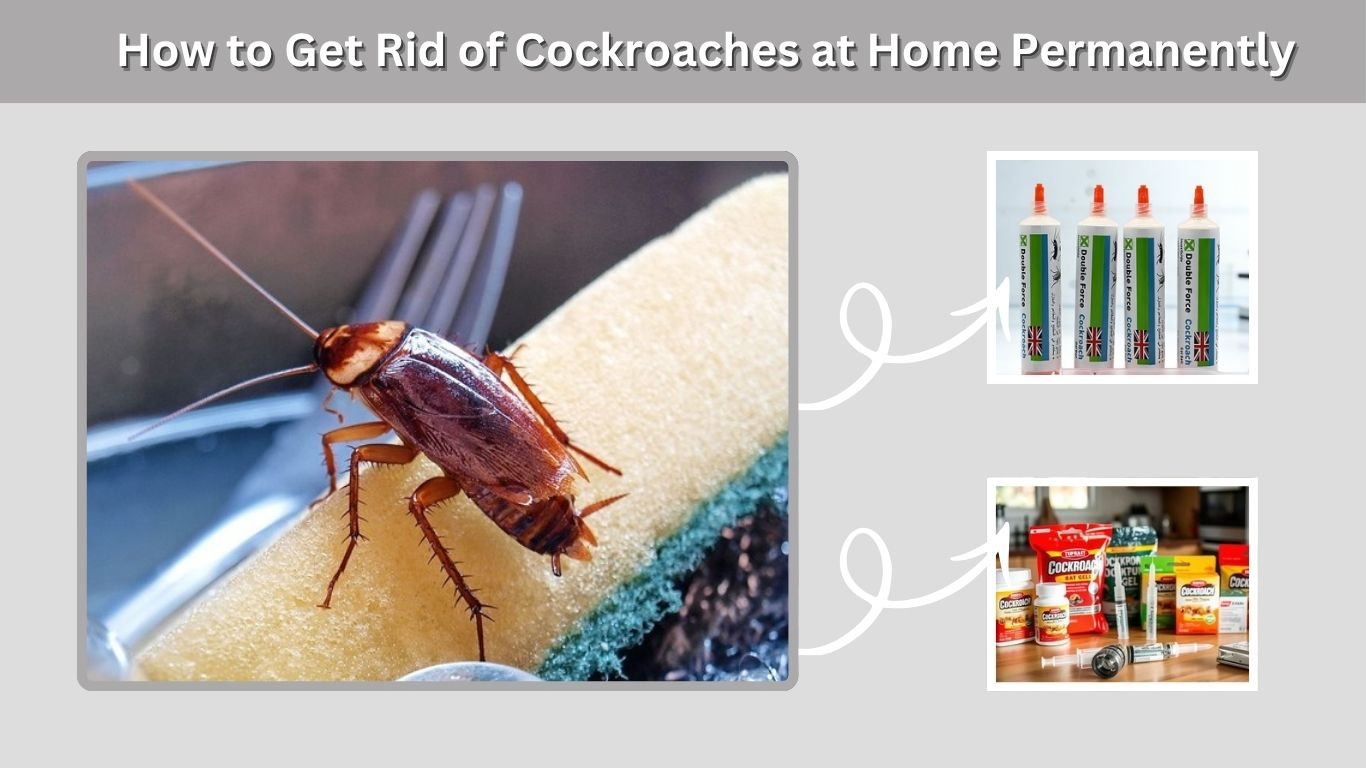
Cockroaches are one of the most persistent household pests, capable of spreading diseases and contaminating food. Infestations can grow rapidly if left unchecked, causing stress and hygiene problems. This guide covers everything from identifying infestations and recognizing different cockroach species to effective chemical and natural treatments. You will also learn how to prevent future infestations, target hidden hiding spots, and decide between DIY methods or professional extermination. Following these steps ensures a safer, cleaner, and pest-free home environment.
Identifying Cockroach Infestations
Early detection is crucial for controlling cockroach populations. Knowing the common signs and understanding the types of cockroaches helps homeowners respond quickly and effectively, preventing small infestations from becoming severe. Awareness allows targeted treatment and ensures a safer living environment.
Common Signs of Infestation
- Droppings that resemble small black specks
- Shed skins and egg cases in dark areas
- A musty odor in corners or cabinets
- Sightings of live cockroaches, often at night
Common Cockroach Species
- German cockroach: Small, light brown, prefers kitchens and bathrooms
- American cockroach: Large, reddish-brown, often found in basements or garages
- Oriental cockroach: Dark brown to black, likes damp areas
- Brown-banded cockroach: Smaller, with light brown bands on wings
- Smoky brown cockroach: Dark brown, prefers warm, humid environments
Cockroach Common Hiding Places
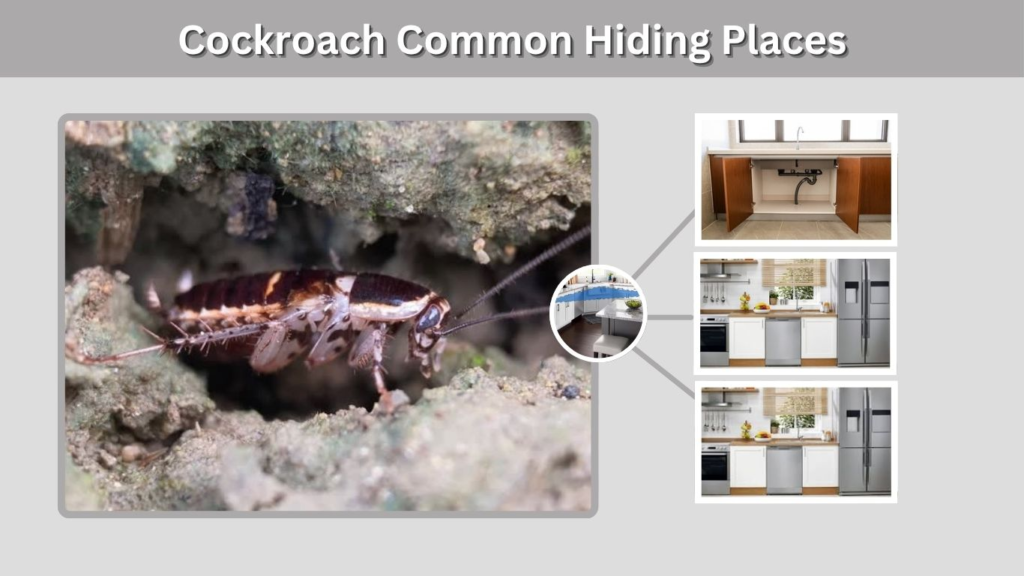
Cockroaches thrive in warm, dark, and moist areas. Identifying where they hide is essential to effectively target treatments. Kitchens, bathrooms, electronics, and hidden corners are often the first places to inspect. Understanding their preferred spots ensures that baits, sprays, or natural remedies are applied where they are most likely to work.
Kitchen Hiding Spots
- Under sinks and around plumbing
- Behind refrigerators and stoves
- Inside cabinets and pantry corners
Bathroom Hiding Spots
- Around drains and pipes
- Under sinks and behind toilets
- Damp corners of showers and tubs
Other Hiding Spots
- Garage and basement corners
- Inside electronics and appliances
- In cars and storage areas
Cockroach Chemical Treatments
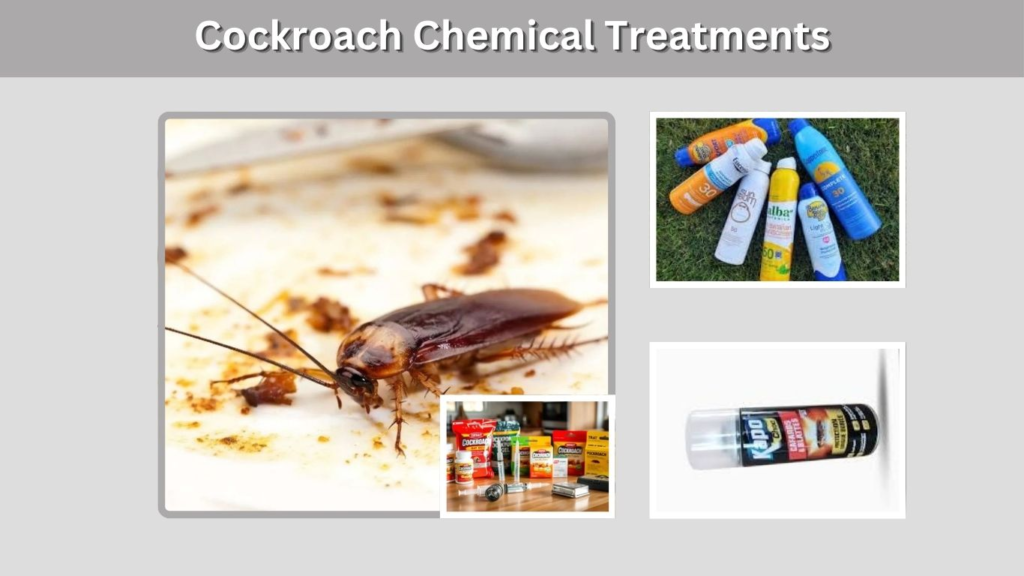
Chemical treatments are highly effective for immediate reduction of cockroach populations. Using sprays, baits, and powders can target both visible roaches and hidden colonies. Proper safety precautions and correct application are important to avoid health risks while achieving lasting results.
Sprays and Aerosols
- Quick knockdown of visible roaches
- Effective in cracks and crevices
Baits and Gels
- Attracts roaches to consume poison
- Can spread through the colony, killing multiple cockroaches
Powdered Insecticides
- Long-lasting effect when applied in corners, under appliances, and along baseboards
- Ideal for hard-to-reach areas where sprays cannot reach
Cockroach Natural and Home Remedies
For homeowners preferring chemical-free approaches, natural remedies can reduce cockroach numbers safely. Remedies like boric acid, baking soda, and essential oils can act as repellents or poisons while avoiding harsh chemicals. Consistent application is key for effectiveness.
Baking Soda and Sugar
- Sugar attracts cockroaches, and baking soda kills them after ingestion
Boric Acid
- Apply in thin layers in hidden corners
- Long-lasting effect on eggs and adults
Essential Oils
- Peppermint, tea tree, and eucalyptus oils repel cockroaches
- Can be used in spray form around entry points
Cockroach Prevention and Hygiene
Preventing cockroach infestations is more effective than dealing with them afterward. Maintaining cleanliness, sealing entry points, and controlling moisture reduces the likelihood of cockroaches entering your home. Consistent preventive measures ensure a long-term pest-free environment.
Cleanliness Practices
- Wipe counters and sweep floors daily
- Store food in airtight containers
- Dispose of garbage promptly
- Clean under appliances regularly
Sealing Entry Points
- Caulk cracks and gaps around doors and windows
- Seal drains and vents to prevent entry
- Repair torn screens and door seals
Moisture Control
- Fix leaky pipes and faucets
- Ensure proper ventilation in bathrooms and kitchens
- Dry wet surfaces and avoid leaving standing water
Dealing with Cockroach Eggs (Ootheca)
Cockroach eggs are highly resistant to most treatments. Targeting them is essential to prevent new generations from hatching. Understanding where eggs are deposited and applying appropriate measures ensures a more permanent solution.
Identifying Egg Cases
- Small, brown capsule-like shapes
- Often hidden behind appliances, cabinets, or in corners
- Each case can contain multiple nymphs
Treatment of Eggs
- Apply boric acid in hidden areas
- Vacuum egg cases where possible
- Repeat treatment periodically to catch newly hatched nymphs
Specialized Infestation Areas
Some areas, such as apartments, cars, or electronics, require targeted strategies for effective cockroach control. Tailoring treatment to the specific environment improves results and minimizes damage or contamination.
Apartments or Shared Housing
- Coordinate with neighbors for a comprehensive approach
- Use bait stations in common areas
- Consider professional pest control if infestation is severe
Cars and Electronics
- Clean interiors thoroughly, removing crumbs and debris
- Use cockroach-safe insecticides for electronics
- Apply sticky traps in hidden compartments
Bathrooms and Drains
- Apply gels or boric acid around pipes
- Ensure drains are clean and dry
- Use natural repellents in frequently wet areas
DIY vs Professional Extermination
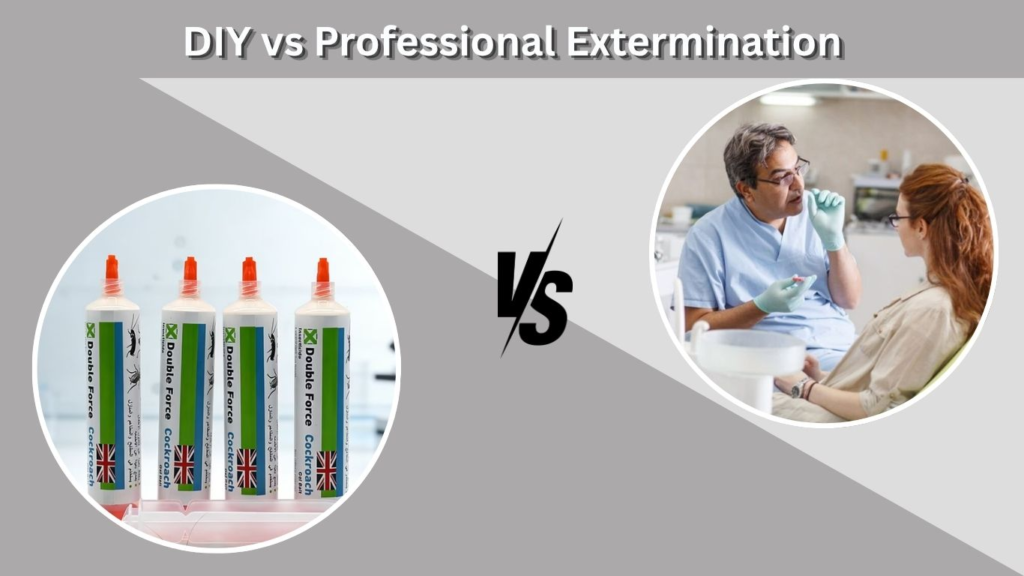
Deciding between self-treatment and professional pest control depends on infestation severity and safety considerations. Small infestations can often be handled with DIY methods, while larger or persistent infestations may require experts.
DIY Treatments
- Sprays, baits, gels, and powders can be effective
- Monitor for signs of continuing activity
- Combine chemical and natural approaches for best results
Professional Services
- Comprehensive treatment plans, including follow-ups
- Access to stronger insecticides and expertise
- Often includes advice on prevention and home-proofing
Handling Large or Flying Cockroaches
Some cockroach species, such as American or giant cockroaches, require more aggressive strategies. Flying cockroaches pose a unique challenge and may need traps, sprays, or professional services to manage effectively.
American and Giant Cockroaches
- Apply insecticides around baseboards, gutters, and perimeters
- Keep outdoor areas clean and remove debris
- Consider professional extermination for infestations
Flying Cockroaches
- Use sticky traps near windows and entry points
- Apply insecticide sprays in corners and dark areas
- Minimize outdoor lighting that attracts them at night
FAQs
How long does it take to get rid of cockroaches completely?
It can take several weeks to months, depending on infestation size, species, and methods used. Consistent treatment and prevention are key to achieving lasting results.
Can I get rid of cockroaches without chemicals?
Yes, natural remedies like boric acid, baking soda, and essential oils can help, but they require repeated application and patience. Severe infestations may still need professional chemical treatments.
Do cockroaches come back after treatment?
Cockroaches can return if preventive measures are not maintained. Cleaning, sealing entry points, and monitoring are essential to prevent reinfestation.
What natural remedies work best for cockroaches?
Boric acid, baking soda mixed with sugar, and essential oils such as peppermint or eucalyptus are effective in repelling and killing cockroaches without harsh chemicals.
How can I prevent future infestations?
Maintain cleanliness, seal cracks and drains, remove standing water, and monitor for early signs of cockroaches. Regular inspection and preventive measures are crucial for a cockroach-free home.