
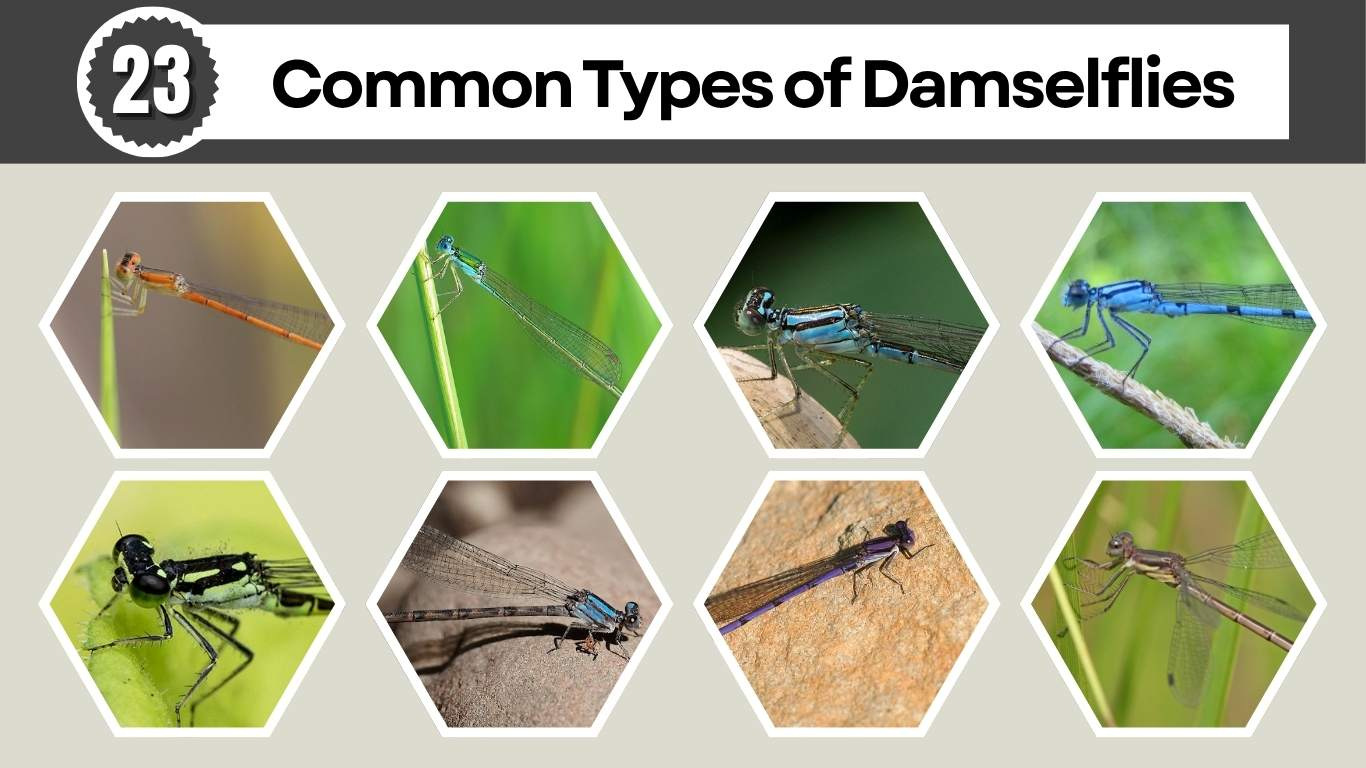
Damselflies are slender, colorful insects commonly found near ponds, lakes, marshes, rivers, and slow-moving streams. They are closely related to dragonflies but are smaller, more delicate, and usually rest with their wings folded over their bodies. These insects are admired for their graceful flight and vibrant colors in wetland environments.
There are many fascinating damselfly species, each with unique markings, habitat preferences, and behaviors. From bright bluets and dancers to metallic spreadwings and rubyspots, damselflies play an important role in controlling mosquito populations while supporting healthy freshwater ecosystems during the warmer months of the year.
1. Common Bluet
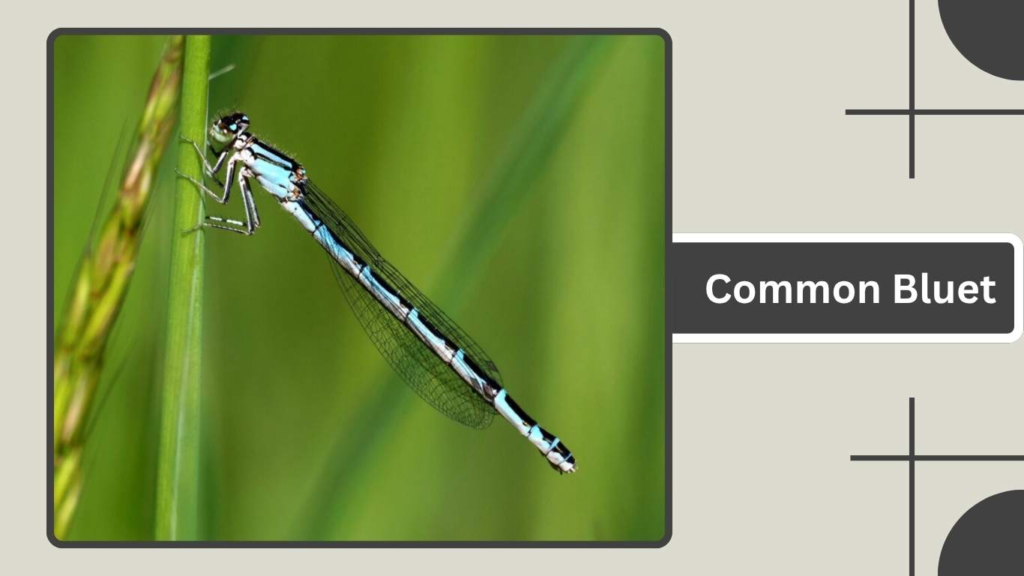
The Common Bluet is one of the most widespread damselfly species found near ponds, lakes, marshes, and slow-moving streams. Its bright blue body and delicate wings make it easy to recognize in freshwater habitats. This species is especially active during warm months and is commonly seen resting on aquatic vegetation close to the water.
Identification
- Bright blue and black body markings
- Slender abdomen with segmented patterns
- Transparent wings folded over the body at rest
- Males are more colorful than females
- Adults usually measure 25–30 mm long
Habitat and Distribution
Common Bluets prefer freshwater habitats such as ponds, marshes, lakeshores, and quiet streams with abundant vegetation. They are widely distributed across North America and are especially common in the United States and southern Canada during spring and summer when warm temperatures support breeding activity.
Behavior and Diet
This species is active during sunny daytime hours and often flies low above the water surface. Common Bluets feed on mosquitoes, gnats, and other tiny insects, helping control pest populations. Males may guard territories near breeding areas while females remain closer to aquatic plants.
Size
Adult Common Bluets are relatively small and slender compared to dragonflies. Their bodies generally measure between 25 and 30 millimeters in length. Despite their delicate size, they are agile fliers and can move quickly around ponds, marshes, and shoreline vegetation while hunting small insects.
Color
The Common Bluet is best known for its striking blue coloration combined with black markings along the abdomen. Males are usually brighter blue, while females may appear pale blue, greenish, or tan. Their transparent wings and slender metallic body give them an elegant appearance near freshwater habitats.
Life Cycle
Females lay eggs in aquatic vegetation after mating near freshwater habitats. The larvae develop underwater and feed on tiny aquatic organisms through several growth stages. Once mature, they emerge from the water as adults. Common Bluets are usually active from late spring through the summer season.
2. Familiar Bluet
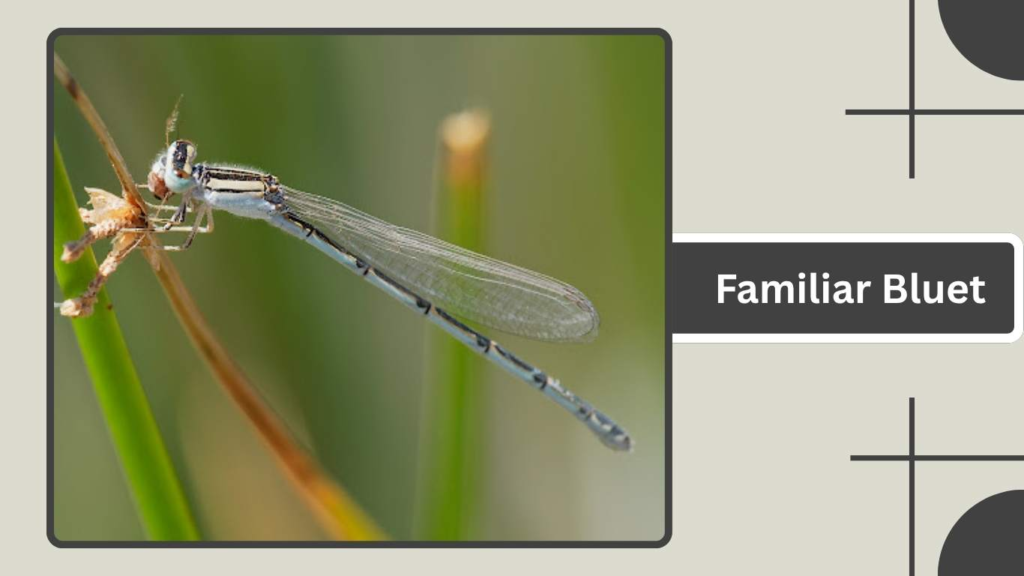
The Familiar Bluet is a small and graceful damselfly commonly seen around ponds, marshes, and slow-moving streams. Its vivid blue body and delicate wings make it one of the most recognizable bluet species. This damselfly is active during warm months and is often found resting on reeds and shoreline vegetation.
Identification
- Bright blue and black abdominal markings
- Slender body with transparent wings
- Wings folded neatly over the abdomen at rest
- Females may appear greenish, tan, or pale blue
- Adults generally measure 27–32 mm long
Habitat and Distribution
Familiar Bluets inhabit freshwater environments such as ponds, marshes, lakes, and quiet streams with dense vegetation. They are widely distributed across North America, especially in the United States and southern Canada. This species is commonly observed during spring and summer near calm aquatic habitats.
Behavior and Diet
This species is highly active during daylight hours and often flies low above the water surface. Familiar Bluets feed on mosquitoes, gnats, midges, and other tiny flying insects. Males may defend small territories near breeding sites while females stay close to aquatic plants used for egg-laying.
Size
Adult Familiar Bluets are slender damselflies measuring approximately 27 to 32 millimeters in length. Their lightweight bodies and narrow wings allow smooth and agile flight near ponds and marshes. Despite their small size, they are efficient predators of tiny flying insects around freshwater habitats.
Color
The Familiar Bluet displays vibrant blue coloration with distinct black markings along the abdomen and thorax. Males are usually brighter blue, while females often appear duller with greenish or tan shades. Their transparent wings and colorful segmented bodies make them easy to identify in the wild.
Life Cycle
Females lay eggs inside aquatic vegetation after mating near freshwater habitats. The larvae develop underwater and feed on small aquatic organisms while growing through several stages. Mature adults emerge during warm seasons and remain active throughout spring and summer in suitable wetland environments.
3. Azure Bluet
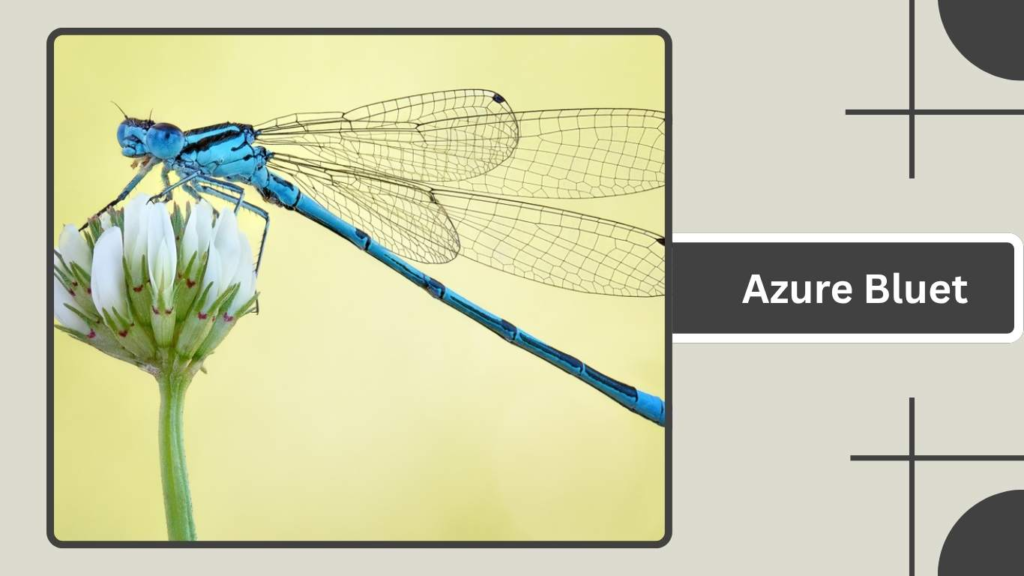
The Azure Bluet is a brightly colored damselfly known for its vivid blue body and graceful flight. It is commonly found near ponds, marshes, lakes, and slow-moving streams with abundant vegetation. This species is especially active during warm weather and is often seen perched quietly near freshwater habitats.
Identification
- Bright azure-blue body with black markings
- Slender abdomen with segmented patterns
- Transparent wings folded over the body at rest
- Females may appear pale blue, greenish, or tan
- Adults usually measure 25–30 mm long
Habitat and Distribution
Azure Bluets prefer freshwater habitats such as ponds, marshes, lakeshores, and calm streams with dense vegetation. They are widely distributed across eastern and central North America, especially in the United States and southern Canada. Adults are commonly observed during spring and summer near quiet aquatic environments.
Behavior and Diet
This species is active during sunny daytime hours and frequently flies low above the water surface. Azure Bluets feed on mosquitoes, gnats, flies, and other tiny insects. Males often defend territories close to breeding sites, while females remain near aquatic plants where eggs are later deposited.
Size
Adult Azure Bluets are small and slender damselflies measuring approximately 25 to 30 millimeters in length. Their lightweight bodies and narrow wings allow agile movement around wetland vegetation. Despite their delicate appearance, they are skilled predators that capture tiny flying insects near freshwater habitats.
Color
The Azure Bluet is recognized for its striking bright blue coloration combined with black markings along the abdomen. Males usually display more vivid blue shades, while females may appear pale blue, greenish, or tan. Their transparent wings and colorful bodies create an elegant appearance near water.
Life Cycle
Females lay eggs inside submerged aquatic vegetation after mating near freshwater habitats. The larvae live underwater and feed on tiny aquatic organisms while growing through several developmental stages. Mature adults emerge during warm seasons and remain active from late spring through the summer months.
4. Eastern Forktail
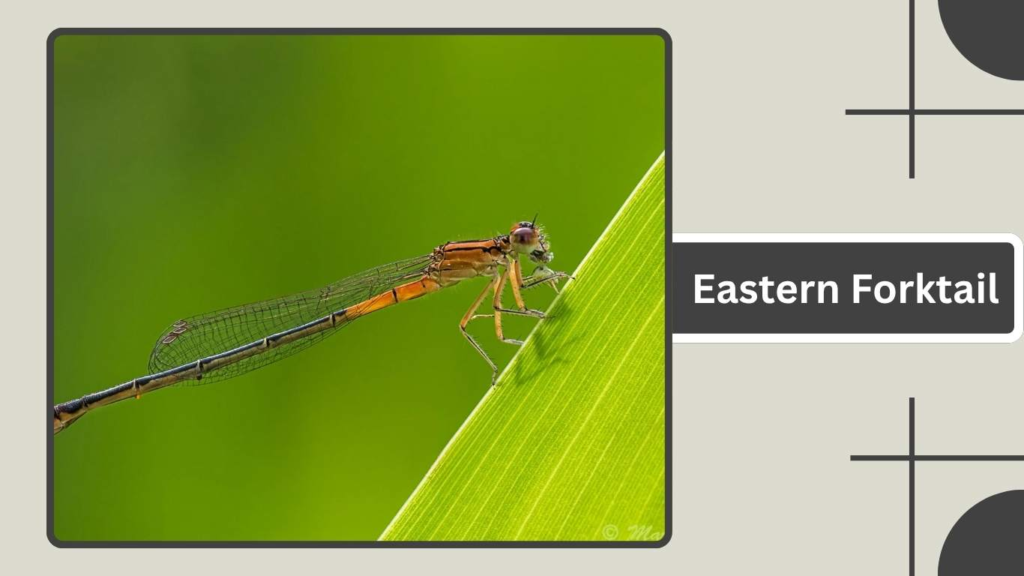
The Eastern Forktail is a small and colorful damselfly commonly found near ponds, marshes, lakes, and slow-moving streams. It is known for its bright coloration and forked tail appendages, which give the species its name. This damselfly is highly adaptable and often appears in a variety of freshwater habitats.
Identification
- Bright blue, green, or black body coloration
- Forked tail appendages visible at the abdomen tip
- Slender body with transparent wings
- Females occur in several different color forms
- Adults generally measure 20–30 mm long
Habitat and Distribution
Eastern Forktails inhabit ponds, marshes, wetlands, lakeshores, and quiet streams with aquatic vegetation. They are widely distributed across North America and are especially common throughout the United States and southern Canada. This species is highly adaptable and can survive in both natural and urban freshwater habitats.
Behavior and Diet
This species is active during warm sunny days and often flies low above the water surface. Eastern Forktails feed on mosquitoes, gnats, and other tiny flying insects. Males may guard territories during breeding season, while females remain close to aquatic plants used for egg-laying activities.
Size
Adult Eastern Forktails are small damselflies measuring approximately 20 to 30 millimeters in length. Their slender bodies and narrow wings allow quick and agile flight around freshwater habitats. Despite their tiny size, they are effective predators that help control populations of small flying insects.
Color
The Eastern Forktail displays a wide range of colors depending on age and gender. Males are commonly bright blue and black, while females may appear green, orange, violet, or tan. Their colorful appearance and forked tail structures make them easy to recognize near freshwater environments.
Life Cycle
Females lay eggs inside aquatic plants after mating near ponds and marshes. The larvae develop underwater where they feed on tiny aquatic organisms through several growth stages. Mature adults emerge during warm months and remain active from spring through late summer in suitable freshwater habitats.
5. Rambur’s Forktail
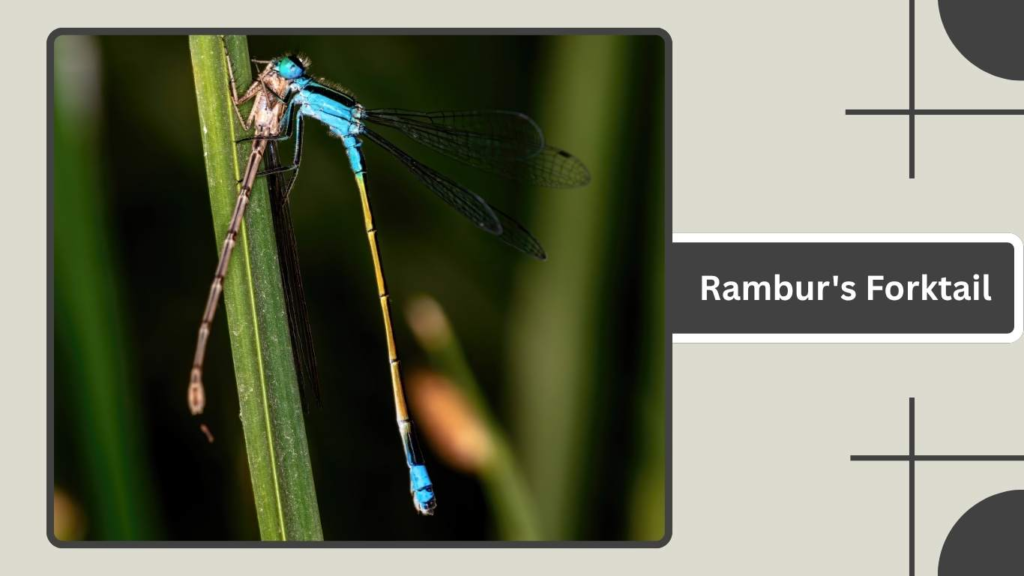
The Rambur’s Forktail is a slender and colorful damselfly commonly found near ponds, marshes, canals, and slow-moving streams. It is recognized for its bright green and blue markings along with its forked tail appendages. This species is highly adaptable and remains active throughout much of the warmer seasons.
Identification
- Bright green, blue, and black body markings
- Distinct forked appendages at the abdomen tip
- Slender body with transparent wings
- Females may appear orange, tan, or greenish
- Adults usually measure 22–30 mm long
Habitat and Distribution
Rambur’s Forktails inhabit ponds, wetlands, marshes, canals, and quiet streams with aquatic vegetation. They are widely distributed across the southern United States, Central America, and parts of the Caribbean. This species prefers warm freshwater habitats and is commonly seen in subtropical and tropical environments.
Behavior and Diet
This species is active during sunny daytime hours and often flies close to shoreline vegetation. Rambur’s Forktails feed on mosquitoes, gnats, flies, and other tiny insects. Males may defend small breeding territories, while females remain near aquatic plants where eggs are deposited after mating.
Size
Adult Rambur’s Forktails are small and slender damselflies measuring approximately 22 to 30 millimeters in length. Their lightweight bodies and narrow wings support fast and agile flight near freshwater habitats. Despite their tiny size, they are effective predators of small flying insects around wetlands.
Color
Rambur’s Forktails display bright green and blue coloration mixed with black markings along the abdomen and thorax. Males are often more vibrant, while females may appear greenish, tan, or orange. Their colorful appearance and forked tail structures make them distinctive among damselfly species.
Life Cycle
Females lay eggs in aquatic plants after mating near freshwater habitats. The larvae develop underwater while feeding on tiny aquatic organisms through several stages of growth. Mature adults emerge during warm seasons and remain active from spring through autumn in suitable wetland environments.
6. Blue-fronted Dancer
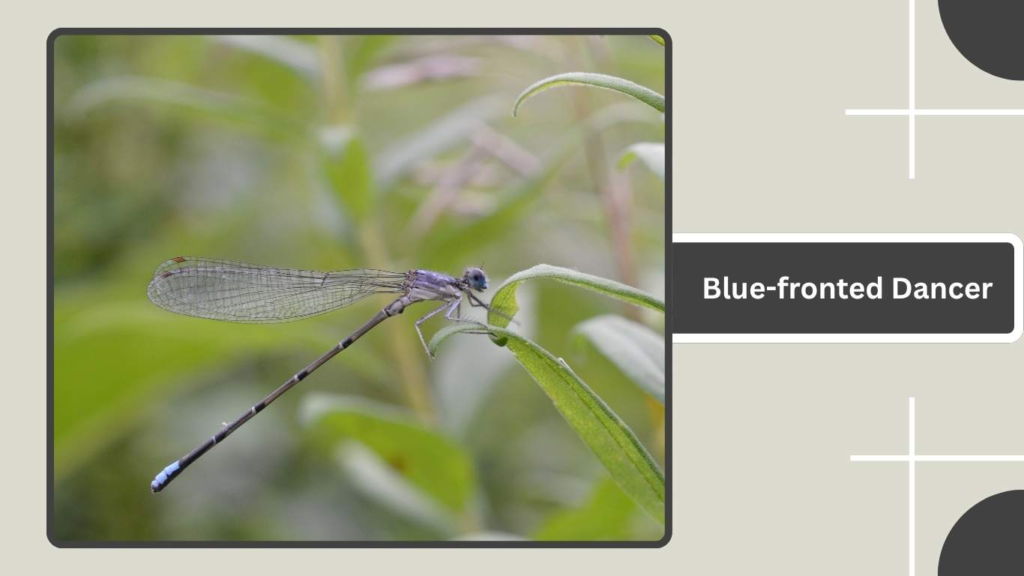
The Blue-fronted Dancer is a graceful damselfly species recognized for its bright blue face and slender body. It is commonly found near ponds, lakes, marshes, and slow-moving streams with abundant vegetation. This species is active during warm weather and is often seen flying low over freshwater habitats.
Identification
- Bright blue face and thorax markings
- Slender blue and black abdomen
- Transparent wings folded over the body at rest
- Females are usually duller in color than males
- Adults generally measure 30–38 mm long
Habitat and Distribution
Blue-fronted Dancers prefer ponds, marshes, lakeshores, canals, and slow-moving streams surrounded by aquatic vegetation. They are widely distributed across the United States, Mexico, and parts of Central America. This species is especially common in warm freshwater habitats during spring, summer, and early autumn.
Behavior and Diet
This species is active during sunny days and often flies close to the water surface. Blue-fronted Dancers feed on mosquitoes, gnats, midges, and other tiny flying insects. Males may patrol breeding territories while females remain near vegetation where eggs are deposited after mating activities.
Size
Adult Blue-fronted Dancers are medium-sized damselflies measuring approximately 30 to 38 millimeters in length. Their slender bodies and delicate wings allow smooth and agile flight around ponds and wetlands. They are quick fliers and can easily maneuver through dense shoreline vegetation while hunting insects.
Color
The Blue-fronted Dancer is known for its striking blue facial markings and blue-and-black abdomen. Males are usually brighter blue, while females often appear grayish, brown, or pale blue. Their vivid coloration and elegant body shape make them easy to identify near freshwater habitats.
Life Cycle
Females lay eggs inside aquatic plants after mating near freshwater environments. The larvae develop underwater while feeding on tiny aquatic organisms through several growth stages. Mature adults emerge during warm seasons and remain active from late spring through early autumn in suitable wetland habitats.
7. Powdered Dancer
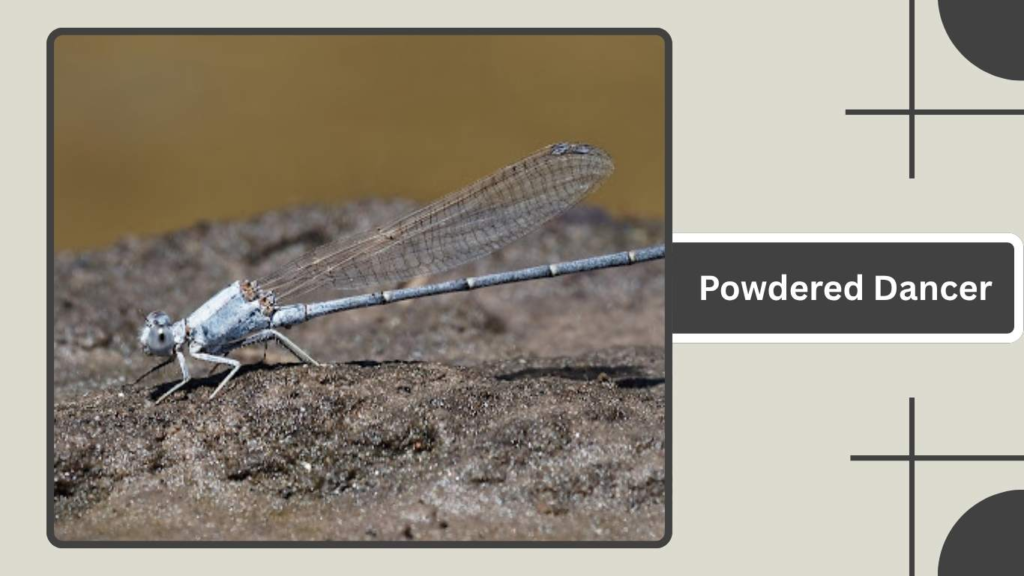
The Powdered Dancer is a slender damselfly species recognized for the powdery blue coating found on mature males. It is commonly seen near ponds, lakes, marshes, and slow-moving streams with abundant vegetation. This species is active during warm months and is often observed perched close to freshwater habitats.
Identification
- Powdery blue body coloration in mature males
- Slender abdomen with black markings
- Transparent wings folded over the body at rest
- Females are usually greenish, tan, or pale blue
- Adults generally measure 32–40 mm long
Habitat and Distribution
Powdered Dancers inhabit ponds, marshes, lakeshores, canals, and slow-moving streams surrounded by aquatic vegetation. They are widely distributed across much of North America, especially in the United States and southern Canada. This species thrives in warm freshwater habitats during spring, summer, and early autumn.
Behavior and Diet
This species is active during sunny daytime hours and often flies low above the water surface. Powdered Dancers feed on mosquitoes, gnats, flies, and other tiny insects. Males may defend breeding territories near aquatic plants, while females remain close to shoreline vegetation used for egg-laying.
Size
Adult Powdered Dancers are medium-sized damselflies measuring approximately 32 to 40 millimeters in length. Their slender bodies and lightweight wings allow agile movement around wetland vegetation. Despite their delicate appearance, they are efficient predators that help control populations of small flying insects near freshwater habitats.
Color
The Powdered Dancer is best known for the pale powdery blue coating on mature males. Females are usually duller and may appear greenish, gray, tan, or pale blue. Black abdominal markings and transparent wings create a striking contrast that makes this species easy to identify.
Life Cycle
Females lay eggs inside aquatic vegetation after mating near freshwater habitats. The larvae develop underwater and feed on tiny aquatic organisms while passing through several growth stages. Mature adults emerge during warm months and remain active from late spring through early autumn in suitable aquatic environments.
8. Ebony Jewelwing
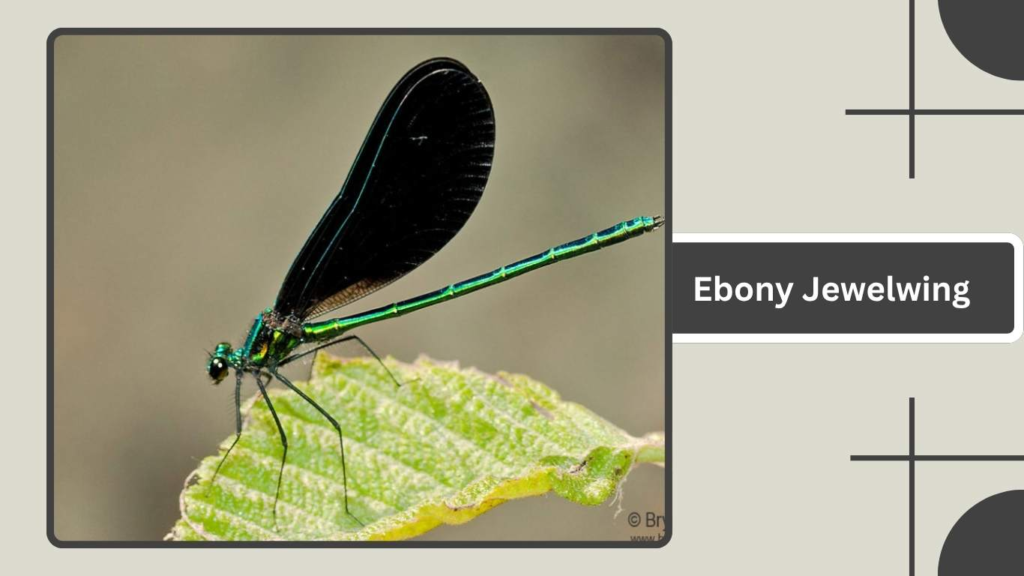
The Ebony Jewelwing is a striking damselfly species known for its dark wings and metallic green body. It is commonly found near shaded streams, rivers, and forested wetlands. This species is admired for its graceful flight and jewel-like appearance, making it one of the most beautiful damselflies in North America.
Identification
- Metallic green or bluish-green body coloration
- Broad dark black wings in males
- Females have smoky wings with white spots
- Slender body with delicate wing structure
- Adults usually measure 45–55 mm long
Habitat and Distribution
Ebony Jewelwings prefer shaded streams, woodland rivers, marshes, and wetlands with clean freshwater and abundant vegetation. They are widely distributed across eastern and central North America, especially in the United States and southern Canada. This species is commonly seen in forested freshwater environments during summer.
Behavior and Diet
This species is active during warm sunny days and often flies slowly near streams and shoreline plants. Ebony Jewelwings feed on mosquitoes, gnats, flies, and other tiny insects. Males may display territorial behavior while females remain near vegetation where eggs are deposited after mating.
Size
Adult Ebony Jewelwings are larger than many common damselflies, measuring approximately 45 to 55 millimeters in length. Their long slender bodies and broad wings allow graceful and steady flight near woodland streams and wetlands where they frequently perch on leaves and aquatic plants.
Color
The Ebony Jewelwing is recognized for its shimmering metallic green body and dark wings. Males have fully black wings, while females display smoky brown wings with small white markings. Their jewel-like colors and elegant appearance make them one of the most visually distinctive damselfly species.
Life Cycle
Females lay eggs inside submerged aquatic vegetation after mating near freshwater streams and wetlands. The larvae develop underwater while feeding on tiny aquatic organisms through several growth stages. Mature adults emerge during warm months and remain active throughout summer in suitable forested aquatic habitats.
9. American Rubyspot
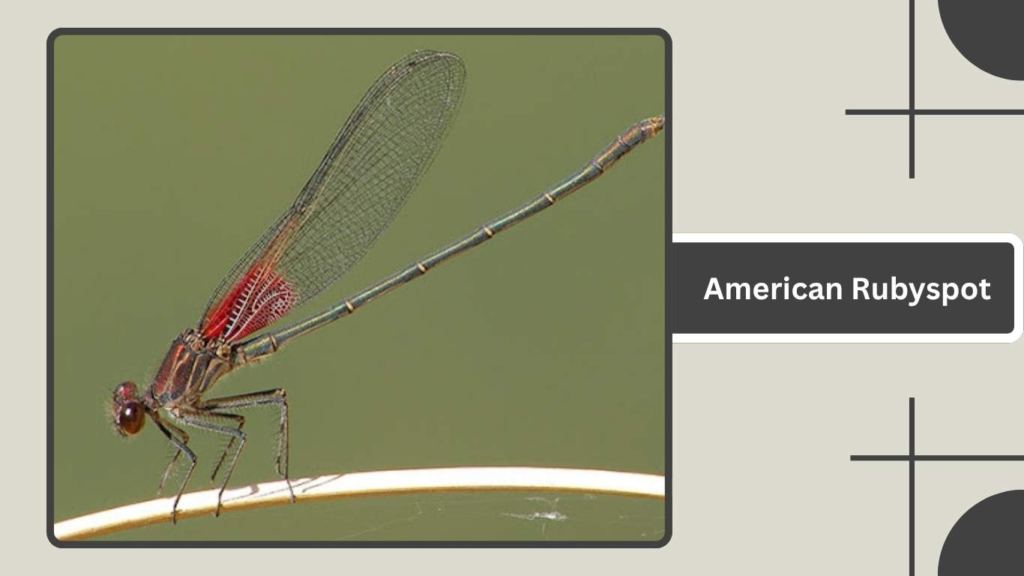
The American Rubyspot is a beautiful damselfly species known for the bright red patches on its wings. It is commonly found near flowing streams, rivers, and shaded freshwater habitats. This species is admired for its metallic body colors and graceful flight, especially during warm summer months near woodland waterways.
Identification
- Metallic green or bluish-green body coloration
- Bright ruby-red wing patches in males
- Females have lighter smoky wings
- Slender body with broad transparent wings
- Adults generally measure 40–50 mm long
Habitat and Distribution
American Rubyspots prefer clean streams, rivers, and forested freshwater habitats with abundant shoreline vegetation. They are widely distributed across North America, particularly in the United States and southern Canada. This species is commonly observed near flowing water during spring, summer, and early autumn.
Behavior and Diet
This species is active during sunny daytime hours and often flies slowly above streams and rivers. American Rubyspots feed on mosquitoes, gnats, flies, and other tiny insects. Males frequently defend territories near breeding sites, while females remain close to vegetation where eggs are deposited after mating.
Size
Adult American Rubyspots are medium-to-large damselflies measuring approximately 40 to 50 millimeters in length. Their broad wings and slender bodies allow smooth and graceful flight near moving water. They are larger than many common bluets and dancers found in freshwater environments.
Color
The American Rubyspot is best known for its metallic green body and vivid ruby-red wing patches in males. Females are generally duller with smoky or lightly tinted wings. The combination of bright colors and reflective body surfaces gives this species an elegant jewel-like appearance.
Life Cycle
Females lay eggs in submerged aquatic plants near flowing freshwater habitats after mating. The larvae develop underwater while feeding on small aquatic organisms through several growth stages. Mature adults emerge during warm months and remain active throughout summer in suitable river and stream environments.
10. Common Spreadwing
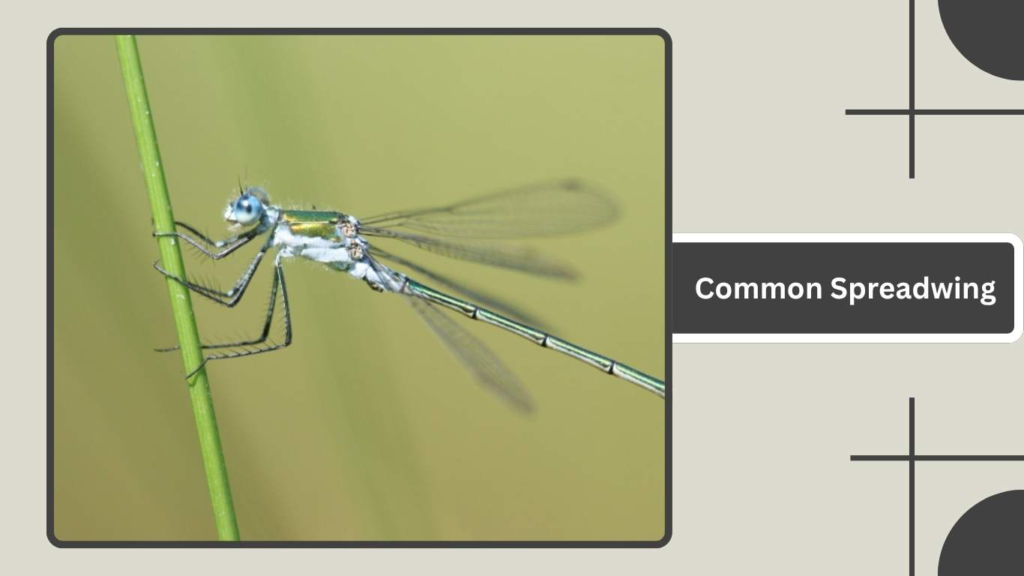
The Common Spreadwing is a slender damselfly species recognized for resting with its wings partly open instead of fully closed. It is commonly found near ponds, marshes, lakeshores, and slow-moving streams with abundant vegetation. This species becomes especially active during late summer and early autumn in freshwater habitats.
Identification
- Metallic green or bronze body coloration
- Wings held partially spread while resting
- Slender abdomen with pale markings
- Transparent wings with delicate veins
- Adults generally measure 35–45 mm long
Habitat and Distribution
Common Spreadwings inhabit ponds, marshes, bogs, lakeshores, and quiet streams with dense aquatic vegetation. They are widely distributed across North America, especially throughout the United States and southern Canada. This species is commonly observed near calm freshwater habitats during midsummer and early autumn seasons.
Behavior and Diet
This species is calm and spends much of its time perched quietly on reeds and shoreline plants. Common Spreadwings feed on mosquitoes, gnats, and other tiny flying insects. Males may defend small breeding territories near aquatic vegetation while females remain close to suitable egg-laying sites.
Size
Adult Common Spreadwings are medium-sized damselflies measuring approximately 35 to 45 millimeters in length. Their slender bodies and transparent wings support slow and graceful flight around wetland vegetation. Despite their delicate appearance, they are agile predators of small insects found near freshwater habitats.
Color
The Common Spreadwing usually displays metallic green or bronze body coloration with subtle pale markings along the abdomen. Their transparent wings and reflective bodies create a shiny appearance under sunlight. Females may appear slightly duller than males, especially during later stages of maturity near wetlands.
Life Cycle
Females lay eggs inside aquatic vegetation after mating near freshwater habitats. The larvae develop underwater and feed on tiny aquatic organisms while growing through several stages. Mature adults emerge during warm months and remain active from midsummer through early autumn in suitable wetland environments.
11. Emerald Spreadwing
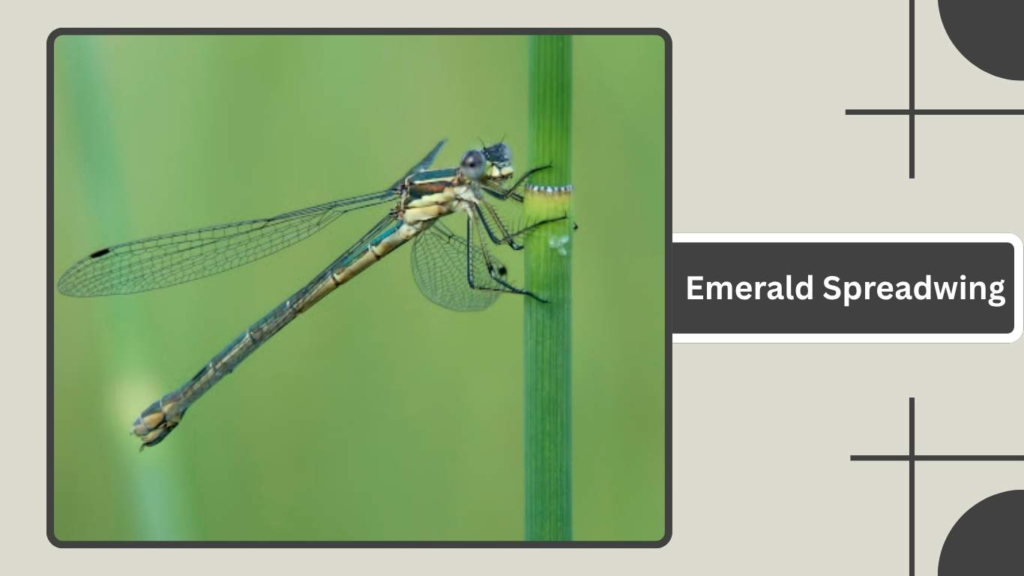
The Emerald Spreadwing is a graceful damselfly species known for its metallic green body and partially spread wings while resting. It is commonly found near marshes, ponds, bogs, and slow-moving streams with abundant vegetation. This species is especially active during summer and early autumn in freshwater wetland habitats.
Identification
- Metallic emerald-green or bronze body coloration
- Wings held slightly open while resting
- Slender abdomen with pale side markings
- Transparent wings with fine veins
- Adults usually measure 35–45 mm long
Habitat and Distribution
Emerald Spreadwings inhabit marshes, ponds, bogs, lakeshores, and quiet streams with dense aquatic vegetation. They are widely distributed across North America, especially in the United States and southern Canada. This species is commonly found in calm freshwater wetlands during warm summer and early autumn months.
Behavior and Diet
This species spends much of its time perched quietly on reeds and wetland plants near water. Emerald Spreadwings feed on mosquitoes, gnats, flies, and other tiny insects. Males may defend small territories near breeding sites while females stay close to aquatic vegetation used for laying eggs.
Size
Adult Emerald Spreadwings are medium-sized damselflies measuring approximately 35 to 45 millimeters in length. Their slender bodies and transparent wings support slow and graceful flight around wetlands and shoreline plants. They are agile predators despite their delicate appearance and lightweight body structure.
Color
The Emerald Spreadwing is recognized for its shiny metallic green or bronze body coloration. Males often appear brighter, while females may look slightly duller with pale markings. Their transparent wings and reflective body surfaces create an elegant appearance when viewed in sunlight near freshwater habitats.
Life Cycle
Females lay eggs inside aquatic vegetation after mating near ponds and marshes. The larvae develop underwater while feeding on tiny aquatic organisms through several growth stages. Mature adults emerge during warm months and remain active from midsummer through early autumn in suitable freshwater environments.
12. Slender Spreadwing
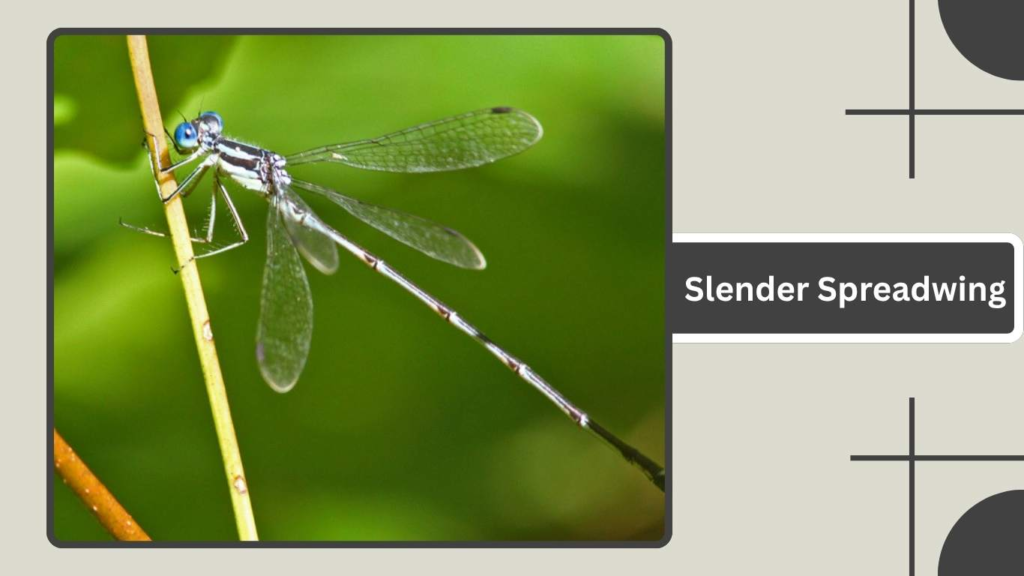
The Slender Spreadwing is a delicate damselfly species recognized for its thin metallic body and partially open wings while resting. It is commonly found near marshes, ponds, bogs, and quiet streams with dense vegetation. This species is most active during summer and early autumn in calm freshwater habitats.
Identification
- Thin metallic green or bronze body coloration
- Wings held partly spread at rest
- Long slender abdomen with pale markings
- Transparent wings with narrow shape
- Adults generally measure 35–42 mm long
Habitat and Distribution
Slender Spreadwings inhabit marshes, bogs, ponds, lakeshores, and slow-moving streams surrounded by aquatic vegetation. They are distributed across parts of North America, especially in the United States and southern Canada. This species prefers calm freshwater wetlands with dense plants and shallow shoreline habitats.
Behavior and Diet
This species spends much of its time perched quietly on reeds and grasses near water. Slender Spreadwings feed on mosquitoes, gnats, flies, and other tiny insects. Males may guard small breeding territories while females remain near aquatic plants where eggs are deposited after mating activities.
Size
Adult Slender Spreadwings are medium-sized damselflies measuring approximately 35 to 42 millimeters in length. Their long narrow bodies and transparent wings allow slow and graceful flight near wetland vegetation. Despite their delicate structure, they are agile hunters of tiny flying insects around freshwater habitats.
Color
The Slender Spreadwing usually displays metallic green or bronze body coloration with subtle pale markings along the abdomen. Their transparent wings and reflective bodies create a shiny appearance under sunlight. Females are often slightly duller in color than males, especially in mature individuals near wetlands.
Life Cycle
Females lay eggs inside aquatic vegetation after mating in freshwater habitats. The larvae develop underwater and feed on tiny aquatic organisms through several stages of growth. Mature adults emerge during warm seasons and remain active from midsummer through early autumn in suitable wetland environments.
13. Sweetflag Spreadwing
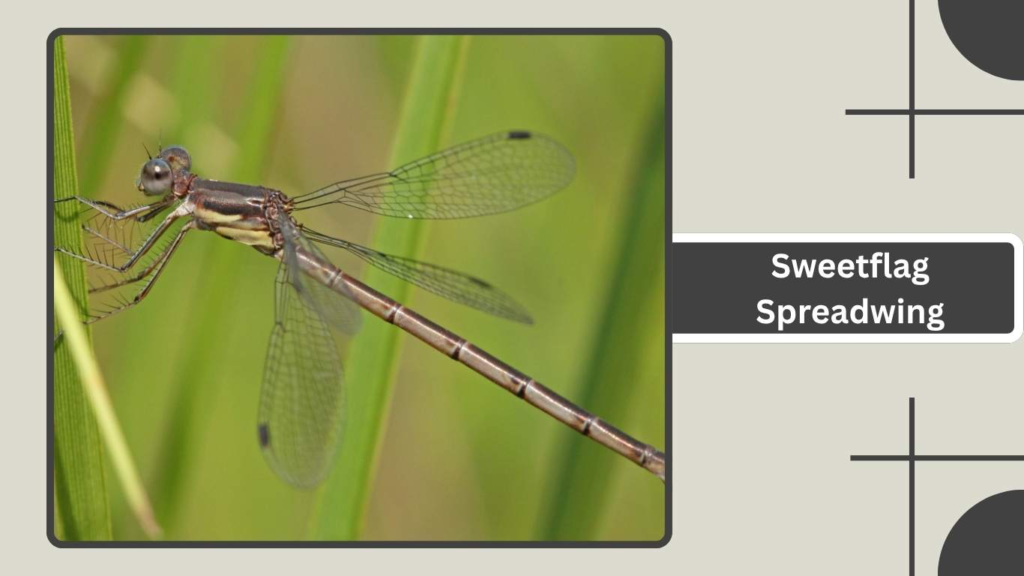
The Sweetflag Spreadwing is a slender damselfly species commonly associated with marshes and wetlands containing sweetflag plants. It is recognized for its metallic body and partially spread wings while resting. This species is often active during summer and early autumn near calm freshwater habitats with dense vegetation.
Identification
- Metallic green or bronze body coloration
- Wings held slightly open while resting
- Slender abdomen with pale side markings
- Transparent wings with delicate veins
- Adults generally measure 35–45 mm long
Habitat and Distribution
Sweetflag Spreadwings inhabit marshes, bogs, ponds, and slow-moving streams with abundant aquatic vegetation. They are commonly found in freshwater wetlands throughout parts of North America, especially in the United States and southern Canada. This species prefers shallow waters surrounded by reeds and dense wetland plants.
Behavior and Diet
This species spends much of its time perched quietly on wetland vegetation near water. Sweetflag Spreadwings feed on mosquitoes, gnats, flies, and other tiny insects. Males may defend breeding territories close to aquatic plants while females remain near suitable locations used for egg-laying activities.
Size
Adult Sweetflag Spreadwings are medium-sized damselflies measuring approximately 35 to 45 millimeters in length. Their slender bodies and transparent wings support graceful flight around marshes and ponds. Despite their delicate appearance, they are efficient predators of small flying insects found in freshwater ecosystems.
Color
The Sweetflag Spreadwing typically displays metallic green or bronze body coloration with pale markings along the abdomen. Their transparent wings and reflective bodies create a shiny appearance under sunlight. Females may appear slightly duller than males, particularly during later stages of maturity near wetlands.
Life Cycle
Females lay eggs inside aquatic vegetation after mating near freshwater habitats. The larvae develop underwater while feeding on tiny aquatic organisms through several stages of growth. Mature adults emerge during warm months and remain active from midsummer through early autumn in suitable wetland environments.
14. Lyre-tipped Spreadwing
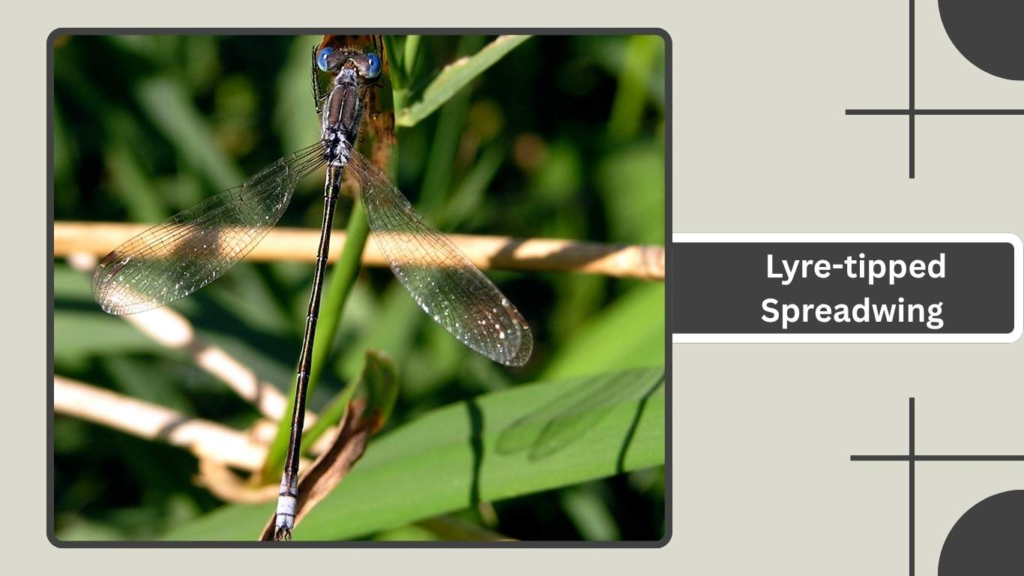
The Lyre-tipped Spreadwing is a unique damselfly species known for the lyre-shaped appendages found on males. It has a slender metallic body and rests with its wings partly spread. This species is commonly found near ponds, marshes, and slow-moving streams during warm summer and early autumn months.
Identification
- Metallic green or bronze body coloration
- Wings held partially spread while resting
- Males have lyre-shaped tail appendages
- Slender abdomen with pale markings
- Adults generally measure 35–45 mm long
Habitat and Distribution
Lyre-tipped Spreadwings inhabit ponds, marshes, bogs, lakeshores, and slow-moving streams with dense vegetation. They are widely distributed across eastern and central North America, especially in the United States and southern Canada. This species prefers calm freshwater habitats surrounded by reeds and aquatic plants.
Behavior and Diet
This species spends much of its time perched quietly on shoreline vegetation near water. Lyre-tipped Spreadwings feed on mosquitoes, gnats, flies, and other tiny insects. Males often defend breeding territories close to aquatic plants while females remain near sheltered locations suitable for egg-laying activities.
Size
Adult Lyre-tipped Spreadwings are medium-sized damselflies measuring approximately 35 to 45 millimeters in length. Their long slender bodies and transparent wings support slow and graceful flight around wetland vegetation. Despite their delicate structure, they are agile predators of tiny insects near freshwater habitats.
Color
The Lyre-tipped Spreadwing usually displays metallic green or bronze coloration with pale markings along the abdomen. Males often appear brighter than females, especially in direct sunlight. Their transparent wings and reflective bodies create an elegant metallic appearance commonly seen in wetland and marsh habitats.
Life Cycle
Females lay eggs inside aquatic plants after mating near freshwater habitats. The larvae develop underwater while feeding on tiny aquatic organisms through several stages of growth. Mature adults emerge during warm months and remain active from midsummer through early autumn in suitable wetland environments.
15. Dusky Spreadwing
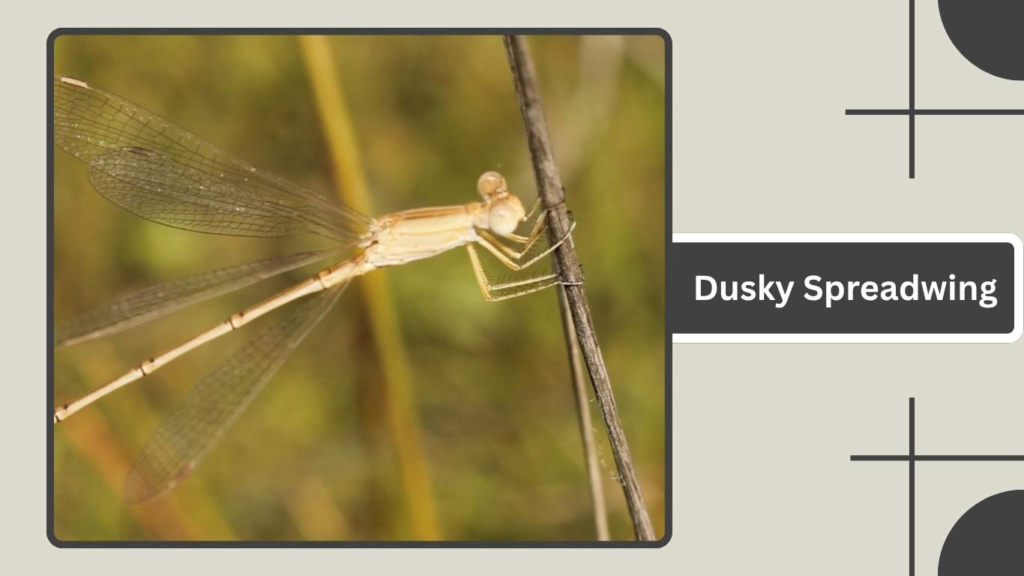
The Dusky Spreadwing is a dark-colored damselfly species recognized for its smoky appearance and partially open wings while resting. It is commonly found near marshes, ponds, bogs, and quiet streams with abundant vegetation. This species becomes especially active during late summer and early autumn in freshwater wetland habitats.
Identification
- Dark bronze or dusky metallic body coloration
- Wings held partly spread while resting
- Slender abdomen with pale side markings
- Transparent wings with smoky tint
- Adults generally measure 35–45 mm long
Habitat and Distribution
Dusky Spreadwings inhabit marshes, ponds, bogs, lakeshores, and slow-moving streams surrounded by dense aquatic vegetation. They are distributed across parts of North America, especially in the United States and southern Canada. This species prefers calm freshwater wetlands where reeds and shoreline plants provide shelter and breeding sites.
Behavior and Diet
This species spends much of its time quietly perched on reeds and wetland plants near water. Dusky Spreadwings feed on mosquitoes, gnats, flies, and other tiny insects. Males may defend breeding territories while females remain near aquatic vegetation where eggs are deposited after mating activities.
Size
Adult Dusky Spreadwings are medium-sized damselflies measuring approximately 35 to 45 millimeters in length. Their slender bodies and transparent wings support slow and graceful flight around wetlands and shoreline vegetation. Despite their delicate appearance, they are agile predators of small insects near freshwater habitats.
Color
The Dusky Spreadwing is recognized for its dark bronze or smoky metallic body coloration combined with lightly tinted wings. Males often appear darker than females, especially in mature individuals. Their reflective bodies and smoky wings create a distinctive appearance among spreadwing damselfly species found in wetlands.
Life Cycle
Females lay eggs inside aquatic plants after mating near freshwater habitats. The larvae develop underwater while feeding on tiny aquatic organisms through several growth stages. Mature adults emerge during warm seasons and remain active from midsummer through early autumn in suitable wetland environments.
16. Violet Dancer
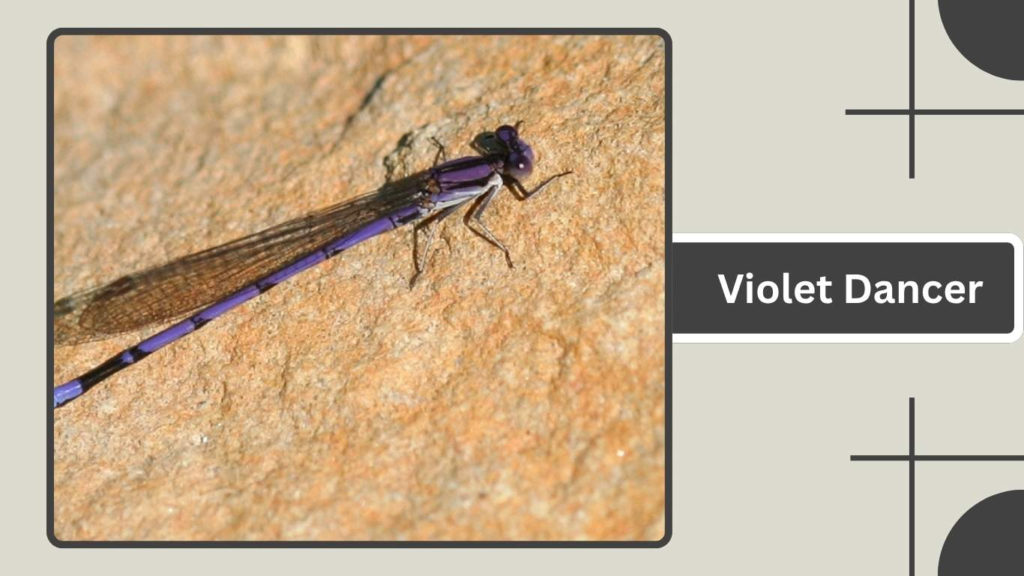
The Violet Dancer is a colorful damselfly species admired for its violet-blue body and graceful flight. It is commonly found near streams, rivers, ponds, and wetlands with abundant vegetation. This species is especially active during warm sunny days and is often seen perched on shoreline plants close to freshwater habitats.
Identification
- Violet-blue body coloration with black markings
- Slender abdomen and delicate body shape
- Transparent wings folded over the body at rest
- Males are usually brighter than females
- Adults generally measure 35–45 mm long
Habitat and Distribution
Violet Dancers inhabit streams, rivers, ponds, marshes, and lakeshores with dense aquatic vegetation. They are distributed across parts of North and Central America, especially in warmer freshwater habitats. This species is commonly observed near calm or slow-moving water during spring, summer, and early autumn months.
Behavior and Diet
This species is active during daylight hours and often flies low above the water surface. Violet Dancers feed on mosquitoes, gnats, flies, and other tiny insects. Males may guard small breeding territories near shoreline vegetation while females remain close to aquatic plants used for laying eggs.
Size
Adult Violet Dancers are medium-sized damselflies measuring approximately 35 to 45 millimeters in length. Their slender bodies and lightweight transparent wings support smooth and agile flight around freshwater habitats. Despite their delicate appearance, they are skilled predators of tiny flying insects near wetlands and streams.
Color
The Violet Dancer is recognized for its striking violet-blue body coloration combined with black abdominal markings. Males often display brighter and more vivid colors, while females appear slightly duller. Their colorful bodies and transparent wings create an elegant appearance near freshwater environments and wetland vegetation.
Life Cycle
Females lay eggs inside aquatic vegetation after mating near freshwater habitats. The larvae develop underwater and feed on tiny aquatic organisms through several stages of growth. Mature adults emerge during warm months and remain active from late spring through early autumn in suitable aquatic environments.
17. Desert Firetail
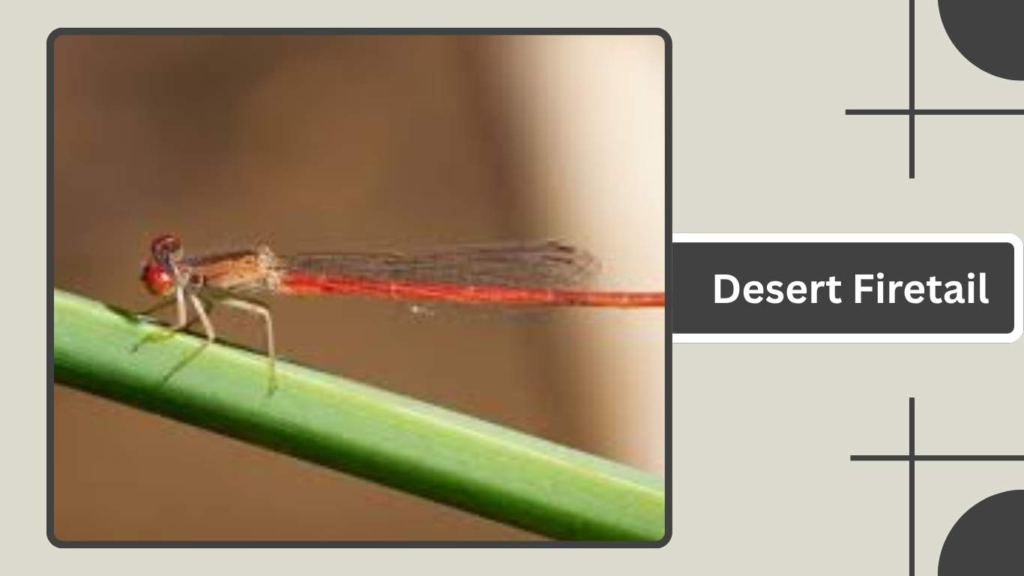
The Desert Firetail is a striking damselfly species known for its bright red tail and slender body. It is commonly found near desert streams, ponds, springs, and slow-moving freshwater habitats. This species is highly active during warm weather and is often seen perched on vegetation near water sources.
Identification
- Bright red or orange tail coloration
- Slender black and red body markings
- Transparent wings folded over the body at rest
- Long narrow abdomen with vivid terminal segments
- Adults generally measure 35–45 mm long
Habitat and Distribution
Desert Firetails inhabit desert streams, springs, ponds, marshes, and slow-moving freshwater habitats with nearby vegetation. They are mainly distributed across the southwestern United States and parts of Mexico. This species prefers warm dry climates where freshwater sources remain available throughout the warmer seasons.
Behavior and Diet
This species is active during sunny daytime hours and frequently flies low above water surfaces. Desert Firetails feed on mosquitoes, gnats, flies, and other tiny insects. Males may defend small territories near breeding sites while females remain close to aquatic plants used for egg-laying activities.
Size
Adult Desert Firetails are medium-sized damselflies measuring approximately 35 to 45 millimeters in length. Their slender bodies and transparent wings support quick and agile flight around desert freshwater habitats. Despite living in dry regions, they depend heavily on ponds, streams, and marsh vegetation for survival.
Color
The Desert Firetail is recognized for its vivid red or orange tail combined with darker black body markings. Males often display brighter colors than females, especially during maturity. Their colorful abdomen and transparent wings create a striking appearance against desert vegetation and freshwater environments.
Life Cycle
Females lay eggs inside aquatic plants after mating near freshwater habitats. The larvae develop underwater and feed on tiny aquatic organisms through several stages of growth. Mature adults emerge during warm months and remain active from spring through early autumn in suitable desert wetland environments.
18. Kiowa Dancer
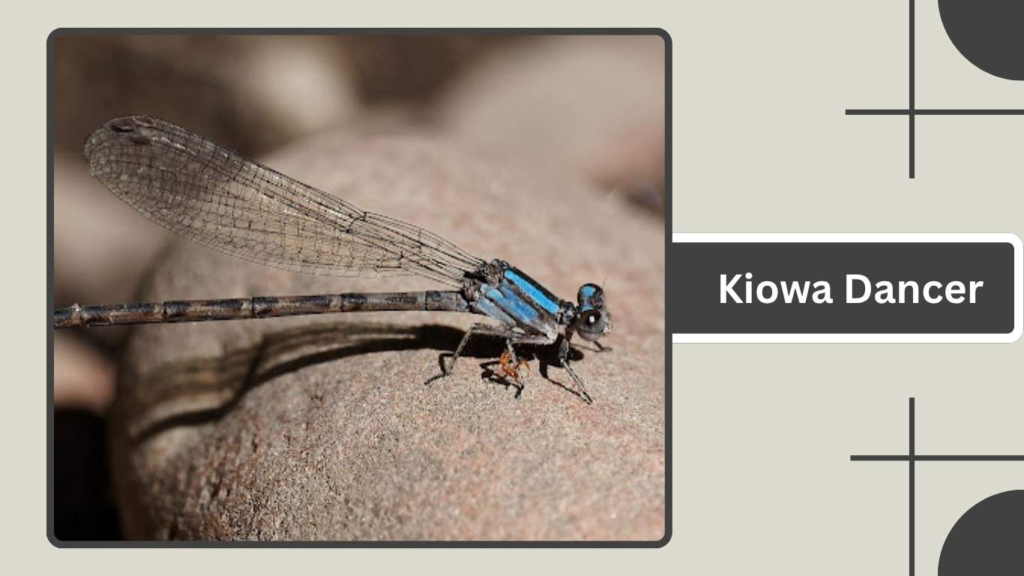
The Kiowa Dancer is a slender and colorful damselfly commonly found near ponds, streams, marshes, and lakeshores. It is known for its bright blue body and graceful flight around freshwater habitats. This species is active during warm months and is often seen perched on reeds and shoreline vegetation.
Identification
- Bright blue and black body coloration
- Slender abdomen with segmented markings
- Transparent wings folded over the body at rest
- Males are more vividly colored than females
- Adults generally measure 32–40 mm long
Habitat and Distribution
Kiowa Dancers inhabit ponds, marshes, streams, lakeshores, and slow-moving rivers with dense aquatic vegetation. They are mainly distributed across western and central North America, especially in the United States. This species prefers calm freshwater habitats with reeds, grasses, and shoreline plants during warmer seasons.
Behavior and Diet
This species is active during sunny daytime hours and often flies low above the water surface. Kiowa Dancers feed on mosquitoes, gnats, flies, and other tiny insects. Males may patrol breeding territories while females stay close to aquatic vegetation where eggs are later deposited safely.
Size
Adult Kiowa Dancers are medium-sized damselflies measuring approximately 32 to 40 millimeters in length. Their slender bodies and transparent wings support agile and graceful flight near freshwater habitats. Despite their delicate appearance, they are efficient predators of tiny flying insects around ponds and wetlands.
Color
The Kiowa Dancer is recognized for its bright blue body coloration combined with black abdominal markings. Males are usually more vivid blue, while females may appear pale blue, grayish, or tan. Their colorful segmented bodies and transparent wings create an elegant appearance near freshwater vegetation.
Life Cycle
Females lay eggs inside aquatic vegetation after mating near ponds and streams. The larvae develop underwater while feeding on tiny aquatic organisms through several stages of growth. Mature adults emerge during warm seasons and remain active from late spring through early autumn in suitable freshwater habitats.
19. Stream Bluet
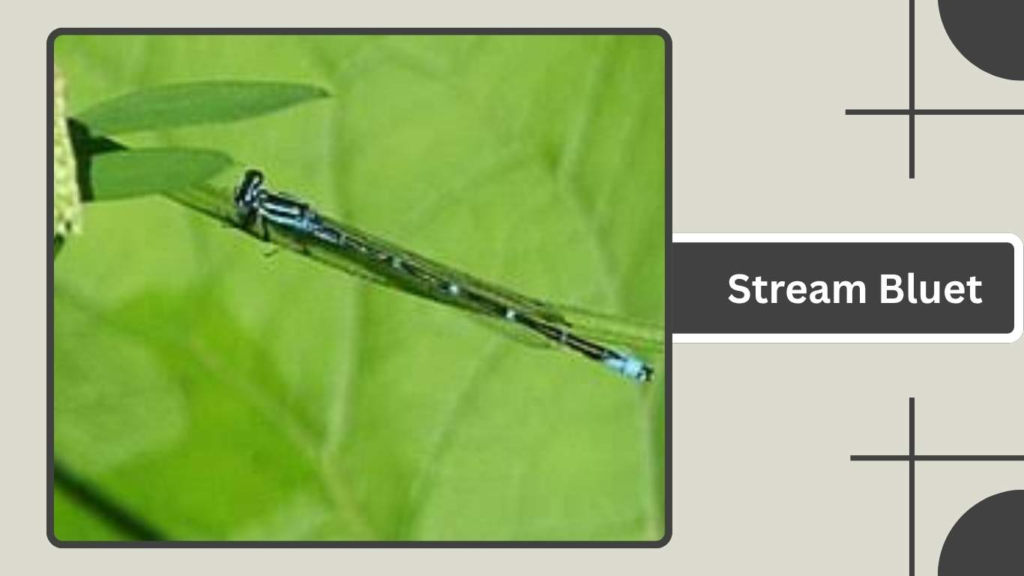
The Stream Bluet is a small and slender damselfly species commonly found near flowing streams and rivers. It is recognized for its bright blue body and delicate transparent wings. This species prefers clean freshwater habitats and is especially active during warm months near vegetation along stream banks and shorelines.
Identification
- Bright blue and black body markings
- Slender abdomen with segmented patterns
- Transparent wings folded over the body at rest
- Males are brighter blue than females
- Adults generally measure 25–32 mm long
Habitat and Distribution
Stream Bluets inhabit streams, rivers, creeks, and other flowing freshwater habitats with abundant vegetation. They are distributed across parts of North America, especially in the United States and southern Canada. This species prefers clean moving water surrounded by grasses, reeds, and shoreline plants during warmer seasons.
Behavior and Diet
This species is active during sunny daytime hours and often flies low above flowing water. Stream Bluets feed on mosquitoes, gnats, flies, and other tiny insects. Males may guard territories near breeding areas while females remain close to aquatic plants where eggs are deposited after mating.
Size
Adult Stream Bluets are small damselflies measuring approximately 25 to 32 millimeters in length. Their slender bodies and lightweight transparent wings support quick and agile flight around streams and shoreline vegetation. Despite their tiny size, they are effective predators of small flying insects near freshwater habitats.
Color
The Stream Bluet is recognized for its bright blue coloration combined with black abdominal markings. Males usually display more vivid blue shades, while females may appear pale blue, greenish, or tan. Their transparent wings and colorful segmented bodies create an elegant appearance near flowing freshwater habitats.
Life Cycle
Females lay eggs inside aquatic vegetation after mating near streams and rivers. The larvae develop underwater while feeding on tiny aquatic organisms through several stages of growth. Mature adults emerge during warm months and remain active from late spring through the summer season in freshwater environments.
20. Tule Bluet
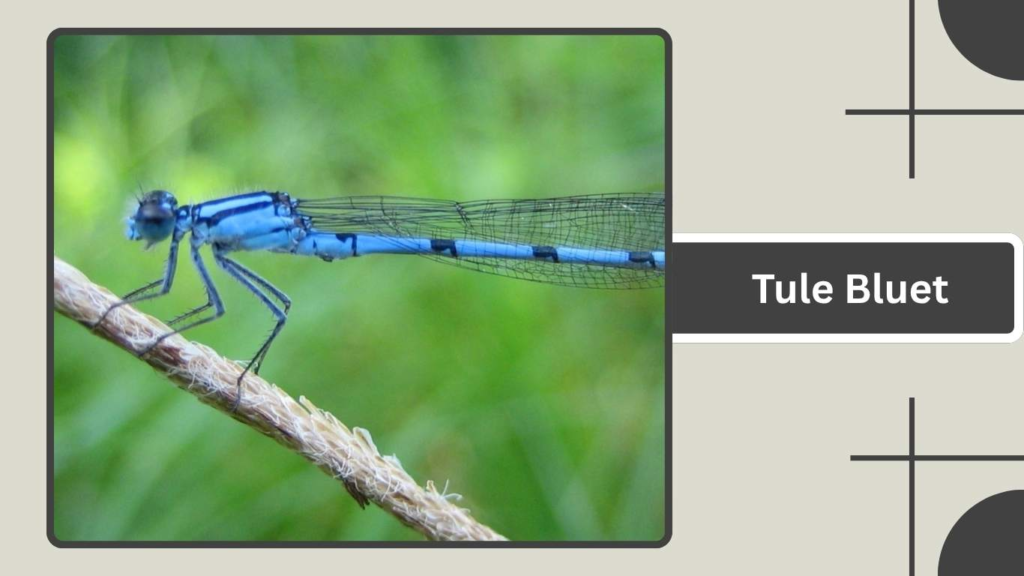
The Tule Bluet is a slender damselfly species commonly found near marshes, ponds, lakes, and slow-moving streams with dense vegetation. It is recognized for its bright blue body and delicate transparent wings. This species is especially active during warm months and is often seen perched on reeds and wetland plants.
Identification
- Bright blue and black abdominal markings
- Slender body with segmented patterns
- Transparent wings folded over the body at rest
- Males are brighter blue than females
- Adults generally measure 25–32 mm long
Habitat and Distribution
Tule Bluets inhabit marshes, ponds, wetlands, lakeshores, and quiet streams surrounded by aquatic vegetation. They are mainly distributed across western North America, especially in the United States and parts of Canada. This species prefers calm freshwater habitats with dense reeds and shoreline plants during warmer seasons.
Behavior and Diet
This species is active during sunny daytime hours and frequently flies low above wetland vegetation. Tule Bluets feed on mosquitoes, gnats, flies, and other tiny insects. Males may defend breeding territories while females remain near aquatic plants where eggs are deposited after mating activities.
Size
Adult Tule Bluets are small damselflies measuring approximately 25 to 32 millimeters in length. Their slender bodies and transparent wings support quick and agile flight around wetlands and marsh vegetation. Despite their delicate appearance, they are effective predators of small flying insects near freshwater habitats.
Color
The Tule Bluet is recognized for its vivid blue body coloration combined with black abdominal markings. Males often display brighter blue shades, while females may appear pale blue, greenish, or tan. Their transparent wings and colorful segmented bodies create an elegant appearance near wetland environments.
Life Cycle
Females lay eggs inside aquatic vegetation after mating near freshwater habitats. The larvae develop underwater while feeding on tiny aquatic organisms through several stages of growth. Mature adults emerge during warm months and remain active from late spring through early autumn in suitable wetland habitats.
21. Fragile Forktail
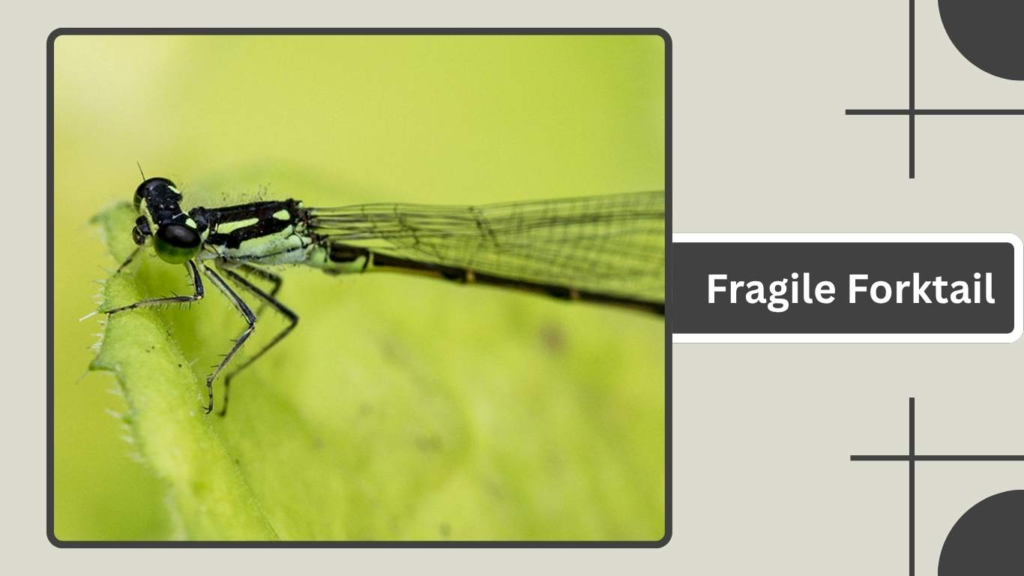
The Fragile Forktail is a tiny and delicate damselfly species commonly found near ponds, marshes, canals, and slow-moving streams. It is recognized for its slender body and forked tail appendages. This species is active during warm weather and is often seen resting quietly on aquatic vegetation near freshwater habitats.
Identification
- Slender black and blue-green body coloration
- Forked tail appendages at the abdomen tip
- Transparent wings folded over the body at rest
- Females may appear pale green or tan
- Adults generally measure 20–27 mm long
Habitat and Distribution
Fragile Forktails inhabit ponds, marshes, wetlands, canals, and quiet streams with dense aquatic vegetation. They are distributed across parts of North America, especially in the United States and southern Canada. This species prefers calm freshwater habitats surrounded by reeds, grasses, and shoreline plants during warmer seasons.
Behavior and Diet
This species is active during sunny daytime hours and often flies low above the water surface. Fragile Forktails feed on mosquitoes, gnats, flies, and other tiny insects. Males may guard small breeding territories while females remain close to aquatic vegetation where eggs are deposited after mating activities.
Size
Adult Fragile Forktails are very small damselflies measuring approximately 20 to 27 millimeters in length. Their slender bodies and transparent wings support quick and agile flight around ponds and marshes. Despite their tiny size, they are effective predators of small flying insects near freshwater habitats.
Color
The Fragile Forktail is recognized for its dark body coloration combined with blue-green markings along the abdomen. Males often appear brighter, while females may look pale green, tan, or duller in color. Their transparent wings and forked tail structures create a delicate appearance near wetlands.
Life Cycle
Females lay eggs inside aquatic vegetation after mating near freshwater habitats. The larvae develop underwater while feeding on tiny aquatic organisms through several growth stages. Mature adults emerge during warm months and remain active from spring through early autumn in suitable wetland environments.
22. Citrine Forktail
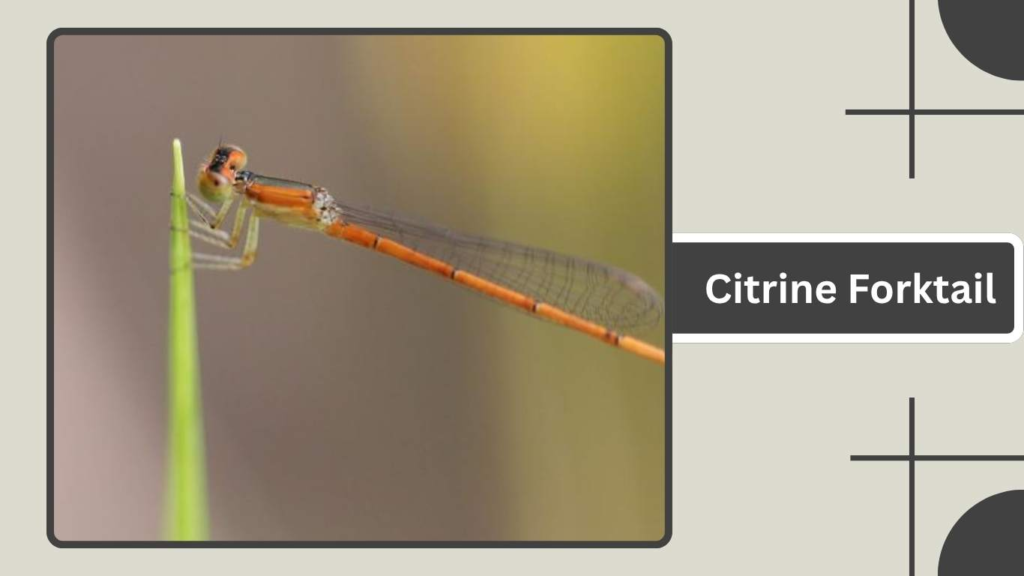
The Citrine Forktail is a small and colorful damselfly species recognized for its yellow-green body and slender appearance. It is commonly found near ponds, marshes, wetlands, and slow-moving streams with abundant vegetation. This species is active during warm months and is often seen resting on shoreline plants near freshwater habitats.
Identification
- Yellow-green or citrine body coloration
- Slender abdomen with dark markings
- Forked tail appendages at the abdomen tip
- Transparent wings folded over the body at rest
- Adults generally measure 20–28 mm long
Habitat and Distribution
Citrine Forktails inhabit ponds, marshes, wetlands, canals, and slow-moving freshwater habitats with dense vegetation. They are distributed across parts of North America, especially in warmer regions of the United States. This species prefers calm freshwater areas surrounded by reeds, grasses, and aquatic plants during warmer seasons.
Behavior and Diet
This species is active during sunny daytime hours and frequently flies low above water surfaces. Citrine Forktails feed on mosquitoes, gnats, flies, and other tiny insects. Males may defend small breeding territories while females remain near aquatic vegetation where eggs are deposited after mating activities.
Size
Adult Citrine Forktails are small damselflies measuring approximately 20 to 28 millimeters in length. Their slender bodies and lightweight transparent wings support quick and agile flight around wetlands and ponds. Despite their tiny size, they are effective predators of small insects near freshwater habitats.
Color
The Citrine Forktail is recognized for its yellow-green or lemon-colored body combined with dark abdominal markings. Males are usually brighter than females, especially during maturity. Their transparent wings and colorful segmented bodies create a striking appearance among vegetation near freshwater environments.
Life Cycle
Females lay eggs inside aquatic vegetation after mating near ponds and marshes. The larvae develop underwater while feeding on tiny aquatic organisms through several stages of growth. Mature adults emerge during warm seasons and remain active from spring through early autumn in suitable freshwater habitats.
23. Sedge Sprite
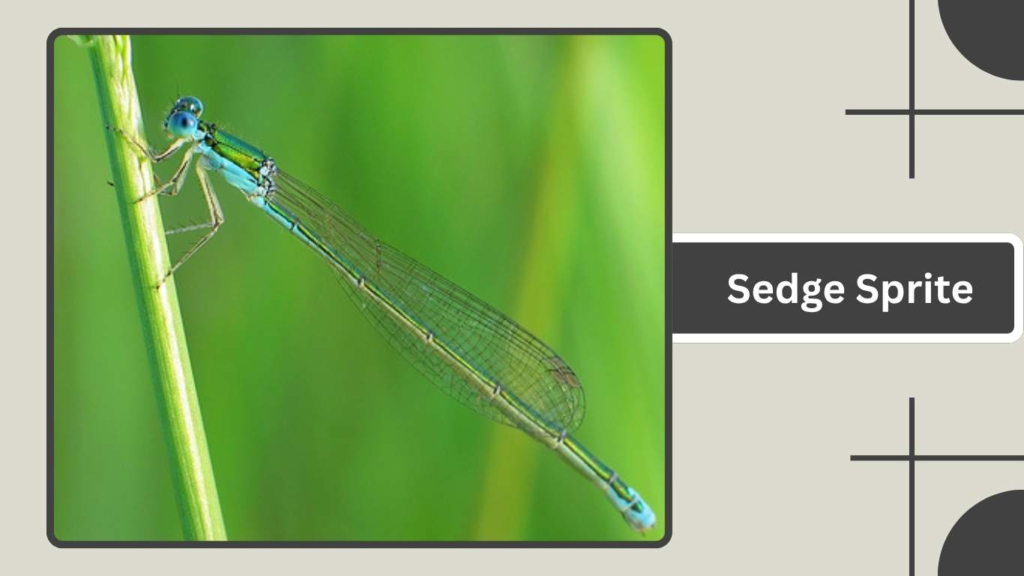
The Sedge Sprite is a tiny and delicate damselfly species commonly found in marshes, bogs, and wetlands with dense sedge vegetation. It is recognized for its slender dark body and graceful flight near freshwater habitats. This species is especially active during warm summer months in calm wetland environments.
Identification
- Slender dark body with pale markings
- Very small size compared to most damselflies
- Transparent wings folded over the body at rest
- Thin abdomen with delicate body structure
- Adults generally measure 20–25 mm long
Habitat and Distribution
Sedge Sprites inhabit marshes, bogs, wetlands, ponds, and slow-moving freshwater habitats surrounded by dense sedges and grasses. They are distributed across parts of North America, especially in the United States and southern Canada. This species prefers calm shallow wetlands with abundant shoreline vegetation during warmer seasons.
Behavior and Diet
This species spends much of its time flying low above wetland vegetation or resting quietly on grasses. Sedge Sprites feed on mosquitoes, gnats, flies, and other tiny insects. Males may defend small breeding territories while females remain near aquatic plants where eggs are deposited after mating.
Size
Adult Sedge Sprites are among the smallest damselflies, measuring approximately 20 to 25 millimeters in length. Their tiny slender bodies and transparent wings support agile flight around marshes and bog vegetation. Despite their small size, they are effective predators of tiny flying insects near freshwater habitats.
Color
The Sedge Sprite usually displays dark brown or black body coloration with pale or bluish markings along the abdomen. Their transparent wings and delicate body structure create a subtle appearance among grasses and wetland plants where they often remain partially hidden from predators.
Life Cycle
Females lay eggs inside aquatic vegetation after mating near wetlands and marshes. The larvae develop underwater while feeding on tiny aquatic organisms through several stages of growth. Mature adults emerge during warm months and remain active throughout summer in suitable freshwater wetland environments.
FAQs
What is a damselfly?
A damselfly is a slender flying insect closely related to dragonflies. Damselflies belong to the order Odonata and are usually found near freshwater habitats such as ponds, lakes, marshes, rivers, and streams where they hunt tiny insects and reproduce.
What is the difference between damselflies and dragonflies?
Damselflies are generally smaller and more slender than dragonflies. Most damselflies rest with their wings folded over the body, while dragonflies keep their wings spread open. Damselflies also have weaker flight patterns and wider-spaced eyes compared to dragonflies.
Where are damselflies commonly found?
Damselflies are commonly found near freshwater habitats including ponds, wetlands, marshes, streams, rivers, and lakeshores. They prefer areas with abundant aquatic vegetation because these environments provide shelter, food, and suitable places for laying eggs and developing larvae.
What do damselflies eat?
Damselflies feed on tiny flying insects such as mosquitoes, gnats, flies, and midges. Their aquatic larvae also prey on small underwater organisms. These insects are beneficial because they help naturally control pest populations around freshwater ecosystems and wetland habitats.
Are damselflies harmful to humans?
Damselflies are harmless to humans and do not sting or bite. They are considered beneficial insects because they help reduce mosquito populations and play an important role in maintaining healthy freshwater ecosystems by serving as both predators and prey in food chains.