
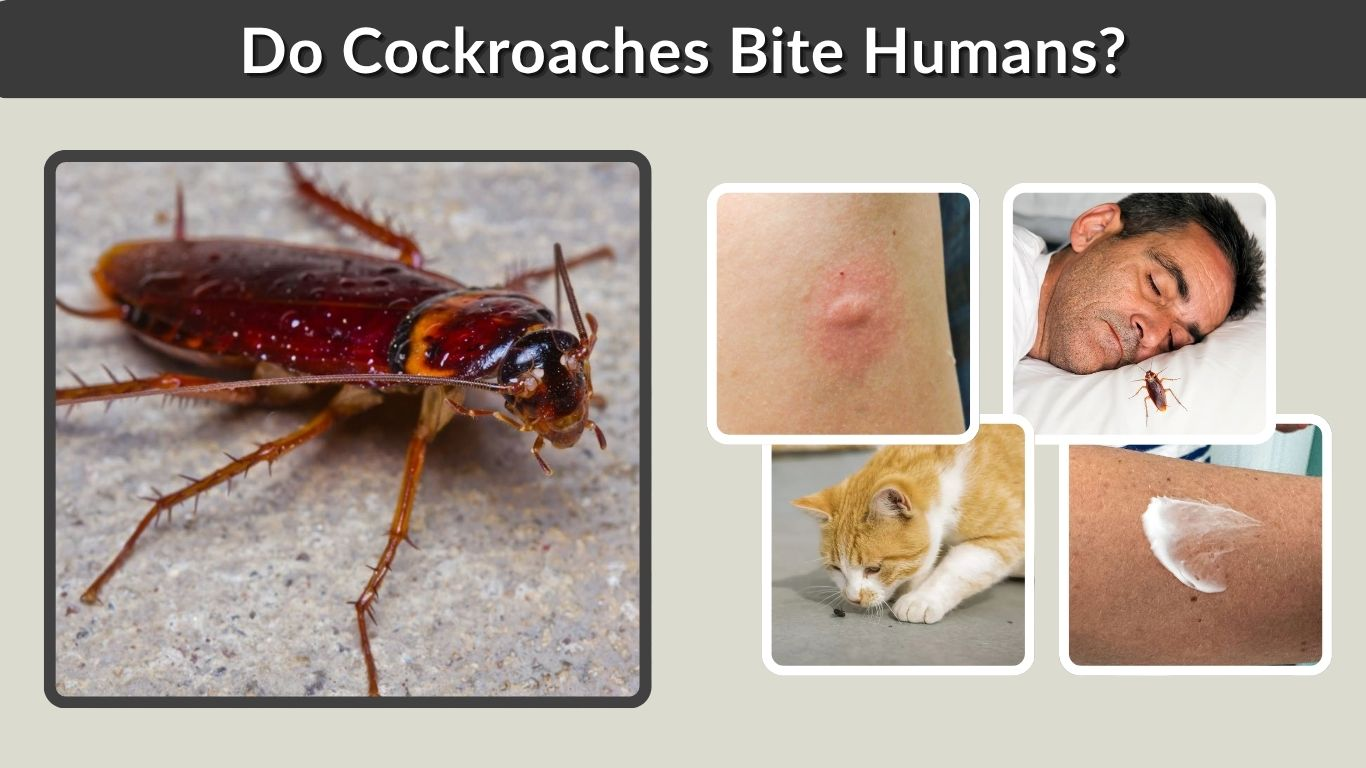
Cockroaches are among the most unwanted household pests, and many people wonder whether these insects can actually bite humans. While cockroach bites are uncommon, they can happen in severe infestations where food sources are limited. Most cockroaches prefer crumbs, garbage, and organic waste over human skin, but certain situations may lead them to bite exposed areas during the night. Understanding why cockroaches bite, what the bites look like, and how to treat them helps homeowners respond quickly while preventing future infestations and health risks.
Do Cockroaches Bite?
Cockroaches are capable of biting humans, although such incidents are relatively rare compared to bites from mosquitoes, fleas, or bed bugs. Most cockroach species avoid direct contact with people whenever possible.
Can Cockroaches Bite Humans?
Cockroaches possess mouthparts strong enough to bite skin, especially in areas with food residue, sweat, or dead skin buildup. Bites are more likely to occur in environments with large infestations and poor sanitation conditions.
Why Cockroaches Bite People
Cockroaches usually bite humans when they struggle to find other food sources. They may be attracted to food particles left on the skin or around the mouth and hands during sleep.
Common Reasons Cockroaches Bite
Several conditions increase the chance of cockroach bites inside homes.
- Severe cockroach infestations
- Poor food storage habits
- Food residue on skin
- Dirty sleeping areas
- Lack of pest control
Cockroaches are nocturnal insects, meaning they become most active during the night when homes are quiet and dark.
What Do Cockroach Bites Look Like?

Cockroach bites often resemble other insect bites, making them difficult to identify without signs of an infestation nearby. Most bites appear as small red bumps that may become irritated or swollen.
Common Appearance of Cockroach Bites
The bites are usually red, slightly raised, and grouped together in clusters. Some people may experience mild swelling or skin irritation depending on sensitivity levels.
What Cockroach Bites Feel Like
Many people report itching, mild pain, or a burning sensation around the bite area. Scratching can worsen irritation and increase the risk of infection.
Areas Cockroaches Commonly Bite
Cockroaches tend to target soft or exposed skin while people are sleeping.
- Fingers
- Hands
- Face
- Eyelids
- Around the mouth
These insects may also crawl near the eyes because they are attracted to moisture and skin residue.
Do Cockroach Bites Hurt or Itch?
Cockroach bites are generally mild compared to bites from more aggressive insects. However, some individuals may experience stronger reactions because of allergies or skin sensitivity.
Why Cockroach Bites Itch
The itching usually occurs because the skin reacts to substances left behind during the bite. Mild allergic reactions can increase redness and irritation around the affected area.
Do Cockroach Bites Hurt?
Most bites cause minor discomfort rather than severe pain. Some individuals may only notice irritation after waking up in the morning.
How Long Cockroach Bites Last
Several factors influence how quickly bites heal.
- Skin sensitivity
- Scratching frequency
- Hygiene conditions
- Infection risk
- Allergic reactions
Most mild bites improve within several days if kept clean and untreated by scratching.
Do Cockroaches Bite You in Your Sleep?
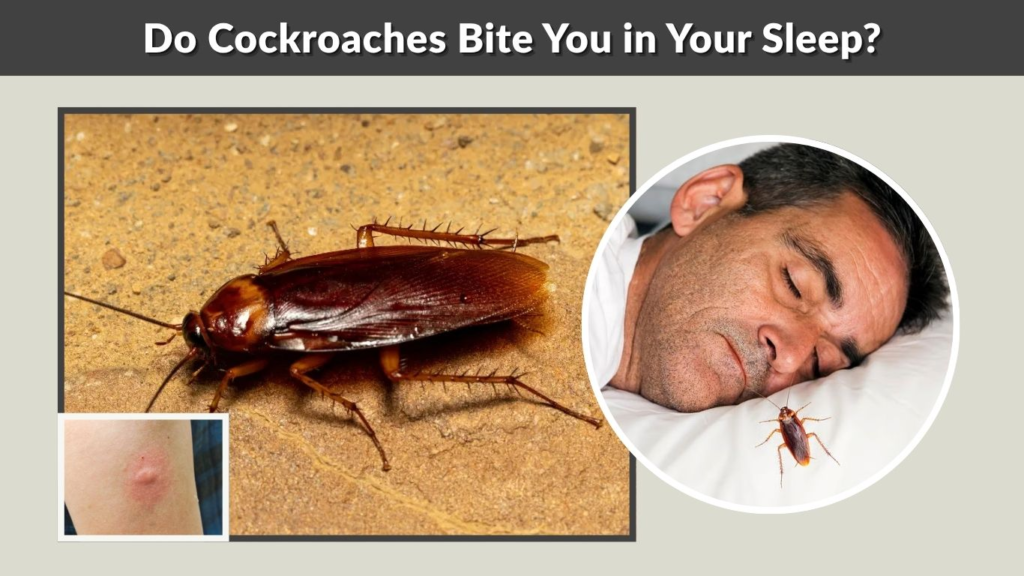
Cockroaches are nocturnal pests, which means nighttime is when they are most active. In homes with heavy infestations, cockroaches may crawl across beds and occasionally bite sleeping individuals.
Why Cockroaches Bite at Night
Dark and quiet conditions make cockroaches feel safer while searching for food. Sleeping humans provide easy access to exposed skin and food residue around the mouth or hands.
Why Cockroaches Bite Eyes and Eyelids
Cockroaches are sometimes attracted to moisture, oils, and dead skin near the eyes and eyelids. Although rare, bites around these sensitive areas can occur during major infestations.
Signs Cockroaches Are Active at Night
Certain warning signs may indicate nighttime cockroach activity inside the home.
- Droppings near food areas
- Unpleasant musty odors
- Shed cockroach skins
- Smear marks on surfaces
- Cockroaches seen after dark
Reducing infestations quickly helps lower the risk of bites and contamination.
Which Cockroach Species Bite?
Several cockroach species can bite humans, although most avoid direct interaction whenever possible. Larger species generally have stronger mouthparts capable of causing noticeable irritation.
German Cockroach Bites
German cockroaches are among the most common indoor species. While bites are rare, severe infestations may increase the likelihood of human contact and skin irritation.
American Cockroach Bites
American cockroaches are larger than many household species and possess stronger mouthparts. They may occasionally bite humans under overcrowded or food-limited conditions.
Madagascar Hissing Cockroach Bites
Madagascar hissing cockroaches are popular pet insects and are generally harmless. However, they can bite defensively if handled roughly or stressed.
How to Treat a Cockroach Bite

Cockroach bites are usually mild and can often be treated at home with basic first aid. Keeping the bite clean and avoiding scratching are important steps for preventing irritation and infection.
Immediate First Aid
The affected area should be washed gently with soap and warm water to remove bacteria and reduce the risk of infection. Applying an antiseptic cream may also help protect damaged skin.
Home Treatment Options
Several common remedies may help reduce discomfort and itching.
- Cold compresses
- Anti-itch creams
- Aloe vera gel
- Hydrocortisone cream
- Ice packs
Avoid scratching the bite because damaged skin can become infected more easily.
When to Seek Medical Help
Medical attention may be necessary if symptoms become severe. Excessive swelling, pus, fever, or worsening redness could indicate an allergic reaction or infection requiring professional treatment.
How to Prevent Cockroach Bites
Preventing cockroach bites mainly involves eliminating infestations and maintaining clean living spaces. Reducing food and moisture sources makes homes less attractive to cockroaches.
Keep Your Home Clean
Cockroaches are strongly attracted to food crumbs, grease, and garbage. Cleaning kitchens, dining areas, and bedrooms regularly helps reduce infestation risks.
Reduce Cockroach Infestations
Several pest-control measures can help eliminate cockroaches from homes.
- Seal cracks and gaps
- Fix leaking pipes
- Store food in sealed containers
- Empty trash regularly
- Use pest control treatments
Quick action is important because cockroach populations can grow rapidly in favorable conditions.
Do Cockroaches Bite Pets?
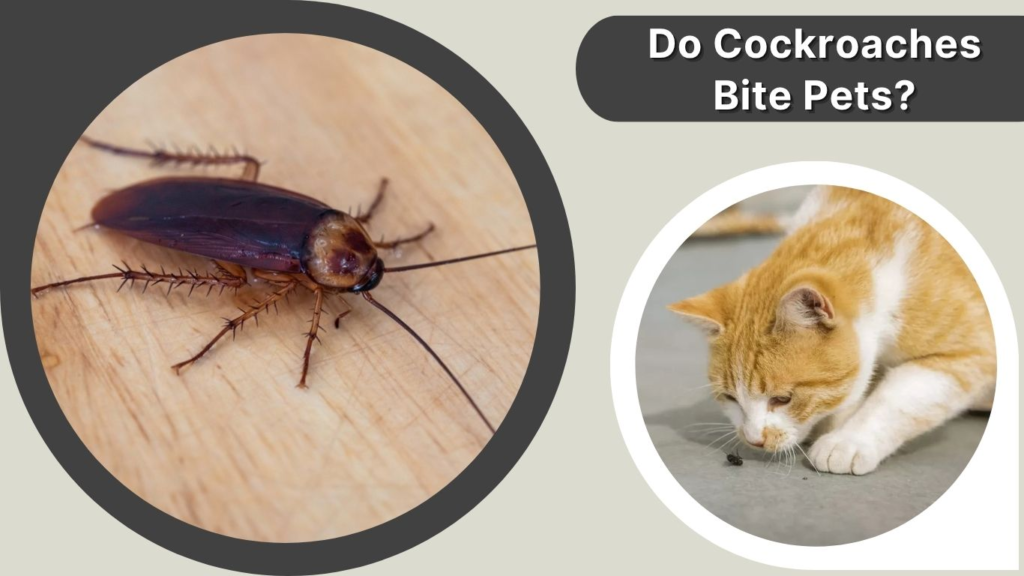
Cockroaches may occasionally bite pets such as dogs and cats, although these incidents are rare. Pets living in heavily infested homes may experience skin irritation from crawling insects or occasional bites.
Signs of Cockroach Bites on Pets
Pet owners should watch for unusual scratching, redness, or swollen skin areas. Some animals may also become restless if cockroaches crawl across their bedding at night.
Are Cockroaches Dangerous to Pets?
Cockroaches are usually more dangerous as disease carriers than as biting insects. They can spread bacteria and contaminate pet food or water bowls if infestations are not controlled.
Are Cockroach Bites Dangerous?
Cockroach bites are typically not serious, but they may still create health concerns in certain situations. Individuals with allergies or sensitive skin may experience stronger reactions than others.
Infection Risks
Open skin caused by scratching can allow bacteria to enter the body. Keeping bites clean and avoiding irritation lowers the chance of infection.
Allergic Reactions
Some people may develop allergic responses to cockroach saliva or body particles. Symptoms can include swelling, severe itching, or skin inflammation around the bite area.
Disease Concerns
Cockroaches are known to spread germs and bacteria through contaminated surfaces. Although bites themselves rarely transmit disease directly, infestations can contribute to poor indoor hygiene and respiratory problems.
Interesting Cockroach Bite Facts

Cockroach bites are uncommon compared to many other insect bites, but they still occur under certain conditions. Understanding their behavior helps explain why bites happen occasionally.
Rare but Possible
Most cockroach species avoid humans and prefer garbage or leftover food. Biting behavior usually appears only during severe infestations or food shortages.
Mostly Nighttime Activity
Cockroaches are nocturnal insects, meaning they search for food mainly after dark. This explains why bites are more commonly reported during sleep.
More Harmful as Contaminators
Cockroaches are generally more dangerous because of the bacteria and allergens they spread rather than their bites. Infestations can worsen asthma symptoms and contaminate surfaces throughout the home.
FAQs
Do cockroaches really bite humans?
Yes, cockroaches can bite humans, but it is uncommon. Most cockroach species prefer food scraps and organic waste instead of human skin. Bites usually happen during severe infestations when food sources become limited.
What do cockroach bites look like?
Cockroach bites usually appear as small red bumps or irritated skin patches. They may occur in clusters and can resemble other insect bites. Some people also experience swelling, itching, or mild skin irritation around the affected area.
Do cockroaches itch?
Yes, cockroach bites often itch because the skin reacts to substances left behind during the bite. Scratching can worsen irritation and increase the risk of infection, so keeping the area clean is important.
Why do cockroaches bite people while sleeping?
Cockroaches are nocturnal insects that become active at night while searching for food. They may bite sleeping people if food residue, sweat, or dead skin is present on exposed areas such as the hands, face, or eyelids.
How do you treat a cockroach bite?
Wash the bite area with soap and water, apply antiseptic cream, and use a cold compress to reduce swelling or itching. Avoid scratching the skin, and seek medical attention if severe swelling or infection develops.