
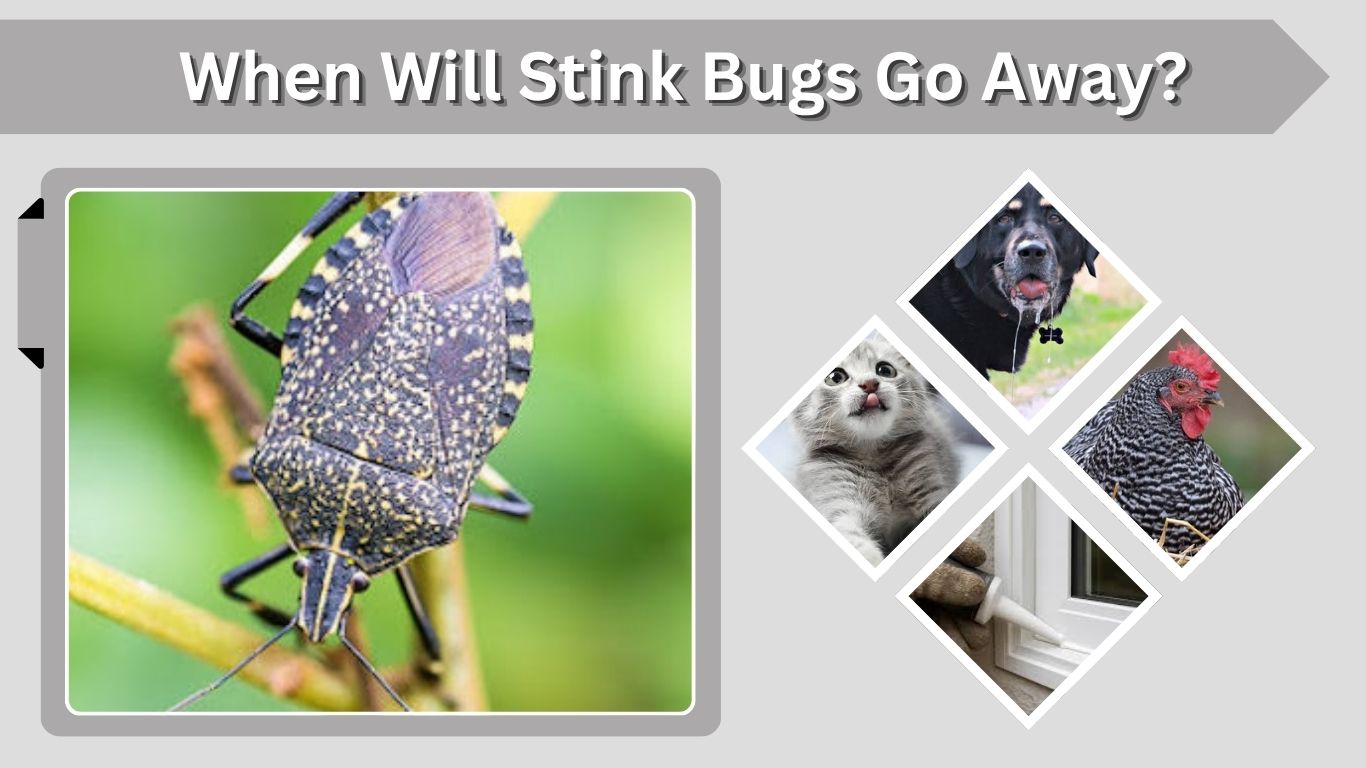
If stink bugs are gathering around your windows, doors, or walls, you may wonder when they will finally disappear. Stink bugs are strongly influenced by temperature and season. Many become noticeable in fall when they search for protected places to spend winter, then reappear during warm winter days and early spring. They usually become less troublesome once outdoor temperatures stabilize and they move back outside. Knowing their seasonal cycle, what kills them, and what keeps stink bugs away can help you manage them more effectively.
When Will Stink Bugs Go Away?
Stink bugs usually become less noticeable as weather conditions change. Brown marmorated stink bugs commonly enter buildings during fall to overwinter. They remain relatively inactive during cold periods but may become active indoors when heating or sunlight raises temperatures. By spring, surviving bugs typically begin moving outside again to feed and reproduce.
When Do Stink Bugs Leave the House?
Stink bugs that overwinter inside homes generally begin leaving during late winter and spring as temperatures rise.
They may appear around sunny windows because they are attracted to light while looking for a way outside. Depending on local climate, indoor activity can continue for several weeks before most surviving bugs leave.
How Long Will Stink Bugs Be Around?
Outdoor stink bugs can remain active from spring through fall. Their presence around houses usually peaks during late summer and fall when adults begin searching for winter shelter.
Inside a heated house, occasional stink bugs may appear throughout winter because warm temperatures can temporarily wake them from dormancy.
Will Stink Bugs Die in the Winter?
Some stink bugs die during winter, but many adults survive by entering a dormant state called diapause.
They seek sheltered locations such as:
- Wall voids
- Attics
- Under siding
- Around window frames
- Beneath tree bark
- Garages
- Sheds
- Protected outdoor cracks
This ability to overwinter explains why stink bugs can suddenly reappear when warm weather returns.
What Will Kill Stink Bugs?
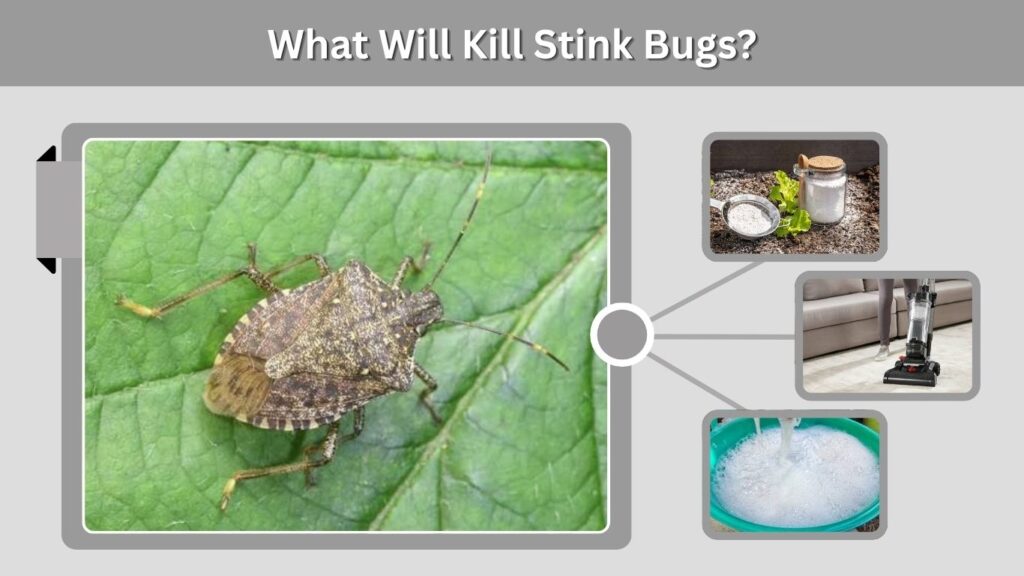
Several methods can kill stink bugs, but prevention and physical removal are usually more practical inside homes. Crushing them is not recommended because disturbed or injured bugs can release their characteristic odor.
Soapy Water
A container of soapy water is one of the simplest ways to dispose of captured stink bugs.
The soap reduces surface tension and can interfere with the insect’s protective outer layer. Bugs collected from walls or windows can be dropped directly into the solution.
Vacuuming
Vacuuming is useful when several stink bugs have entered a house.
A handheld or bagged vacuum can quickly collect them from walls, windows, and ceilings. Keep in mind that crushed insects may leave an odor inside the vacuum.
Insecticides
Some insecticides labeled for stink bugs can kill them on contact or provide residual control around exterior entry points.
Products may contain active ingredients such as pyrethroids, but homeowners should always follow the product label carefully. Indoor pesticide applications are often less useful than sealing the openings through which stink bugs enter.
Diatomaceous Earth
Diatomaceous earth can damage the waxy protective coating on certain insects, eventually causing dehydration.
However, results against stink bugs may be inconsistent. It should only be applied according to label instructions, particularly if used around children or pets.
What Will Keep Stink Bugs Away?
Preventing stink bugs from entering is generally easier than removing them once they have settled inside walls. These insects can squeeze through surprisingly small gaps around siding, windows, doors, roofs, and utility lines.
Ways to Keep Stink Bugs Out
Useful prevention methods include:
- Seal cracks around windows and doors.
- Repair damaged window screens.
- Add weather stripping around doors.
- Seal openings around pipes and cables.
- Repair gaps beneath siding.
- Inspect roof vents and attic openings.
- Use screens over suitable vents.
- Remove outdoor clutter near entry points.
Will Peppermint Oil Repel Stink Bugs?
Peppermint oil has a strong scent that may discourage stink bugs from certain surfaces temporarily, but it should not be considered a dependable long-term solution.
A scented spray may help around individual windows or doorways, but physical exclusion remains much more reliable.
Essential oils also lose effectiveness as their scent evaporates.
Will Vinegar Keep Stink Bugs Away?
Vinegar is sometimes suggested as a household insect remedy, but it is not a dependable barrier against stink bugs.
It may affect insects when sprayed directly in certain mixtures, but sealing cracks and fixing screens provides much better protection against future infestations.
Does Killing a Stink Bug Attract More?
One common concern is that killing a stink bug will attract additional stink bugs. Crushing one does not normally send out an alarm signal that summons large numbers of others.
However, stink bugs often gather in the same areas because they respond to suitable shelter and aggregation signals.
If You Kill a Stink Bug, Will It Stink?
Yes, it can.
Stink bugs contain defensive chemicals that produce their distinctive odor. Crushing or roughly handling one may release these chemicals.
The smell can remain on surfaces, hands, furniture, or vacuum equipment for some time.
Will Killing One Bring More Stink Bugs?
Killing one stink bug does not usually cause other stink bugs to immediately arrive.
If many continue appearing in the same location, it is more likely that they entered through the same opening or were already overwintering inside the structure.
Natural Predators That Eat Stink Bugs
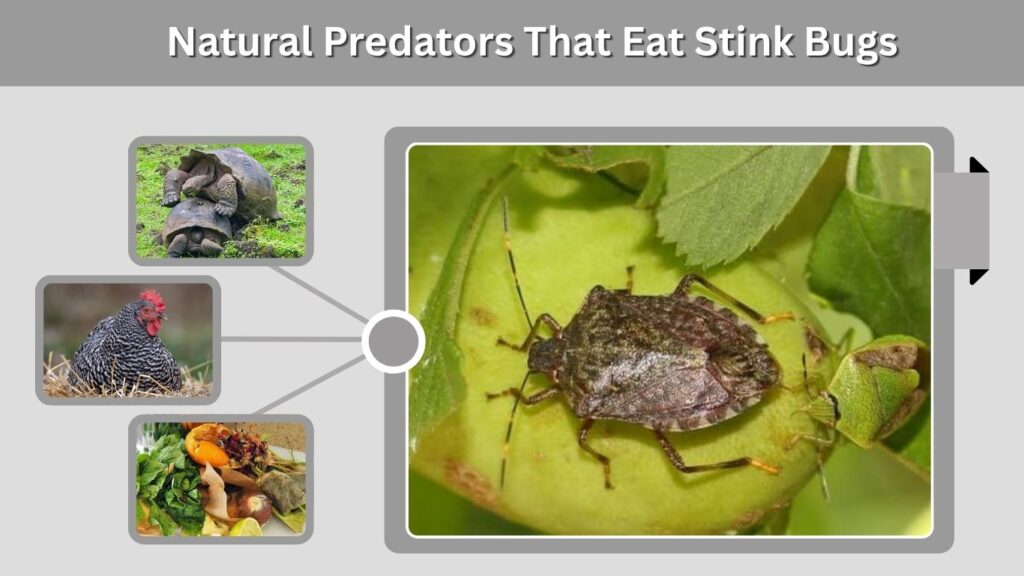
Stink bugs have chemical defenses, but they are still eaten by numerous predators. Natural enemies can help control populations outdoors, particularly eggs and young nymphs.
Animals That May Eat Stink Bugs
Predators can include:
- Birds
- Spiders
- Praying mantises
- Predatory insects
- Parasitic wasps
- Some reptiles
- Chickens
Not every predator prefers stink bugs because of their defensive odor and taste.
Will Chickens Eat Stink Bugs?
Chickens may eat stink bugs when they encounter them while foraging.
Individual chickens can differ in preference, however, and some may avoid stink bugs after experiencing their unpleasant taste or odor.
Will Praying Mantises Eat Stink Bugs?
Praying mantises are opportunistic predators and may capture stink bugs.
They eat many insects they can overpower, although mantises alone are unlikely to provide complete stink bug control around a property.
Will Spiders Eat Stink Bugs?
Some spiders can capture stink bugs in webs or actively hunt them.
Jumping spiders and other predatory spiders may attack smaller stink bugs or nymphs, although stink bugs’ defensive chemicals can discourage some predators.
Are Stink Bugs Harmful?
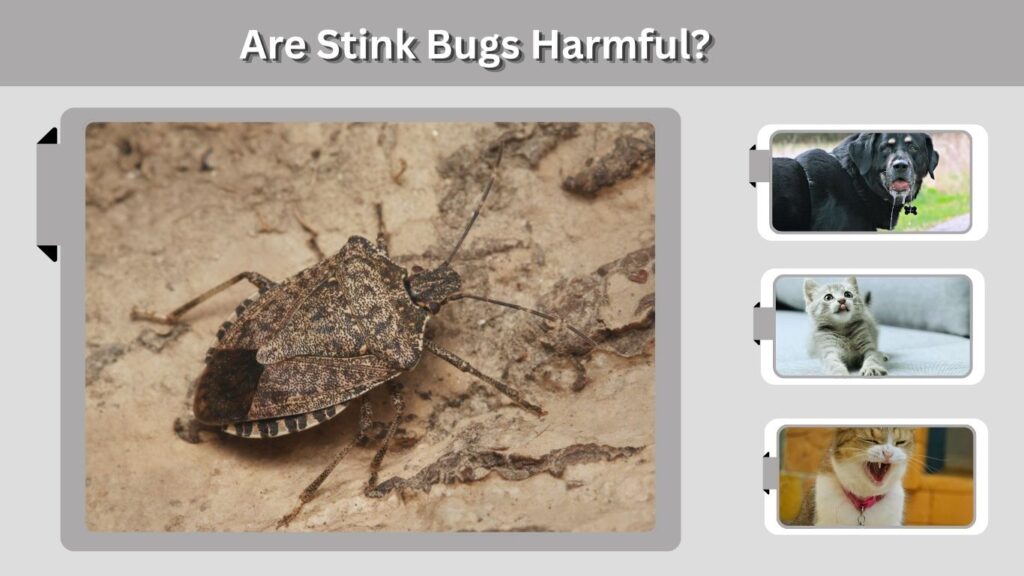
Stink bugs are primarily nuisance and agricultural pests rather than dangerous household insects. The brown marmorated stink bug can damage fruit, vegetables, and ornamental plants, but its presence indoors usually causes little more than annoyance and unpleasant odor.
Will Stink Bugs Hurt You?
Common plant-feeding stink bugs do not normally attack people.
They do not have stingers and are not blood feeders. Their mouthparts are primarily used to pierce plant tissues.
Predatory stink bug species can occasionally pierce human skin defensively when handled, but this behavior is uncommon.
Will Stink Bugs Bite Humans?
Brown marmorated stink bugs and other common plant-feeding stink bugs generally do not bite humans.
If a stink bug crawls onto you, avoid squeezing it. Gently brush it onto a piece of paper or another object and move it outside.
Can Stink Bugs Harm Pets?
Stink bugs do not normally bite cats or dogs. Problems are more likely when a pet tries to eat one.
The defensive chemicals may cause temporary:
- Drooling
- Mouth irritation
- Vomiting
- Upset stomach
- Pawing at the mouth
Persistent symptoms should be discussed with a veterinarian.
How to Get Rid of Stink Bugs in Your House
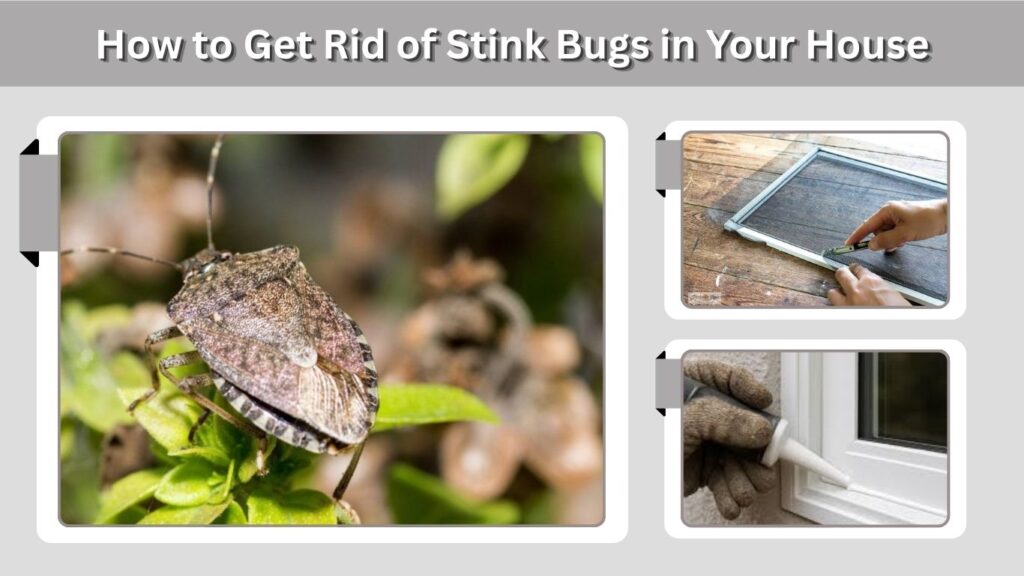
Indoor control works best when physical removal is combined with prevention. Spraying every stink bug you see does little to stop new insects from entering through structural gaps.
Remove Existing Stink Bugs
Use a vacuum, container, or piece of paper to collect visible insects. Avoid crushing them against walls or furniture.
Large numbers can be collected into soapy water for disposal.
Seal Entry Points
Inspect your home before fall temperatures begin dropping. Pay special attention to windows, doors, siding, rooflines, vents, and openings around utilities.
Even relatively small gaps can provide access.
Reduce Outdoor Attractions
Outdoor lighting can attract many insects near buildings. When practical, reduce unnecessary lights around doors and windows during periods of heavy stink bug activity.
Keeping vegetation trimmed away from exterior walls can also make inspection and sealing easier.
When Do Stink Bugs Finally Disappear?
Stink bugs usually do not disappear permanently from an area because new generations develop outdoors each year. What changes is their level of activity around your home.
Indoor overwintering bugs typically decline during spring as they return outdoors. Through summer they feed and reproduce on plants. By late summer and fall, adults may once again gather around buildings looking for winter shelter.
Breaking this seasonal cycle requires stopping them before they enter. Sealing gaps during summer or early fall is therefore one of the most effective long-term strategies.
FAQs
When will stink bugs go away?
Stink bugs overwintering inside homes usually begin leaving during late winter and spring as temperatures increase. Outdoor populations may remain active through spring, summer, and fall.
What kills stink bugs instantly?
Direct physical removal followed by placing stink bugs in soapy water is a simple method. Some insecticides labeled specifically for stink bugs can also kill them on contact when used according to directions.
Will peppermint oil keep stink bugs away?
Peppermint oil may temporarily discourage stink bugs from treated areas, but its effects are limited. Sealing cracks and openings is a more reliable long-term prevention method.
If you kill a stink bug, will more come?
Killing one does not normally attract additional stink bugs. Multiple bugs appearing in the same area usually indicates that they found a shared entry point or overwintering location.
When should I expect stink bugs around my house?
Stink bug activity around homes often increases during late summer and fall as adults search for sheltered overwintering locations. Some may then reappear indoors during warm winter days and early spring.