
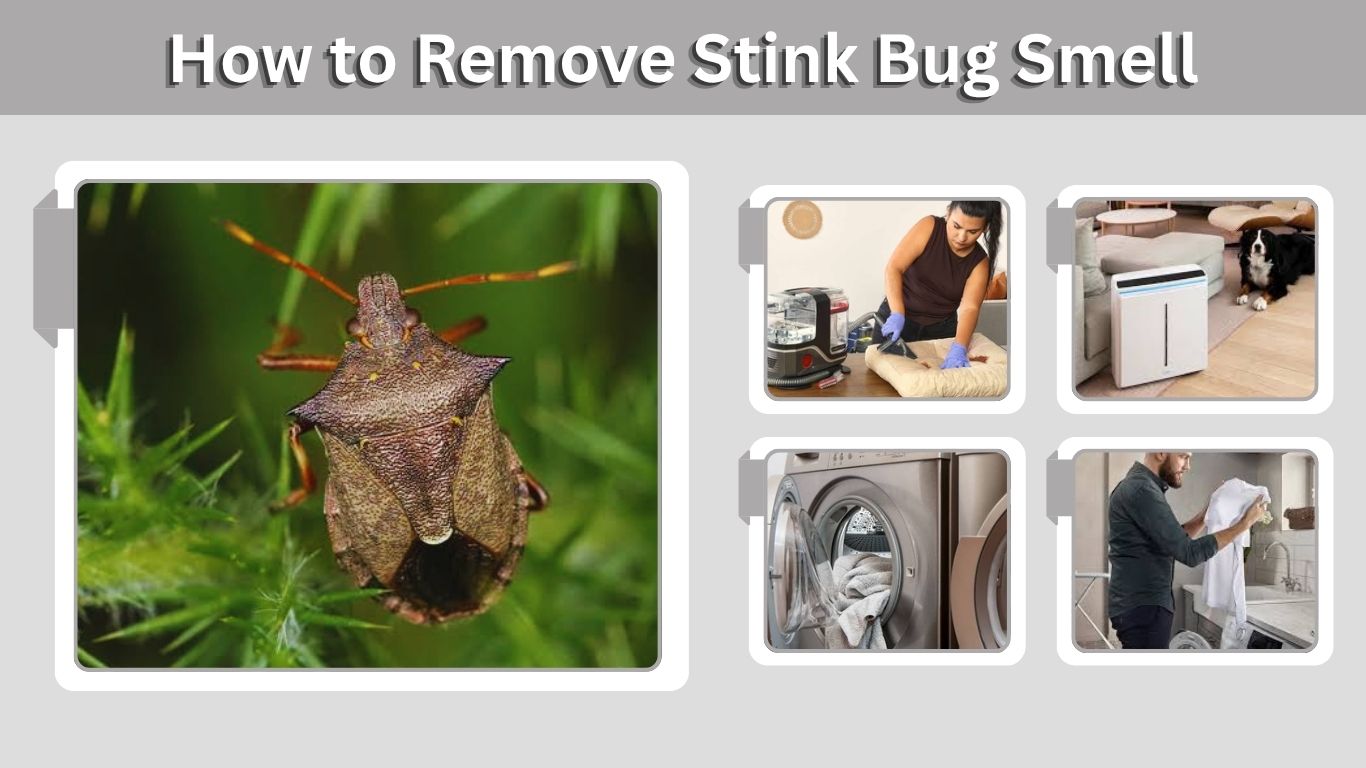
Stink bugs release a strong, unpleasant odor when they feel threatened or are crushed. The smell can cling to hands, clothing, furniture, curtains, carpets, and other household surfaces, sometimes lingering even after the insect is gone. Fortunately, stink bug odor is usually temporary and can be removed with proper cleaning and ventilation. Simple household products such as soap, baking soda, vinegar, and laundry detergent can help. The best method depends on whether the smell is on your skin, fabric, furniture, or inside a room.
Why Do Stink Bugs Smell So Bad?
Stink bugs produce defensive chemicals in specialized glands located on their bodies. When threatened, handled roughly, or crushed, they release these chemicals to discourage predators. The odor can spread quickly through a room and may remain on surfaces that have come into direct contact with the bug.
What Causes Stink Bug Odor?
The smell comes from volatile defensive compounds released by the insect. People describe the odor in different ways, including:
- Strong herbs
- Cilantro
- Burnt rubber
- Sulfur-like odors
- Musty chemicals
- Rotten vegetation
The exact perception varies from person to person.
How Long Does a Stink Bug Smell Last?
A mild odor in a ventilated room may disappear within several hours. Strong smells caused by crushing a bug on fabric or furniture can remain for a day or longer.
How long the smell lasts depends on ventilation, the amount of secretion released, and the material it touched.
How to Remove Stink Bug Smell From Your House
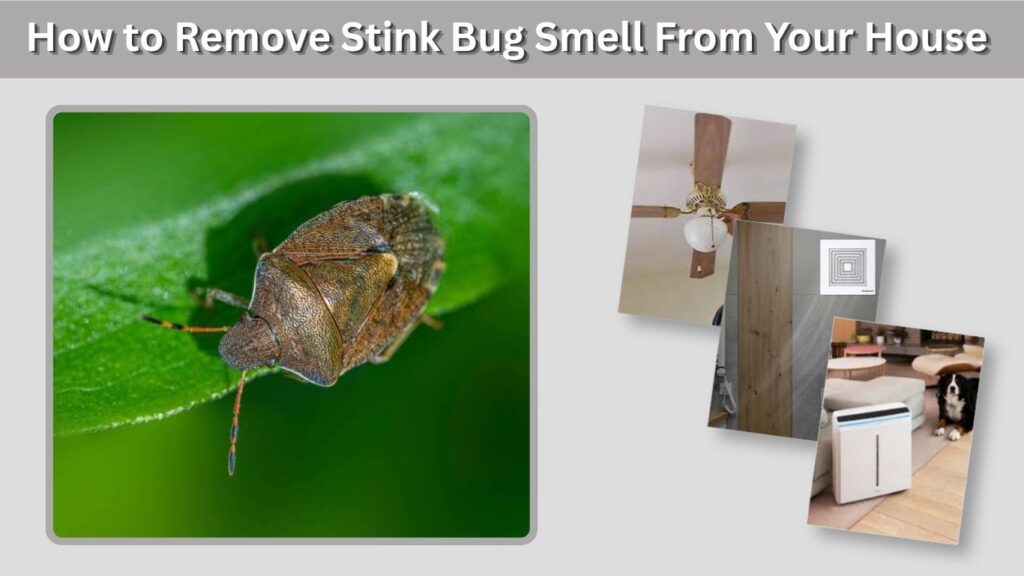
Removing stink bug smell from a room usually requires both eliminating the source and increasing airflow. Avoid crushing additional bugs during removal because that can make the odor worse.
Ventilate the Room
Start by opening windows and doors when weather allows.
You can also:
- Turn on ceiling fans.
- Use exhaust fans.
- Run an air purifier.
- Open windows on opposite sides of the room.
- Move affected objects outdoors temporarily.
Fresh airflow helps disperse odor-producing compounds much faster.
Clean the Affected Surface
If you know where the stink bug released its odor, clean that area promptly.
For washable hard surfaces, use warm water mixed with a small amount of dish soap. Wipe the area thoroughly and then dry it.
For stubborn odor, a diluted vinegar cleaning solution may help on surfaces that can safely tolerate vinegar. Always test an inconspicuous area first.
Use Baking Soda for Lingering Odors
Baking soda can help absorb odors from carpets, upholstery, and similar materials.
Lightly sprinkle baking soda over the affected area, allow it to remain for several hours, and then vacuum it thoroughly.
Avoid applying powders to delicate materials without checking the manufacturer’s cleaning instructions.
How to Remove Stink Bug Smell From Skin
Stink bug secretions sometimes get onto your hands when you accidentally pick up or crush one. The odor may remain even after quickly rinsing with water because the chemicals can cling to skin oils.
Wash With Soap and Warm Water
Start with ordinary hand soap or dishwashing liquid.
Follow these steps:
- Wet your hands with warm water.
- Apply soap generously.
- Rub your hands together for at least 20 seconds.
- Clean between your fingers and around your nails.
- Rinse thoroughly.
- Repeat if necessary.
Dish soap can be particularly useful because it helps remove oily residues from the skin.
Try Baking Soda and Water
If regular soap does not remove the smell completely, make a mild paste using baking soda and water.
Gently rub it onto your hands for a short period before rinsing thoroughly.
Avoid using this method on irritated, cut, or sensitive skin.
Use Lemon Juice Carefully
A small amount of diluted lemon juice may help neutralize lingering odors.
However, citrus juice can irritate damaged or sensitive skin. Wash your hands afterward and discontinue use if burning or irritation occurs.
How to Remove Stink Bug Smell From Clothes
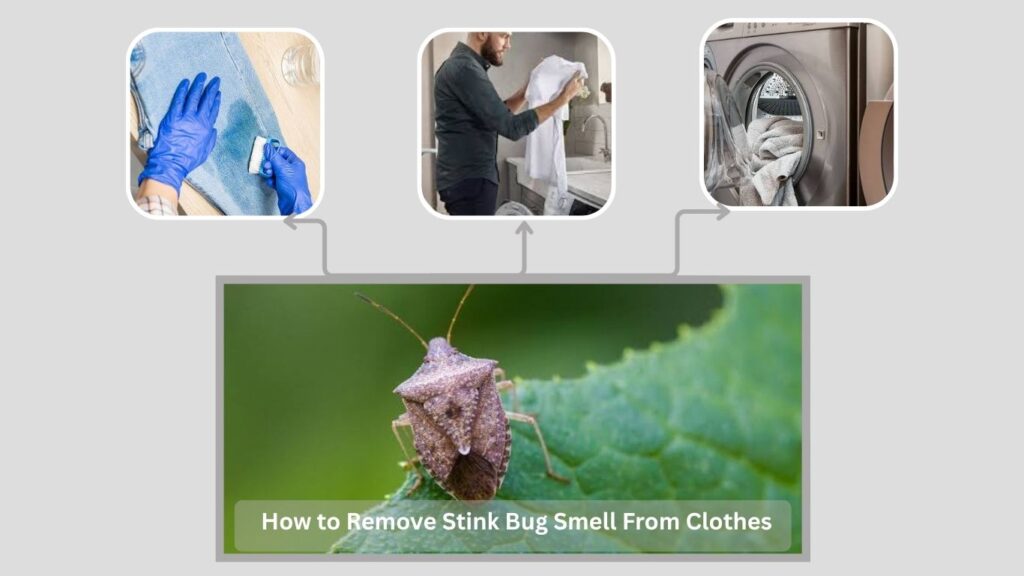
Clothing can absorb stink bug odor quickly, particularly if a bug is crushed inside a shirt, jacket, or pair of pants. Washing the affected garment usually removes the smell.
Wash the Clothes Normally
Check the care label first. For washable clothing:
- Pretreat the affected area with laundry detergent.
- Allow the detergent to sit briefly.
- Wash using the warmest water permitted by the fabric label.
- Use normal laundry detergent.
- Air-dry the garment until you know the odor is gone.
Avoid putting strongly affected clothing into a dryer immediately because heat can sometimes make persistent odors harder to remove.
Use Baking Soda in the Wash
For stronger odors, baking soda may be added to the wash according to the washing machine and clothing manufacturer’s recommendations.
An additional rinse cycle can also help remove remaining residue.
What About Delicate Clothes?
Silk, wool, leather, and dry-clean-only clothing require more caution.
Avoid experimenting with vinegar, baking soda, or strong cleaning agents. A professional cleaner may be the safer option for valuable or delicate garments.
How to Remove Stink Bug Smell From Fabric and Furniture
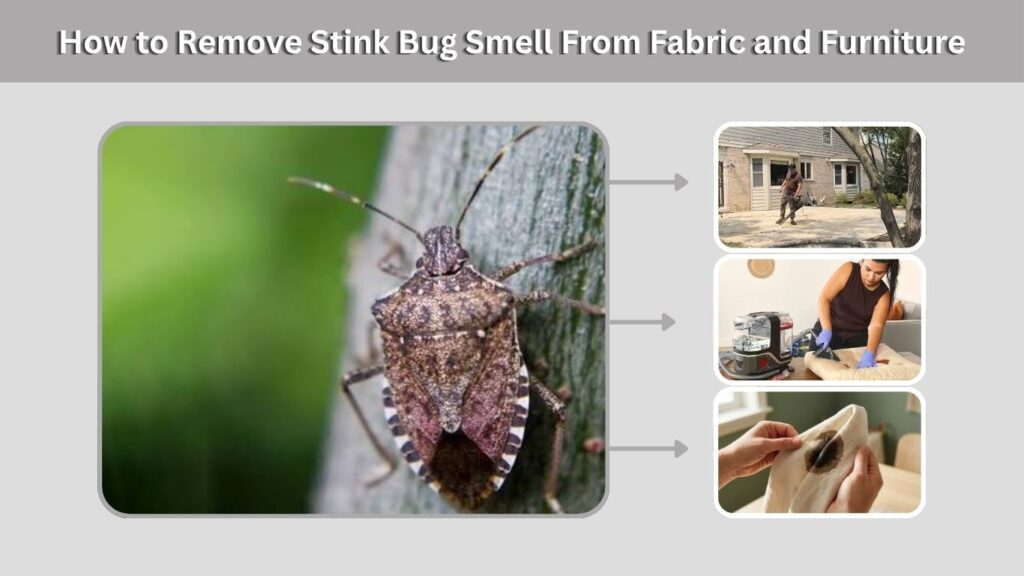
Furniture, carpets, curtains, and bedding may retain stink bug odor if the insect is crushed directly onto them. The cleaning method should match the material.
Upholstered Furniture
First remove any insect remains without crushing them further.
Then:
- Blot the affected spot rather than rubbing.
- Use an upholstery-safe cleaner.
- Allow the area to dry completely.
- Increase ventilation.
- Sprinkle baking soda afterward if the fabric permits.
Vacuum the baking soda after several hours.
Carpets and Rugs
For carpet, remove the stink bug carefully and clean the affected area with a carpet-safe solution.
Blot up excess moisture and allow the carpet to dry. Baking soda can then be used to absorb residual odor before vacuuming.
Curtains and Bedding
Wash machine-safe curtains, sheets, pillowcases, and blankets according to their care instructions.
Items that cannot be washed may benefit from airing outside in a shaded, well-ventilated location.
How to Remove Stink Bug Stains
Stink bugs can occasionally leave brownish or yellowish marks when crushed. These stains may appear on walls, fabric, or even skin.
Removing Stains From Hard Surfaces
Try:
- Warm water
- Mild dish soap
- A soft microfiber cloth
- A surface-safe household cleaner
Avoid aggressive scrubbing because it may damage paint or finishes.
Removing Stains From Fabric
Pretreat the spot with a fabric-safe stain remover or liquid laundry detergent before washing.
Do not dry the garment until the stain has disappeared because dryer heat can make some stains more difficult to remove.
Stink Bug Stains on Skin
Wash your skin thoroughly with soap and water. Temporary discoloration usually fades with repeated washing.
Avoid harsh chemicals such as bleach, ammonia, or strong household cleaners on your skin.
How to Remove Stink Bugs Without Creating Smell
The easiest way to avoid stink bug odor is to remove the insects without crushing them. Stink bugs usually release the strongest smell when squeezed, injured, or threatened.
Use a Cup and Paper
A simple method is:
- Place a cup over the stink bug.
- Slide a piece of paper underneath.
- Carry the insect outside.
- Release it away from the entrance.
This method works particularly well for a single bug on a wall or window.
Use Soapy Water
If there are several stink bugs, gently collect them into a container containing soapy water.
This avoids crushing them against floors or walls and helps contain the insects.
Vacuum Carefully
A vacuum can remove larger numbers quickly, but stink bug odor may remain inside the vacuum.
Disposable vacuum bags can be removed and discarded afterward. If using a reusable vacuum container, empty and clean it promptly.
How to Keep Stink Bugs From Coming Back
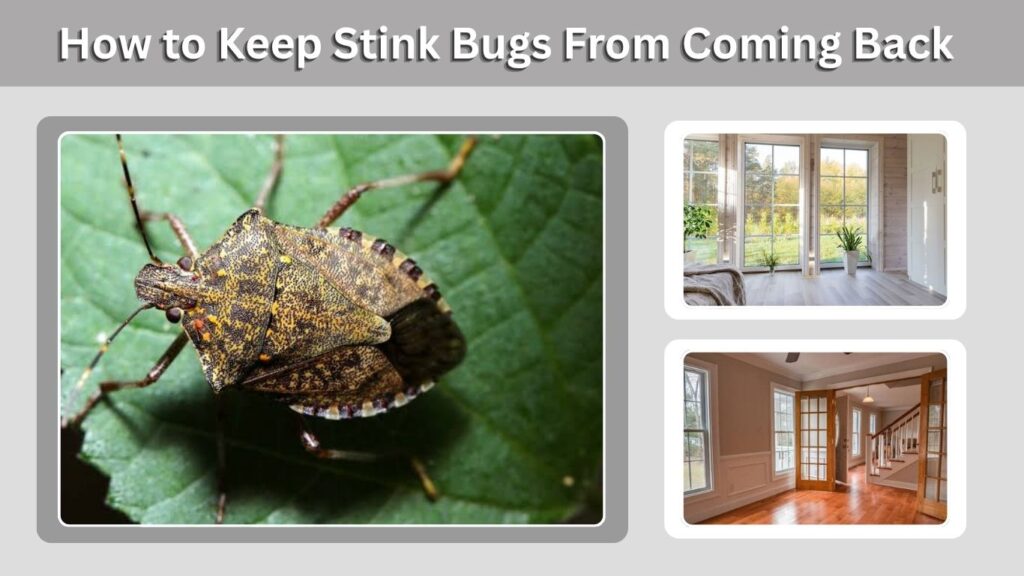
Repeated stink bug problems usually occur because insects are entering through small openings around a home. Preventing entry is often more effective than repeatedly removing individual insects.
Seal Common Entry Points
Inspect areas such as:
- Window frames
- Door frames
- Attic vents
- Rooflines
- Siding
- Utility openings
- Air-conditioning lines
- Damaged screens
- Foundation cracks
Seal appropriate openings with caulk, weather stripping, screens, or other suitable materials.
Avoid Crushing Stink Bugs Indoors
Crushing them may create stains and odor without doing anything to prevent additional bugs from entering.
Use physical removal instead whenever possible.
Can Exterminators Remove Stink Bugs?
Professional pest-control companies can help when large numbers of stink bugs repeatedly enter a building. Treatment is often most effective when focused on exterior prevention before the insects begin overwintering.
A professional may inspect the structure, identify entry points, recommend exclusion measures, and use appropriately labeled treatments when necessary.
Indoor spraying alone may not solve the problem because stink bugs can remain hidden inside wall cavities and other inaccessible spaces.
FAQs
What is the fastest way to remove the stink bug smell?
Remove the insect or contaminated material, open windows, increase ventilation, and wash affected surfaces with mild soap and water. Baking soda may help absorb lingering odor from fabrics or carpets.
How do you remove stink bug smell from your hands?
Wash thoroughly with warm water and dish soap. If odor remains, a mild baking soda-and-water paste can help remove lingering residue.
Does stink bug smell come out of clothes?
Yes. Most stink bug odor can be removed by pretreating the affected area and washing the garment according to its care label. Air-drying first can help confirm that the smell is gone.
Should you crush a stink bug in your house?
It is better not to. Crushing a stink bug can release defensive chemicals that create a stronger odor and may leave stains on walls, furniture, or clothing.
Can an exterminator get rid of stink bugs?
Yes. Pest-control professionals can help manage significant stink bug problems, especially by treating exterior areas and identifying entry points. Sealing cracks and openings remains an important part of long-term control.