
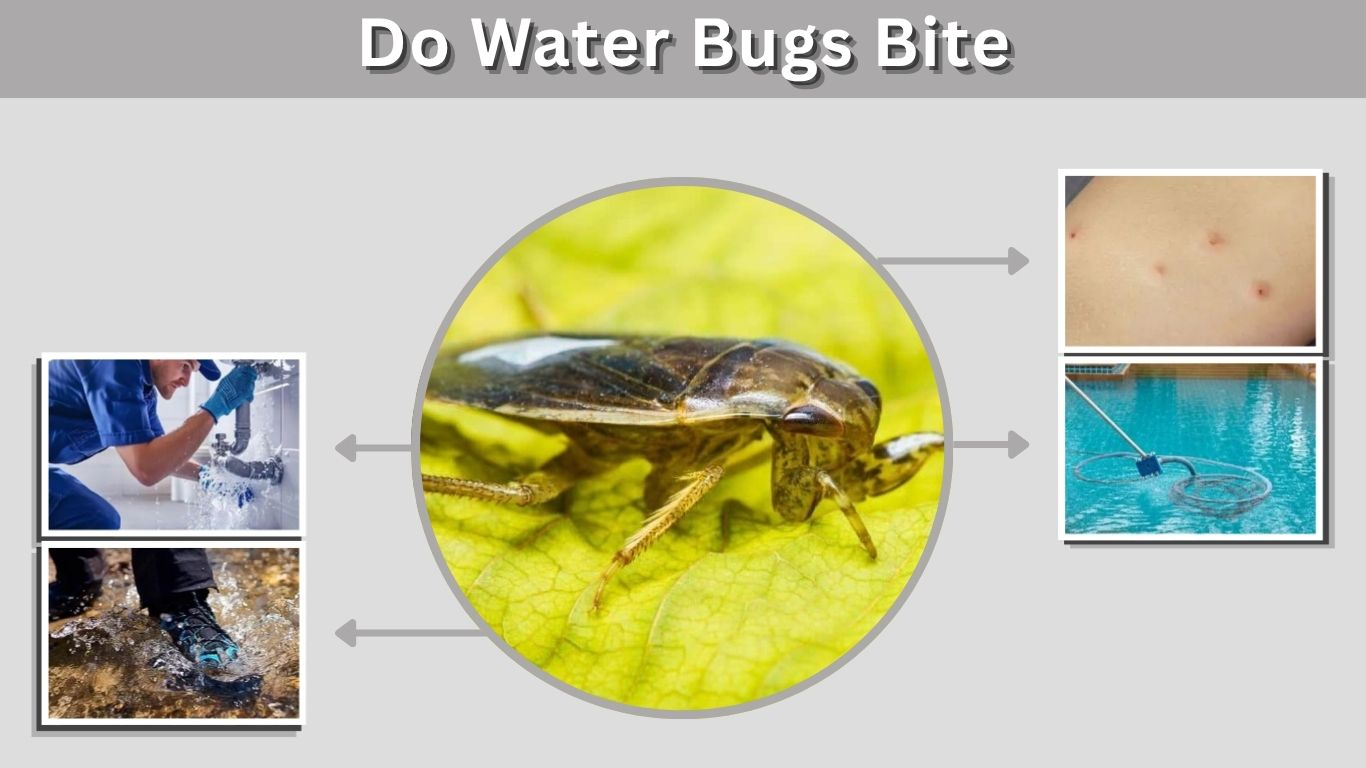
Water bugs can bite, but the answer depends on what kind of “water bug” you mean. Some insects called water bugs are true aquatic predators, while others are household roaches that people casually call water bugs. Giant water bugs and backswimmers can deliver painful bites if handled or threatened, but most bites are not life-threatening. Knowing the difference helps you respond safely.
What People Mean by Water Bugs
The name water bug is often used for different insects, which creates confusion. In homes, people may use it to describe large cockroaches. Around ponds, lakes, and pools, it may refer to true aquatic insects such as giant water bugs, water boatmen, or backswimmers.
That distinction matters because not all of them bite people in the same way.
True Water Bugs
True water bugs live in or near water. Many have piercing mouthparts used to feed on small fish, tadpoles, insects, or other aquatic prey. They are not looking for humans, but some can bite defensively when touched.
Common examples include:
- Giant water bugs
- Backswimmers
- Water boatmen
- Water scorpions
- Toe-biters
Household “Water Bugs”
In many homes, the term water bug refers to large cockroaches, especially American or oriental cockroaches. These pests like damp areas such as basements, drains, bathrooms, kitchens, and crawl spaces.
Roaches can technically nibble at skin in rare situations, but they are not typical biting insects. The bigger concern with roach-like water bugs is contamination, allergens, and infestation rather than painful bites.
Do Water Bugs Bite Humans?
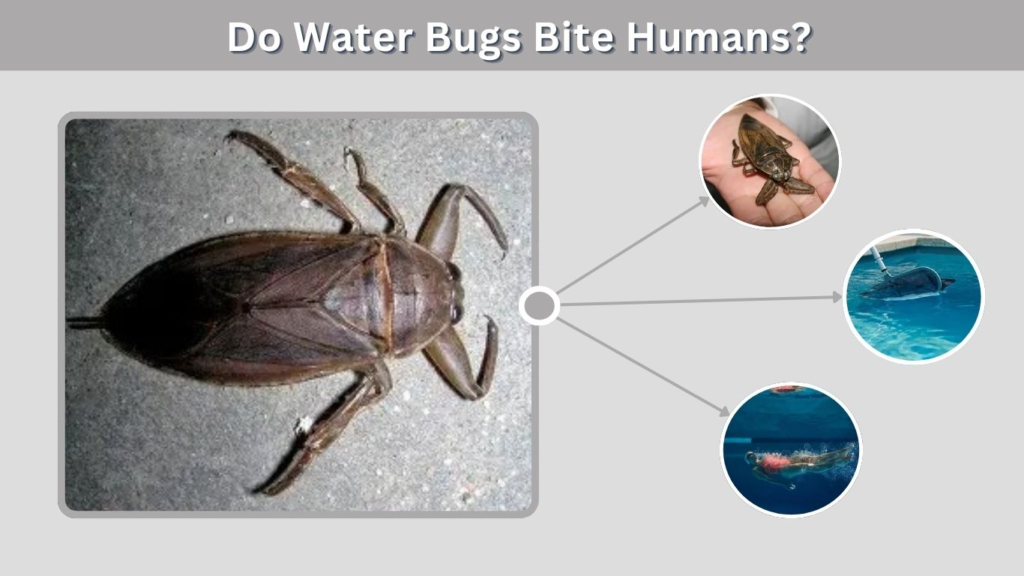
Yes, some water bugs can bite humans. Giant water bugs and backswimmers are the main types known for painful defensive bites. They usually bite when a person grabs them, steps on them, or accidentally traps them against the skin.
Water bugs do not bite because they want human blood. They are not like mosquitoes, bed bugs, or fleas. Their bite is usually a defense response or a mistake during contact.
Why Water Bugs Bite
A water bug may bite when it feels threatened. This can happen if someone handles it, swims near it, scoops it from a pool by hand, or walks barefoot in shallow water.
Common situations include:
- Picking up a water bug without gloves
- Swimming in a pool with backswimmers
- Stepping near aquatic insects in ponds or lakes
- Handling pool debris with bare hands
- Children touching insects out of curiosity
Most bites are accidental and preventable.
What Does a Water Bug Bite Feel Like?
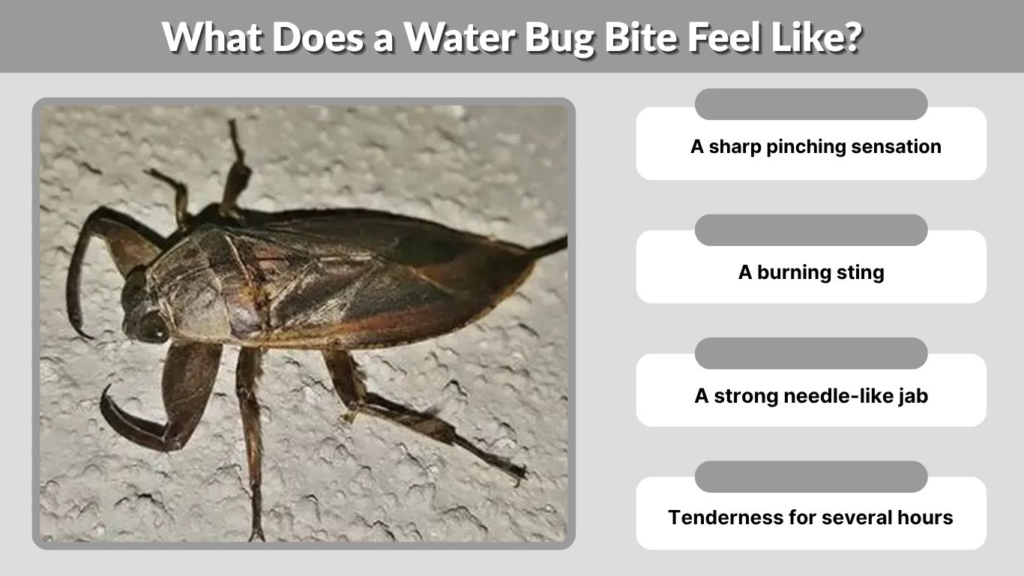
A water bug bite can feel sharp, sudden, and burning. Giant water bugs are sometimes called toe-biters because they can bite feet or toes in shallow water. Their bite is usually more painful than dangerous.
The pain may feel like:
- A sharp pinching sensation
- A burning sting
- A strong needle-like jab
- Throbbing around the bite
- Tenderness for several hours
Giant water bugs use piercing mouthparts to inject digestive saliva into prey. When this happens to a person, it can cause intense local pain. Backswimmer bites are usually milder, but many people compare them to a bee sting.
What Do Water Bug Bites Look Like?
A water bug bite may look like a small red mark, a swollen bump, or a tender puncture spot. The appearance depends on the insect, the person’s skin reaction, and whether the bite was scratched or irritated.
Most bites stay localized and improve with basic care.
| Bite Feature | What You May Notice |
| Pain | Sharp, burning, or stinging pain soon after contact |
| Redness | Mild to moderate redness around the bite |
| Swelling | Small raised bump or localized swelling |
| Itching | Possible, but pain is often more noticeable |
| Blistering | Less common, but possible with irritation or sensitivity |
| Infection signs | Spreading redness, warmth, pus, fever, or worsening pain |
A bite that keeps spreading, becomes hot, drains fluid, or causes fever should be checked by a healthcare professional.
Do Giant Water Bugs Bite?
Yes, giant water bugs can bite. They are among the most painful aquatic insects people may encounter. These insects are large, predatory, and equipped with strong front legs and piercing mouthparts.
They do not chase humans, but they can bite if picked up or pressed against the skin. Their bite can be intense because they are built to subdue prey in water.
Are Giant Water Bug Bites Dangerous?
For most people, a giant water bug bite is painful but not medically serious. The pain may be strong at first and then gradually fade. Swelling, redness, and tenderness can last longer than the sharp initial pain.
However, any bite can become a problem if the skin is broken and bacteria enter. People with strong allergic reactions, immune system concerns, or worsening symptoms should be more cautious.
Do Water Boatmen Bugs Bite?
True water boatmen usually do not bite humans. They are often confused with backswimmers, which can bite. This confusion is common because both insects may appear in pools and both have long legs used for swimming.
Water boatmen usually swim right-side up and feed on algae or tiny organic material. Backswimmers often swim upside down and are predators. Backswimmers are more likely to bite if handled.
Water Boatmen vs Backswimmers
Water boatmen are generally less concerning. Backswimmers are the insects more often linked with painful pool bites.
To reduce confusion:
- Water boatmen usually swim belly-down.
- Backswimmers often swim upside down.
- Water boatmen are less likely to bite.
- Backswimmers are predatory and can bite.
- Both may enter swimming pools, especially when algae or small prey are present.
If someone says a “water boatman” bit them, it may have actually been a backswimmer.
Do Pool Water Bugs Bite?
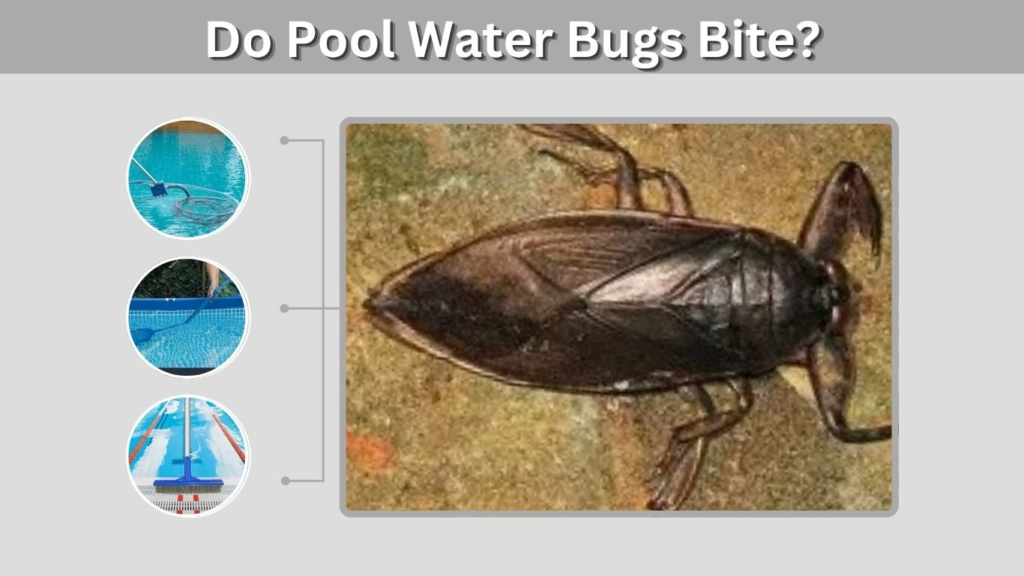
Some pool water bugs can bite, especially backswimmers. Pools attract aquatic insects when the water has algae, organic debris, or other small insects for them to feed on. Lights around pools at night may also draw flying aquatic bugs.
If you see bugs in your pool, avoid grabbing them with bare hands. Use a skimmer net instead.
How to Reduce Water Bugs in a Pool
Pool bugs usually show up because the pool environment gives them food or shelter. Keeping the water clean makes the pool less attractive.
Helpful steps include:
- Skim insects and debris daily.
- Brush pool walls and steps.
- Vacuum the pool regularly.
- Keep chlorine and pH balanced.
- Remove algae quickly.
- Limit unnecessary bright lights near the pool at night.
- Use a pool cover when the pool is not in use.
Getting rid of algae can also reduce water boatmen, which may reduce backswimmers because backswimmers feed on other small aquatic creatures.
Do Water Bugs Bite in the House?
If you see a “water bug” in the house, it is probably a cockroach rather than a true aquatic bug. These insects prefer damp, dark spaces and may enter homes through drains, gaps, basements, or utility areas.
Household water bugs are not known for common painful bites. Still, they are a sanitation concern. They can move across dirty surfaces, contaminate food areas, and trigger allergies in some people.
Why They Enter Homes
Roach-like water bugs enter homes because they need moisture, food, and shelter. Damp indoor spaces are especially attractive.
They may be found near:
- Kitchen sinks
- Bathroom drains
- Laundry rooms
- Basements
- Crawl spaces
- Garbage areas
- Leaky pipes
- Floor drains
If you regularly see them indoors, the issue is likely moisture, entry points, or a food source.
How to Treat a Water Bug Bite
Most water bug bites can be treated at home with simple first aid. The goal is to clean the area, reduce pain, and watch for signs of infection or allergic reaction.
Basic Bite Care
Start with gentle care and avoid scratching the bite.
Steps to follow:
- Wash the area with soap and clean water.
- Apply a cold compress for 10 to 20 minutes.
- Keep the bite clean and dry.
- Avoid scratching or squeezing the area.
- Use an over-the-counter pain reliever if needed.
- Consider an anti-itch cream if itching develops.
- Monitor the bite for changes over the next day or two.
Do not cut the bite, apply harsh chemicals, or use extreme heat. These can irritate the skin and make the problem worse.
When to See a Doctor
Most water bug bites improve without medical treatment. Still, some symptoms need medical attention. A bite can become infected, or a person may have a stronger reaction than expected.
Seek medical advice if you notice:
- Redness that keeps spreading
- Increasing swelling or warmth
- Pus or drainage
- Fever or chills
- Severe pain that does not improve
- Numbness or skin discoloration
- Blisters that worsen
- A bite near the eye, mouth, or sensitive area
Get emergency help if the person has trouble breathing, throat swelling, dizziness, fainting, rapid heartbeat, or widespread hives. These symptoms may suggest a serious allergic reaction.
How to Prevent Water Bug Bites
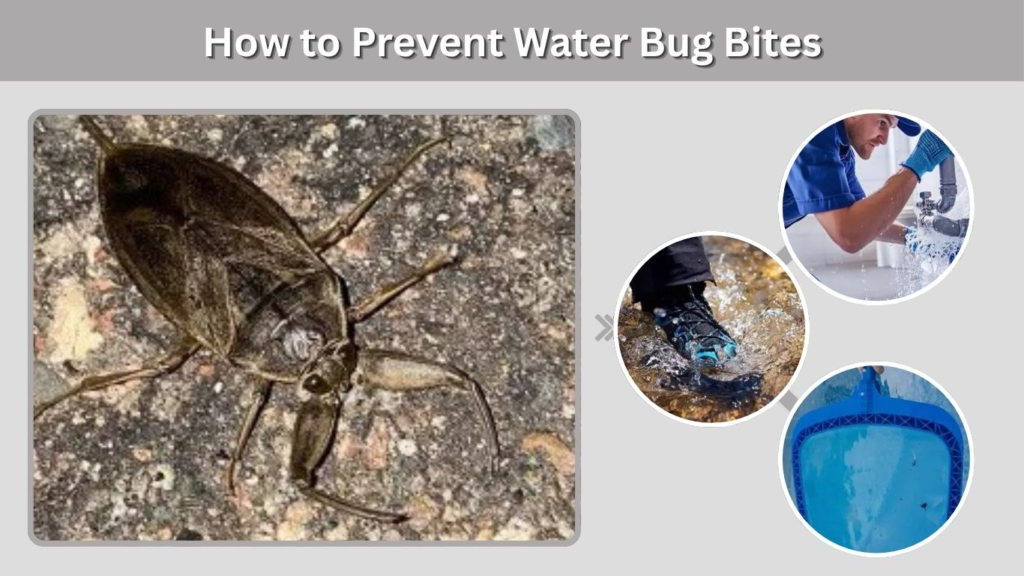
The best way to prevent water bug bites is to avoid handling unknown insects, especially around pools, ponds, lakes, and damp outdoor areas. Most bites happen when people touch or disturb the insect.
Outdoor Prevention Tips
When spending time near water, be careful with aquatic insects.
Helpful habits include:
- Wear water shoes in ponds or shallow lake edges.
- Do not pick up large aquatic insects.
- Teach children not to handle bugs near water.
- Use a skimmer net for pool insects.
- Shake out towels, pool toys, and shoes.
- Wear gloves when cleaning pond or pool debris.
- Keep outdoor lights away from pool edges when possible.
Indoor Prevention Tips
For roach-like water bugs inside the house, prevention is mostly about moisture control and sanitation.
You can reduce indoor problems by:
- Fixing plumbing leaks
- Sealing cracks and gaps
- Cleaning food crumbs quickly
- Taking out trash regularly
- Drying damp areas
- Using drain covers where needed
- Storing food in sealed containers
- Reducing clutter in basements and storage areas
If the problem continues, professional pest control may be needed.
Water Bug Bite or Bed Bug Bite?
Water bug bites and bed bug bites are different. Water bug bites usually happen after direct contact with an aquatic insect. Bed bug bites often appear after sleeping and may show up in clusters or lines.
Water bug bites are often more immediately painful. Bed bug bites are usually itchier and may not be noticed right away.
Key Differences
A water bug bite is more likely if you were swimming, cleaning a pool, walking near a pond, or handling a large insect. A bed bug bite is more likely if you wake up with itchy bumps, especially after sleeping in an infested bed or room.
Bed bug bites do not usually contain “water,” although irritated skin can sometimes form small blisters. Blistering can also happen with allergic reactions, scratching, or infection.
FAQs
Do water bugs bite people?
Yes, some water bugs bite people, especially giant water bugs and backswimmers. They do not feed on humans, but they may bite if touched, trapped, or threatened. The bite can be painful and sudden, but it is usually not dangerous for healthy adults when properly cleaned and monitored.
Do water bug bites hurt?
Water bug bites can hurt a lot, especially bites from giant water bugs. Many people describe the pain as sharp, burning, or similar to a strong sting. The worst pain may fade, but tenderness, redness, or swelling can remain for hours or longer depending on the reaction.
What do water bug bites look like?
A water bug bite may look like a small red bump, swollen spot, or tiny puncture mark. Some people develop tenderness, itching, or mild swelling around the area. If the bite becomes hot, spreads, drains pus, or causes fever, it may be infected and should be checked.
Do water bugs bite in pools?
Yes, some pool water bugs can bite. Backswimmers are the most common concern because they are predatory and can bite defensively. Water boatmen are often found in pools too, but they are less likely to bite. Use a pool skimmer instead of removing bugs by hand.
How long do water bug bites last?
Mild water bug bites may feel better within a few hours, though redness or tenderness can last a day or two. A stronger reaction may take longer to calm down. If pain, swelling, or redness gets worse instead of better, contact a healthcare provider for advice.