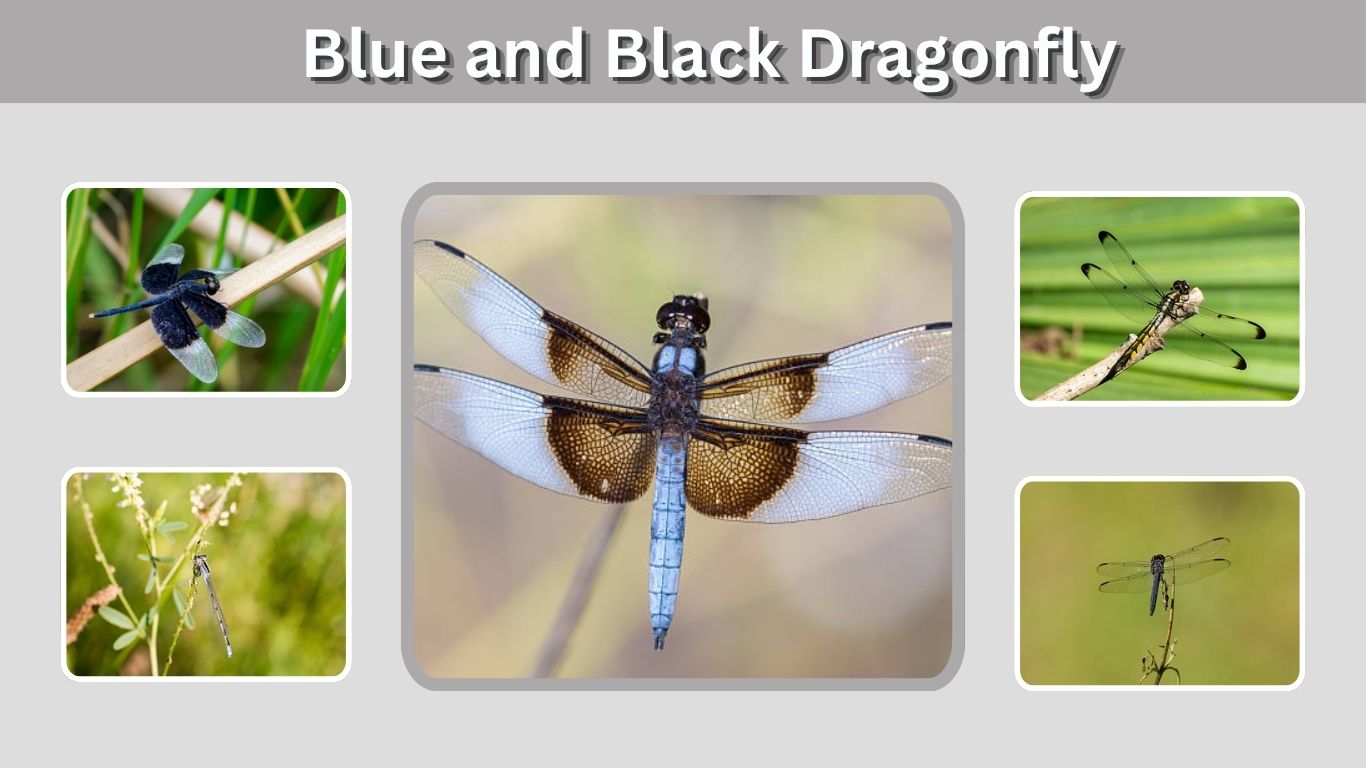
Blue and Black Dragonfly: Identification, Species & Meaning

Blue and Black Dragonfly: Identification, Species & Meaning

A blue and black dragonfly can belong to several different species rather than one specific insect. Some have bright blue bodies with black heads or abdomen tips, while others display dark patches or bands across their wings. Common possibilities include the Blue Corporal, Slaty Skimmer, Blue Dasher, Common Whitetail, and Widow Skimmer. A metallic blue … Read more
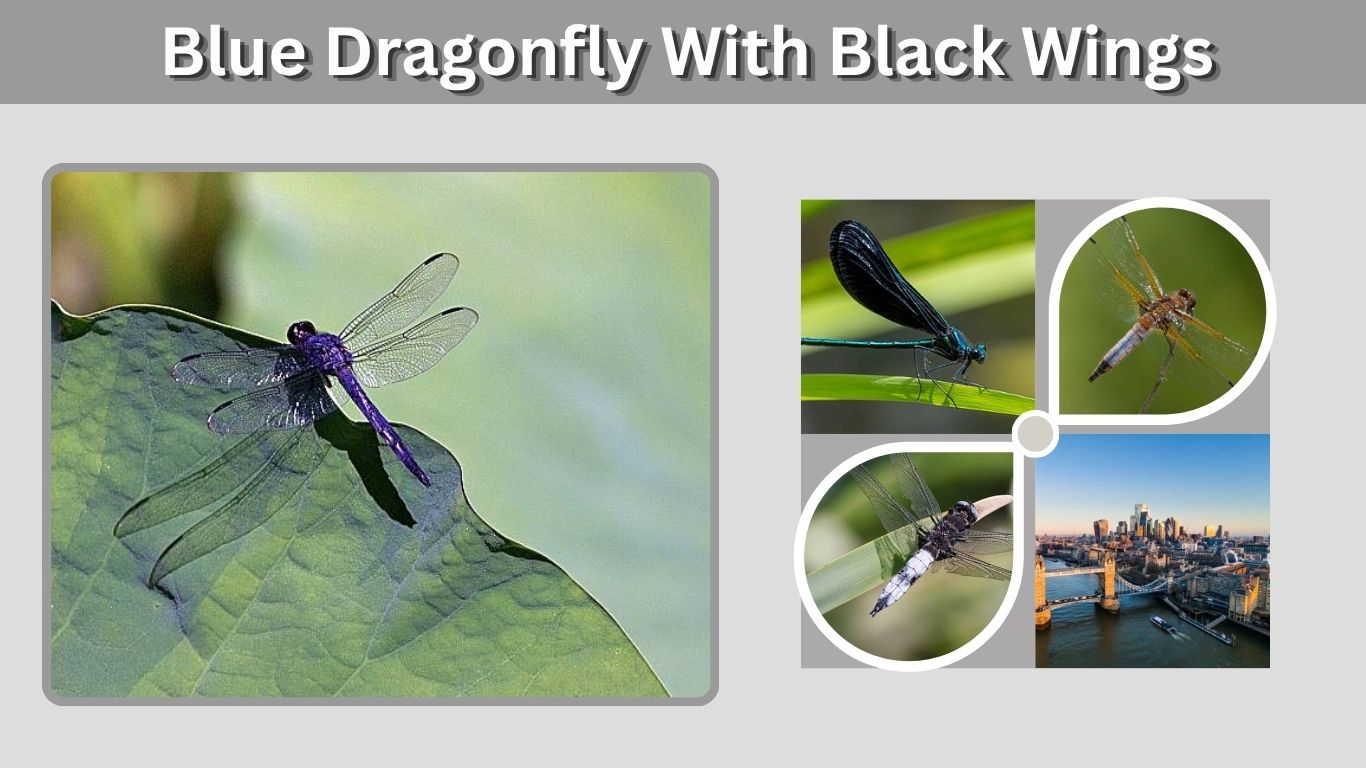
Blue Dragonfly With Black Wings: ID, Species & Facts

Blue Dragonfly With Black Wings: ID, Species & Facts

A blue dragonfly with black wings can be several different insects depending on how much of the wings are, where the black markings occur, and whether the body is bright blue, powder blue, or metallic blue-green. In North America, possibilities include the Common Whitetail, Widow Skimmer, Blue Corporal, and other skimmers. However, an insect with … Read more

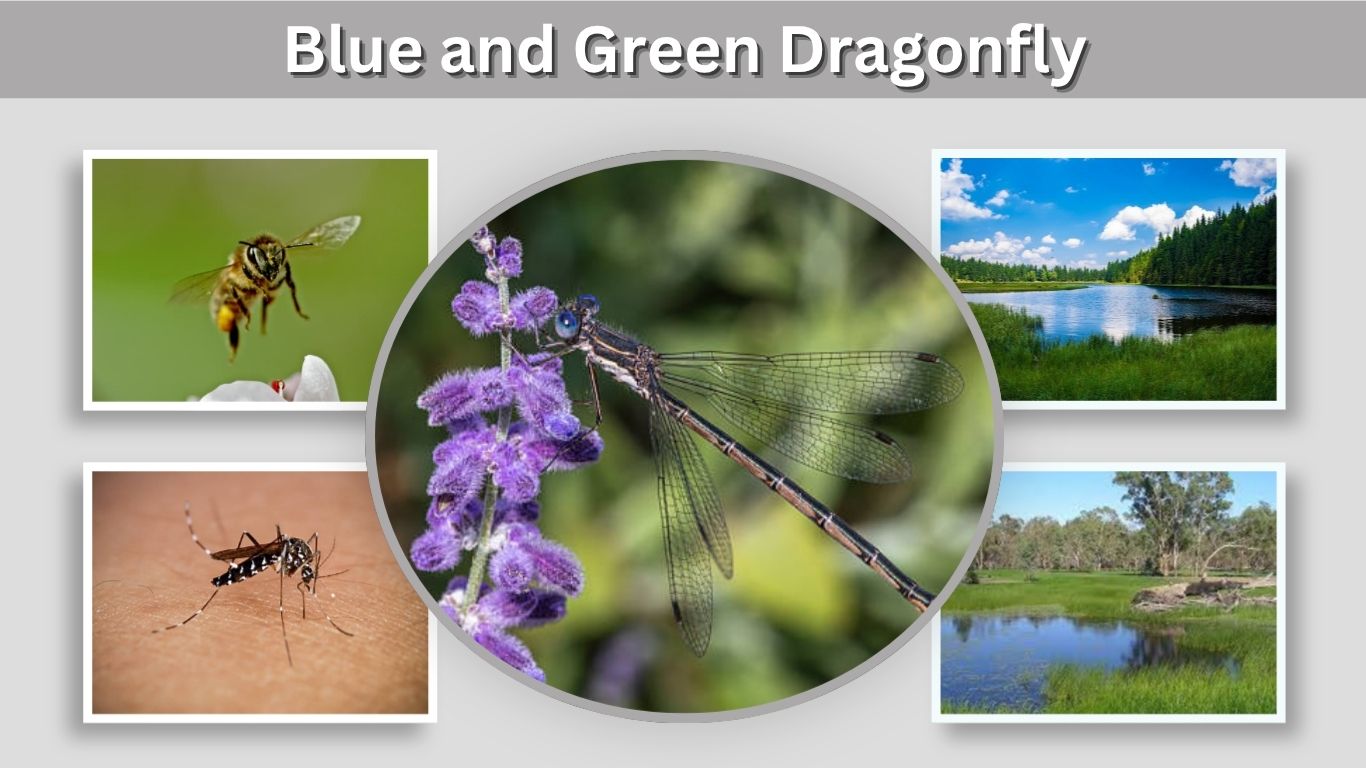
Blue and Green Dragonfly: Identification, Species & Facts

Blue and Green Dragonfly: Identification, Species & Facts

A blue and green dragonfly can refer to several dragonfly species that combine blue, turquoise, emerald green, or yellow-green coloring. In many cases, mature males show the strongest blue coloration, while the thorax, head, eyes, or face may remain green. Large darners are especially well known for this color combination. Common possibilities include the Green … Read more

How Long Do Dragonflies Live? Lifespan From Nymph to Adult

How Long Do Dragonflies Live? Lifespan From Nymph to Adult

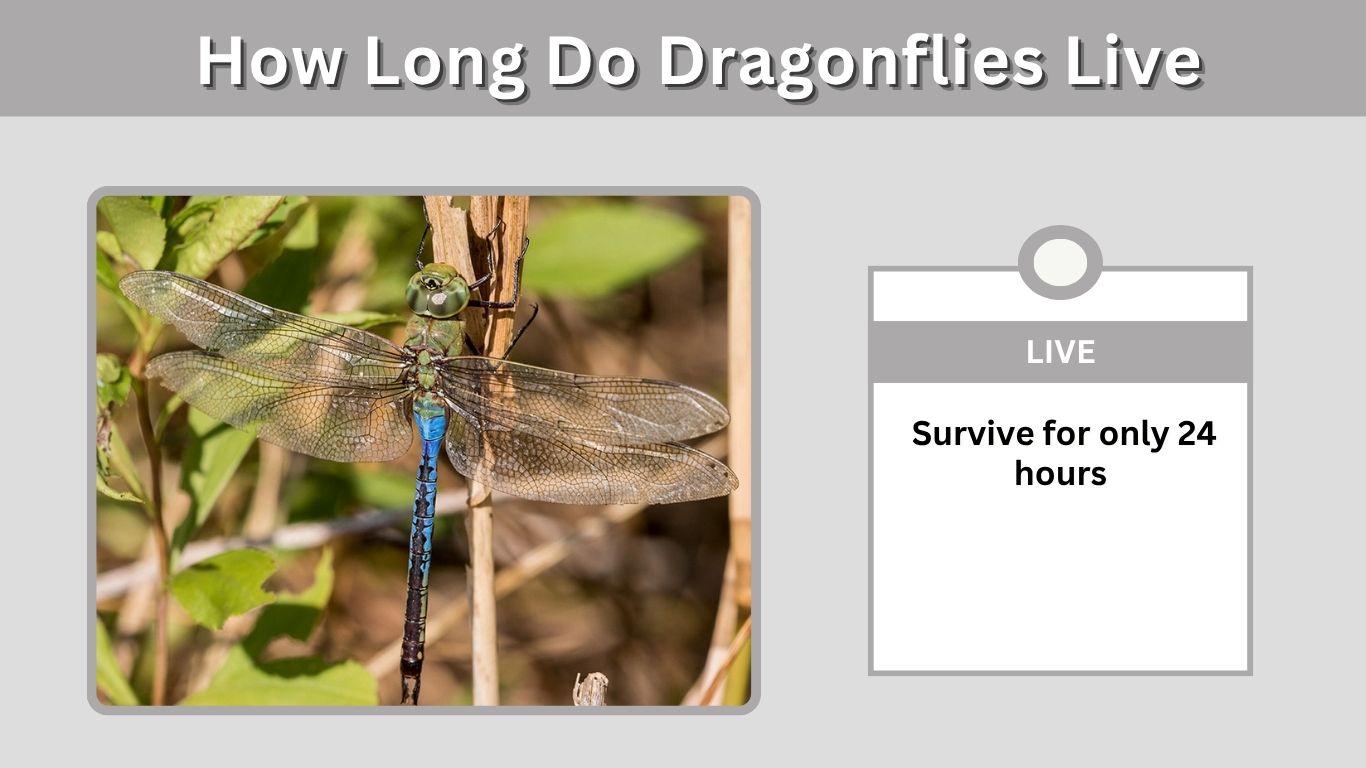
Dragonflies live much longer than the common myth that they survive for only 24 hours. Their total lifespan can range from several months to several years, depending on the species and environment. Most of that time is spent underwater as a dragonfly nymph, where the insect grows, molts, and hunts aquatic prey. The colorful flying … Read more

Common Green Darner Dragonfly: Identification, Size & Facts

Common Green Darner Dragonfly: Identification, Size & Facts

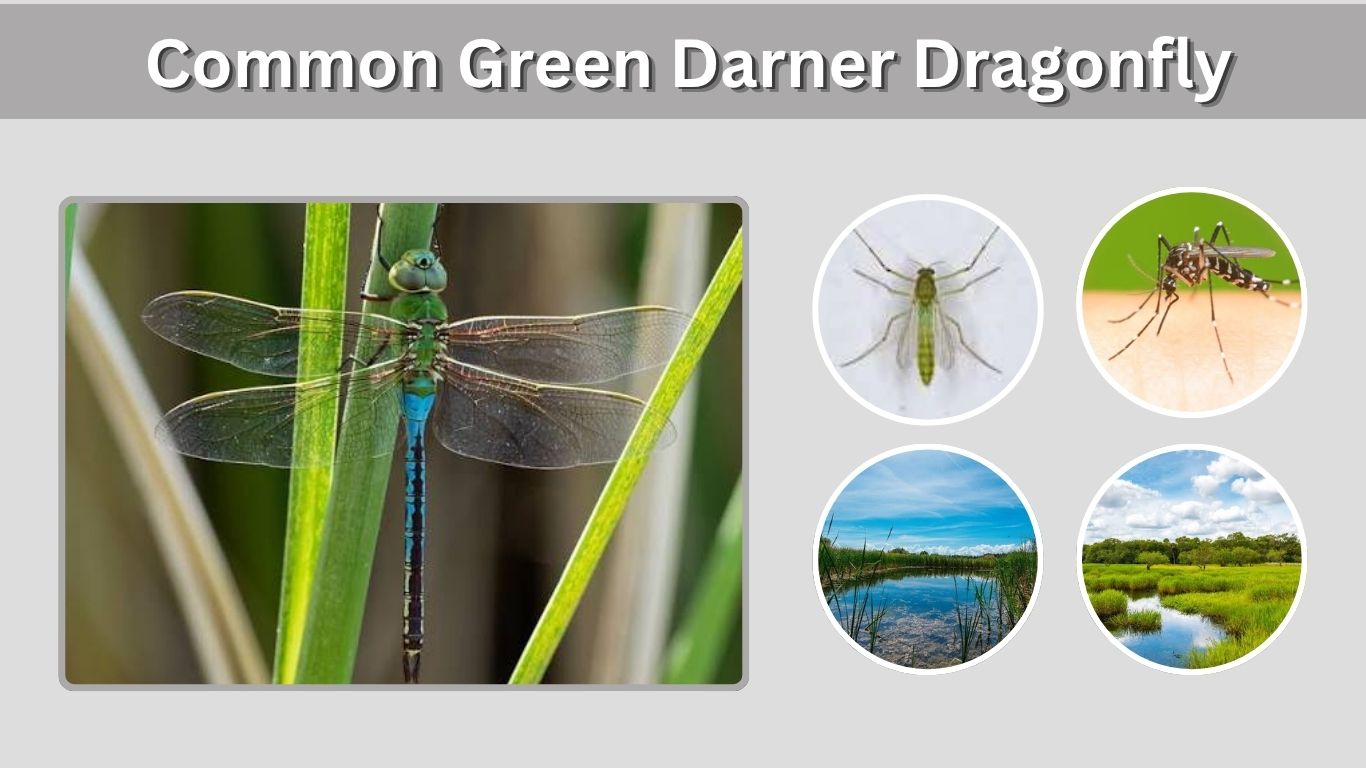
The Common Green Darner (Anax junius) is one of the largest and most recognizable dragonflies in North America. Named for its bright green thorax and long, needle-like abdomen, this powerful flier is often seen around ponds, marshes, lakes, and wetlands. Mature males usually have striking blue abdomens, while females are more often brown, purple, or … Read more

Familiar Bluet: Identification, Habitat, Range & Facts

Familiar Bluet: Identification, Habitat, Range & Facts

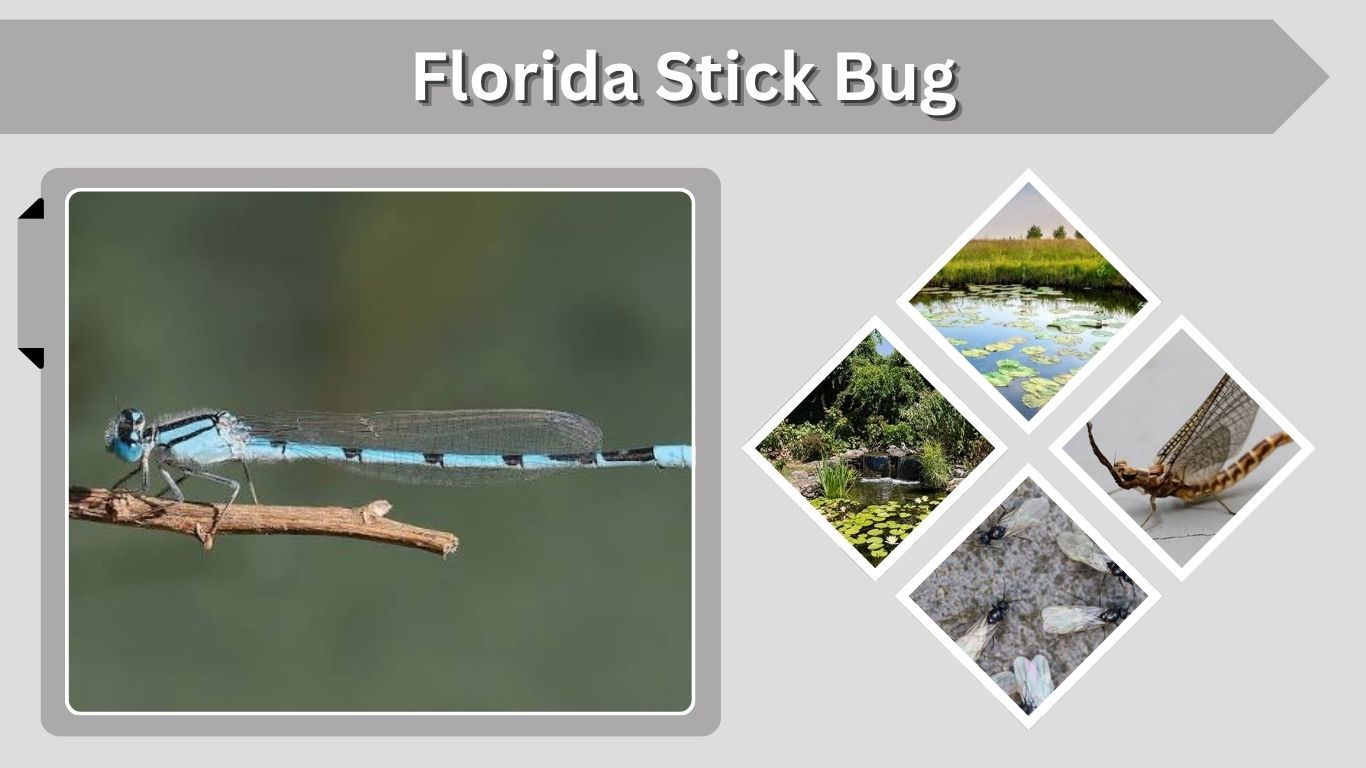
The Familiar Bluet (Enallagma civile) is a small, brightly colored damselfly commonly seen around ponds, lakes, marshes, wetlands, and slow-moving streams. Adult males are especially noticeable because of their vivid blue-and-black bodies, while females may be blue, greenish, tan, or brown. This adaptable species can tolerate a wide variety of aquatic habitats and readily colonizes … Read more

Eastern Pondhawk Dragonfly: Identification and Facts

Eastern Pondhawk Dragonfly: Identification and Facts

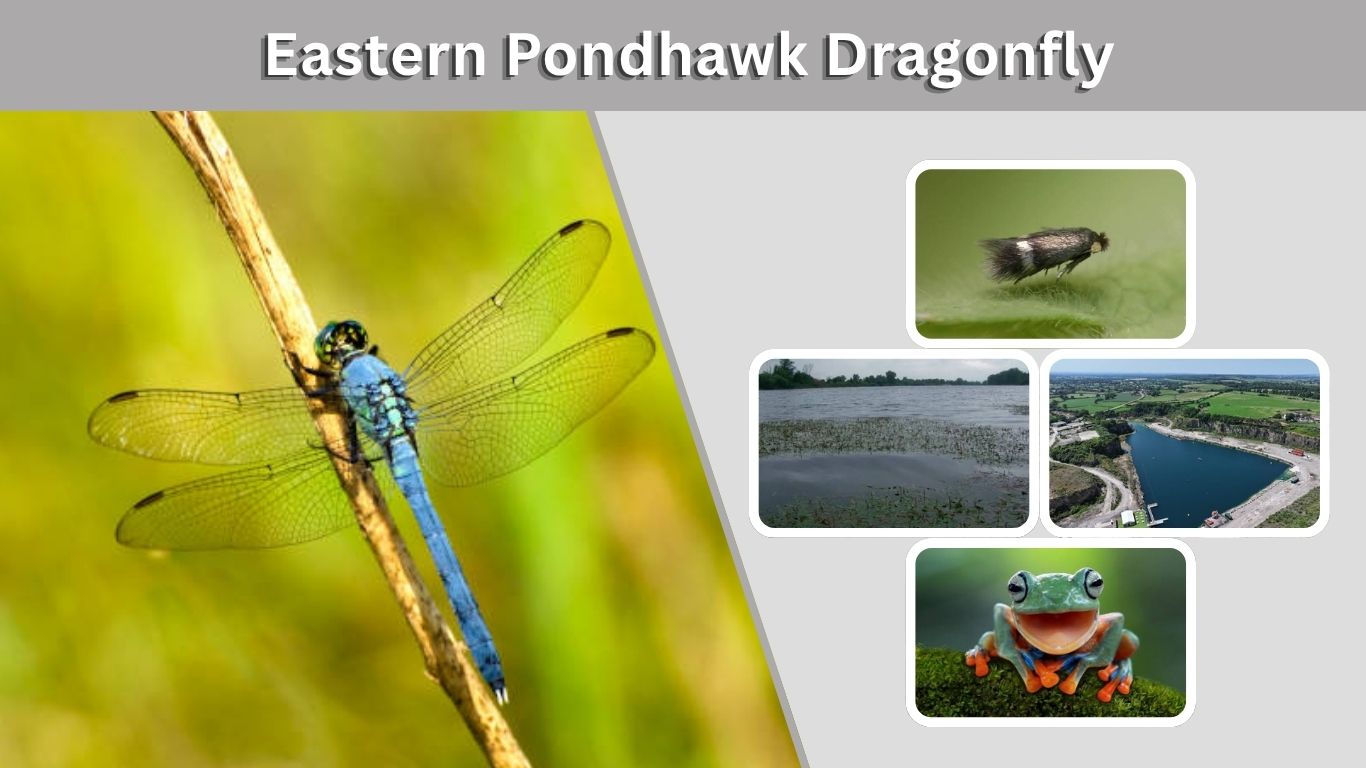
The eastern pondhawk is a powerful, brightly colored dragonfly commonly found around ponds, lakes, marshes, and slow waterways. Mature males are powder blue with a green face, while females and young males are vivid green with bold black abdominal markings. Its scientific name is Erythemis simplicicollis. Although harmless to people, this athletic predator catches flies, … Read more

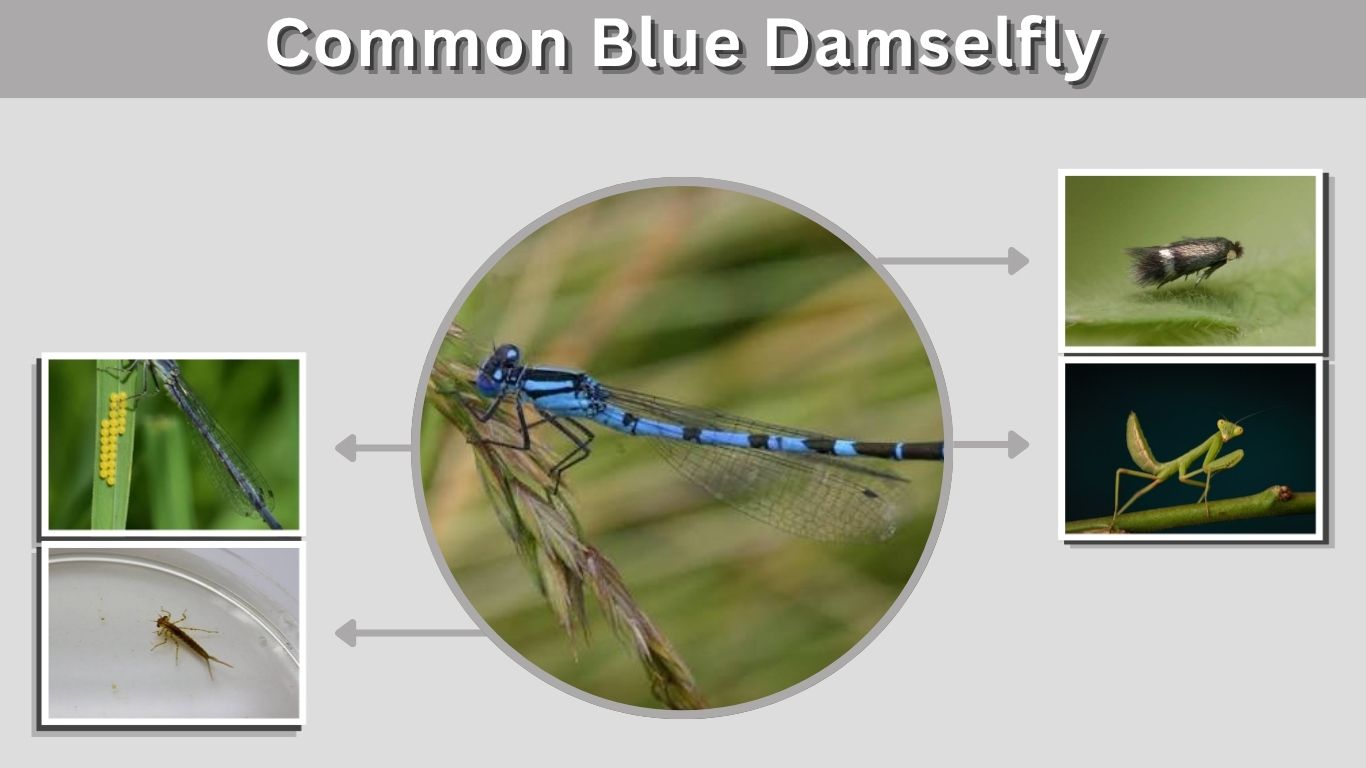
Common Blue Damselfly: Identification, Habitat, and Facts

Common Blue Damselfly: Identification, Habitat, and Facts

The common blue damselfly is a small, slender insect frequently seen around ponds, lakes, canals, and other freshwater habitats. Mature males are easily noticed because of their vivid blue-and-black bodies, while females may be blue or dull green. Its scientific name is Enallagma cyathigerum. Although similar to the azure damselfly, its thicker shoulder stripes and … Read more

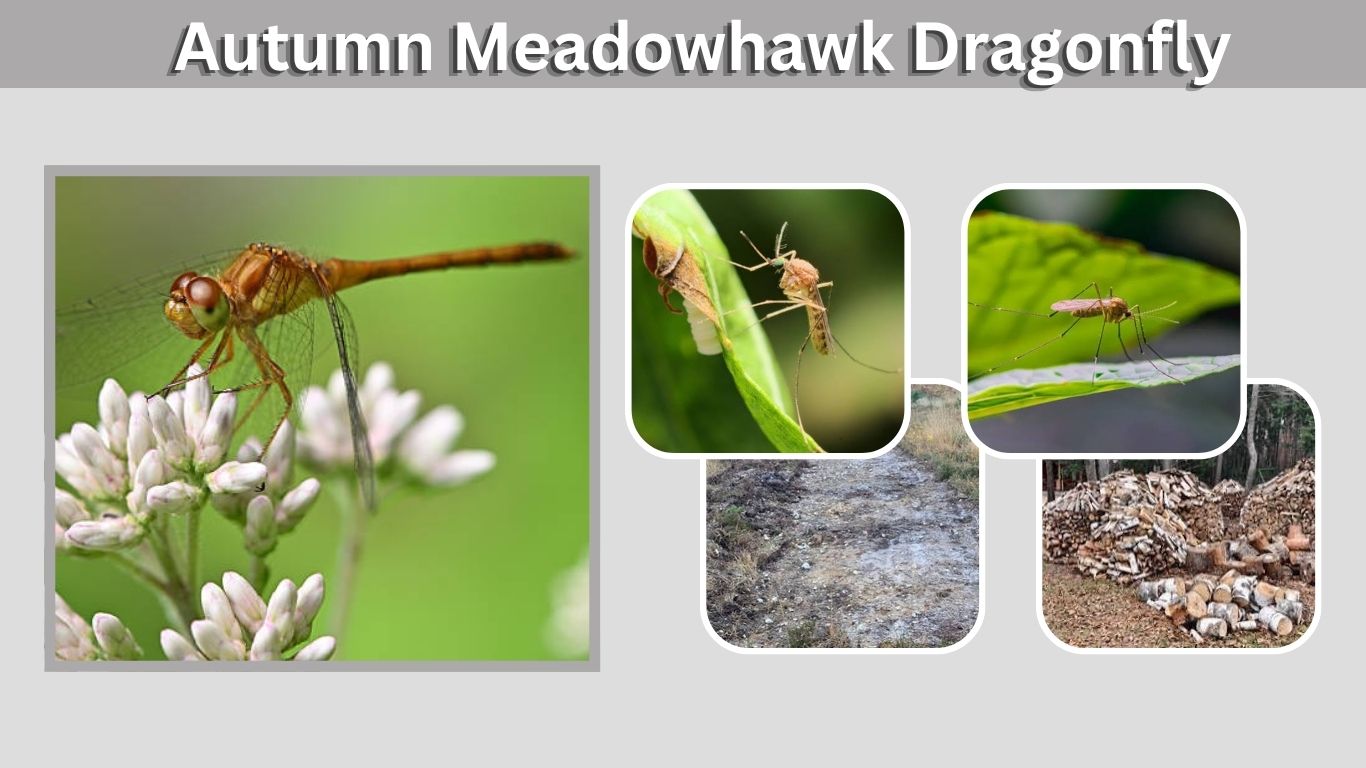
Autumn Meadowhawk Dragonfly: Identification and Facts

Autumn Meadowhawk Dragonfly: Identification and Facts

The autumn meadowhawk is a small North American dragonfly known for remaining active later in the year than most other species. Mature males develop a pale red body, while females and young adults are usually yellow, orange, or reddish brown. Often seen basking on sunny paths, logs, and vegetation near ponds, this cold-tolerant meadowhawk may … Read more

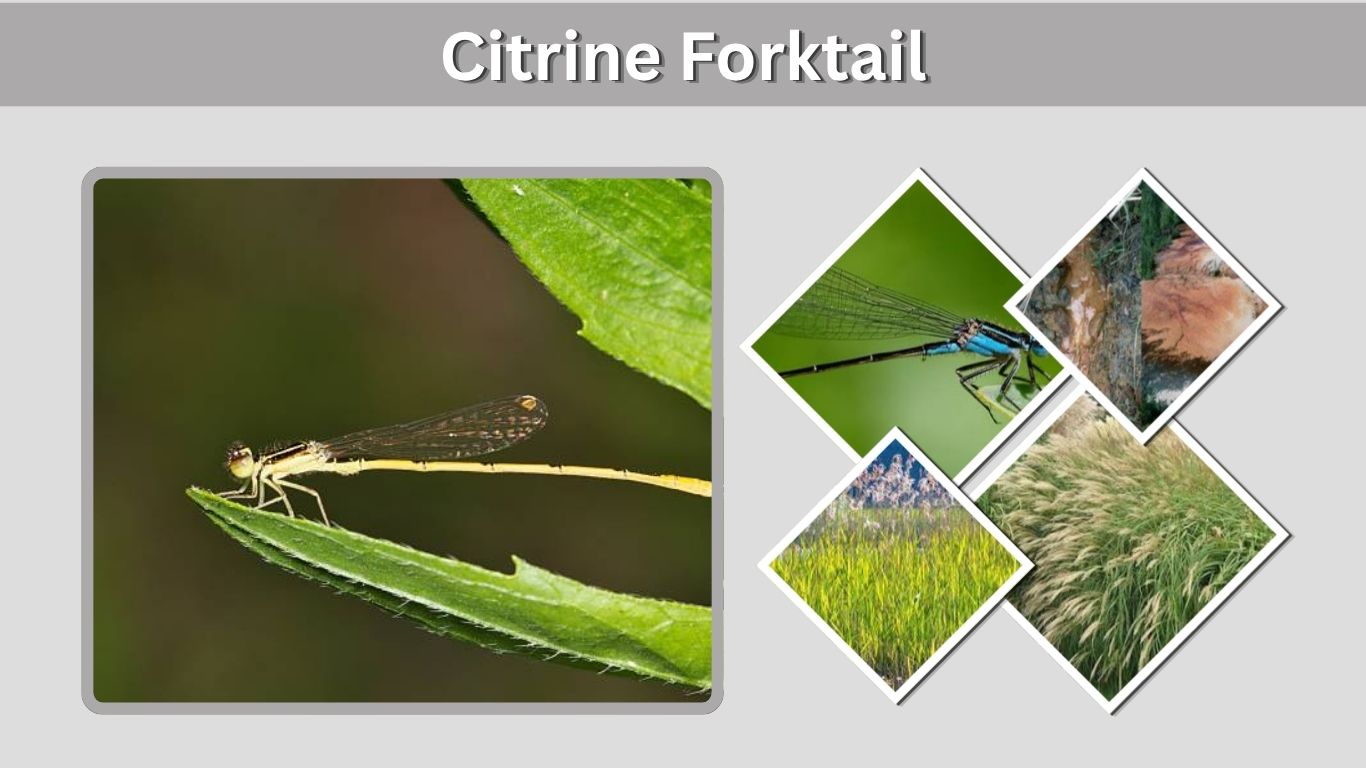
Citrine Forktail: Identification, Habitat, Life Cycle and Facts

Citrine Forktail: Identification, Habitat, Life Cycle and Facts

The citrine forktail, Ischnura hastata, is a tiny yellow, green, orange, and black damselfly commonly found around grassy ponds, marshes, bogs, and other shallow wetlands. Mature males are especially distinctive because of their bright-yellow abdomen and black spear-shaped markings. Females change color as they mature, making identification more challenging. The species is also scientifically remarkable … Read more