
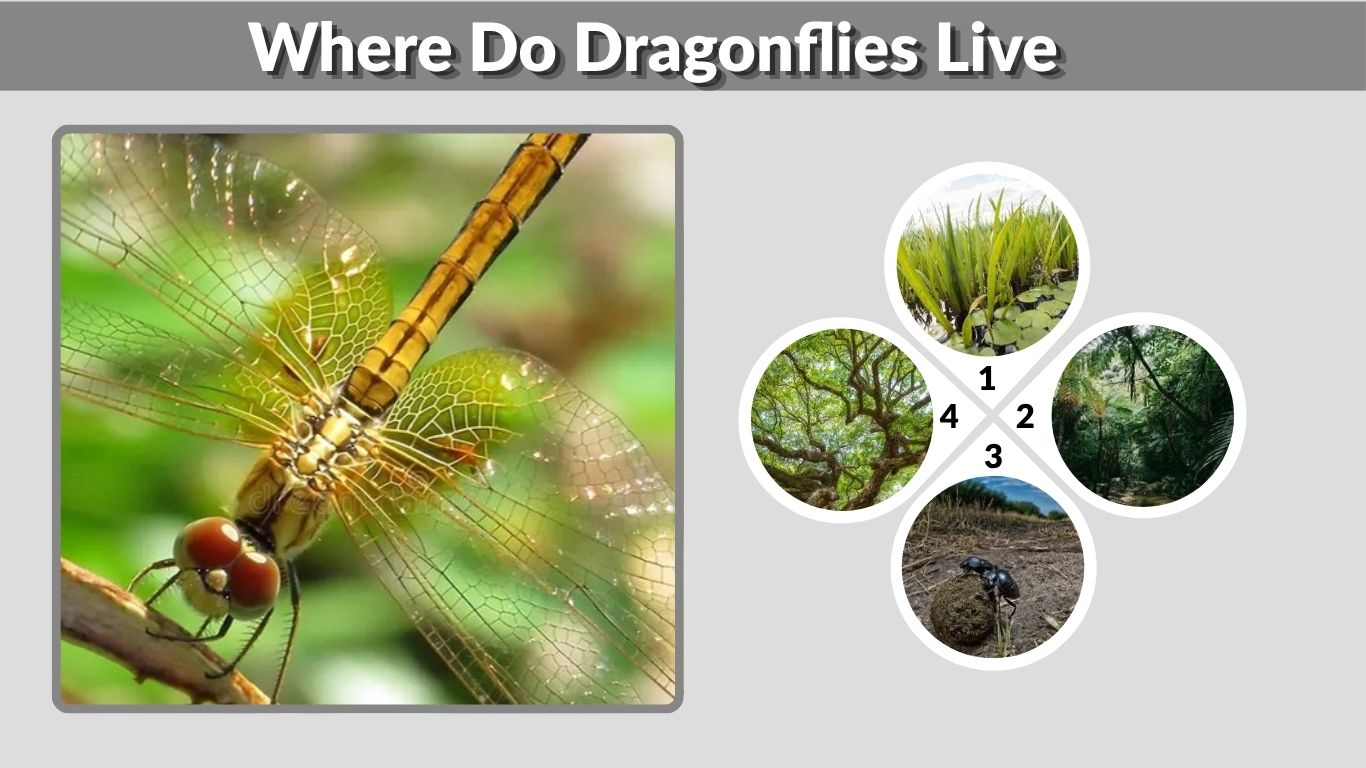
Dragonflies are among the oldest and most fascinating insects on Earth. Known for their large eyes, slender bodies, and remarkable flying abilities, these insects can be found in many parts of the world. However, their habitat is closely connected to water because their early life stages develop underwater. Understanding where dragonflies live helps explain their life cycle, behavior, and ecological importance. From wetlands and ponds to rivers and lakes, dragonflies thrive in diverse environments that provide food, shelter, and suitable breeding conditions.
Where Do Dragonflies Live?
Dragonflies live in a wide range of habitats, but most species are found near freshwater sources. Water plays a crucial role in their survival because dragonflies spend a significant portion of their lives as aquatic nymphs. While adult dragonflies can fly long distances, they usually remain close to areas that support reproduction and provide abundant prey.
Freshwater Habitats Preferred by Dragonflies
Dragonflies commonly inhabit the following environments:
- Ponds and garden ponds
- Lakes and reservoirs
- Rivers and streams
- Marshes and swamps
- Wetlands and floodplains
- Slow-moving freshwater channels
These habitats provide suitable conditions for laying eggs and supporting the development of dragonfly nymphs.
Why Water Is Essential for Dragonflies
Dragonflies depend on water throughout their life cycle. Female dragonflies lay eggs in or near freshwater. Once the eggs hatch, the young nymphs live underwater, where they hunt small aquatic creatures. Depending on the species, this stage can last several months or even years before the nymph emerges as an adult dragonfly.
The availability of clean water directly affects dragonfly populations. Areas with healthy freshwater ecosystems often support a greater diversity of dragonfly species.
Where Do Dragonflies Live in the World?

Dragonflies are found on every continent except Antarctica. Their ability to adapt to different climates allows them to thrive in tropical, temperate, and even some semi-arid regions. Although species diversity varies by location, dragonflies are among the most widely distributed insect groups in the world.
Dragonflies in North America
North America hosts hundreds of dragonfly species that inhabit wetlands, lakes, rivers, and forest ponds. Many species migrate seasonally, especially in warmer regions of the United States and Mexico.
Dragonflies in Europe
European dragonflies are commonly found near ponds, canals, marshes, and nature reserves. Countries with extensive wetland habitats often support large dragonfly populations during spring and summer.
Dragonflies in Asia, Africa, and Australia
Asia contains some of the world’s highest dragonfly diversity due to its varied climates and freshwater ecosystems. Africa supports numerous species in rivers, lakes, and tropical wetlands. In Australia, dragonflies occupy habitats ranging from rainforest streams to inland water bodies.
Where Do Dragonflies Live During Different Life Stages?
Dragonflies do not live in the same environment throughout their lives. Their habitat changes significantly as they develop from eggs into aquatic nymphs and eventually flying adults. Each stage has unique requirements that influence where dragonflies can survive.
Where Do Dragonfly Eggs Live?
Dragonfly eggs are usually deposited in or near freshwater. Some species place eggs directly into the water, while others attach them to aquatic plants. These locations protect the eggs and ensure that newly hatched nymphs can quickly enter the water.
Where Do Dragonfly Larvae and Nymphs Live?
Dragonfly larvae, often called nymphs, spend their entire immature stage underwater. They live among aquatic vegetation, submerged roots, rocks, and muddy bottoms where they can hide from predators and ambush prey.
Common nymph habitats include:
- Pond bottoms
- Wetland vegetation
- Slow-moving streams
- Lake shorelines
- Marshy areas
Nymphs are skilled predators and feed on insects, tadpoles, and other small aquatic animals.
Where Do Adult Dragonflies Live?
After emerging from the water, adult dragonflies spend most of their time flying and hunting near freshwater habitats. They often perch on reeds, branches, rocks, or tall grasses while searching for prey and defending territory.
Adult dragonflies can also be seen in:
- Meadows near water
- Nature reserves
- Parks and gardens
- Forest edges
- Agricultural areas with ponds
Although adults can travel away from water, they generally remain within reach of suitable breeding sites.
Where Do Dragonflies Live in the Winter?
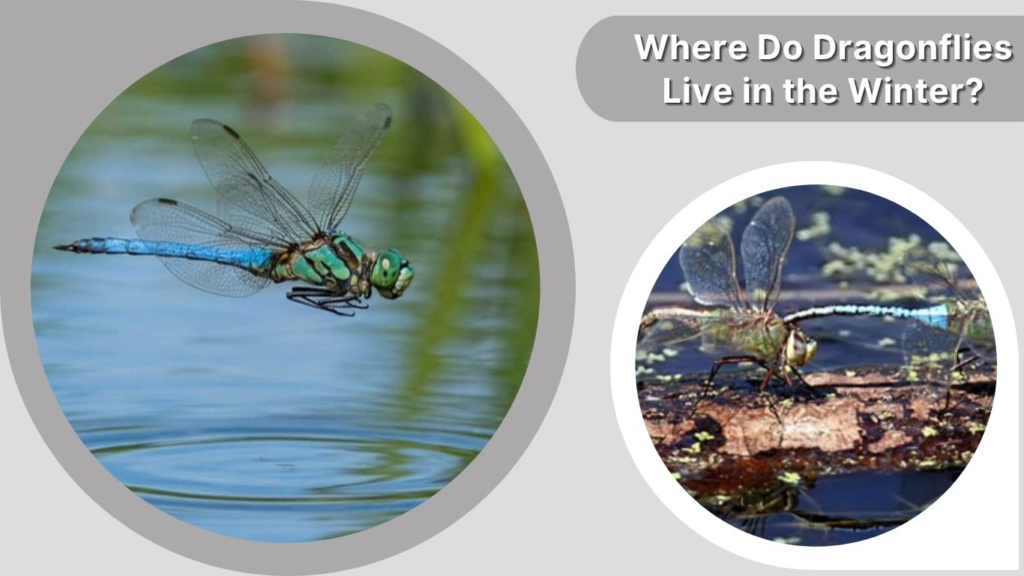
Dragonflies use several survival strategies to cope with cold weather. Because freezing temperatures can be challenging for insects, different species have evolved unique ways to survive the winter months.
How Dragonflies Survive Cold Seasons
Many dragonfly species spend winter as eggs or underwater nymphs. These immature stages are better protected from freezing conditions than adults. The water beneath the surface remains relatively stable, allowing developing dragonflies to survive until warmer temperatures return.
Some species migrate to warmer regions before winter arrives. Others complete their life cycle before the cold season begins, leaving only eggs behind to continue the next generation.
Winter Habitats of Dragonflies
Winter habitats vary depending on species and climate. In colder regions, dragonflies are often found beneath the water surface as nymphs hidden among vegetation or sediment. In warmer climates, certain species may remain active throughout much of the year if suitable temperatures persist.
Where Do Dragonflies Go at Night?
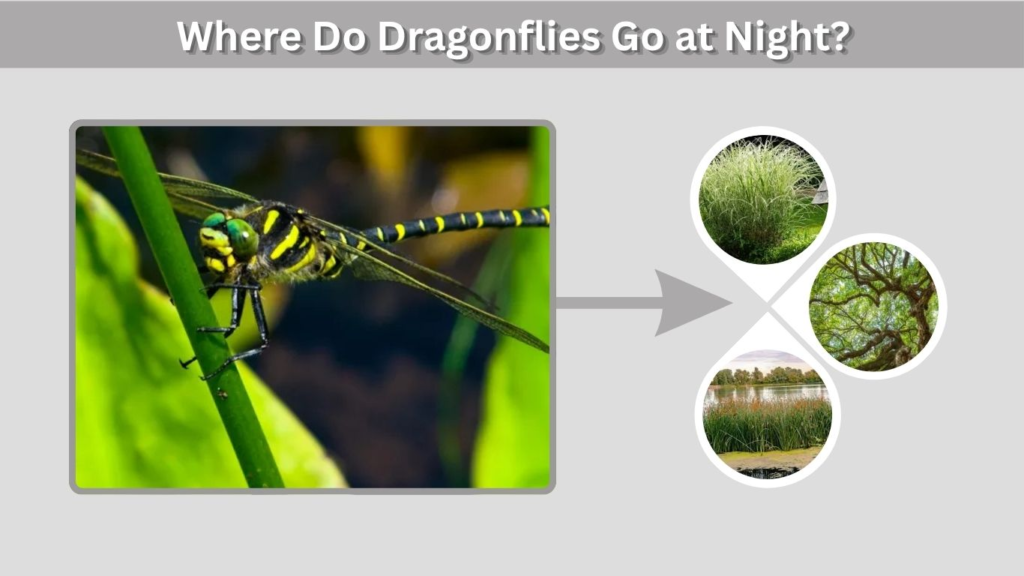
Dragonflies are active during the day and rely heavily on sunlight for hunting and navigation. As evening approaches, they stop flying and seek safe places to rest. Unlike many nocturnal insects, dragonflies spend the night motionless until daylight returns.
Do Dragonflies Sleep?
While dragonflies do not sleep in the same way humans do, they enter a period of inactivity at night. During this time, they conserve energy and avoid nighttime predators. Their reduced activity allows them to remain alert while resting.
Common Nighttime Resting Places
Dragonflies often choose locations that provide protection and camouflage, including:
- Tall grasses
- Reeds near ponds
- Tree branches
- Shrubs and bushes
- Wetland vegetation
These resting spots help dragonflies avoid predators and unfavorable weather conditions.
Where Do Dragonflies Live and Sleep?
Dragonflies often use different areas for hunting and resting. During the day, they patrol open spaces near water in search of prey. At night, they move to sheltered locations where they can remain undisturbed until sunrise.
Daytime Habitat Versus Nighttime Habitat
Adult dragonflies spend much of the day near ponds, lakes, rivers, and wetlands where insects are abundant. These areas provide ideal hunting opportunities and access to breeding sites.
At night, dragonflies typically move to nearby vegetation. They cling to stems, leaves, or branches where they are less visible to predators. This behavior helps them conserve energy while staying close to their preferred daytime habitat.
Do Dragonflies Live in Wetlands?
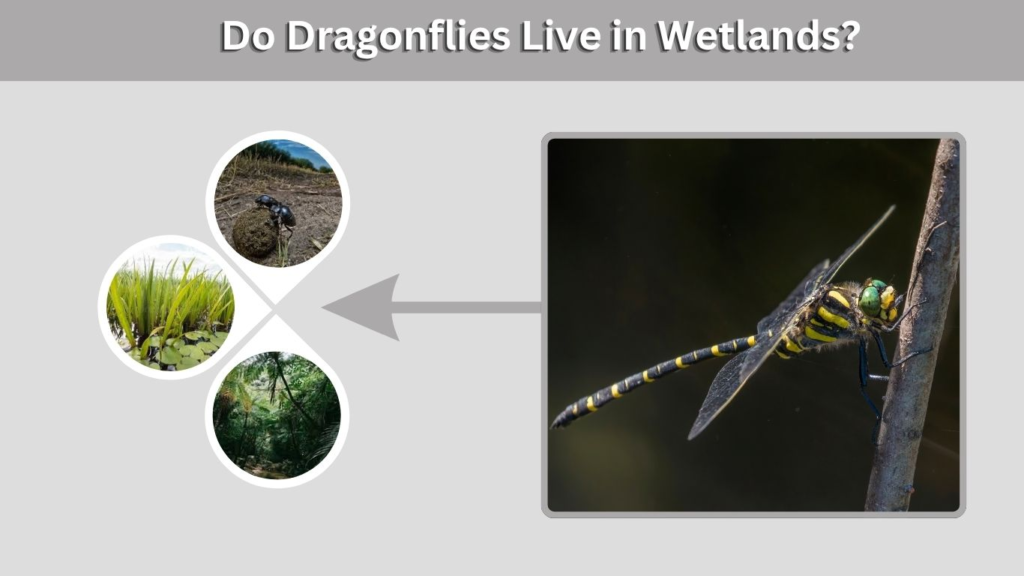
Wetlands are among the most important habitats for dragonflies. These ecosystems provide food, breeding areas, and shelter for both aquatic nymphs and adult dragonflies. Healthy wetlands often support a large variety of dragonfly species.
Why Wetlands Are Ideal Habitats
Several factors make wetlands attractive to dragonflies:
- Abundant freshwater resources
- Rich insect populations
- Dense aquatic vegetation
- Safe breeding environments
- Suitable shelter from predators
Because dragonflies are sensitive to pollution, their presence often indicates a healthy wetland ecosystem.
Dragonflies as Environmental Indicators
Scientists frequently monitor dragonfly populations to assess environmental conditions. A diverse dragonfly community generally suggests good water quality and balanced ecological conditions. Declining populations may indicate habitat degradation or pollution problems.
Where Do Desert Dragonflies Live?
Although dragonflies are strongly associated with water, some species have adapted to life in dry environments. Desert dragonflies survive by taking advantage of temporary water sources and seasonal rainfall.
Adaptations for Desert Survival
Desert dragonflies are commonly found near:
- Oases
- Springs
- Seasonal streams
- Temporary pools
- Irrigation channels
These habitats provide the water necessary for reproduction and nymph development. Some species can quickly complete their life cycle when water becomes available after rainfall.
Where Do Specific Dragonfly Species Live?
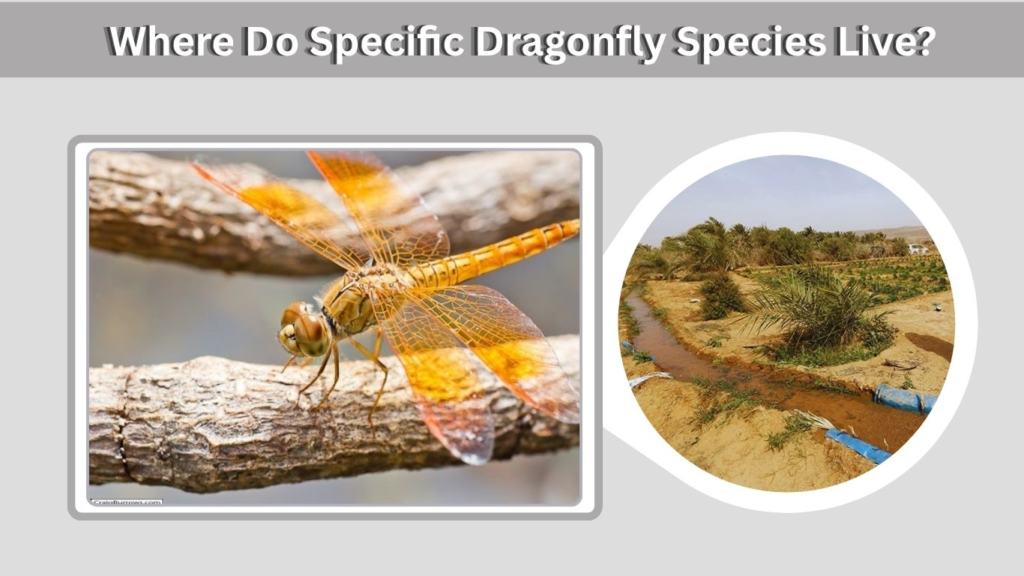
Different dragonfly species occupy distinct habitats and geographic regions. Understanding where individual species live helps explain their distribution and ecological preferences.
Where Do Emperor Dragonflies Live?
The emperor dragonfly is one of Europe’s largest and most recognizable species. It is commonly found in:
- Europe
- Parts of Asia
- Northern Africa
This species prefers ponds, lakes, and slow-moving waterways with abundant vegetation.
Where Do Blue Dasher Dragonflies Live?
Blue dasher dragonflies are widespread throughout North America. They thrive in freshwater habitats such as ponds, marshes, lakes, and slow-moving streams. Males are especially known for their bright blue coloration and territorial behavior.
Where Do Red Dragonflies Live?
Red dragonflies occur in many parts of Asia, Europe, and Africa. They are often found near ponds, wetlands, and rice fields where suitable breeding conditions exist.
What Do Dragonflies Eat and Where Do They Hunt?
Dragonflies are highly efficient predators. Their excellent vision and flying skills make them successful hunters in a variety of environments.
Diet of Adult Dragonflies
Adult dragonflies feed primarily on flying insects, including:
- Mosquitoes
- Flies
- Gnats
- Moths
- Small butterflies
Their ability to consume large numbers of mosquitoes makes them beneficial to humans.
Diet of Dragonfly Nymphs
Underwater nymphs are also active predators. They feed on aquatic organisms such as insect larvae, small fish, tadpoles, and other invertebrates. Their predatory lifestyle helps maintain balance within freshwater ecosystems.
Dragonflies and Damselflies: Do They Live in the Same Habitats?
Dragonflies and damselflies belong to the same insect order and often share similar environments. Both depend on freshwater habitats for reproduction and development.
Similarities in Habitat
Both insects commonly inhabit ponds, wetlands, lakes, rivers, and marshes. They require clean water and vegetation to support their life cycles.
Key Differences
Damselflies generally prefer calmer waters and dense vegetation, while dragonflies are more adaptable and can thrive in a wider variety of aquatic environments. Dragonflies also tend to fly farther from water than most damselflies.
FAQs
Where do dragonflies live most often?
Dragonflies most commonly live near freshwater habitats such as ponds, lakes, rivers, streams, marshes, and wetlands. These environments provide the water needed for egg-laying and nymph development, as well as plenty of insects for adults to eat.
Where do dragonflies sleep at night?
At night, dragonflies rest on tall grasses, reeds, shrubs, tree branches, and other vegetation near water. They remain inactive until sunrise, when warmer temperatures allow them to resume flying and hunting.
Do dragonflies live far from water?
Adult dragonflies can travel away from water while hunting or migrating, but they generally stay close to freshwater habitats because they need suitable breeding sites. Most species return to ponds, lakes, or wetlands to reproduce.
How long do dragonflies live?
The total lifespan of a dragonfly ranges from several months to several years, depending on the species. Most of their life is spent underwater as nymphs, while the adult stage usually lasts a few weeks to a few months.
What do dragonflies eat in their natural habitat?
Adult dragonflies primarily feed on flying insects such as mosquitoes, flies, gnats, and moths. Dragonfly nymphs live underwater and prey on aquatic insects, tadpoles, and other small creatures, making them important predators in freshwater ecosystems.