
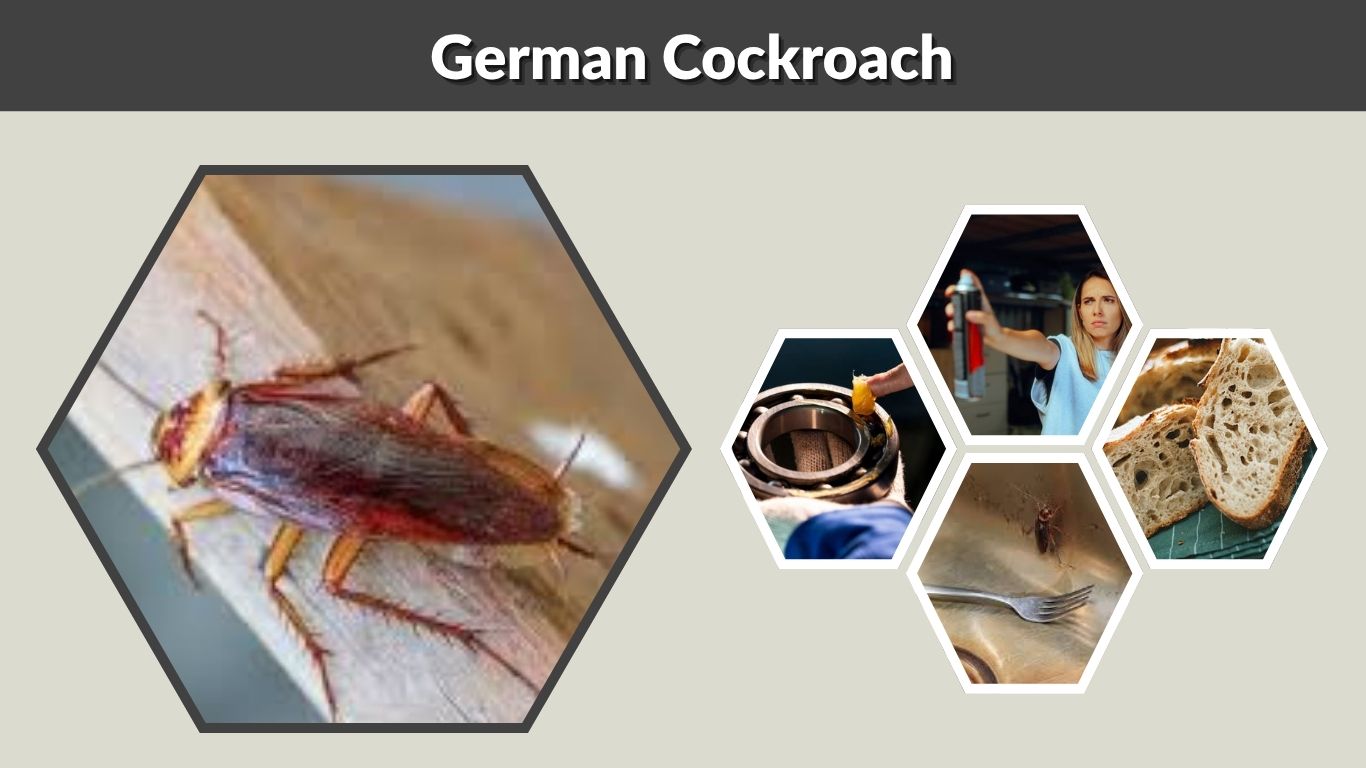
German cockroaches are among the most persistent indoor pests, thriving in kitchens, bathrooms, and hidden crevices. Their rapid reproduction and ability to adapt make them difficult to eliminate once established. Understanding how to identify them, recognize early infestation signs, and learn about their behavior is essential for effective control. This guide covers their appearance, life cycle, and the first warning signals homeowners should never ignore.
What Is a German Cockroach?
German cockroaches are small, light-brown insects commonly found in indoor environments where food and moisture are easily available. They are one of the most widespread cockroach species worldwide and are especially known for infesting homes, restaurants, and apartments due to their adaptability and fast breeding.
Key Characteristics
- Small size, usually 1.1 to 1.6 cm long
- Light brown or tan color
- Two dark parallel stripes behind the head
- Fast-moving and mostly active at night
What Do German Cockroaches Look Like?
Identifying German cockroaches correctly is the first step toward control. They are smaller than many other cockroach species and have distinct markings that make them easier to recognize when compared closely with similar insects.
Size and Physical Appearance
- Adults are about the size of a fingernail
- Flat, oval-shaped bodies
- Long antennae and six legs
- Wings present but rarely used for flying
Male vs Female Differences
- Females are slightly darker and broader
- Males are slimmer with a more tapered abdomen
- Females carry egg cases, making them easier to spot during reproduction stages
German Cockroach Life Cycle

The life cycle of German cockroaches plays a major role in how quickly infestations grow. They reproduce faster than most other household pests, making early detection extremely important to prevent widespread problems.
Stages of Development
German cockroaches go through three main stages:
- Egg (ootheca): A protective capsule containing multiple eggs
- Nymph: Small, wingless versions of adults that darken as they grow
- Adult: Fully developed and capable of reproduction
Growth and Reproduction
- A single female can produce multiple egg cases in her lifetime
- Each egg case may contain 30 to 40 eggs
- Nymphs mature quickly, often within weeks under ideal conditions
German Cockroach Nymphs and Eggs
Nymphs and eggs are often overlooked because of their small size, yet they are key indicators of an active infestation. Spotting these early stages can help stop a problem before it becomes severe.
Identifying Nymphs
- Much smaller than adults
- Dark brown or black in early stages
- No wings, but similar body shape
Recognizing Egg Cases
- Light brown, capsule-shaped structures
- Often carried by females until ready to hatch
- Usually found in hidden, warm areas
Signs of a German Cockroach Infestation

Recognizing the signs of an infestation early can prevent serious problems later. German cockroaches tend to stay hidden, so noticing indirect evidence is often the first clue that they are present in your home.
Visible Signs
- Small black droppings resembling ground pepper
- Shed skins as they grow and molt
- Egg cases left behind in hidden corners
Hidden Signs
- Musty or unpleasant odor in heavily infested areas
- Increased activity at night when lights are off
- Presence near food sources, sinks, and appliances
Where Do German Cockroaches Come From?
German cockroaches do not usually originate outdoors like some other species. Instead, they are typically introduced into homes through human activity. Once inside, they quickly find suitable environments where food, water, and shelter are readily available.
They often enter through grocery bags, cardboard boxes, used furniture, or appliances. In multi-unit buildings, they can travel between apartments through walls, pipes, and shared spaces. Warm, humid areas such as kitchens and bathrooms provide ideal conditions for them to survive and multiply rapidly.
What Do German Cockroaches Eat?

German cockroaches are scavengers and can survive on a wide range of food sources. Their ability to adapt their diet is one of the reasons they are so difficult to control in indoor environments.
Common Food Sources
- Crumbs, grease, and leftover food
- Sugary substances and starches
- Pet food and garbage
Survival Habits
- Can eat non-food items like soap or glue
- Prefer moist environments with easy access to water
- Feed mostly at night to avoid detection
Are German Cockroaches Dangerous?
German cockroaches are more than just a nuisance; they pose real health concerns in indoor environments. Their presence can contaminate food, spread bacteria, and trigger allergic reactions, especially in sensitive individuals such as children and the elderly.
Health Risks
- Contaminate food and surfaces with bacteria
- Can trigger asthma and allergies
- Carry pathogens from unsanitary areas
Do German Cockroaches Bite?
Bites are extremely rare and usually occur only in severe infestations. They are not aggressive insects and prefer to avoid humans. The main risk comes from contamination rather than physical harm, making proper control essential for maintaining a healthy living space.
Can German Cockroaches Fly?
German cockroaches have wings, but they are not strong flyers like some other species. Their wings are primarily used for short glides rather than sustained flight, which often leads to confusion about their ability to fly.
Flight Behavior
- Rarely fly under normal conditions
- May glide short distances when disturbed
- Prefer running quickly over flying
Why They Appear to Fly
- Sudden movements can look like flight
- Gliding from higher surfaces creates the illusion of flying
- Warm environments may increase activity levels
German Cockroach vs American Cockroach
Understanding the differences between German and American cockroaches helps with proper identification and control. These two species vary significantly in size, habitat, and behavior.
Key Differences
- German cockroaches are much smaller
- American cockroaches are reddish-brown and larger
- German species prefer indoor spaces, while American cockroaches can live outdoors
Other Similar Species
- Asian cockroach: Similar appearance but better at flying
- Wood roach: Typically found outdoors and less invasive
- Palmetto bug: Often refers to larger outdoor cockroaches
Bugs That Look Like German Cockroaches
Several insects resemble German cockroaches, which can lead to misidentification. Correct identification is important because treatment methods may differ depending on the pest.
Common lookalikes include small beetles, other cockroach species, and certain outdoor roaches that accidentally enter homes. Unlike German cockroaches, many of these insects do not infest indoor spaces or reproduce rapidly inside homes.
Why German Cockroaches Are Hard to Get Rid Of
German cockroaches are notoriously difficult to eliminate due to their biology and behavior. Their rapid reproduction and ability to hide in tiny spaces make them resilient against many control methods.
They reproduce quickly, with each female producing multiple egg cases during her lifetime. They also tend to hide in cracks, crevices, and behind appliances, making them difficult to reach with standard treatments. Additionally, some populations develop resistance to common insecticides, further complicating control efforts.
How to Get Rid of German Cockroaches

Effective removal requires a combination of methods rather than relying on a single solution. A consistent and targeted approach is key to eliminating both visible and hidden populations.
Step 1: Sanitation
- Clean all food preparation areas
- Remove crumbs, grease, and spills
- Store food in sealed containers
Step 2: Use Baits
- Apply gel bait in cracks and corners
- Use bait stations in high-activity areas
- Avoid contaminating bait with sprays
Step 3: Apply Insecticides
- Use targeted sprays for hiding spots
- Apply residual treatments where needed
- Follow safety instructions carefully
Best German Cockroach Killers
Choosing the right products can make a significant difference in controlling infestations. Not all methods are equally effective, especially for large or hidden populations.
Effective Options
- Gel bait for colony elimination
- Insecticide sprays for quick knockdown
- Growth regulators to stop reproduction
What Works Best
- Combining bait and insect growth regulators
- Using products consistently over time
- Targeting hidden nesting areas
German Cockroach Control and Prevention
Long-term control depends on prevention as much as elimination. Once removed, steps must be taken to ensure they do not return.
Long-Term Control
- Use an integrated pest management approach
- Monitor regularly for early signs
- Maintain cleanliness consistently
Prevention Tips
- Seal cracks and entry points
- Fix leaks and reduce moisture
- Inspect items before bringing them indoors
FAQs
What kills German cockroaches fast?
Fast-acting sprays can kill cockroaches on contact, but they do not eliminate hidden populations. Gel baits are more effective over time because they allow roaches to carry poison back to their nests, spreading it throughout the colony.
How do German cockroaches get in your house?
They usually enter through infested items like grocery bags, cardboard boxes, and secondhand appliances. In apartments, they can also travel between units through walls, pipes, and shared utility spaces.
How long do German cockroaches live?
German cockroaches typically live between 100 and 200 days. During that time, females can produce multiple egg cases, allowing populations to grow rapidly if not controlled early.
Are German cockroaches hard to get rid of?
Yes, they are difficult to eliminate due to their fast reproduction and hiding behavior. A combination of cleaning, baiting, and consistent treatment is necessary to fully remove an infestation.
Can German cockroaches bite humans?
Bites are extremely rare and usually occur only in severe infestations. The main concern is not biting but the bacteria they spread and the allergens they produce in indoor environments.