
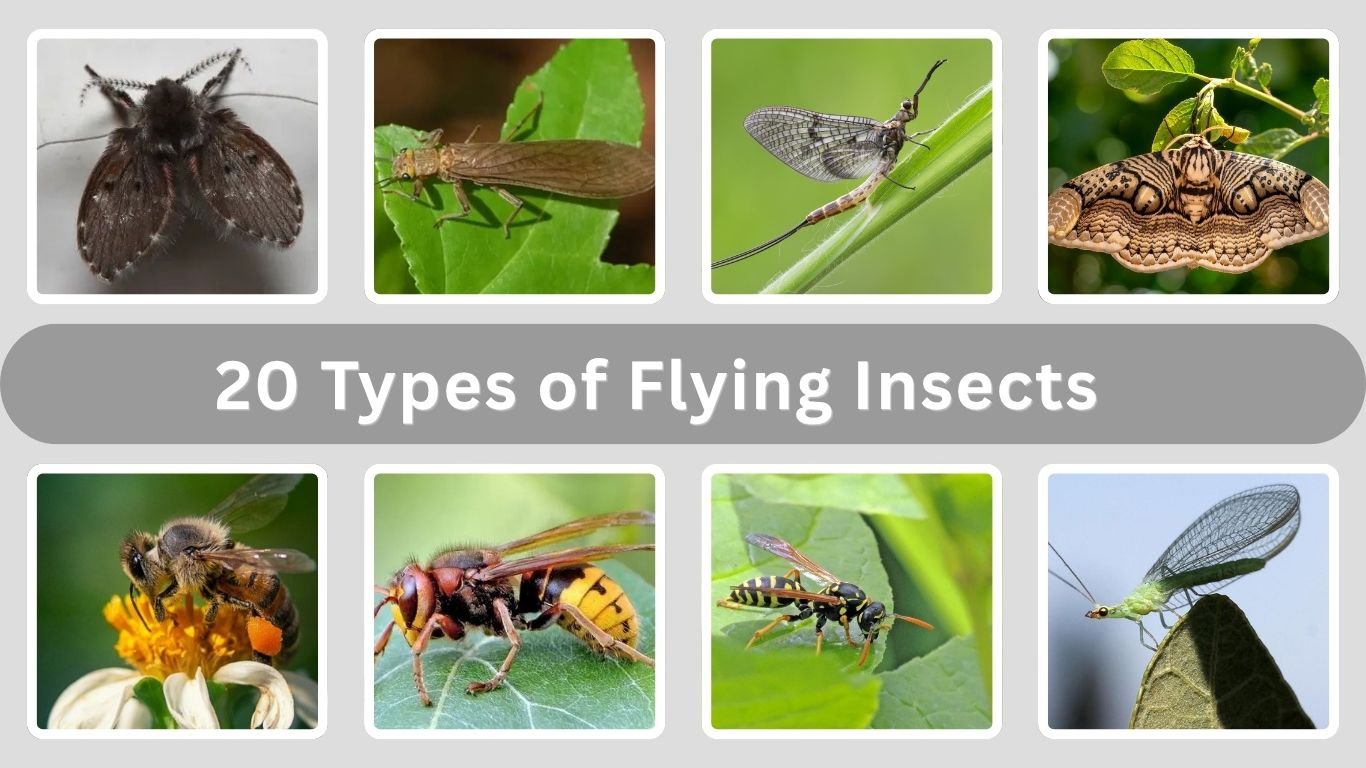
Flying insects are common around homes, gardens, lights, plants, drains, and outdoor spaces. Some are harmless visitors, while others bite, sting, damage plants, contaminate food, or signal a hidden infestation. From tiny fruit flies and fungus gnats to large horse flies, wasps, moths, and fishflies, knowing the type of flying insect helps you choose the right control method and prevent future problems.
1. House Fly
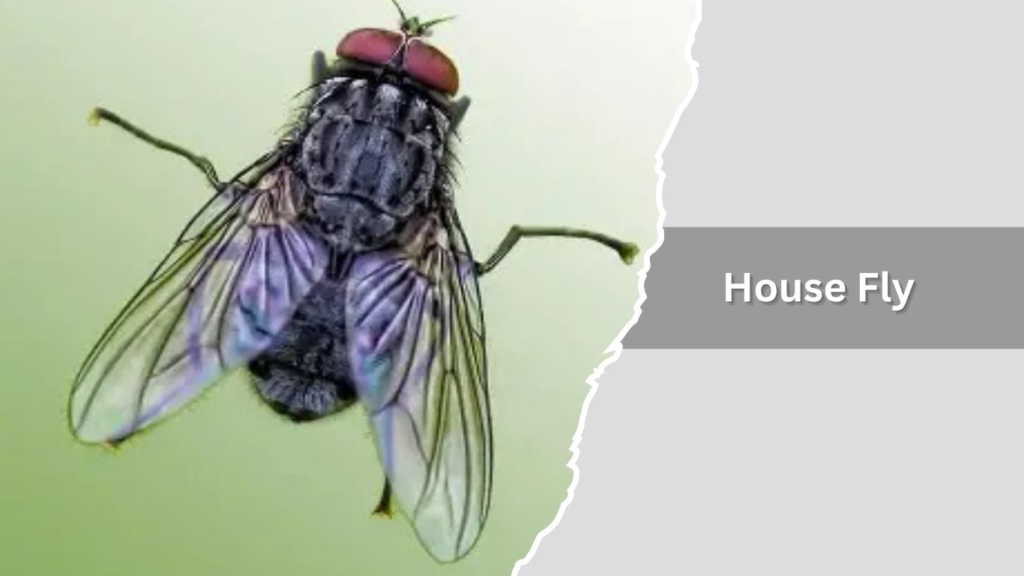
The house fly is one of the most common flying insects found around homes, kitchens, garbage bins, restaurants, and outdoor waste areas. It is often seen landing on food, walls, windows, and countertops. Because it can move between dirty surfaces and human spaces, the house fly is more than just an annoying insect.
Identification
- Small to medium-sized flying insect
- Gray body with dark stripes on the thorax
- Large reddish eyes
- Transparent wings
- Short antennae
- Often seen around food, trash, and drains
Where It Lives
House flies live close to people because they are attracted to food waste, garbage, animal waste, and decaying organic matter. Indoors, they often gather near windows, lights, kitchens, and trash cans. Outdoors, they are common around compost piles, dumpsters, pet waste, and uncovered food.
Why It Is a Problem
House flies can carry bacteria from dirty places to clean surfaces. They may contaminate food, dishes, and cooking areas. A few flies can quickly become a bigger problem if food scraps, garbage, or breeding sources are not removed.
How to Control It
Keep trash sealed, clean food spills quickly, and do not leave food uncovered. Use window screens, fly traps, and indoor flying insect traps to reduce activity. For long-term control, remove breeding sources such as dirty bins, rotting food, and pet waste.
2. Fruit Fly
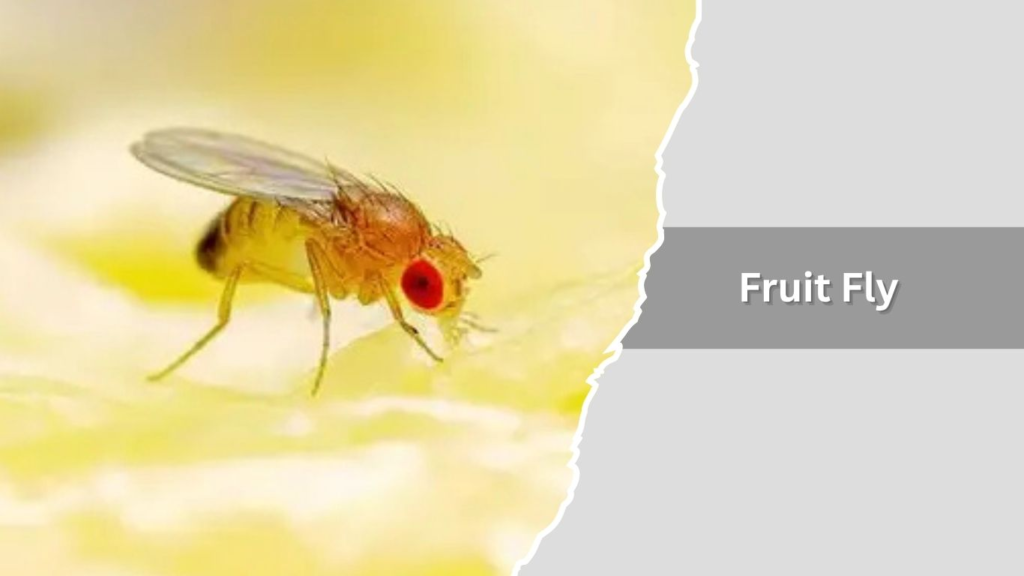
Fruit flies are tiny flying insects often found in kitchens, restaurants, grocery areas, and places where ripe or rotting fruit is present. They reproduce quickly and can become a noticeable indoor problem in only a few days. Their small size makes them easy to overlook until they gather in large numbers.
Identification
- Very small flying insect
- Tan or brownish body
- Red or dark eyes
- Short body and quick flight
- Often hovers around fruit, drains, and trash
- Common near ripe bananas, apples, and vegetables
Where It Lives
Fruit flies live near fermenting or decaying food. They are commonly found around fruit bowls, garbage disposals, drains, empty bottles, recycling bins, and compost containers. Even a small piece of overripe fruit can attract them and support breeding.
Why It Is a Problem
Fruit flies are annoying because they gather around food and multiply fast. They can contaminate kitchen surfaces and make a home feel unclean. Since they breed in hidden food residue, they may remain even after visible fruit is removed.
How to Control It
Throw away overripe fruit, clean drains, empty trash often, and rinse bottles or cans before recycling. Store fruit in the refrigerator when possible. Apple cider vinegar traps can catch adult fruit flies, but cleaning the breeding source is the most important step.
3. Drain Fly
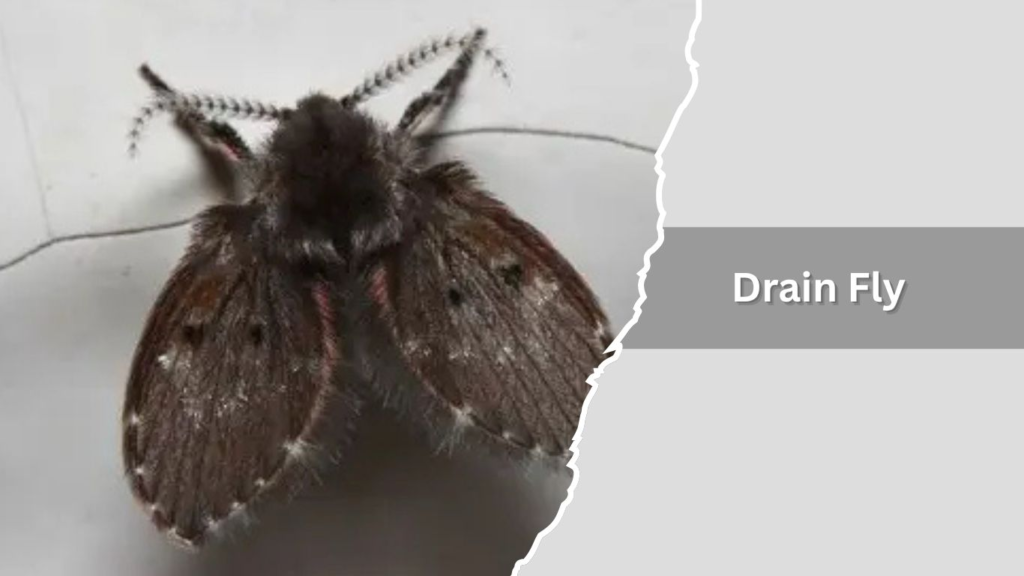
Drain flies are small flying insects that often appear near sinks, showers, bathtubs, floor drains, and laundry rooms. They are also called moth flies because their fuzzy wings make them look like tiny moths. Unlike fruit flies, drain flies usually come from organic buildup inside wet drains.
Identification
- Tiny flying insect with fuzzy wings
- Gray, brown, or black body
- Wings held roof-like over the body
- Slow, weak flight
- Often found near sinks and drains
- Looks like a small moth
Where It Lives
Drain flies breed in slimy organic material inside drains, pipes, septic areas, and wet plumbing spaces. They are common in bathrooms, kitchens, basements, and laundry rooms. If you see them resting on walls near a sink, the nearby drain may be the source.
Why It Is a Problem
Drain flies do not usually bite, but they are a sign of moisture and organic buildup. Large numbers can become irritating indoors. If ignored, they may continue breeding inside drains and return even after adults are killed.
How to Control It
Clean the inside of drains using a drain brush and remove sludge buildup. Flush drains with hot water after cleaning. Fix leaks and improve ventilation in damp rooms. Sticky traps can help monitor adults, but drain cleaning is needed to stop the infestation.
4. Fungus Gnat
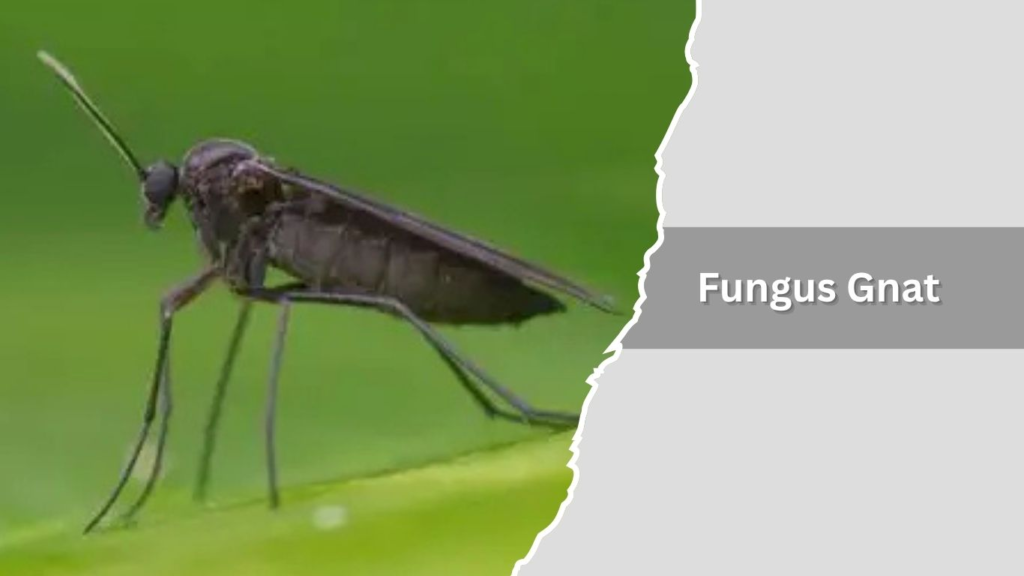
Fungus gnats are tiny black flying insects often seen around indoor plants. They are commonly mistaken for fruit flies, but they usually stay near damp potting soil instead of fruit. These insects are especially common when houseplants are overwatered.
Identification
- Very small black flying insect
- Long legs and thin body
- Clear wings
- Looks like a tiny mosquito
- Weak, slow flight
- Often found around houseplants and wet soil
Where It Lives
Fungus gnats live in moist potting soil, where their larvae feed on fungi, decaying organic matter, and sometimes young plant roots. They are common in indoor plant pots, greenhouse soil, seed trays, and overwatered containers.
Why It Is a Problem
Adult fungus gnats are mostly a nuisance, but larvae can harm young plants or weak roots when numbers are high. They also indicate that soil is staying too wet. A heavy infestation may cause seedlings to grow poorly or wilt.
How to Control It
Let the top layer of soil dry before watering again. Remove dead leaves from pots and avoid overwatering. Yellow sticky traps can catch adult gnats. For stronger control, replace infested soil or use plant-safe treatments designed for fungus gnat larvae.
5. Flying Ant
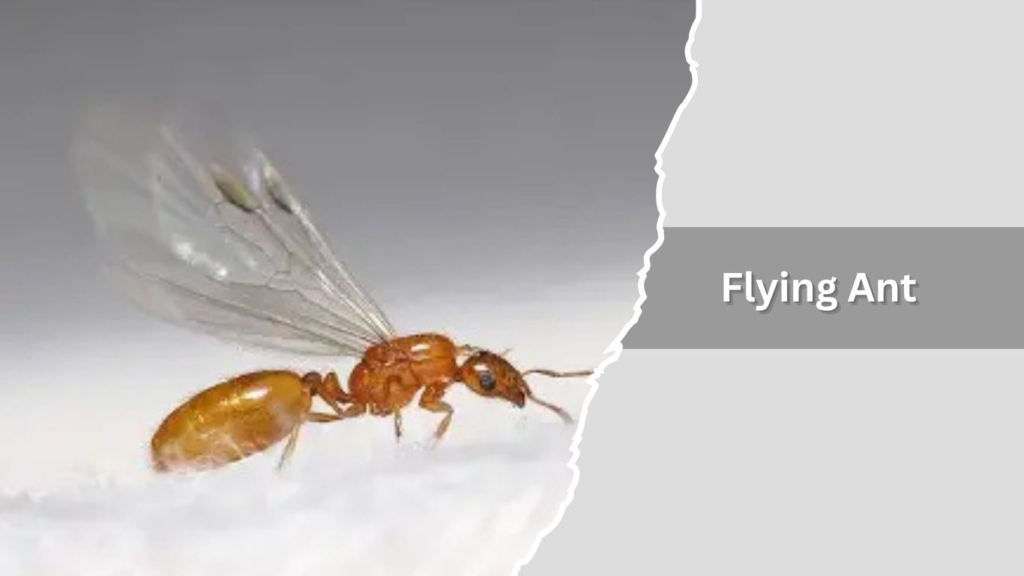
Flying ants are reproductive ants that leave the colony to mate and start new nests. They are often seen indoors near windows or outdoors in large swarms. Many people confuse flying ants with termite swarmers, but they have different body shapes and wing patterns.
Identification
- Ant-like body with wings
- Narrow waist between body sections
- Bent antennae
- Front wings larger than back wings
- Black, brown, or reddish body
- Often appears in sudden swarms
Where It Lives
Flying ants may come from an indoor or outdoor ant colony. Outdoors, they are common around soil, patios, sidewalks, gardens, and woodpiles. Indoors, they may appear near windows, lights, walls, basements, or cracks where ants are nesting.
Why It Is a Problem
A few flying ants may simply come from outdoors, but repeated indoor swarms can mean a colony is nesting inside the structure. Some ants can contaminate food, damage wood, or become a long-term household pest depending on the species.
How to Control It
Seal cracks, clean food spills, and remove attractants. If flying ants appear indoors repeatedly, find the nesting area and treat the colony instead of only killing the winged ants. Compare them carefully with termites because termite swarmers may indicate a more serious wood-damaging problem.
6. Termite Swarmer
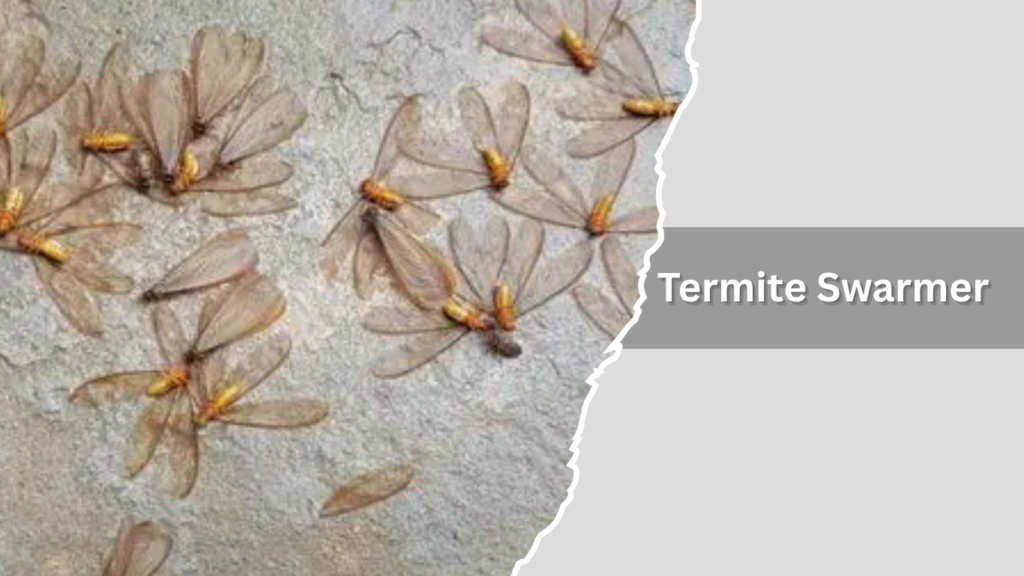
Termite swarmers are flying reproductive termites that leave a colony to start new colonies. They are often mistaken for flying ants, but they can be a more serious warning sign because termites may damage wood inside homes. If you see termite swarmers indoors, it may indicate an active colony nearby.
Identification
- Small flying insect with straight antennae
- Thick waist, not narrow like an ant
- Four wings of equal size
- Pale brown, dark brown, or black body
- Wings may fall off after swarming
- Often appears near windows, lights, or doors
Where It Lives
Termite swarmers usually come from colonies in soil, walls, wood, crawl spaces, or damp structural areas. Outdoors, they may appear around tree stumps, mulch, logs, and wooden fences. Indoors, they are commonly found near windowsills, baseboards, doors, or light fixtures.
Why It Is a Problem
A few flying termites indoors can be a sign of a hidden termite colony. Termites feed on cellulose materials, including wood, paper, cardboard, and some building materials. If ignored, they can cause expensive structural damage over time.
How to Control It
Do not rely only on killing the flying swarmers. The main colony must be located and treated. Remove wood-to-soil contact, reduce moisture, fix leaks, and keep mulch away from foundations. If termite swarmers appear indoors, a professional termite inspection is strongly recommended.
7. Mosquito
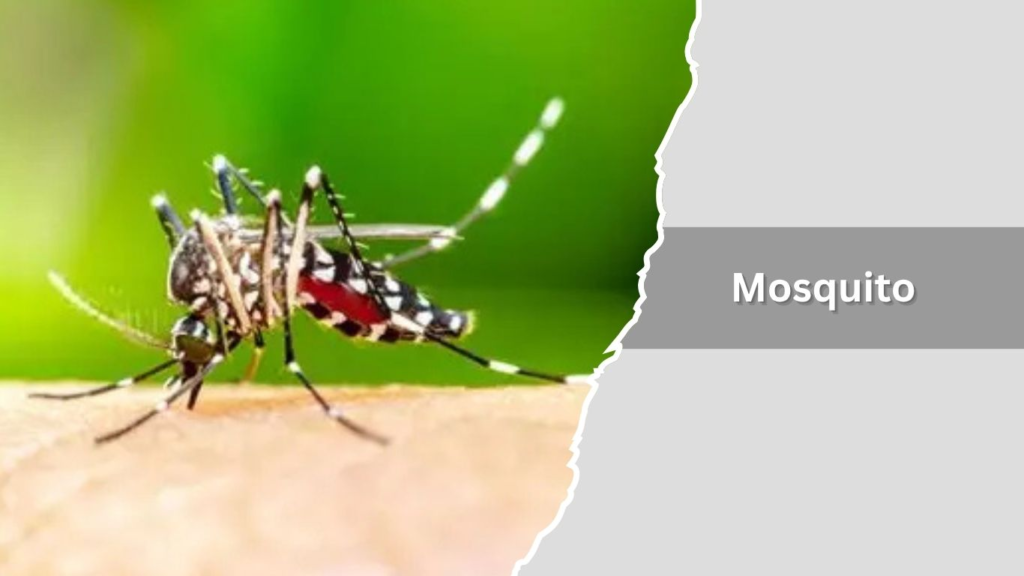
Mosquitoes are common flying insects known for their bites and high-pitched buzzing sound. They are often found around standing water, damp yards, gardens, ponds, and shaded outdoor areas. Female mosquitoes bite because they need blood to produce eggs, making them one of the most irritating flying insects around homes.
Identification
- Small flying insect with long legs
- Thin body and narrow wings
- Long needle-like mouthpart
- Often makes a buzzing sound
- Usually active at dawn, dusk, or night
- Bites may leave itchy red bumps
Where It Lives
Mosquitoes breed in standing water. Common breeding spots include buckets, birdbaths, clogged gutters, plant saucers, old tires, ponds, puddles, and poorly drained yards. Indoors, they may rest in dark corners, bathrooms, closets, and under furniture.
Why It Is a Problem
Mosquito bites can cause itching, swelling, and discomfort. In some areas, mosquitoes may also spread diseases, so controlling them is important for health and comfort. Even a small amount of stagnant water can support mosquito breeding.
How to Control It
Empty standing water at least once a week. Clean gutters, cover rain barrels, maintain pools, and use screens on windows and doors. Outdoor fans can help because mosquitoes are weak flyers. Repellents, mosquito traps, and larval control products may also reduce mosquito activity.
8. Midge
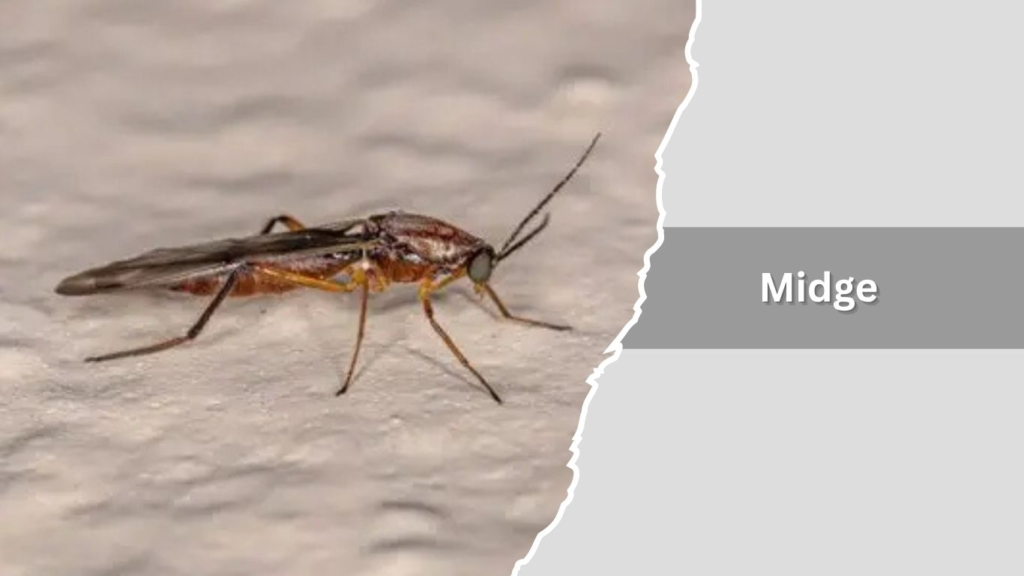
Midges are tiny flying insects that often gather in swarms near lights, ponds, lakes, windows, and damp areas. Some midges bite, while many others do not. Non-biting midges are mostly a nuisance, but biting midges can cause itchy red marks and outdoor discomfort.
Identification
- Very small flying insect
- Looks similar to a tiny mosquito
- Thin body and delicate wings
- May gather in large swarms
- Often seen near water or lights
- Some types bite, while others do not
Where It Lives
Midges are commonly found near ponds, lakes, streams, wet soil, marshes, and damp yards. Non-biting midges often gather around porch lights, windows, walls, and outdoor seating areas. Biting midges are more common in humid, coastal, or wetland areas.
Why It Is a Problem
Large midge swarms can be annoying around homes, patios, and lights. Biting midges are worse because they feed on blood and leave itchy bites. Their small size makes them difficult to block with regular screens.
How to Control It
Reduce standing water, improve drainage, and turn off unnecessary outdoor lights at night. Use warm-colored bulbs instead of bright white lights. Fans can help keep midges away from patios. For biting midges, use fine mesh screens, protective clothing, and insect repellent.
9. Crane Fly
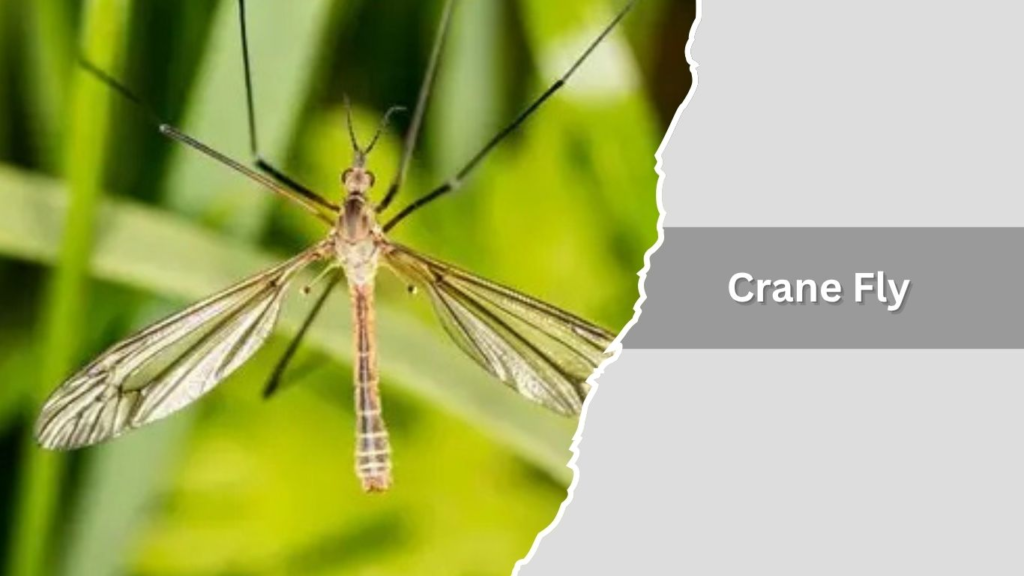
Crane flies are large flying insects that look like oversized mosquitoes, but they do not bite people. Their long legs and weak flight make them easy to recognize. Many people worry when they see crane flies indoors, but adult crane flies are usually harmless.
Identification
- Large flying insect with very long legs
- Slender body and narrow wings
- Looks like a giant mosquito
- Weak, clumsy flight
- Often attracted to lights
- Does not bite humans
Where It Lives
Crane flies are often found in lawns, gardens, damp soil, fields, and areas with decaying plant matter. Adults may fly indoors through open doors and windows, especially at night when lights are on. Their larvae live in soil or wet organic material.
Why It Is a Problem
Adult crane flies are mostly harmless, but some larvae can damage lawns by feeding on grass roots. Heavy larval activity may cause brown patches in turf. Indoors, adult crane flies are usually just a temporary nuisance.
How to Control It
Turn off unnecessary lights and use window screens to keep adults out. For lawn problems, improve drainage, avoid overwatering, and check for larvae in the soil. Healthy lawns usually tolerate small numbers, but severe turf damage may need targeted lawn treatment.
10. Horse Fly
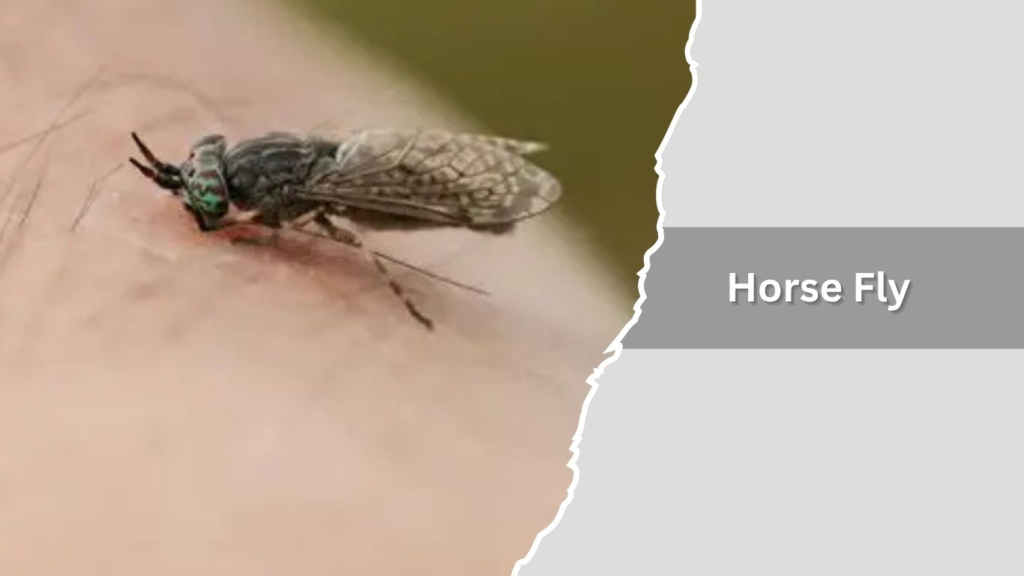
Horse flies are large flying insects known for painful bites. They are often found near livestock, ponds, wetlands, wooded areas, and warm outdoor spaces. Unlike house flies, horse flies are strong flyers and can be aggressive when seeking a blood meal.
Identification
- Large flying insect with strong body
- Big colorful or dark eyes
- Clear or smoky wings
- Fast, direct flight
- Painful bite from females
- Often found near animals, water, and fields
Where It Lives
Horse flies are common around farms, pastures, lakes, rivers, marshes, and wooded edges. They are especially active during warm weather. They may follow people, pets, horses, cattle, and other animals outdoors.
Why It Is a Problem
Female horse flies bite to get blood, and their bites can be painful because they cut the skin rather than gently pierce it. Bites may cause swelling, itching, and irritation. They can also stress livestock and pets.
How to Control It
Avoid peak activity areas when horse flies are abundant. Wear long sleeves, use insect repellent labeled for biting flies, and use fans in outdoor seating areas. Around animals, remove manure, manage wet areas, and use approved fly control products when needed.
11. Deer Fly
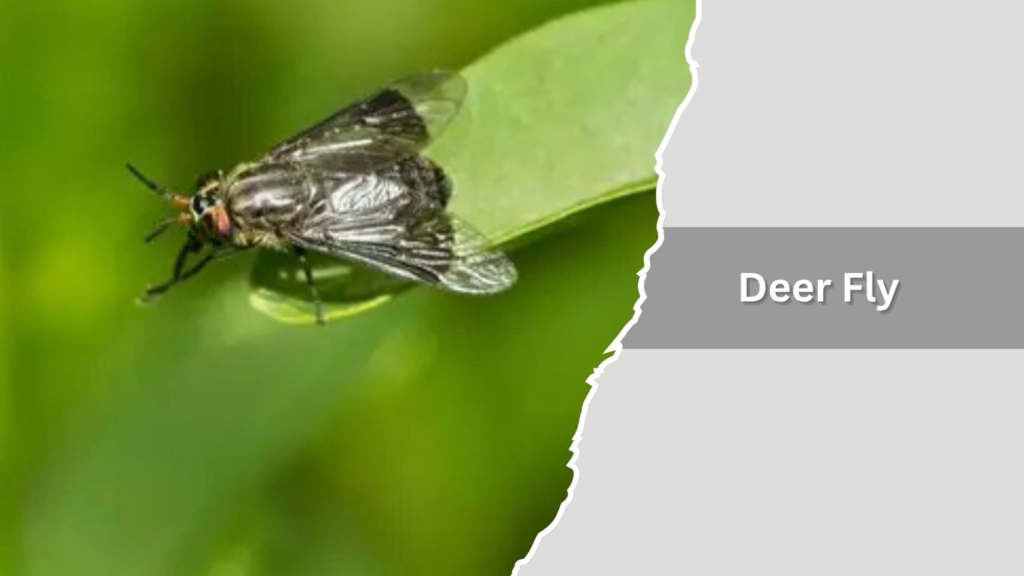
Deer flies are medium-sized flying insects known for their painful bites and fast movement. They are often found near wooded areas, wetlands, lakes, streams, and places where deer, livestock, pets, or people are active. Female deer flies bite to feed on blood, making them one of the most irritating outdoor flying insects.
Identification
- Medium-sized flying insect
- Often gray, brown, or yellowish
- Large patterned eyes
- Clear or smoky wings with dark bands
- Fast, circling flight around people or animals
- Painful bite from females
Where It Lives
Deer flies commonly live near moist outdoor habitats such as wetlands, marshes, ponds, wooded trails, fields, and stream edges. They are most active in warm weather and often appear during the day. These biting flies may follow people, pets, and livestock, especially around exposed skin.
Why It Is a Problem
Deer fly bites can be painful and may leave red, swollen, itchy marks. They can be persistent and difficult to swat because they fly quickly and often circle before landing. Around animals, deer flies may cause stress and irritation, especially when numbers are high.
How to Control It
Wear long sleeves, hats, and light-colored clothing when deer flies are active. Use insect repellent labeled for biting flies and avoid wet, wooded areas during peak activity. Around yards, reduce damp vegetation, improve drainage, and use outdoor fans near seating areas to make landing harder.
12. Yellow Fly
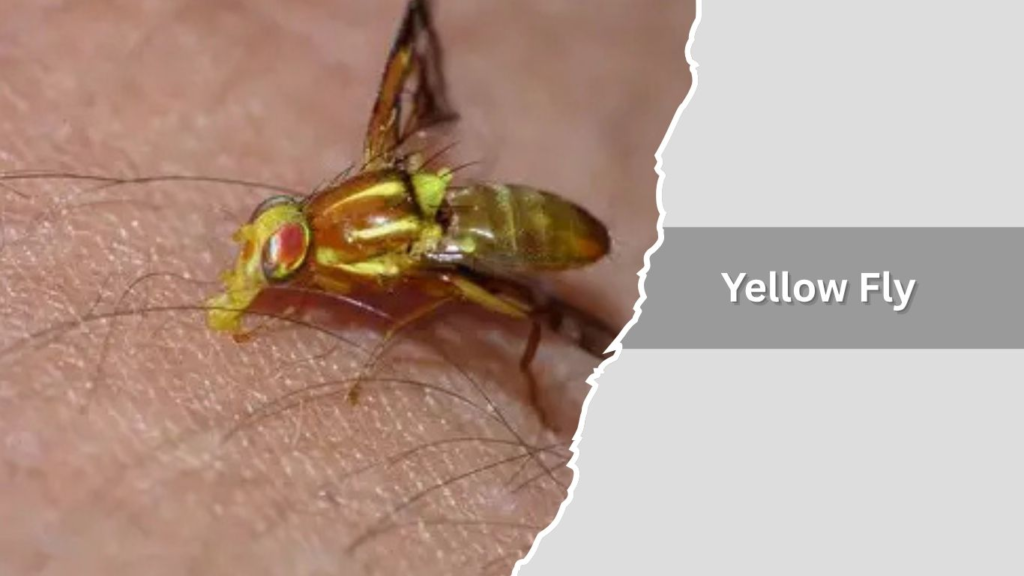
Yellow flies are biting flies closely related to deer flies and horse flies. They are especially common in warm, humid regions and are known for aggressive biting behavior. Their painful bites make them a major nuisance around yards, pools, wooded areas, and wetlands.
Identification
- Medium-sized yellowish or brown flying insect
- Clear wings with dark markings
- Large green or patterned eyes
- Strong, direct flight
- Painful bite from females
- Often active in warm, humid weather
Where It Lives
Yellow flies are usually found near wetlands, shaded yards, forests, marshes, ponds, rivers, and coastal areas. They prefer humid environments and often rest in vegetation before flying out to bite people or animals. They may be especially active during the warmer parts of the day.
Why It Is a Problem
A yellow fly bite can be painful and may cause swelling, redness, itching, or irritation. Some people react more strongly than others. Because yellow flies are persistent, they can make outdoor activities uncomfortable, especially near pools, patios, gardens, and wooded properties.
How to Control It
Avoid shaded, damp areas when yellow flies are active. Wear protective clothing and use repellents made for biting flies. Remove standing water, trim dense vegetation, and use fans around outdoor seating areas. In problem areas, traps designed for biting flies may help reduce adult numbers.
13. Whitefly
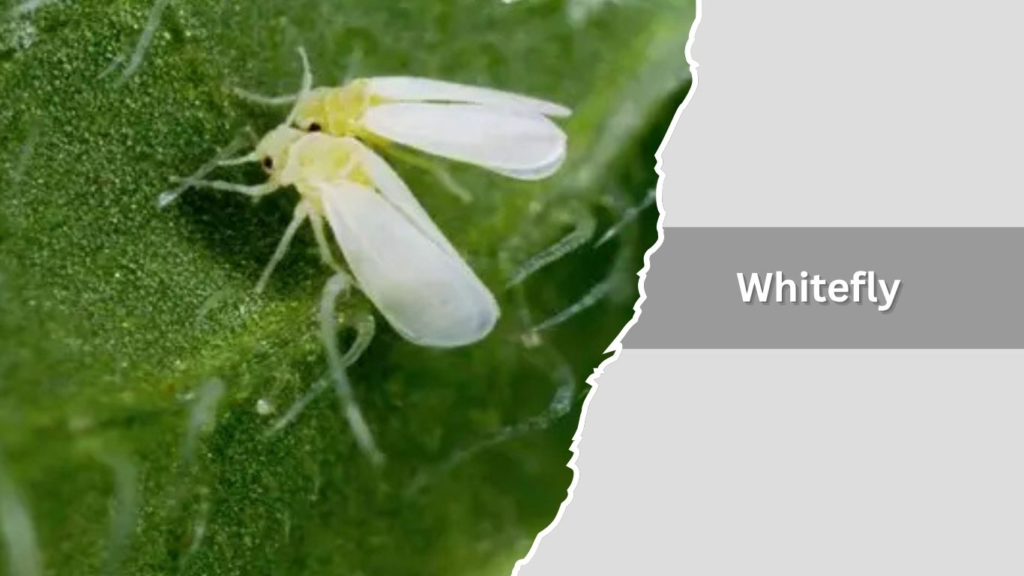
Whiteflies are tiny white flying insects often found on houseplants, garden vegetables, ornamentals, and greenhouse plants. When disturbed, they fly up in small clouds from the undersides of leaves. Although they look like tiny moths, they are plant-feeding insects that can weaken plants over time.
Identification
- Tiny white flying insect
- Powdery white wings and body
- Often found under leaves
- Flies up when plants are disturbed
- Common on vegetables and houseplants
- Leaves may become yellow or sticky
Where It Lives
Whiteflies live on the undersides of plant leaves, especially on tomatoes, peppers, cucumbers, hibiscus, poinsettias, and many indoor plants. They prefer warm, protected environments such as greenhouses, gardens, and sunny indoor windowsills.
Why It Is a Problem
Whiteflies suck plant sap, which can cause yellowing leaves, weak growth, leaf drop, and sticky honeydew. The sticky residue may lead to sooty mold, making leaves look dark or dirty. Heavy infestations can seriously weaken plants and reduce garden production.
How to Control It
Inspect the undersides of leaves regularly. Remove heavily infested leaves, wash plants with water, and use yellow sticky traps to catch adults. In gardens, encourage beneficial insects such as lady beetles and lacewings. For indoor plants, isolate infested plants to prevent spread.
14. Green Lacewing
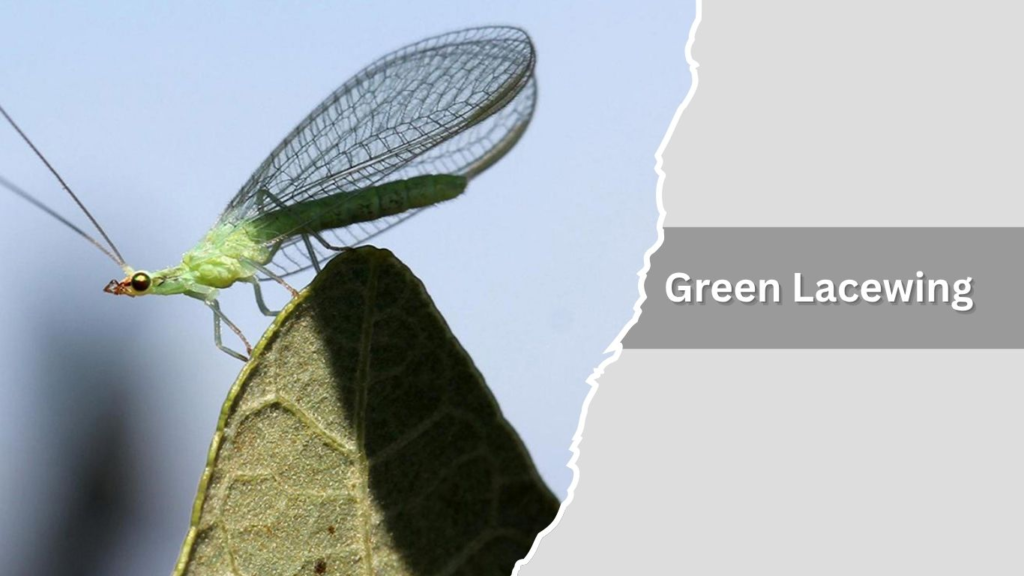
Green lacewings are delicate flying insects with pale green bodies and clear, net-like wings. They are often considered beneficial because their larvae feed on aphids, mites, whiteflies, and other small plant pests. Adult lacewings may be attracted to lights and sometimes enter homes by accident.
Identification
- Light green flying insect
- Large transparent lace-like wings
- Golden or copper-colored eyes
- Long antennae
- Delicate body and slow flight
- Often attracted to porch lights
Where It Lives
Green lacewings are found in gardens, fields, shrubs, trees, and areas with flowering plants. They are common where aphids and other soft-bodied insects are present. Adults may rest on leaves during the day and become more active near lights at night.
Why It Is a Problem
Green lacewings are usually not a problem. In fact, they are helpful in gardens because their larvae eat many pest insects. If adults appear indoors, they are normally accidental visitors and do not infest food, bite people, or damage the home.
How to Control It
If green lacewings enter the house, gently release them outside. Reduce nighttime light attraction by closing curtains and turning off unnecessary porch lights. In gardens, avoid killing them because they naturally help control aphids, whiteflies, and other plant pests.
15. Wasp
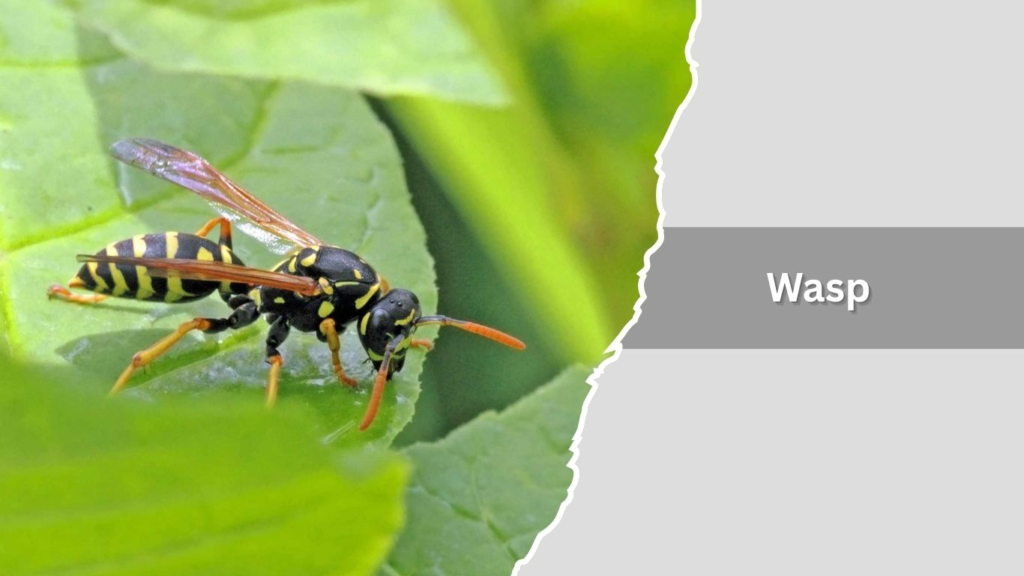
Wasps are flying insects that can sting and often build nests around homes, gardens, sheds, roof edges, and wall voids. Some wasps are beneficial because they hunt pest insects, but they can become a problem when nests are close to people or pets.
Identification
- Slender flying insect with narrow waist
- Usually black, yellow, brown, or reddish
- Smooth body with little hair
- Two pairs of wings
- Fast, direct flight
- Can sting when threatened
Where It Lives
Wasps build nests in trees, shrubs, roof eaves, attics, wall gaps, sheds, soil, or under decks. Paper wasps often make umbrella-shaped nests under sheltered areas. Yellowjackets may nest underground or inside wall spaces. Mud daubers build mud tubes on walls or ceilings.
Why It Is a Problem
Wasps can sting when they feel threatened, especially near their nest. Some species become aggressive around food, sugary drinks, garbage, or outdoor dining areas. For people with sting allergies, wasps can be a serious health concern.
How to Control It
Keep food and drinks covered outdoors, seal trash cans, and inspect for nests around the home. Avoid swatting near active nests. Small exposed nests may be treated carefully, but large, hidden, or aggressive wasp nests should be handled by pest control professionals.
16. Hornet
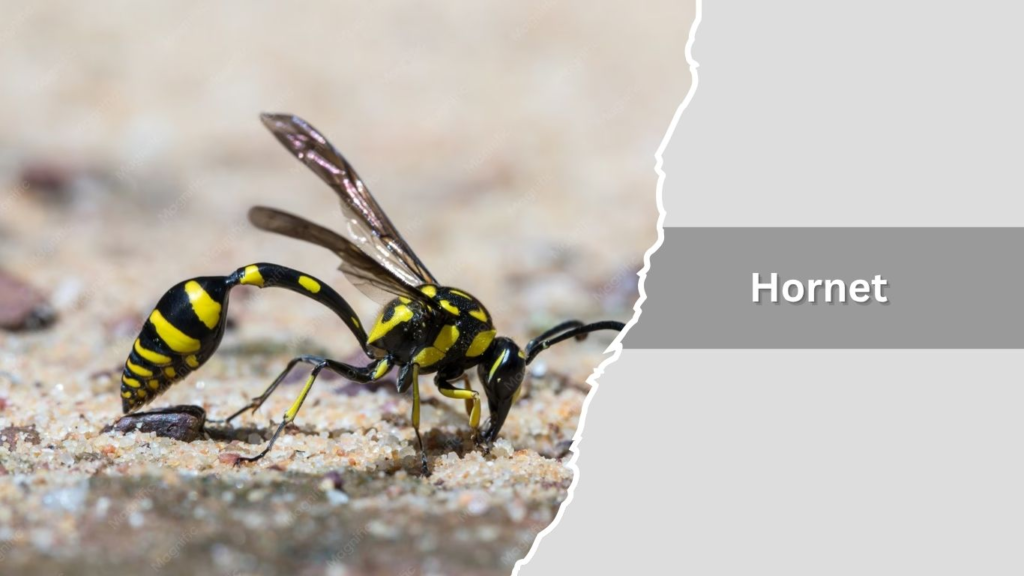
Hornets are large flying insects related to wasps. They are known for their strong bodies, powerful flight, and painful stings. Some hornets are beneficial because they hunt other insects, but they can become dangerous when nests are close to homes, gardens, sheds, or outdoor seating areas.
Identification
- Large flying insect with a wasp-like body
- Black, brown, yellow, or reddish markings
- Narrow waist and strong wings
- Smooth body with little hair
- Powerful, direct flight
- Can sting multiple times when threatened
Where It Lives
Hornets often build nests in trees, shrubs, roof spaces, wall voids, sheds, attics, and under building edges. Some nests are large, papery, and rounded, while others may be hidden in cavities. They are most active during warm months when colonies grow larger.
Why It Is a Problem
Hornets can be aggressive when their nest is disturbed. Their stings are painful and may cause swelling, redness, or allergic reactions in sensitive people. A nest near doors, patios, gardens, or play areas can create a serious safety concern.
How to Control It
Avoid approaching or shaking a hornet nest. Keep outdoor food, sugary drinks, and trash covered to reduce attraction. Seal cracks and openings where hornets may enter structures. Large or active hornet nests should be removed by a pest control professional.
17. Bee
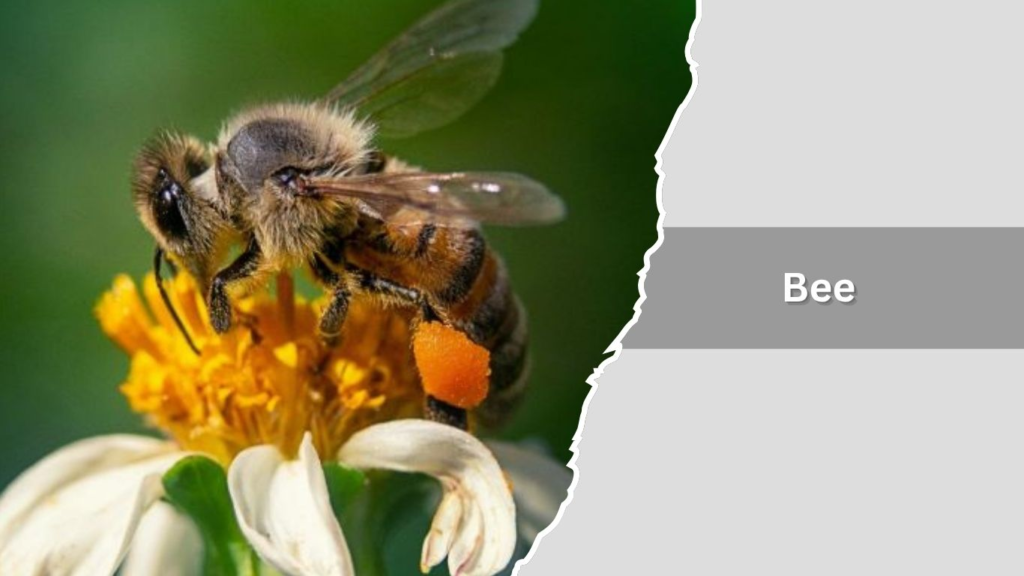
Bees are important flying insects that pollinate flowers, fruits, vegetables, and many wild plants. They are often seen in gardens, orchards, fields, and flowering landscapes. Most bees are not aggressive unless handled or their nest is threatened, but they can sting in defense.
Identification
- Flying insect with a hairy body
- Yellow, black, brown, or orange markings
- Often carries pollen on legs
- Rounded or fuzzy appearance
- Visits flowers for nectar and pollen
- Some species live alone, others in colonies
Where It Lives
Bees live in many places depending on the species. Honey bees live in colonies inside hives or cavities. Bumble bees may nest underground, in grass, or in old rodent holes. Solitary bees often nest in soil, hollow stems, wood holes, or small crevices.
Why It Is a Problem
Bees are usually beneficial, but they can become a concern when nesting inside walls, near doors, or in high-traffic areas. Stings may cause pain, swelling, or allergic reactions. However, bees should not be killed unnecessarily because they are valuable pollinators.
How to Control It
Avoid disturbing bee nests. If bees are nesting in a risky location, contact a beekeeper or pest professional for safe removal. Reduce attraction by covering sweet drinks and outdoor food. Planting flowers away from seating areas can help guide bee activity away from people.
18. Moth
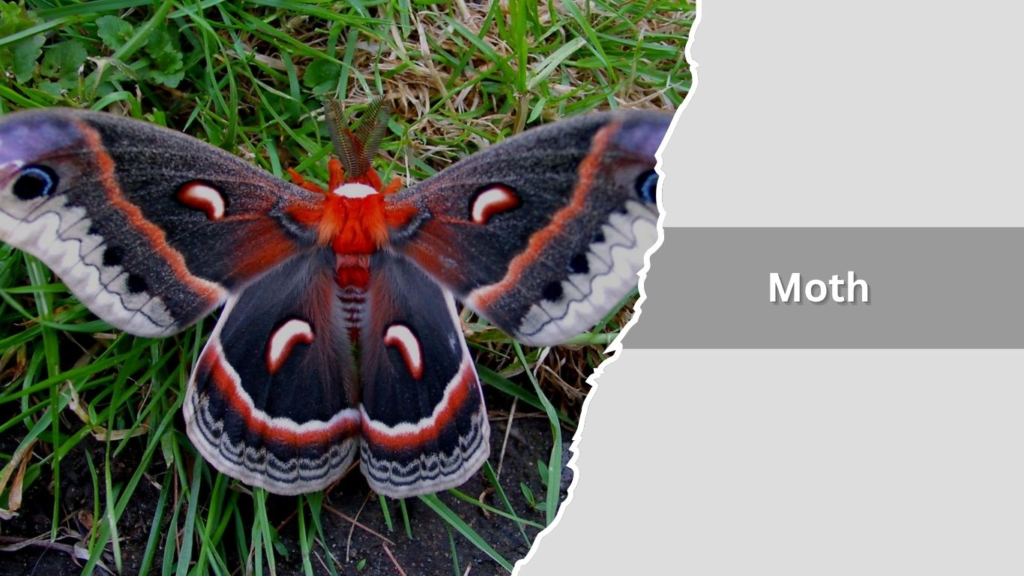
Moths are flying insects often seen around porch lights, windows, closets, pantries, and gardens. Many moths are harmless outdoor insects, but some species can become indoor pests. Clothes moths may damage fabrics, while pantry moths can infest stored food.
Identification
- Flying insect with scaly wings
- Usually active at night
- Wings may be brown, gray, white, or patterned
- Often attracted to lights
- Rest with wings flat or roof-like
- Some look similar to butterflies but are usually duller
Where It Lives
Outdoor moths live in gardens, forests, fields, and around flowering plants. Indoors, pantry moths may be found near grains, flour, cereal, rice, nuts, and pet food. Clothes moths prefer dark closets, stored fabrics, wool, silk, feathers, and carpets.
Why It Is a Problem
Most outdoor moths are not harmful, but indoor pest moths can cause damage. Pantry moth larvae contaminate stored food, while clothes moth larvae chew holes in natural fabrics. Adult moths are often the first sign of a hidden infestation.
How to Control It
For pantry moths, throw away infested food, clean shelves, and store dry goods in sealed containers. For clothes moths, wash or dry-clean affected fabrics and vacuum closets. Reduce outdoor moths near doors by turning off unnecessary lights at night.
19. Mayfly
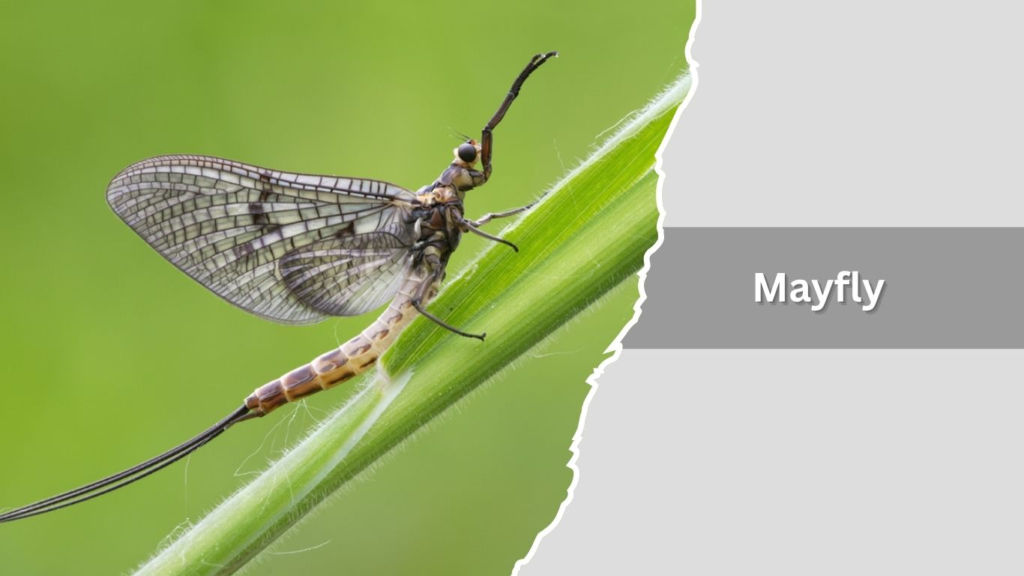
Mayflies are delicate flying insects that often appear in large numbers near lakes, rivers, ponds, and streams. They are short-lived as adults and usually do not feed, bite, or sting. Although harmless, large mayfly swarms can become a nuisance around lights, buildings, bridges, and waterfront homes.
Identification
- Delicate flying insect with soft body
- Two or three long tail-like filaments
- Large clear wings held upright
- Often pale, brown, gray, or yellowish
- Weak flight
- Common near freshwater
Where It Lives
Mayflies spend most of their lives as aquatic young in clean freshwater habitats. Adults emerge from rivers, lakes, and ponds, often at the same time in large groups. They are strongly attracted to lights and may gather on windows, walls, cars, and streetlights.
Why It Is a Problem
Mayflies do not bite, sting, or damage homes. Their main problem is numbers. Large swarms can cover outdoor surfaces and create slippery piles when they die. They may also attract birds, fish, and other animals that feed on them.
How to Control It
Mayflies cannot be fully controlled when they emerge from nearby water. Turn off outdoor lights during peak emergence, use warm-colored bulbs, and keep doors and windows closed. Sweep or rinse dead mayflies from walkways to prevent odor and slippery surfaces.
20. Fishfly
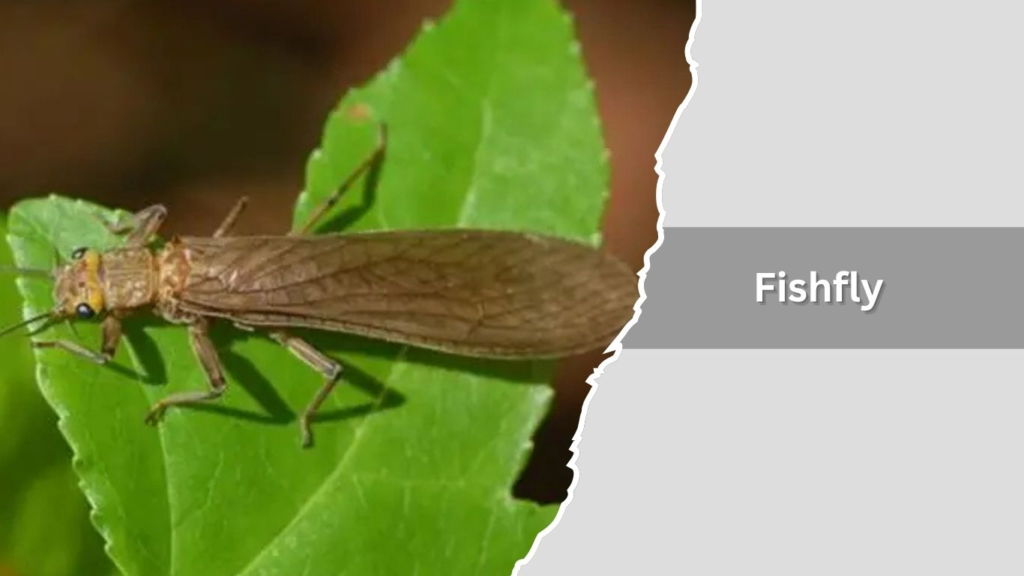
Fishflies are large flying insects often found near lakes, rivers, ponds, and wetlands. They are related to dobsonflies and alderflies and may look intimidating because of their size, long wings, and strong jaws. However, fishflies are generally harmless to people.
Identification
- Large flying insect with long wings
- Brown, gray, or dark body
- Wings often held roof-like over the body
- Long antennae
- Soft body and weak flight
- Common around lights near water
Where It Lives
Fishflies live near freshwater habitats because their larvae develop in aquatic environments. Adults are often seen around porch lights, docks, marinas, bridges, and lakeside buildings. They are most common during warm months when they emerge from nearby water.
Why It Is a Problem
Fishflies do not usually bite or sting, but their large size can frighten people. They may gather around lights in large numbers and become messy when they die. In waterfront areas, they can be a seasonal nuisance.
How to Control It
Reduce outdoor lighting at night or switch to warmer bulbs to make buildings less attractive. Keep doors and windows screened, especially near lakes or rivers. Since fishflies come from natural water habitats, control is mainly about reducing attraction rather than eliminating them completely.