
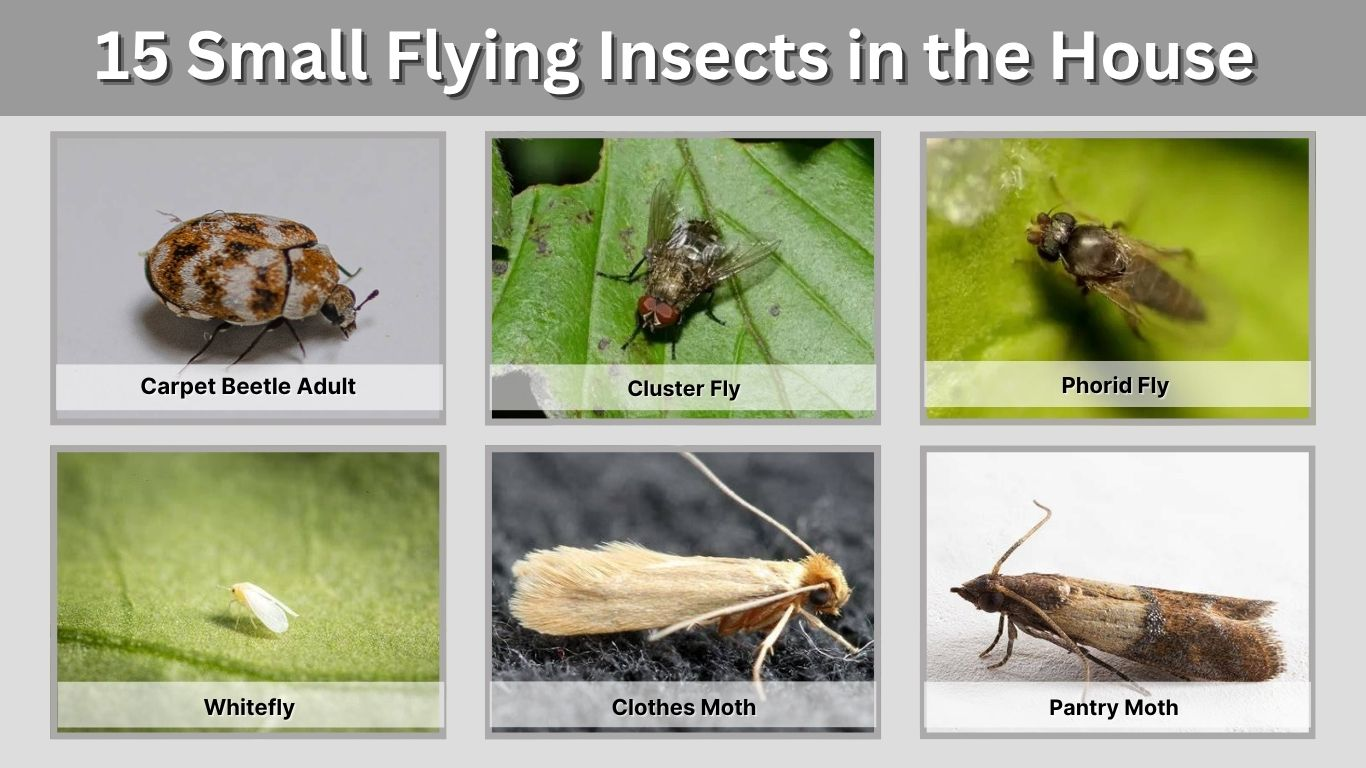
Small flying insects in the house can appear around drains, plants, pantries, windows, lights, and trash areas. Some are harmless nuisance pests, while others may contaminate food, damage fabrics, harm houseplants, or signal a hidden moisture or wood problem. Identifying the insect by its color, size, location, and behavior helps you choose the right way to remove it and prevent it from coming back.
1. House Fly
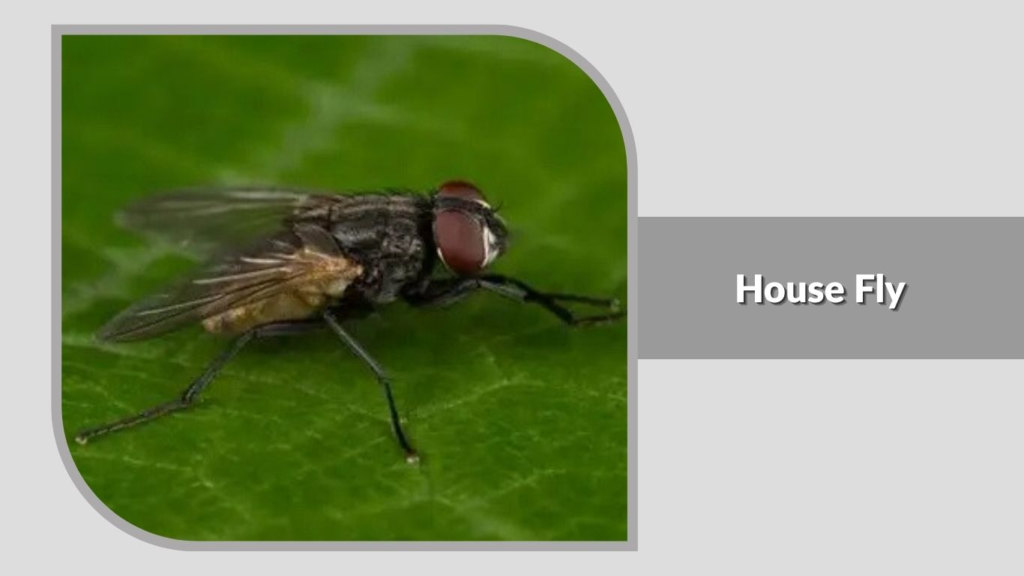
The house fly is one of the most common flying insects in the house. It often appears around kitchens, trash cans, windows, and food preparation areas. House flies are not just annoying; they can also carry germs from dirty places to clean indoor surfaces.
Identification
- Medium-sized gray flying insect
- Large reddish eyes
- Dark stripes on the upper body
- Clear wings
- Fast, active flight
- Often lands on food, walls, and windows
Where It Lives
House flies are attracted to food waste, garbage, pet waste, and decaying organic matter. Inside the house, they usually gather near kitchens, trash bins, doors, and windows. They may enter through open doors, damaged screens, or gaps around windows.
Why It Is a Problem
House flies can contaminate food and surfaces because they often land on waste before entering living areas. If you see many house flies indoors, there may be a nearby food source, trash issue, or open entry point.
How to Control It
Keep trash sealed, clean spills quickly, and avoid leaving food uncovered. Install window screens and repair gaps around doors. Fly traps, sticky strips, and indoor flying insect traps can help reduce adult flies, but removing the food source is the most important step.
2. Fruit Fly
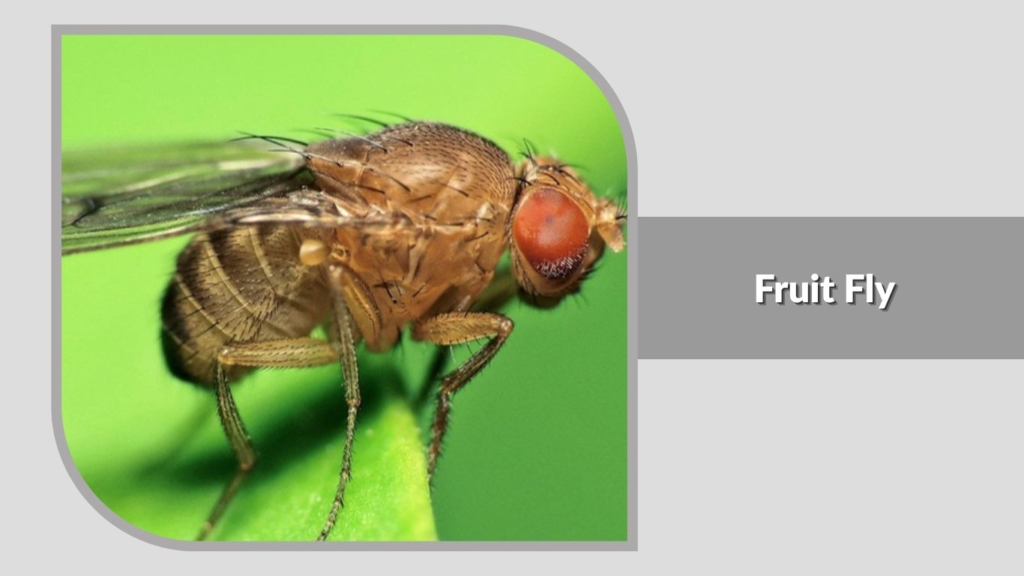
Fruit flies are tiny flying insects in the house that usually appear around ripe fruit, vegetables, drains, trash, and recycling bins. They multiply quickly, so a few fruit flies can turn into a larger problem within days.
Identification
- Very small flying insect
- Tan or brown body
- Red or dark eyes
- Short, quick flight
- Often hovers around fruit
- Common near sinks, trash, and food scraps
Where It Lives
Fruit flies live near fermenting or rotting food. They are common around bananas, apples, tomatoes, onions, garbage disposals, empty bottles, compost containers, and dirty trash bins. Even a small amount of food residue can attract them.
Why It Is a Problem
Fruit flies are irritating because they gather around food and kitchen surfaces. They can also make a kitchen feel dirty, even when the home is mostly clean. Since they breed in hidden residue, they may keep coming back if the source is not removed.
How to Control It
Throw away overripe fruit, clean drains, rinse recycling items, and empty trash often. Store fruit in the refrigerator when possible. Apple cider vinegar traps can catch adults, but deep cleaning is needed to stop new fruit flies from emerging.
3. Drain Fly
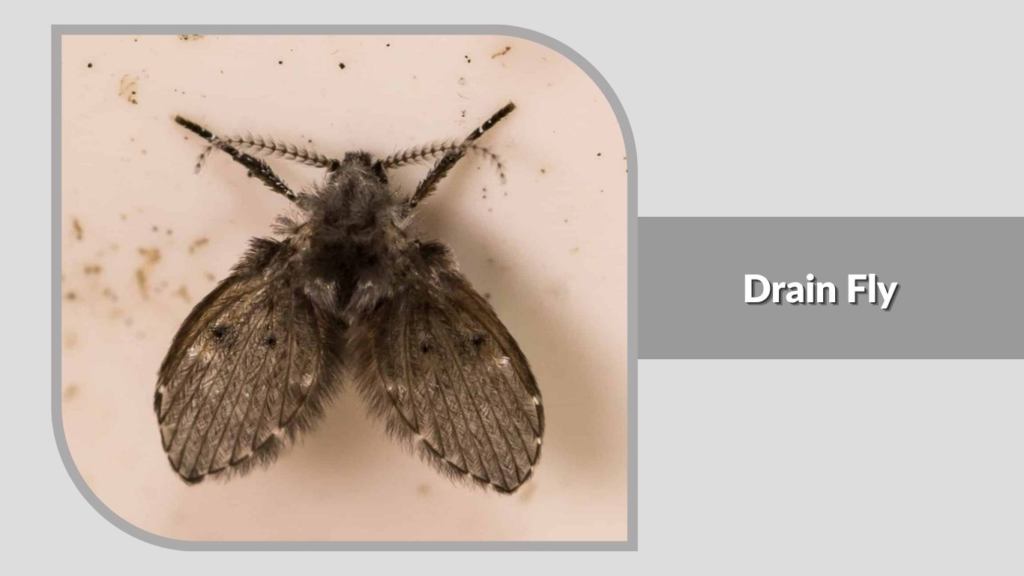
Drain flies are small moth-like flying insects often found in bathrooms, kitchens, basements, and laundry rooms. They usually appear near sinks, showers, tubs, and floor drains. Their fuzzy wings make them easy to separate from fruit flies or gnats.
Identification
- Small moth-like flying insect
- Fuzzy gray, brown, or black body
- Broad wings held over the body
- Slow, weak flight
- Often rests on walls near drains
- Common around sinks and showers
Where It Lives
Drain flies breed in slimy organic buildup inside drains and pipes. They may also live in septic areas, wet mop buckets, floor drains, or damp plumbing spaces. If they keep appearing near one drain, that drain is likely the breeding source.
Why It Is a Problem
Drain flies do not usually bite, but they can become a persistent indoor nuisance. Their presence often means there is moisture, sludge, or organic buildup in plumbing. Killing adults will not solve the problem if larvae remain inside the drain.
How to Control It
Clean drains with a stiff drain brush to remove slime and buildup. Flush with hot water after scrubbing. Fix leaks, dry damp areas, and keep bathrooms well ventilated. Sticky traps can help monitor the problem while the source is being cleaned.
4. Fungus Gnat
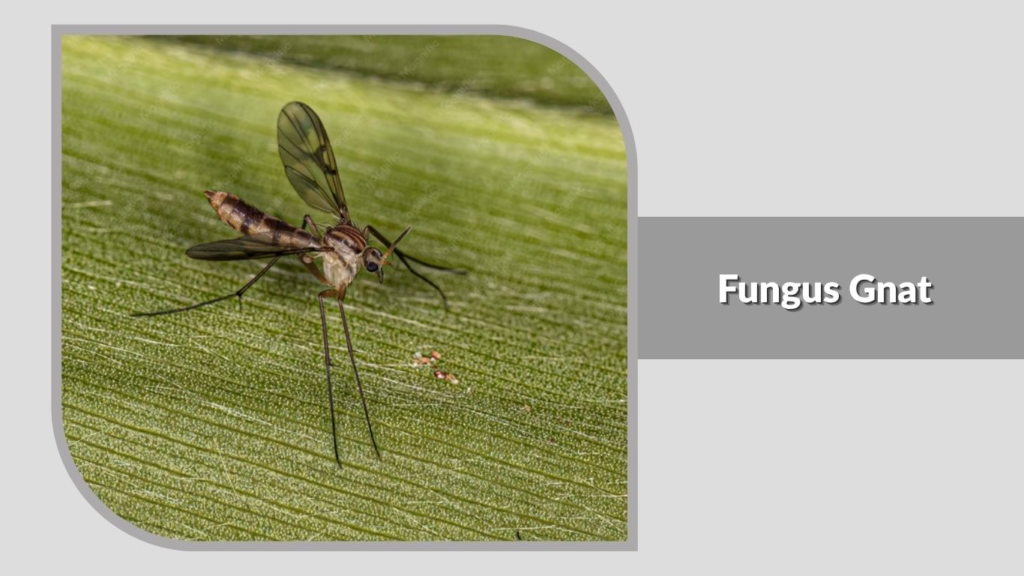
Fungus gnats are tiny black flying insects in the house, usually found around indoor plants. They look like small mosquitoes but are weak flyers. If you see tiny flying insects around plant pots, wet soil is often the main reason.
Identification
- Very small black flying insect
- Thin body and long legs
- Clear wings
- Looks like a tiny mosquito
- Weak, slow flight
- Usually found near houseplants
Where It Lives
Fungus gnats live in moist potting soil. Their larvae feed on fungi, decaying plant material, and sometimes delicate plant roots. They are common in overwatered houseplants, seed trays, greenhouses, and indoor plant collections.
Why It Is a Problem
Adult fungus gnats are mostly annoying, but the larvae can harm seedlings or weak plants if the infestation is heavy. Their presence usually means the soil is staying too wet. Overwatering is the biggest cause of fungus gnat problems indoors.
How to Control It
Let the top layer of soil dry before watering again. Remove dead leaves from plant pots and avoid standing water in saucers. Yellow sticky traps can catch adults. For heavy infestations, replace the soil or use a plant-safe treatment for larvae.
5. Flying Ant
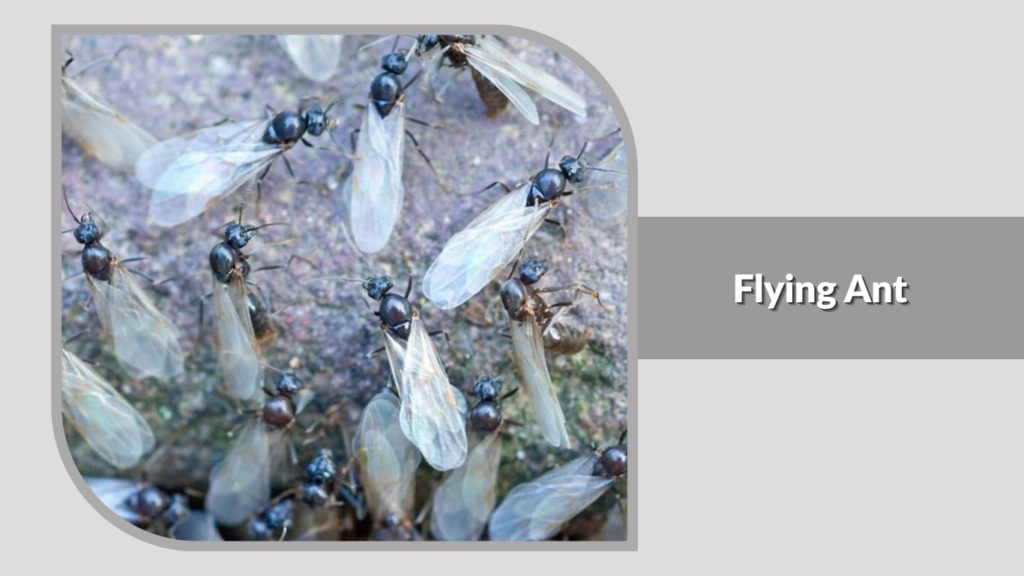
Flying ants are winged reproductive ants that may suddenly appear inside the house, especially near windows, lights, or wall cracks. They are often confused with termite swarmers, but flying ants have a narrow waist and bent antennae.
Identification
- Ant-like body with wings
- Narrow waist
- Bent antennae
- Front wings larger than back wings
- Black, brown, or reddish body
- Often appears in sudden swarms
Where It Lives
Flying ants may come from an indoor or outdoor ant colony. They can appear near windows, doors, basements, wall gaps, and light fixtures. Outdoors, they are common around soil, patios, gardens, sidewalks, and woodpiles.
Why It Is a Problem
A few flying ants may enter from outside, but repeated indoor swarms can mean an ant colony is nesting inside the structure. Depending on the species, ants may contaminate food, nest in walls, or become a long-term household pest.
How to Control It
Seal cracks, clean food spills, and keep sugary foods stored tightly. If flying ants appear repeatedly indoors, treat the colony instead of only killing the winged ants. Also compare them with termite swarmers, because termites can indicate a more serious wood-damaging problem.
6. Termite Swarmer
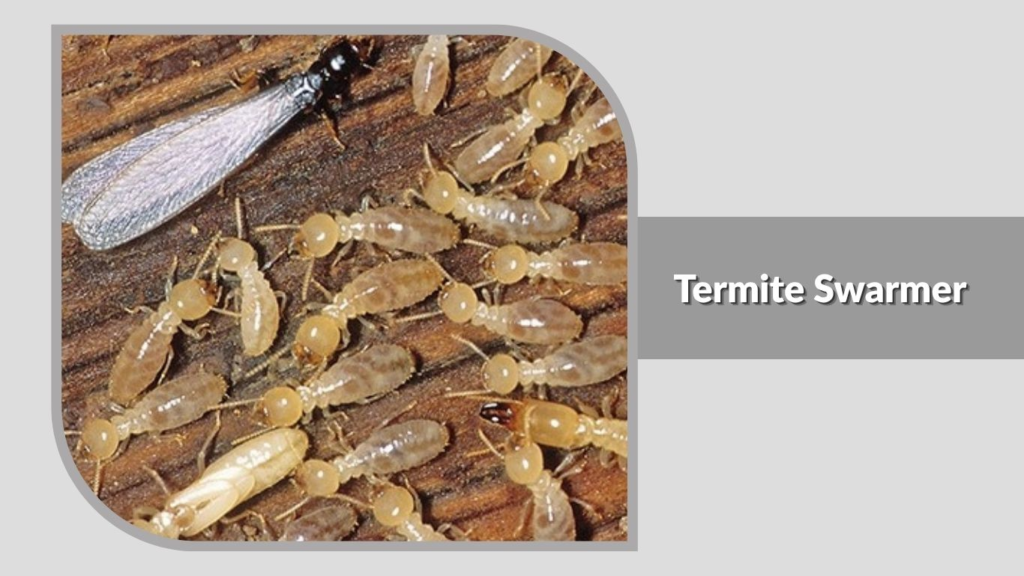
Termite swarmers are flying insects inside the house that are often mistaken for flying ants. They are reproductive termites that leave a colony to start new ones. Seeing them indoors can be a warning sign because termites may be living in or near the structure.
Identification
- Small black or brown flying insect
- Straight antennae
- Thick waist with no narrow middle
- Four wings of equal length
- Wings may drop off near windows
- Often appears in groups or swarms
Where It Lives
Termite swarmers may come from soil, crawl spaces, wall voids, damaged wood, or damp structural areas. Inside the house, they are often found near windows, doors, baseboards, light fixtures, and wooden trim. Outdoors, they may come from stumps, mulch, logs, or wood touching the ground.
Why It Is a Problem
A few flying termites indoors may mean there is an active termite colony nearby. Termites feed on wood and other cellulose materials, which can lead to costly damage over time. Killing the swarmers does not remove the hidden colony.
How to Control It
Do not ignore termite swarmers. Save a sample if possible and schedule a termite inspection. Reduce moisture, fix leaks, keep mulch away from the foundation, and remove wood-to-soil contact. Professional treatment is usually needed if termites are confirmed.
7. Mosquito
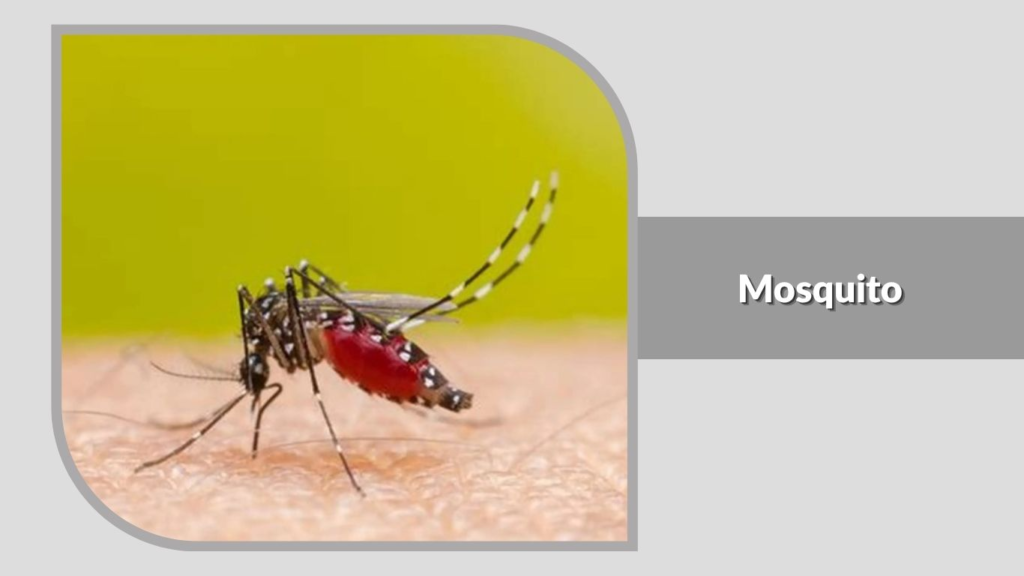
Mosquitoes are small flying insects in the house that usually enter through open doors, windows, or damaged screens. They are easy to recognize by their thin bodies, long legs, and itchy bites. Female mosquitoes bite because they need blood to produce eggs.
Identification
- Small flying insect with long legs
- Thin body and narrow wings
- Long needle-like mouthpart
- High-pitched buzzing sound
- Often bites at night or evening
- Leaves itchy red bumps
Where It Lives
Mosquitoes breed in standing water. Outdoors, they develop in buckets, plant saucers, birdbaths, clogged gutters, puddles, old tires, and rain barrels. Indoors, they may rest in dark corners, bathrooms, closets, curtains, or under furniture after entering the home.
Why It Is a Problem
Mosquito bites can cause itching, swelling, and irritation. In some areas, mosquitoes may also carry diseases, so keeping them out of the house is important. If mosquitoes keep appearing indoors, there may be open entry points or standing water nearby.
How to Control It
Empty standing water around the home at least once a week. Repair window screens, close doors quickly, and use fans because mosquitoes are weak flyers. Indoors, remove hiding mosquitoes with traps or careful spot treatment, and focus on blocking new ones from entering.
8. Midge
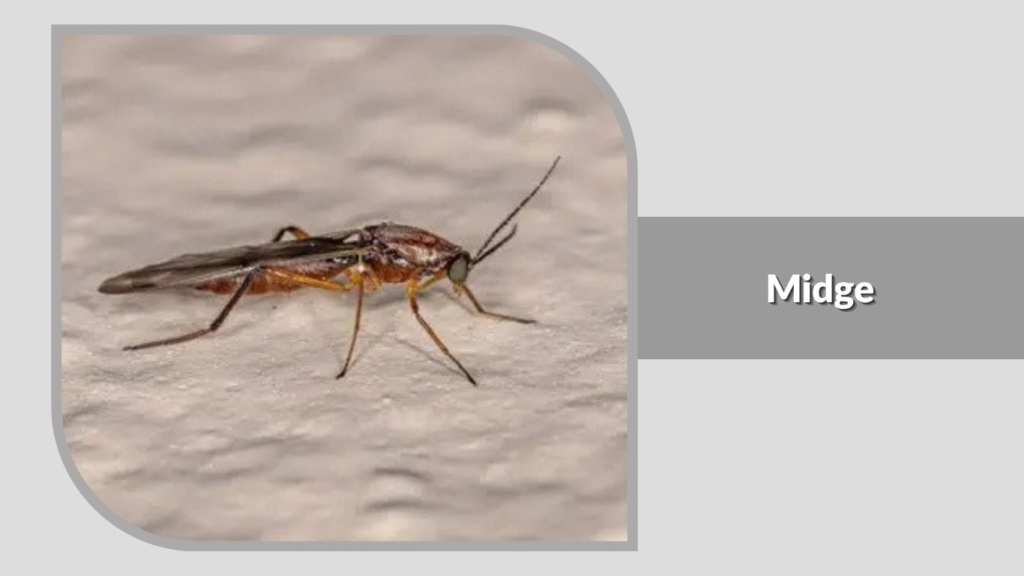
Midges are tiny flying insects in the house that often look like very small mosquitoes. Some types bite, while others simply swarm near lights, windows, damp areas, and water sources. They may enter homes from outdoors, especially at night.
Identification
- Very tiny flying insect
- Slender body and delicate wings
- Looks like a tiny mosquito
- May gather near lights or windows
- Some types bite
- Often appears in groups
Where It Lives
Midges are usually linked to damp outdoor areas, ponds, lakes, wet soil, drains, and standing water. Inside the house, they may gather near windows, lamps, bathrooms, kitchens, or humid spaces. Non-biting midges are especially attracted to bright indoor and outdoor lights.
Why It Is a Problem
Non-biting midges are mostly a nuisance, but large numbers can be annoying indoors. Biting midges are more troublesome because they can leave itchy red marks. Their small size allows them to pass through some regular window screens.
How to Control It
Reduce standing water and improve drainage around the home. Turn off unnecessary outdoor lights at night or switch to warmer bulbs. Use fine mesh screens, seal gaps, and run fans near sitting areas. If they are indoors, vacuum visible midges and remove moisture sources.
9. Crane Fly
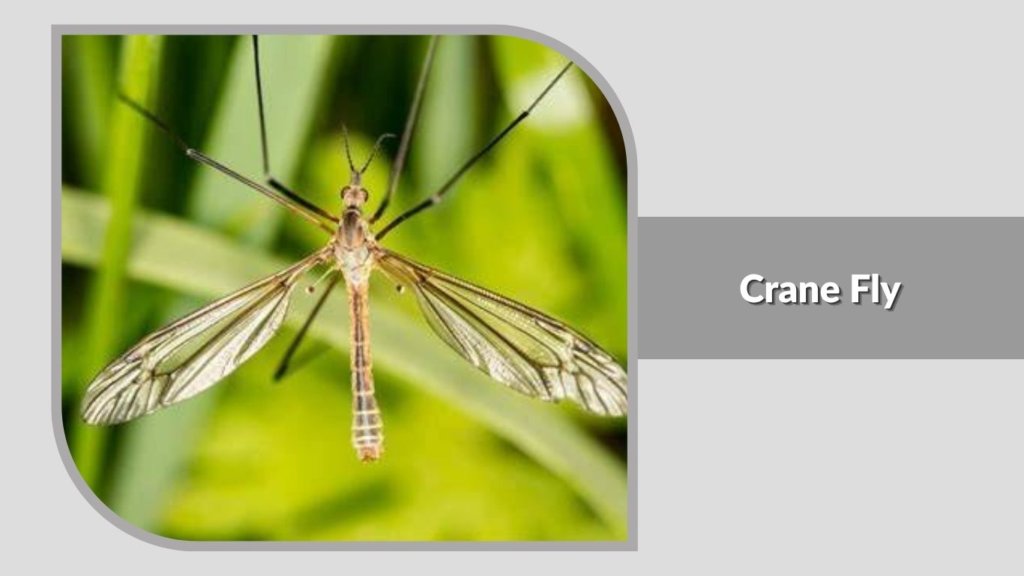
Crane flies are large flying insects in the house that look like giant mosquitoes, but they do not bite people. They often enter homes by accident when lights attract them through open doors or windows. Their long legs and weak flight make them easy to recognize.
Identification
- Large flying insect with very long legs
- Slender body and narrow wings
- Looks like an oversized mosquito
- Weak, clumsy flight
- Often attracted to lights
- Does not bite or sting
Where It Lives
Crane flies are commonly found in lawns, gardens, damp soil, fields, and areas with decaying plant material. Adults may fly indoors at night, especially during warm or damp weather. Their larvae live in soil, wet grass, or organic matter outside.
Why It Is a Problem
Adult crane flies are usually harmless indoors. They do not bite, sting, or damage food. However, they can be annoying when they fly around lights or walls. In some cases, crane fly larvae may damage lawns by feeding on grass roots.
How to Control It
Keep doors and windows closed at night and repair screens. Turn off unnecessary lights that attract crane flies indoors. For lawn issues, avoid overwatering and improve drainage. If only one or two adults enter the house, simply remove them or release them outside.
10. Pantry Moth
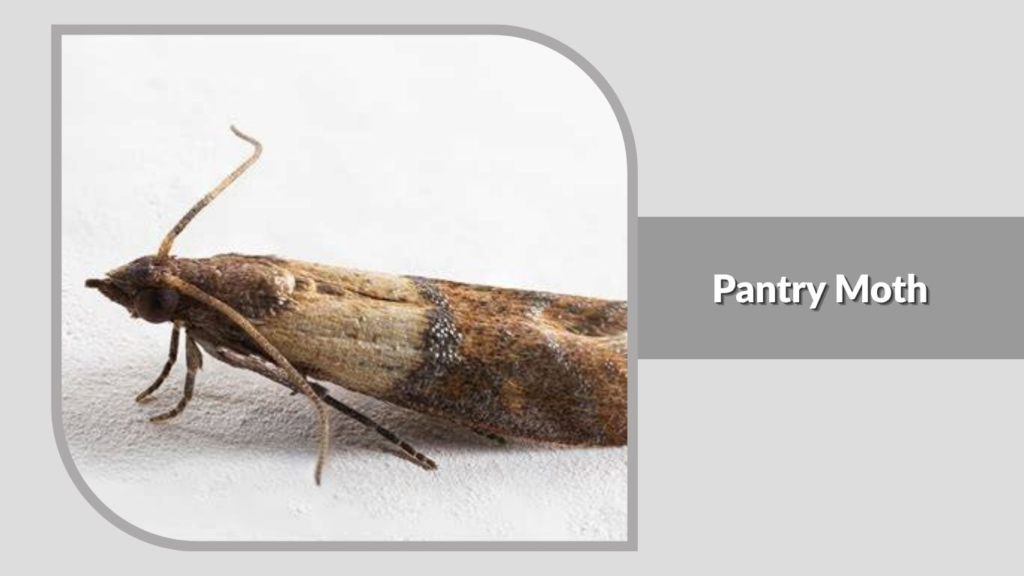
Pantry moths are small brown flying insects in the house that often appear near kitchens, cupboards, and stored dry foods. Adult moths may fly around the kitchen, while larvae live inside food packages. They are one of the most common food-storage pests.
Identification
- Small brown or gray moth
- Often has two-toned wings
- Slow fluttering flight
- Found near pantry shelves
- Larvae may appear in food
- Webbing may be seen in packages
Where It Lives
Pantry moths live in dry stored foods such as flour, rice, cereal, pasta, nuts, seeds, spices, grains, pet food, and birdseed. They may enter through already infested food packages and spread to nearby items if not controlled.
Why It Is a Problem
Pantry moth larvae contaminate food with webbing, droppings, and shed skins. Adult moths do not damage food directly, but they are a sign that larvae may be feeding somewhere nearby. Infestations can spread across pantry shelves if food is not inspected.
How to Control It
Throw away infested food and inspect all dry goods. Vacuum pantry shelves, cracks, and corners, then wipe surfaces clean. Store food in airtight containers made of glass, metal, or thick plastic. Pantry moth traps can help monitor adults after the food source is removed.
11. Clothes Moth
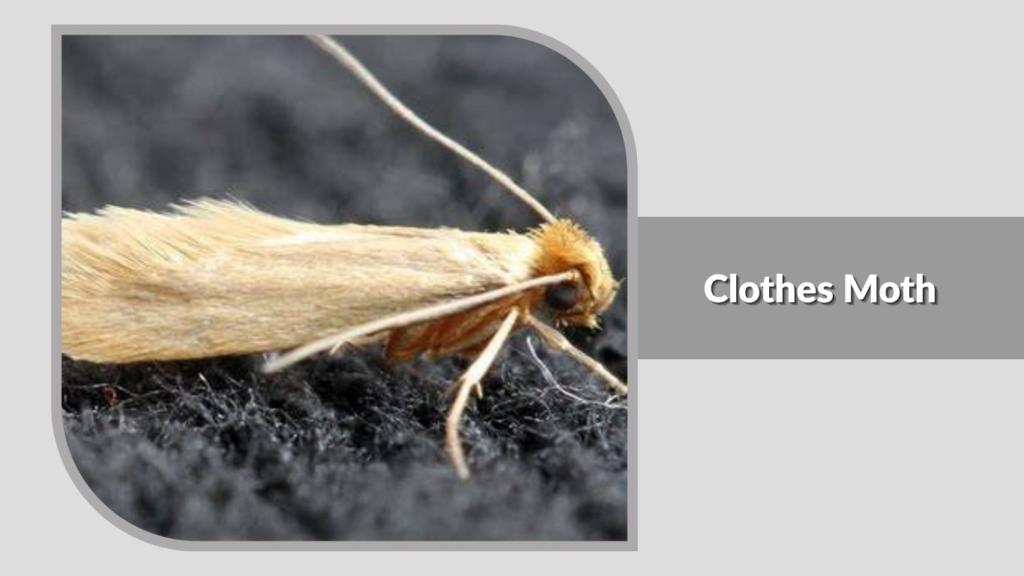
Clothes moths are small flying insects in the house that are usually found in closets, drawers, storage boxes, and dark fabric areas. Unlike many moths, they are not strongly attracted to lights. The adults are often noticed first, but the larvae are the stage that damages clothing and fabrics.
Identification
- Small beige, tan, or golden moth
- Narrow wings held close to the body
- Weak fluttering flight
- Often found in closets or storage areas
- Avoids bright light
- Larvae may leave holes in fabric
Where It Lives
Clothes moths live in dark, quiet places where natural fabrics are stored. They are attracted to wool, silk, fur, feathers, felt, carpets, and upholstery. They may also feed on fabrics stained with sweat, food, or body oils.
Why It Is a Problem
Adult clothes moths do not eat fabric, but their larvae can chew holes in clothing, blankets, rugs, and stored textiles. Damage often appears after items have been stored for a while. If ignored, an infestation can spread to other closets or fabric items.
How to Control It
Wash or dry-clean affected clothing and vacuum closets, rugs, and cracks carefully. Store clean fabrics in sealed bags or containers. Discard badly damaged items if needed. Moth traps can help monitor adults, but cleaning and removing larvae are the key steps.
12. Whitefly
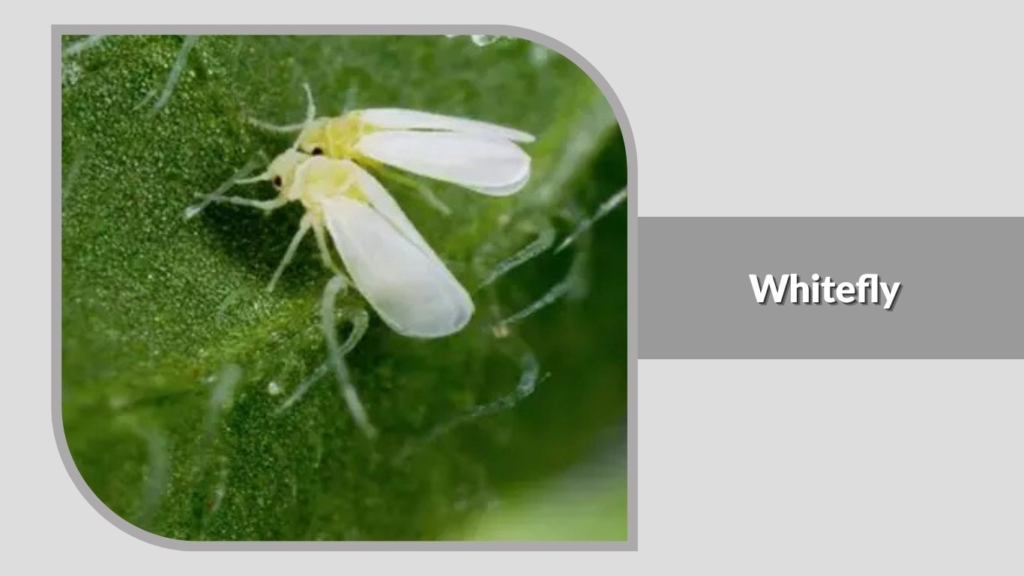
Whiteflies are small white flying insects in the house, especially around indoor plants. When disturbed, they fly up from the undersides of leaves in tiny clouds. They are plant pests that feed on sap and can weaken houseplants over time.
Identification
- Tiny white flying insect
- Powdery white wings and body
- Usually found under plant leaves
- Flies up when plants are touched
- Leaves may turn yellow
- Sticky residue may appear on leaves
Where It Lives
Whiteflies live on houseplants, greenhouse plants, and garden plants brought indoors. They are common on hibiscus, poinsettia, tomato plants, peppers, and many ornamentals. They prefer warm indoor spaces and protected leaves where they can feed and lay eggs.
Why It Is a Problem
Whiteflies suck sap from plants, causing yellowing, weak growth, leaf drop, and sticky honeydew. The sticky residue can lead to dark sooty mold on leaves. A heavy infestation can spread quickly from one indoor plant to another.
How to Control It
Isolate infested plants and inspect the undersides of leaves. Wash leaves with water, prune heavily infested parts, and use yellow sticky traps to catch adults. For serious infestations, use a plant-safe insecticidal soap or horticultural oil according to the label.
13. Phorid Fly
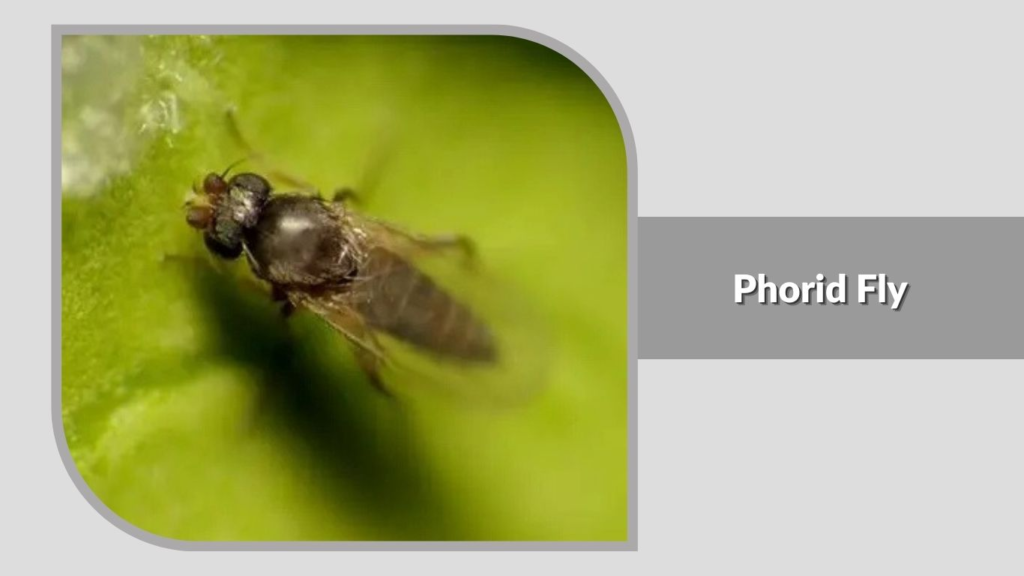
Phorid flies are tiny brown or black flying insects in the house that are often mistaken for fruit flies or drain flies. They are sometimes called humpbacked flies because of their rounded upper body. They may appear near drains, trash, decaying food, or hidden organic matter.
Identification
- Tiny brown, black, or yellowish fly
- Humpbacked body shape
- Short, quick running movement
- Erratic flight
- Often found near drains or trash
- Looks similar to a fruit fly but less rounded
Where It Lives
Phorid flies breed in decaying organic material. Common sources include dirty drains, garbage, rotting food, dead insects or rodents, leaking pipes, wet soil, and contaminated mop buckets. If they appear repeatedly, there may be a hidden source that needs to be found.
Why It Is a Problem
Phorid flies can be persistent because they breed in hidden, damp, dirty places. They may contaminate surfaces and become difficult to control if the source is inside a wall, drain, or under flooring. Their presence often points to sanitation or moisture issues.
How to Control It
Find and remove the breeding source. Clean drains, empty trash, fix leaks, and remove any decaying material. Sticky traps may catch adults but will not stop the problem alone. If flies continue after cleaning, inspect hidden plumbing leaks or dead pests inside walls.
14. Cluster Fly
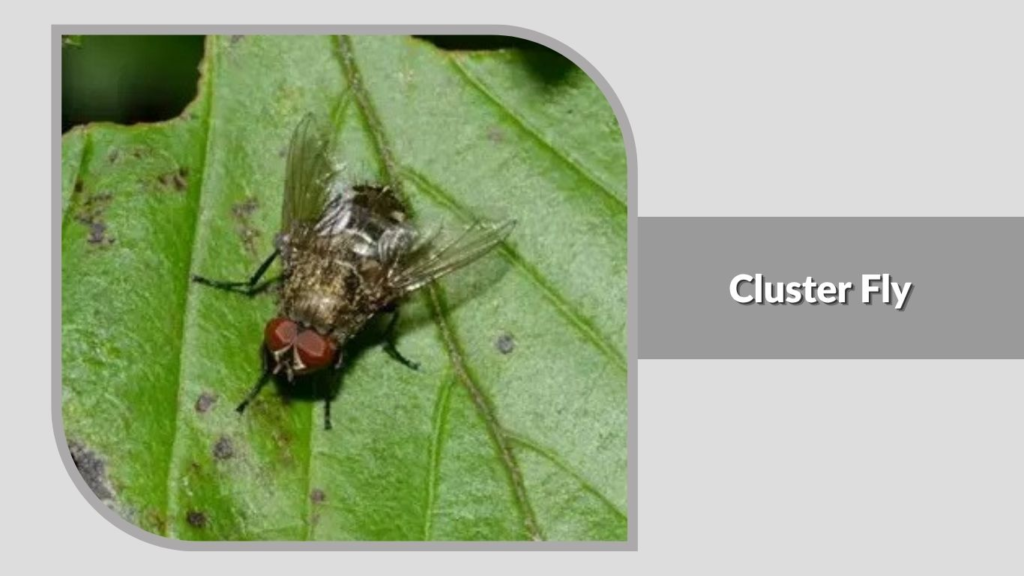
Cluster flies are flying insects in the house that often appear near windows, attics, and upper rooms. They are larger and slower than house flies. Unlike house flies, they do not usually breed in indoor trash or food. Instead, they enter homes to overwinter.
Identification
- Medium to large dark gray fly
- Slower than a house fly
- Golden hairs may be visible on body
- Often gathers near sunny windows
- Common in attics and wall voids
- Appears in fall, winter, or early spring
Where It Lives
Cluster flies develop outdoors, but adults enter homes through cracks, vents, roof gaps, siding openings, and window frames. They often hide in attics, wall voids, and upper rooms during cold weather. On warm days, they may become active and gather near windows.
Why It Is a Problem
Cluster flies do not bite or damage food, but they can be annoying when they appear in groups indoors. Dead flies may also attract other pests. Their repeated appearance usually means they found entry points into the home during the previous season.
How to Control It
Seal cracks, repair screens, and close gaps around rooflines, vents, windows, and siding before fall. Vacuum indoor flies when they appear. Avoid crushing them on walls because they may leave stains. Prevention is more effective than trying to control them after they settle inside.
15. Carpet Beetle Adult
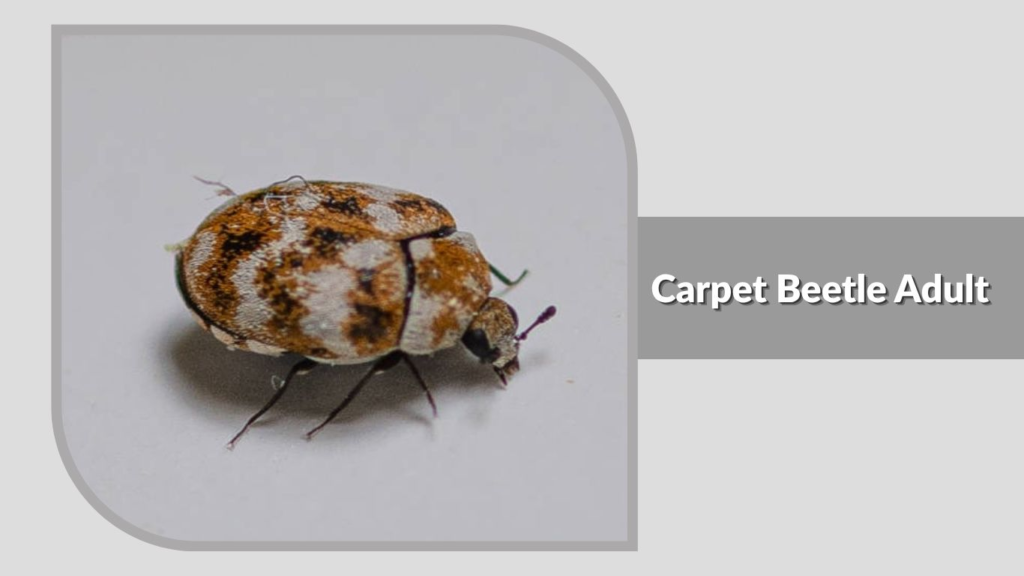
Adult carpet beetles are small flying insects that may appear near windows, lights, carpets, closets, and stored fabrics. The adults feed on pollen outdoors, but they can enter homes and lay eggs. Their larvae are the damaging stage and may feed on fabrics, lint, hair, and natural fibers.
Identification
- Very small oval flying insect
- Black, brown, or patterned body
- Hard beetle shell
- Often found near windows
- Adults may fly toward light
- Larvae are fuzzy and crawl on fabrics
Where It Lives
Adult carpet beetles may enter from outdoors through windows, doors, flowers, or cracks. Inside, they lay eggs near carpets, rugs, clothing, upholstery, pet hair, lint, stored fabrics, and dead insects. Larvae prefer dark, undisturbed areas.
Why It Is a Problem
Adult carpet beetles are not the main problem, but their larvae can damage wool, silk, feathers, fur, rugs, and stored clothing. They may also trigger skin irritation in some people because of tiny larval hairs.
How to Control It
Vacuum carpets, closets, baseboards, vents, and storage areas thoroughly. Wash or dry-clean affected fabrics and store clean items in sealed containers. Remove lint, pet hair, and dead insects from hidden areas. Continued cleaning is important because larvae may hide deep in cracks or fabric folds.