
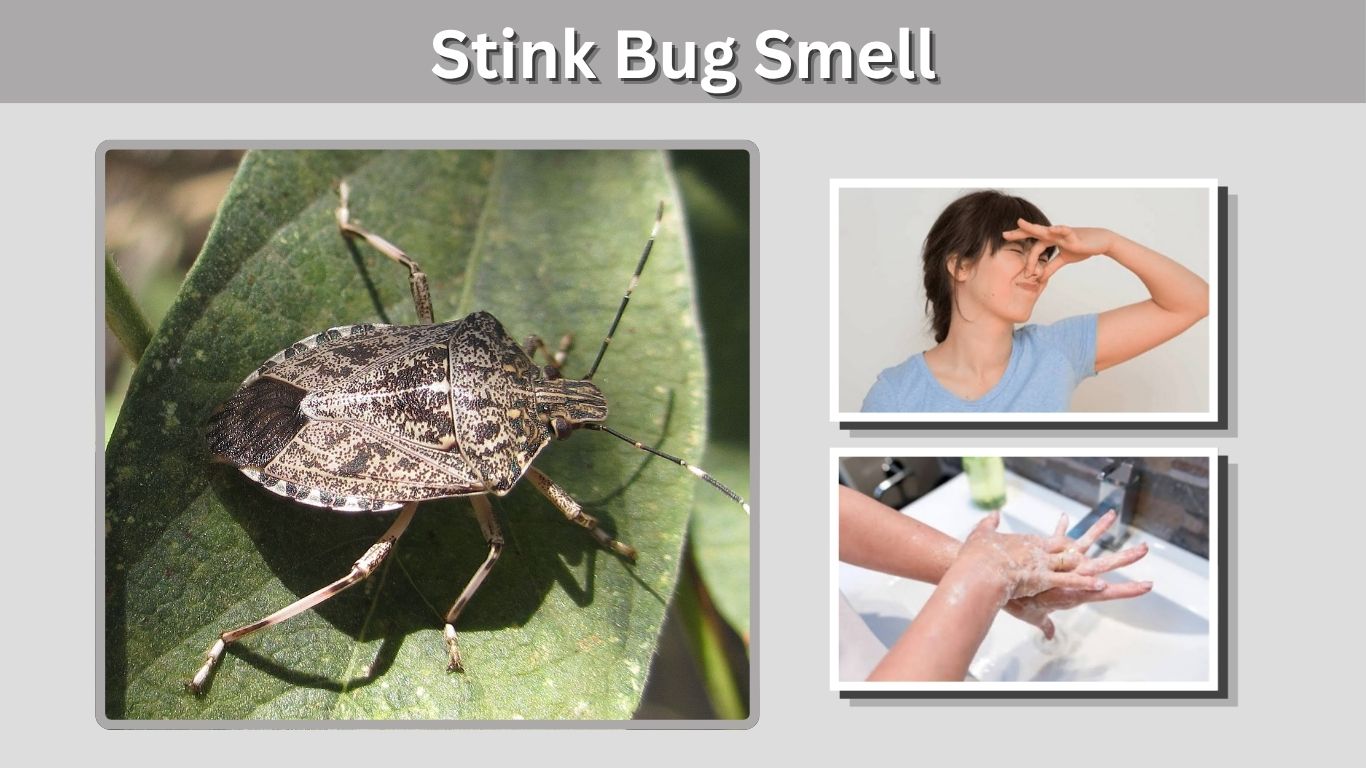
The stink bug smell is a strong defensive odor released when the insect feels threatened, is handled, or gets crushed. People describe the scent in different ways, including cilantro, coriander, musty herbs, chemicals, or even a skunk-like odor. While unpleasant, the smell is usually temporary and is not considered dangerous to most people. However, it can linger on hands, clothes, furniture, and inside rooms. Fortunately, simple cleaning, ventilation, and odor-neutralizing methods can remove stink bug smell effectively.
What Does a Stink Bug Smell Like?
Stink bugs get their common name from the noticeable odor they release from specialized scent glands. The exact smell can vary by species and even by the person smelling it. Brown marmorated stink bugs are especially well known for releasing odor indoors when disturbed during fall and winter.
How People Describe Stink Bug Smell
Common descriptions include:
- Cilantro or coriander
- Strong herbs
- Musty vegetation
- Burnt rubber
- Chemical-like odor
- Sour or bitter smell
- Skunk-like scent
- Rotten or earthy odor
Some people find the scent mildly unpleasant, while others describe it as extremely strong.
Why Does It Smell Like Cilantro?
Many people compare stink bug odor with cilantro because both can contain volatile chemicals with similar aromatic characteristics.
However, perception varies greatly between individuals. One person may detect something herbal, while another notices a chemical or musty smell.
That is why there is no single description that perfectly explains the odor of every stink bug.
Why Do Stink Bugs Produce a Smell?
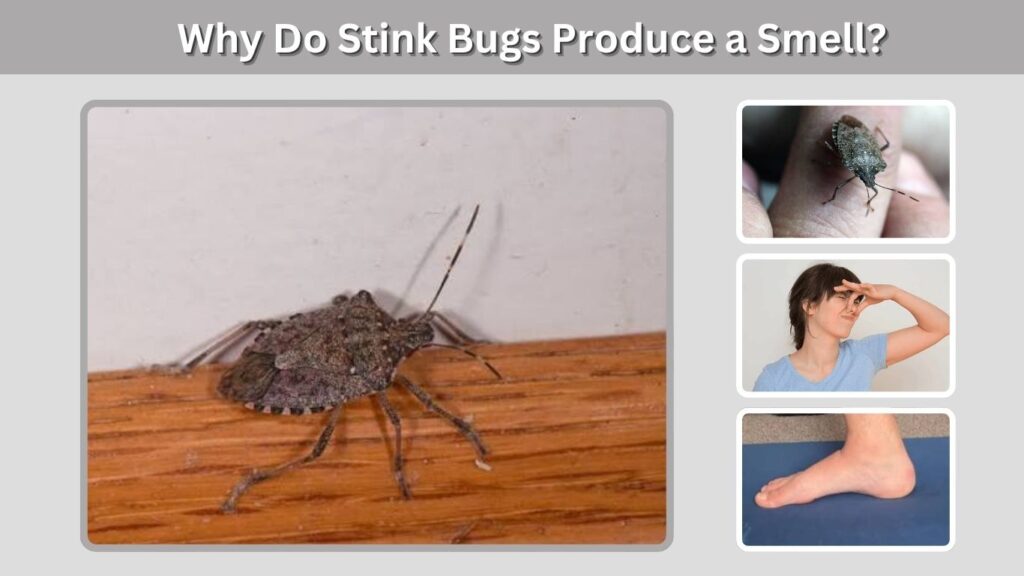
The odor is primarily a defense mechanism. Stink bugs are relatively slow-moving insects, so releasing unpleasant chemicals can discourage birds, reptiles, spiders, and other predators from eating them.
The smell may become especially noticeable when bugs are crushed because more defensive chemicals can be released at once.
When Do Stink Bugs Release Their Odor?
A stink bug may smell when it is:
- Picked up
- Squeezed
- Crushed
- Trapped
- Frightened
- Attacked by a predator
- Disturbed repeatedly
Simply seeing a stink bug does not mean it will immediately produce an odor.
Does Killing a Stink Bug Make It Smell?
Yes, crushing a stink bug can release a stronger odor than leaving it alone.
For this reason, squashing stink bugs indoors is usually not the best removal method. Instead, gently capture them with a container, vacuum them with precautions, or drop them into soapy water.
Avoid rubbing or crushing the insect against walls, carpets, curtains, or furniture.
How Long Does Stink Bug Smell Last?
The duration depends on how much odor was released, where it landed, airflow, temperature, and the material involved. A faint smell may disappear within minutes or hours, while odor on fabric or porous furniture may remain noticeable much longer without cleaning.
How Long Can the Smell Remain?
Typical situations include:
- Open room: Often fades within several hours with good ventilation.
- Hands: Usually disappears after repeated washing.
- Clothes: May remain until the clothing is properly washed.
- Furniture: Can linger if defensive chemicals soak into fabric.
- Carpet: May persist longer on absorbent fibers.
- Closed room: Can remain noticeable because there is little air circulation.
There is no exact fixed duration because every exposure is different.
How to Get Rid of Stink Bug Smell in Your House
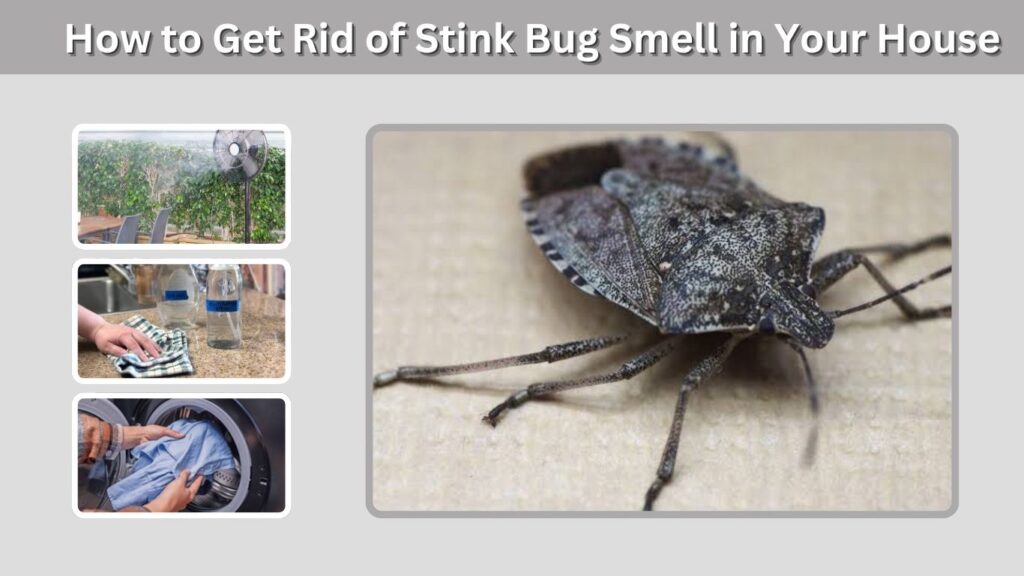
Removing the source is the first step. If several stink bugs are still hiding indoors, the odor may return even after cleaning. After removing the insects, ventilation and surface cleaning usually provide the fastest improvement.
Ways to Remove Stink Bug Smell
Try these methods:
- Open windows and doors to increase ventilation.
- Use fans to move stale air outdoors.
- Remove dead stink bugs immediately.
- Clean affected hard surfaces with mild soap and water.
- Wash fabrics that have absorbed the odor.
- Vacuum areas where bugs have gathered.
- Empty the vacuum outdoors after cleaning.
- Use baking soda on suitable carpets or upholstery to absorb odors.
Avoid crushing additional bugs while cleaning.
Removing Smell From a Room
If the stink bug smell is concentrated in one room, create cross-ventilation by opening windows on opposite sides when possible.
Wash nearby surfaces where insects were handled or crushed. Curtains, blankets, and removable cushion covers may also need laundering if the odor remains.
Fresh air often makes a significant difference once the original insects have been removed.
How to Get Stink Bug Smell Off Your Hands
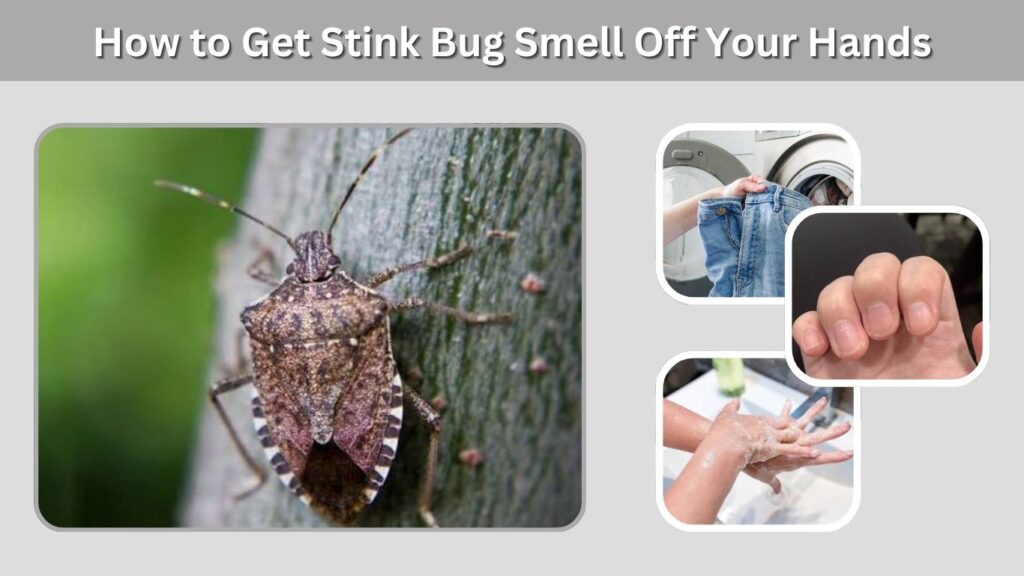
Handling a stink bug can leave its defensive secretion on your fingers and palms. Ordinary handwashing is usually enough, although stronger odors may require repeated cleaning.
Avoid touching your eyes, mouth, or food until your hands have been washed thoroughly.
Removing Stink Bug Smell From Skin
You can try:
- Wash with warm water and soap.
- Scrub gently around fingertips and nails.
- Repeat washing if necessary.
- Use dish soap if ordinary hand soap does not remove the oily residue.
- Rinse thoroughly with clean water.
- Apply moisturizer afterward if repeated washing dries your skin.
Do not use harsh household chemicals such as bleach directly on your skin.
How to Remove Stink Bug Smell From Clothes and Fabric
Fabric can trap odors longer than hard surfaces because defensive secretions can soak into fibers. Prompt washing is usually the most effective solution.
Always follow the manufacturer’s cleaning instructions, especially for delicate upholstery or clothing.
Clothes, Furniture, and Carpet
For affected materials:
- Clothes: Wash with normal laundry detergent according to the care label.
- Curtains: Launder if washable or air them outdoors.
- Upholstery: Blot affected areas and use an upholstery-safe cleaner.
- Carpets: Clean the affected area with an appropriate carpet cleaner.
- Blankets: Machine-wash when permitted.
- Non-washable fabrics: Air them thoroughly before attempting stronger treatments.
Avoid aggressively rubbing a fresh stink bug secretion because this can spread it deeper into the material.
Is Stink Bug Smell Harmful or Toxic?
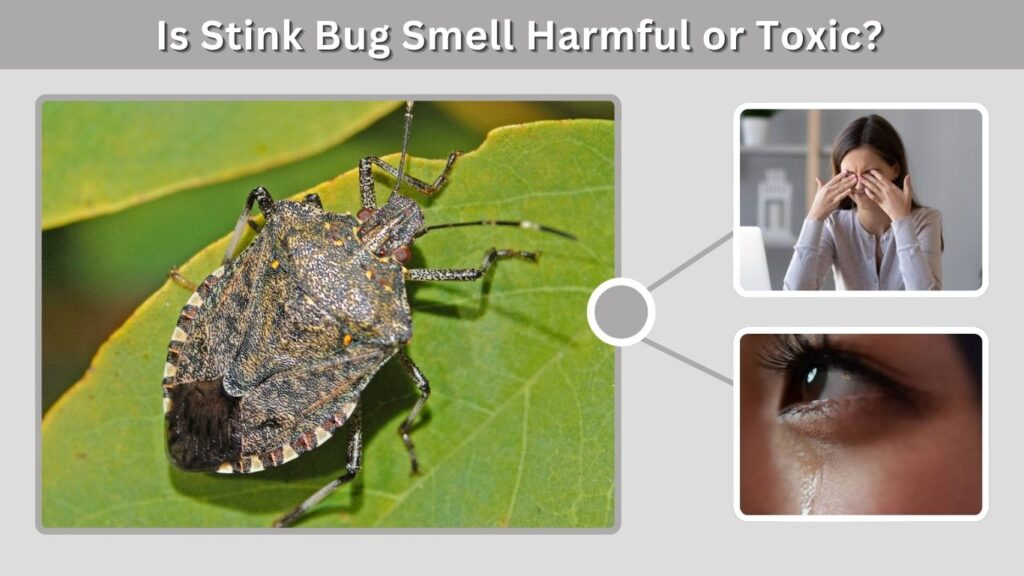
For most people, stink bug odor is primarily an unpleasant nuisance rather than a serious health hazard. The insects release defensive chemicals rather than venom intended to harm humans.
However, concentrated exposure may irritate sensitive individuals, especially if secretions contact the eyes or skin.
Possible Reactions
Some people may experience:
- Temporary skin irritation
- Eye irritation
- Watery eyes
- Mild nasal irritation
- Headache from a strong unpleasant odor
- Nausea triggered by the smell
Wash exposed skin with soap and water. If secretion gets into the eyes, rinse gently with clean water.
Persistent breathing difficulty, severe swelling, or significant eye symptoms should be evaluated by a healthcare professional.
Does Stink Bug Smell Attract More Stink Bugs?
The defensive odor released when a stink bug is disturbed is not generally the main reason large numbers gather around a house.
Stink bugs can communicate chemically, but their seasonal indoor invasions are primarily driven by the search for protected overwintering locations.
Why Many Stink Bugs Gather Together
Large numbers around a building are often associated with:
- Warm exterior walls
- Sunny locations
- Small openings around windows
- Door gaps
- Roof and siding cracks
- Attics and wall voids
- Protected winter shelter
Therefore, sealing entry points is more effective than simply trying to cover their smell.
Brown, Green, and Black Stink Bug Smell
Different species of stink bugs produce defensive odors, although the exact chemistry and intensity can vary. Brown marmorated stink bugs are especially noticeable because they frequently enter homes in large numbers.
Green stink bugs also release strong defensive odors when disturbed.
Does Color Affect the Smell?
A stink bug’s color alone does not determine how bad it will smell.
Brown, green, and darker species may all produce unpleasant odors. How strong the scent seems depends more on the species, how much secretion is released, whether the insect was crushed, and the sensitivity of the person smelling it.
How to Prevent Stink Bug Smell Indoors
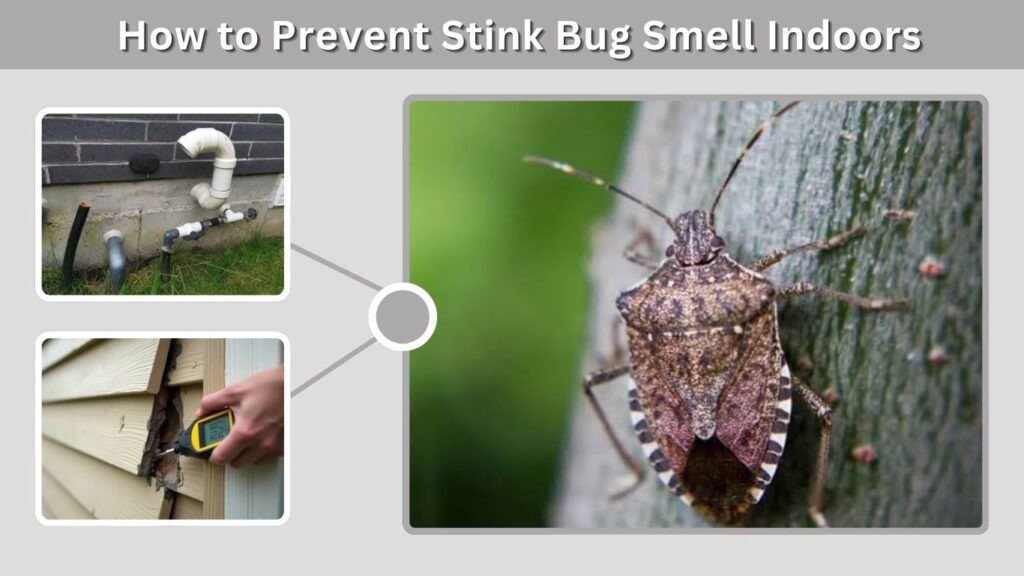
Preventing stink bugs from entering the house is easier than repeatedly removing their odor. These insects commonly seek shelter in buildings as temperatures begin dropping.
Prevention Tips
- Seal cracks around windows and doors.
- Repair damaged screens.
- Caulk openings around pipes and utility lines.
- Check gaps beneath siding.
- Seal attic and roof openings.
- Avoid crushing bugs indoors.
- Remove individual insects gently.
- Reduce unnecessary exterior lighting near entryways.
Stopping stink bugs before they enter can greatly reduce both indoor infestations and odor problems.
FAQs
The smell produced by stink bugs may be memorable, but it is generally manageable. Removing the insect, cleaning contaminated surfaces, washing fabrics, and increasing ventilation will usually eliminate the odor. Avoid crushing stink bugs whenever possible because doing so can make the smell stronger and spread defensive secretions onto surrounding materials.
1. What does a stink bug smell like?
People describe stink bug odor as similar to cilantro, coriander, strong herbs, chemicals, musty vegetation, or a skunk-like scent. Perception varies considerably from person to person.
2. How long does stink bug smell last?
A mild odor may disappear within several hours, while smell trapped in clothing, carpet, or furniture can remain longer until the material is cleaned.
3. How do you get stink bug smell off your hands?
Wash thoroughly with warm water and soap. Dish soap can help remove stubborn oily residue. Repeat if necessary and avoid using harsh chemicals on the skin.
4. Is stink bug smell poisonous?
Stink bug odor is not generally considered poisonous to humans. However, defensive secretions can irritate sensitive skin or eyes, especially after direct contact.
5. How do you get stink bug smell out of a room?
Remove the insects, open windows, use fans for ventilation, clean contaminated surfaces, and wash affected fabrics. The smell should gradually disappear once the source has been removed.