
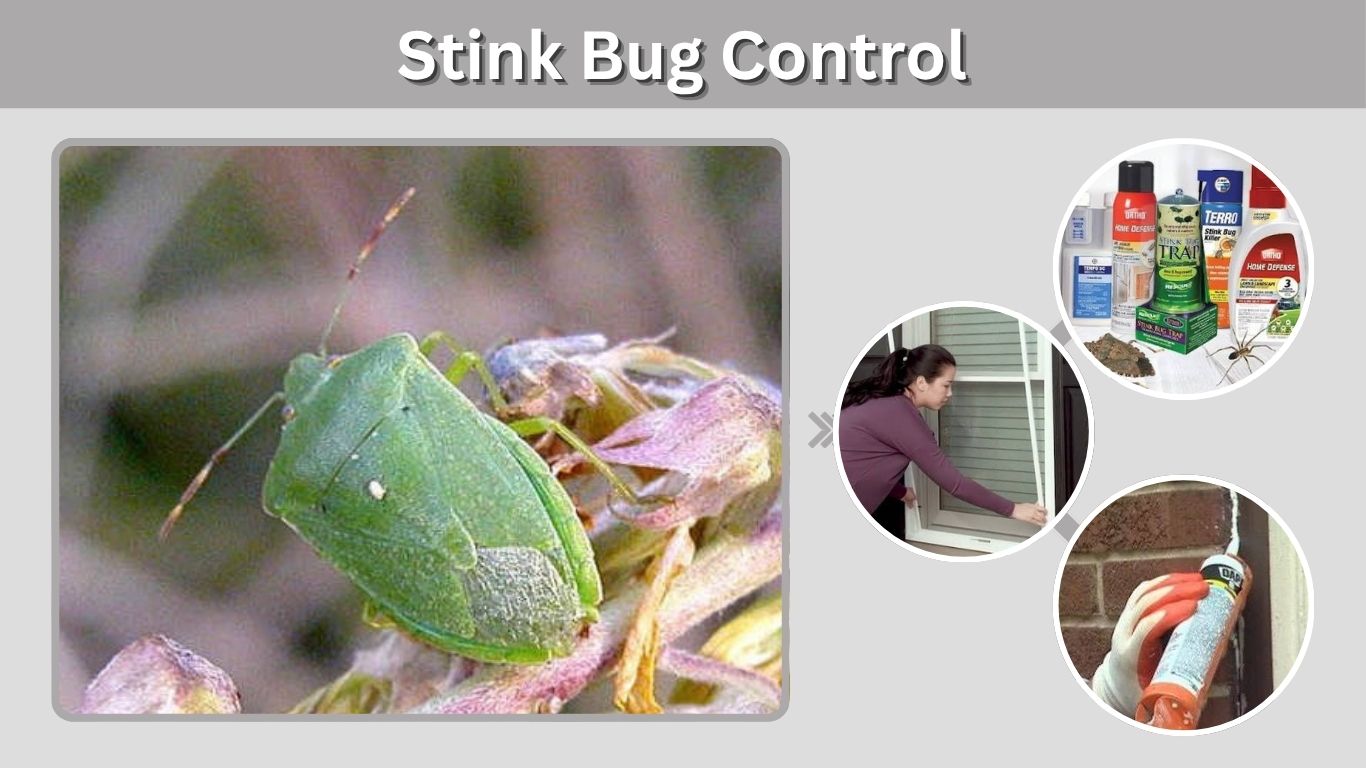
Effective stink bug control starts with knowing where these pests gather, how they enter homes, and what attracts them to gardens. Stink bugs can damage tomatoes, fruits, vegetables, soybeans, and other crops, while species such as the brown marmorated stink bug frequently invade homes for shelter. Fortunately, you can reduce infestations with exclusion, hand removal, traps, natural methods, and carefully selected pest-control treatments. The best approach combines prevention with targeted control rather than relying on one method alone.
How to Control Stink Bugs Effectively
Controlling stink bugs is easiest when you address both the insects already present and the conditions allowing new ones to arrive. Outdoor populations often build on crops, weeds, fruit trees, and ornamental plants before adults move toward buildings. Regular inspection, early removal, and sealing entry points can greatly reduce problems without relying entirely on chemical treatments.
Best Stink Bug Control Methods
A practical control program may include:
- Seal cracks and openings around the home.
- Repair damaged window and door screens.
- Vacuum stink bugs found indoors.
- Remove egg masses from garden plants.
- Handpick adults and nymphs.
- Control weeds around vulnerable crops.
- Protect vegetables with appropriate row covers.
- Monitor tomatoes and fruits during the growing season.
- Use labeled insecticides only when necessary.
Combining several methods usually provides better long-term results than repeatedly killing individual bugs.
When Is Stink Bug Control Most Important?
Outdoor control becomes particularly important when nymphs and adults are actively feeding on developing fruits or vegetables. Home prevention is most effective before large numbers of adult stink bugs begin searching for protected overwintering locations.
Once hundreds of bugs have entered walls or attics, completely eliminating them can become much more difficult.
Brown Marmorated Stink Bug Control
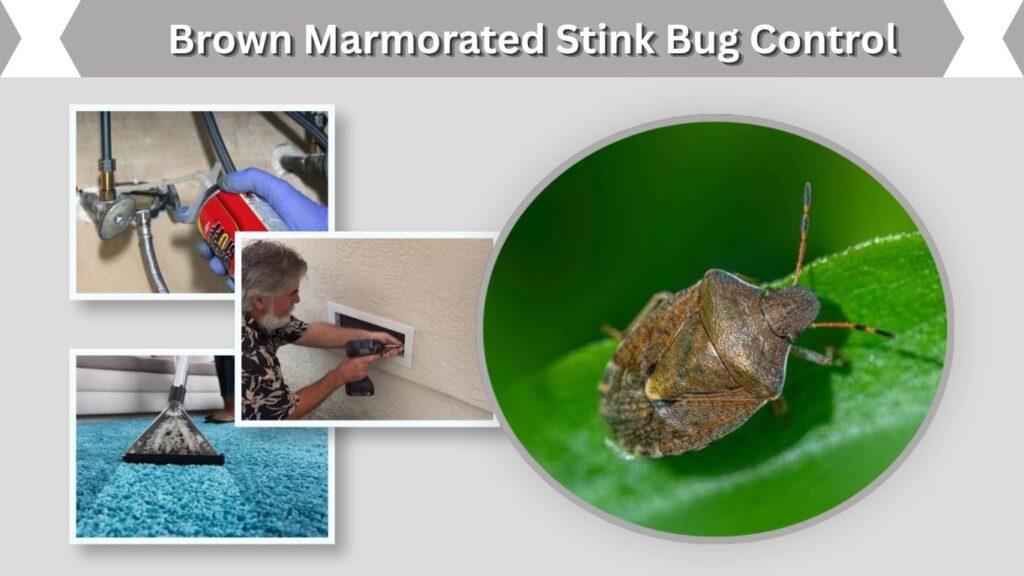
The brown marmorated stink bug is one of the most troublesome stink bugs around homes and agricultural crops. Adults feed on many different plant species and often gather on buildings as temperatures decline. Because they can squeeze through narrow openings, successful brown marmorated stink bug control depends heavily on preventing entry before seasonal migrations begin.
How to Control Brown Marmorated Stink Bugs
Focus on these steps:
- Inspect exterior walls for cracks and gaps.
- Apply caulk around windows and door frames.
- Install or repair screens over vents.
- Seal openings around pipes and utility cables.
- Remove indoor bugs with a vacuum.
- Monitor fruit trees and garden crops outdoors.
- Remove egg masses when they are found.
- Consider professional treatment when exterior populations are severe.
Exterior treatments may sometimes be useful, but timing and application are important.
Marmorated Stink Bug Control Indoors
Spraying large quantities of insecticide inside a home is usually not the best solution for stink bugs hiding in walls or attics. Dead insects in inaccessible spaces can also attract other household pests.
Instead, remove visible bugs and concentrate on blocking the routes they use to enter the building.
Stink Bug Control in the House
Stink bugs entering houses usually are not trying to reproduce indoors or feed on household materials. They generally enter while searching for protected shelter. This means indoor pest control should focus on physical removal and exclusion. Crushing them is best avoided because disturbed or damaged stink bugs can release their characteristic unpleasant defensive odor.
How to Control Stink Bugs in the House
Useful indoor methods include:
- Vacuum visible stink bugs.
- Empty the vacuum contents promptly.
- Capture individual bugs using a container.
- Use soapy water to dispose of collected insects.
- Seal gaps around windows.
- Add weather stripping around doors.
- Repair torn screens.
- Check attic and exhaust vents.
- Seal openings around air-conditioning units.
If many stink bugs appear indoors every year, the main problem is often exterior entry points rather than an active indoor infestation.
Can Pest Control Get Rid of Stink Bugs?
Professional pest-control companies can help reduce stink bug problems, particularly when large numbers repeatedly gather around a building.
A pest-control professional may identify entry points, recommend structural improvements, and apply appropriate exterior treatments when needed. However, even professional treatment works best when combined with sealing and exclusion.
Stink Bug Control in the Garden
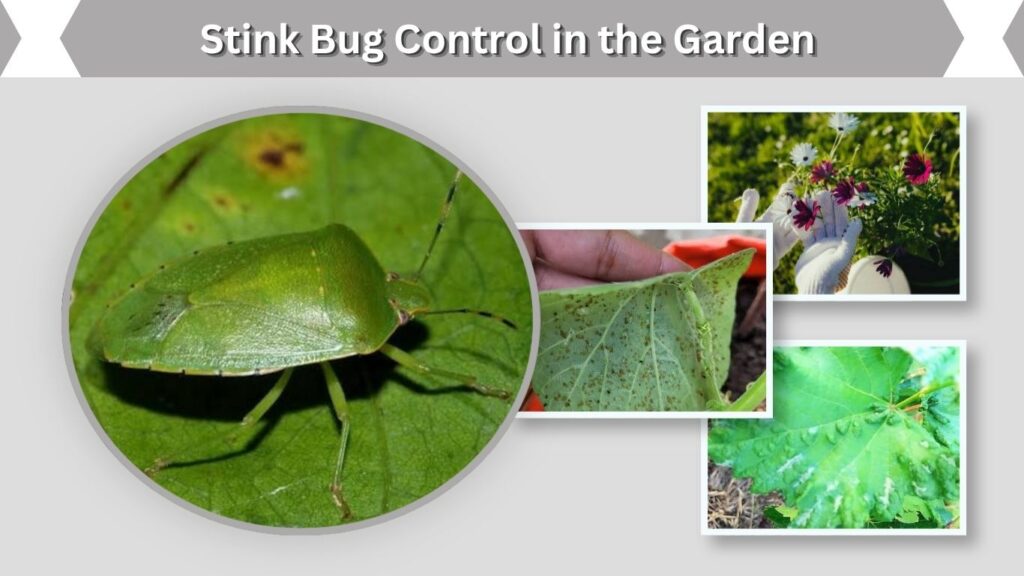
Garden stink bugs cause more direct damage than those simply overwintering inside homes. Their piercing-sucking mouthparts puncture developing fruits, seeds, and plant tissues. Feeding can leave spots, depressions, discoloration, or malformed produce. Early detection is particularly useful because removing eggs and young nymphs can prevent a small population from developing into a larger infestation.
How to Control Stink Bugs in the Garden
Try the following garden practices:
- Inspect the undersides of leaves for egg clusters.
- Remove eggs before they hatch.
- Handpick adults and nymphs while wearing gloves.
- Drop collected bugs into soapy water.
- Remove excessive weeds near crops.
- Clear damaged and fallen produce.
- Keep growing areas clean.
- Use row covers where practical.
- Check plants frequently during fruit development.
Avoid applying broad-spectrum pesticides unnecessarily because they may also kill beneficial insects.
Natural Stink Bug Control
Natural stink bug control relies heavily on prevention, physical removal, and encouraging a balanced garden ecosystem.
Handpicking is particularly useful in small gardens. Egg masses can also be removed before populations become established. Natural predators and parasitoids may attack stink bug eggs or immature stages, so reducing unnecessary pesticide applications can help preserve beneficial insects.
Controlling Stink Bugs on Tomatoes
Tomato plants can attract several stink bug species. Adults and nymphs puncture developing tomatoes and remove plant fluids. The damaged area may become discolored, pale, yellowish, or hardened beneath the skin. Tomatoes may remain edible when damage is minor, but heavy infestations can reduce both fruit quality and overall harvest.
How to Control Stink Bugs on Tomato Plants
For tomatoes:
- Check plants several times each week.
- Look beneath leaves for egg clusters.
- Remove eggs manually.
- Handpick visible adults and nymphs.
- Remove nearby weeds that harbor stink bugs.
- Keep overripe or fallen tomatoes out of the garden.
- Protect young plants with suitable barriers when possible.
- Use a labeled garden treatment only if populations become difficult to manage.
Treatments should always be used according to label directions, particularly on edible crops.
Organic Control of Stink Bugs on Tomatoes
For an organic-focused approach, begin with hand removal and sanitation.
Frequent monitoring matters because chemical-free methods are usually much easier when populations are still small. Removing egg masses is especially effective because one cluster can otherwise produce numerous nymphs that begin feeding together.
Green and Southern Green Stink Bug Control
Green stink bugs and southern green stink bugs can become significant pests in vegetable gardens and agricultural areas. They feed on many crops, including beans, tomatoes, cotton, fruits, and soybeans. The overall management strategy is similar to that used for other plant-feeding stink bugs, although the timing of control may vary with crop and climate.
Green Stink Bug Control
For smaller gardens, useful strategies include monitoring, removing eggs, handpicking adults, and maintaining weed control.
Regular plant inspections are important because young green stink bug nymphs may look very different from the bright green adults. They can be black, orange, green, or patterned depending on their developmental stage.
Southern Green Stink Bug Control
Southern green stink bugs can reproduce rapidly under favorable warm conditions and may feed on a wide range of crops.
Managing weeds and alternative host plants around growing areas can help reduce migration into crops. When larger agricultural infestations occur, growers may need crop-specific monitoring thresholds and approved control products.
Chemical Stink Bug Control
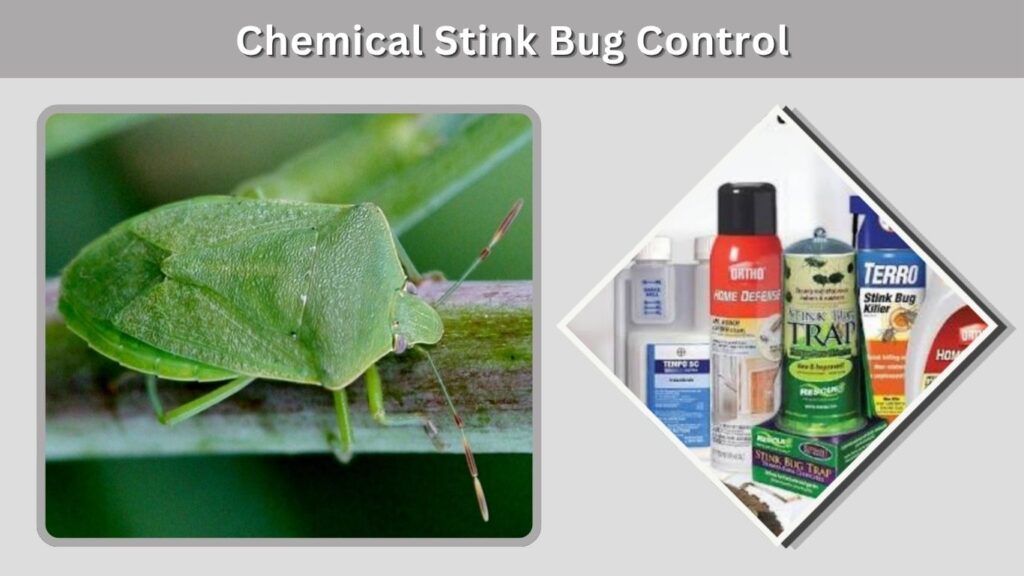
Chemical control may be appropriate when stink bug populations become severe enough that physical or cultural methods are insufficient. However, the effectiveness of sprays varies because stink bugs are mobile and may quickly reinvade treated areas. Chemical control is generally more useful as part of an integrated management program rather than as the only control method.
Using Stink Bug Control Products Safely
Before applying any product:
- Confirm that stink bugs are listed on the label.
- Make sure the product is approved for the intended location.
- Follow application-rate instructions.
- Observe harvest intervals on edible crops.
- Keep children and pets away as instructed.
- Avoid spraying flowers visited by pollinators.
- Never exceed the labeled amount.
- Wear any protective equipment specified by the manufacturer.
Products approved for outdoor structural use should not automatically be used on vegetables or indoors.
When to Call Pest Control
Professional stink bug pest control may be worthwhile when hundreds of insects gather around a home every season, bugs repeatedly enter despite sealing efforts, or an infestation is difficult to locate.
A professional can help determine whether treatment, exclusion work, or a combination of both is appropriate.
How to Prevent Future Stink Bug Problems
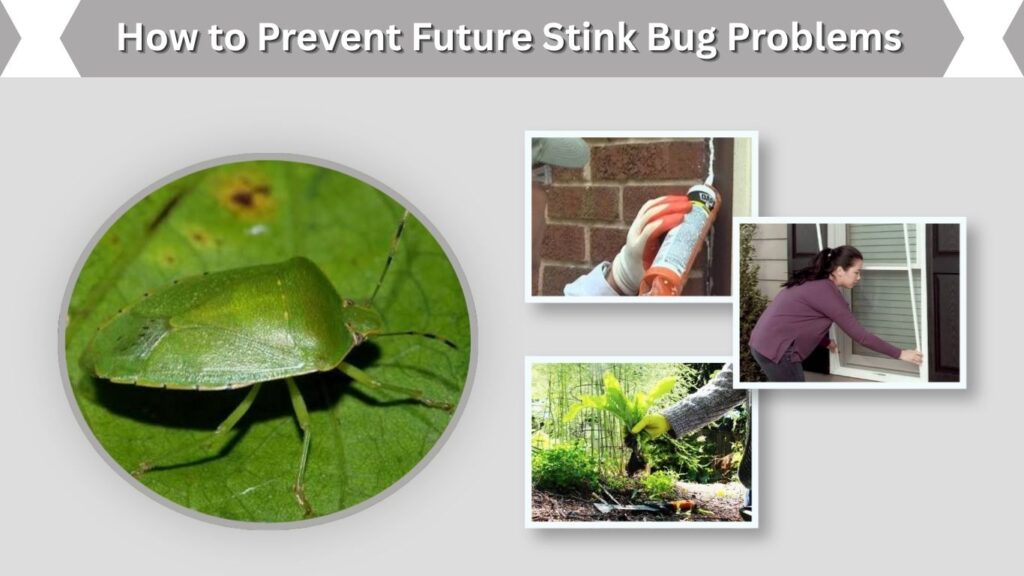
Prevention is one of the most reliable long-term control strategies. Stink bugs can fly considerable distances, so eliminating every insect outdoors is unrealistic. Instead, make homes difficult to enter and gardens less favorable for large populations. Addressing structural gaps before seasonal movement begins can dramatically reduce the number of insects that eventually appear indoors.
Stink Bug Prevention Tips
Focus on:
- Sealing exterior cracks
- Repairing window screens
- Replacing damaged weather stripping
- Covering vents with appropriate screening
- Reducing unnecessary outdoor lighting near entrances
- Removing weeds around gardens
- Inspecting crops regularly
- Removing egg masses early
- Cleaning up fallen fruit
- Monitoring known problem areas each season
Preventive measures should be repeated annually because stink bugs can return from surrounding landscapes.
FAQs
1. What is the best way to control stink bugs?
The best approach combines exclusion, physical removal, garden monitoring, weed management, and targeted pest-control treatments when necessary. Sealing a home before stink bugs enter is especially important.
2. How do you control stink bugs in the house?
Vacuum or capture visible bugs and seal cracks around windows, doors, vents, siding, and utility openings. Avoid crushing stink bugs because they can release a strong odor.
3. Can pest control companies get rid of stink bugs?
Professional pest-control companies can significantly reduce stink bug problems, especially through exterior treatments and exclusion recommendations. Preventing reinfestation still requires sealing potential entry points.
4. How do you control stink bugs on tomatoes?
Inspect tomato plants regularly, remove eggs, handpick adults and nymphs, manage weeds, and remove damaged fruit. Severe infestations may require an appropriately labeled garden treatment.
5. What is the best natural stink bug control?
Handpicking, egg removal, soapy-water disposal, weed management, crop protection, and encouraging beneficial insects are useful natural control methods for home gardens.