
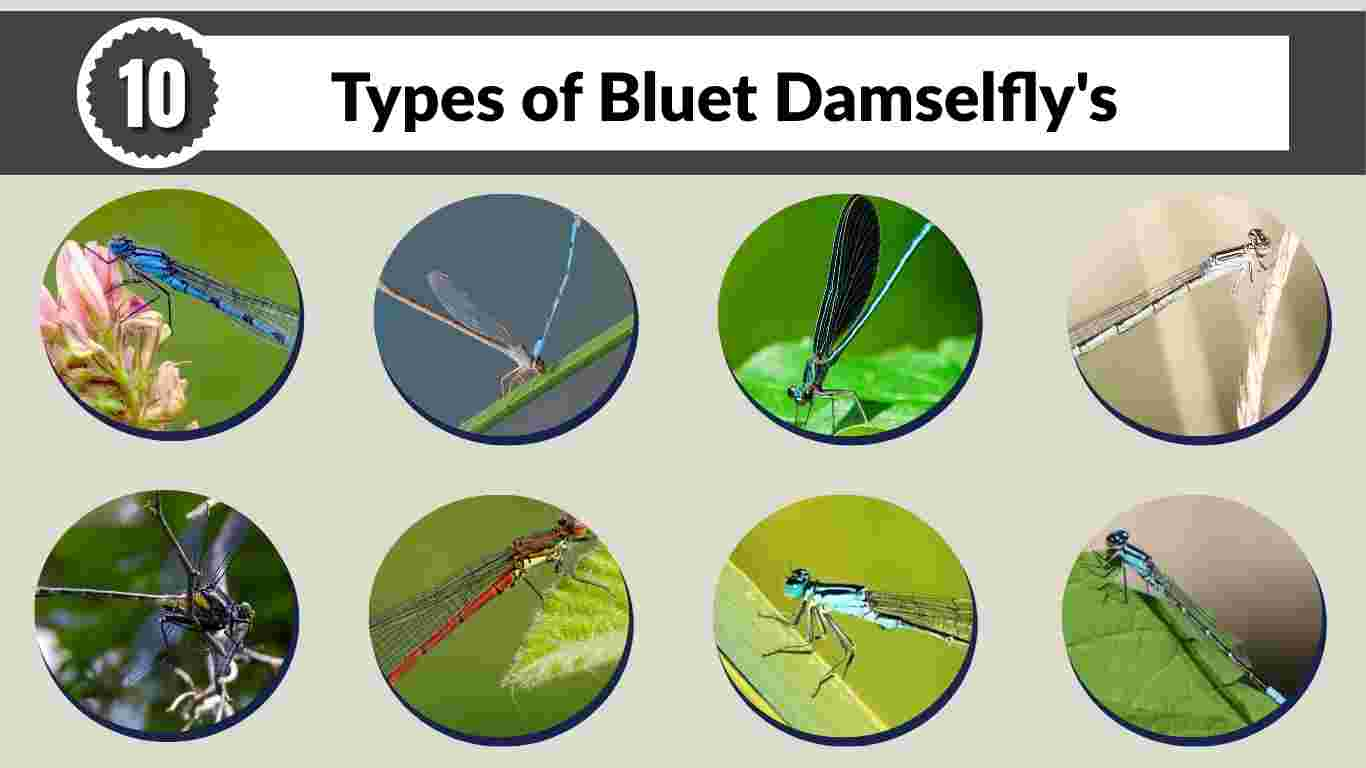
Bluet damselflies are small, colorful insects commonly found near ponds, marshes, lakes, and slow-moving streams. Their bright blue bodies, delicate wings, and graceful flight make them one of the most recognizable damselfly groups in North America. These insects are not only beautiful but also beneficial because they feed on mosquitoes and other tiny pests.
There are many bluet species, each with distinct markings, habitats, and behaviors. From the Common Bluet to the Rainbow Bluet, every species has unique characteristics that help nature enthusiasts and insect watchers identify them in the wild.
1. Common Bluet
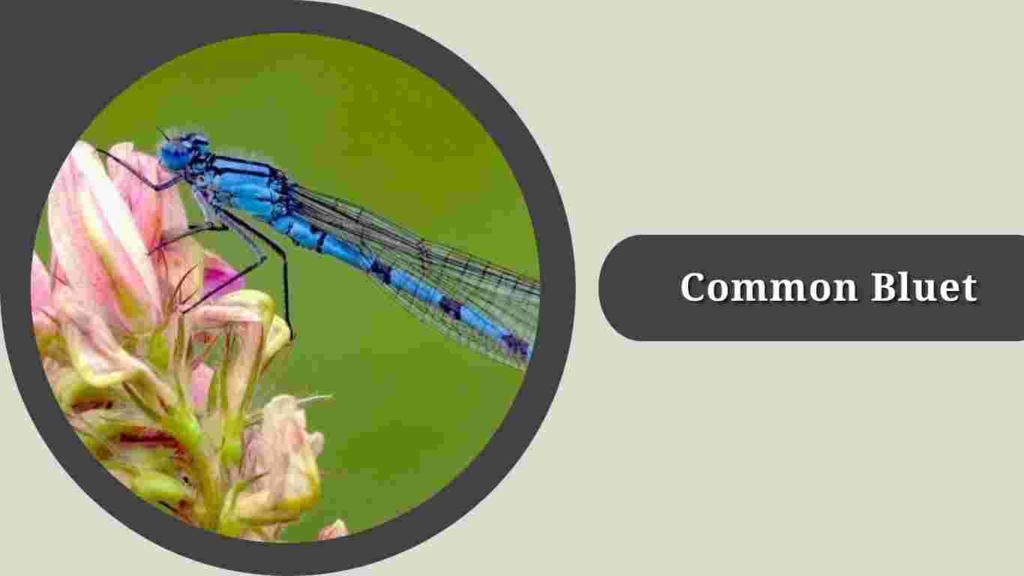
The Common Bluet is one of the most widespread and recognizable bluet damselflies found near ponds, lakes, and slow-moving streams. It is admired for its bright blue coloration, delicate body, and calm flight pattern. This species is commonly seen resting on aquatic plants during warm months.
Identification
- Males have a bright blue and black striped abdomen
- Females may appear blue, green, or tan
- Large blue patches are visible on the thorax
- Slender body with transparent wings
- Usually grows around 25–30 mm in length
Habitat
The Common Bluet prefers freshwater habitats such as ponds, marshes, lakeshores, and quiet streams. It is often found resting among reeds and floating vegetation where it hunts tiny insects and stays close to water for breeding.
Behavior
This damselfly is known for its gentle and slow flight. Males are territorial during the breeding season and can often be seen guarding females near the water surface. They mostly feed on mosquitoes, gnats, and other small flying insects.
Distribution
The Common Bluet is widely distributed across North America. It is especially common in the United States and southern parts of Canada, where suitable freshwater habitats are available throughout spring and summer.
Life Cycle
The life cycle begins when females lay eggs in aquatic plants. The larvae develop underwater for several months before emerging as adults. Adult Common Bluets usually live for a few weeks during the warmer seasons.
2. Familiar Bluet
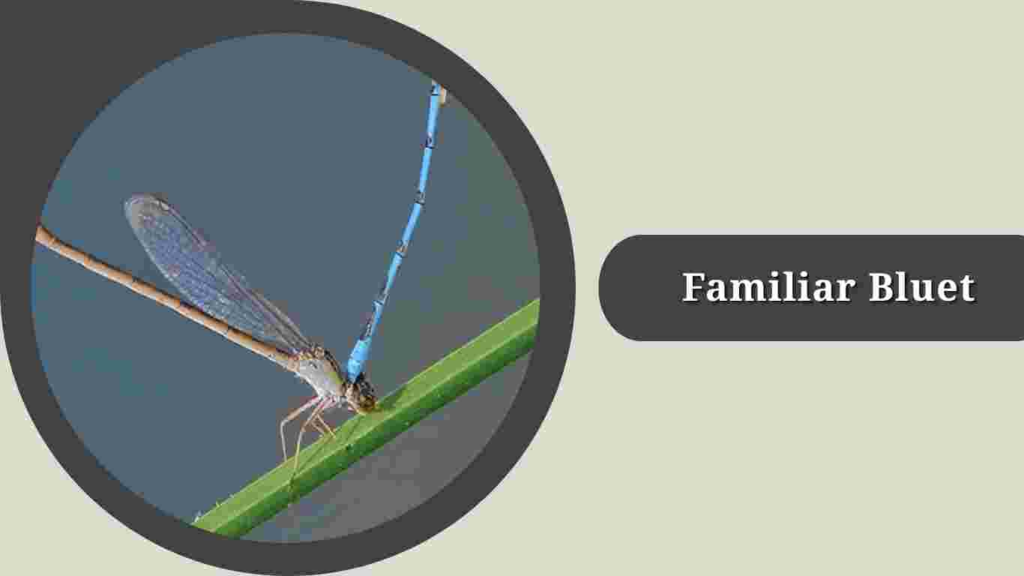
The Familiar Bluet is a small and graceful damselfly commonly found around freshwater habitats. It is known for its vibrant blue body and active behavior near ponds and marshes. This species is especially noticeable during the summer months when adults gather close to aquatic vegetation.
Identification
- Males display bright blue and black abdominal markings
- Females are usually duller with greenish or brown shades
- Thin and elongated body structure
- Clear wings folded neatly over the body at rest
- Body length ranges from 27–32 mm
Habitat
The Familiar Bluet prefers calm freshwater environments such as ponds, marshes, lakes, and slow-moving streams. It is often seen perched on grasses, reeds, and floating plants near the shoreline.
Behavior
This species is highly active during daylight hours and frequently flies low above the water surface. Males compete for territory while searching for mates. Familiar Bluets feed on tiny flying insects, helping control mosquito populations.
Distribution
The Familiar Bluet is widely distributed across North America. It can be found throughout much of the United States and parts of southern Canada, especially in areas with abundant freshwater habitats.
Life Cycle
Females deposit eggs in aquatic vegetation after mating. The larvae develop underwater and feed on tiny aquatic organisms before transforming into adults. Mature damselflies emerge during warm seasons and typically live for several weeks.
3. Skimming Bluet
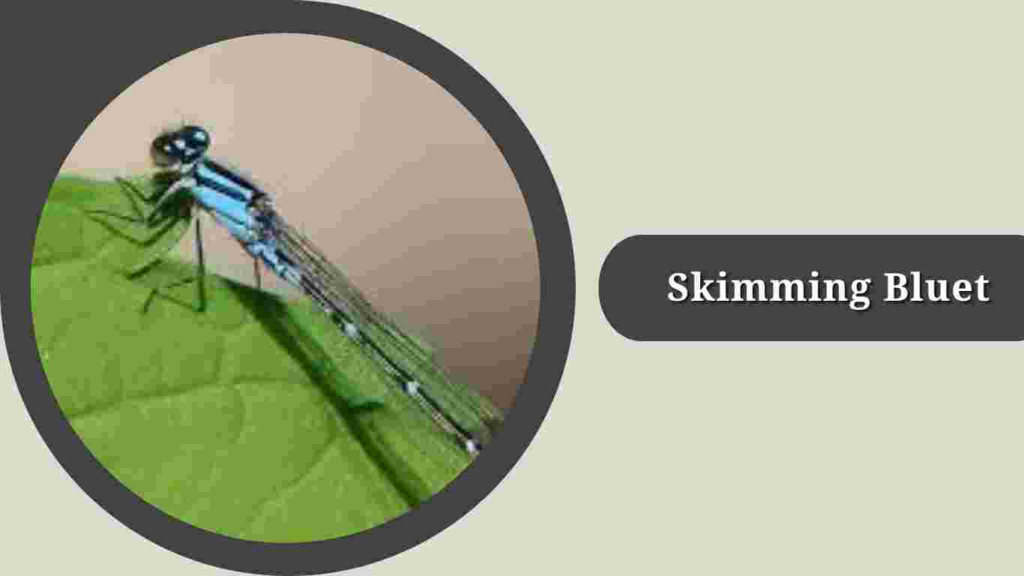
The Skimming Bluet is a delicate damselfly species often seen flying close to the surface of ponds and slow streams. Its soft blue coloration and slender body make it easy to recognize among other bluets. This species is especially active during warm sunny days.
Identification
- Males have pale blue bodies with thin black markings
- Females are generally tan, gray, or light blue
- Narrow abdomen with a delicate appearance
- Transparent wings held together while resting
- Average body length is about 25–30 mm
Habitat
Skimming Bluets are commonly found near ponds, marshes, lakes, and quiet waterways. They prefer areas with floating vegetation and grassy shorelines where they can perch and hunt small insects.
Behavior
This species often flies low over the water surface, giving it the name “Skimming Bluet.” Males defend small territories near breeding sites, while females remain closer to vegetation. They mainly feed on tiny flies, mosquitoes, and gnats.
Distribution
The Skimming Bluet is mainly found in the eastern and central regions of North America. It is common in the United States and can also be spotted in parts of southern Canada during the warmer months.
Life Cycle
After mating, females lay eggs in aquatic plants or submerged stems. The larvae live underwater and grow through several stages before emerging as adults. Adult Skimming Bluets usually appear from late spring through summer.
4. Boreal Bluet
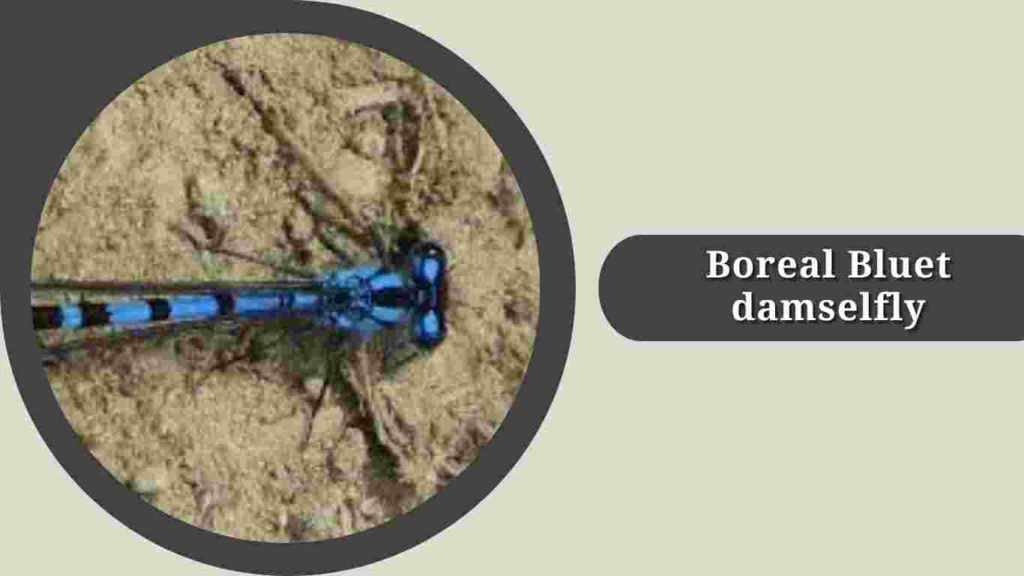
The Boreal Bluet is a beautiful damselfly species commonly associated with northern wetlands and cool freshwater habitats. It is admired for its bright blue coloration and slender body shape. This species is usually active during late spring and summer in colder regions.
Identification
- Males have vivid blue segments with black markings
- Females may appear blue, green, or brownish
- Thin abdomen with a delicate appearance
- Transparent wings folded over the back when resting
- Adults typically measure around 27–31 mm long
Habitat
Boreal Bluets prefer bogs, marshes, ponds, and slow-moving streams in cooler climates. They are often found among sedges, reeds, and other wetland vegetation close to the water’s edge.
Behavior
This species is calm and spends much of its time perched on grasses or low plants near freshwater. Males patrol breeding areas while searching for females. They feed on tiny insects such as midges, gnats, and mosquitoes.
Distribution
The Boreal Bluet is mainly distributed across northern North America. It is commonly found in Canada and the northern United States, especially in regions with cool wetland ecosystems.
Life Cycle
Females lay eggs in submerged aquatic vegetation after mating. The larvae remain underwater for several months, feeding and developing before emerging as adults. Mature Boreal Bluets are most commonly seen during the summer season.
5. Northern Bluet
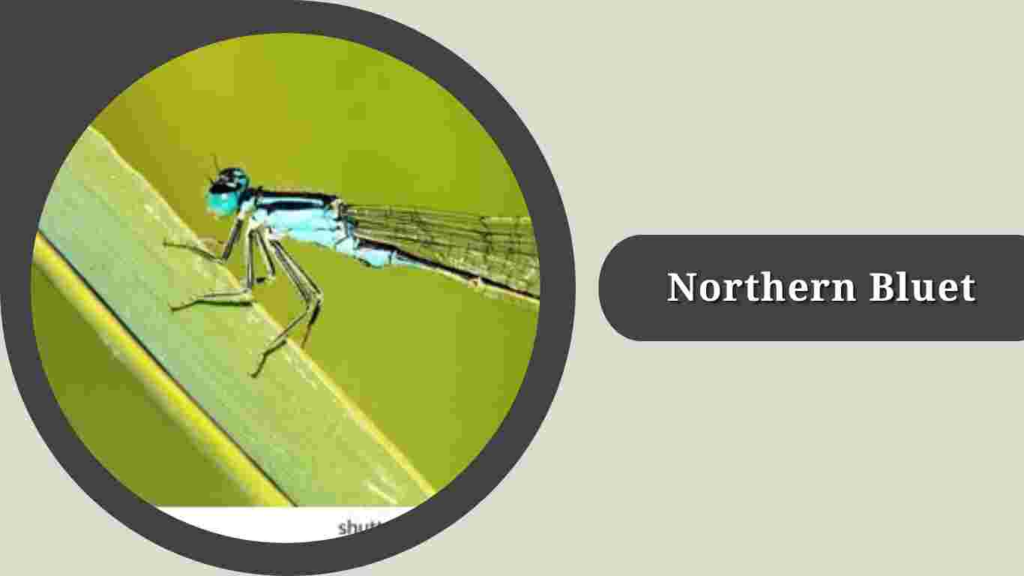
The Northern Bluet is a small and attractive damselfly commonly found in cool freshwater habitats. Its striking blue and black body pattern makes it easy to identify among other bluet species. This damselfly is especially active during the warmer months in northern regions.
Identification
- Males have bright blue abdominal segments with black bands
- Females are often pale blue, greenish, or tan
- Slender body with delicate transparent wings
- Wings are folded over the abdomen while resting
- Body length is usually between 25–32 mm
Habitat
Northern Bluets are commonly seen near ponds, lakes, marshes, and slow-moving streams. They prefer areas with abundant aquatic vegetation where they can rest, hunt, and reproduce.
Behavior
This species spends much of its time perched on reeds and grasses near water. Males are territorial during mating season and frequently patrol shoreline vegetation. Northern Bluets mainly feed on mosquitoes, gnats, and other tiny insects.
Distribution
The Northern Bluet is widely distributed across Canada and the northern United States. It thrives in cooler climates and is often found in forested wetland regions.
Life Cycle
Females lay eggs inside aquatic plants after mating. The larvae develop underwater and pass through several growth stages before emerging as adults. Adult Northern Bluets are most active from late spring to summer.
6. Azure Bluet
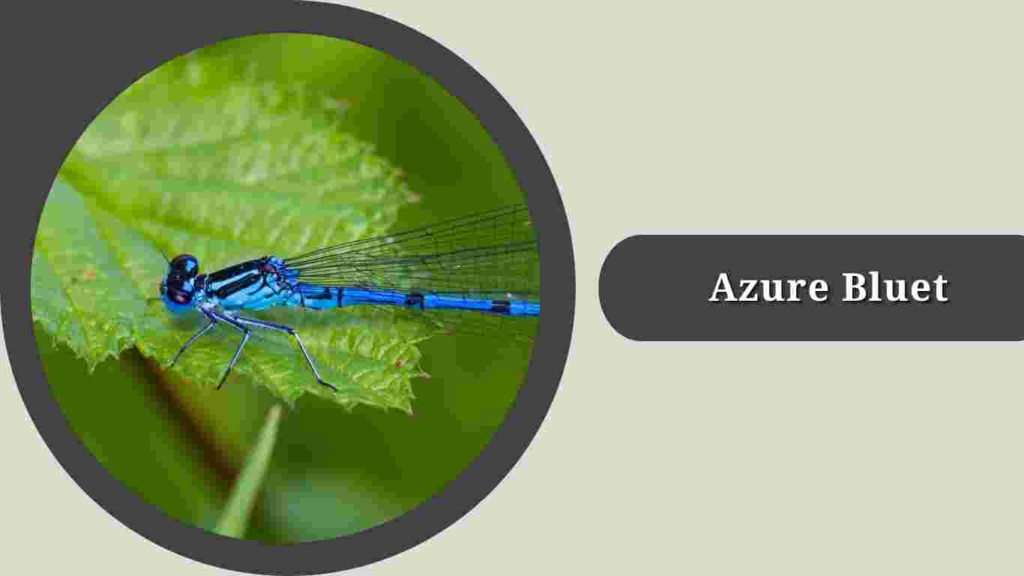
The Azure Bluet is a brightly colored damselfly known for its vivid blue appearance and graceful flight. It is often seen near calm freshwater habitats during warm seasons. This species is popular among nature enthusiasts because of its striking coloration and active behavior.
Identification
- Males display bright azure-blue body segments with black markings
- Females are usually pale blue, greenish, or tan
- Slender abdomen and delicate body structure
- Clear wings folded neatly while resting
- Adults measure around 25–30 mm in length
Habitat
Azure Bluets inhabit ponds, lakes, marshes, and slow-flowing streams with abundant aquatic vegetation. They are commonly found resting on grasses, reeds, and floating plants near the water’s edge.
Behavior
This species is active during sunny weather and often flies low above the water surface. Males defend territories close to breeding areas, while females remain hidden among vegetation. They feed on mosquitoes and other tiny flying insects.
Distribution
The Azure Bluet is mainly found in eastern and central North America. It is widespread across many parts of the United States and southern Canada where freshwater habitats are available.
Life Cycle
After mating, females deposit eggs into submerged plants. The aquatic larvae grow underwater for several months before emerging as adults. Mature Azure Bluets are typically seen from late spring through summer.
7. Marsh Bluet
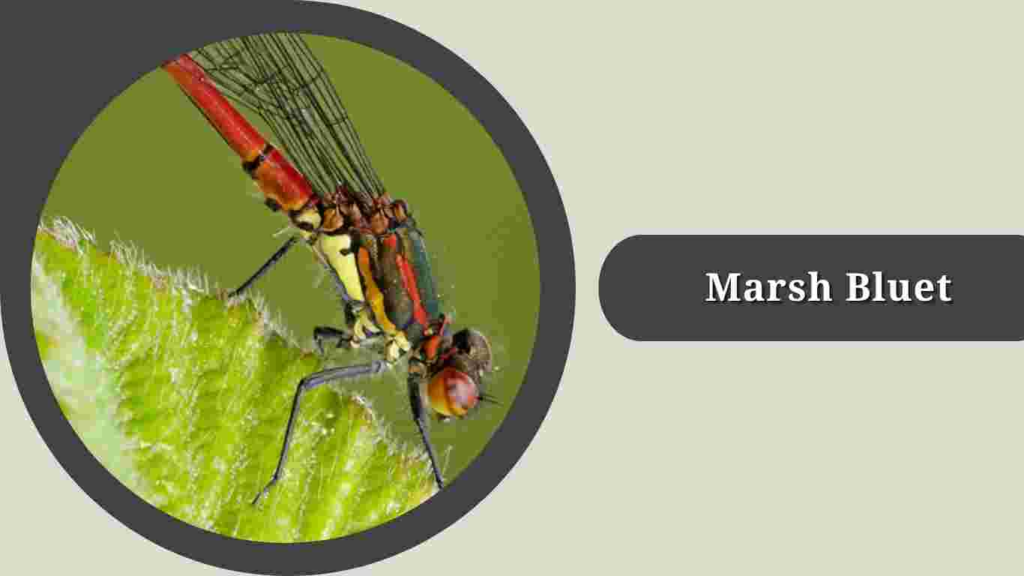
The Marsh Bluet is a slender and colorful damselfly commonly associated with marshes and shallow wetlands. Its bright blue body and delicate flight make it easy to notice around freshwater habitats. This species is especially common during the warmer months of the year.
Identification
- Males have blue abdominal segments with dark black markings
- Females may appear pale blue, greenish, or brown
- Thin body with transparent wings
- Wings rest folded along the abdomen
- Adults usually grow between 25–30 mm long
Habitat
Marsh Bluets prefer marshes, ponds, bogs, and slow-moving streams with dense vegetation. They are often found perched on reeds, grasses, and floating plants near shallow water areas.
Behavior
This species is active during sunny daytime hours and frequently flies low over wetland vegetation. Males guard territories during the breeding season, while females spend more time hidden among plants. They feed on small insects such as mosquitoes and gnats.
Distribution
The Marsh Bluet is widely distributed across North America, particularly in the United States and southern Canada. It is most common in wetland habitats with calm freshwater conditions.
Life Cycle
Females lay eggs in aquatic vegetation after mating. The larvae remain underwater where they feed and develop through several stages before emerging as adults. Adult Marsh Bluets are most commonly seen from spring to late summer.
8. Attenuated Bluet
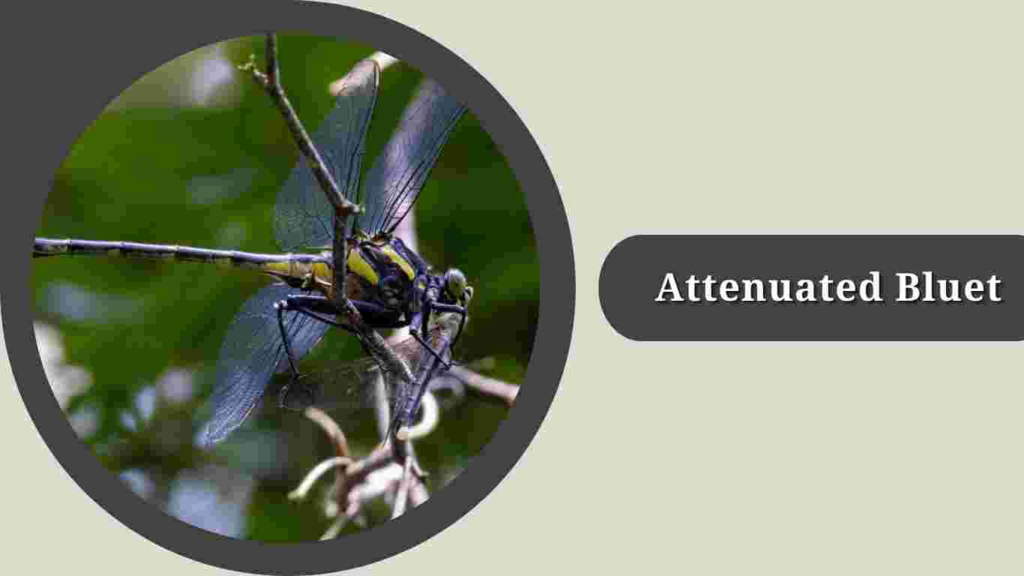
The Attenuated Bluet is a slender damselfly species recognized for its narrow body and pale blue coloration. It is usually found near still or slow-moving freshwater habitats. This species is less commonly noticed than other bluets because of its delicate appearance and quiet behavior.
Identification
- Males have pale blue abdominal segments with thin black markings
- Females are often tan, gray, or light brown
- Extremely slender abdomen compared to other bluets
- Transparent wings folded over the body while resting
- Adults typically measure around 24–29 mm long
Habitat
Attenuated Bluets inhabit ponds, marshes, lakeshores, and calm streams with abundant aquatic plants. They prefer areas with reeds, grasses, and floating vegetation where they can perch safely.
Behavior
This species usually flies slowly and remains close to shoreline vegetation. Males establish territories near breeding areas and often perch quietly while watching for rivals. Their diet mainly consists of mosquitoes, gnats, and other tiny insects.
Distribution
The Attenuated Bluet is found in parts of eastern and central North America. It occurs mainly in wetland habitats across the United States and southern Canada during warm seasons.
Life Cycle
Females deposit eggs inside aquatic plants after mating. The larvae develop underwater and feed on small aquatic organisms before transforming into adults. Adult Attenuated Bluets are most active during late spring and summer.
9. Double-striped Bluet
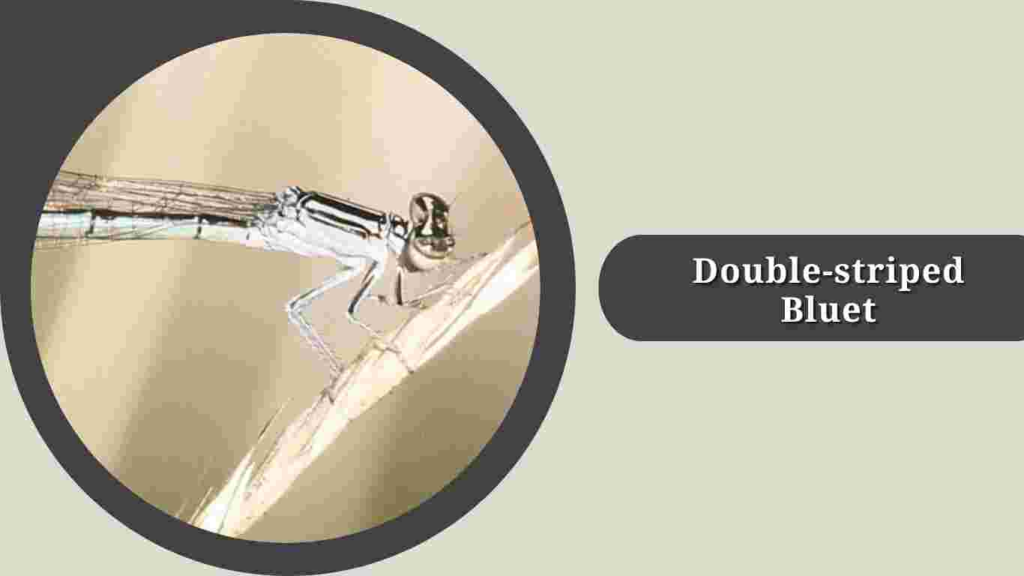
The Double-striped Bluet is a small and elegant damselfly known for the distinctive striped markings on its body. It is commonly seen around calm freshwater habitats where aquatic vegetation is abundant. This species is admired for its delicate appearance and active flight behavior.
Identification
- Males have blue bodies with noticeable double black stripes
- Females are usually pale blue, tan, or greenish
- Slender abdomen with a narrow shape
- Clear wings folded neatly while resting
- Adults generally measure between 25–31 mm long
Habitat
Double-striped Bluets prefer ponds, marshes, lakes, and slow-moving streams with plenty of shoreline plants. They are often found perched on reeds, grasses, and floating vegetation near shallow water.
Behavior
This species is active during warm sunny days and frequently flies low above the water surface. Males defend breeding territories and compete with rivals for access to females. Their diet mainly includes mosquitoes and other tiny flying insects.
Distribution
The Double-striped Bluet is mainly distributed across eastern and central regions of North America. It is commonly found in the United States and parts of southern Canada where freshwater habitats are available.
Life Cycle
After mating, females lay eggs inside submerged aquatic plants. The larvae grow underwater through several developmental stages before emerging as adults. Adult Double-striped Bluets are most commonly observed from late spring to summer.
10. Rainbow Bluet
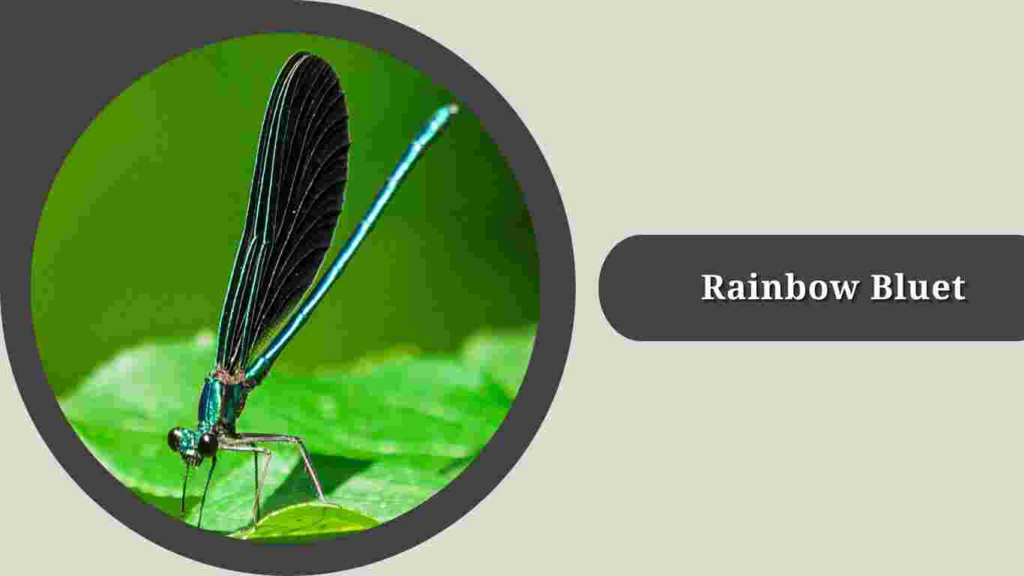
The Rainbow Bluet is a colorful and delicate damselfly species known for its attractive blue body and subtle multicolored markings. It is usually found near calm freshwater habitats and is most active during warm sunny days.
Identification
- Males have bright blue abdominal segments with dark markings
- Females may appear pale blue, greenish, or tan
- Slender body with transparent wings
- Wings are folded over the abdomen while resting
- Adults generally measure around 25–30 mm in length
Habitat
Rainbow Bluets are commonly found near ponds, marshes, lakes, and slow-moving streams with abundant vegetation. They prefer shallow freshwater habitats where reeds and grasses provide suitable resting and breeding areas.
Behavior
This species spends much of its time flying low above the water or perched on nearby plants. Males are territorial during breeding season and actively patrol wetland areas. They mainly feed on mosquitoes, gnats, and other small insects.
Distribution
The Rainbow Bluet is found in parts of North America, particularly in freshwater wetlands and marshy environments. It is more common during the warmer months when breeding activity increases.
Life Cycle
Females lay eggs in aquatic plants after mating. The larvae live underwater and feed on tiny aquatic organisms until they mature. Adult Rainbow Bluets emerge during late spring and remain active throughout summer.
FAQs
What is a bluet damselfly?
A bluet damselfly is a small and slender damselfly belonging to the genus Enallagma. These insects are usually blue with black markings and are commonly found near ponds, lakes, marshes, and slow-moving streams.
Where are bluet damselflies commonly found?
Bluet damselflies are mostly found near freshwater habitats such as ponds, wetlands, lakeshores, and marshes. They prefer areas with abundant aquatic vegetation where they can rest, hunt insects, and reproduce safely.
What do bluet damselflies eat?
Bluet damselflies feed on tiny flying insects including mosquitoes, gnats, midges, and small flies. Both larvae and adults are predators, helping control insect populations in freshwater ecosystems.
How can you identify a bluet damselfly?
Bluet damselflies can be identified by their slender bodies, bright blue coloration, black abdominal markings, and transparent wings. Males are usually more colorful, while females may appear greenish, brown, or pale blue.
Are bluet damselflies harmful to humans?
Bluet damselflies are completely harmless to humans. They do not sting or bite and are considered beneficial insects because they help reduce mosquito populations around freshwater habitats.