
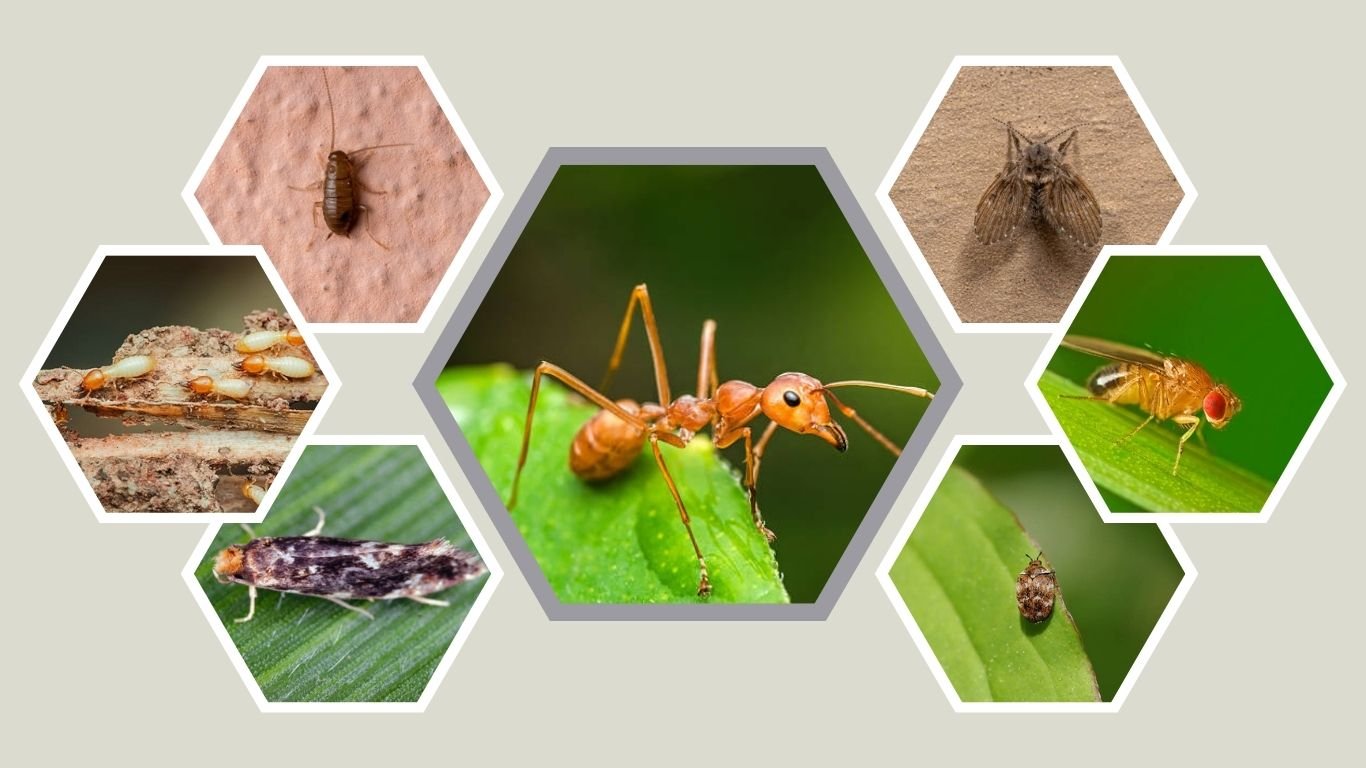
Tiny bugs in the house are a common problem that many homeowners face. These small pests can appear in kitchens, bedrooms, bathrooms, and even hidden corners, often going unnoticed until they multiply. While some are harmless, others can cause discomfort, damage belongings, or contaminate food. Understanding the different types of tiny bugs is the first step toward controlling them effectively. This guide covers 17 common household bugs, helping you recognize their presence and take simple steps to prevent infestations before they become serious.
1. Ants

Ants are among the most common tiny household bugs and can quickly become a nuisance once they find a reliable food source. These insects are highly organized and live in colonies, often sending worker ants into homes to search for food and water. You may first notice them as a thin trail moving along walls, floors, or kitchen counters. While most ants are harmless, their presence can contaminate food and indicate hidden entry points in your home. Understanding their behavior and habits makes it easier to control and prevent infestations effectively.
Identification
- Small bodies, usually 1–5 mm in length
- Clearly segmented into head, thorax, and abdomen
- Narrow “waist” between body segments
- Colors vary: black, brown, red, or yellow
- Antennae are bent or elbowed
- Often seen traveling in organized trails
Where They Are Found
Ants are commonly found in areas where food and moisture are easily available. Kitchens, dining areas, and pantries are their primary targets, especially near crumbs, spills, or unsealed food containers. They can also appear in bathrooms or near water sources due to their need for moisture. Outdoors, they typically nest in soil, but indoors they may hide in wall voids, under floors, or inside wooden structures. Small cracks, gaps around windows, and door frames act as entry points, allowing them to move freely between their nest and food sources inside the home.
Why They Appear
Ants enter homes mainly in search of food, water, and shelter. Even tiny amounts of sugar, grease, or leftover food can attract them. Once a single ant finds a food source, it leaves a chemical trail that guides others, leading to a visible line of ants. Changes in weather, such as heavy rain or extreme heat, may also push ants indoors. Additionally, poorly sealed homes or accessible entry points make it easier for colonies to expand their foraging area into indoor spaces.
Basic Prevention
Preventing ants starts with maintaining cleanliness and removing attractants. Regularly wipe down surfaces, sweep floors, and ensure that food is stored in airtight containers. Fixing leaks and reducing moisture can make your home less appealing to them. Sealing cracks, gaps, and entry points around doors and windows helps block access. Taking out trash regularly and keeping bins covered also reduces the chances of infestation. Consistent cleaning and maintenance are the most effective ways to keep ants from returning.
2. Bed Bugs

Bed bugs are tiny, flat insects that feed on human blood, usually at night. They are known for hiding in bedding, furniture, and small cracks, making them difficult to detect early. Although they do not spread diseases, their bites can cause itching, discomfort, and sleep disturbance. Bed bugs are excellent hitchhikers and often enter homes through luggage, clothing, or used furniture. Once inside, they multiply quickly, making early identification and control essential to prevent a larger infestation.
Identification
- Small, oval, and flat bodies
- Reddish-brown color, turning darker after feeding
- About 4–7 mm in size (similar to an apple seed)
- No wings, but they move quickly
- Leave small blood stains or dark spots on bedding
- Eggs are tiny, white, and hard to see
Where They Are Found
Bed bugs are most commonly found in bedrooms, especially in mattresses, box springs, bed frames, and headboards. They prefer areas close to where people sleep, as they feed at night. They can also hide in cracks of walls, behind wallpaper, inside electrical outlets, and within upholstered furniture. In severe infestations, they may spread to other rooms, including living areas. Their ability to hide in extremely small spaces makes them difficult to eliminate without thorough inspection.
Why They Appear
Bed bugs usually enter homes by hitchhiking on personal belongings. Traveling, staying in hotels, or bringing in second-hand furniture increases the risk of infestation. They are not attracted by dirt or food but by the presence of humans to feed on. Once inside, they reproduce quickly, laying eggs in hidden spots. Their population can grow rapidly if not addressed early, making it important to detect and act as soon as possible.
Basic Prevention
To prevent bed bugs, inspect luggage and clothing after traveling and wash items in hot water when returning home. Avoid bringing used furniture indoors without careful examination. Regularly clean and vacuum sleeping areas, including mattresses and surrounding spaces. Using protective mattress covers can help reduce hiding spots. Sealing cracks and maintaining a clutter-free environment also makes it harder for bed bugs to spread and establish themselves.
3. Fleas

Fleas are tiny, wingless insects known for their ability to jump long distances. They primarily feed on the blood of animals such as cats and dogs but can also bite humans. Fleas reproduce quickly and can become a serious nuisance if not controlled early. Their bites often cause itching and irritation, especially around the ankles and legs. Because of their small size and rapid movement, fleas are often difficult to spot until an infestation becomes noticeable.
Identification
- Very small, about 1–3 mm in length
- Dark brown or reddish color
- Flattened bodies that allow easy movement through fur
- Strong hind legs for jumping
- Move quickly and jump when disturbed
- Leave itchy bite marks, often in clusters
Where They Are Found
Fleas are commonly found on pets and in areas where pets rest or sleep. Carpets, rugs, bedding, and upholstered furniture are typical hiding places. They may also be present in cracks in floors or along baseboards. Outdoors, fleas live in shaded, moist areas such as gardens or yards. Once inside a home, they can spread rapidly from one area to another, especially if pets move freely throughout the house.
Why They Appear
Fleas usually enter homes through pets that have been outdoors or in contact with other animals. They can also be brought in on clothing or objects. Warm and humid environments help fleas thrive and reproduce quickly. Once inside, they lay eggs in carpets, furniture, and pet bedding, leading to a fast-growing population. Lack of regular pet care and cleaning increases the chances of infestation.
Basic Prevention
Preventing fleas involves regular pet care and maintaining a clean home. Bathing and grooming pets frequently helps reduce the risk. Vacuuming carpets, rugs, and furniture regularly removes eggs and larvae. Washing pet bedding in hot water is also important. Keeping outdoor areas clean and dry can reduce flea presence. Consistent cleaning and pet hygiene are key to preventing flea infestations.
4. Dust Mites

Dust mites are extremely tiny creatures that are not visible to the naked eye. They are not insects but microscopic organisms that thrive in warm, humid environments. Dust mites feed on dead skin cells shed by humans and pets, making homes an ideal habitat. While they do not bite or sting, they are a major cause of allergies and respiratory issues. Their presence is often noticed through allergic reactions rather than by seeing them directly.
Identification
- Microscopic size, not visible without a microscope
- Translucent or whitish bodies
- Eight legs (related to spiders)
- No wings or visible eyes
- Presence detected through allergy symptoms like sneezing or itching
- Found in large numbers rather than individually
Where They Are Found
Dust mites are commonly found in soft, fabric-based areas of the home. Mattresses, pillows, bedding, carpets, curtains, and upholstered furniture are their primary habitats. They prefer places where dust accumulates and where human skin flakes are abundant. Warm and humid indoor conditions allow them to thrive, especially in bedrooms where people spend a lot of time. They tend to avoid dry, well-ventilated spaces.
Why They Appear
Dust mites naturally develop in environments where there is a steady supply of dead skin cells and moisture. High humidity levels and poor ventilation create ideal conditions for their growth. Homes that are not cleaned regularly or have heavy fabric furnishings tend to support larger populations. Since they are always present to some extent, the issue arises when their numbers increase significantly due to favorable conditions.
Basic Prevention
Reducing dust mites involves controlling humidity and maintaining cleanliness. Washing bedding in hot water regularly helps eliminate them. Using allergen-proof covers on mattresses and pillows can reduce exposure. Vacuuming carpets and upholstery frequently is also effective. Keeping indoor humidity low and ensuring proper ventilation can make the environment less suitable for dust mites to thrive.
5. Booklice

Booklice are tiny, soft-bodied insects often found in damp indoor environments. Despite their name, they do not actually feed on books but on mold, fungi, and organic materials. They are harmless to humans and do not bite, but their presence can indicate excess moisture or humidity in the home. Booklice are commonly mistaken for other small pests due to their size and pale appearance, making proper identification important.
Identification
- Very small, about 1–2 mm in length
- Pale white, gray, or light brown color
- Soft bodies with a slightly elongated shape
- Slow-moving and not strong fliers
- Often found in clusters rather than alone
- May resemble tiny ants or termites at first glance
Where They Are Found
Booklice are usually found in areas with high humidity and poor ventilation. Common locations include bathrooms, kitchens, basements, and around windows. They are often seen on damp walls, inside cabinets, or near stored paper items such as books and cardboard boxes. They may also appear in food storage areas if mold develops. Their presence is closely linked to moisture, so they tend to gather where damp conditions persist.
Why They Appear
Booklice appear when there is excess moisture and mold growth in the home. They feed on microscopic fungi that develop in humid conditions. Poor ventilation, water leaks, or high indoor humidity levels create the perfect environment for them. Unlike many other pests, they are not attracted to food scraps but to the mold that grows on various surfaces. Controlling moisture is key to preventing their presence.
Basic Prevention
Preventing body lice involves reducing humidity and eliminating damp conditions. Improving ventilation and using dehumidifiers can help keep indoor air dry. Fixing leaks and drying out wet areas quickly is important. Regular cleaning to prevent mold growth, especially on walls and stored items, can reduce their food source. Keeping areas dry and well-ventilated is the most effective way to avoid booklice infestations.
6. Carpet Beetles

Carpet beetles are small household pests that can damage fabrics, carpets, and other natural materials. While adult beetles are often harmless and feed on pollen, their larvae are known for causing damage indoors. These pests can go unnoticed until visible holes appear in clothing or upholstery. Carpet beetles are common in homes and can spread quickly if not controlled, especially in areas where natural fibers are present.
Identification
- Small, oval-shaped bodies
- Adults are black, brown, or patterned with white and yellow
- About 2–4 mm in size
- Larvae are hairy or bristly and worm-like
- Larvae are usually brown or tan in color
- Often found near damaged fabrics or materials
Where They Are Found
Carpet beetles are commonly found in areas with natural fibers such as carpets, rugs, clothing, and upholstery. They may also be present in closets, storage boxes, and under furniture. Larvae prefer dark, undisturbed areas where they can feed freely. Adult beetles are often seen near windows as they are attracted to light. They may also enter homes from outside through open doors, windows, or vents.
Why They Appear
Carpet beetles appear in homes in search of food sources like wool, silk, leather, and other organic materials. They may enter from outdoors or be brought in through infested items. Poor cleaning habits and undisturbed areas provide ideal conditions for larvae to grow. Accumulated lint, pet hair, and dead insects can also attract them, as these serve as food sources for the larvae.
Basic Prevention
Preventing carpet beetles involves regular cleaning and proper storage of fabrics. Vacuuming carpets, rugs, and furniture frequently helps remove eggs and larvae. Storing clothes in sealed containers and keeping closets clean can reduce risk. Washing or dry-cleaning fabrics before storage is also helpful. Sealing entry points and reducing dust buildup can further prevent infestations.
7. Silverfish

Silverfish are small, wingless insects known for their shiny, metallic appearance and quick, wriggling movement. They are nocturnal and tend to avoid light, making them harder to notice during the day. Although they do not bite or harm humans directly, they can damage paper, fabrics, and stored food items. Their presence often indicates damp conditions, as they thrive in humid environments.
Identification
- Small, about 10–15 mm in length
- Silvery-gray, metallic body
- Long, flattened, carrot-shaped body
- Three long tail-like appendages at the rear
- Fast, wriggling movement
- No wings, but very active
Where They Are Found
Silverfish are commonly found in damp, dark areas of the home. Bathrooms, basements, kitchens, and storage spaces are their preferred locations. They often hide in cracks, behind baseboards, under sinks, and inside cabinets. They are also attracted to paper products, so they may be found in bookshelves, boxes, and old documents. Their activity is usually noticed at night when they come out to feed.
Why They Appear
Silverfish appear in homes due to high humidity and the availability of food sources like paper, glue, starch, and fabrics. Leaks, poor ventilation, and damp environments create ideal conditions for them to survive and reproduce. They may enter through small cracks or be brought in with boxes and stored items. Their ability to live in hidden spaces allows them to go unnoticed for long periods.
Basic Prevention
Preventing silverfish involves reducing moisture and eliminating their food sources. Keeping areas dry, fixing leaks, and improving ventilation can make the environment less suitable for them. Storing paper items and fabrics in sealed containers helps reduce access to food. Regular cleaning, especially in hidden or rarely used areas, can also prevent infestations. Sealing cracks and gaps further limits their entry into the home.
8. Springtails

Springtails are tiny, moisture-loving insects that are often found in damp areas of the home. They get their name from their ability to “spring” or jump using a special tail-like structure. Although they can appear in large numbers, they are harmless to humans and do not bite or damage property. Their presence usually indicates excess moisture or humidity indoors.
Identification
- Very small, about 1–2 mm in length
- White, gray, or dark-colored bodies
- Soft-bodied with a rounded or elongated shape
- Wingless but capable of jumping
- Move in quick, hopping motions
- Often seen in groups
Where They Are Found
Springtails are commonly found in damp environments such as bathrooms, kitchens, basements, and near sinks or drains. They may also appear around potted plants, window sills, and areas with water leaks. Outdoors, they live in soil, but indoors they gather where moisture is present. You may notice them on wet surfaces, especially after heavy rain or high humidity.
Why They Appear
Springtails appear when there is excess moisture and organic matter for them to feed on, such as mold, algae, or decaying material. High humidity, water leaks, and poor ventilation create ideal conditions for them. They often enter homes from outside or develop indoors if damp conditions persist. Their population can increase quickly in favorable environments.
Basic Prevention
Preventing springtails involves controlling moisture levels in the home. Fixing leaks, improving ventilation, and using dehumidifiers can help keep areas dry. Avoid overwatering indoor plants and ensure proper drainage. Cleaning damp surfaces and removing mold reduces their food source. Keeping indoor spaces dry is the most effective way to prevent springtail infestations.
9. Gnats

Gnats are tiny flying insects that are commonly seen hovering around indoor spaces, especially near food, plants, or moisture. They are more of a nuisance than a danger, but their presence in large numbers can be irritating. Gnats reproduce quickly, and once they establish themselves indoors, they can be difficult to control without addressing the source of attraction.
Identification
- Very small, about 1–4 mm in length
- Slender bodies with long legs
- Usually black, gray, or dark-colored
- Small wings, often seen flying or hovering
- Weak fliers, moving in groups or clusters
- Often mistaken for fruit flies
Where They Are Found
Gnats are commonly found in kitchens, near fruits, garbage bins, and damp areas. They are also frequently seen around indoor plants, especially if the soil is moist. Bathrooms, drains, and areas with standing water can also attract them. They tend to gather in visible clusters, flying in small swarms near light sources or food.
Why They Appear
Gnats are attracted to moisture, decaying organic matter, and food residues. Overripe fruits, unclean drains, damp soil, and garbage can provide ideal breeding grounds. Overwatering plants is a common cause of indoor gnat infestations. Once conditions are suitable, they reproduce quickly, leading to noticeable swarms.
Basic Prevention
Preventing gnats involves removing moisture and food sources. Keep fruits stored properly and dispose of overripe items quickly. Clean drains regularly and avoid leaving standing water. Allow plant soil to dry between watering. Taking out trash frequently and maintaining cleanliness can significantly reduce the chances of gnat infestations.
10. Fruit Flies

Fruit flies are tiny flying insects commonly found around ripening or decaying fruits and vegetables. They reproduce very quickly, making them one of the most noticeable household pests once they appear. Although they are not harmful, they can contaminate food and become a persistent nuisance. Their small size and rapid breeding cycle make early control important to prevent large infestations.
Identification
- Very small, about 2–4 mm in length
- Light brown or tan body with red eyes
- Small wings and quick flying movement
- Often seen hovering around food
- Move in short, erratic flight patterns
- Appear in groups near fruits or garbage
Where They Are Found
Fruit flies are most commonly found in kitchens and food preparation areas. They gather around ripe or rotting fruits, vegetables, and open food containers. They are also attracted to garbage bins, recycling containers, and spilled sugary liquids. Drains, mops, and damp cloths can also serve as breeding spots. Any place with fermenting organic matter can attract them.
Why They Appear
Fruit flies appear when there is exposed or decaying organic material. Overripe fruits, leftover food, and unclean garbage areas provide ideal breeding conditions. They can enter homes through windows or doors and quickly multiply once they find a food source. Their rapid life cycle allows populations to grow in a short time, making them hard to control if ignored.
Basic Prevention
Preventing fruit flies involves proper food storage and cleanliness. Keep fruits in sealed containers or refrigerators when possible. Dispose of overripe produce promptly and clean spills immediately. Empty trash bins regularly and keep them covered. Cleaning drains and removing moisture sources also helps reduce breeding areas. Maintaining a clean kitchen is key to preventing fruit flies.
11. Drain Flies

Drain flies are small, fuzzy insects often seen resting on walls near sinks, drains, or other damp areas. They are also known as moth flies due to their wing shape and appearance. While they do not bite or transmit diseases, their presence usually indicates organic buildup inside drains. They reproduce in moist environments, making them common in kitchens and bathrooms.
Identification
- Very small, about 2–5 mm in length
- Gray, black, or tan color
- Fuzzy, moth-like wings
- Short, broad body
- Weak fliers, often seen hopping or resting
- Usually found in clusters near drains
Where They Are Found
Drain flies are most commonly found in bathrooms, kitchens, and laundry areas. They live and breed inside drains, pipes, and areas with standing water or organic buildup. You may see them on walls, ceilings, or near sinks and tubs. They prefer dark, moist places and tend to stay close to their breeding sites rather than flying far.
Why They Appear
Drain flies appear when there is a buildup of organic matter inside drains, such as grease, food particles, or soap residue. These materials create a perfect breeding environment. Poor drainage, standing water, and infrequent cleaning can encourage their growth. Once established, they can multiply quickly if the source is not removed.
Basic Prevention
Preventing drain flies involves keeping drains clean and free of buildup. Regularly flushing drains with hot water and cleaning solutions can help remove organic material. Fixing leaks and eliminating standing water is also important. Keeping sinks and surrounding areas dry reduces their breeding grounds. Routine maintenance is key to preventing infestations.
12. Weevils

Weevils are tiny beetles that are commonly found in stored food products, especially grains and dry goods. They are known for their long snouts and can quickly infest pantry items if left unchecked. Although they are not harmful to humans, they can contaminate food and lead to waste. Weevils often go unnoticed until they appear in noticeable numbers inside food containers.
Identification
- Small, about 2–4 mm in length
- Brown or black color
- Distinct long snout (nose-like feature)
- Oval or cylindrical body shape
- Hard outer shell (beetle-like)
- Often found inside food packages
Where They Are Found
Weevils are commonly found in kitchens and pantries, especially inside stored grains such as rice, flour, pasta, and cereals. They may also be present in beans, nuts, and seeds. Infested items are usually the main source, but they can spread to nearby containers if not controlled. They tend to stay close to food sources and are rarely seen far from them.
Why They Appear
Weevils usually enter homes through already infested food products purchased from stores. Once inside, they lay eggs in food items, allowing their population to grow quickly. Poor storage conditions, such as unsealed containers, make it easier for them to spread. Warm environments can also speed up their life cycle, leading to faster infestations.
Basic Prevention
Preventing weevils involves proper food storage and inspection. Store grains and dry foods in airtight containers to prevent contamination. Check food items before buying and using them. Keeping pantry areas clean and dry helps reduce the risk. Disposing of infested products immediately is important to stop the spread. Regular inspection and proper storage are key to prevention.
13. Pantry Moths

Pantry moths are small flying insects that infest stored food items, especially grains and dry goods. Their larvae are the main cause of damage, as they feed on food and leave behind webbing and contamination. Once they enter a home, they can spread quickly from one food source to another. Although they are not harmful to humans, they can make food unusable and lead to repeated infestations if not properly managed.
Identification
- Small, about 8–10 mm wingspan
- Brown, gray, or two-toned wings
- Slender body with folded wings at rest
- Larvae are small, white or cream-colored worms
- Presence of silky webbing in food containers
- Often seen flying near food storage areas
Where They Are Found
Pantry moths are commonly found in kitchens and storage areas where dry food is kept. They infest items such as flour, rice, cereals, pasta, and nuts. You may notice them inside cabinets, shelves, or even crawling on walls near food storage. Larvae often remain hidden inside packaging, while adult moths may fly around the kitchen, especially near light sources.
Why They Appear
Pantry moths usually enter homes through infested food products purchased from stores. Once inside, they lay eggs in food items, and the larvae begin feeding and spreading. Poor storage practices, such as keeping food in open or loosely sealed containers, allow them to multiply. Warm conditions also support faster reproduction and infestation growth.
Basic Prevention
Preventing pantry moths requires proper food storage and regular inspection. Store dry goods in airtight containers to block access. Check food items before buying and discard any infested products immediately. Clean pantry shelves frequently to remove crumbs and residues. Keeping storage areas clean and sealed is essential to avoid infestations.
14. Cockroach Nymphs

Cockroach nymphs are the immature stage of cockroaches and are smaller, lighter in color, and wingless compared to adults. They can be just as troublesome, often hiding in dark, hidden areas and coming out at night. Their presence usually indicates a larger infestation nearby. Like adult cockroaches, nymphs can contaminate food and surfaces, making them a serious household concern.
Identification
- Small, about 2–10 mm depending on age
- Light brown, tan, or dark brown color
- Oval-shaped, flat bodies
- No wings (unlike adults)
- Fast-moving, especially when disturbed
- Resemble smaller versions of adult cockroaches
Where They Are Found
Cockroach nymphs are commonly found in dark, warm, and hidden areas. Kitchens and bathrooms are their primary locations, especially under sinks, behind appliances, and inside cabinets. They may also hide in cracks, wall voids, and near food or water sources. Because they prefer tight spaces, they are often found in areas that are rarely cleaned or disturbed.
Why They Appear
Cockroach nymphs appear when adult cockroaches reproduce and lay eggs in hidden areas. Poor sanitation, leftover food, moisture, and clutter provide ideal conditions for them to thrive. They are attracted to food scraps, grease, and water sources. Once inside, their population can grow quickly if conditions remain favorable.
Basic Prevention
Preventing cockroach nymphs involves maintaining cleanliness and eliminating their food and water sources. Keep surfaces clean, store food properly, and avoid leaving dirty dishes overnight. Fix leaks and reduce moisture in kitchens and bathrooms. Sealing cracks and gaps helps block entry and hiding places. Regular cleaning and proper sanitation are key to preventing infestations.
15. Termites

Termites are tiny insects that feed on wood and can cause serious structural damage to homes. They often go unnoticed because they live inside walls, floors, or wooden structures. Unlike many other household bugs, termites are highly destructive and can weaken furniture and building materials over time. Early detection is important to prevent costly damage and maintain the safety of your home.
Identification
- Small, about 3–10 mm in length
- Creamy white, pale brown, or translucent color
- Soft-bodied with straight antennae
- Worker termites are wingless
- Swarmers have wings of equal length
- Often found in groups or colonies
Where They Are Found
Termites are commonly found in wooden structures such as walls, floors, furniture, and foundations. They live inside wood, soil, or mud tubes that they build for protection. You may also find them near damp or decaying wood, especially in basements or areas with water damage. Because they stay hidden, their presence is often detected through damage rather than direct sight.
Why They Appear
Termites appear in homes due to the availability of wood and moisture. Damp conditions, leaks, and poor ventilation create an ideal environment for them. They usually enter from the soil through cracks in the foundation or gaps in the structure. Once inside, they begin feeding on wood and can expand their colony quickly if not controlled.
Basic Prevention
Preventing termites involves reducing moisture and protecting wooden structures. Fixing leaks and ensuring proper drainage can help keep areas dry. Avoid direct contact between soil and wood, and store firewood away from the house. Regular inspections and sealing cracks in the foundation can also reduce the risk. Early detection and maintenance are essential to prevent termite damage.
16. Psocids

Psocids, also known as barklice or booklice, are tiny insects that thrive in humid environments. They are harmless to humans and do not bite, but their presence often indicates excess moisture and mold growth. Psocids feed on fungi, mildew, and organic debris, making damp indoor areas ideal for their survival. They are commonly mistaken for other small pests due to their size and pale appearance.
Identification
- Very small, about 1–2 mm in length
- Pale white, gray, or light brown color
- Soft, oval-shaped bodies
- Long antennae
- Winged or wingless depending on species
- Slow-moving and often found in groups
Where They Are Found
Psocids are commonly found in damp, humid areas of the home. Bathrooms, kitchens, basements, and storage spaces are typical locations. They may also appear on walls, ceilings, window sills, or inside cabinets. Areas with mold growth, old paper, or stored food products can attract them. Their presence is closely linked to moisture and poor ventilation.
Why They Appear
Psocids appear when there is high humidity and mold growth in the environment. They feed on fungi, mildew, and organic matter found on various surfaces. Leaks, condensation, and poor airflow create ideal conditions for them. Unlike many pests, they are not attracted to food scraps but to microscopic mold that develops in damp conditions.
Basic Prevention
Preventing psocids involves reducing humidity and eliminating moisture sources. Improving ventilation and using dehumidifiers can help keep indoor air dry. Fixing leaks and drying damp areas quickly is essential. Regular cleaning to prevent mold growth also reduces their food source. Keeping the environment dry and well-ventilated is the most effective way to prevent psocids.
17. Thrips

Thrips are tiny, slender insects that are commonly found on plants but can also appear indoors. They feed by piercing plant tissues and sucking out fluids, which can damage leaves and flowers. While they do not harm humans directly, their presence indoors is often linked to indoor plants. Due to their small size and quick movement, they can be difficult to notice until plant damage becomes visible.
Identification
- Very small, about 1–2 mm in length
- Slender, elongated bodies
- Yellow, brown, or black color
- Narrow wings with fringed edges (in adults)
- Move quickly and may jump or fly short distances
- Often seen as tiny moving specks on plants
Where They Are Found
Thrips are commonly found on indoor plants, especially on leaves, stems, and flowers. They may also appear near windows where plants are placed. In some cases, they can spread to curtains, walls, or nearby surfaces. They are more likely to be present in homes with multiple houseplants or where plants are kept in warm, dry conditions.
Why They Appear
Thrips usually enter homes through infested plants or by flying in from outside. They are attracted to plant material and thrive where they can feed and reproduce. Warm indoor environments can support their growth, especially if plants are not regularly checked. Once inside, they can spread from one plant to another quickly.
Basic Prevention
Preventing thrips involves regular inspection and care of indoor plants. Check new plants before bringing them indoors and isolate them if necessary. Keeping plants clean and removing damaged leaves can reduce their presence. Maintaining proper humidity and avoiding overcrowding plants can also help. Regular monitoring is key to preventing thrip infestations.
FAQs
What are the most common tiny bugs found in homes?
The most common tiny bugs include ants, bed bugs, fleas, and dust mites. These pests are usually attracted to food, moisture, or shelter. Some, like dust mites, are invisible, while others are easily noticed in kitchens, bedrooms, or damp areas of the home.
Are tiny household bugs dangerous to humans?
Most tiny household bugs are not dangerous but can still cause problems. Some may bite, like fleas and bed bugs, while others can trigger allergies, such as dust mites. Certain pests can also contaminate food or damage belongings, making them a nuisance even if they are not harmful.
Why do tiny bugs suddenly appear in the house?
Tiny bugs often appear due to food availability, moisture, or easy entry points. Weather changes can also drive them indoors. Poor cleaning habits, unsealed food, or damp environments create ideal conditions for these pests to grow and multiply quickly.
How can I prevent tiny bugs in my home?
Keeping your home clean and dry is the most effective prevention method. Store food in sealed containers, fix leaks, and reduce humidity. Regular cleaning, proper waste disposal, and sealing cracks or gaps can significantly reduce the chances of infestations.
When should I call a professional for bug problems?
You should consider professional help when the infestation becomes large or difficult to control. Pests like termites, bed bugs, or cockroaches can spread quickly and require specialized treatment. Early intervention can prevent further damage and make removal more effective.