
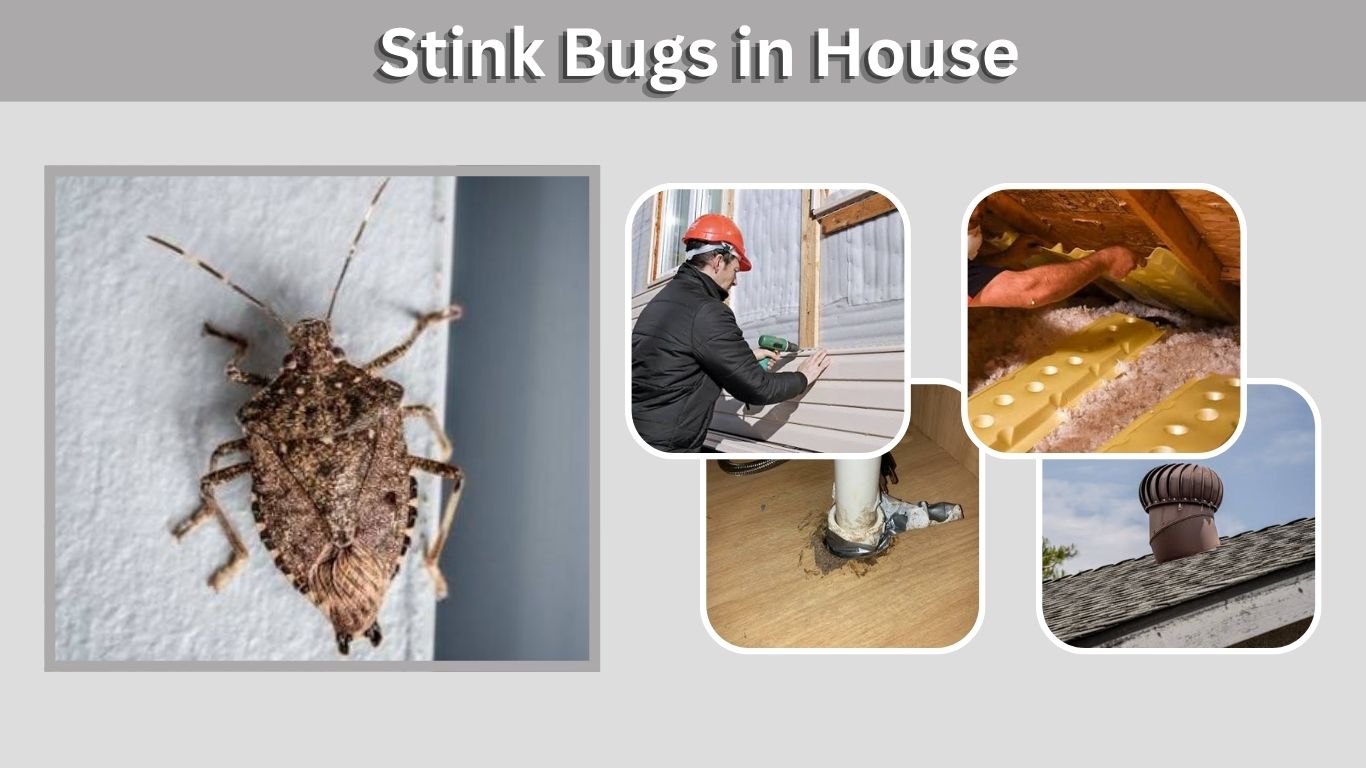
Finding stink bugs in the house is especially common when outdoor temperatures begin to fall. These shield-shaped insects often enter homes looking for a protected place to spend the colder months. They slip through tiny cracks around windows, doors, siding, vents, and utility openings, then hide in walls, attics, and other sheltered spaces. Stink bugs generally do not reproduce or damage household materials indoors, but large numbers can become annoying. Fortunately, removing them and preventing future entry is usually straightforward.
Why Are Stink Bugs in My House?
Stink bugs normally live outdoors, where they feed on fruits, vegetables, seeds, and other plant material. The species most frequently associated with home invasions is the brown marmorated stink bug. As temperatures drop, adults begin searching for protected overwintering locations and may choose houses, garages, sheds, and other structures.
Why Do Stink Bugs Come Into the House?
Stink bugs enter primarily for shelter rather than food. Warm buildings provide protection from freezing temperatures, wind, and precipitation.
Once they find a suitable structure, multiple stink bugs may gather in similar protected areas. This explains why homeowners sometimes notice many insects appearing within a short period instead of finding only one.
Why Are There So Many Stink Bugs in My House?
Large numbers usually mean stink bugs found accessible openings during autumn and entered before those gaps were sealed.
They may spend weeks or months hidden inside wall voids before becoming visible. Warm indoor temperatures or sunny winter days can make dormant stink bugs active, causing them to crawl toward windows and lights.
How Do Stink Bugs Get in Your House?
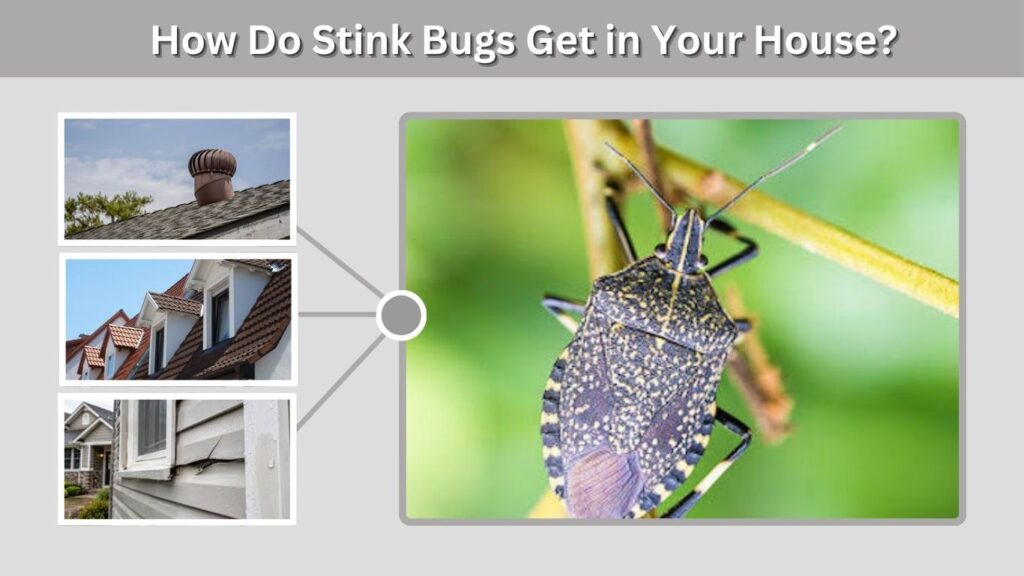
Stink bugs can enter through surprisingly small openings. Because they are good flyers and crawlers, even upper floors and attics can be reached relatively easily.
Common Entry Points
- Gaps around windows
- Spaces beneath exterior doors
- Torn window screens
- Attic vents
- Roof openings
- Cracks around siding
- Chimney gaps
- Utility pipe openings
- Window air conditioners
- Garage doors
- Unsealed foundations
Inspecting these areas before autumn is one of the best ways to prevent a future stink bug infestation in the house.
What Attracts Stink Bugs to Your House?
Stink bugs are primarily attracted to suitable overwintering shelter. Buildings exposed to sunlight may become especially appealing because exterior walls warm during the day.
Things That May Draw Them Near
Bright exterior lights can sometimes attract flying insects, including stink bugs. Warm walls, sheltered cracks, and easy access points make a building even more suitable.
Homes near gardens, orchards, wooded areas, agricultural fields, or fruiting plants may also have larger outdoor stink bug populations nearby, increasing the chance that some eventually enter.
Where Do Stink Bugs Hide in Your House?
Once indoors, stink bugs generally search for quiet, protected locations rather than remaining in open rooms.
They may remain hidden for long periods and suddenly appear when temperatures change.
Common Hiding Places
Stink bugs may shelter inside wall voids, attics, behind baseboards, around window frames, beneath siding, behind curtains, or inside other protected cracks.
They are often noticed around sunny windows because active insects naturally move toward light when attempting to escape.
How to Get Rid of Stink Bugs in the House
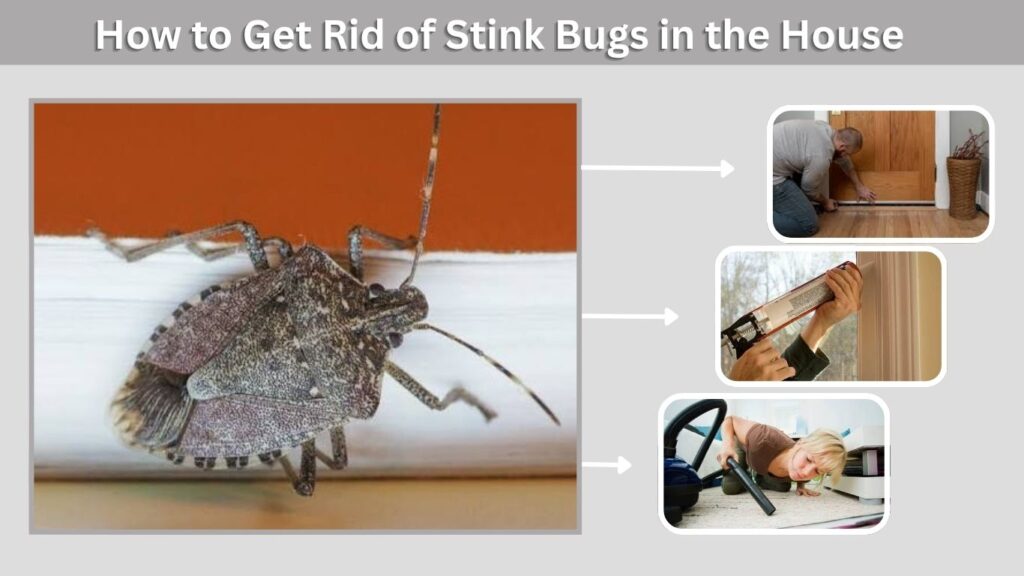
The easiest approach depends on how many stink bugs you have. For a few insects, physical removal is generally sufficient. A large recurring problem requires both removal and exclusion.
Remove Individual Stink Bugs
For one or two stink bugs:
- Catch them with a cup and piece of paper.
- Drop them into soapy water.
- Vacuum them carefully.
- Release them outdoors if desired.
- Avoid crushing them indoors.
Crushing a stink bug may cause it to release its characteristic defensive odor, which can linger temporarily.
Vacuum Larger Numbers
A vacuum can quickly collect multiple stink bugs from windows, walls, curtains, and ceilings.
Empty the vacuum outdoors afterward. If large numbers are collected, stink bugs may release odor inside the vacuum, particularly if they are crushed.
A dedicated small vacuum may be convenient for homes that experience recurring seasonal invasions.
How to Keep Stink Bugs Out of Your House
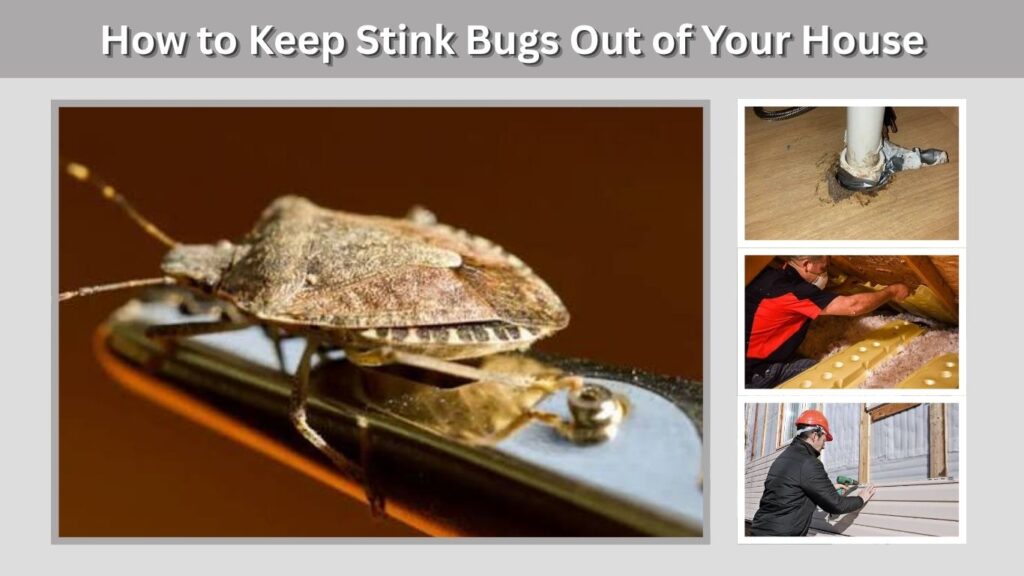
Preventing stink bugs from entering is much more effective than repeatedly removing insects throughout winter.
The ideal time to perform exclusion work is before temperatures begin dropping and before stink bugs start searching for winter shelter.
Stink Bug Prevention Tips
- Seal cracks around windows and doors.
- Repair torn window screens.
- Install door sweeps.
- Add weather stripping.
- Seal gaps around utility pipes.
- Check attic and soffit vents.
- Repair damaged siding.
- Caulk cracks around exterior trim.
- Inspect window air-conditioning units.
- Seal openings around chimneys where appropriate.
- Reduce unnecessary exterior lighting near entrances.
Carefully inspecting the sunny sides of the house can be particularly useful because stink bugs may gather there before entering.
Stink Bugs in the House in Winter
Seeing stink bugs in the house in winter does not necessarily mean they recently entered. Many may have entered during autumn and remained hidden for weeks.
Why Do They Appear During Winter?
Heating systems and sunny days can warm hidden stink bugs enough to make them active.
Once awake, they may crawl from walls and attics into living areas. They often gather near windows because daylight provides a strong visual cue.
Removing visible insects helps, but sealing exterior openings is necessary to reduce the problem in future years.
Do Stink Bugs Lay Eggs in Your House?
Stink bugs normally reproduce outdoors on suitable host plants. Females commonly lay clusters of eggs on leaves where newly hatched nymphs can quickly find plant food.
What About Stink Bug Eggs Indoors?
Finding true stink bug eggs inside a home is uncommon because overwintering adults generally remain inactive rather than establishing indoor breeding colonies.
A house with many stink bugs therefore usually has an overwintering problem, not an active indoor reproductive infestation.
This also means you usually do not need to search for a traditional stink bug nest.
Do Stink Bugs Build Nests in Houses?
Stink bugs do not construct organized nests like wasps, ants, or bees.
When many individuals gather inside walls or attics, people may describe the location as a “stink bug nest,” but it is better understood as a shared overwintering shelter.
Why Do They Gather Together?
Stink bugs naturally aggregate in suitable protected locations. If one section of a home provides warmth, dryness, and easy entry, many insects may use the same space.
Finding and sealing that access point is more useful than searching for a nest to destroy.
What Do Stink Bugs Eat in the House?
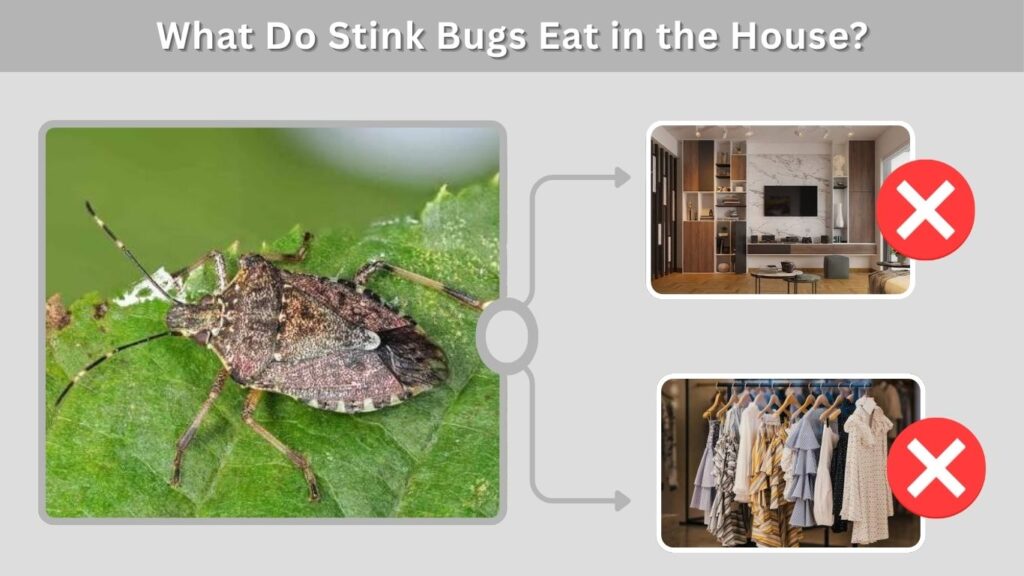
Stink bugs normally feed on plants, fruits, vegetables, and seeds outdoors. During winter dormancy inside a home, they generally do not need to feed regularly.
They do not normally eat furniture, clothing, wood, carpets, drywall, or stored household materials.
This makes them primarily a nuisance pest indoors rather than a destructive structural pest.
Is a Stink Bug Infestation in the House Dangerous?
Stink bugs are generally not dangerous household pests. They do not typically bite people, spread through bedding like bed bugs, or damage the structure of a house.
The main problems are their unpleasant odor and the nuisance created by large numbers appearing indoors.
Should You Use Insecticide Indoors?
Spraying large amounts of insecticide inside living spaces is usually unnecessary for occasional stink bugs.
Physical removal combined with sealing entry points is generally more useful. If large numbers continually enter despite exclusion efforts, a licensed pest-management professional can inspect the building and identify difficult-to-find exterior entry points.
FAQs
1. Why do I keep finding stink bugs in my house?
They probably entered during cooler weather to find an overwintering shelter. Stink bugs may remain hidden inside walls or attics for weeks before warm indoor temperatures cause them to become active and appear in living spaces.
2. How do I get stink bugs out of my house?
Catch individual stink bugs with a cup, drop them into soapy water, or remove larger numbers with a vacuum. Avoid crushing them because they may release an unpleasant defensive odor when disturbed or killed.
3. What keeps stink bugs out of your house?
Sealing cracks and gaps is the most important preventive measure. Repair screens, add door sweeps, weather-strip doors and windows, and seal openings around siding, vents, pipes, air conditioners, and other potential entry points.
4. Do stink bugs reproduce inside houses?
Stink bugs generally use houses as winter shelters rather than breeding sites. Females normally lay their eggs outdoors on plants, so large numbers inside a house usually represent overwintering adults rather than an indoor breeding colony.
5. Why do stink bugs come into houses in winter?
Most actually enter before winter when temperatures begin falling. They then hide in protected spaces. Indoor heating or sunny winter weather can wake them, causing stink bugs to crawl into rooms and gather around windows or other light sources.