
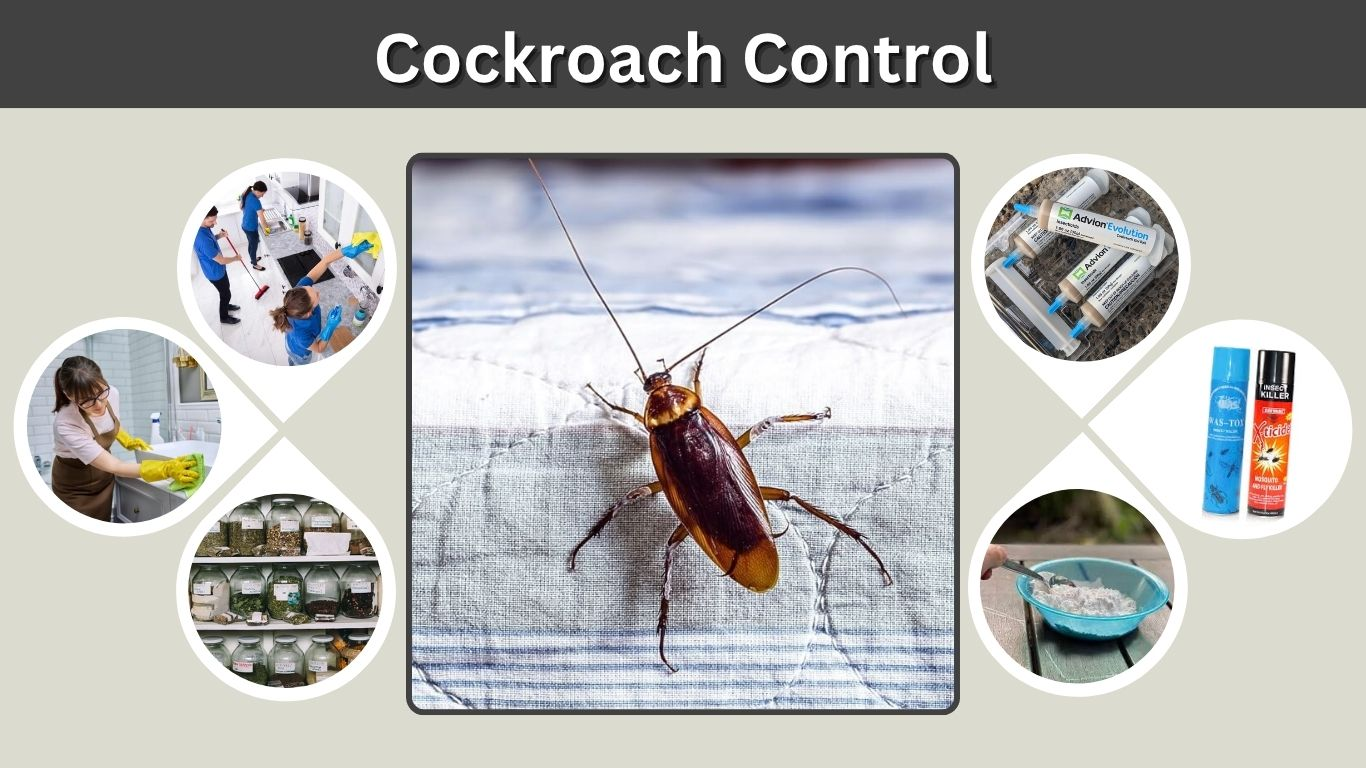
Cockroaches are one of the most persistent household pests, posing health risks and contaminating food. Controlling them requires proper identification, understanding their habits, and choosing effective treatment strategies. This guide covers professional pest control services, DIY methods, natural remedies, species-specific strategies, and preventive measures. Whether dealing with German, American, Oriental, or Asian cockroaches, following these steps will help homeowners manage infestations safely and efficiently, keeping homes clean and pest-free while reducing the risk of recurrence.
Identifying Cockroach Infestations
Early detection of cockroach activity is essential for effective control. Recognizing infestation signs and understanding species differences allows homeowners to select targeted treatment strategies. Cockroach species vary in size, speed, and habitat preferences, making accurate identification the first step toward successful eradication.
Common Signs of Infestation
- Dark droppings resembling coffee grounds
- Shed skins and egg cases
- Musty odors in hidden corners
- Sightings of live roaches, mostly at night
Cockroach Species Overview
- German cockroach: small, fast, indoor-focused
- American cockroach: large, reddish-brown, often outdoors
- Oriental cockroach: dark, slow, prefers damp areas
- Brown-banded cockroach: small, lighter, often in electronics
- Asian cockroach: similar to German, active outdoors
Professional Pest Control Services
For large or persistent infestations, professional services offer a comprehensive solution. Experts use advanced insecticides, baits, and inspection techniques to eliminate cockroaches effectively. They can provide follow-up visits and prevention advice, ensuring long-term control while reducing the risk of exposure to harmful chemicals.
Benefits of Professional Services
- Detailed inspections to locate infestations
- Access to stronger, safe chemical treatments
- Follow-up visits and prevention guidance
Service Areas and Availability
- Cities: Sydney, Melbourne, Texas, Florida, Nashville
- Residential and commercial properties
- “Near me” searches for quick response
DIY Cockroach Control Methods

Homeowners with small infestations can implement DIY strategies using commercially available products or homemade remedies. Consistency and proper placement are essential. DIY methods allow for safe, targeted control in kitchens, bathrooms, and basements without requiring professional intervention.
Common DIY Treatments
- Gel baits placed in cracks and corners
- Sprays and powders for high-traffic areas
- Sticky traps to monitor activity
Home Remedies
- Baking soda mixed with sugar
- Essential oils such as peppermint and eucalyptus
- Boric acid or diatomaceous earth in hidden areas
Cockroach Chemical and Natural Products
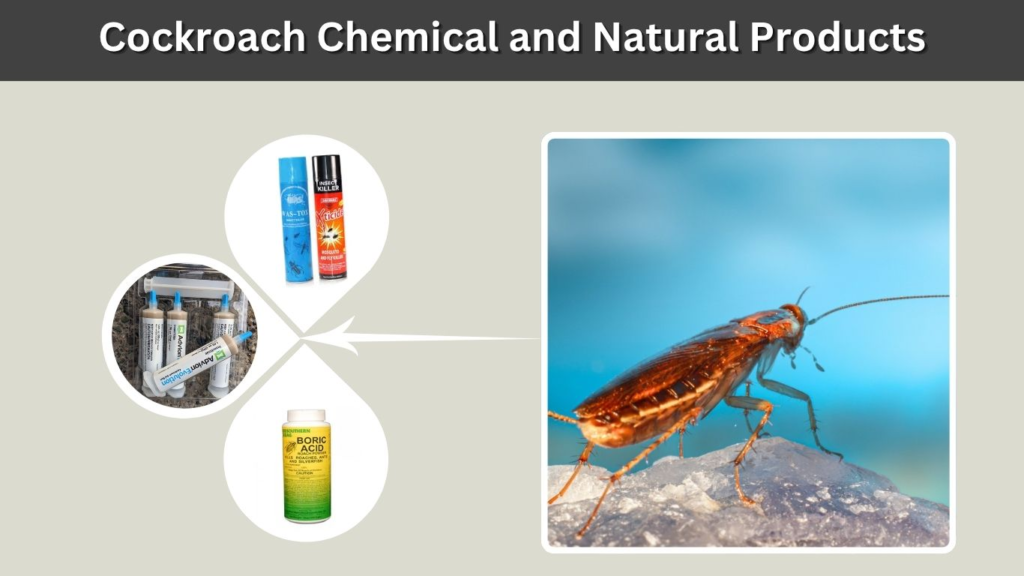
Effective cockroach control often combines chemical products for immediate knockdown and natural remedies for ongoing prevention. Knowing which products to use and where to place them improves results while ensuring safety for family and pets.
Chemical Solutions
- Sprays and aerosols for quick elimination
- Gel baits that spread poison through colonies
- Powdered insecticides in cracks and voids
Natural and Organic Options
- Boric acid for hidden corners
- Diatomaceous earth to dehydrate roaches
- Plant-based oils as repellents and deterrents
Cockroach Hygiene and Preventive Measures
Preventing reinfestation is key for long-term control. Good sanitation, moisture management, and sealing entry points make homes less attractive to cockroaches. Preventive measures complement professional and DIY treatments, reducing the likelihood of future problems.
Cleanliness Practices
- Regularly sweep and mop floors
- Wipe counters and clean kitchen areas
- Store food in airtight containers
Moisture and Structural Prevention
- Fix leaking pipes and faucets
- Ventilate damp areas
- Seal cracks, gaps, and drains
Species-Specific Cockroach Control

Different cockroach species have unique habits and require tailored treatment approaches. Identifying whether you’re dealing with German, American, Oriental, Brown-banded, or Asian cockroaches ensures more effective and long-lasting control.
German Cockroaches
- Small, fast-moving, indoor-focused
- Use gel baits, sprays, and sticky traps
- Regular cleaning of kitchen and bathroom
American Cockroaches
- Larger, reddish-brown, prefers outdoors but enters homes
- Treat perimeters with insecticide
- Remove debris and mulch outside
Oriental Cockroaches
- Dark, slow-moving, prefers basements, drains, and damp areas
- Target egg cases and hidden nooks with boric acid or gel baits
Brown-Banded and Asian Cockroaches
- Smaller, often found in electronics and hidden corners
- Sticky traps, gels, and essential oils are effective
Outdoor Cockroach Control
Outdoor cockroach populations contribute to indoor infestations. Controlling them around the perimeter of the home, near drains, mulch, and garbage areas, reduces the risk of them entering living spaces.
Yard and Perimeter Treatment
- Apply insecticides along foundations, vents, and window wells
- Remove leaf litter, mulch, and wood piles
- Maintain proper drainage to eliminate moisture sources
Outdoor Baits and Traps
- Place baits near sewers, drains, and outdoor corners
- Use sticky traps to monitor activity and population size
DIY vs Professional Cockroach Control
Choosing the right approach depends on infestation severity, budget, and safety considerations. Small infestations can be managed with DIY methods, but large or persistent infestations often require professional intervention.
DIY Approaches
- Gel baits, powders, and sprays for small infestations
- Home remedies like boric acid and essential oils
- Consistent monitoring and repeated application
Professional Services
- Inspect and treat entire property, including hidden areas
- Use stronger insecticides safely
- Offer follow-up visits and prevention advice
Cost Considerations for Cockroach Control
The cost of cockroach control varies by species, treatment method, infestation severity, and location. Comparing DIY, natural, and professional options helps homeowners budget and choose the most effective approach.
Professional Control Pricing
- Residential treatments vary by property size and frequency
- Commercial treatments depend on building size and infestation level
- Includes follow-up visits and guarantees in many cases
DIY and Product Costs
- Gel baits, sprays, and powders are affordable
- Organic or natural remedies are moderately priced
- Kits and traps for small infestations are budget-friendly
Handling Cockroach Eggs (Ootheca)
Cockroach eggs are resistant and can cause recurring infestations if not treated. Targeting eggs ensures the next generation is eliminated and supports long-term control efforts.
Egg Identification
- Brown, capsule-like, hidden in cracks, cabinets, or under appliances
- Found near moisture and food sources
Treatment
- Boric acid or diatomaceous earth applied in cracks and corners
- Vacuum and dispose of egg cases if possible
- Repeat treatment periodically for newly hatched nymphs
FAQs
How much does pest control for cockroaches cost?
Costs vary based on infestation size, property type, and treatment method. DIY options may cost $20–$50 for products, while professional services can range from $100 to $500 depending on severity.
Can DIY methods fully eliminate cockroaches?
Yes, for small infestations, consistent DIY treatments with baits, sprays, and proper sanitation can be effective. Severe infestations may still require professional intervention.
Are natural treatments effective?
Boric acid, diatomaceous earth, and essential oils can reduce populations safely, but they require repeated applications and patience for complete control.
How often should professional services be used?
For severe infestations, professionals may recommend follow-ups every 2–4 weeks until the population is fully eliminated. Maintenance visits may be seasonal or as needed.
Do outdoor treatments prevent indoor infestations?
Yes, controlling cockroaches around the property perimeter reduces the number of roaches entering homes. Removing mulch, debris, and moisture sources is critical.