
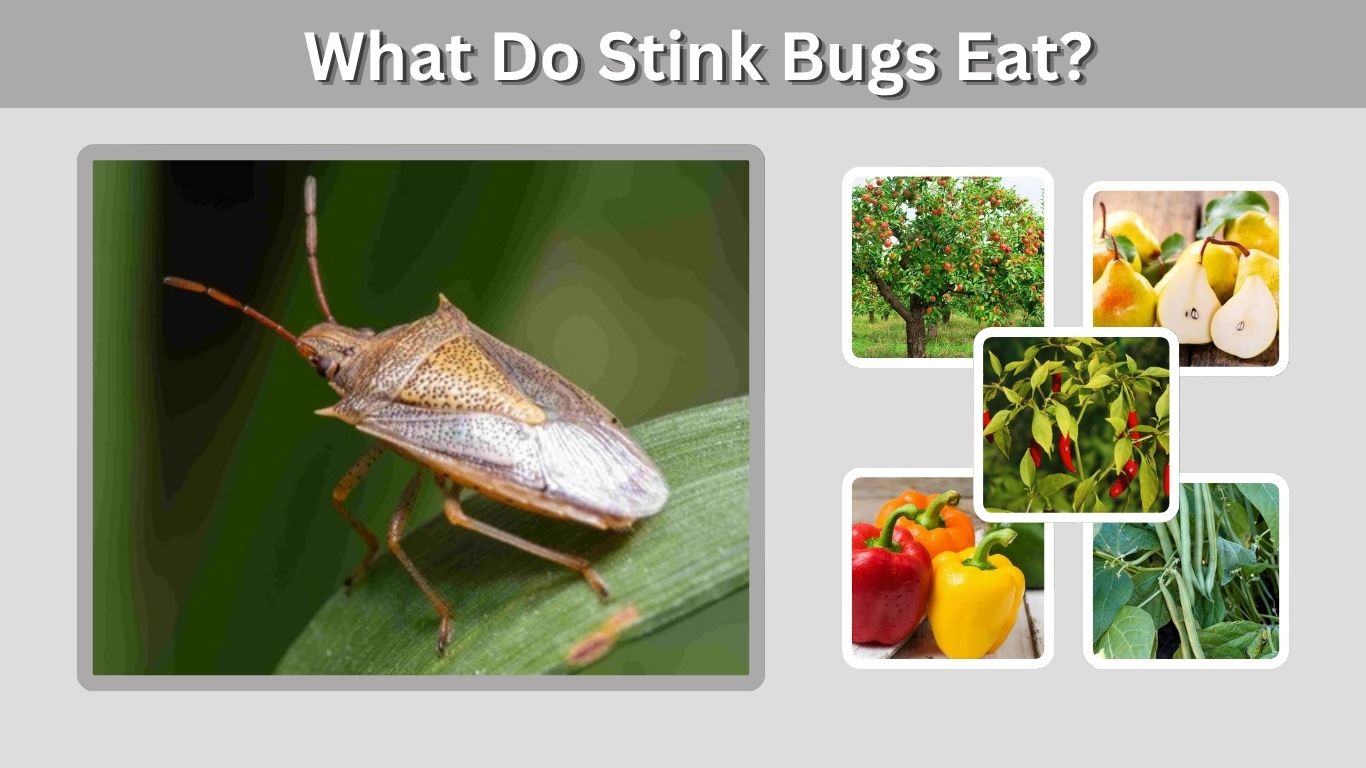
Stink bugs are best known for their unpleasant defensive odor, but their feeding habits can be just as noticeable—especially in gardens and farms. Most common pest stink bugs, including the brown marmorated stink bug, feed by piercing fruits, vegetables, seeds, and plant stems and sucking out their juices. Their diet changes with season and food availability. Some stink bug species are predators instead and eat other insects. Here are 10 common foods stink bugs eat, plus what their feeding damage looks like and what happens when pets accidentally swallow one.
What Does a Stink Bug Eat?
Most plant-feeding stink bugs have piercing-sucking mouthparts rather than chewing jaws. They insert a needle-like beak into plant tissue and suck out fluids. Brown marmorated stink bugs are particularly broad feeders and can damage many fruit, vegetable, ornamental, and field crops.
10 Foods Stink Bugs Eat
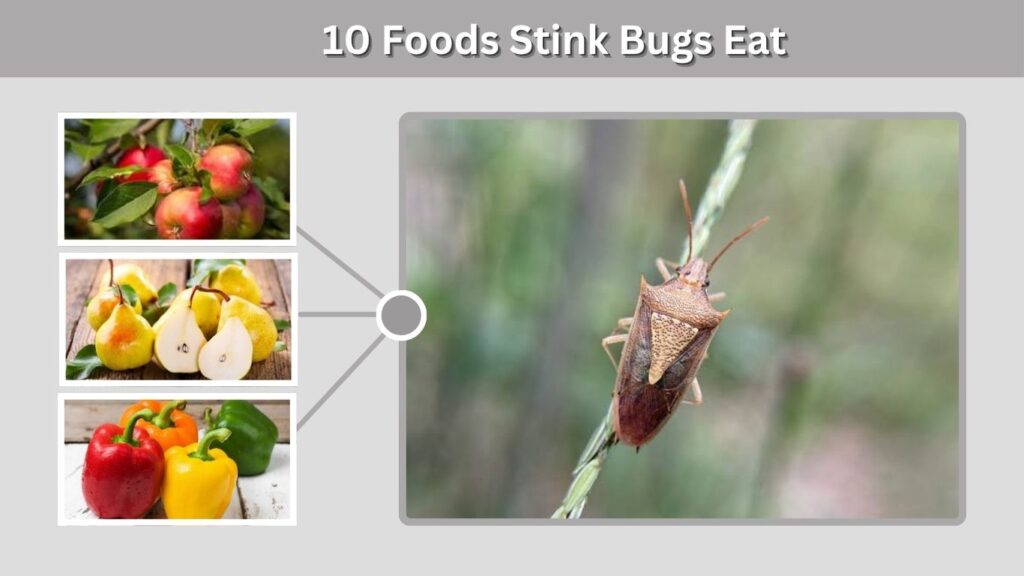
Stink bugs are opportunistic feeders that take advantage of whatever suitable plants are available during the growing season. Most pest species prefer developing fruits, seeds, pods, and other soft plant tissues because these areas contain plenty of moisture and nutrients. They do not chew chunks from food like beetles or caterpillars. Instead, stink bugs use piercing-sucking mouthparts to puncture plant tissue and draw out the juices, often leaving behind discoloration, dimpling, or hardened spots.
- Apples
Stink bugs frequently feed on developing apples. Their punctures can create small sunken areas, discoloration, and corky tissue beneath the skin. - Peaches
Peaches and other stone fruits provide soft tissues that stink bugs can easily pierce. Feeding may result in dimpling or misshapen fruit. - Pears
Stink bugs suck juices from pears while they are developing. Damage may become more obvious as the fruit grows. - Tomatoes
Tomatoes are a common garden food source. Stink bug feeding can leave pale, yellowish, cloudy, or hard areas beneath the skin. - Peppers
Both sweet and hot pepper plants may be attacked. Bugs usually pierce the fruit and remove plant fluids. - Corn
Stink bugs can feed through corn husks and damage developing kernels, especially while ears are still young. - Soybeans
Soybean pods and developing seeds are important food sources for several stink bug species. Heavy feeding can reduce seed quality and yield. - Beans
Green beans and other legumes may attract stink bugs to their pods, seeds, leaves, and stems. - Grapes
Stink bugs sometimes pierce grapes and suck the juice. Their presence around harvested fruit can also be undesirable because disturbed bugs release their strong odor. - Nuts and Seeds
Some stink bugs feed on developing nuts, seeds, and seed pods, including crops such as pecans and other agricultural plants.
What Do Brown Marmorated Stink Bugs Eat?
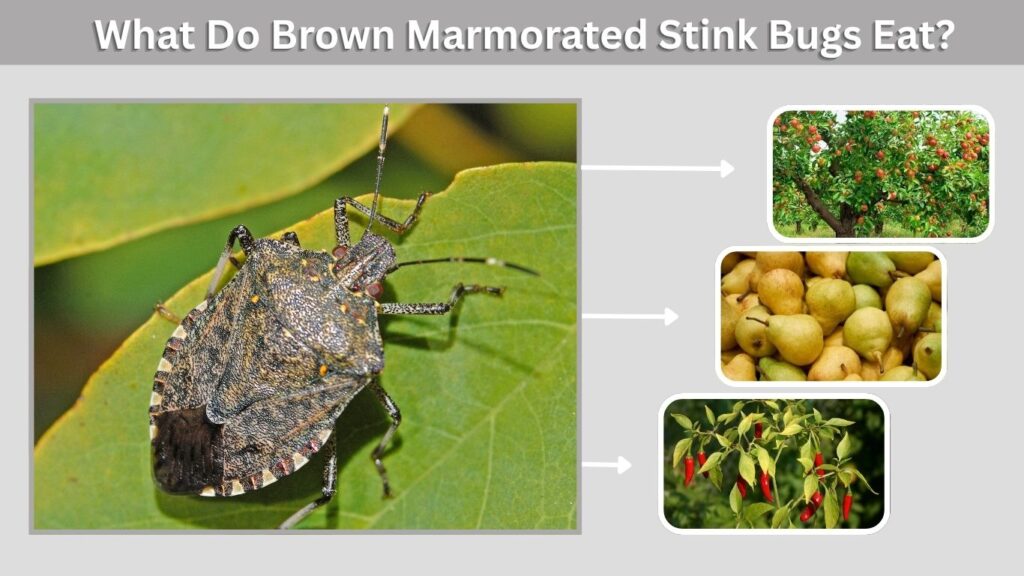
The brown marmorated stink bug is one of the most widely recognized pest stink bugs. It has an unusually broad diet and feeds on many trees, vegetables, fruits, and field crops.
Common Brown Marmorated Stink Bug Foods
- Apples
- Peaches
- Pears
- Cherries
- Grapes
- Tomatoes
- Peppers
- Sweet corn
- Soybeans
- Beans
- Tree fruits
- Ornamental plants
Nymphs and adults both feed on plants. They may move between different host plants during the year as fruits and seeds become available.
Their feeding usually does not involve eating large holes in leaves. Instead, they pierce plant tissue and withdraw fluids, sometimes injecting saliva that contributes to damaged or discolored tissue.
What Do Green Stink Bugs Eat?
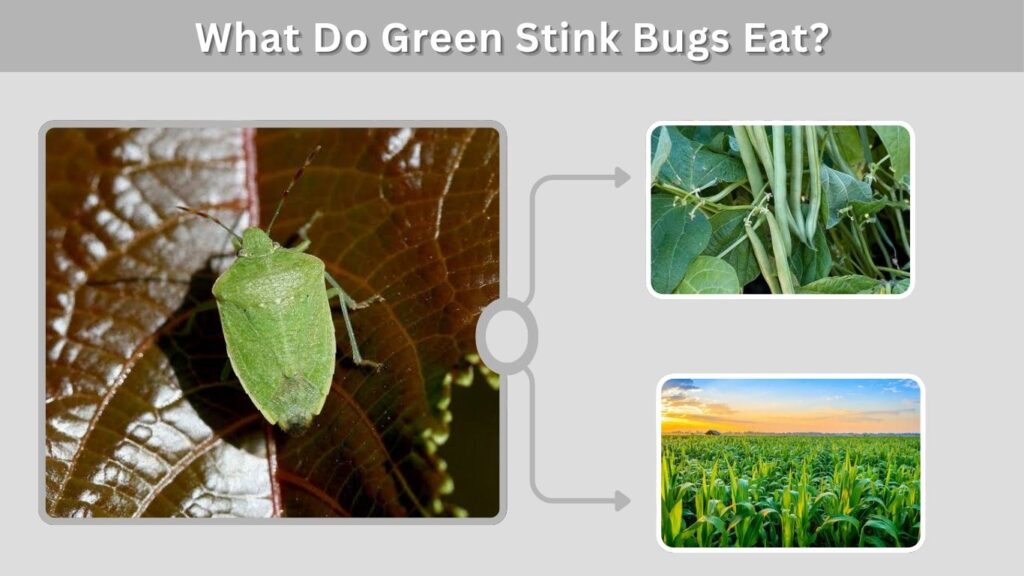
Green stink bugs are also largely plant feeders. Depending on the species, they can feed on fruits, seeds, vegetables, field crops, and developing plant tissues.
Plants They Commonly Visit
Green stink bugs may feed on soybeans, tomatoes, beans, corn, cotton, fruit crops, and various wild plants. They often concentrate on developing seeds or fruits because those tissues provide nutrient-rich fluids.
Large numbers can become agricultural pests because repeated feeding reduces fruit quality or interferes with seed development.
Do Stink Bugs Eat Other Bugs?
Some do.
“Stink bug” refers to a large group of insects, and not every species has the same diet. Many familiar species are plant feeders, but predatory stink bugs actively hunt other insects.
Predatory Stink Bugs May Eat
- Caterpillars
- Beetle larvae
- Sawfly larvae
- Other soft-bodied insects
- Some agricultural pests
Predatory stink bugs can actually be beneficial in gardens because they reduce populations of plant-eating insects.
Therefore, seeing a stink bug eating a caterpillar does not necessarily mean something unusual is happening—it may simply be a predatory species.
What Does a Stink Bug Eat in Your House?
Stink bugs commonly enter houses during fall while searching for protected places to spend the winter. They usually are not entering because they want to eat household food.
Once indoors, overwintering stink bugs generally become inactive and survive mainly on energy reserves accumulated before entering the building.
They do not normally infest pantry foods, clothing, wood, furniture, or stored grain.
If stink bugs repeatedly appear indoors, sealing cracks around windows, doors, siding, vents, and utility openings is generally more useful than trying to remove a supposed indoor food source.
How Long Can a Stink Bug Go Without Eating?
There is no single number that applies to every stink bug because survival depends on temperature, species, age, humidity, and body reserves.
Overwintering adults can survive extended periods with little or no feeding because cold temperatures reduce their activity and metabolism. This is why a stink bug may remain hidden inside a wall, attic, or window frame for much of winter without access to fresh plants.
When warmer conditions return, adults become more active and eventually seek suitable plants outside.
What Eats Stink Bugs?
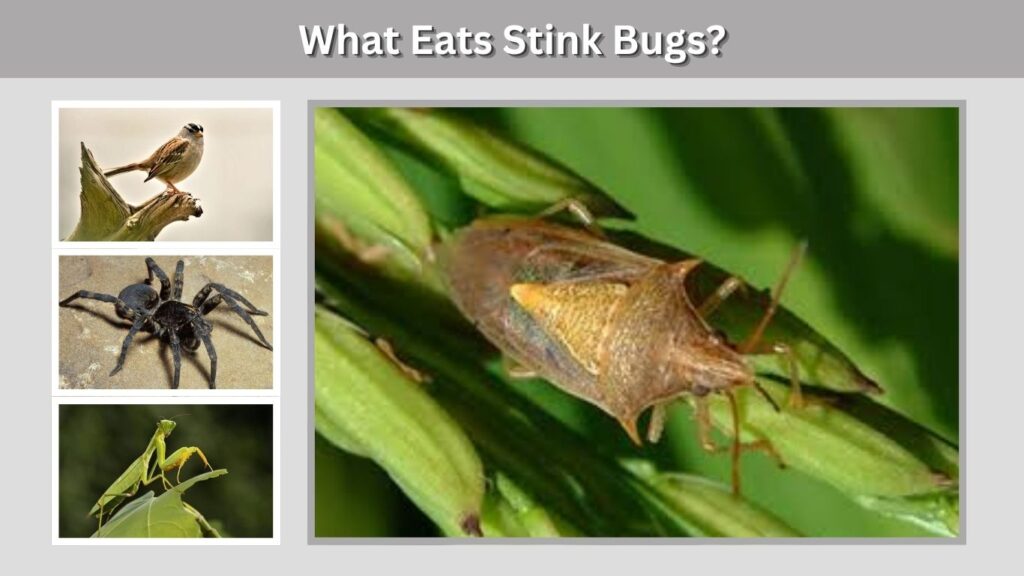
Although their unpleasant odor provides protection, stink bugs still have many natural enemies.
Common Stink Bug Predators
- Birds
- Spiders
- Praying mantises
- Assassin bugs
- Predatory stink bugs
- Some beetles
- Parasitic wasps
- Other insect predators
Parasitic wasps are especially important because some species attack stink bug eggs. Instead of eating the adult bug, the wasp lays its own eggs inside stink bug eggs, preventing the stink bug embryo from developing normally.
Wheel bugs and other assassin bugs may also prey on stink bugs when they can capture them.
Can You Eat Tomatoes With Stink Bug Damage?
Minor stink bug feeding damage does not automatically make a tomato unsafe to eat.
If the tomato is otherwise fresh and free of mold or decay, damaged areas can generally be cut away before the rest is used. Stink bug feeding often creates pale, yellow, cloudy, or hardened tissue that affects quality more than food safety.
However, discard fruit that has developed extensive rot, mold, an unpleasant odor, or obvious secondary decay.
What Happens If a Dog Eats a Stink Bug?
Dogs sometimes chase and swallow stink bugs because of their movement. Stink bugs are not generally considered highly poisonous to dogs, but their defensive chemicals can irritate the mouth and digestive system.
Possible Reactions in Dogs
A dog may experience:
- Drooling
- Lip licking
- Vomiting
- Mild stomach upset
- Reduced appetite
- Mouth irritation
Most isolated encounters cause temporary irritation rather than serious poisoning.
If a dog eats many stink bugs, continues vomiting, becomes unusually weak, has difficulty breathing, or shows persistent symptoms, contact a veterinarian.
What Happens If a Cat Eats a Stink Bug?
Cats may also chase stink bugs indoors and occasionally swallow them. The bug’s foul-tasting defensive chemicals can cause immediate drooling, gagging, or gastrointestinal irritation.
A cat that eats one stink bug may develop temporary:
- Drooling
- Vomiting
- Pawing at the mouth
- Gagging
- Reduced appetite
Persistent vomiting, weakness, breathing problems, or other unusual symptoms warrant veterinary advice.
Can Bearded Dragons Eat Stink Bugs?
Stink bugs should not be deliberately offered to bearded dragons.
Their defensive chemicals can make them unpleasant or potentially irritating to eat. Wild-caught stink bugs may also have been exposed to pesticides or other contaminants.
Safer feeder insects raised specifically for reptiles—such as appropriately sized crickets, roaches, black soldier fly larvae, or other recommended feeders—are better choices.
What Happens If You Accidentally Eat a Stink Bug?
Accidentally swallowing a stink bug is unpleasant because the insect can release strong-smelling and bad-tasting defensive compounds.
For most healthy adults, accidentally swallowing a single stink bug is more likely to cause temporary mouth or stomach irritation than serious poisoning.
Possible effects include nausea, unpleasant taste, gagging, or mild stomach discomfort.
If someone experiences persistent vomiting, significant swelling, breathing difficulty, or another severe reaction after swallowing an insect, medical advice is appropriate.
FAQs
What is a stink bug’s favorite food?
There is no single favorite food, but many pest stink bugs strongly prefer developing fruits, seeds, and pods. Apples, peaches, tomatoes, soybeans, corn, and beans are common foods.
Do stink bugs eat plants?
Yes. Most familiar pest stink bugs feed on plant juices by piercing fruits, stems, seeds, or leaves with specialized mouthparts.
Will praying mantises eat stink bugs?
They can. Praying mantises are generalist predators and may capture stink bugs, although a stink bug’s defensive chemicals can discourage some predators.
Will spiders eat stink bugs?
Some spiders can catch and eat stink bugs, particularly when the bug becomes trapped in a web or is overpowered by a hunting spider.
Are brown marmorated stink bugs harmful to plants?
They can be. Their feeding can cause discoloration, dimpling, corky tissue, malformed fruit, and damaged seeds, particularly when many bugs are feeding on the same plants.