
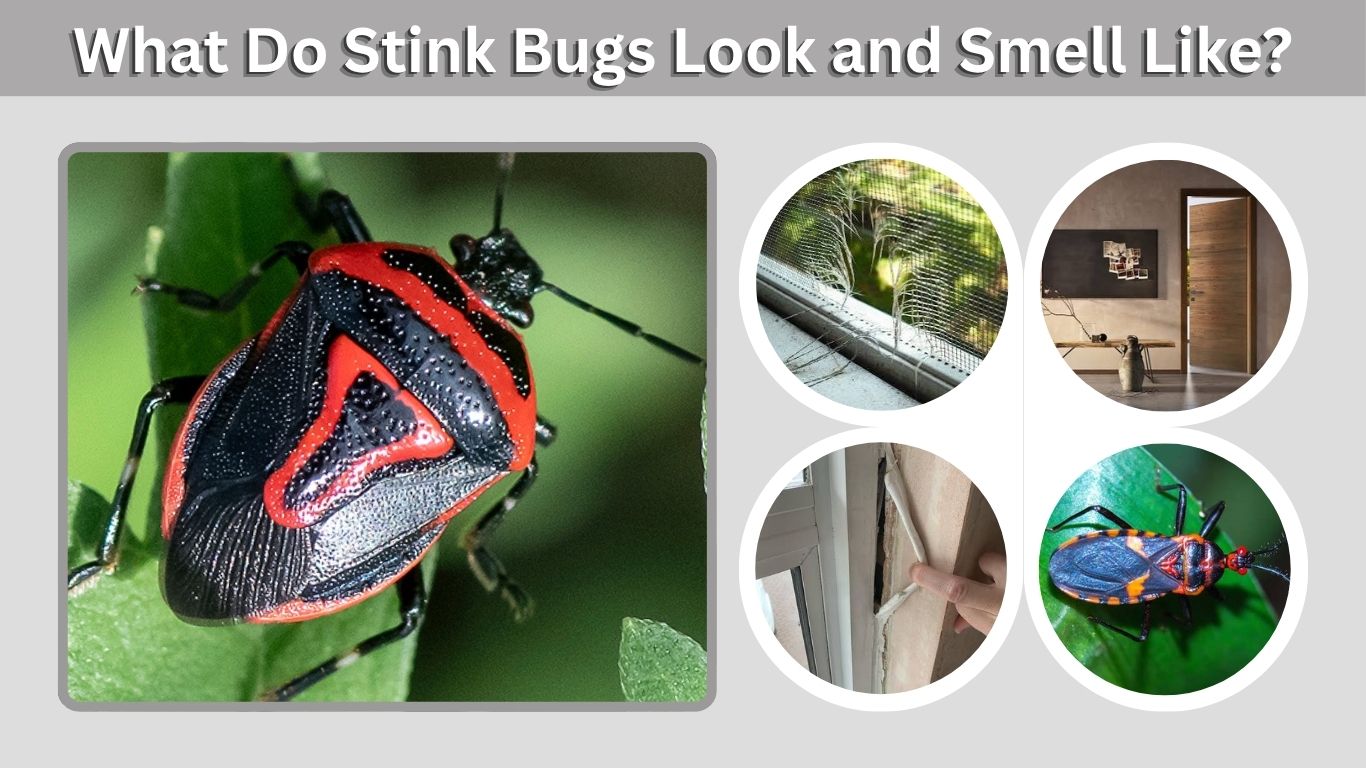
Stink bugs are well known for their shield-shaped bodies and the strong odor they release when disturbed. However, several insects can look surprisingly similar, making identification difficult for homeowners and gardeners. Understanding what a stink bug looks like, what stink bugs smell like, and how to distinguish them from look-alikes can help you determine what has entered your home or garden. Some similar-looking insects are harmless plant feeders, while others, including certain predatory bugs, deserve closer attention before handling.
What Does a Stink Bug Look Like?
Adult stink bugs have a distinctive appearance, but color and markings vary among species. Most belong to the family Pentatomidae and have a broad, shield-like body when viewed from above. Their flattened shape allows them to crawl into small cracks, which is particularly noticeable when large numbers move indoors during cooler weather.
Key Identification Features
A typical stink bug can be identified by several characteristics:
- Broad, shield-shaped body
- Six slender legs
- Long, segmented antennae
- Flattened back and abdomen
- Small triangular head
- Overlapping wings on adults
- Brown, green, gray, or patterned coloration
- Usually about 1/2 to 3/4 inch long
The brown marmorated stink bug, one of the most commonly encountered species around homes, is mottled brown and has alternating light and dark markings along its abdomen.
What Do Baby Stink Bugs Look Like?
Baby stink bugs are called nymphs. They lack fully developed wings and often look rounder than adults.
Their appearance changes as they grow through several developmental stages. Young nymphs may be black, orange, red, green, or a combination of colors. As they mature, their bodies gradually become more shield-shaped and adult coloration begins to develop.
What Do Stink Bug Eggs Look Like?
Stink bug eggs are small, barrel-shaped structures commonly attached in compact clusters to the undersides of leaves.
Depending on the species, eggs can appear pale green, yellowish, cream, or nearly white. Females often arrange them in neat groups. Newly hatched nymphs may remain close to the empty egg cluster before spreading across the plant.
What Do Stink Bugs Smell Like?
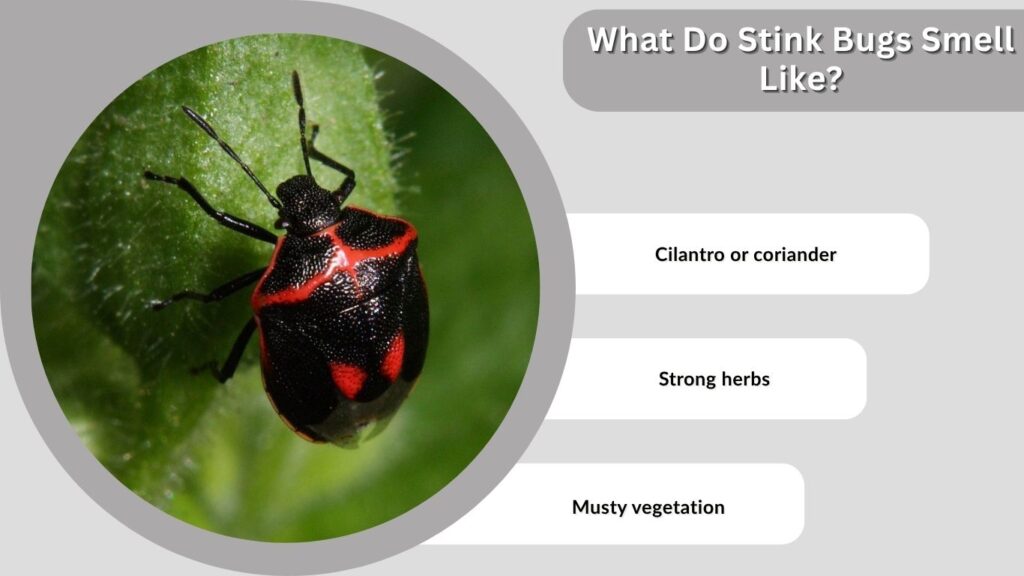
The smell is one of the stink bug’s most recognizable characteristics. Specialized glands produce defensive chemicals that are released when the insect feels threatened, is disturbed, or gets crushed. The exact odor can seem different from person to person, which explains why people compare it with several familiar plants, foods, and strong household smells.
What Does a Stink Bug Smell Like?
People commonly describe stink bug odor as resembling:
- Cilantro or coriander
- Strong herbs
- Musty vegetation
- Burnt rubber
- Chemicals
- Sour or rancid food
- A mild skunk-like smell
The odor may seem unpleasant, but its purpose is defensive. It helps discourage predators from eating the insect.
Why Do Stink Bugs Smell Like Cilantro?
Stink bugs and cilantro can produce aromatic compounds that humans perceive in similar ways. As a result, some people immediately associate the smell of a disturbed stink bug with cilantro.
Individual perception varies considerably. A person who strongly dislikes cilantro may find the similarity particularly noticeable, while another person may describe stink bug odor as earthy, chemical, or musty instead.
What Do Stink Bugs Smell Like When They Die?
A dead stink bug does not always produce a strong odor. However, crushing one can release defensive chemicals stored in its glands.
This is why squashing stink bugs indoors is usually inconvenient. The smell can remain on surfaces or fingers for a while. Capturing and removing them without crushing them generally produces much less odor.
Bugs That Look Like Stink Bugs
Many insects share the broad body, long antennae, or brown coloration associated with stink bugs. Some are closely related true bugs, while others merely resemble them at first glance. Looking carefully at the legs, body shape, head, antennae, and markings can prevent confusion.
Leaf-Footed Bugs
Leaf-footed bugs are among the most common insects mistaken for stink bugs. Their bodies are usually longer and narrower.
Many species have:
- Long hind legs
- Flattened, leaf-like expansions on the legs
- Narrower bodies than stink bugs
- Long antennae
- Brown or dark coloration
Like most stink bugs, leaf-footed bugs primarily feed on plants.
Western Conifer Seed Bugs
Western conifer seed bugs frequently enter buildings during cooler months and are commonly mistaken for unusually large stink bugs.
Their bodies are elongated rather than broadly shield-shaped. They also have widened sections on their hind legs and often display a pale zigzag marking across their wings.
Squash Bugs
Squash bugs are another common stink bug look-alike. They are frequently found around pumpkins, squash, cucumbers, and related plants.
Adults are typically dark gray or brown, with long bodies measuring roughly 1/2 to 3/4 inch. Compared with stink bugs, squash bugs appear noticeably narrower and more elongated.
Dangerous Bugs That Look Like Stink Bugs
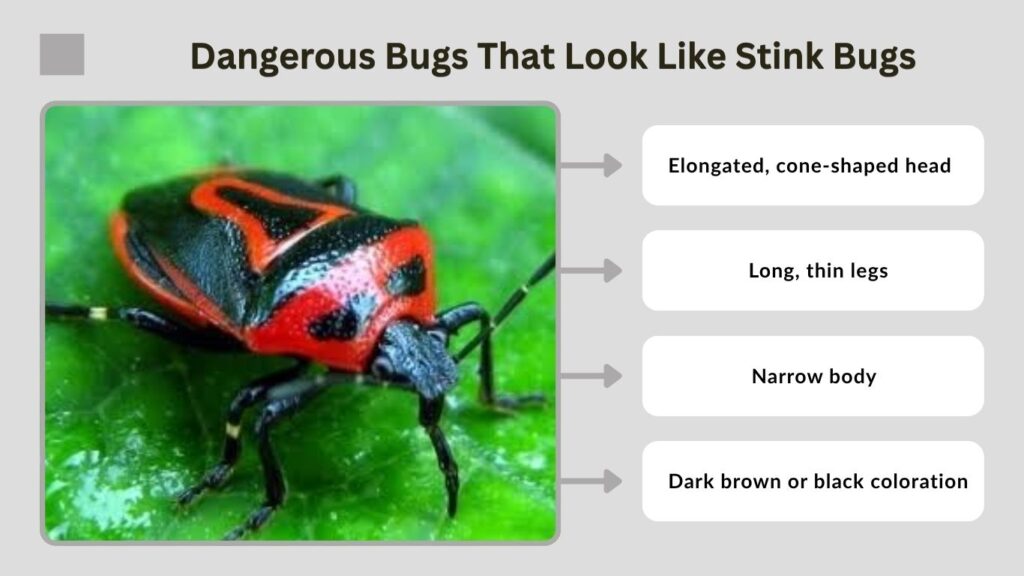
Most insects resembling stink bugs are not dangerous to people. Nevertheless, correct identification matters because some true bugs have different feeding habits and defensive behaviors. One of the most important comparisons involves kissing bugs, which can superficially resemble certain dark-colored stink bugs.
Kissing Bugs
Kissing bugs are blood-feeding insects belonging to the subfamily Triatominae. Their bodies are usually longer and more elongated than those of typical stink bugs.
Important distinguishing characteristics may include:
- Elongated, cone-shaped head
- Long, thin legs
- Narrow body
- Dark brown or black coloration
- Orange, red, or yellow markings along the abdomen
- More obvious separation between the head and body
Avoid handling a suspected kissing bug with bare hands. Identification can be difficult, so a clear photograph or professionally collected specimen may be useful when there is uncertainty.
Assassin Bugs
Assassin bugs are predatory insects that hunt other insects rather than feeding primarily on plants. Their long piercing mouthparts allow them to subdue prey.
Some assassin bugs can deliver a painful defensive bite when grabbed or trapped against the skin. Their bodies are generally more elongated than those of typical stink bugs.
Stink Bug vs. Similar Insects
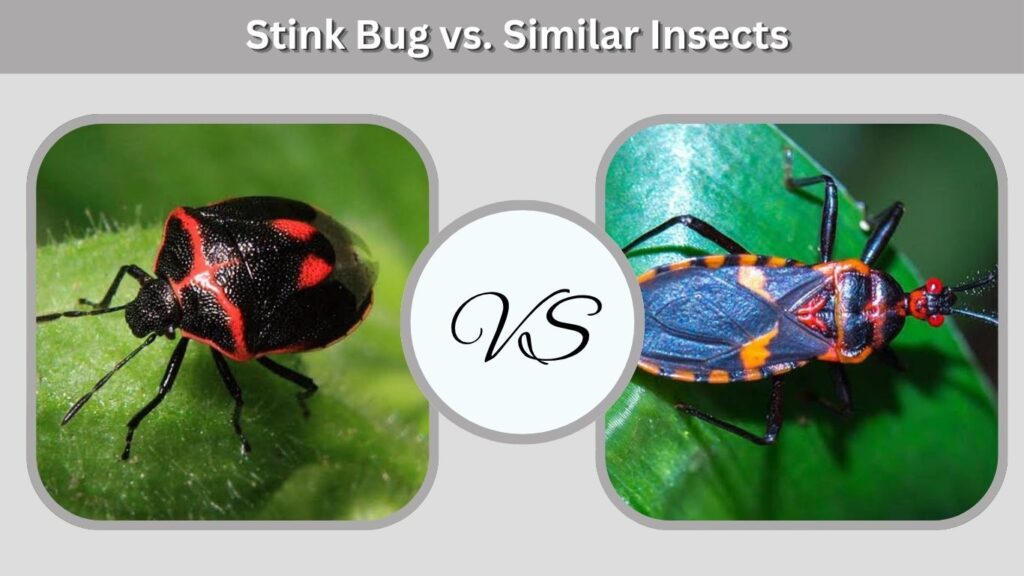
Comparing overall shape is often the fastest way to separate a true stink bug from common look-alikes. Stink bugs generally have compact, shield-shaped bodies, while leaf-footed bugs, squash bugs, seed bugs, and assassin bugs tend to have more elongated forms.
Stink Bug vs. Kissing Bug
A stink bug has a broad shield-shaped body with a relatively small head. A kissing bug usually has an elongated body and a noticeably longer, narrower head.
Kissing bugs also lack the classic broad shield profile associated with most common stink bugs.
Stink Bug vs. Leaf-Footed Bug
Leaf-footed bugs frequently have widened sections on their hind legs that resemble small leaves. Stink bugs generally lack these dramatic leg expansions.
Leaf-footed bugs also tend to be longer and narrower, whereas stink bugs look compact and broad when viewed from above.
Stink Bug vs. Beetle
Beetles have hardened front wings called elytra that usually meet in a relatively straight line along the center of the back. Stink bugs have overlapping forewings that create a different pattern.
This wing structure can be helpful when a beetle initially appears to be a bug that looks like a stink bug.
Where Are Stink Bugs Commonly Found?
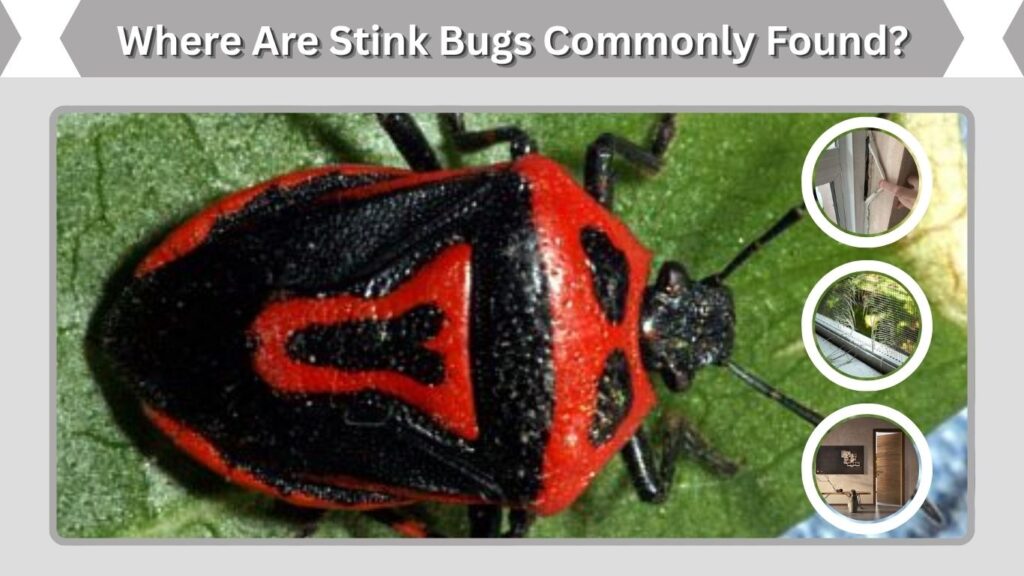
Stink bugs spend much of their active season outdoors, where they feed on plant material. They may occur in gardens, agricultural areas, orchards, wooded environments, and landscaping. Some species become especially noticeable when they begin searching for sheltered places before cold weather arrives.
Stink Bugs in the House
Stink bugs often enter homes through:
- Window-frame gaps
- Door openings
- Damaged screens
- Attic vents
- Siding gaps
- Roof openings
- Cracks around utility lines
They typically enter buildings seeking shelter rather than food.
Do Stink Bugs Like Light?
Stink bugs can be attracted to light sources, particularly after dark. Outdoor lighting near doors and windows may therefore contribute to insects gathering around entry points.
Once indoors, they may also fly toward windows because daylight provides a strong visual cue.
FAQs
1. What does a stink bug look like?
A stink bug usually has a broad, shield-shaped body, six legs, long antennae, and brown, green, gray, or patterned coloration. Adults commonly measure around 1/2 to 3/4 inch long.
2. What do stink bugs smell like?
Stink bug odor is often described as similar to cilantro, strong herbs, musty vegetation, chemicals, or a mild skunk-like smell. Different people perceive the odor differently.
3. What bugs look like stink bugs?
Common stink bug look-alikes include leaf-footed bugs, western conifer seed bugs, squash bugs, assassin bugs, kissing bugs, and certain beetles.
4. Are there dangerous bugs that look like stink bugs?
Yes. Kissing bugs and some assassin bugs can superficially resemble stink bugs. Because their behavior differs from ordinary plant-feeding stink bugs, unfamiliar insects should not be handled with bare hands.
5. What do baby stink bugs look like?
Baby stink bugs, or nymphs, are smaller and rounder than adults and do not have fully developed wings. Depending on their species and age, they may appear black, red, orange, green, or patterned.