
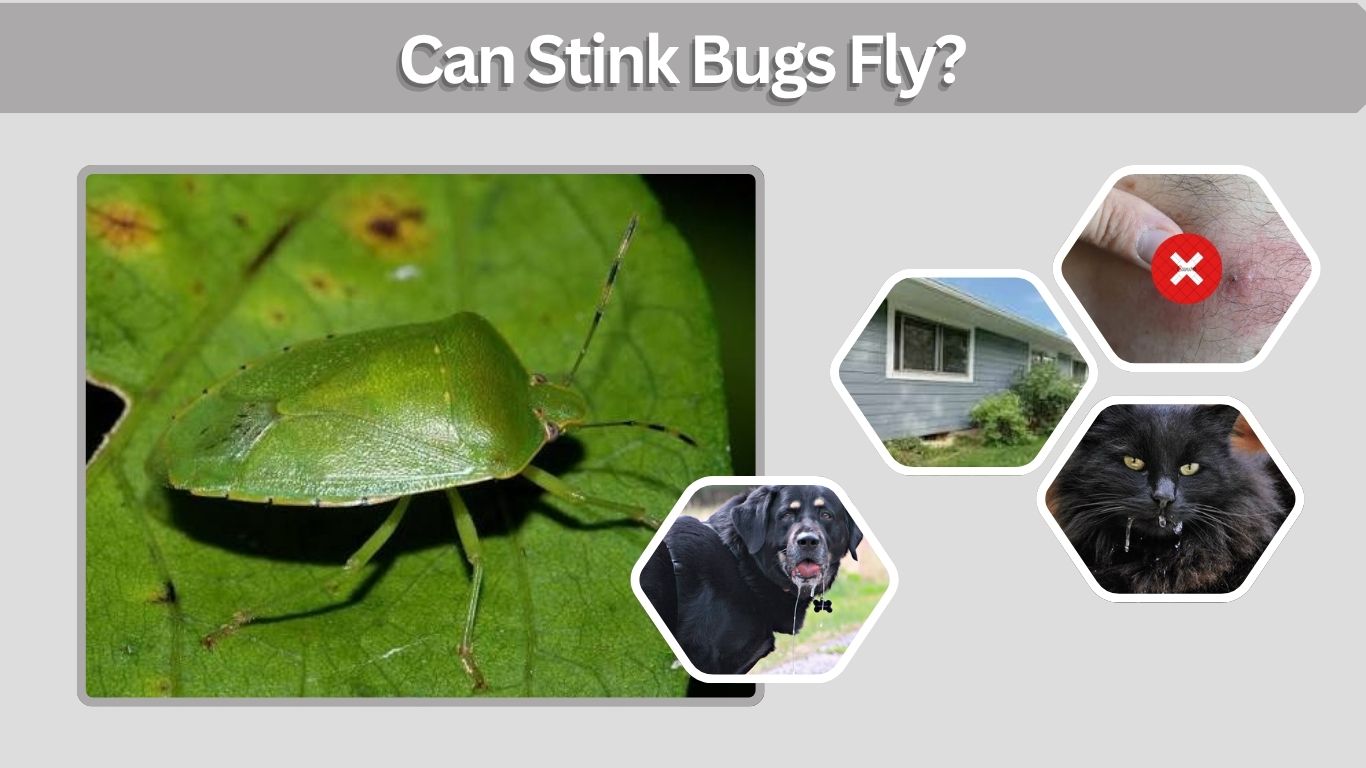
Can stink bugs fly? Yes, adult stink bugs can fly, and many are surprisingly capable fliers. They use their wings to travel between plants, search for food, find mates, and move toward sheltered buildings when temperatures begin to fall. You may hear a noticeable buzzing sound when one flies around a room. Stink bugs can also crawl quickly, but they are not strong jumpers. Although their flight can make them annoying indoors, most common stink bugs do not bite or sting humans and are primarily plant-feeding insects.
Can Stink Bugs Fly?
Adult stink bugs have two pairs of wings and can fly from one location to another. Their wings remain folded over the back when the insect is resting, so it may not immediately appear capable of flight.
When disturbed or searching for another location, the bug opens its wings and takes off.
How Do Stink Bugs Fly?
The front wings are partly hardened, providing protection when the insect is resting. The more delicate hind wings do most of the work during flight.
A flying stink bug may:
- Produce a noticeable buzzing sound
- Fly toward windows or lights
- Move between plants
- Fly toward buildings in fall
- Suddenly take off when disturbed
- Land on walls, ceilings, curtains, or furniture
Their flight can appear somewhat clumsy indoors because houses contain obstacles that would not normally occur in their outdoor environment.
How Far Can Stink Bugs Fly?
Stink bugs are capable of moving considerable distances when necessary. Their exact flight distance varies with species, temperature, wind, food availability, and the insect’s physical condition.
They do not spend all day continuously flying. Most of their time is spent resting, feeding, crawling, or hiding.
Why Do Stink Bugs Fly Toward Houses?
As temperatures fall, species such as the brown marmorated stink bug search for protected locations where they can overwinter.
They may fly toward sunny walls, roofs, windows, and other warm surfaces. Once on a building, they crawl into cracks and openings that lead to wall voids, attics, or indoor rooms.
This is why large numbers may suddenly appear around homes during fall.
Can Stink Bugs Bite?
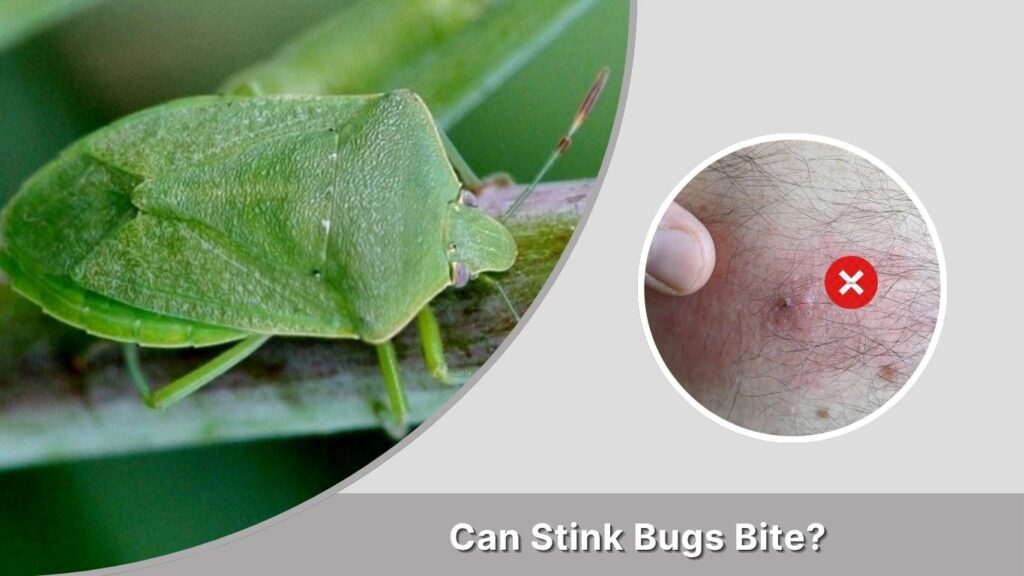
One of the most common concerns after seeing a flying stink bug indoors is whether it can bite. Most common plant-feeding stink bugs are not known for biting humans.
Their mouthparts are designed mainly to pierce plants and suck juices from fruits, seeds, stems, and other tissues.
Can Stink Bugs Bite Humans?
Typical household stink bugs have no interest in feeding on human blood.
They generally respond to people by trying to escape, remaining motionless, flying away, or releasing their defensive odor.
Handling any insect roughly may create an unusual defensive reaction, so picking up stink bugs with bare hands is unnecessary. A cup or vacuum is a better option indoors.
Can Stink Bugs Sting?
No. Stink bugs do not have a stinger like bees, wasps, or hornets.
Their name comes from the unpleasant defensive odor they can produce rather than any ability to sting.
Can Stink Bugs Hurt You?
Stink bugs are generally nuisance insects rather than dangerous household pests.
Their defensive chemicals can sometimes be irritating if they get directly into sensitive areas such as the eyes or onto very sensitive skin. The best approach is to avoid crushing or squeezing the insect.
For most people, simply being near a stink bug poses little concern.
Can Stink Bugs Spray You?
Stink bugs produce defensive chemicals from specialized glands. When threatened, they can release these chemicals and create their familiar smell.
They do not normally spray people in the same way some defensive insects actively aim chemicals at attackers.
Why Do Stink Bugs Smell?
The odor helps discourage predators.
A stink bug may release its smell when:
- Handled
- Crushed
- Trapped
- Threatened
- Attacked by another animal
For this reason, crushing stink bugs inside the house is usually not recommended.
Can Stink Bugs Jump?
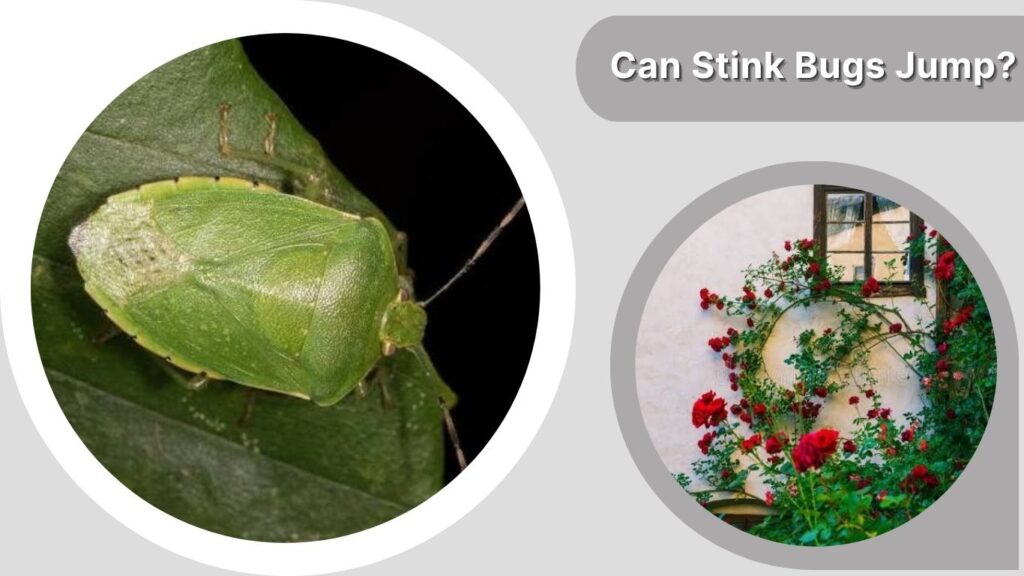
Stink bugs are not known as powerful jumping insects.
They mainly move by walking, climbing, and flying. A sudden takeoff may sometimes look like a jump because the insect rapidly opens its wings and leaves a surface.
How Do Stink Bugs Move?
Stink bugs can:
- Walk across leaves and stems
- Climb walls and windows
- Crawl into small cracks
- Fly between locations
- Drop from surfaces when disturbed
Their ability to combine crawling with flight helps explain how they reach upper floors, attics, roofs, and windows.
Can Stink Bugs Swim?
Stink bugs are terrestrial insects and are not adapted for swimming like aquatic bugs.
They may remain on the surface of water temporarily, but they do not naturally live or feed underwater.
Can Stink Bugs Drown?
Yes. Prolonged submersion can kill stink bugs.
This is why a container of soapy water is commonly used to dispose of stink bugs collected from houses or garden plants. Soap makes it more difficult for the insect to remain safely on the water’s surface.
They should not be expected to live normally underwater.
How Long Can a Stink Bug Live?
The exact stink bug lifespan depends on species, climate, food, reproductive cycle, and environmental conditions.
Many stink bugs can survive for several months, and overwintering adults may live long enough to emerge the following spring.
How Long Can Stink Bugs Live Without Food?
Stink bugs can survive extended periods with little feeding when they enter a dormant overwintering state.
This explains why stink bugs hiding inside walls during winter may remain there even though the house contains little suitable food.
Their metabolism slows, reducing the amount of energy they require.
However, an actively feeding stink bug outdoors depends much more heavily on access to suitable plant material.
Can Stink Bugs Survive Winter?
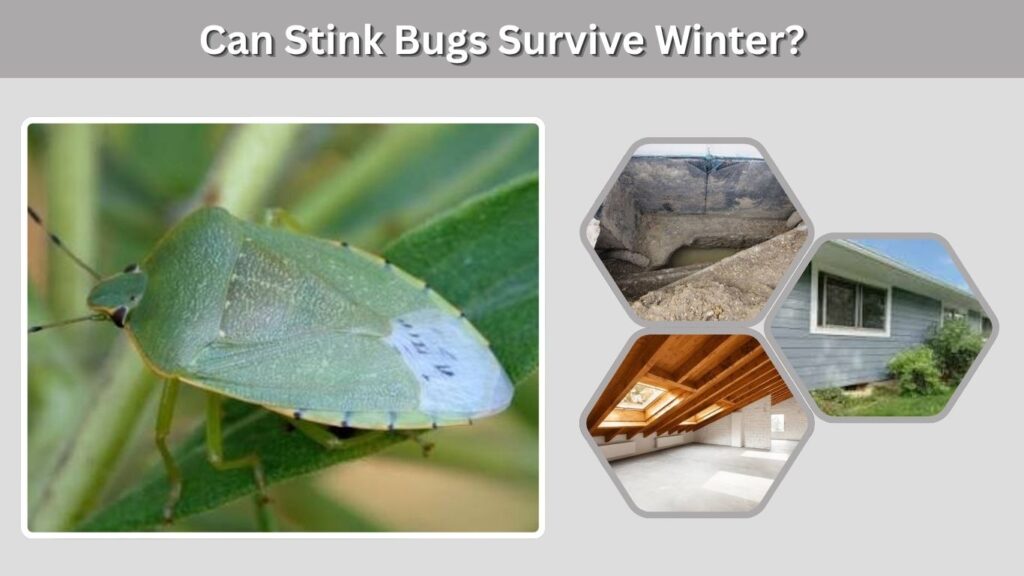
Yes. Adult stink bugs can survive winter by finding sheltered locations and entering a state similar to dormancy.
Buildings provide particularly attractive winter shelter because they protect insects from freezing temperatures and severe weather.
Where Do Stink Bugs Spend Winter?
They may hide in:
- Wall voids
- Attics
- Beneath siding
- Around window frames
- Beneath tree bark
- Logs and natural debris
- Garages and sheds
- Other protected cracks
A warm winter day or indoor heating can temporarily wake them, which is why stink bugs sometimes appear inside rooms during the middle of winter.
Can Stink Bugs Make You Sick?
Stink bugs are not generally considered insects that commonly transmit diseases to humans.
Their odor can be unpleasant, and sensitive individuals may find the defensive chemicals irritating.
Can You Be Allergic to Stink Bugs?
Some people may experience sensitivity to insect material or defensive secretions. However, severe reactions are not considered a normal outcome of encountering a stink bug.
If exposure produces significant breathing difficulty, swelling, eye irritation, or another serious reaction, appropriate medical care should be sought.
Can Cats or Dogs Eat Stink Bugs?
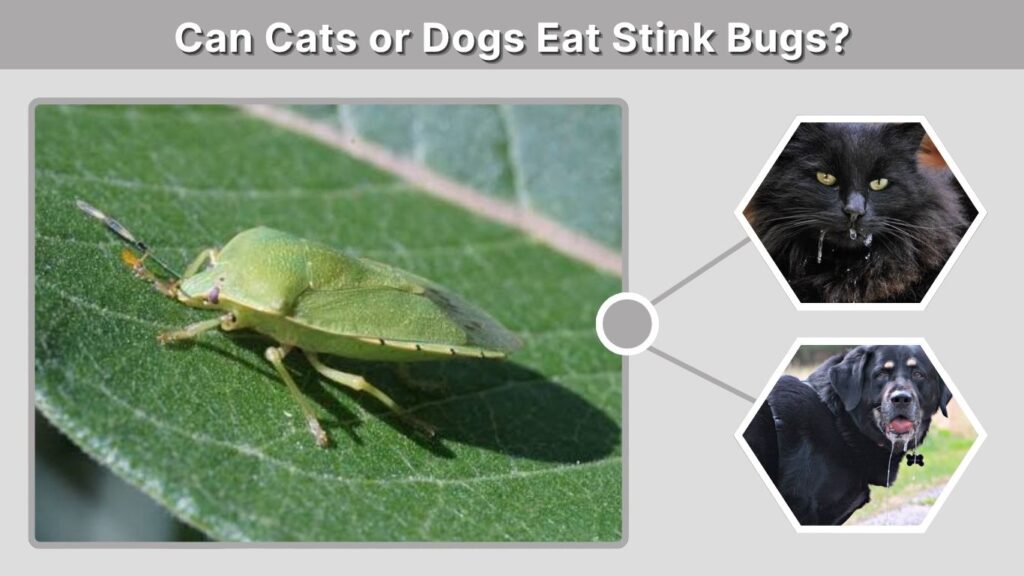
Cats and dogs sometimes chase and eat insects, including stink bugs.
A single stink bug is unlikely to be attractive because its defensive chemicals produce a strong taste and smell.
Can Stink Bugs Hurt Cats or Dogs?
Eating one may cause temporary problems such as:
- Drooling
- Mouth irritation
- Vomiting
- Stomach upset
- Refusal to continue eating the insect
Repeated vomiting, unusual behavior, or significant illness after a pet eats insects should be discussed with a veterinarian.
It is better to remove stink bugs before curious pets get to them.
Can Reptiles Eat Stink Bugs?
Pet reptiles such as bearded dragons, leopard geckos, and chameleons should not routinely be offered wild stink bugs.
Wild insects may have contacted pesticides or other contaminants, and stink bugs also produce defensive chemicals that make them unsuitable as standard feeder insects.
Better Feeder Choices
Use established captive-bred feeders such as crickets, roaches, locusts, or suitable worms according to the nutritional needs of the reptile.
Captive feeders provide much better control over size, nutrition, and chemical exposure.
What Eats Stink Bugs?
Despite their defensive odor, stink bugs still have natural predators.
Stink Bug Predators
Natural enemies can include:
- Spiders
- Praying mantises
- Predatory insects
- Parasitoid wasps
- Birds
- Some reptiles
- Other generalist predators
Parasitoid wasps that attack stink bug eggs can be particularly important in natural population control.
How Can You Get Rid of Stink Bugs?
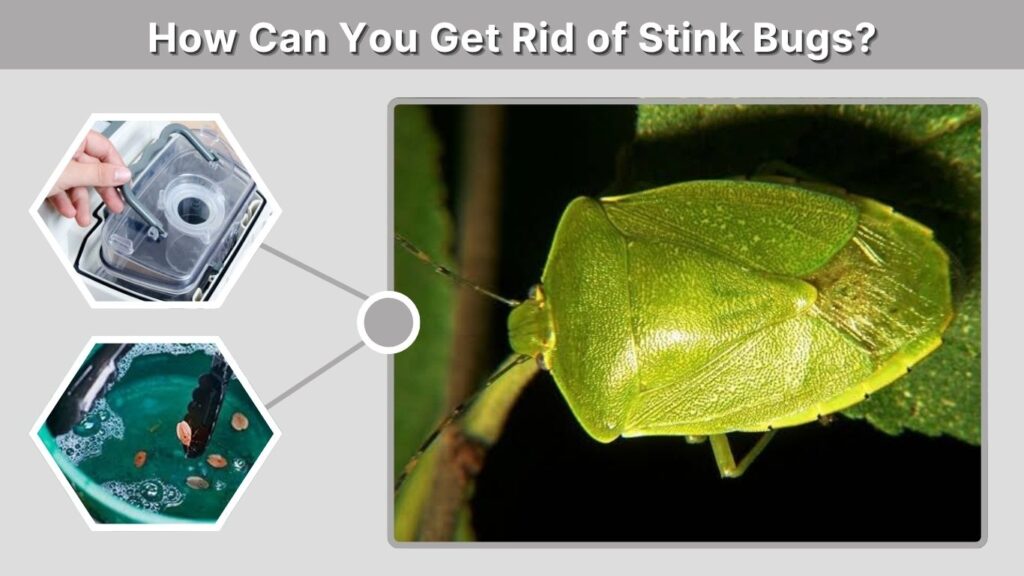
When stink bugs fly indoors, killing them one at a time does not solve the main problem if more are entering through the building.
Best Ways to Remove Stink Bugs
- Vacuum visible insects.
- Drop them into soapy water.
- Capture individuals with a cup.
- Avoid crushing them.
- Repair window screens.
- Seal gaps around doors and windows.
- Add weather stripping.
- Seal openings around pipes and vents.
- Inspect siding and attic openings.
Exclusion is usually the most effective long-term method because it prevents stink bugs from entering before they become an indoor nuisance.
FAQs
1. Can stink bugs fly around the house?
Yes. Adult stink bugs can fly indoors and may move between walls, windows, ceilings, and lights. Their flight often produces a noticeable buzzing sound. They usually entered the house while searching for winter shelter rather than because they want to live permanently indoors.
2. Can stink bugs bite or sting you?
Most common plant-feeding stink bugs do not normally bite humans, and they cannot sting because they lack a stinger. Their main defense is releasing a strong-smelling chemical when threatened or crushed.
3. Can stink bugs jump?
Stink bugs are not strong jumpers. They mainly walk, climb, and fly. Their sudden takeoff can sometimes look like jumping because they quickly open their wings and leave a surface when disturbed.
4. Can stink bugs survive cold weather?
Yes. Many adult stink bugs survive cold weather by finding protected places and entering an overwintering state. Homes, attics, wall voids, bark, and natural debris can provide suitable winter shelter.
5. Can stink bugs kill you?
Common stink bugs are not considered deadly to humans. They are mainly plant pests and household nuisances. Their defensive odor may be unpleasant or irritating, but they do not normally attack people or seek human blood.