
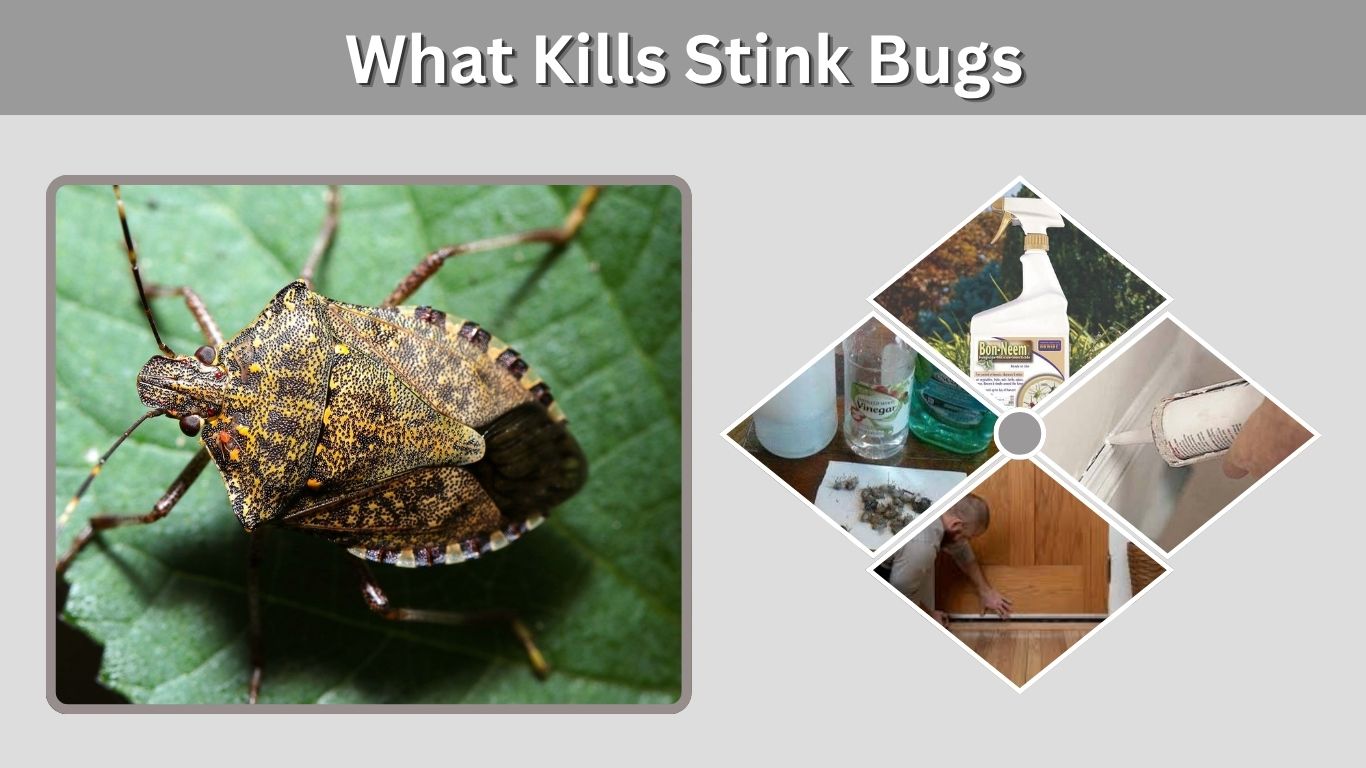
What kills stink bugs? For individual stink bugs, soapy water, vacuum removal, and physical capture are among the simplest options. Insecticides labeled for stink bugs can also kill them on contact, particularly when used outdoors around entry points. Inside the house, crushing them is usually a poor choice because they may release their characteristic odor. Instead, remove or trap them without squeezing. The best long-term approach combines immediate removal with sealing cracks, repairing screens, and preventing more stink bugs from entering.
What Kills Stink Bugs Instantly?
Stink bugs are protected by a relatively tough outer body, so not every household liquid kills them immediately. Direct contact with an effective insecticide or immersion in soapy water can work quickly. Indoors, however, chemical spraying is often unnecessary when only one or two insects are present.
Fast Ways to Kill Stink Bugs
- Drop them into soapy water.
- Vacuum them up and dispose of them promptly.
- Use a pesticide specifically labeled for stink bugs.
- Knock outdoor stink bugs into a container of soapy water.
- Use physical removal for isolated indoor insects.
- Treat outdoor entry areas when infestations are severe.
Avoid crushing stink bugs on furniture, walls, curtains, or carpets because their defensive odor may remain on surfaces.
Does Soapy Water Kill Stink Bugs?
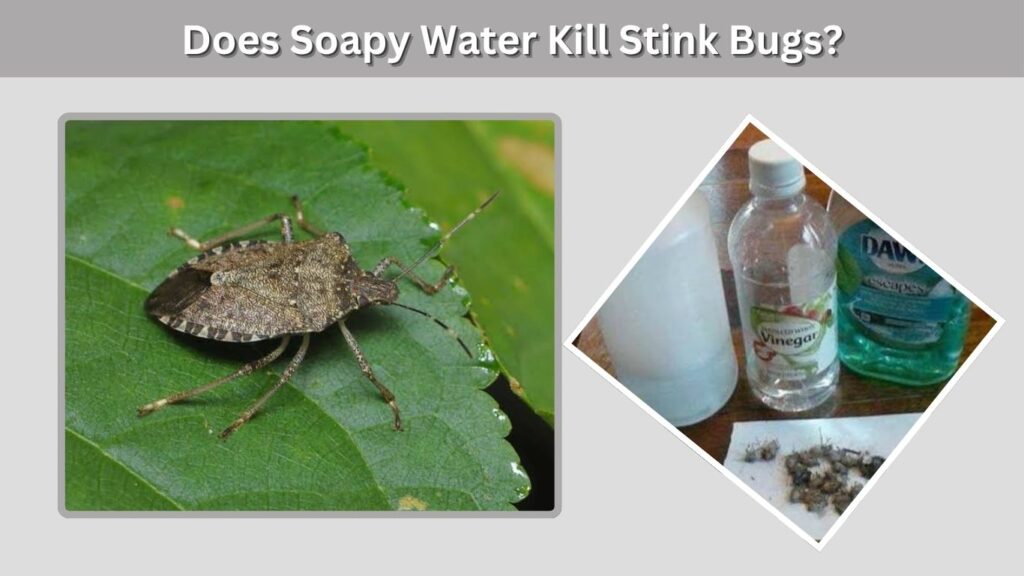
Yes, soapy water can kill stink bugs, making it one of the simplest home methods for dealing with small numbers.
How Soapy Water Works
A container filled with water and a small amount of dish soap can be placed beneath a stink bug. Gently knock the insect into the liquid rather than squeezing it.
Soap helps the water wet the insect’s body more effectively and can interfere with normal breathing. Stink bugs that fall into the solution generally cannot escape easily.
This method is particularly useful indoors because it avoids spraying insecticide throughout living spaces.
How to Kill Stink Bugs in the House
Stink bugs commonly enter houses when searching for sheltered places, especially as temperatures fall. Once indoors, they do not usually reproduce into a large household infestation, but many may emerge from hidden spaces.
Best Indoor Methods
For one or two insects, catch them with a cup and dispose of them outdoors or drop them into soapy water.
For larger numbers, a vacuum can provide quick removal. If possible, use a vacuum with a disposable bag or empty the collection chamber outdoors soon afterward. Stink bugs inside a vacuum may release odor.
Indoor insecticide spraying is usually less useful than removing visible insects and blocking the places through which they entered.
What Spray Kills Stink Bugs?
Several insecticides can kill stink bugs when they make direct contact with treated surfaces or spray. Products containing certain pyrethroid-type insecticides are commonly labeled for stink bug control.
Using Stink Bug Killer Spray
Before applying any product:
- Confirm that stink bugs appear on the label.
- Check whether the product is approved for indoor or outdoor use.
- Follow the specified application rate.
- Keep children and pets away as directed.
- Do not spray food-preparation surfaces.
- Avoid treating flowering plants when pollinators are active unless the label permits it.
- Follow all re-entry and safety instructions.
Outdoor perimeter treatments tend to be most useful before stink bugs enter buildings rather than after large numbers are already hiding inside walls.
Does Neem Oil Kill Stink Bugs?
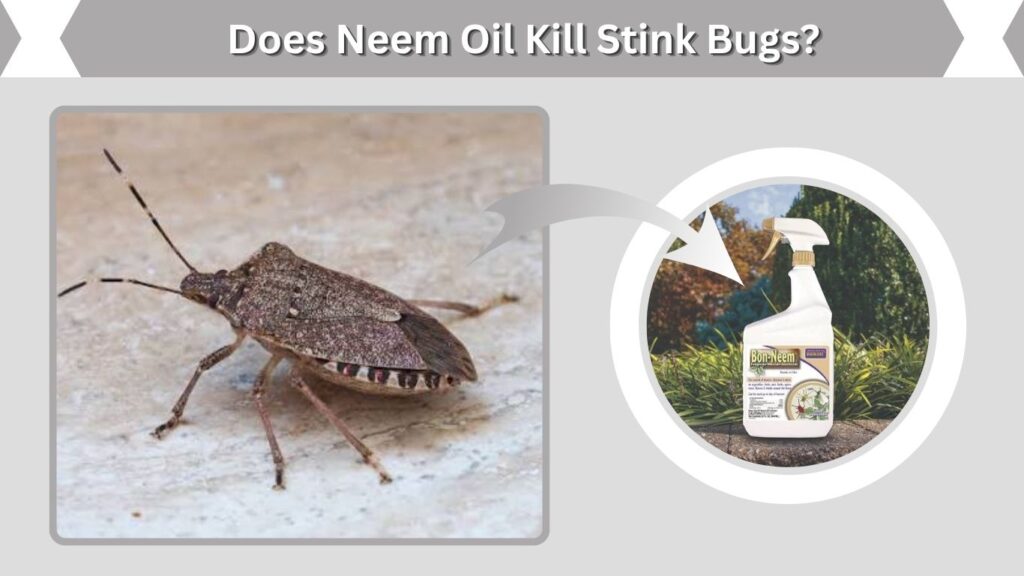
Neem oil may help manage stink bugs on plants, particularly when it contacts younger stages, but it is not usually the fastest solution for adult stink bugs.
Neem Oil for Garden Stink Bugs
Neem products can act as part of an integrated pest-management strategy. Thorough coverage is important because contact with the pest is often necessary.
Always use a neem product labeled for the plant being treated and follow its directions. Avoid applying oils during excessive heat or under conditions where plant injury could occur.
For a handful of adult stink bugs, hand removal into soapy water can often be simpler.
Does Vinegar Kill Stink Bugs?
Vinegar is frequently recommended online as a homemade stink bug killer, but its effectiveness is less dependable than soapy water or a properly labeled insecticide.
Should You Use Vinegar?
Spraying concentrated vinegar around a home can damage some surfaces and plants. Mixing vinegar with other household chemicals can also create unnecessary hazards.
For indoor stink bugs, physical capture or soapy water is generally more practical. For outdoor infestations, use proven pest-management methods and products labeled for the intended application.
Does Diatomaceous Earth Kill Stink Bugs?
Diatomaceous earth can damage the protective outer layer of some crawling insects and cause moisture loss. However, stink bugs are mobile, can fly, and may not remain in treated areas long enough for this approach to provide reliable control.
Where It May Help
If using diatomaceous earth, only use a pest-control product according to its label. Avoid breathing the dust or spreading it unnecessarily throughout living spaces.
It should be considered a supplementary tool rather than the primary answer for a large stink bug problem.
What Insects Kill Stink Bugs?
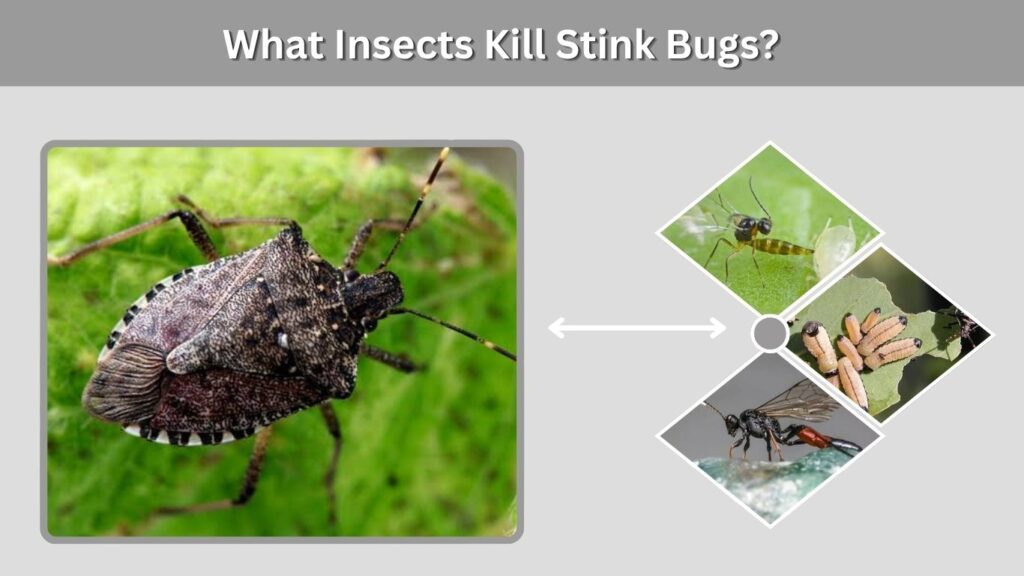
Stink bugs have natural enemies that attack their eggs, nymphs, and adults. Encouraging these predators can help reduce populations outdoors, although they will rarely eliminate every stink bug.
Natural Stink Bug Predators
- Parasitoid wasps
- Assassin bugs
- Predatory stink bugs
- Spiders
- Praying mantises
- Birds
- Predatory beetles
- Other generalist insect predators
Tiny parasitoid wasps can be especially important because they lay eggs in or attack stink bug eggs.
Natural predators are useful for garden management, but releasing random predators inside a house is not an appropriate form of indoor control.
Do Stink Bugs Smell When You Kill Them?
Yes. Stink bugs can release a strong defensive odor when threatened, disturbed, or crushed.
Why Do Stink Bugs Stink?
The odor comes from defensive chemicals produced by glands in the insect’s body. The smell discourages many predators and is responsible for the insect’s common name.
Crushing one is especially likely to release the odor, but a living stink bug can also produce the smell when it feels threatened.
This is why trapping or vacuuming them without crushing them is generally preferable indoors.
Does Killing a Stink Bug Attract More?
A common belief is that killing a stink bug attracts more stink bugs because of its smell. Crushing a stink bug can certainly release defensive chemicals, but this odor should not be confused with the aggregation signals that can cause stink bugs to gather.
Why Do More Stink Bugs Appear?
If several stink bugs appear after you kill one, they were probably already entering through the same openings or sheltering in the same structure.
Stink bugs often gather in protected locations seasonally. Finding many around one window, attic, siding gap, or door usually indicates a shared entry route rather than insects being attracted by a dead stink bug.
Should You Kill Stink Bugs?
Whether you need to kill a stink bug depends on where it is.
A single stink bug outdoors generally does not require action unless it is feeding on a valuable crop. Indoors, you can remove the insect without crushing it.
When Control May Be Necessary
Control becomes more useful when stink bugs:
- Gather in large numbers around the home
- Continually enter indoor rooms
- Feed heavily on fruits or vegetables
- Damage garden crops
- Gather around doors and windows
- Overwinter in large numbers inside structures
Prevention is more effective than repeatedly killing individual insects.
How to Prevent Stink Bugs From Coming Back
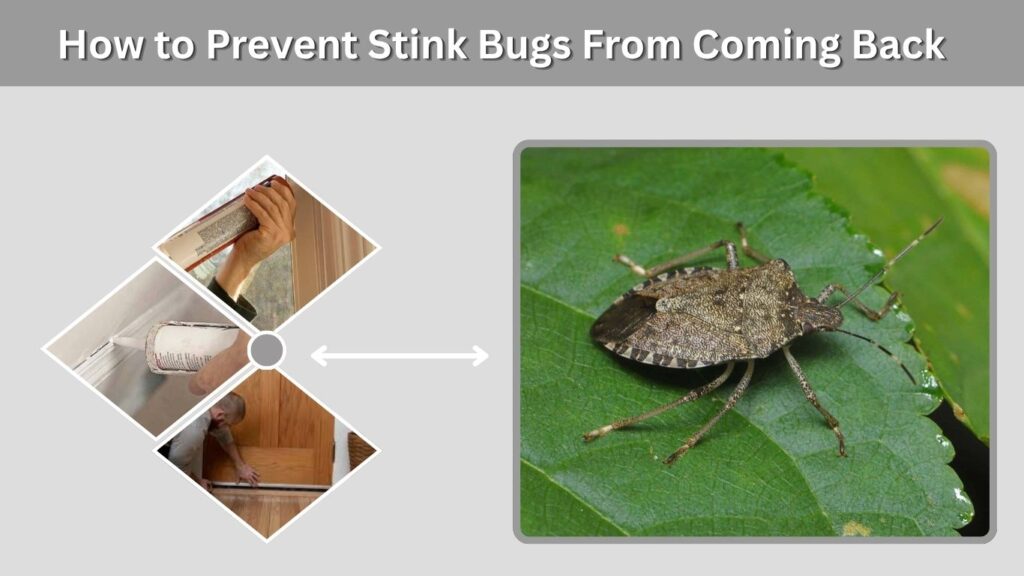
Removing the stink bugs you can see solves only the immediate problem. Preventing entry provides much better long-term control.
Stink Bug Prevention
- Seal cracks around windows and doors.
- Repair damaged window screens.
- Install door sweeps.
- Seal gaps around pipes and utility lines.
- Check attic and roof vents.
- Caulk cracks around siding.
- Inspect window air conditioners.
- Remove obvious plant debris near problem areas.
- Check produce or plants before bringing them indoors.
- Address entry points before cooler weather arrives.
Stink bugs can fit through surprisingly small openings, so careful inspection of the exterior of the home is important.
What Is the Best Way to Kill Stink Bugs?
For stink bugs already inside a house, physical removal or soapy water is usually the easiest approach. It works without creating unnecessary pesticide exposure or crushing insects against indoor surfaces.
Outdoors, the appropriate strategy depends on the severity of the infestation. Hand removal, egg removal, natural predators, exclusion, and appropriately labeled insecticides can all play a role.
A combination of methods typically works better than relying on one stink bug killer alone.
FAQs
1. What kills stink bugs on contact?
Soapy water can kill stink bugs after they are submerged, while insecticides specifically labeled for stink bugs can kill them through direct contact. Indoors, physical removal is often preferable to spraying pesticides when only a few stink bugs are present.
2. Can you kill a stink bug without making it stink?
Yes. Avoid crushing it. Capture the stink bug gently with a container, knock it into soapy water, or vacuum it up. Crushing or strongly disturbing stink bugs increases the likelihood that they will release their defensive odor.
3. Does killing stink bugs attract more stink bugs?
Killing one does not mean other stink bugs will automatically arrive because of the odor. Large numbers usually appear because the insects are entering through common gaps or gathering in sheltered locations, particularly during seasonal changes.
4. Can stink bugs kill you?
Stink bugs are not considered deadly insects for humans. Common household stink bugs do not seek people for blood meals. Their main problems involve unpleasant defensive odors, nuisance invasions of buildings, and feeding damage to certain crops.
5. What is the best homemade stink bug killer?
A simple container of soapy water is one of the most practical home options. Knock stink bugs directly into the solution instead of crushing them. It is inexpensive, easy to use for small numbers, and avoids unnecessary indoor pesticide spraying.