
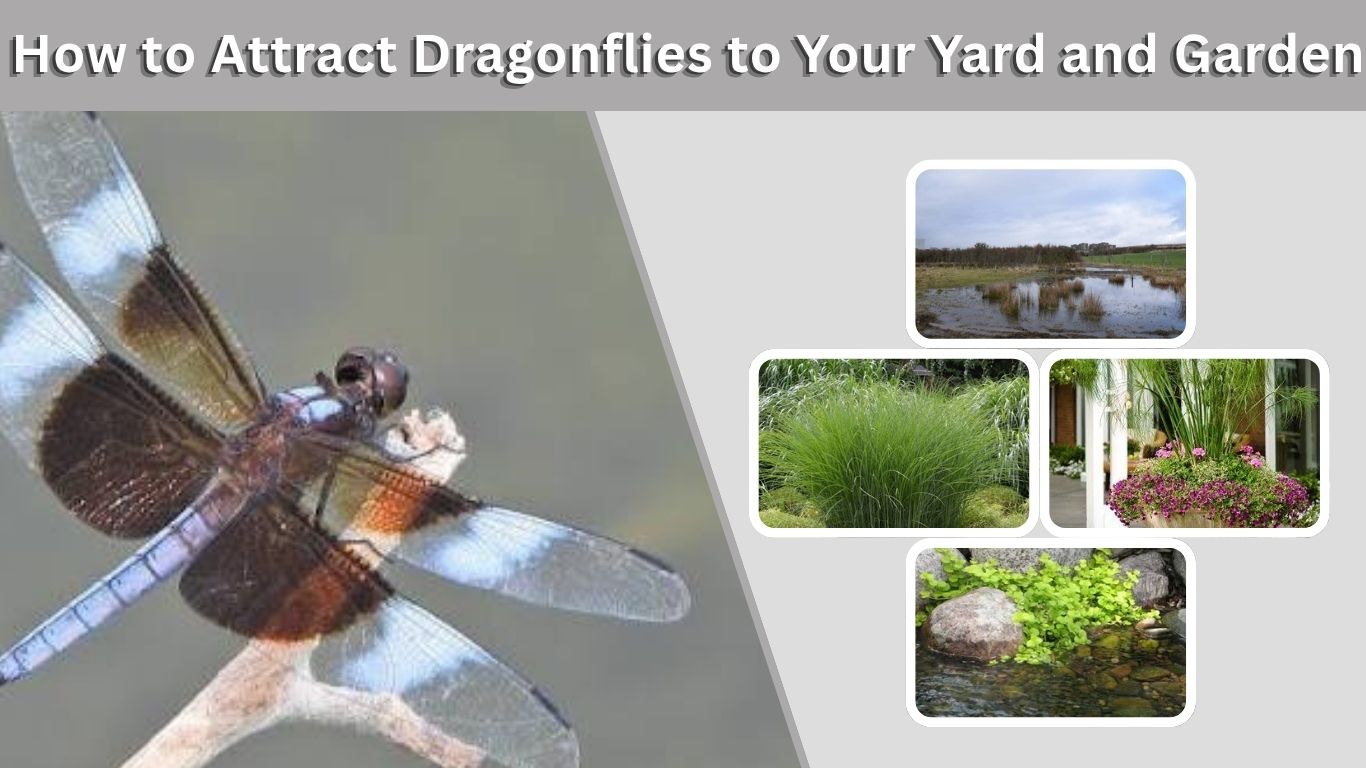
If you want to know how you can attract dragonflies, the best approach is to create a habitat that gives them water, food, shelter, and safe places to reproduce. Dragonflies spend much of their early life underwater, so a pond or other suitable water feature can make a major difference. They also need plenty of small flying insects to eat and vegetation for resting and emerging. By reducing pesticide use, adding native plants, and providing clean water, you can make your yard or garden much more appealing to dragonflies.
How Can I Attract Dragonflies?
Dragonflies are naturally attracted to places that provide freshwater, abundant insect prey, sunlight, and vegetation. Unlike butterflies, they are not mainly attracted by flowers for nectar because adult dragonflies are predators. Instead, they visit locations where they can hunt mosquitoes, midges, flies, and other small insects while also finding suitable breeding habitat.
1. Add a Pond or Water Feature
One of the most effective ways to attract dragonflies is to provide freshwater.
Dragonflies lay their eggs in or around water, and their nymphs spend months or sometimes longer developing underwater.
A suitable pond can include shallow and deeper areas so different dragonfly species have places to breed and hunt.
Even a relatively small garden pond can become attractive if it remains clean and supports aquatic life.
2. Grow Native Aquatic Plants
Plants growing in and around water provide important habitat for dragonflies.
Aquatic vegetation gives females places to deposit eggs and provides underwater nymphs with shelter.
Useful plant types include submerged plants, floating plants, and emergent plants that grow above the water surface.
Stems rising from the pond are particularly useful because mature dragonfly nymphs can climb them before transforming into adults.
3. Plant Vegetation Around the Water
Dragonflies need more than water.
Plants around a pond provide resting, hunting, and sheltering locations.
Native grasses, shrubs, reeds, and flowering plants can help create a diverse habitat where dragonflies can perch between hunting flights.
Tall stems are especially useful because many adult dragonflies prefer exposed perches where they can watch for passing insects.
How Can I Attract Dragonflies to My Yard?
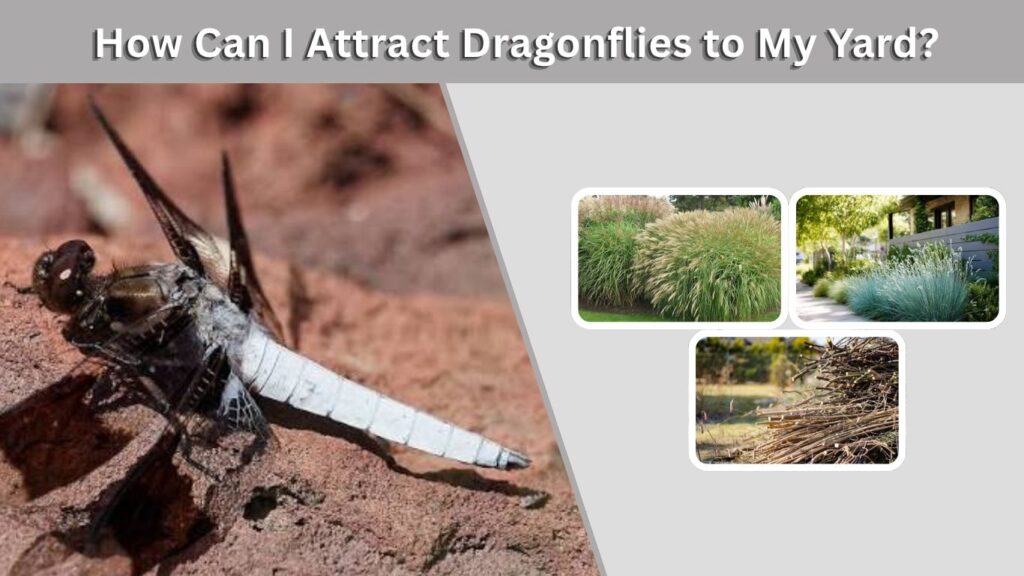
You do not necessarily need a large property to attract dragonflies. A sunny yard with water, vegetation, and plenty of natural insect activity can become an appealing habitat.
Dragonflies may also visit yards located relatively far from ponds while searching for food, especially if the landscape provides good hunting areas.
4. Create Sunny Open Areas
Dragonflies are cold-blooded insects that depend on external warmth to remain active.
Many species prefer sunny locations where they can warm their bodies before hunting.
Keep part of your yard open and sunny rather than filling every area with dense vegetation.
A combination of open space, water, and plants can provide excellent dragonfly habitat.
5. Provide Perching Spots
Dragonflies regularly stop between hunting flights.
Natural perches allow them to rest, warm themselves, watch for prey, and defend territories.
Suitable perches may include:
- Tall grasses
- Reeds
- Plant stems
- Shrub branches
- Wooden stakes
- Rocks near water
- Small exposed branches
Some species repeatedly return to the same favorite perch throughout the day.
6. Avoid Excessive Pesticide Use
Broad-spectrum insecticides can reduce both dragonflies and the insects they eat.
If your goal is to attract dragonflies, avoid unnecessary pesticide treatments around ponds, gardens, and open hunting areas.
Dragonflies depend on a healthy population of mosquitoes, midges, flies, and other insects for food.
Using fewer chemicals can also protect dragonfly nymphs and beneficial aquatic organisms.
How Can I Attract Dragonflies to My Garden?
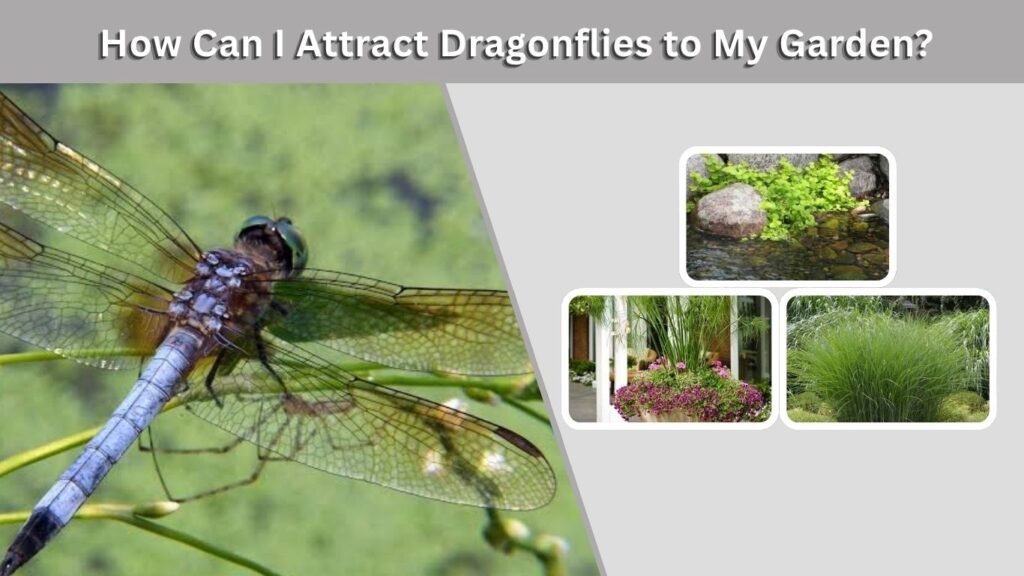
Gardens can attract dragonflies even though dragonflies do not visit flowers for nectar.
Flowers are useful indirectly because they attract many insects that dragonflies hunt.
Combining flowering plants with water and natural vegetation can turn a garden into an active feeding area for several dragonfly species.
7. Grow Insect-Friendly Native Flowers
Native flowering plants can increase the number of small flying insects in your garden.
Those insects then provide food for adult dragonflies.
Useful garden plants vary by region, but a diverse mixture of native flowers generally supports more insects than a garden containing only one or two plant types.
Choose plants that flower at different times so prey remains available throughout the warmer months.
8. Create Different Plant Heights
A garden with several vegetation layers offers more resting and hunting opportunities.
Use a mixture of:
- Low-growing flowers
- Medium-height plants
- Tall grasses
- Shrubs
- Pond-edge vegetation
Dragonflies often choose elevated perches where they have an unobstructed view of their surroundings.
A structurally diverse garden can therefore be more attractive than one with plants of identical height.
Create the Right Dragonfly Pond
A pond is usually the strongest feature you can add if you want dragonflies to reproduce rather than simply visit.
It does not need to resemble a swimming pool. A more natural pond with irregular edges, plants, sunlight, and shallow sections often provides better wildlife habitat.
9. Give the Pond Shallow and Deep Sections
Different depths create different environmental conditions.
Shallow edges provide warm water and vegetation, while somewhat deeper sections offer refuge when temperatures change.
Sloping sides also allow emergent plants to establish naturally.
Avoid making every edge steep and inaccessible.
10. Keep Some Emergent Vegetation
Emergent plants have roots underwater while their stems rise above the surface.
These stems are particularly important for dragonflies approaching adulthood.
When a nymph is ready to transform, it crawls out of the water onto a stem, rock, or similar structure.
The adult then emerges from its final nymphal skin, expands its wings, and eventually flies away.
Should You Add Fish to a Dragonfly Pond?
Fish can make a pond attractive visually, but they may reduce dragonfly breeding success.
Many fish eat aquatic insects, including dragonfly nymphs.
Fish-Free Ponds Can Help
If your main purpose is attracting and breeding dragonflies, a pond without fish may support more nymphs.
Dragonfly nymphs are predators themselves, but they can become prey for larger fish.
A fish-free wildlife pond may also support other aquatic insects that become food for developing dragonflies.
What Do Dragonflies Eat in Your Yard?
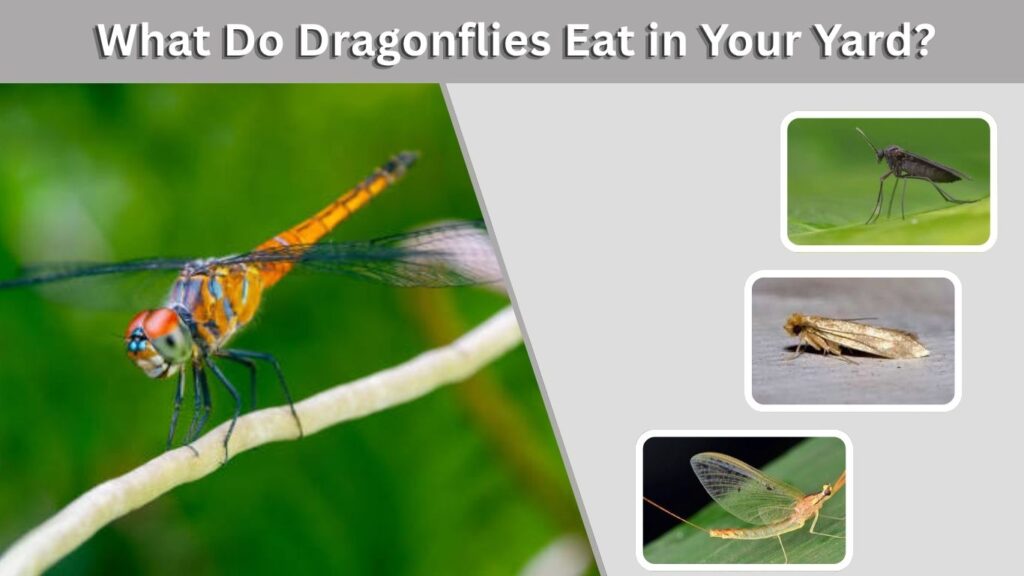
Adult dragonflies are carnivorous aerial predators.
A yard with plenty of small flying insects gives them a reason to remain nearby and return frequently.
Common Dragonfly Prey
Dragonflies commonly eat:
- Mosquitoes
- Midges
- Gnats
- Flies
- Small moths
- Flying ants
- Mayflies
- Other small flying insects
Large dragonfly species may even capture smaller dragonflies.
Their presence can contribute to natural insect control, although they will not completely eliminate mosquitoes or flies.
How to Attract More Mosquito-Eating Dragonflies
People often want dragonflies because they eat mosquitoes.
The most effective strategy is not simply creating stagnant mosquito-filled water. Instead, build a healthy aquatic habitat where dragonflies can reproduce while predators help keep mosquito populations balanced.
Make the Habitat Dragonfly-Friendly
For better results:
- Provide clean freshwater.
- Add native aquatic vegetation.
- Keep parts of the pond sunny.
- Avoid introducing unnecessary fish.
- Maintain emergent stems.
- Minimize pesticide use.
- Grow diverse vegetation nearby.
- Allow natural insect populations to develop.
Dragonfly nymphs can also eat mosquito larvae underwater, while adults capture mosquitoes after they emerge.
How Long Does It Take to Attract Dragonflies?
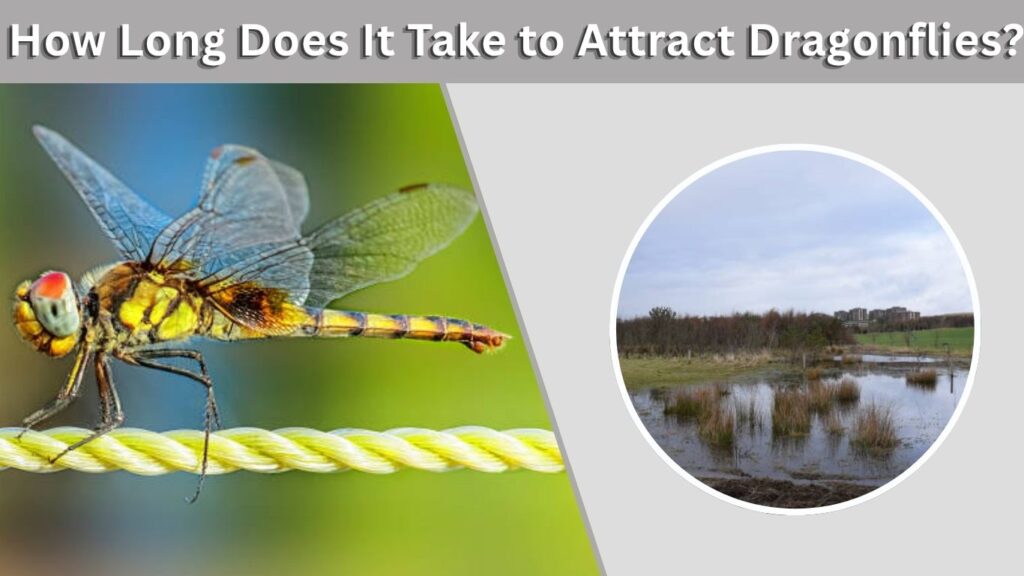
There is no exact timeline.
Dragonflies may investigate a new pond relatively quickly if there are already populations nearby, while breeding populations can take longer to establish.
Factors That Affect Dragonfly Visits
How quickly they arrive depends on:
- Distance from existing wetlands
- Local dragonfly populations
- Pond quality
- Aquatic vegetation
- Water cleanliness
- Available prey
- Amount of sunlight
- Surrounding habitat
Once suitable dragonflies successfully reproduce, you may begin noticing shed nymphal skins attached to stems around the water.
What Should You Avoid?
Some landscaping practices can make a yard less attractive to dragonflies even when a pond is present.
The goal should be to create a balanced habitat rather than an overly controlled landscape.
Avoid These Common Problems
- Heavy pesticide use
- Completely shaded ponds
- Constantly disturbed water
- Too many predatory fish
- Removing all pond vegetation
- Cutting every tall plant or grass stem
- Polluting water with chemicals
- Keeping the landscape completely bare
A natural-looking environment generally provides more food and shelter.
Can You Attract Dragonflies Without a Pond?
Yes, dragonflies may visit a yard without a pond, especially if breeding water is located nearby.
You can encourage visiting adults by providing sunny hunting areas, diverse plants, perching locations, and abundant insect prey.
A Pond Gives Better Results
Without water, dragonflies may hunt in your garden but cannot complete their full life cycle there.
Adding even a modest wildlife pond greatly increases the possibility that females will lay eggs and nymphs will develop on your property.
Best Setup for Attracting Dragonflies
You do not need a complicated landscape to create good dragonfly habitat.
A simple combination of water, plants, sunlight, and natural insect populations can be highly effective.
Ideal Dragonfly Yard
Try to provide:
- A freshwater pond
- Shallow pond edges
- Native aquatic plants
- Emergent vegetation
- Sunny open spaces
- Tall perching stems
- Native garden flowers
- Limited pesticide use
- Few or no fish in breeding areas
- Plenty of natural insect activity
Together, these features support dragonflies throughout several stages of their lives.
FAQs
What Is the Best Way to Attract Dragonflies?
Creating a wildlife pond is one of the best ways to attract dragonflies. Include shallow areas, aquatic plants, emergent stems, sunny sections, and surrounding vegetation. Avoid excessive pesticide use and consider keeping the pond fish-free if your main goal is supporting dragonfly reproduction.
What Plants Attract Dragonflies?
Dragonflies benefit from native aquatic plants, reeds, grasses, shrubs, and flowering plants. Aquatic and emergent plants provide breeding and emergence sites, while flowers attract small insects that become dragonfly prey. Tall stems also provide useful resting and hunting perches.
Can I Attract Dragonflies to My Yard Without Water?
Yes, adult dragonflies may visit a yard without water if ponds, lakes, or wetlands are nearby. Providing sunny areas, tall vegetation, perches, and abundant insect prey can encourage visits. However, a water feature gives them a place to reproduce.
Will Dragonflies Reduce Mosquitoes?
Dragonflies eat mosquitoes, and their aquatic nymphs may also consume mosquito larvae. They can contribute to natural mosquito control, but they should not be expected to eliminate mosquitoes completely. Maintaining balanced habitat is more effective than trying to attract dragonflies solely for pest control.
Should I Put Fish in a Dragonfly Pond?
If attracting breeding dragonflies is your main goal, limiting fish can be beneficial. Many fish eat dragonfly nymphs and other aquatic insects. A fish-free wildlife pond with healthy vegetation can provide safer habitat for developing dragonflies.