
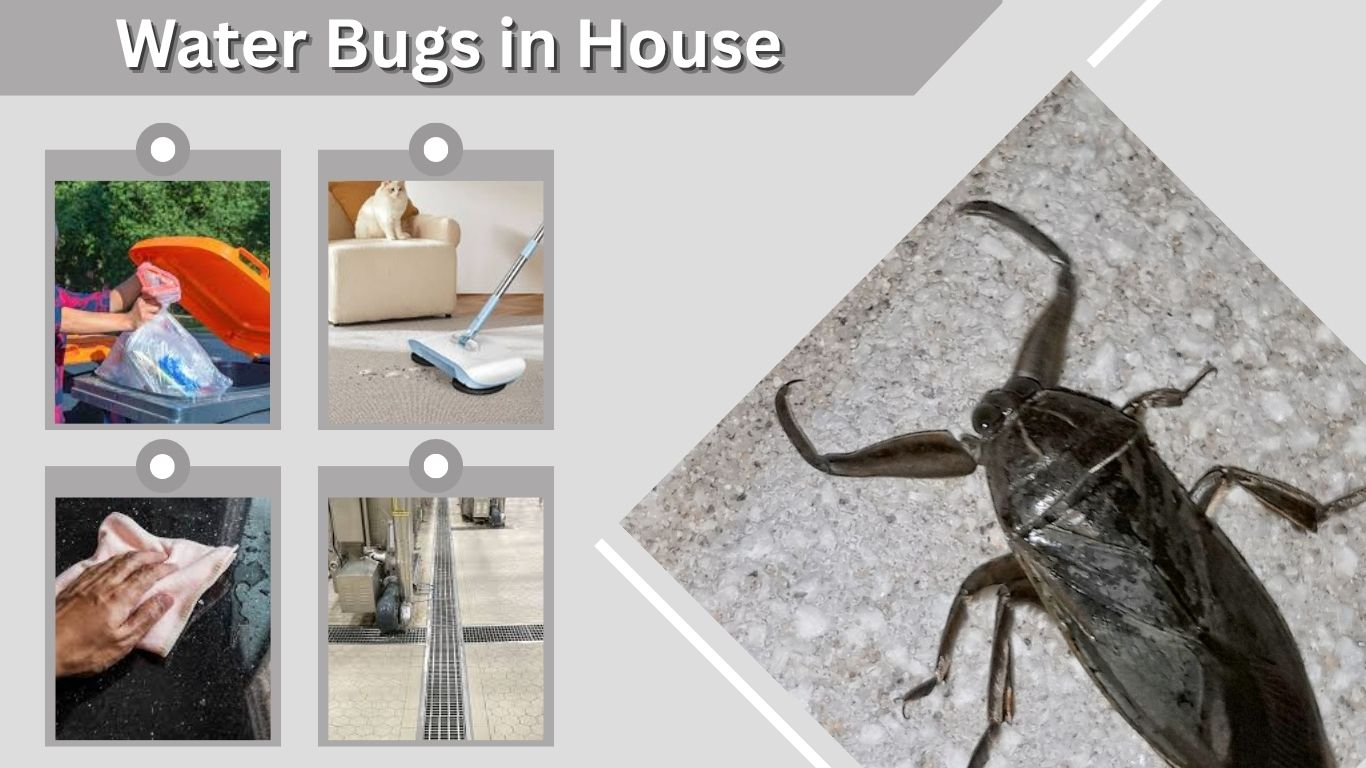
Finding water bugs in house areas like bathrooms, kitchens, basements, or laundry rooms can be unsettling. These insects often appear suddenly, especially in damp spaces or after weather changes. The term “water bug” may refer to true aquatic insects, but in homes, it often describes large roach-like pests. Understanding what attracts them and how they enter is the first step toward getting rid of them.
What Are Water Bugs in the House?
Water bugs in the house are usually insects that prefer damp, dark, and humid areas. In many homes, people use the name “water bug” for large cockroaches, especially Oriental cockroaches or American cockroaches. These pests are commonly found near drains, leaky pipes, basements, crawl spaces, and other moisture-rich areas.
True water bugs are aquatic insects that usually live in ponds, lakes, streams, and other outdoor water sources. They may accidentally enter a home, but they do not normally infest indoor spaces the way cockroaches can.
This distinction matters because a single true water bug may be an accidental visitor, while repeated sightings of roach-like water bugs can point to a larger indoor pest problem.
What Do Water Bugs Look Like Indoors?
Water bugs found indoors can vary in size and color. Some are small and dark, while others are large, black, brown, or reddish-brown. Their appearance depends on the species and whether the insect is actually a cockroach being called a water bug.
Most indoor water bugs have a hard-looking body, long legs, and a flattened shape. They may move quickly when lights are turned on. Some may fly short distances, especially larger roach species.
| Type Found Indoors | Common Appearance | Usual Location |
| Oriental cockroach | Shiny black or dark brown, slower moving | Basements, drains, crawl spaces |
| American cockroach | Large, reddish-brown, fast moving | Kitchens, bathrooms, sewers, utility areas |
| Smoky brown cockroach | Dark brown, winged, attracted to lights | Attics, garages, warm humid areas |
| True water bug | Broad body, strong front legs, may look like pincers | Near pools, doors, outdoor lights |
If the bug has very long antennae and runs quickly, it is more likely a cockroach. If it has thick front legs that look like grabbing arms and was found near a pool or outdoor light, it may be a true water bug.
Why Are Water Bugs in My House?
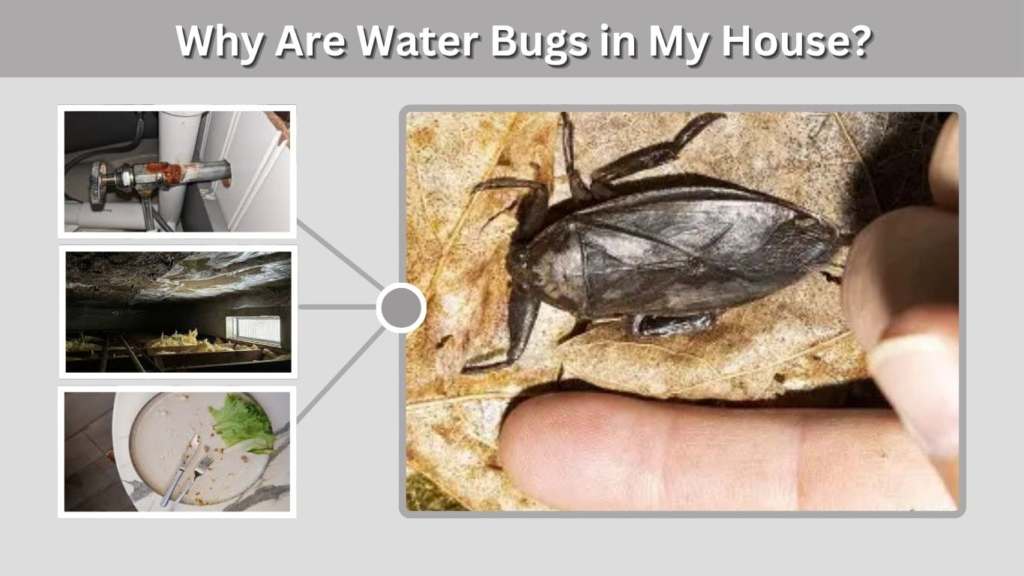
Water bugs usually enter homes because they are searching for moisture, food, warmth, or shelter. They are especially common in homes with damp areas, plumbing leaks, poor drainage, or easy entry points.
They may appear more often during hot weather, heavy rain, drought, or seasonal changes. When outdoor conditions become uncomfortable, insects may move indoors looking for a safer environment.
Common causes include:
- Leaky pipes under sinks or behind walls
- Damp basements, crawl spaces, or laundry rooms
- Food crumbs, grease, or trash
- Open drains or sewer access points
- Gaps around doors, windows, or utility lines
- Standing water near the foundation
- Outdoor mulch, leaves, or clutter close to the house
- Bright porch or patio lights attracting insects at night
If you keep seeing water bugs in the same area, that location likely has moisture, food, or a hidden entry point.
How Do Water Bugs Get in the House?
Water bugs can get inside through several small openings. Many people assume they only come through drains, but they can also enter through cracks, doors, windows, vents, and gaps around utility pipes.
Roach-like water bugs may also move from sewers, shared walls, garages, crawl spaces, or neighboring apartments. Once inside, they hide in dark, moist areas and come out mostly at night.
Common Entry Points
Water bugs often enter through:
- Gaps under exterior doors
- Cracks in the foundation
- Torn window screens
- Open basement windows
- Floor drains and sewer lines
- Vents without screens
- Spaces around plumbing pipes
- Garage door gaps
- Openings around electrical or cable lines
A water bug in the house does not always mean your home is dirty. However, repeated sightings usually mean there is a moisture problem, food source, or access point that needs attention.
Water Bugs in House All of a Sudden
Seeing water bugs in the house all of a sudden can happen for several reasons. Heavy rain may flood outdoor hiding spots and push insects indoors. Hot, dry weather can also drive pests inside as they search for water.
Sudden sightings may also happen after construction, landscaping, plumbing problems, or nearby pest treatments. If a neighbor or connected building treats for roaches, pests may move into nearby spaces.
A sudden appearance may be linked to:
- Recent rain or flooding
- A new plumbing leak
- Sewer or drain issues
- Warmer seasonal temperatures
- Outdoor lights attracting flying insects
- Changes in landscaping near the home
- Pest activity in nearby apartments or buildings
If you see one bug, remove it and inspect the area. If you see several over a few days, treat it as a possible infestation.
Black Water Bugs in the House
Black water bugs in the house are often Oriental cockroaches. These insects are dark, shiny, and commonly found in damp indoor areas. They may appear in basements, bathrooms, garages, crawl spaces, or around floor drains.
Oriental cockroaches prefer cooler, moist spaces and may move indoors from mulch, leaf piles, sewer systems, or foundation cracks. They do not usually move as fast as some other roaches, but they can still spread and become difficult to control.
If you are seeing black water bugs, focus on moisture control first. Fix leaks, improve ventilation, clean drains, and remove damp clutter. Then seal openings around the foundation and doors to reduce new entries.
Small Water Bugs in House
Small water bugs in house areas may be young cockroaches, drain flies, springtails, or other moisture-loving insects. Baby cockroaches can look like tiny dark bugs and may suggest that adults are breeding nearby.
Small bugs near sinks, tubs, toilets, or drains often point to moisture and organic buildup. They may feed on residue, mildew, food particles, or decaying material.
To handle small water bugs, clean the area thoroughly and identify the source of moisture. Pay attention to hidden spots such as under appliances, behind toilets, inside cabinets, and around drain openings.
Do Water Bugs Live in Houses?
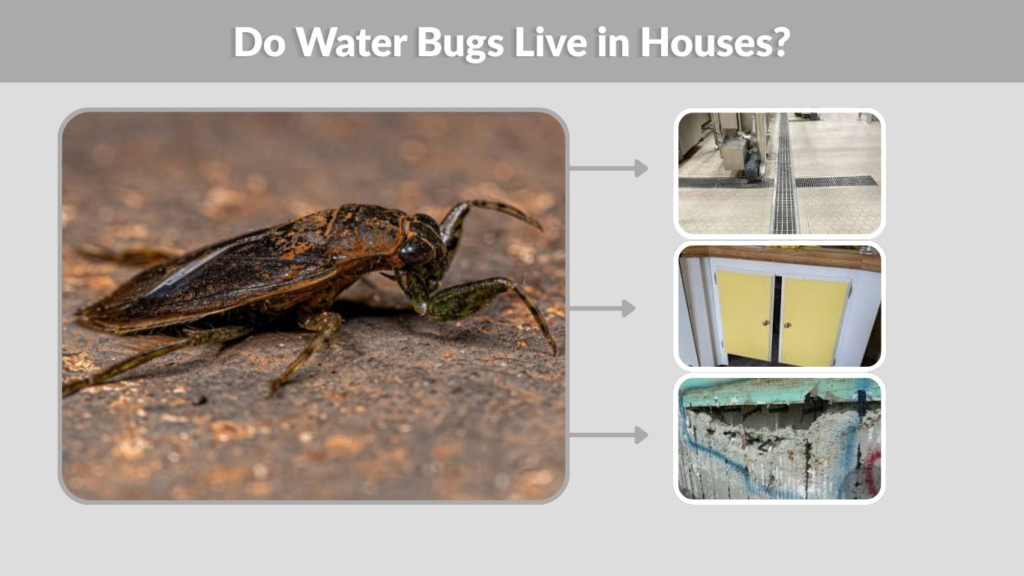
Some water bugs can survive indoors for a while if they find moisture, food, and shelter. Cockroach-type water bugs can live and reproduce inside homes, especially in hidden damp places. True aquatic water bugs usually do not live long indoors because they need outdoor water environments.
Roach-like water bugs may hide during the day and come out at night. This can make it seem like there are only one or two insects, even when more are hidden nearby.
They may hide in:
- Wall voids
- Cabinet gaps
- Behind appliances
- Under sinks
- Floor drains
- Storage boxes
- Basement corners
- Crawl spaces
If water bugs are appearing regularly, do not rely only on killing the visible ones. You need to remove the conditions that allow them to survive.
Are Water Bugs in the House Dangerous?
Water bugs are not usually aggressive, but they can still create problems indoors. True water bugs may bite if handled, and the bite can be painful. Cockroach-type water bugs are more concerning because they can contaminate surfaces and food areas.
Roach-like water bugs may carry bacteria from drains, garbage, or dirty outdoor spaces. Their droppings, shed skins, and body parts can also trigger allergies or asthma symptoms in sensitive people.
Avoid touching water bugs with bare hands. Use gloves, a container, sticky trap, or vacuum if you need to remove one. After removal, clean the area with a suitable household cleaner.
How to Get Rid of Water Bugs in House
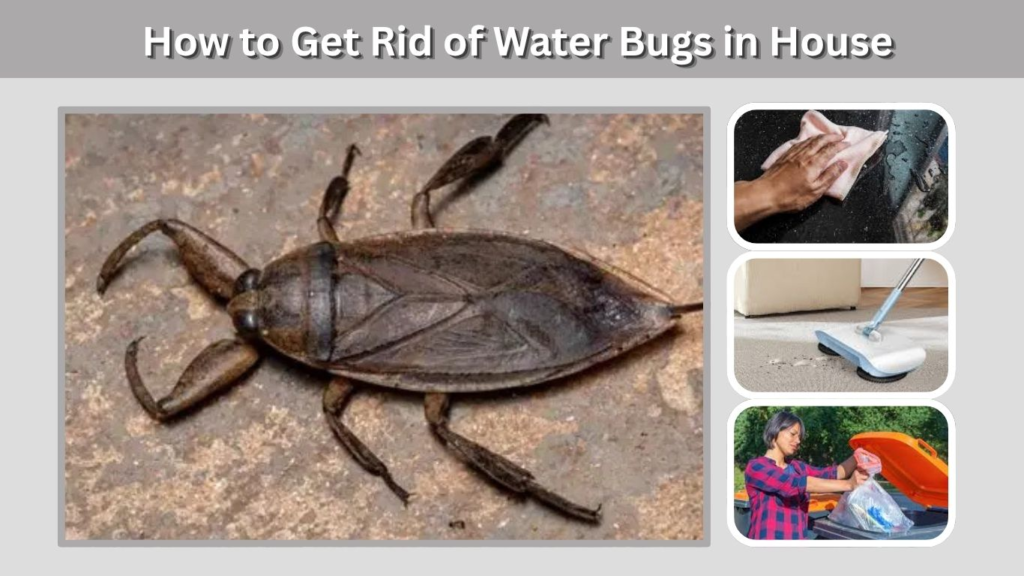
Getting rid of water bugs requires more than killing the insect you see. You need to remove moisture, block entry points, clean food sources, and use the right control method.
Step 1: Remove Food and Water Sources
Start by making the home less attractive. Water bugs need moisture and food to survive, so basic sanitation and moisture control are essential.
Helpful actions include:
- Wipe counters every night
- Sweep or vacuum crumbs
- Store food in sealed containers
- Take out trash regularly
- Clean grease behind appliances
- Avoid leaving pet food out overnight
- Repair dripping faucets
- Dry damp cabinets and floors
- Use a dehumidifier in basements
This step is especially important in kitchens, bathrooms, laundry rooms, and basements.
Step 2: Check Drains and Plumbing
Water bugs often appear near drains because drains provide moisture and organic matter. Clean slow drains and check for leaks under sinks, behind toilets, and around washing machines.
Use a drain brush or enzyme-based drain cleaner to remove buildup where insects may feed. Avoid pouring random harsh chemicals into drains without understanding the plumbing issue.
If you notice sewer odors, repeated drain backups, or bugs coming directly from drains, consider calling a plumber.
Step 3: Seal Cracks and Openings
After cleaning and drying the area, seal possible entry points. This helps stop new insects from entering after you remove the current ones.
Focus on:
- Door gaps
- Window frames
- Utility pipe openings
- Foundation cracks
- Garage door edges
- Basement vents
- Damaged screens
- Gaps around exterior walls
Use caulk, weatherstripping, mesh, or door sweeps depending on the location. Good exclusion work can reduce many household pest problems.
Step 4: Use Baits and Traps
For roach-like water bugs, baits are often more effective than sprays. Gel baits and bait stations can reach hidden insects because roaches carry the bait effect back to nesting areas.
Place baits near activity zones, but keep them away from children, pets, and food preparation surfaces. Sticky traps can help you monitor where bugs are coming from.
Sprays may kill visible insects, but they can also push pests deeper into hiding. If using any pest product, follow the label exactly.
Home Remedies for Water Bugs
Home remedies may help reduce activity, but they usually work best when combined with cleaning, sealing, and moisture control. Some people use vinegar cleaning, baking soda mixtures, essential oils, or boric acid. These may discourage pests in some areas, but they are not always enough for an infestation.
Boric acid can be effective against roaches when used correctly, but it must be applied lightly and safely. Heavy piles are less effective and can create risks for pets or children.
Simple home-focused steps include:
- Keep rooms dry and ventilated
- Clean drains regularly
- Remove clutter from damp storage areas
- Use sticky traps to locate activity
- Vacuum visible insects and dispose of the bag or contents
- Keep outdoor trash sealed
- Move mulch and leaves away from the foundation
For long-term results, prevention matters more than any single home remedy.
How to Prevent Water Bugs from Coming Back
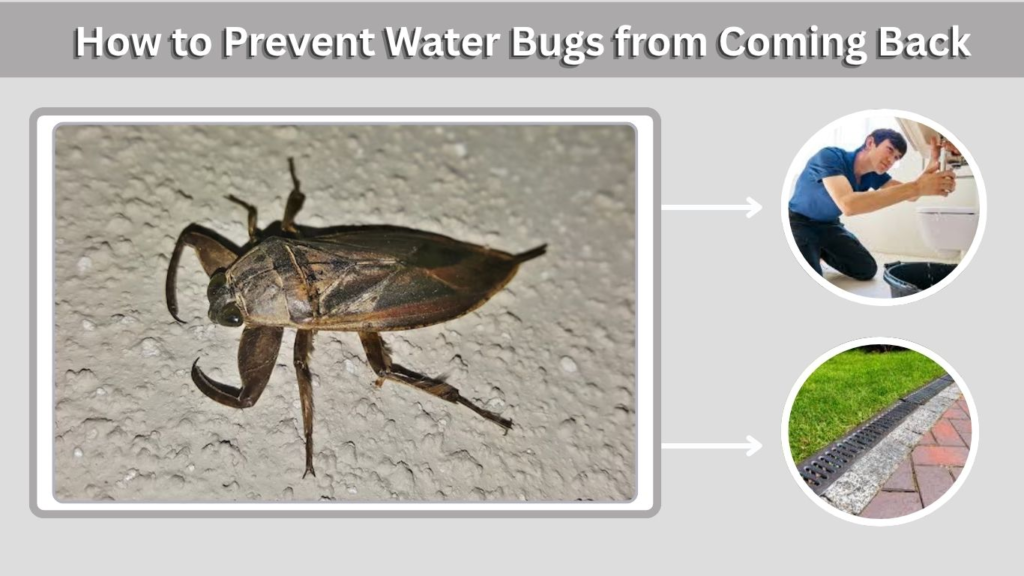
Prevention is the best way to stop water bugs from returning. Once the current activity is under control, maintain a dry, clean, sealed home environment.
Inspect high-risk areas every few weeks, especially during warm or rainy seasons. Check under sinks, around basement walls, near laundry machines, and around exterior doors.
Long-term prevention tips include:
- Fix leaks quickly
- Keep gutters clean
- Improve drainage around the home
- Seal cracks before pest season
- Store food properly
- Clean behind appliances
- Reduce outdoor clutter
- Keep firewood away from the house
- Use tight-fitting trash lids
- Install door sweeps and window screens
If you live in an apartment or shared building, prevention may require cooperation with property management because pests can move between connected units.
When to Call Pest Control
You can often handle one or two water bugs with cleaning, sealing, and traps. However, professional help may be needed if you keep seeing them, especially during the day. Daytime activity can mean hidden populations are crowded or disturbed.
Call pest control if you notice frequent sightings, droppings, egg cases, strong musty odors, or bugs in food areas. You should also get help if DIY methods fail after a few weeks.
A professional can identify the exact insect, find the source, and choose a treatment plan that matches the problem. This is especially helpful when the bug is actually a cockroach rather than a true water bug.
FAQs
Why do I have water bugs in my house?
Water bugs usually appear because they have found moisture, food, or shelter. Leaky pipes, damp basements, open drains, food crumbs, and cracks around the home can attract them. Weather changes, heavy rain, or outdoor pest pressure may also push them indoors suddenly.
How do water bugs get in your house?
Water bugs can enter through gaps under doors, foundation cracks, torn screens, vents, drains, and spaces around pipes. In apartments or connected buildings, they may also move through shared walls or plumbing areas. Sealing entry points is one of the best ways to reduce future sightings.
How do I get rid of water bugs in my house permanently?
Permanent control requires removing moisture, cleaning food sources, sealing entry points, and using baits or traps when needed. Fix leaks, clean drains, store food tightly, and reduce clutter in damp areas. If they keep returning, a professional inspection may be needed to find hidden sources.
Are black water bugs in the house roaches?
Black water bugs in the house are often Oriental cockroaches, especially when found in basements, drains, garages, or crawl spaces. They are dark, shiny, and attracted to damp areas. A true aquatic water bug is more likely to appear near pools, outdoor lights, or natural water sources.
Is one water bug in the house a problem?
One water bug does not always mean an infestation. It may have entered accidentally through a door, drain, or crack. However, repeated sightings, especially at night or near kitchens and bathrooms, can signal a moisture issue or hidden roach activity that should be addressed quickly.