
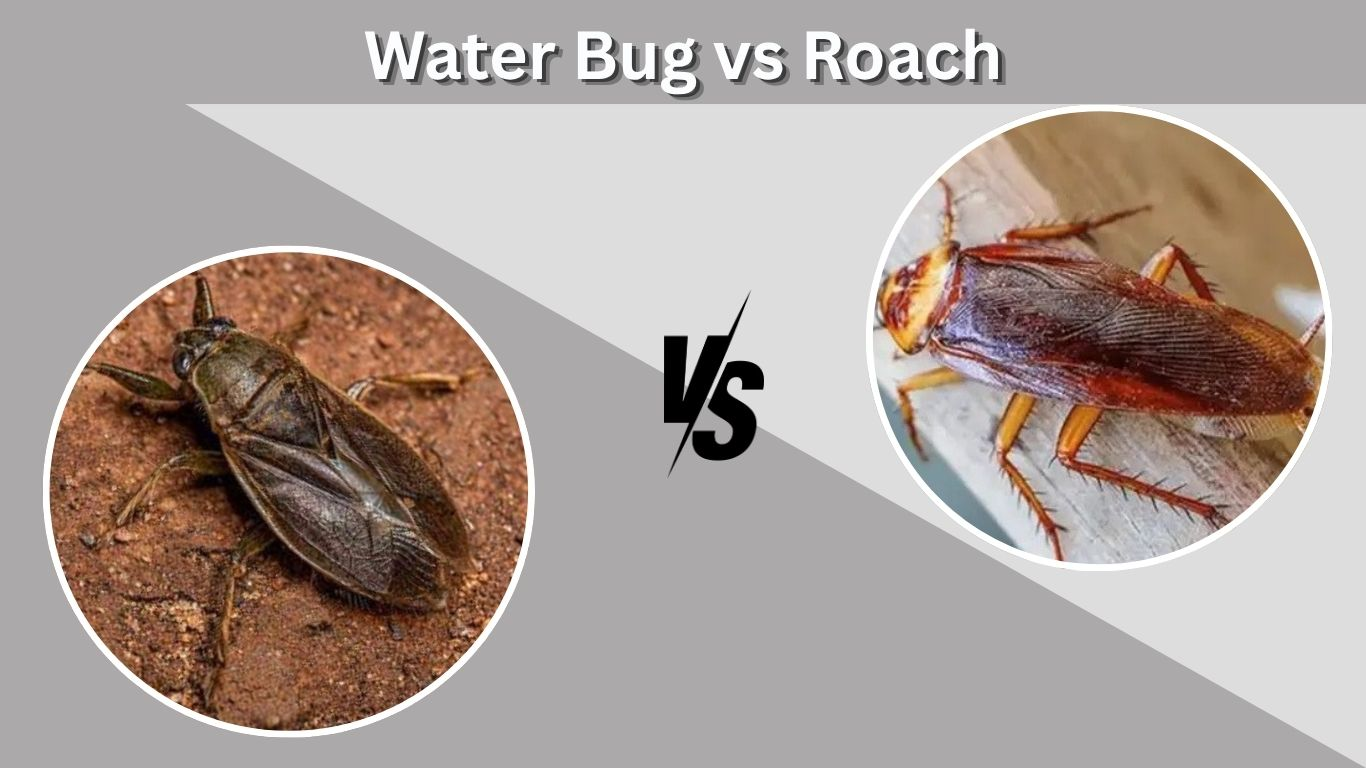
Seeing a large, dark bug in your home can be unsettling, especially when you are not sure whether it is a water bug or a roach. These pests are often confused because some cockroaches are commonly called “water bugs.” However, true water bugs and roaches are different insects. Knowing the difference can help you understand the risk, where they came from, and how to deal with them.
Water Bug vs Roach: Quick Comparison
The phrase “water bug” can be confusing. In everyday language, many people use it to describe large roaches, especially oriental cockroaches or American cockroaches. In a scientific sense, however, true water bugs are aquatic insects that live in ponds, streams, and other wet environments.
Roaches are household pests that often live near food, moisture, drains, basements, kitchens, and bathrooms. They are more likely to infest homes than true water bugs.
| Feature | Water Bug | Roach |
| Main habitat | Ponds, lakes, streams, wet outdoor areas | Homes, drains, basements, kitchens, bathrooms |
| Body shape | Usually broader and flatter | Oval-shaped with long antennae |
| Antennae | Shorter or less noticeable | Long and clearly visible |
| Food source | Small insects, fish, tadpoles, aquatic prey | Food scraps, grease, garbage, organic matter |
| Home infestation risk | Low | High |
What Is a Water Bug?
A true water bug is an aquatic insect that spends much of its life in or near water. Giant water bugs, for example, are large insects that can be found around ponds, lakes, wetlands, and slow-moving water. They are predators and may feed on insects, small fish, tadpoles, and other small aquatic animals.
True water bugs are not usually indoor pests. If one appears inside, it may have entered by accident, especially near lights, open doors, garages, or damp areas. They do not typically build colonies inside homes the way cockroaches do.
Why People Call Roaches Water Bugs
Many homeowners use the word “water bug” for large roaches, especially when they see them in bathrooms, basements, drains, or laundry rooms. This is common in places like NYC and other urban areas, where large cockroaches may be called water bugs because they are often found near moisture.
In pest control, this matters because a “water bug” inside your home is often not a true water bug at all. It may be an oriental cockroach, American cockroach, or another roach species.
What Is a Roach?
A roach, or cockroach, is a common household pest that can survive in many indoor and outdoor environments. Roaches are attracted to food, water, warmth, and shelter. They often hide in cracks, drains, cabinets, wall voids, basements, and behind appliances.
Unlike true water bugs, roaches can infest homes. If you see one roach, there may be more nearby, especially if it is a German roach. Roaches reproduce quickly and can contaminate surfaces as they move through garbage, drains, food areas, and hidden spaces.
Common Roaches Mistaken for Water Bugs
Several roach species are often mistaken for water bugs because of their size, color, or preference for damp places.
| Common Name | Often Called Water Bug? | Key Identification Tip |
| Oriental cockroach | Yes | Dark, shiny, often found in damp areas |
| American cockroach | Yes | Large, reddish-brown, fast-moving |
| German cockroach | Less often | Small, tan, common in kitchens |
| Wood roach | Sometimes | Usually enters from outdoors and is less likely to infest |
| Palmetto bug | Yes | Common nickname for large roaches, especially in the South |
Water Bug vs Roach Size
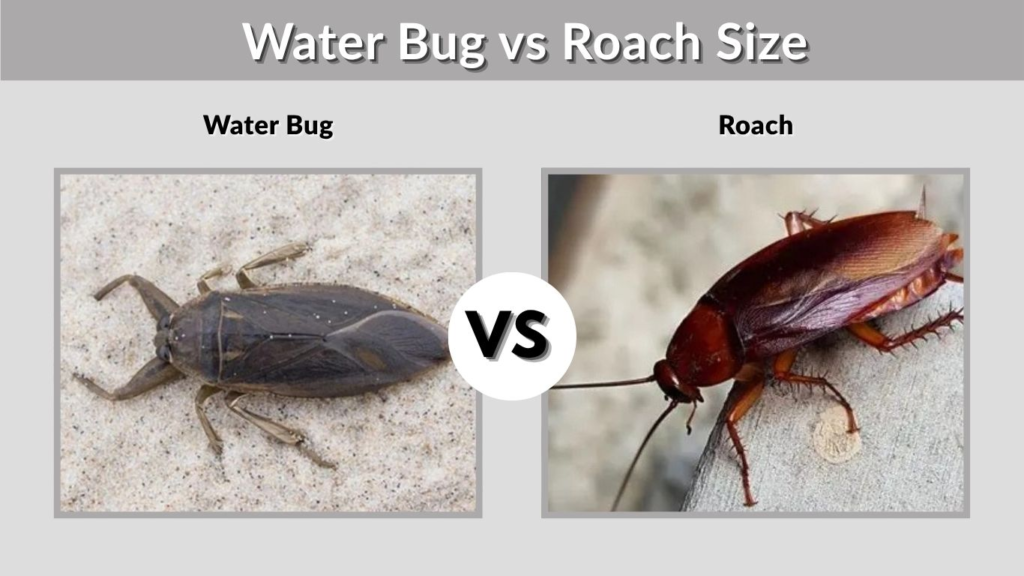
Size is one of the biggest reasons people confuse water bugs and roaches. True giant water bugs can be very large, sometimes larger than common household roaches. However, some roaches, such as American cockroaches, can also grow large enough to look alarming.
A water bug vs roach size comparison is helpful, but size alone is not enough for identification. You also need to look at the body shape, antennae, location, and behavior.
Big Roach vs Water Bug
A big roach found in a kitchen, basement, bathroom, or drain area is more likely to be a cockroach than a true water bug. True water bugs are usually associated with outdoor water sources. If the insect has very long antennae and runs quickly when lights turn on, it is probably a roach.
Water Bug vs Roach Appearance
The easiest way to identify the difference is to look at the insect’s body and where you found it. Roaches usually have long antennae, oval bodies, and quick movement. True water bugs often have a flatter, wider body and front legs designed for grabbing prey.
Water Bug vs Roach Pictures: What to Look For
When comparing water bug vs roach pictures, focus on these details:
- Antennae: Roaches usually have long, thin antennae.
- Body shape: Roaches are oval, while true water bugs often look wider and flatter.
- Legs: Water bugs may have front legs adapted for catching prey.
- Location: Roaches are often indoors; true water bugs are usually near outdoor water.
- Movement: Roaches often scatter quickly when exposed to light.
If the bug is inside your house and you found it near food, drains, cabinets, or appliances, it is more likely a roach.
Water Bug vs Roach Behavior
Behavior gives strong clues. Roaches are scavengers. They search for crumbs, grease, garbage, pet food, and moisture. They hide during the day and come out at night. If you see roaches during daylight, it may suggest a larger infestation.
True water bugs are predators. They are more likely to live outside in wet environments. Some can bite if handled, but they are not usually interested in living inside homes.
| Behavior | Water Bug | Roach |
| Active at night | Sometimes | Very common |
| Runs from light | Less typical | Very common |
| Lives in groups indoors | No | Yes |
| Attracted to food scraps | Not usually | Yes |
| Found near water | Yes | Sometimes, especially damp indoor areas |
| Can infest homes | Rarely | Yes |
Baby Water Bug vs Roach
A baby roach is usually a warning sign because it may mean roaches are breeding inside. Baby roaches, also called nymphs, look like smaller versions of adult roaches but may not have fully developed wings. They are often found near kitchens, bathrooms, cabinets, and cracks.
A baby water bug is much less likely to be found indoors unless it came from a nearby outdoor water source. If you see several small bugs indoors, especially near food or moisture, they are more likely baby roaches than baby water bugs.
Baby Roach vs Baby Water Bug Signs
Look for these signs of baby roaches:
- Small brown or tan insects near food areas
- Droppings that look like black pepper
- Egg cases in hidden areas
- Musty odor in severe infestations
- Multiple sightings over several days
If you see baby roaches, act quickly. Young roaches often mean there are adults hiding nearby.
Water Bug vs German Roach
German roaches are one of the most serious indoor roach problems. They are much smaller than large “water bugs,” but they reproduce quickly and commonly infest kitchens, restaurants, apartments, and commercial buildings.
A German roach is usually light brown or tan with two dark stripes behind the head. It prefers warm, humid areas near food and water. Unlike true water bugs, German roaches do not need ponds or outdoor water sources. They thrive indoors.
Why German Roaches Are a Bigger Concern
German roaches are harder to eliminate because they hide well and reproduce rapidly. Even a few German roaches can turn into a larger infestation if not treated. If you see small roaches in your kitchen, do not assume they are harmless water bugs.
Water Bug vs Wood Roach
Wood roaches are often found outdoors around woodpiles, leaf litter, trees, and damp exterior areas. They may enter homes by accident, especially when firewood is brought inside or when outdoor lights attract them.
Unlike German roaches, wood roaches usually do not thrive indoors. They are less likely to create a major infestation inside a clean, dry home. However, they can still be mistaken for water bugs or household roaches because of their appearance.
Water Bug vs Roach NYC
In NYC, many people use “water bug” to describe large roaches, especially the American cockroach or oriental cockroach. These pests are common in apartment buildings, basements, subway areas, garbage rooms, drains, and older structures.
If you live in an apartment and see a large bug in the bathroom or kitchen, it may be coming from plumbing gaps, shared walls, trash areas, or building-wide pest pressure. Sealing entry points, keeping food stored, and reporting recurring sightings to building management can help.
Apartment Signs to Watch For
In apartments, roaches may move between units. Watch for:
- Bugs near sinks, tubs, and floor drains
- Droppings in cabinets or drawers
- Activity around trash chutes or garbage rooms
- Sightings after building pest treatments
- Roaches appearing from gaps around pipes
Recurring sightings usually need more than a spray. Building-level inspection and treatment may be necessary.
Are Water Bugs or Roaches Dangerous?
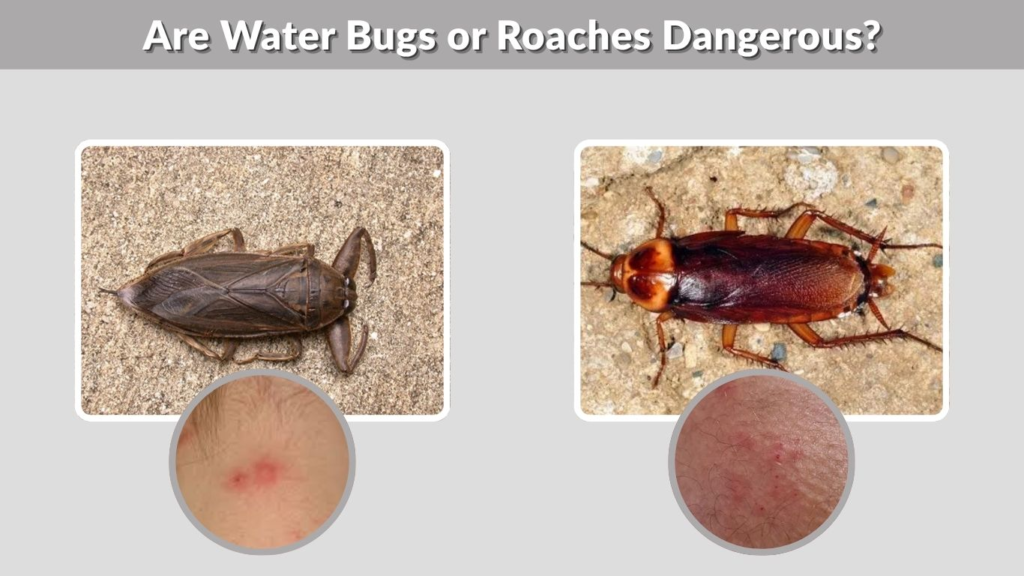
True water bugs are not usually a household health concern, but some can bite if handled. Their bite can be painful, so it is best not to pick them up.
Roaches are a bigger concern indoors. They can move through dirty areas and contaminate surfaces. Roach droppings, shed skins, and body parts may also trigger allergies or asthma symptoms in some people. This is especially concerning in homes with children, older adults, or people with respiratory issues.
Why You May Be Seeing Them Indoors
Whether you call it a water bug or a roach, indoor sightings usually point to moisture, entry points, food access, or outdoor pest pressure.
Common Attractants
Roaches are often drawn to:
- Leaky pipes or damp cabinets
- Food crumbs and grease
- Open trash containers
- Pet food left out overnight
- Cluttered storage areas
- Gaps around doors, windows, and utility lines
- Floor drains and sewer access points
Removing attractants can reduce activity, but an established roach infestation may still require professional treatment.
How to Get Rid of Water Bugs and Roaches
The right solution depends on what insect you have. If it is a true water bug, removing it and sealing entry points may be enough. If it is a roach, especially a German roach, you need a more complete control plan.
Step 1: Identify the Pest
Look at the size, antennae, color, body shape, and location. Take a clear picture if possible. If you are unsure, a pest control professional can identify the insect.
Step 2: Remove Food and Water Sources
Clean crumbs, grease, and spills. Store food in sealed containers. Fix leaks under sinks and around appliances. Empty trash regularly and avoid leaving pet food out overnight.
Step 3: Seal Entry Points
Use caulk or other sealants around gaps near pipes, baseboards, doors, windows, and utility lines. In apartments, report gaps around plumbing and shared walls.
Step 4: Use Baits Carefully
Roach baits are often more effective than sprays because roaches carry the bait back to hidden areas. Avoid spraying over bait, because it can make the bait less attractive.
Step 5: Call Pest Control for Recurring Activity
If you see baby roaches, multiple roaches, droppings, or repeated sightings, professional treatment is usually the best option. This is especially true for German roaches, apartment buildings, restaurants, and commercial properties.
When to Call a Professional
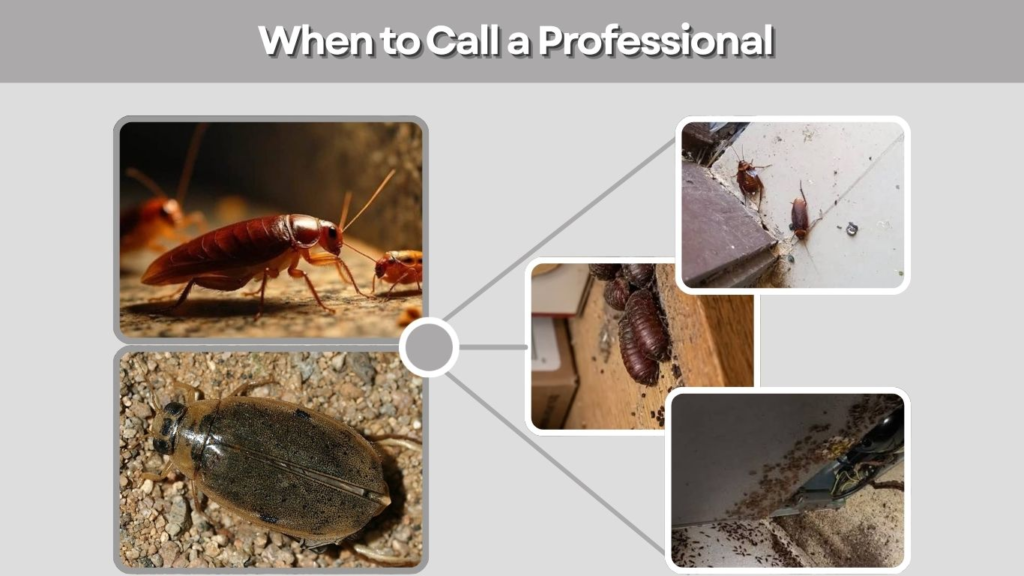
You should consider calling pest control if:
- You see roaches during the day
- You find baby roaches
- You notice droppings or egg cases
- The bugs keep returning after cleaning
- You live in an apartment with repeated sightings
- You are unsure whether it is a water bug or roach
- You manage a food-related business or commercial property
A professional can identify the species, find hiding spots, and choose the right treatment method.
FAQs
Is a water bug the same as a roach?
Not always. A true water bug is an aquatic insect that usually lives outdoors near water. However, many people use “water bug” as a nickname for large roaches, especially oriental or American cockroaches found in damp indoor areas.
How can I tell a water bug from a roach?
Check the antennae, body shape, and location. Roaches usually have long antennae, oval bodies, and are often found indoors near food or moisture. True water bugs are usually wider, flatter, and more closely associated with outdoor water sources.
Are water bugs worse than roaches?
Roaches are usually worse indoors because they can infest homes, reproduce quickly, and contaminate surfaces. True water bugs may bite if handled, but they do not usually create indoor infestations like cockroaches.
Why do people call roaches water bugs?
People often call large roaches “water bugs” because they are found in damp places like bathrooms, basements, drains, and laundry areas. This nickname is common in cities and apartment buildings, but it can make identification confusing.
Does seeing one roach mean an infestation?
Not always, but it can. One large roach may have wandered in from outside, but seeing baby roaches, droppings, egg cases, or repeated activity usually suggests an infestation. German roaches are especially concerning because they reproduce quickly indoors.