
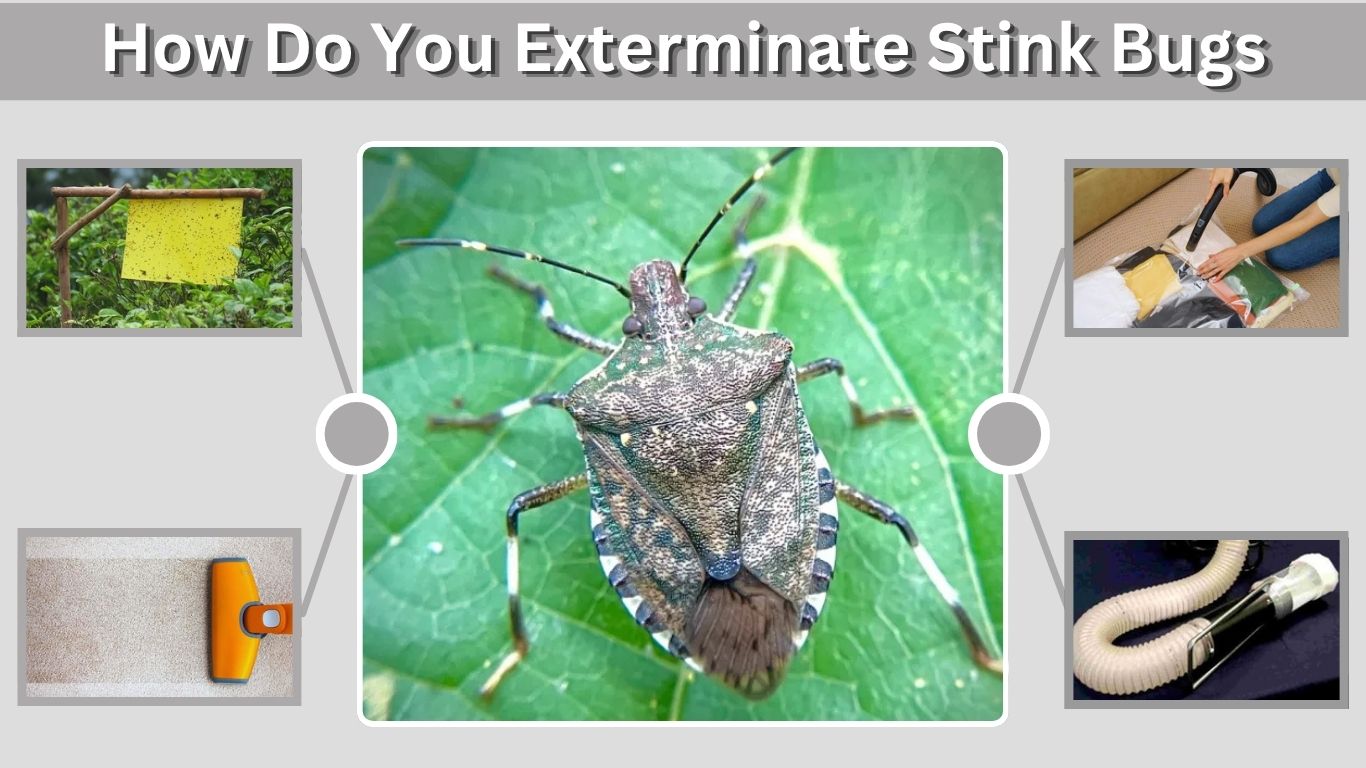
Stink bugs can quickly become frustrating when they gather around windows, crawl across walls, or enter your home in large numbers. Crushing them is rarely a good idea because they release a strong, unpleasant odor when disturbed. Fortunately, several stink bug extermination methods can remove existing insects and prevent new ones from getting inside. The best approach combines physical removal, sealing entry points, targeted treatments, and outdoor control. Here is how to exterminate stink bugs safely and effectively around your home.
How Do You Exterminate Stink Bugs?
The most effective stink bug extermination strategy combines immediate removal with long-term prevention. Individual insects can be vacuumed or dropped into soapy water, while larger problems may require sealing gaps and treating exterior entry points. Since stink bugs often enter houses to overwinter, controlling them before they move indoors produces the best results.
Best Ways to Eliminate Stink Bugs
Common methods include:
- Vacuuming visible stink bugs
- Dropping them into soapy water
- Sealing cracks around doors and windows
- Repairing torn window screens
- Installing weatherstripping
- Treating exterior entry points when necessary
- Removing bugs before large numbers accumulate
- Reducing outdoor lighting near entrances
- Calling a pest-control professional for severe infestations
Avoid crushing stink bugs indoors because doing so can release their characteristic odor.
Why Crushing Stink Bugs Is a Bad Idea
Stink bugs have scent glands that produce defensive chemicals. When threatened, handled roughly, or crushed, they may release a noticeable odor.
The smell can remain on hands, furniture, curtains, or other surfaces for some time.
Instead of squashing the insect, capture it with a container or vacuum it up. If using a reusable vacuum, empty the contents promptly because trapped stink bugs may create an unpleasant smell inside the machine.
How to Get Rid of Stink Bugs in Your Home
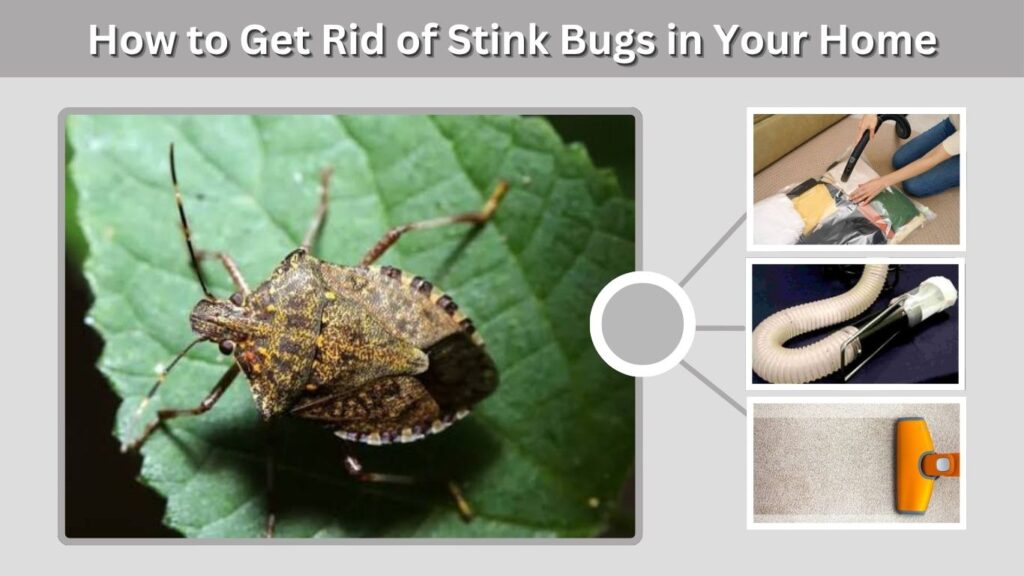
Stink bugs usually enter buildings while searching for protected places to survive cooler months. Once inside walls, attics, or other sheltered spaces, some may emerge into living areas on warmer days. Indoor control should concentrate on removing visible insects rather than spraying large amounts of pesticide throughout rooms.
Remove Stink Bugs With a Vacuum
Vacuuming is one of the easiest ways to remove multiple stink bugs quickly. A handheld vacuum can be especially useful around windows, walls, ceilings, and curtains.
For larger numbers:
- Use a vacuum with a disposable bag if possible.
- Vacuum insects without crushing them.
- Remove the bag promptly after use.
- Place the sealed bag in an outdoor trash container.
- Clean the vacuum if an odor remains.
A dedicated inexpensive vacuum can be useful if stink bugs repeatedly enter your home.
Use Soapy Water
A container of soapy water provides another simple removal method.
Fill a container with water and add a small amount of dish soap. Carefully knock or collect stink bugs into the solution. The soap reduces surface tension and helps trap the insects.
This approach works particularly well when only a few stink bugs are present and avoids the odor associated with crushing them.
Stink Bug Extermination Methods
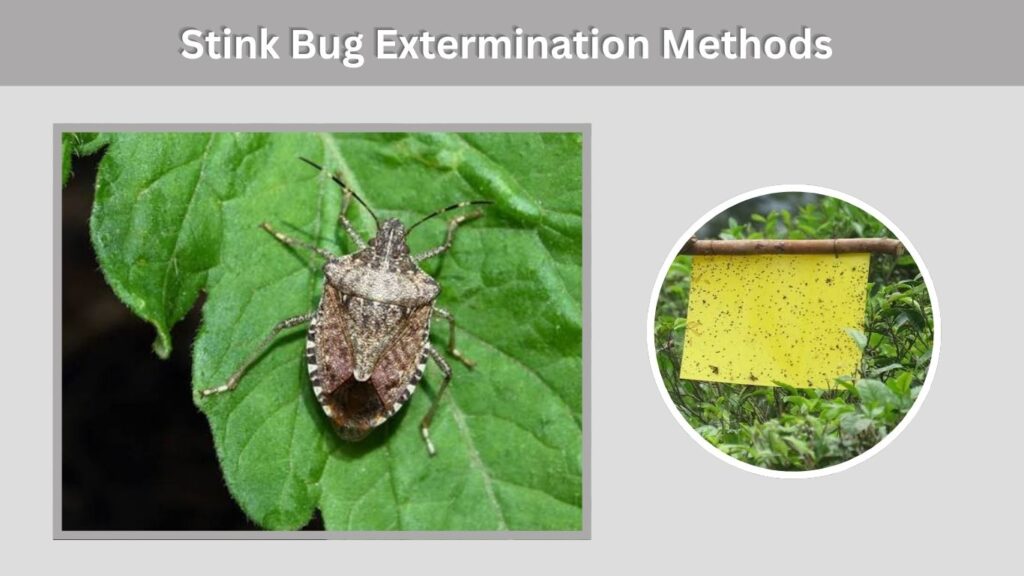
Different control techniques work at different stages of an infestation. Indoor insects are usually best handled through mechanical removal, while exterior prevention can involve exclusion and carefully selected pest-control treatments. The goal is not simply to kill individual stink bugs but to stop repeated entry into the building.
Physical Removal
Physical control is often sufficient for stink bugs already inside.
Useful options include vacuuming, collecting insects with a container, or sweeping them carefully into soapy water.
Sticky traps are generally less useful for large household infestations, and crushing the bugs can create unnecessary odor.
Because indoor stink bugs typically are not reproducing throughout living spaces, removing the individuals you see can significantly reduce activity.
Exterior Treatment
Exterior insecticide treatments may help when applied to places where stink bugs gather or attempt to enter.
Potential treatment areas include around:
- Windows
- Exterior doors
- Rooflines
- Siding gaps
- Utility openings
- Vents
- Eaves
- Foundation cracks
Always use pesticides according to their labels. If the infestation is widespread or the correct treatment is uncertain, professional application may be safer and more effective.
DIY Stink Bug Extermination
Homeowners can control many small or moderate stink bug problems without complicated equipment. The most successful DIY approach involves removing existing insects and then identifying exactly how they are entering. Simply killing visible bugs without closing entry points usually means new stink bugs will continue appearing.
DIY Stink Bug Removal Steps
Try these steps:
- Vacuum or collect visible stink bugs.
- Dispose of captured insects outdoors.
- Inspect windows and exterior doors.
- Repair damaged screens.
- Seal gaps with appropriate caulk.
- Add weatherstripping around doors.
- Check vents and utility openings.
- Seal gaps around pipes and cables.
- Reduce unnecessary lights near entrances.
- Continue monitoring common entry locations.
Pay particular attention to sunny exterior walls because stink bugs may gather on warm building surfaces.
Do Homemade Stink Bug Sprays Work?
Soapy water can kill stink bugs that are directly contacted, but homemade sprays should not be considered a complete solution for an infestation.
Spraying walls, furniture, or large areas unnecessarily can create messes and may damage certain surfaces.
Long-term success usually comes from exclusion. When windows, doors, siding gaps, and other openings are properly sealed, stink bugs have far fewer opportunities to enter.
How to Keep Stink Bugs Out of the House
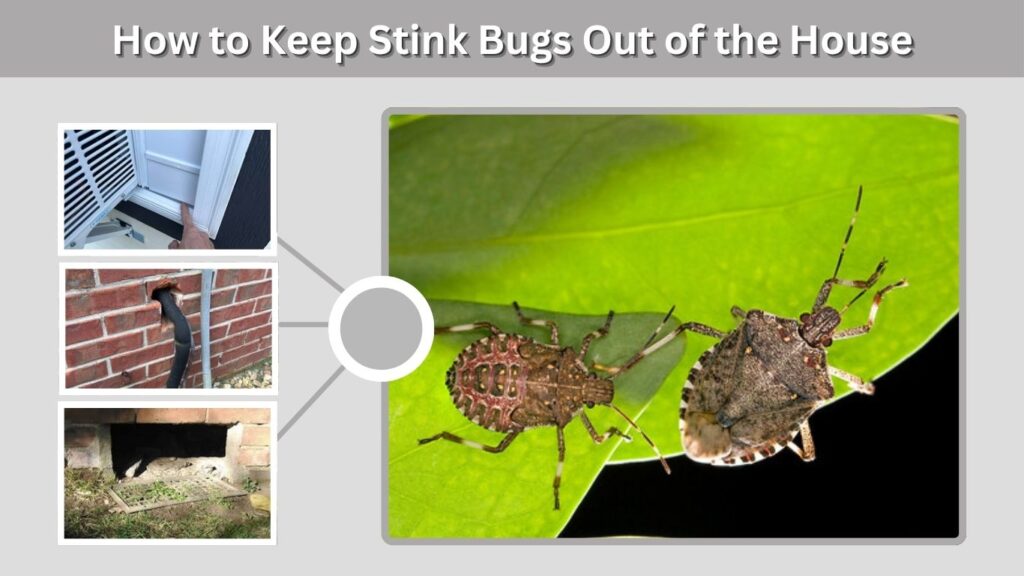
Prevention is usually more effective than repeatedly exterminating stink bugs after they appear indoors. These insects can squeeze through small gaps around a building’s exterior. A careful inspection before cooler weather can reveal many of the openings they commonly use to reach attics, wall voids, and living areas.
Seal Stink Bug Entry Points
Check these areas carefully:
- Cracks around window frames
- Gaps beneath exterior doors
- Damaged window or door screens
- Openings around utility pipes
- Gaps around air-conditioning lines
- Attic and foundation vents
- Loose siding
- Roof and soffit gaps
- Openings around chimneys
- Unsealed cable entrances
Use caulk, screening, weatherstripping, or another suitable building material depending on the opening.
Reduce Outdoor Attraction
Exterior lights can attract many insects around doors and windows. Reducing unnecessary nighttime lighting may decrease activity near entrances.
Keep doors closed when possible and make sure exterior screens fit securely.
Vegetation touching the building can also create convenient pathways for insects. Trimming shrubs and branches away from exterior walls may make inspection and pest management easier.
When to Call a Stink Bug Exterminator
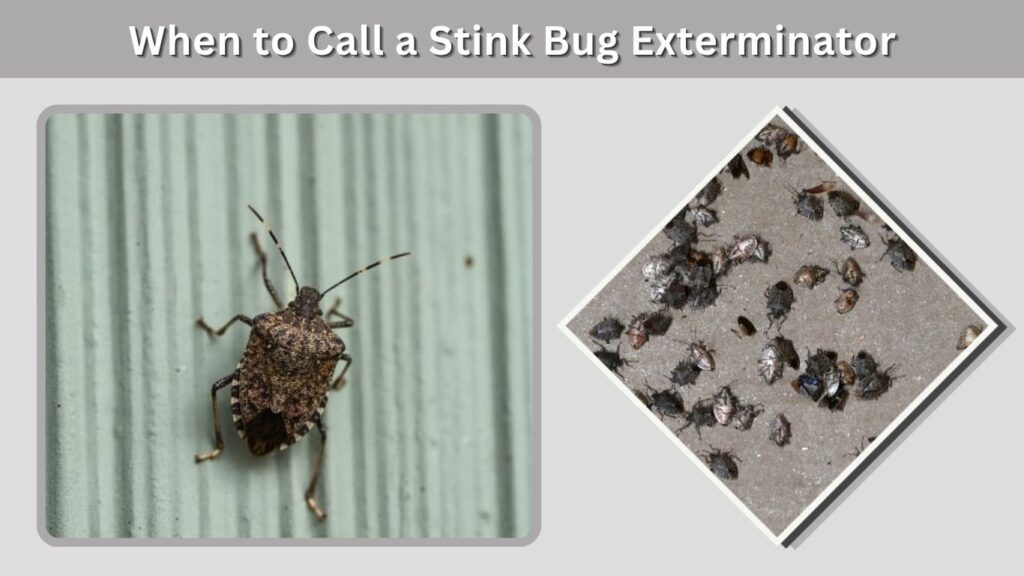
Finding several stink bugs does not always require professional pest control. However, recurring infestations involving dozens or hundreds of insects may indicate numerous exterior openings or overwintering bugs inside wall voids. Professional exterminators can inspect the structure, identify likely entry points, and determine whether exterior treatments are appropriate.
Signs You May Need Professional Control
Consider professional assistance when:
- Large numbers appear every day.
- Bugs repeatedly return after removal.
- Stink bugs are emerging from walls or ceilings.
- You cannot locate their entry points.
- Exterior areas contain heavy concentrations.
- DIY control has not reduced the problem.
- The house has difficult-to-access gaps or roof areas.
Professionals can also recommend exclusion work that may provide longer-lasting results than repeatedly spraying individual insects.
What an Exterminator May Do
A pest-control technician typically begins by inspecting the home’s exterior. They may identify cracks, damaged screens, gaps around utility lines, and other likely access points.
Depending on the circumstances, they may recommend sealing openings, removing insects, or applying an appropriate exterior treatment.
Preventive work is particularly valuable because killing stink bugs already indoors does not automatically stop new insects from entering.
FAQs
1. What is the fastest way to get rid of stink bugs?
Vacuuming is one of the fastest methods for removing stink bugs already inside your home. You can also knock individual insects into soapy water. Avoid crushing them because they may release a strong odor. After removing them, inspect and seal possible entry points.
2. Will dish soap kill stink bugs?
Yes, soapy water can kill stink bugs when they are placed directly into the solution. Mix water with a small amount of dish soap in a container and carefully drop the insects inside. However, soapy water does not prevent additional stink bugs from entering your home.
3. Why do I keep finding stink bugs in my house?
Stink bugs often enter homes through small cracks and gaps while searching for protected overwintering locations. Bugs hidden inside walls or attics may later emerge into rooms during warm periods. Sealing exterior openings is the most important step for preventing repeated problems.
4. Should I spray stink bugs inside my house?
Indoor pesticide spraying is usually unnecessary for a few stink bugs. Vacuuming or manually collecting them is often simpler. Sprays inside wall voids may also leave dead insects in inaccessible areas. For large infestations, contact a qualified pest-control professional for an appropriate treatment strategy.
5. How can I permanently keep stink bugs away?
You cannot completely eliminate stink bugs from the surrounding environment, but you can greatly reduce indoor problems. Seal cracks, repair screens, install weatherstripping, cover vents properly, and close gaps around pipes and cables. Performing these repairs before stink bugs begin searching for winter shelter provides the best protection.