
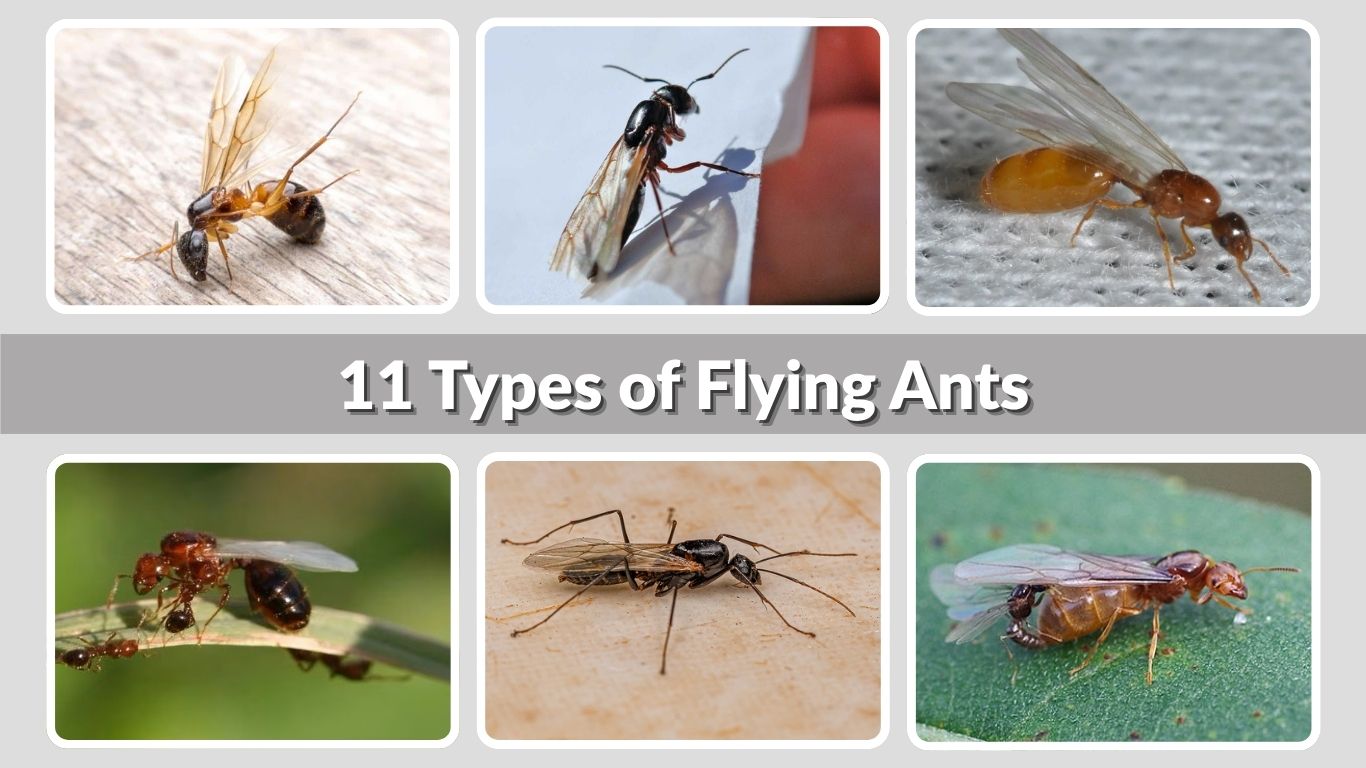
Flying ants are not a separate species or permanent type of ant. They are reproductive males and queens, known as alates, that develop wings before leaving their established colonies to mate. Many ant species produce these winged adults, and they may appear in large swarms during warm, humid weather. Although most flying ants are harmless, their presence can sometimes indicate a mature colony inside or near a building. Here are 11 common types of flying ants and the features that can help you identify them.
Quick Comparison of Common Flying Ants
Flying ants usually have elbowed antennae, narrow waists, and front wings that are larger than their rear wings. Their size, color, nesting habits, and potential risks vary by species.
| Type | Typical Color | Common Nesting Area | Main Concern |
|---|---|---|---|
| Carpenter ant | Black, brown, or reddish | Damp or damaged wood | Wood excavation |
| Pavement ant | Dark brown to black | Under concrete and stones | Indoor food invasion |
| Fire ant | Reddish-brown | Sunny soil and lawns | Painful stings |
| Argentine ant | Light to dark brown | Soil, walls, and moist areas | Large invasive colonies |
| Odorous house ant | Brown to black | Walls, floors, and outdoor debris | Indoor infestation |
| Citronella ant | Yellow to reddish-brown | Underground soil | Usually harmless |
| Field ant | Brown, black, red, or mixed | Lawns and open soil | Large outdoor mounds |
| Acrobat ant | Brown, black, or mixed | Decaying wood and wall voids | Biting and nesting |
| Pharaoh ant | Yellow to light brown | Warm indoor spaces | Difficult infestation |
| Crazy ant | Dark brown or reddish-brown | Soil, structures, and electronics | Large, erratic colonies |
| Little black ant | Shiny black | Soil, wood, and wall spaces | Indoor food contamination |
1. Carpenter Ant
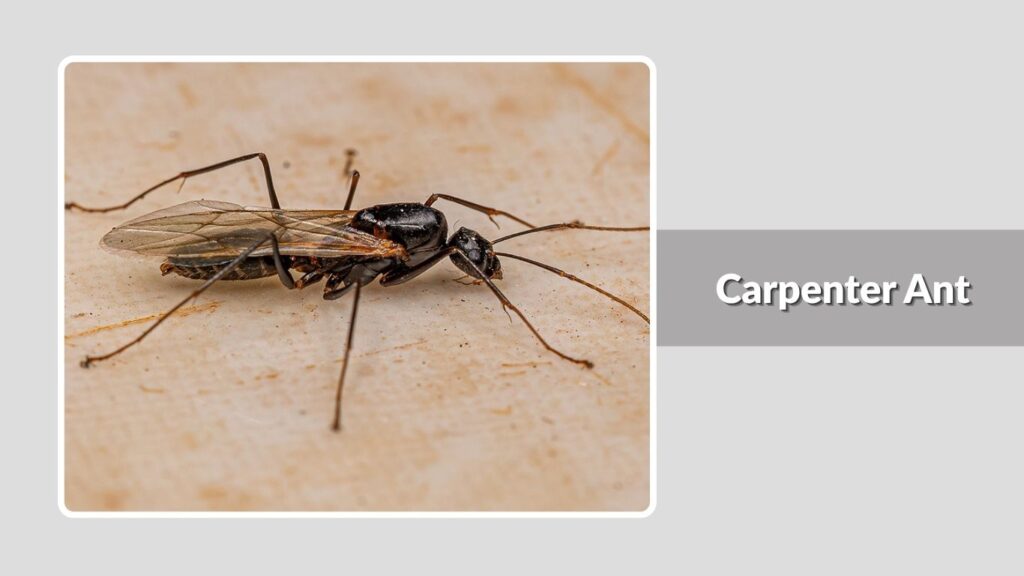
Carpenter ants belong to the genus Camponotus. Their winged queens are among the largest flying ants commonly seen around homes. They do not consume wood like termites, but established colonies can weaken moisture-damaged timber by excavating galleries for nesting.
Identification
- Usually black, reddish-brown, or a combination of colors
- Smoothly rounded thorax
- Clearly pinched waist with a single node
- Elbowed antennae
- Front wings larger than the rear wings
- Winged queens may reach approximately ½ to ¾ inch long
Habitat and Nesting
Carpenter ants prefer damp, decaying, or previously damaged wood. Colonies may occur in tree stumps, logs, fence posts, roof eaves, wall voids, window frames, and areas affected by plumbing leaks. A parent colony outdoors may also establish smaller satellite nests inside a building.
Swarming Behavior
Carpenter ant swarmers commonly appear during spring or early summer, although timing varies by climate and species. Finding a few outdoors is normal. Repeatedly seeing large winged ants indoors may indicate a mature nest inside the structure.
Risks and Control
These ants rarely cause damage to sound, dry wood. However, a long-established colony may enlarge weakened areas. Repair moisture problems, replace badly damaged wood, trim branches away from the building, and have a suspected indoor nest inspected.
2. Pavement Ant
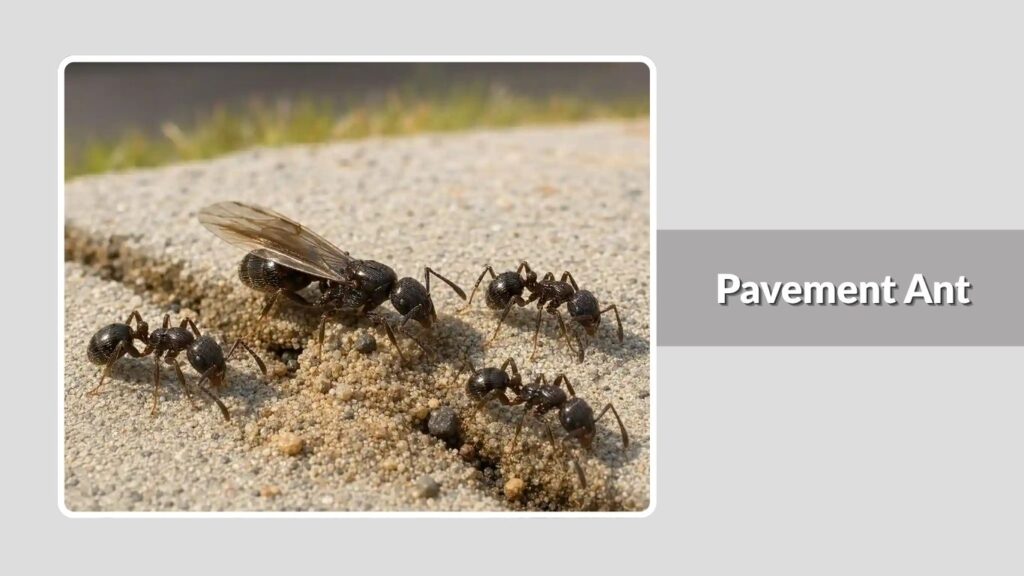
The pavement ant, commonly identified as Tetramorium immigrans in North America, is frequently found around sidewalks, driveways, foundations, and patios. Mature colonies produce dark-colored flying males and queens that may enter homes during their mating flights.
Identification
- Dark brown to nearly black body
- Approximately ⅛ inch long, excluding wings
- Two small nodes in the narrow waist
- Grooved head and thorax
- Elbowed antennae
- Unequal front and rear wings
Habitat and Nesting
Pavement ants usually nest beneath concrete slabs, stones, sidewalks, driveways, and building foundations. They push displaced soil through pavement cracks, sometimes creating small piles of sand near entrances. Indoor nests may occur beneath floors, within insulation, or close to foundation walls.
Swarming Behavior
Swarming often occurs in spring and early summer. Colonies inside heated buildings can produce flying ants at other times of the year. Swarmers may gather around windows because they are attracted to natural light.
Risks and Control
Pavement ants do not damage structural wood, but workers may contaminate food while foraging. Seal cracks, clean spills, store food in closed containers, and use ant bait along active trails. Baits are usually more effective than spraying visible workers alone.
3. Fire Ant
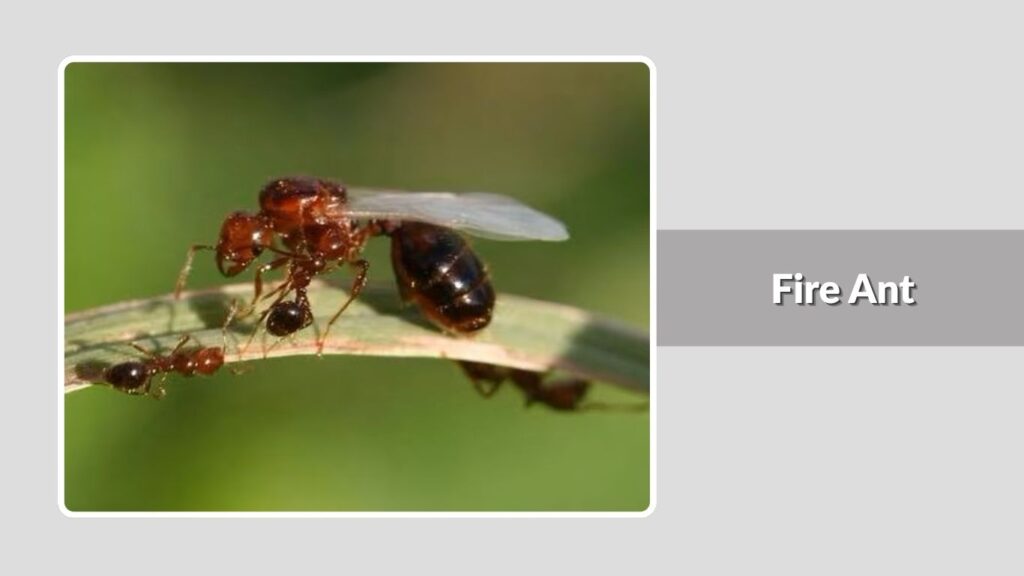
Fire ants belong to the genus Solenopsis. The red imported fire ant, Solenopsis invicta, is particularly well known in warm regions. Winged fire ants are reproductive members of established colonies and should be treated cautiously because workers aggressively protect their nests.
Identification
- Reddish-brown body with a darker abdomen
- Two nodes between the thorax and abdomen
- Elbowed antennae with clubbed tips
- Reproductive ants are larger than many workers
- Front wings longer than the rear wings
- Queens have a broad, robust thorax
Habitat and Nesting
Fire ants build colonies in sunny, open soil. Their mounds may appear in lawns, pastures, parks, roadsides, and around utility equipment. Some nests lack an obvious central opening because workers enter through underground tunnels around the mound.
Swarming Behavior
Mating flights usually occur during warm, humid conditions, frequently after rainfall. Males and queens leave their colonies, mate in the air, and land. A fertilized queen then removes her wings and attempts to establish a new colony.
Risks and Control
Fire ant workers can sting repeatedly, causing burning pain and itchy pustules. People with serious allergic reactions require urgent medical attention. Avoid disturbing mounds, keep children and pets away, and use locally approved bait or mound treatments.
4. Argentine Ant
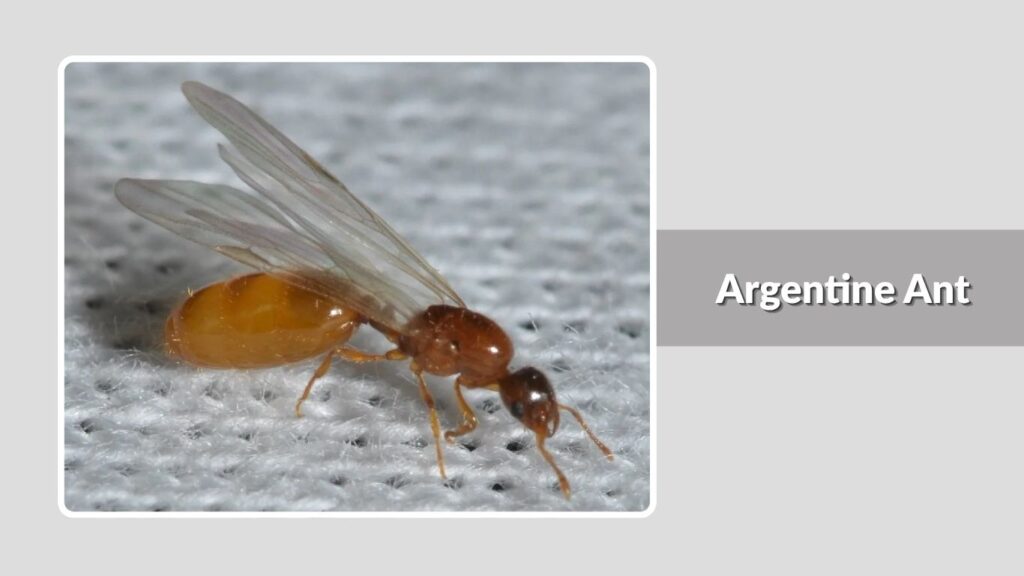
The Argentine ant, Linepithema humile, is a small invasive species capable of creating enormous interconnected colonies. Its winged reproductives may not be as noticeable as larger carpenter ant swarmers, but the workers often form highly active trails around buildings.
Identification
- Light to dark brown coloration
- Slender, relatively uniform body
- One waist node that may be difficult to see
- Approximately ⅛ inch long as a worker
- Winged queens are larger and more robust
- Musty odor when crushed
Habitat and Nesting
Argentine ants prefer moist environments and commonly nest beneath mulch, stones, landscape timbers, plant pots, and concrete slabs. Indoors, they may occupy wall voids and areas close to kitchens, bathrooms, pipes, or leaking fixtures.
Swarming Behavior
Colonies contain many queens and can expand by both mating flights and budding. During budding, queens and workers leave together to establish another nest nearby. This allows an infestation to spread rapidly across a property.
Risks and Control
Argentine ants do not damage wood or sting people, but they invade food and protect sap-feeding garden pests. Reduce moisture, eliminate food sources, remove outdoor nesting cover, and use slow-acting baits. Repellent sprays may divide the colony and worsen its spread.
5. Odorous House Ant
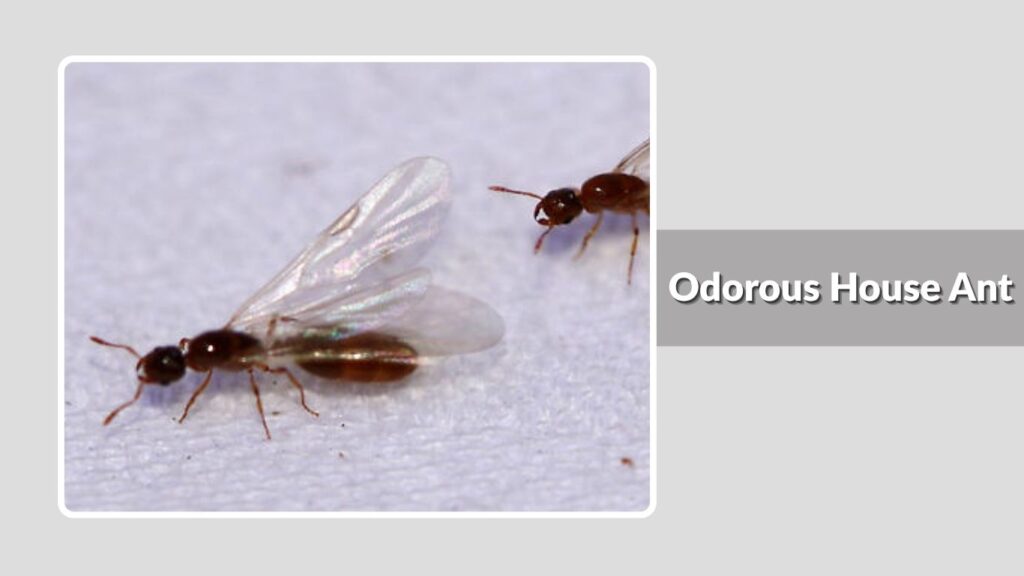
The odorous house ant, Tapinoma sessile, receives its name from the unpleasant odor released when workers are crushed. It is a common household invader and may establish multiple connected nests containing numerous queens.
Identification
- Brown to black body
- Approximately ⅛ inch long as a worker
- Unevenly shaped thorax when viewed from the side
- Single waist node hidden beneath the abdomen
- Elbowed antennae
- Rotten coconut-like odor when crushed
Habitat and Nesting
Outdoors, these ants live beneath stones, logs, mulch, boards, and loose bark. Indoor colonies may occupy wall voids, insulation, window frames, flooring, and spaces around warm water pipes. They frequently move their nests when conditions change.
Swarming Behavior
Winged males and females may emerge during spring or summer. However, odorous house ants also spread through budding, so an infestation does not depend entirely on flying reproductives. Indoor colonies can remain active throughout the year.
Risks and Control
Odorous house ants do not damage buildings, but their persistent trails can lead into food-storage areas. Clean foraging surfaces, seal entry gaps, correct water leaks, and use non-repellent baits. Killing only the visible workers rarely reaches every queen.
6. Citronella Ant
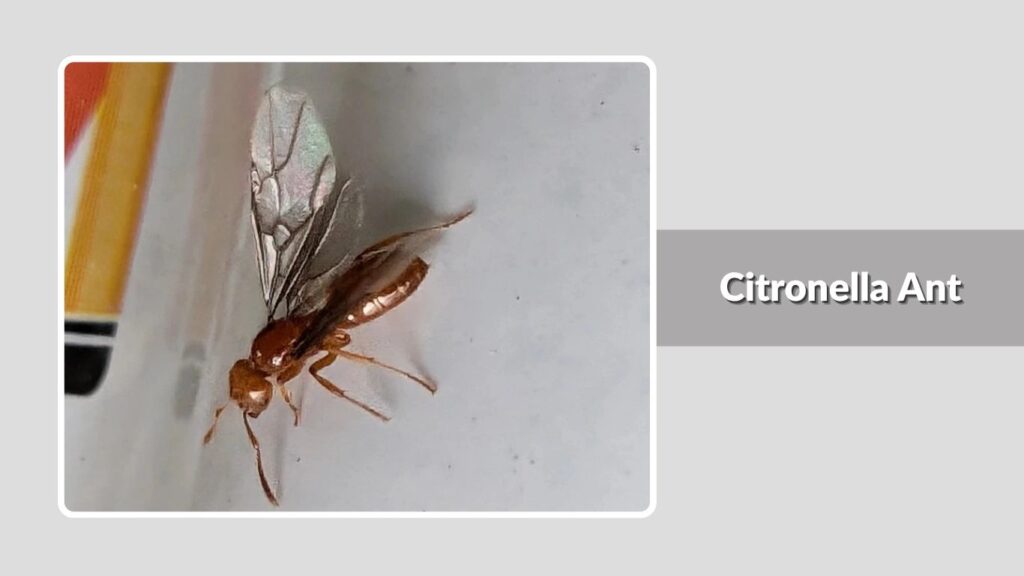
Citronella ants are yellow or brown ants belonging primarily to the genus Lasius. They are sometimes called larger yellow ants. Their name comes from the lemon or citronella-like smell released when they are crushed or disturbed.
Identification
- Yellow, amber, or reddish-brown body
- Reproductive ants are darker than many workers
- Elbowed antennae
- A single node in the pinched waist
- Front wings larger than rear wings
- Noticeable citrus odor when crushed
Habitat and Nesting
These ants build underground nests in lawns, gardens, fields, and beneath concrete slabs. They feed primarily on honeydew collected from root-feeding aphids and other underground insects. Workers remain below ground much of the time and are rarely noticed.
Swarming Behavior
Citronella ants can produce impressive swarms, sometimes around foundations, patios, or basement floors. Flights commonly occur during warm weather after rain. Because swarmers may emerge through foundation cracks, homeowners often mistake them for termites.
Risks and Control
Citronella ants generally do not infest food, attack people, or damage structural wood. Their indoor appearance is usually temporary. Seal foundation openings and address excessive soil moisture. Treatment may be unnecessary unless swarmers repeatedly emerge from beneath the building.
7. Field Ant
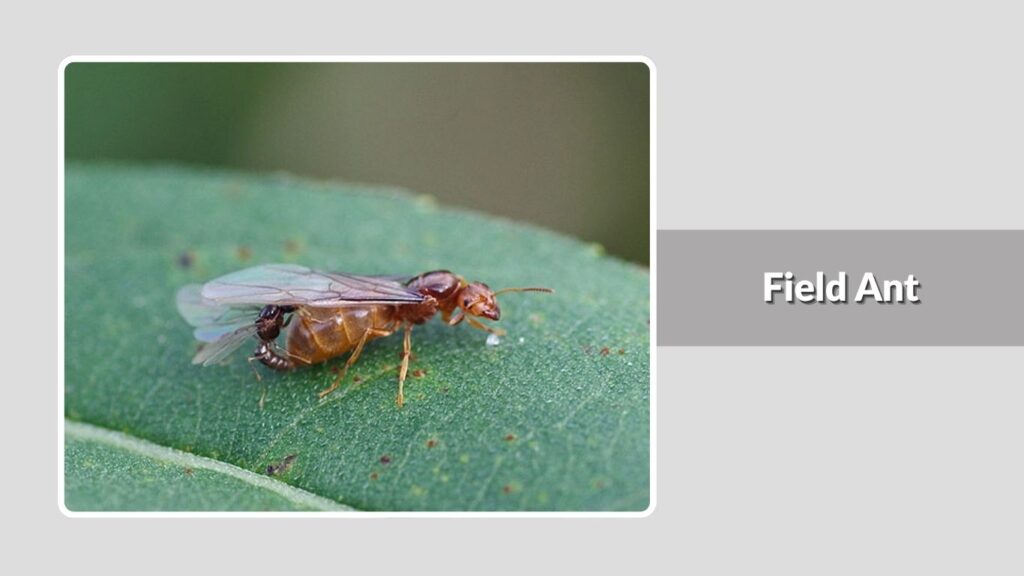
Field ants belong to the genus Formica. They include numerous species with considerable variation in size and color. Most live outdoors, where they create visible mounds or nest beneath natural objects.
Identification
- Black, brown, red, or a mixture of colors
- Medium to relatively large body
- One distinct waist node
- Elbowed antennae
- Unequal wing pairs
- Thorax may appear uneven when viewed from the side
Habitat and Nesting
Field ants occupy lawns, meadows, woodland edges, gardens, and other open areas. Some colonies build large soil mounds, while others nest beneath rocks, logs, or landscape materials. They generally prefer sunny sites with access to insects and honeydew-producing pests.
Swarming Behavior
Mature colonies release winged reproductives during warm spring or summer conditions. Swarms can be conspicuous because field ants may be relatively large. Lights, windows, and reflective surfaces sometimes attract the adults after they leave their nests.
Risks and Control
Field ants usually remain outside and do not damage buildings. Some species bite or spray formic acid when their colonies are disturbed. Control is generally necessary only when a large mound interferes with a lawn, garden, walkway, or frequently used outdoor area.
8. Acrobat Ant
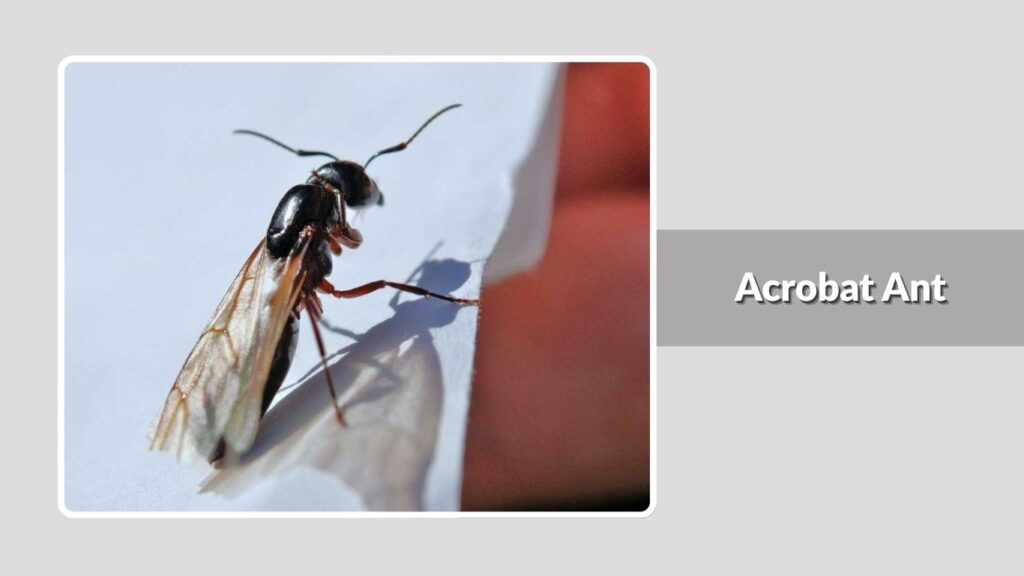
Acrobat ants belong to the genus Crematogaster. They can raise their heart-shaped abdomens over their thoraxes when alarmed, creating an acrobatic posture that gives them their common name.
Identification
- Light brown, dark brown, black, or multicolored
- Heart-shaped abdomen when viewed from above
- Two nodes in the narrow waist
- Eleven-segmented antennae in many species
- Workers commonly measure about ⅛ inch
- Winged queens are noticeably larger
Habitat and Nesting
Outdoors, acrobat ants nest in tree cavities, stumps, logs, decaying wood, and beneath bark. They may enter buildings through branches or utility lines and establish colonies in wall voids, door frames, insulation, or wood previously damaged by moisture or termites.
Swarming Behavior
Their mating flights commonly occur from summer into fall, depending on the species and region. Winged adults may collect around windows or lights. Indoor swarming can suggest that a colony has occupied a concealed structural space.
Risks and Control
Acrobat ants may bite and release an unpleasant-smelling defensive chemical. They do not eat wood, but they can excavate softened material and occasionally damage insulation. Remove outdoor nesting sites, repair damp wood, seal entry points, and use bait near active trails.
9. Pharaoh Ant
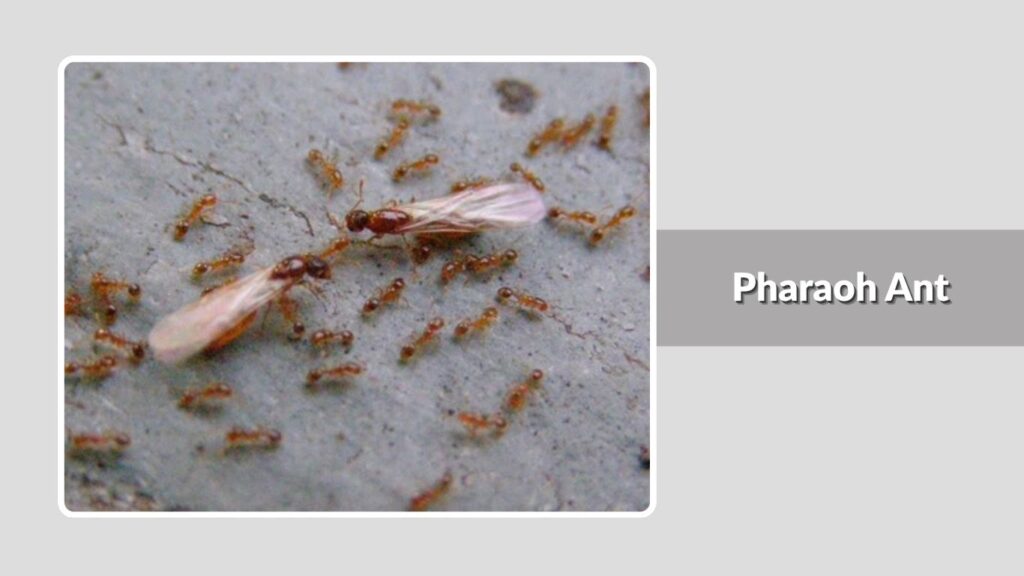
The pharaoh ant, Monomorium pharaonis, is a tiny indoor pest found in homes, apartments, hospitals, restaurants, and other heated buildings. Its small size and colony-budding behavior make it especially challenging to eliminate.
Identification
- Pale yellow to light brown body
- Darker abdomen
- Workers approximately 1⁄16 inch long
- Two waist nodes
- Antennae ending in a three-segmented club
- Winged reproductives may be darker than workers
Habitat and Nesting
Pharaoh ants prefer warm, humid, concealed locations. Colonies may occupy wall voids, cabinets, appliances, electrical outlets, folded materials, and spaces near water pipes. They can nest in very small cavities and travel between rooms through utility lines.
Swarming Behavior
Mating often takes place within the nest, so noticeable outdoor flights are less important than they are for many other ants. Colonies spread mainly by budding, with queens and workers forming new nests elsewhere in the building.
Risks and Control
Pharaoh ants may contaminate food and sterile materials as they move through unsanitary areas. Never spray an infestation indiscriminately because disturbance can cause the colony to split. Carefully selected slow-acting baits are usually needed throughout all affected areas.
10. Crazy Ant
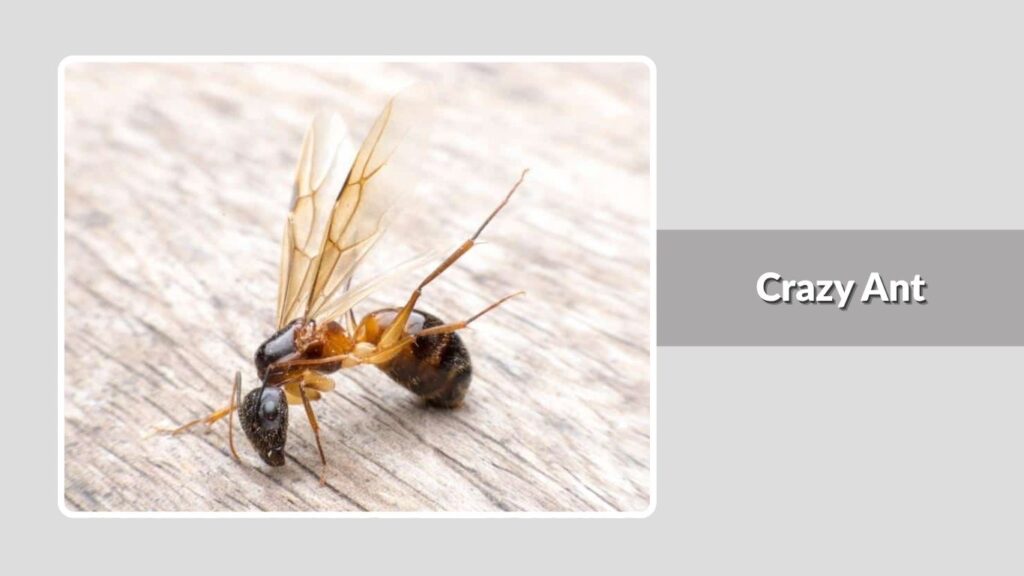
“Crazy ant” describes several species known for rapid, erratic movement. Two notable examples are the longhorn crazy ant, Paratrechina longicornis, and the tawny crazy ant, Nylanderia fulva. Large infestations may occupy landscapes and buildings.
Identification
- Long legs and unusually long antennae
- Slender body
- Dark brown, blackish, or reddish-brown color
- Fast, irregular running pattern
- One small waist node
- Winged forms have unequal pairs of wings
Habitat and Nesting
Crazy ants nest in soil, mulch, leaf litter, rotten wood, wall voids, plant pots, and beneath debris. Some invasive species thrive in moist landscapes and may move into buildings during extreme heat, heavy rain, or dry conditions.
Swarming Behavior
Winged adults may emerge seasonally, but colonies can also spread through budding. Because some crazy ant species have multiple queens, they can form dense populations and occupy extensive areas around homes.
Risks and Control
Crazy ants may invade electrical equipment, where large numbers can contribute to short circuits or equipment failure. Reduce clutter and moisture, trim vegetation, seal building gaps, and use suitable baits. Extensive outdoor infestations may require professional management and repeated monitoring.
11. Little Black Ant
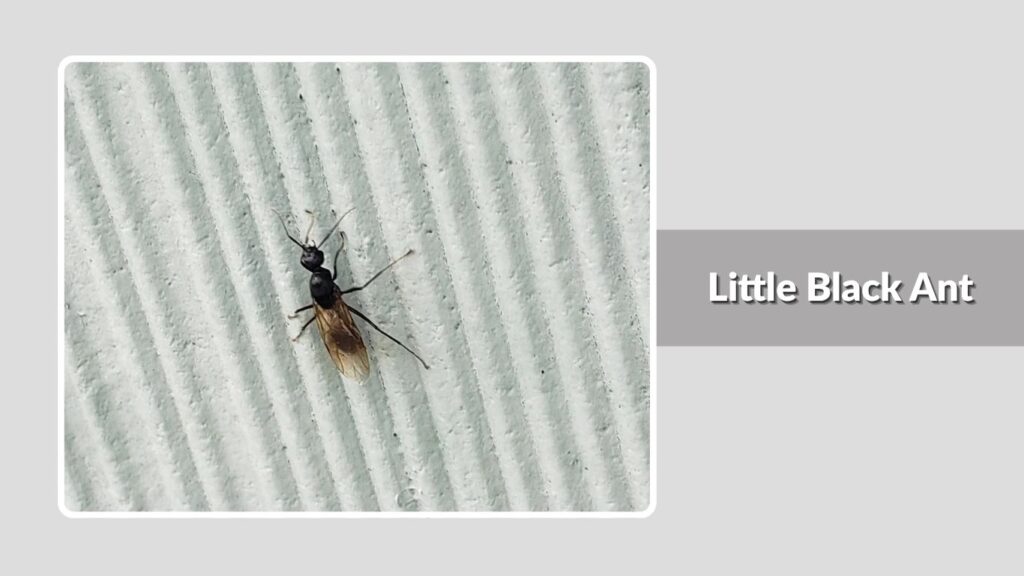
The little black ant, Monomorium minimum, is a tiny, shiny species commonly found in gardens and around homes. Its small workers form visible trails while searching for sweet liquids, grease, insects, and household food.
Identification
- Shiny black or very dark brown body
- Workers approximately 1⁄16 inch long
- Two nodes in the waist
- Elbowed antennae
- Winged queens considerably larger than workers
- Front wings longer than the rear wings
Habitat and Nesting
Little black ants nest beneath stones, logs, bark, mulch, and decaying wood. Colonies can also occur in wall voids, masonry cracks, cabinets, and spaces around window frames. Outdoor nests are often close to vegetation supporting honeydew-producing insects.
Swarming Behavior
Winged males and queens generally appear from late spring through summer. Swarmers may gather near windows and lights when a colony is located in or close to a building. The adults eventually mate, and fertilized queens attempt to establish new nests.
Risks and Control
These ants do not cause serious structural damage, but workers can become persistent kitchen pests. Remove crumbs and spills, store food securely, seal cracks, trim vegetation away from walls, and use ant bait along trails. Avoid spraying directly around bait placements.
FAQs
Why do flying ants suddenly appear?
Flying ants emerge when a mature colony releases reproductive males and queens for mating. Warm temperatures, high humidity, light winds, and recent rainfall can trigger synchronized flights. This timing explains why hundreds of winged ants may seem to appear in one place without warning.
Does finding flying ants mean there is a nest in my house?
A few flying ants may have entered from outdoors, especially through open windows or doors. Repeated indoor swarms, however, can indicate a colony in a wall, floor, roof space, or damaged wood. Observe where the insects emerge and consider arranging an inspection.
How can I tell a flying ant from a termite?
Flying ants have elbowed antennae, narrow waists, and front wings larger than their rear wings. Termites have straight, bead-like antennae, broad waists, and four nearly equal wings. Termite wings are also fragile and commonly collect in matching piles after a swarm.
Do flying ants bite or sting?
The ability to bite or sting depends on the species. Carpenter and field ants may bite, while fire ants can inflict painful stings. The winged reproductive forms are usually focused on mating and are less likely to attack, but workers near a disturbed nest may respond defensively.
How long do flying ants stay around?
A mating flight may last only several hours, although stragglers can remain visible for a few days. Males generally die after mating, while fertilized queens remove their wings and search for nesting sites. Continued indoor appearances may indicate multiple swarms or an established colony.