
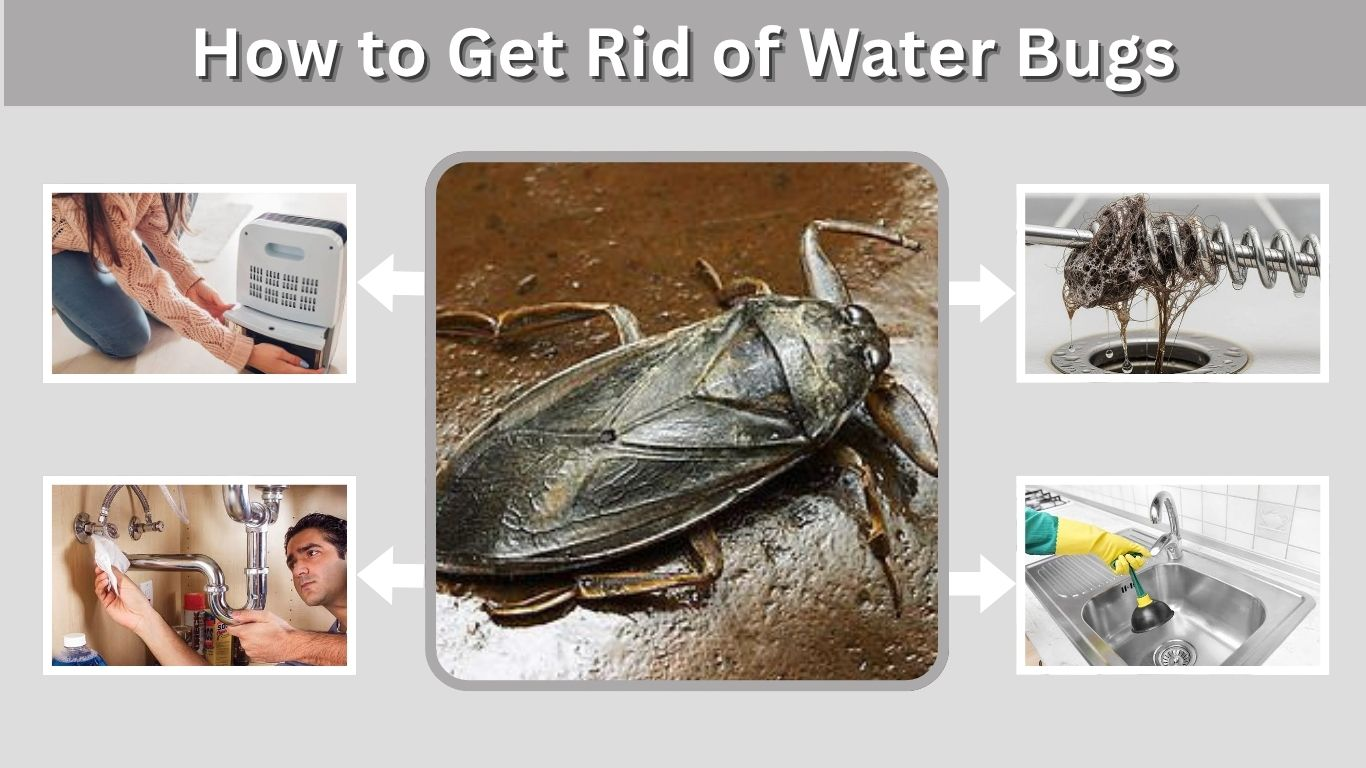
Water bugs are unpleasant to find in your home, especially when they appear in bathrooms, kitchens, basements, drains, or pools. In many cases, the “water bug” people see indoors is actually a large cockroach. The good news is that you can reduce them by removing moisture, sealing entry points, cleaning food sources, and using the right treatment method.
What Are Water Bugs?
Before learning how to get rid of water bugs, it helps to know what you are dealing with. The term “water bug” can mean different things. True water bugs are aquatic insects that live near ponds, lakes, pools, and wet outdoor areas. However, many homeowners use the name “water bug” for large roaches, especially oriental cockroaches and American cockroaches.
This difference matters because true water bugs usually enter homes by accident, while cockroach-like water bugs can infest indoor spaces. If you keep seeing them inside, especially near drains, food, trash, or damp areas, you may be dealing with roaches rather than harmless outdoor insects.
Why Water Bugs Come Inside
Water bugs and roach-like pests usually come indoors looking for moisture, shelter, warmth, or food. Bathrooms, kitchens, basements, garages, laundry rooms, and drains are common hiding areas because they provide damp conditions.
Common reasons water bugs enter homes include:
- Leaky pipes or damp cabinets
- Food crumbs, grease, or open trash
- Gaps around doors, windows, and pipes
- Floor drains or sewer access points
- Clutter in basements or garages
- Outdoor lights near entry doors
- Heavy rain or flooding outside
If you remove these attractants, you make your home less inviting to both water bugs and cockroaches.
How to Get Rid of Water Bugs in the House
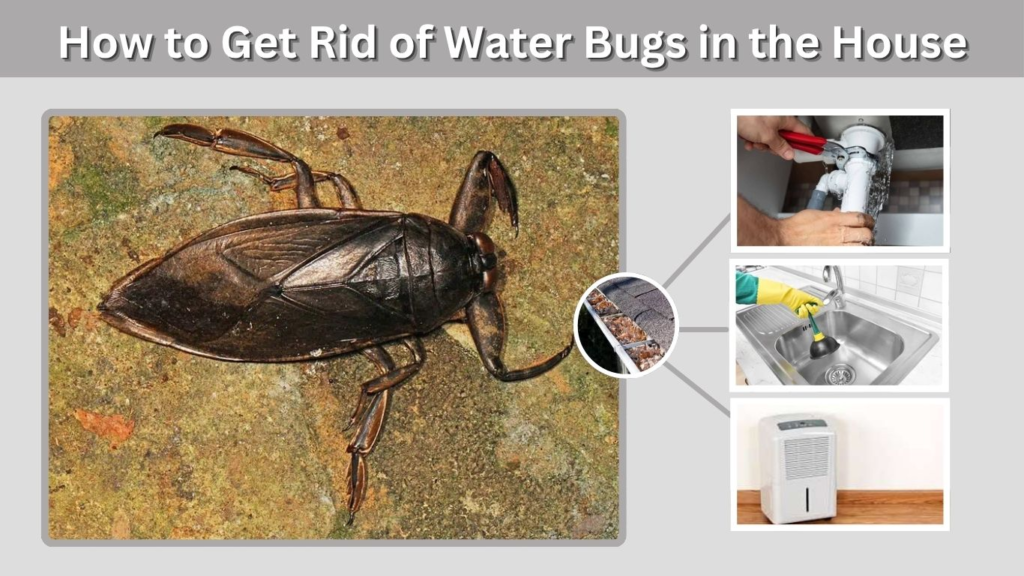
Getting rid of water bugs in the house requires more than killing the one you see. You need to find out where they are entering, what is attracting them, and whether they are breeding indoors.
Start by inspecting the rooms where you see activity. Look under sinks, behind appliances, near baseboards, around drains, inside cabinets, and in damp storage areas. If you notice droppings, egg cases, musty smells, or multiple insects, the problem may be more serious than a random outdoor bug.
| Area | Why Water Bugs Appear | Best Solution |
| Bathroom | Moisture, drains, pipe gaps | Fix leaks, clean drains, seal gaps |
| Kitchen | Food, grease, water | Deep clean, store food, use bait |
| Basement | Dampness, clutter, cracks | Dehumidify, declutter, seal cracks |
| Pool | Algae, insects, standing water | Clean pool, balance water, skim daily |
| Garage | Outdoor entry, storage clutter | Seal doors, remove cardboard, reduce moisture |
Step-by-Step Indoor Removal
Use a full-home approach for better results:
- Clean food sources: Wipe counters, sweep floors, clean grease, and store food in sealed containers.
- Fix moisture problems: Repair leaks under sinks, around toilets, near water heaters, and behind appliances.
- Seal entry points: Close gaps around pipes, doors, windows, vents, and baseboards.
- Use roach bait if needed: If the “water bugs” are roaches, bait is often more effective than spray.
- Reduce hiding spots: Remove cardboard, paper piles, and clutter from damp areas.
Sprays may kill visible bugs, but they usually do not solve the source of the problem. For cockroach-like water bugs, bait and sanitation are usually more effective.
How to Get Rid of Water Bugs in the Bathroom
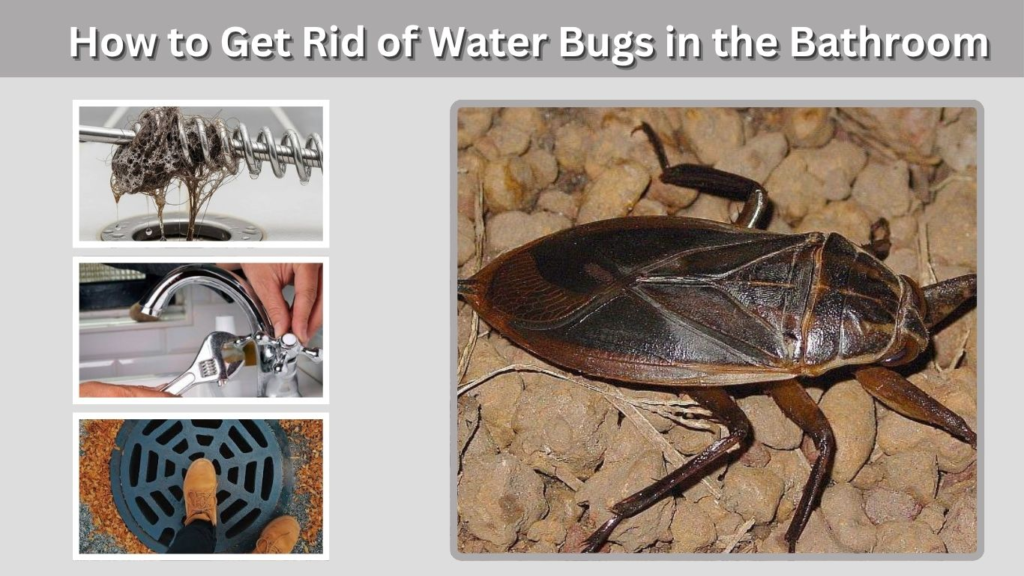
Bathrooms are one of the most common places to find water bugs because they provide moisture and drain access. If you see them near the bathtub, shower, toilet, or sink, inspect the plumbing and nearby cracks.
Water bugs in the bathroom may come from gaps around pipes, loose drain covers, damaged caulk, or damp wall voids. They may also enter from nearby basements, crawl spaces, or shared plumbing lines in apartment buildings.
Bathroom Treatment Tips
To get rid of water bugs in the bathroom:
- Clean hair, soap scum, and organic buildup from drains.
- Fix dripping faucets and leaking toilet seals.
- Keep the bathroom dry after showers.
- Seal gaps around pipes under sinks and behind toilets.
- Use drain covers where needed.
- Place roach bait in hidden, dry areas away from water.
Avoid pouring harsh chemicals into drains without knowing the cause. Drain cleaners may remove buildup, but they will not always stop roaches or insects from entering through plumbing gaps.
How to Get Rid of Water Bugs in Drains
Many people search for how to get rid of water bugs in drains because the pests seem to appear from sinks, tubs, or floor drains. Sometimes they are not actually living in the drain but entering through gaps around the plumbing.
Still, drains can attract pests when they contain organic matter, grease, hair, soap residue, or standing water. Cleaning drains can reduce smells and food sources that draw insects.
Drain Cleaning and Prevention
Here are practical ways to reduce drain-related activity:
- Scrub drain openings with a stiff brush.
- Remove visible hair, sludge, and debris.
- Flush drains with hot water regularly.
- Keep floor drains covered when not in use.
- Repair broken drain covers or loose fittings.
- Seal gaps where pipes enter walls or floors.
If water bugs keep appearing from drains after cleaning, the issue may involve sewer access, pipe gaps, or a larger roach problem. In that case, professional inspection may be needed.
How to Get Rid of Water Bugs in the Kitchen
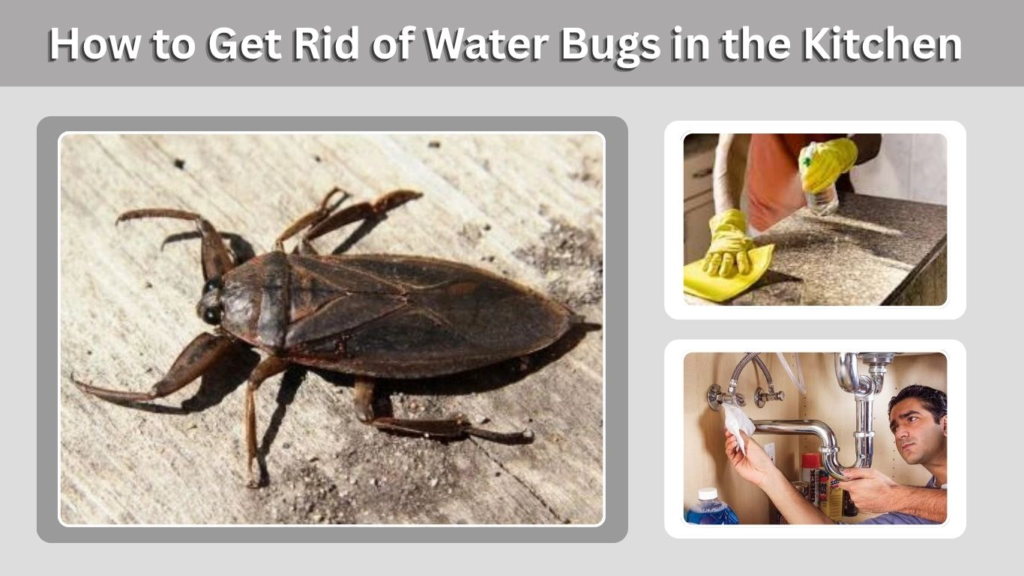
The kitchen is one of the most important areas to treat because food, water, warmth, and hiding places are all available there. If you see water bugs in the kitchen, they may be cockroaches.
Focus on areas behind the refrigerator, stove, dishwasher, sink cabinet, trash can, pantry, and baseboards. Roach-like water bugs can hide in tight spaces during the day and come out at night.
Kitchen Control Steps
To control water bugs in the kitchen:
- Store dry food in sealed containers.
- Clean crumbs from counters, floors, and cabinets.
- Remove grease behind and under appliances.
- Empty trash daily and use a covered bin.
- Do not leave pet food out overnight.
- Fix leaks under the sink or dishwasher.
- Place bait in hidden areas where children and pets cannot reach it.
If you see small roaches along with large water bugs, treat the problem quickly. Small roaches may indicate breeding activity.
How to Get Rid of Water Bugs in the Basement
Basements are attractive to water bugs because they are often dark, humid, and cluttered. Water bugs may enter through foundation cracks, floor drains, sump pump areas, windows, garage connections, or utility openings.
A damp basement can also attract roaches, silverfish, spiders, and other pests. Moisture control is one of the best long-term solutions.
Basement Prevention Tips
To get rid of water bugs in the basement:
- Use a dehumidifier if the basement feels damp.
- Fix foundation leaks and plumbing leaks.
- Store items in plastic bins instead of cardboard boxes.
- Keep floor drains clean and covered.
- Seal cracks along walls and floors.
- Check door sweeps and basement windows.
- Remove clutter where insects can hide.
For severe activity, inspect the outside foundation too. Outdoor moisture and cracks often contribute to basement pest problems.
How to Get Rid of Water Bugs in an Apartment
Getting rid of water bugs in an apartment can be harder because pests may move between units through walls, plumbing lines, trash rooms, and shared spaces. Even if your unit is clean, nearby infestations can still cause problems.
If you live in an apartment, document when and where you see the bugs. Take photos if possible and report recurring sightings to management or maintenance.
Apartment Control Tips
In an apartment, focus on both prevention and communication:
- Seal gaps around pipes under sinks.
- Keep food stored and trash covered.
- Clean under appliances and inside cabinets.
- Report leaks immediately.
- Ask management about building-wide pest treatment.
- Avoid using sprays that may scatter roaches into other areas.
- Use baits carefully in hidden locations.
If several units have the same issue, one-unit treatment may not be enough. Building-level pest control is often needed.
How to Get Rid of Water Bugs in a Pool
Pool water bugs are different from indoor cockroach-like water bugs. In pools, people may see water boatmen, backswimmers, or other aquatic insects. These bugs are often attracted to algae, smaller insects, and poorly maintained water.
If you want to know how to get rid of water bugs in a pool, the solution usually starts with improving pool maintenance rather than using indoor pest products.
Pool Water Bug Control
To remove water bugs from a pool:
- Skim the pool daily to remove insects.
- Brush pool walls and steps to remove algae.
- Vacuum the pool regularly.
- Keep chlorine and pH levels balanced.
- Run the pump and filtration system properly.
- Remove leaves and organic debris.
- Reduce outdoor lights near the pool at night.
If water bugs keep returning, check for algae growth. Many pool insects are attracted to algae or to smaller bugs feeding on algae.
Home Remedies for Water Bugs
Many people look for how to get rid of water bugs home remedy options before using chemical treatments. Some natural methods may help reduce activity, but they are usually best for prevention or minor problems.
Home remedies are not always enough for a cockroach infestation. If the water bugs are actually roaches, especially if you see baby roaches, droppings, or repeated activity, stronger treatment may be needed.
Natural Methods That May Help
You can try these low-risk home methods:
- Keep surfaces dry and clean.
- Use sealed containers for food.
- Remove standing water.
- Vacuum visible bugs and dispose of the bag.
- Clean drains and garbage areas.
- Use door sweeps and weatherstripping.
- Reduce outdoor lighting near entry points.
Some people use vinegar for cleaning surfaces and drains. Vinegar may help remove residue and odors, but it is not a reliable treatment for an established roach infestation.
How to Get Rid of Water Bugs Outside
Outdoor water bugs and roach-like pests often gather around damp areas, leaf litter, trash cans, mulch, drains, porches, and bright lights. If they are entering your home, the outside perimeter may need attention.
Start by checking the areas closest to doors, windows, foundation cracks, basement entries, and garage doors. Reducing moisture and hiding spots outside can prevent indoor problems.
Outdoor Prevention Steps
To reduce water bugs outside:
- Move trash cans away from doors.
- Keep lids tightly closed.
- Remove leaf litter and yard debris.
- Avoid overwatering near the foundation.
- Trim vegetation away from walls.
- Seal foundation cracks and utility openings.
- Replace damaged door sweeps.
- Reduce unnecessary outdoor lights at night.
If you have a porch or garage problem, inspect weatherstripping and storage clutter. These areas often create easy entry points.
How to Get Rid of Water Bugs Permanently
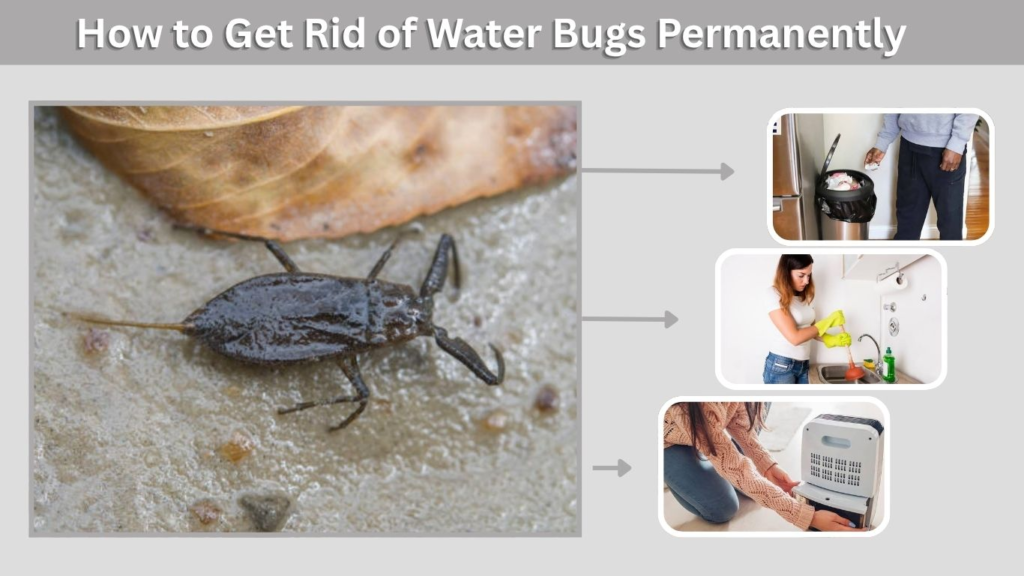
To get rid of water bugs permanently, you need to solve the conditions that attract them. Killing visible bugs may give short-term relief, but moisture, food, gaps, and clutter will keep bringing them back.
A permanent control plan should include sanitation, moisture repair, exclusion, monitoring, and treatment when needed. This is especially important if your “water bugs” are actually cockroaches.
Long-Term Prevention Plan
Follow these habits to keep water bugs away:
- Fix leaks quickly.
- Keep kitchens and bathrooms dry.
- Clean drains regularly.
- Seal gaps around plumbing and walls.
- Store food in airtight containers.
- Remove trash every night.
- Keep basements and garages organized.
- Use a dehumidifier in damp areas.
- Schedule pest control if bugs keep returning.
For severe infestations, professional pest control may be the fastest and safest way to solve the problem.
When to Call Pest Control
You may be able to handle one or two occasional water bugs on your own. But repeated sightings can mean there is a hidden infestation or entry problem.
Call a professional if you see bugs often, notice baby roaches, find droppings, smell a musty odor, or keep seeing them after cleaning and sealing. Professional inspection is also smart for apartments, commercial kitchens, restaurants, basements, and homes with recurring moisture problems.
A pest control expert can identify whether the insect is a true water bug, oriental cockroach, American cockroach, German cockroach, or another pest. Correct identification helps determine the best treatment.
FAQs
What is the fastest way to get rid of water bugs?
The fastest way is to remove visible bugs, clean food and moisture sources, seal entry points, and use proper bait if they are cockroach-like water bugs. Sprays may kill the insects you see, but bait and prevention usually work better for long-term control.
Why do I have water bugs in my house?
Water bugs may enter because of moisture, food, shelter, or gaps around doors, pipes, drains, and windows. In many homes, “water bugs” are actually large roaches attracted to damp areas like bathrooms, basements, kitchens, and laundry rooms.
Can vinegar get rid of water bugs?
Vinegar can help clean surfaces, drains, and odors, but it is not a dependable solution for a real infestation. It may support prevention by improving sanitation, but roach-like water bugs usually require sealing, moisture control, baiting, and sometimes professional treatment.
How do I get rid of water bugs in my bathroom?
Fix leaks, clean drains, dry wet areas, seal pipe gaps, and check around toilets, tubs, and sink cabinets. If the bugs keep returning, they may be entering through plumbing gaps or nearby wall voids, especially in apartments or older homes.
Do water bugs mean my house is dirty?
Not always. Water bugs can enter clean homes through gaps, drains, basements, or outdoor access points. However, crumbs, grease, trash, clutter, and moisture can make the problem worse. Keeping the home clean and dry helps reduce the chance of recurring activity.