
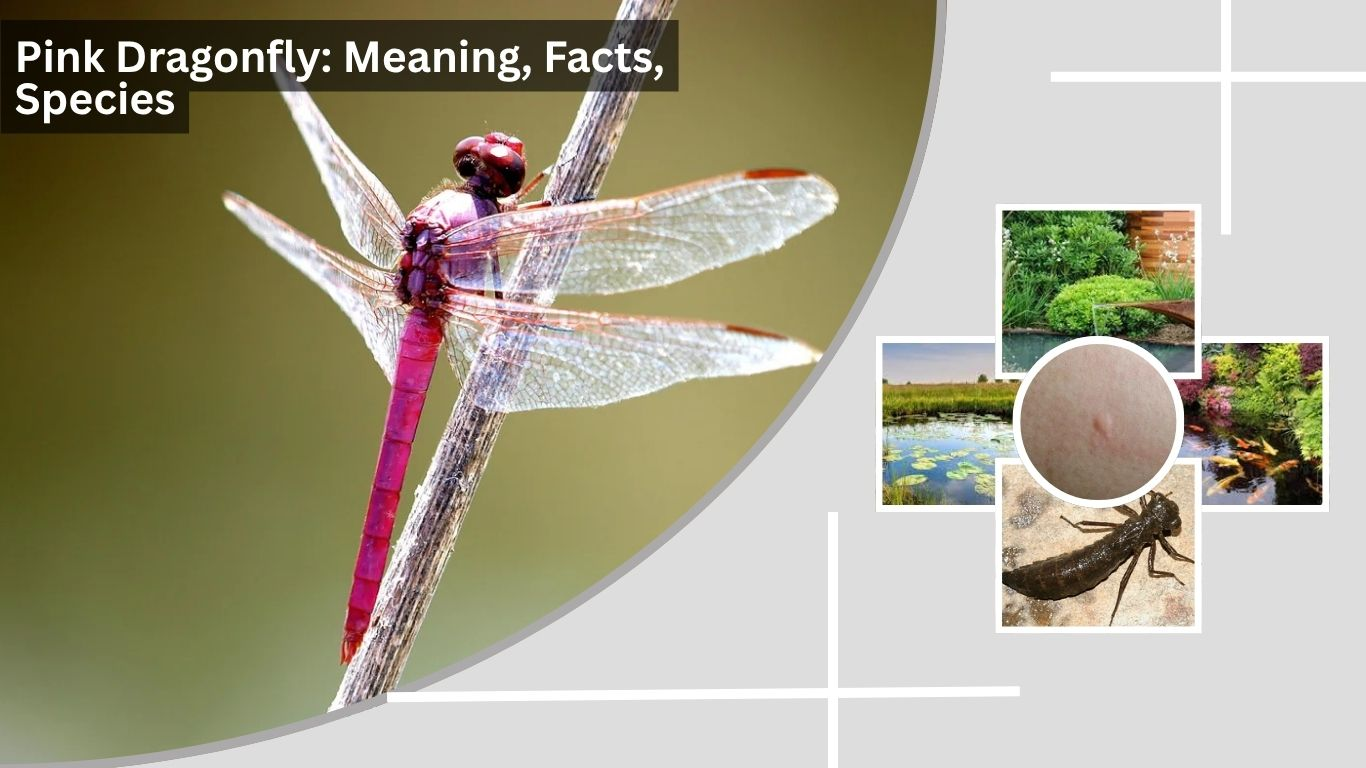
A pink dragonfly is one of the most eye-catching insects you can see near ponds, wetlands, gardens, and sunny water edges. While many people search for a “pink dragonfly” as if it is one exact species, the term usually describes dragonflies with rose, magenta, purple, or reddish-pink coloring. The best-known example is the male roseate skimmer, a bright dragonfly with a rosy-pink abdomen and purple tones. This guide explains what pink dragonflies are, where they live, what they mean, and why they are so fascinating.
What Is a Pink Dragonfly?
A pink dragonfly is not always a separate official species name. Instead, it is a common description used for dragonflies that appear pink, rose, magenta, lavender, or reddish-purple. The color may be strongest on the abdomen, thorax, face, or wing veins, depending on the species and sex of the insect.
The most famous pink-looking dragonfly is the roseate skimmer. Male roseate skimmers are especially noticeable because their bodies can appear bright pink or rosy-purple in sunlight. Females, however, are usually less pink and may look golden-brown, orange-brown, or tan.
Why Some Dragonflies Look Pink
Dragonfly color comes from pigments, body structure, age, sex, and lighting. Some dragonflies become brighter as they mature. Others may look different depending on the angle of the sun. A dragonfly that appears purple from one direction may look pink or reddish from another.
Pink coloring is most often seen in males of certain species. This bright color can help with species recognition, mating displays, and territorial behavior.
The Roseate Skimmer: The Most Famous Pink Dragonfly
When people talk about a pink dragonfly, they are often referring to the roseate skimmer. Its scientific name is Orthemis ferruginea. It belongs to the skimmer family, a large group of dragonflies known for strong flight, colorful bodies, and frequent perching in sunny areas.
Male roseate skimmers are known for their pink, rose, lavender, or purplish abdomen. Their thorax may also show lavender-blue or purple tones, and the face and eyes can appear deep reddish or metallic purple. This makes the male one of the most colorful dragonflies in North America and nearby regions.
Male vs. Female Roseate Skimmer
The male and female roseate skimmer look quite different. This is called sexual dimorphism, which simply means that males and females of the same species have different appearances.
Male roseate skimmers usually have the bright pink or rosy-purple coloring people notice most. Females are typically yellowish, orange-brown, golden-brown, or tan. Because of this, a person may see a female roseate skimmer and not realize it belongs to the same species as the vivid pink male.
Pink Dragonfly Identification
Identifying a pink dragonfly starts with looking at color, body shape, wing position, habitat, and behavior. Dragonflies hold their wings open when resting, unlike damselflies, which often fold their wings together.
A pink dragonfly may have a long, slim abdomen, clear wings, large compound eyes, and a strong, direct flight pattern. If it is a roseate skimmer, it may perch on reeds, twigs, stems, or open plant tips near water.
Key Features to Look For
When identifying a possible pink dragonfly, check for:
- A rose, pink, magenta, or purple abdomen
- Clear wings with small dark markings near the tips
- Large eyes that may look reddish or purple
- A strong, fast flight style
- Perching near ponds, ditches, wetlands, or streams
- Bright color that is stronger in males
- Activity during warm, sunny weather
Color alone is not always enough for identification. Lighting, age, location, and sex can change how a dragonfly appears. A photo from the side and top can help with more accurate identification.
Where Do Pink Dragonflies Live?
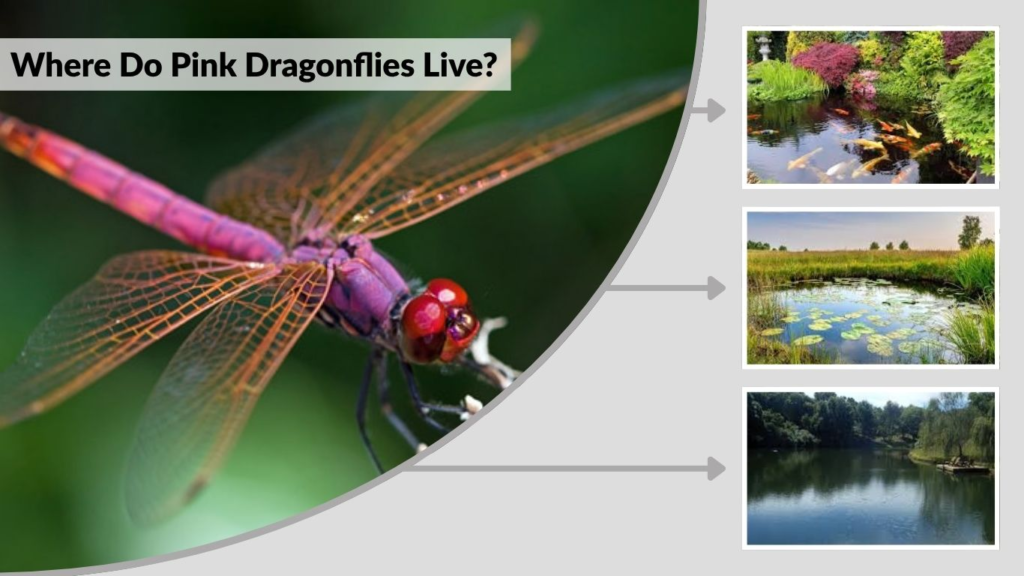
Pink dragonflies, especially roseate skimmers, are usually found near water. Like all dragonflies, they need aquatic habitats for the early part of their life cycle. Their young, called nymphs or naiads, live in water before emerging as flying adults.
You may see pink dragonflies around ponds, lakes, wetlands, marshes, canals, slow streams, roadside ditches, and garden water features. Adults often perch in sunny spots close to water, waiting for prey or defending territory.
Common Habitats
Pink dragonflies may be found in:
- Garden ponds
- Natural ponds and lakes
- Marshes and wetlands
- Slow-moving streams
- Canals and drainage ditches
- Water gardens
- Sunny vegetation near water
- Warm, open landscapes
They are especially noticeable on sunny days because their color shines against green plants, brown reeds, or blue water.
What Do Pink Dragonflies Eat?
Pink dragonflies are predators. Adult dragonflies catch and eat small flying insects. They are skilled hunters, using speed, sharp vision, and quick turns to capture prey in the air.
Their diet may include mosquitoes, gnats, flies, midges, small moths, and other tiny flying insects. This makes dragonflies useful around gardens and water areas because they help reduce some nuisance insects naturally.
Dragonfly nymphs are also predators. They live underwater and eat small aquatic animals, insect larvae, mosquito larvae, tadpoles, and other small prey they can catch.
Pink Dragonfly Life Cycle
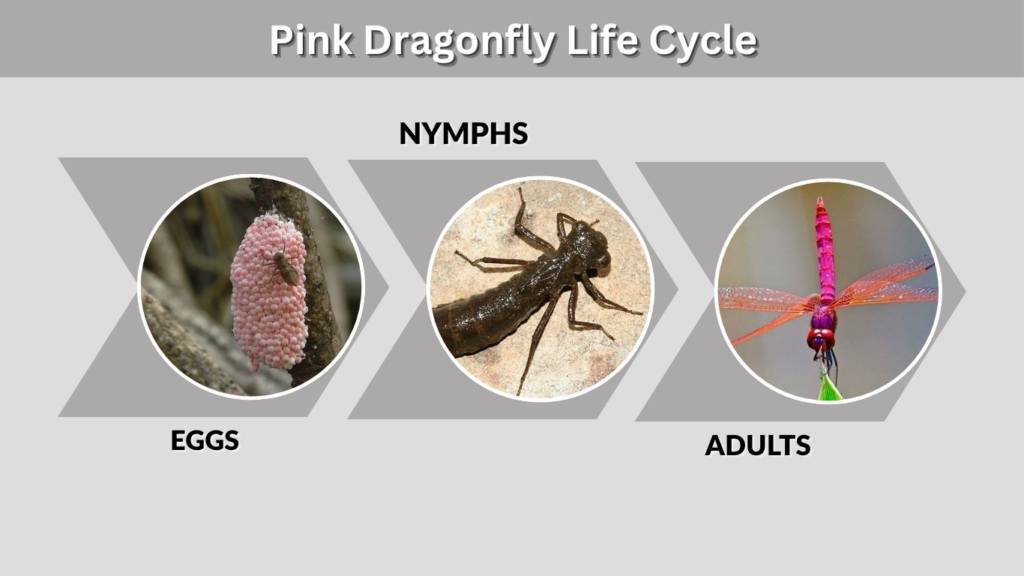
The life cycle of a pink dragonfly has three main stages: egg, aquatic nymph, and flying adult. The adult female lays eggs in or near water. After the eggs hatch, the young dragonflies live underwater as nymphs.
The nymph stage can last weeks, months, or longer depending on the species and environment. During this time, the nymph hunts underwater. When it is ready to become an adult, it climbs onto a plant stem, rock, or other surface. Then the adult dragonfly emerges from the old nymph skin.
Life Cycle Stages
| Stage | Where It Happens | What Happens |
| Egg | In or near water | Female lays eggs in suitable aquatic habitat |
| Nymph | Underwater | Young dragonfly hunts small aquatic prey |
| Emergence | Plant stems or surfaces near water | Adult leaves the old nymph skin |
| Adult | Air and vegetation near water | Dragonfly hunts, mates, and lays eggs |
The adult stage is the part people notice most because of the color and flight. However, the hidden underwater stage is essential to the dragonfly’s survival.
Pink Dragonfly Meaning and Symbolism
Pink dragonflies are often associated with beauty, transformation, emotional healing, love, joy, and lightness. In general symbolism, dragonflies are connected with change because they begin life underwater and later transform into flying adults.
The pink color adds a softer meaning. Pink is often linked with affection, gentleness, kindness, hope, and emotional warmth. Because of this, a pink dragonfly may be seen as a symbol of positive change, healing after difficulty, or a reminder to move through life with grace.
Spiritual Meaning of a Pink Dragonfly
For people interested in spiritual symbolism, a pink dragonfly may represent emotional renewal. It can symbolize the ability to rise from a difficult period and see life from a new perspective.
Some people also connect pink dragonflies with love, compassion, and personal growth. While these meanings are symbolic rather than scientific, they are popular in art, tattoos, jewelry, and nature writing.
Is Seeing a Pink Dragonfly Rare?
Seeing a pink dragonfly can feel rare because bright pink is not one of the most common dragonfly colors. Many dragonflies are blue, green, brown, red, black, or yellow. Pink and purple tones are less common and can be very striking.
However, in areas where roseate skimmers are common, seeing a pink dragonfly may not be extremely rare during the right season. Location matters. If you live in or visit a region where the species is widespread, you may see males around ponds and wetlands during warm months.
Why It May Seem Rare
Pink dragonflies may seem rare because:
- Not all regions have pink-colored species
- Females may not be pink
- Males may only show bright color when mature
- They are most active in warm, sunny conditions
- They may stay near water habitats
- Their color can change with lighting and angle
A person who does not spend much time near ponds or wetlands may never notice one, even if the species exists nearby.
Are Pink Dragonflies Dangerous?
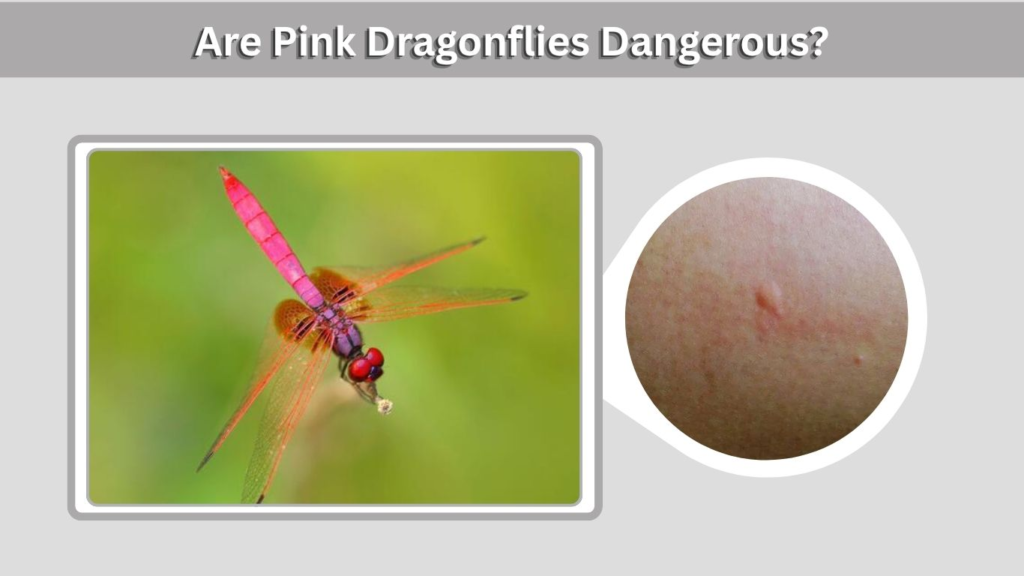
Pink dragonflies are not dangerous to people. They do not sting, and they are not aggressive toward humans. A dragonfly may fly close to you while hunting insects, but it is not trying to attack.
Dragonflies have strong jaws for catching and eating small insects, but they rarely bite people. If handled roughly, a large dragonfly might pinch or bite in defense, but this is uncommon and not medically serious for most people.
Are They Good for Gardens?
Yes, pink dragonflies can be good for gardens, especially if your garden has a pond or water feature. They help control small flying insects and add biodiversity. Their presence often suggests that the area has suitable water, vegetation, and insect life.
How to Attract Pink Dragonflies to Your Yard
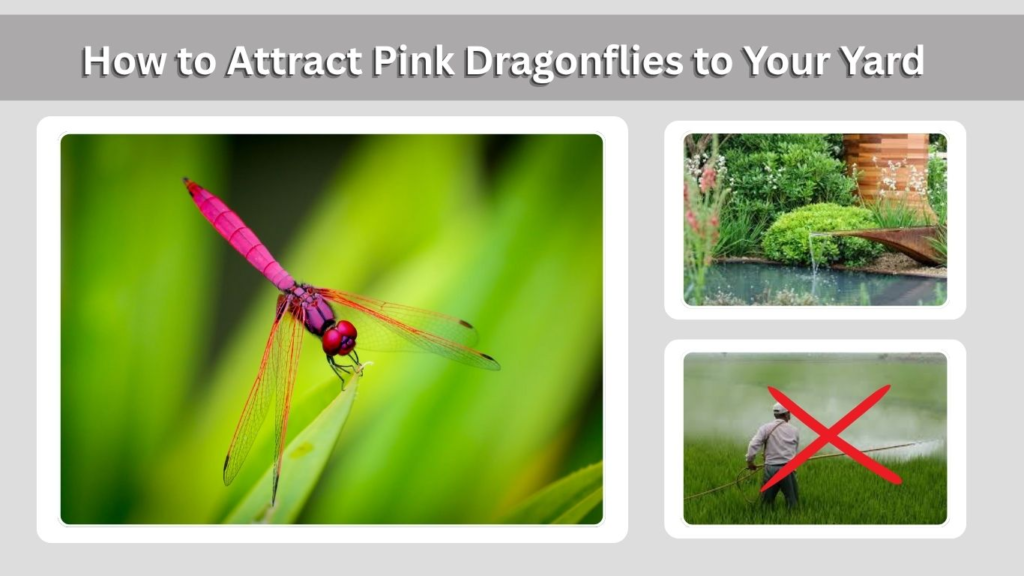
If pink dragonflies live in your region, the best way to attract them is to create a dragonfly-friendly habitat. Water is the most important feature. Dragonflies need water for egg-laying and nymph development.
A small pond, water garden, or natural wet area can attract dragonflies if it has the right conditions. Avoid using too many pesticides, because dragonflies need insects to eat and clean water for their young.
Dragonfly-Friendly Yard Tips
To attract dragonflies, try these steps:
- Add a small pond or water feature
- Include aquatic plants and upright stems
- Keep part of the pond sunny
- Avoid pesticide use near water
- Provide rocks, reeds, or sticks for perching
- Grow native plants around the water
- Avoid adding fish that eat dragonfly nymphs
- Keep water quality healthy
A balanced habitat is better than a decorative pond with no plants or hiding places. Dragonflies need places to perch, hunt, mate, and emerge from the water.
Pink Dragonfly in Art, Tattoos, and Design
The pink dragonfly is popular in art because it combines two powerful symbols: the dragonfly and the color pink. Dragonflies often represent change, freedom, adaptability, and transformation. Pink adds ideas of love, tenderness, beauty, and emotional growth.
A pink dragonfly tattoo may symbolize a personal transformation guided by love or healing. In home decor, jewelry, and illustrations, pink dragonflies often create a soft, magical, or feminine feeling.
Popular Pink Dragonfly Meanings in Design
A pink dragonfly may represent:
- Love and affection
- Emotional healing
- Personal transformation
- Grace and beauty
- Hope after change
- Joy and lightness
- A connection with nature
- A delicate but strong spirit
The meaning can be personal. For some, it may simply represent a beautiful memory of seeing a rare-looking insect near water.
How to Photograph a Pink Dragonfly
Photographing a pink dragonfly can be rewarding because the color stands out beautifully in natural light. The best time is usually on warm, sunny days when dragonflies are active but still pause to perch.
Move slowly and avoid casting a shadow over the insect. Watch where it lands. Many dragonflies return to the same perch again and again, especially males defending territory.
Simple Photography Tips
Use these tips:
- Approach slowly from the side
- Focus on the eyes
- Use natural sunlight
- Watch for repeated perching spots
- Take photos from several angles
- Keep the background simple
- Avoid disturbing the habitat
A clear side photo can also help with identification, especially if you want to confirm whether the dragonfly is a roseate skimmer or another species.
FAQs
What is a pink dragonfly called?
The most common pink-looking dragonfly people refer to is the roseate skimmer. The male roseate skimmer often has a rose-pink, magenta, or rosy-purple abdomen. However, “pink dragonfly” can also describe other dragonflies that appear pinkish because of lighting, age, or natural color variation.
Are pink dragonflies rare?
Pink dragonflies can seem rare because bright pink is not a common dragonfly color. In regions where roseate skimmers are common, males may be seen around ponds, wetlands, and sunny water edges during warm seasons. In other areas, sightings may be unusual or unlikely.
What does a pink dragonfly mean spiritually?
Spiritually, a pink dragonfly is often seen as a symbol of transformation, love, emotional healing, joy, and gentle change. The dragonfly represents growth and adaptability, while the pink color adds meanings connected with kindness, affection, and hope.
Do pink dragonflies bite?
Pink dragonflies are not dangerous and do not sting. They may bite only if handled roughly, and even then, the bite is usually minor. Dragonflies are predators of small insects, not people, and they normally fly away when disturbed.
Where can I find a pink dragonfly?
Look near ponds, wetlands, marshes, slow streams, canals, and sunny garden water features. Pink dragonflies are most likely to appear in warm weather near water, especially where there are plants for perching and plenty of small flying insects to eat.