
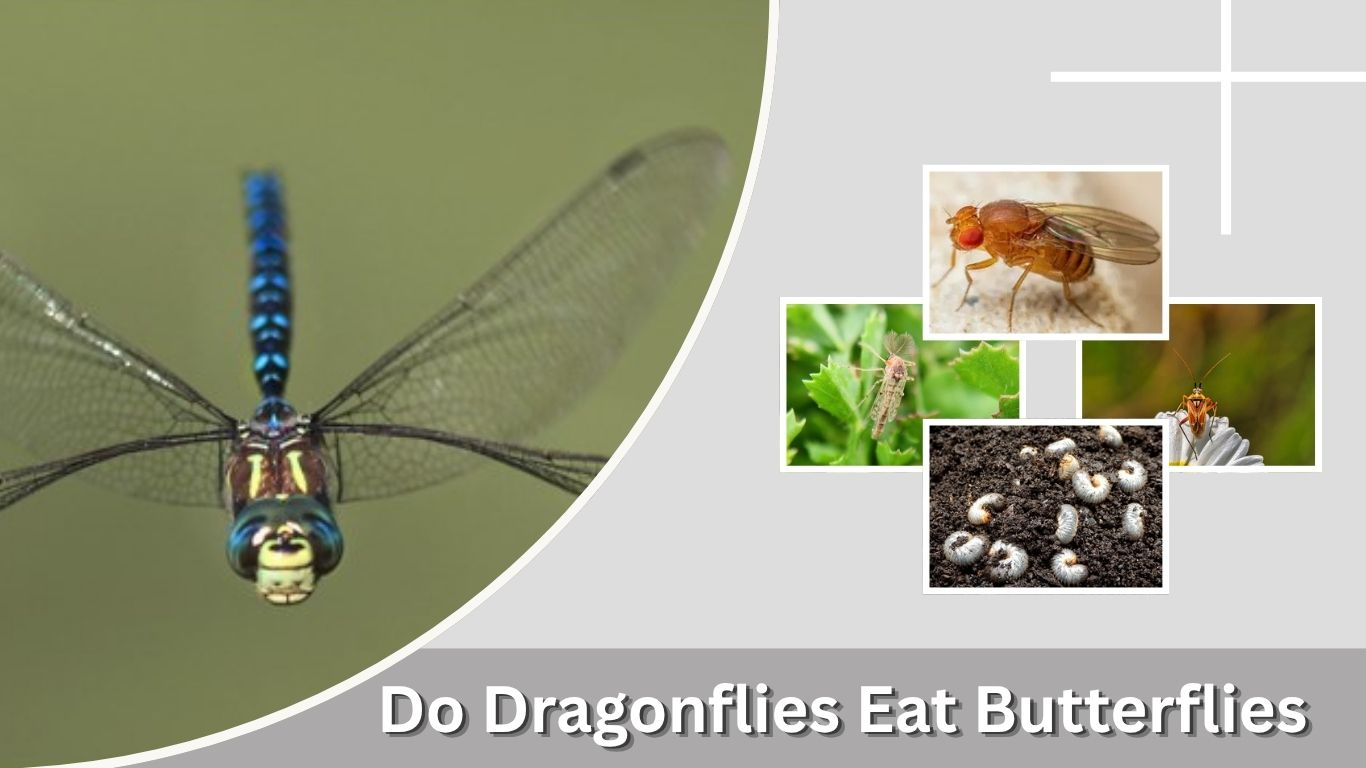
Dragonflies are among the most skilled aerial predators in the insect world. Their exceptional eyesight, lightning-fast reflexes, and powerful flight abilities allow them to capture a wide variety of prey while flying. Many people wonder whether dragonflies eat butterflies, especially when both insects are commonly seen in gardens, meadows, and wetlands. The answer is yes—dragonflies can and do eat butterflies under certain circumstances. Understanding their feeding habits helps reveal their important role in ecosystems and natural pest control.
Do Dragonflies Eat Butterflies?
Dragonflies are opportunistic predators that feed on many types of flying insects. While butterflies are not always their primary food source, they may become prey when the opportunity arises. The likelihood of a dragonfly catching a butterfly depends on factors such as size, speed, habitat, and availability of other insects.
The Short Answer
Yes, dragonflies can eat butterflies. Adult dragonflies are carnivorous hunters that capture insects during flight. If a butterfly is small enough and flies within reach, a dragonfly may pursue and consume it.
Why Butterflies Become Prey
Several factors make butterflies potential prey for dragonflies.
Common reasons include:
- Shared habitats
- Similar flight zones
- Availability of prey
- Opportunistic hunting behavior
- Competition for resources
Although butterflies are not the most common prey item, they occasionally become part of a dragonfly’s diet.
How Common Is It?
Dragonflies more frequently consume smaller insects such as mosquitoes and flies. However, larger dragonfly species are capable of capturing butterflies, moths, and even other dragonflies. Predation events are generally opportunistic rather than specialized hunting behavior.
What Do Dragonflies Eat?
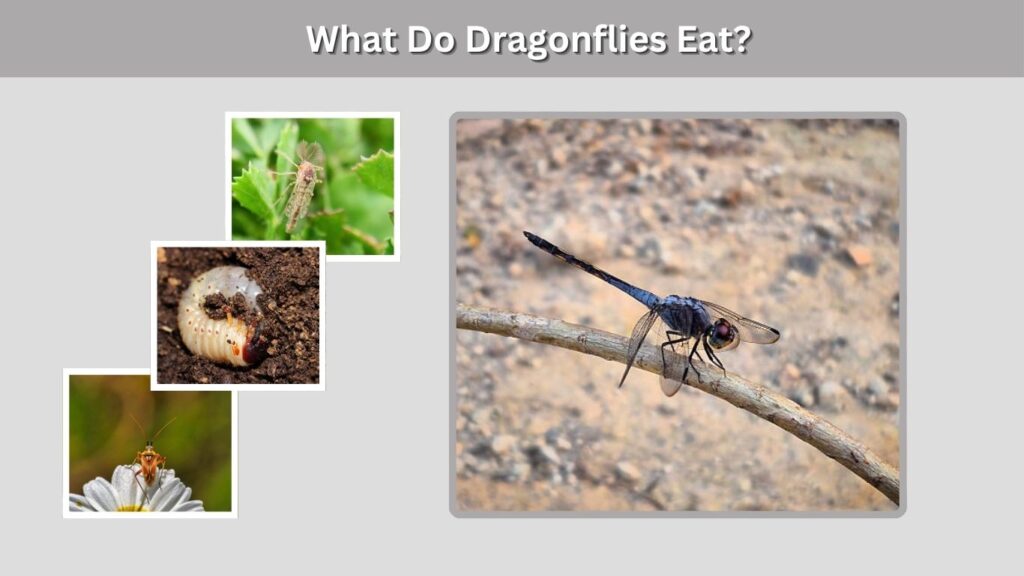
Dragonflies have a diverse diet that changes depending on their life stage. Both nymphs and adults are predators, although they hunt in different environments. Their feeding habits contribute significantly to controlling insect populations in many ecosystems.
Primary Food Sources
Most adult dragonflies focus on abundant flying insects that are easy to capture.
Common prey includes:
- Mosquitoes
- Flies
- Gnats
- Midges
- Small beetles
- Flying ants
These insects provide a reliable source of energy and are often available in large numbers.
Larger Prey Species
Some dragonfly species are capable of handling larger prey. Strong fliers with robust bodies may capture butterflies, moths, bees, and occasionally smaller dragonflies. Their success depends on speed, agility, and environmental conditions.
Dragonfly Diet by Life Stage
Dragonfly nymphs spend their lives underwater and feed on aquatic organisms. Adults switch to aerial hunting after emerging from the water. This change in habitat allows them to exploit different food sources throughout their development.
How Do Dragonflies Catch Butterflies?
Dragonflies are highly specialized hunters with remarkable flight abilities. Their success in capturing prey comes from a combination of speed, vision, and maneuverability. These characteristics allow them to intercept insects with extraordinary precision.
Exceptional Flying Skills
Dragonflies can accelerate rapidly, hover in place, fly backward, and change direction almost instantly. Their independent wing movement gives them unmatched control in the air. These abilities make escaping from a pursuing dragonfly extremely difficult for many insects.
Vision and Target Tracking
Dragonflies possess some of the most advanced eyes in the insect world. Their large compound eyes contain thousands of visual units that provide a nearly complete field of view. This visual advantage helps them detect movement and track prey with remarkable accuracy.
Aerial Hunting Techniques
Dragonflies employ several hunting methods depending on the situation.
Common hunting strategies include:
- Pursuit hunting
- Interception flight
- Ambush attacks
- Patrol hunting
Rather than chasing prey randomly, dragonflies often calculate an interception path and meet the target midair.
Why Are Dragonflies Such Effective Predators?
Dragonflies have remained successful predators for hundreds of millions of years because of specialized adaptations that enhance hunting efficiency. These features help them dominate the skies of ponds, wetlands, and gardens around the world.
Fast Flight Speeds
Many dragonfly species can fly at impressive speeds while maintaining excellent maneuverability. Their flight muscles and wing structure allow rapid acceleration and quick turns, making them formidable aerial hunters.
Specialized Eyesight
The enormous compound eyes of a dragonfly provide nearly 360-degree vision. This allows the insect to monitor its surroundings continuously and detect prey approaching from almost any direction.
Strong Legs and Mouthparts
Dragonflies capture prey using their spiny legs, which form a basket-like structure during flight. Once prey is secured, powerful mouthparts quickly begin consuming it. Many dragonflies are capable of eating their catch while still flying.
Do Dragonflies Eat Other Pollinators?
Dragonflies do not specifically target pollinators, but they will consume a wide range of flying insects when opportunities arise. Their role as generalist predators means that any suitably sized insect may become prey under favorable conditions.
Dragonflies and Bees
Bees occasionally fall victim to dragonflies, particularly larger species capable of handling stronger prey. Encounters typically occur near flowers, ponds, and open fields where both insects are active.
Dragonflies and Butterflies
Butterflies are more likely to be captured when they fly through dragonfly hunting territories. While dragonflies generally prefer abundant smaller insects, they will not ignore larger prey if the opportunity presents itself.
Dragonflies and Moths
Dragonflies also eat moths when they encounter them during active hunting. Moths are usually more active during evening or nighttime, while most dragonflies hunt during daylight. However, overlap can occur at dusk, especially near wetlands, gardens, and open fields where flying insects are abundant.
Dragonfly Food Web
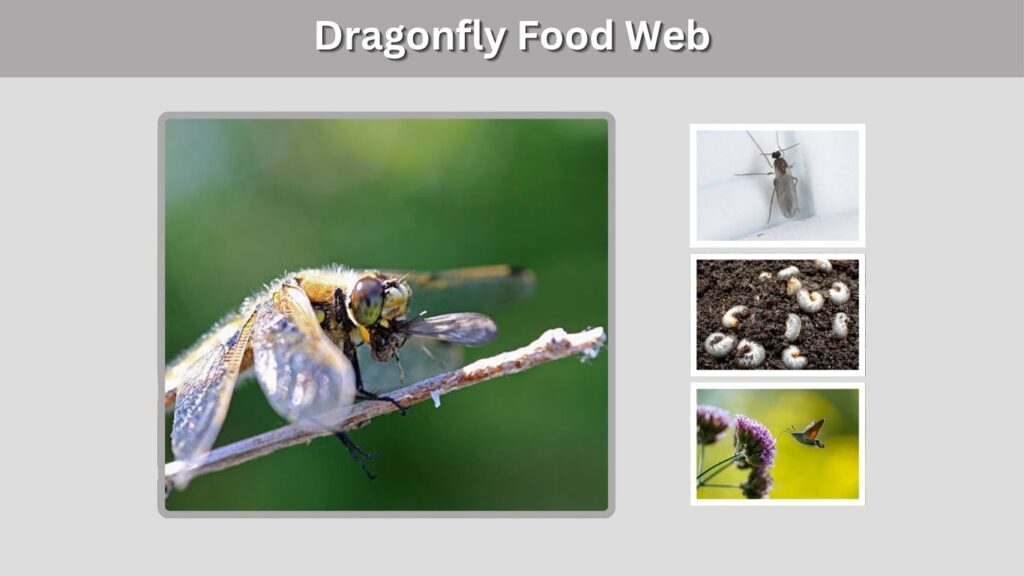
Dragonflies occupy an important position in the food web because they act as both predators and prey. Their feeding habits help control insect populations, while their presence provides food for many larger animals. This makes them valuable contributors to ecosystem balance in both aquatic and terrestrial environments.
Position in the Food Chain
Adult dragonflies are mid-level predators that feed on smaller flying insects. Their nymphs are also predators underwater, eating mosquito larvae, tadpoles, and other aquatic organisms. This dual role connects freshwater habitats with land-based ecosystems.
Dragonfly Prey
Dragonflies consume many insects depending on size, season, and habitat.
Common prey includes:
- Mosquitoes
- Flies
- Gnats
- Midges
- Moths
- Butterflies
- Bees
- Small dragonflies
This varied diet allows dragonflies to survive in many different environments.
Dragonfly Predators
Despite being skilled hunters, dragonflies are eaten by many animals. Birds, frogs, fish, spiders, lizards, and larger insects may prey on adults or nymphs. Their speed and agility help them escape, but they remain an important food source in nature.
Benefits of Dragonflies in Ecosystems
Dragonflies are beneficial insects because they help regulate populations of mosquitoes, flies, and other small insects. Their presence often indicates healthy wetland and freshwater habitats. By feeding on pests and supporting food webs, dragonflies contribute to biodiversity and ecological stability.
Mosquito Control
One of the most valued benefits of dragonflies is mosquito control. Both adults and nymphs consume mosquitoes at different life stages. Nymphs eat mosquito larvae underwater, while adult dragonflies catch flying mosquitoes in the air.
Natural Pest Management
Dragonflies help reduce populations of nuisance insects without the need for chemical pesticides. In gardens, wetlands, and farms, they support natural pest control by feeding on insects that may bother people or damage plants.
Biodiversity Support
Because dragonflies depend on clean water and diverse habitats, they are often signs of a balanced ecosystem. Their presence supports other wildlife and reflects the health of ponds, marshes, rivers, and wetlands.
Interesting Facts About Dragonfly Feeding
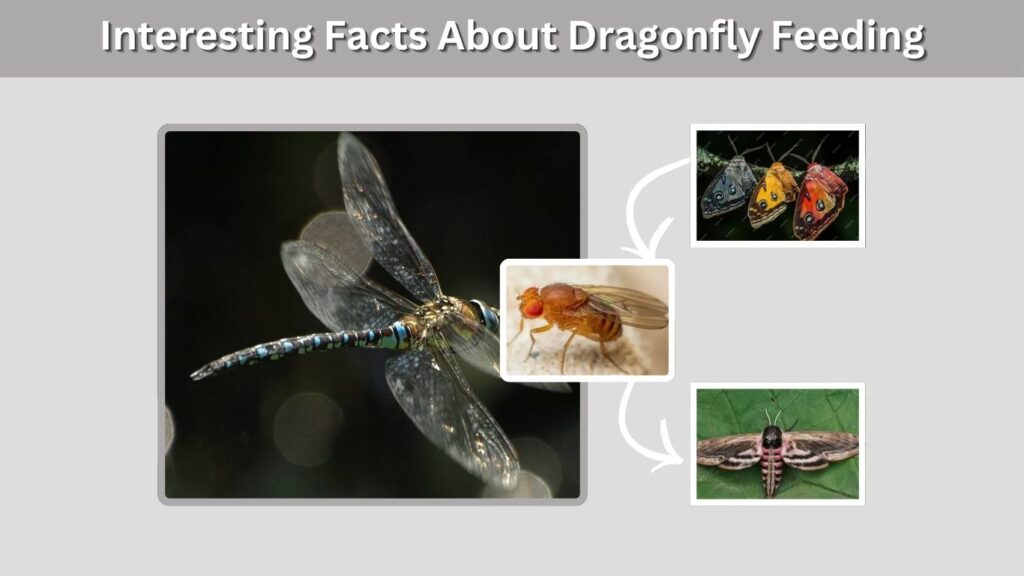
Dragonflies are among the most efficient insect hunters in the world. Their combination of speed, vision, and aerial control gives them a major advantage over many prey species. They can catch insects in midair, eat while flying, and adjust their flight path instantly during a chase.
Amazing Feeding Facts
Some fascinating dragonfly feeding facts include:
- Dragonflies catch most prey in flight.
- Their legs form a basket to trap insects.
- They can eat mosquitoes, flies, moths, and butterflies.
- Nymphs are powerful underwater predators.
- Larger species may eat smaller dragonflies.
- They help reduce mosquito populations naturally.
These feeding habits make dragonflies important predators in many ecosystems.
Are Dragonflies Dangerous to Humans?
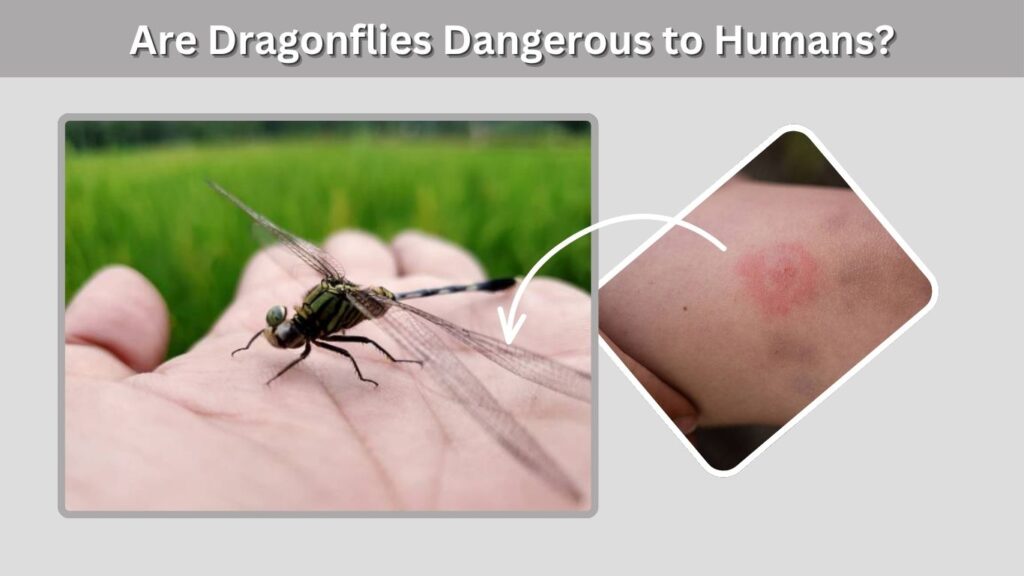
Although dragonflies are powerful predators of insects, they are not dangerous to humans. They do not sting, and they are not aggressive toward people. If handled roughly, a large dragonfly may try to bite, but it is not harmful in normal situations.
Do Dragonflies Bite People?
Dragonflies can bite only if they are captured and held. Even then, most bites are minor and rarely break the skin. In nature, dragonflies avoid humans and focus on hunting insects.
Are Dragonflies Good for Gardens?
Yes, dragonflies are good for gardens, especially gardens near ponds or wetlands. They eat mosquitoes, flies, and other small insects. Creating a small water feature and planting native vegetation can help attract them naturally.
FAQs
Do dragonflies eat butterflies?
Yes, dragonflies can eat butterflies. However, butterflies are not their main food source. Dragonflies usually eat smaller insects such as mosquitoes, flies, gnats, and midges.
Can dragonflies catch butterflies in flight?
Yes, dragonflies can catch butterflies in flight if the butterfly is small enough and within range. Their speed, eyesight, and aerial control make them excellent midair hunters.
What do dragonflies eat the most?
Dragonflies most commonly eat mosquitoes, flies, gnats, midges, and other small flying insects. Their diet depends on prey availability and habitat.
Do dragonflies eat moths?
Yes, dragonflies can eat moths, especially when both insects are active in the same area. This is more likely around dusk or near wetlands and gardens.
Do dragonflies eat bees?
Dragonflies may eat bees occasionally, but bees are not their primary prey. They usually prefer smaller and more abundant flying insects.