
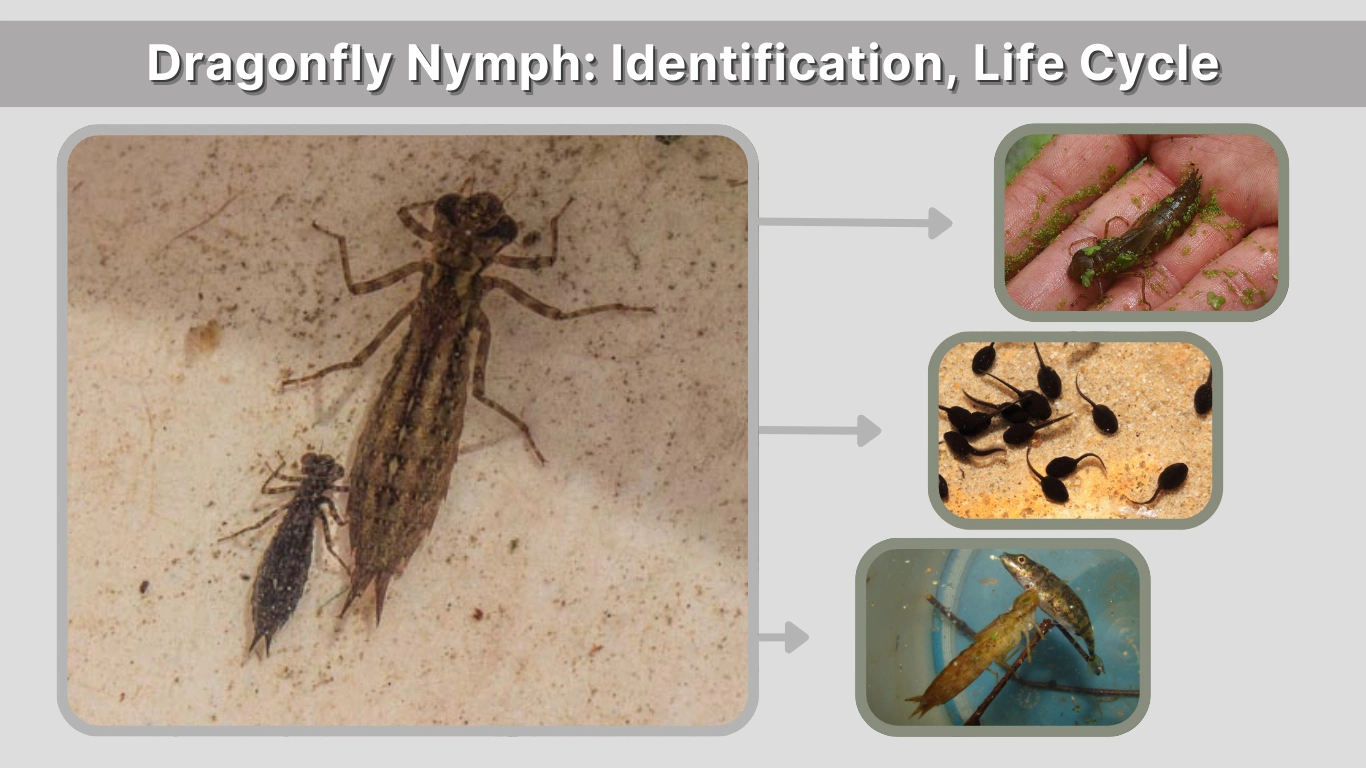
A dragonfly nymph is the aquatic, immature stage of a dragonfly’s life cycle. While adult dragonflies are familiar sights near ponds and lakes, their nymphs spend most of their lives hidden underwater. Many people encounter dragonfly nymphs while cleaning ponds, maintaining water features, or investigating the source of mosquitoes around their property. Although they may look unusual or even intimidating at first glance, dragonfly nymphs are beneficial predators that play an important role in freshwater ecosystems. Learning how to identify them, understand their life cycle, and recognize their impact on mosquito populations can help you appreciate their presence rather than fear it.
What Is a Dragonfly Nymph?

A dragonfly nymph is the juvenile form of a dragonfly that lives entirely in water. Dragonflies undergo incomplete metamorphosis, meaning they do not form a cocoon or pupa like butterflies. Instead, they hatch from eggs into nymphs that already resemble the adult insect in basic shape, just without wings.
The term “nymph” is used because this life stage is active and predatory, unlike the passive larval stages of insects with complete metamorphosis. Dragonfly nymphs grow gradually by shedding their exoskeletons as they increase in size. Depending on the species and environmental conditions, the nymph stage can last from several months to multiple years.
Dragonfly Nymph Stage Explained
The nymph stage is the longest and most important part of a dragonfly’s life. During this time, the insect does all of its feeding and growing. Adult dragonflies may live only a few weeks or months, but their nymphs spend years underwater developing strength and size.
As nymphs mature, they become more efficient hunters and increasingly active. When fully developed, they leave the water to complete their transformation into adult dragonflies.
Dragonfly Nymph Life Cycle
The life cycle of a dragonfly begins when a female lays eggs in or near freshwater. Some species deposit eggs directly into the water, while others attach them to aquatic plants. After hatching, the young dragonflies enter the nymph stage almost immediately.
During the nymph stage, dragonflies molt many times, shedding their outer skin to accommodate growth. Each molt brings the nymph closer to its final adult form. This stage can last anywhere from one to five years, depending on temperature, food availability, and species.
When the nymph is ready to become an adult, it crawls out of the water onto a plant stem, rock, or other stable surface. The exoskeleton splits open, and the adult dragonfly slowly emerges. After its wings harden, it flies away, leaving the empty nymph shell behind.
What Does a Dragonfly Nymph Look Like?

- Stocky, thick body designed for crawling along the bottom
- Size: about ½ inch to over 2 inches long, depending on species
- Color: brown, green, or gray for camouflage
- Six short legs clustered near the front of the body
- Large head with prominent eyes
- Extendable lower jaw (labium) used to grab prey
- No external tail gills, giving the rear a smooth appearance
Dragonfly Nymph Habitat
Dragonfly nymphs live in a variety of freshwater environments, including ponds, lakes, marshes, slow-moving streams, and wetlands. They prefer habitats with vegetation or debris where they can hide and ambush prey. Clean, oxygen-rich water supports healthy nymph populations, but some species can tolerate slightly murky conditions.
How Dragonfly Nymphs Breathe and Move
Unlike fish, dragonfly nymphs do not have external gills. They breathe using internal gills located inside the rectum, drawing water in and out to absorb oxygen. This unique system also allows them to move rapidly by expelling water, creating a form of jet propulsion that helps them escape danger or capture prey.
What Do Dragonfly Nymphs Eat?

Dragonfly nymphs are carnivorous and feed on a wide range of aquatic organisms. Their diet includes insect larvae, aquatic worms, tadpoles, and even very small fish. They rely on stealth and speed, waiting motionless until prey comes within striking distance.
Do Dragonfly Nymphs Eat Mosquito Larvae?
Yes, dragonfly nymphs actively prey on mosquito larvae and are considered one of the most effective natural predators of mosquitoes. In still water, they can significantly reduce mosquito populations over time. However, they work best as part of a balanced ecosystem rather than as a single solution.
Dragonfly Nymph vs Mosquito Larvae
Dragonfly nymphs are often discovered when people are specifically looking for mosquito larvae, but the two are very different in both appearance and behavior. Mosquito larvae are thin, worm-like, and usually found near the water’s surface, where they breathe air through a siphon tube. They move constantly in a wriggling motion and tend to gather in large numbers.
Dragonfly nymphs, on the other hand, are thicker and more heavily built. They live near the bottom of the water and rely on camouflage rather than constant movement. Instead of feeding on algae or organic debris like mosquito larvae, dragonfly nymphs are predators that hunt live prey. Finding dragonfly nymphs in water is generally a positive sign, as it often means mosquito larvae are being kept in check naturally.
Dragonfly Nymph vs Damselfly Nymph

Although dragonfly and damselfly nymphs share similar habitats, they are easy to tell apart once you know the key differences. Dragonfly nymphs have a bulky, compact body and lack external tail gills. Their breathing structures are internal, making their rear end appear smooth and rounded.
Damselfly nymphs are slimmer and more delicate in appearance. They have three long, leaf-like gills extending from the end of the abdomen, which they use for breathing. These tail gills are the most obvious identifying feature. In terms of behavior, damselfly nymphs are weaker swimmers and tend to cling to aquatic plants, while dragonfly nymphs are more aggressive hunters that crawl along the bottom.
Dragonfly Nymph in Ponds and Pools
Dragonfly nymphs are commonly found in garden ponds and water features, where they contribute to a balanced ecosystem. In ponds, they help control populations of mosquitoes and other nuisance insects. While they may occasionally prey on very small fish or newly hatched fry, they rarely cause noticeable harm to established fish populations.
Pond owners who wish to encourage dragonfly nymphs should focus on providing a natural environment. Aquatic plants, stable water levels, and minimal chemical use create ideal conditions for dragonflies to lay eggs and for nymphs to thrive.
Dragonfly Nymphs in Swimming Pools
Finding a dragonfly nymph in a swimming pool usually means the water has been still for long enough to attract egg-laying dragonflies. This often happens in unused or poorly maintained pools. Although dragonfly nymphs are not harmful to people, they do not belong in pools and should be removed.
The safest way to remove a nymph is to gently scoop it out with a net and release it into a nearby pond or natural water source. Keeping pool water chlorinated, filtered, and moving will prevent dragonflies from laying eggs in the future.
Are Dragonfly Nymphs Dangerous?

Dragonfly nymphs are not dangerous to humans, pets, or livestock. They do not sting and are not aggressive toward people. In rare cases, a nymph may pinch if handled, but this causes no serious harm.
For pets and fish, dragonfly nymphs pose minimal risk. They may eat very small aquatic animals, but they do not attack larger creatures. Overall, their presence is far more beneficial than harmful in most freshwater environments.
Benefits of Dragonfly Nymphs
One of the greatest benefits of dragonfly nymphs is their role in natural mosquito control. By feeding on mosquito larvae before they reach adulthood, they help reduce the number of biting mosquitoes without the need for chemical pesticides.
Dragonfly nymphs also support biodiversity and indicate a healthy aquatic ecosystem. Their presence suggests adequate oxygen levels, suitable habitat, and a balanced food web. For homeowners and pond keepers, encouraging dragonfly nymphs can lead to cleaner water and fewer pest insects over time.
Conclusion
Dragonfly nymphs are an essential yet often overlooked stage in the life of dragonflies. Living underwater for months or even years, they serve as powerful predators that help maintain balance in freshwater ecosystems. From their unique appearance and fascinating breathing system to their effectiveness in controlling mosquito populations, dragonfly nymphs offer clear ecological benefits. Rather than removing them, most people are better off encouraging their presence through habitat-friendly practices that support healthy, natural water systems.