
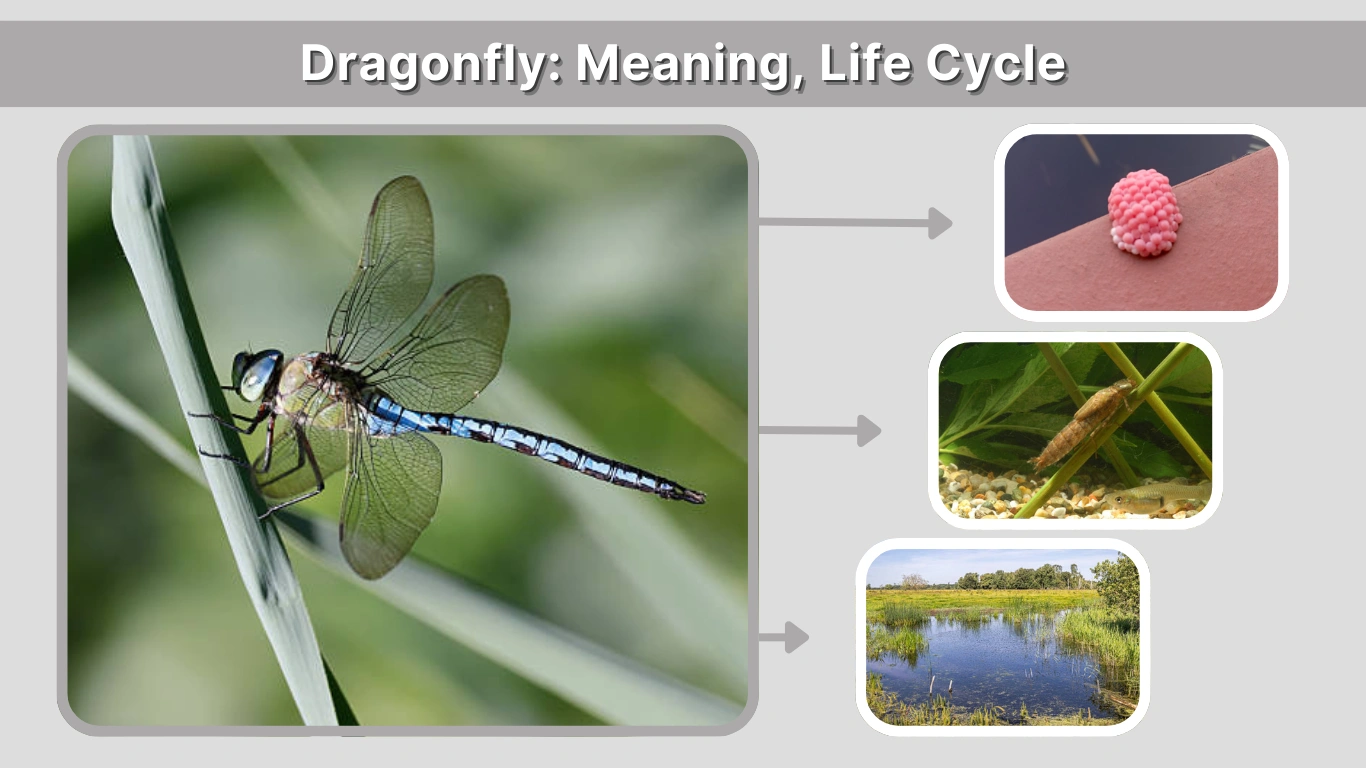
Dragonflies are among the most fascinating insects found in nature, admired for their brilliant colors, agile flight, and ancient history. Often seen hovering near water, these insects play a crucial role in maintaining ecological balance. Beyond their beauty, dragonflies are skilled predators and important indicators of healthy freshwater ecosystems. This article explores what dragonflies are, how they live, where they thrive, and why they are so important, offering a deeper understanding of one of nature’s most remarkable flyers.
What Is a Dragonfly?
A dragonfly is a flying insect belonging to the order Odonata, a group that also includes damselflies. Dragonflies are known for their long, slender bodies, large compound eyes, and two pairs of strong, transparent wings. Unlike many insects, dragonflies can move each wing independently, giving them exceptional control during flight.
These insects are easily recognized by their bright metallic colors, which may appear blue, green, red, or golden depending on the species. Adult dragonflies are powerful fliers capable of hovering, gliding, and even flying backward. This level of agility makes them highly efficient hunters in the insect world.
Dragonflies are often mistaken for damselflies, but they differ in body shape, wing position, and behavior. Dragonflies generally have thicker bodies and hold their wings open when resting, while damselflies fold their wings together. With a fossil history dating back over 300 million years, dragonflies are considered one of the oldest insect groups still alive today.
Dragonfly Life Cycle

The life cycle of a dragonfly is closely tied to water and consists of three main stages: egg, larva (nymph), and adult. Unlike butterflies, dragonflies do not undergo complete metamorphosis. Instead, they experience an incomplete transformation that allows them to gradually develop into adults.
Egg Stage
Female dragonflies lay their eggs in or near freshwater sources such as ponds, lakes, slow-moving rivers, and wetlands. Some species deposit eggs directly into water, while others attach them to aquatic plants or muddy surfaces. The number of eggs laid can range from a few dozen to several hundred, depending on the species.
The egg stage usually lasts from a few days to several weeks. Environmental factors such as temperature and water quality play a significant role in determining how quickly the eggs hatch.
Larva (Nymph) Stage
After hatching, dragonflies enter the larval stage, also known as the nymph stage. This is the longest and most important phase of their life cycle. Dragonfly larvae live entirely underwater and may remain in this stage for one to five years, depending on the species and climate.
Dragonfly nymphs are fierce predators. They feed on small aquatic organisms such as mosquito larvae, tadpoles, and even small fish. Using a specialized extendable jaw called a labium, they can quickly capture prey with remarkable precision.
During this stage, the larva molts several times as it grows. It breathes through gills and remains well-camouflaged among aquatic plants, rocks, and sediment, which helps protect it from predators.
Adult Dragonfly Stage
When fully developed, the larva climbs out of the water onto a plant or surface and undergoes its final transformation. The adult dragonfly slowly emerges from its old skin, allowing its wings and body to harden before taking its first flight.
Adult dragonflies typically live for a few weeks to several months. During this time, their main goals are feeding and reproduction. Despite their relatively short adult lifespan, they are highly active and spend much of their time flying and hunting.
Dragonfly Habitat and Distribution

Dragonflies are found on every continent except Antarctica, making them one of the most widely distributed insects in the world. Their habitats are closely associated with freshwater environments, as water is essential for reproduction and larval development.
Common dragonfly habitats include ponds, lakes, rivers, marshes, wetlands, and streams. Clean, unpolluted water is especially important, as poor water quality can negatively affect dragonfly populations. Some species are highly sensitive to environmental changes, which is why dragonflies are often used as indicators of ecosystem health.
Dragonflies in Urban vs Natural Habitats
While dragonflies prefer natural habitats, many species have adapted to urban environments. They can often be seen around garden ponds, canals, and reservoirs. However, habitat destruction, pollution, and climate change pose serious threats, reducing suitable breeding areas and impacting population numbers.
What Do Dragonflies Eat?

Dragonflies are carnivorous insects, both in their larval and adult stages. As larvae, they consume a wide range of aquatic organisms, helping control populations of insects that breed in water.
Adult dragonflies primarily feed on flying insects such as mosquitoes, flies, gnats, and moths. Their ability to catch prey mid-air makes them one of nature’s most efficient hunters. A single dragonfly can consume dozens of mosquitoes in a day, making them beneficial to humans as natural pest controllers.
How Dragonflies Hunt
Dragonflies are among the most skilled aerial hunters in the insect world. Their success comes from a combination of exceptional vision, speed, and precise flight control. A dragonfly’s large compound eyes provide nearly 360-degree vision, allowing it to detect even the slightest movement of prey in the air.
When hunting, dragonflies intercept their prey mid-flight rather than chasing it from behind. They calculate the prey’s path and adjust their own flight accordingly, a behavior similar to predictive tracking. Once close enough, they use their strong legs to form a basket that traps the insect before consuming it in flight or while perched.
Dragonfly Species and Diversity
There are more than 6,000 known dragonfly species worldwide, each adapted to specific climates and habitats. These species vary widely in size, color, and behavior. Some dragonflies display brilliant iridescent blues and greens, while others are marked with deep reds, yellows, or earthy browns.
Tropical regions host the greatest diversity of dragonfly species due to warm temperatures and abundant freshwater habitats. In contrast, temperate regions support fewer species, but these dragonflies often have distinct seasonal life cycles and migration patterns.
Rare and Endangered Dragonflies
Despite their adaptability, some dragonfly species are threatened by habitat loss, water pollution, and climate change. Wetland drainage and chemical runoff reduce suitable breeding environments. Conservation efforts focus on protecting freshwater ecosystems and monitoring sensitive species that serve as indicators of environmental health.
Dragonfly vs Damselfly: Key Differences

Dragonflies and damselflies are closely related and often confused, but several features clearly distinguish them. Dragonflies generally have thicker, more robust bodies, while damselflies are slimmer and more delicate in appearance.
One of the most noticeable differences is the wing position at rest. Dragonflies hold their wings open horizontally, whereas damselflies typically fold their wings together above their bodies. Additionally, dragonflies are stronger fliers and are often seen gliding or hovering, while damselflies have a slower, fluttering flight style.
Dragonfly Meaning and Symbolism
Beyond their biological importance, dragonflies hold deep symbolic meaning in many cultures. They are commonly associated with change, transformation, and adaptability due to their dramatic life cycle and ability to move effortlessly between air and water.
In some Asian cultures, dragonflies symbolize strength, courage, and happiness. Native American traditions often view the dragonfly as a symbol of renewal and spiritual growth. In modern interpretations, dragonflies are frequently seen as reminders to live in the present moment and embrace personal transformation.
Interesting Facts About Dragonflies
Dragonflies are capable of flying at speeds of up to 35 miles per hour, making them one of the fastest insects on Earth. Their wings beat independently, allowing advanced maneuvers such as sudden stops, sharp turns, and backward flight.
Fossil evidence shows that ancient dragonflies were once enormous, with wingspans reaching over two feet during the Carboniferous period. While modern species are much smaller, they retain many of the same structural features that made their ancestors successful predators.
Importance of Dragonflies in the Ecosystem
Dragonflies play a vital role in maintaining ecological balance. As predators, they help control populations of mosquitoes and other insects that can spread disease. Their presence also reflects the health of freshwater ecosystems, as dragonflies are sensitive to pollution and habitat degradation.
Because both larvae and adults occupy different ecological niches, dragonflies contribute to food webs in aquatic and terrestrial environments. Protecting dragonflies ultimately supports broader biodiversity and environmental stability.
FAQs
Are dragonflies dangerous to humans?
Dragonflies are not dangerous to humans. They do not sting and rarely bite, and even when they do, the bite is harmless.
How long do dragonflies live?
Most of a dragonfly’s life is spent in the larval stage, which can last several years. Adult dragonflies typically live for only a few weeks to months.
Why do dragonflies hover in one place?
Dragonflies hover to hunt, patrol territory, or observe their surroundings. Their unique wing structure allows precise hovering control.
Conclusion
Dragonflies are remarkable insects that combine beauty, strength, and ecological importance. From their aquatic beginnings to their powerful adult flight, they represent transformation and balance in nature. By controlling insect populations and signaling healthy water systems, dragonflies play a role far greater than their size suggests. Understanding and protecting these ancient insects helps preserve the ecosystems they depend on—and the natural world we all share.