
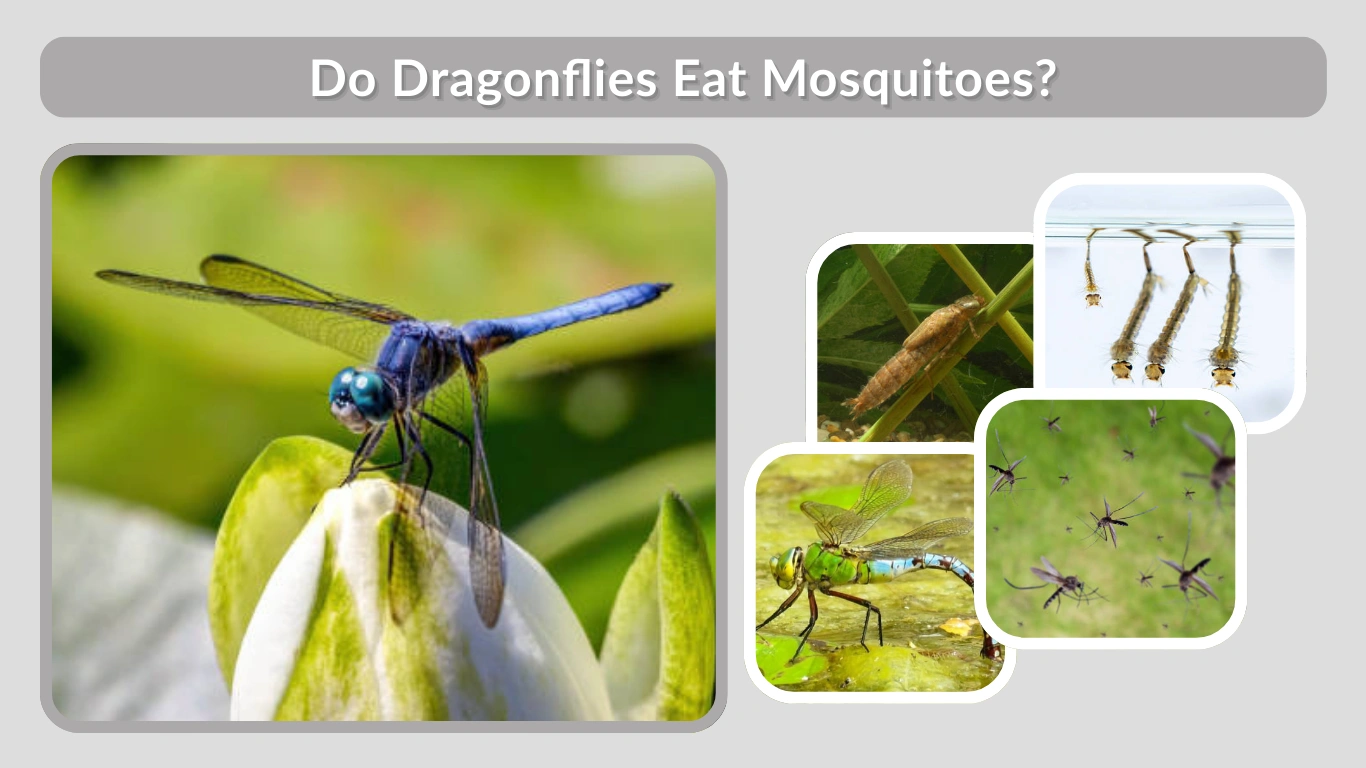
Mosquitoes are more than just a nuisance. They disrupt outdoor activities, cause itchy bites, and can spread serious diseases. Because of this, many people look for natural ways to reduce mosquito populations without relying heavily on chemicals. One insect that often comes up in this conversation is the dragonfly. Known for their speed, agility, and striking appearance, dragonflies are often called “nature’s mosquito hunters.” But is that reputation deserved?
The short answer is yes—dragonflies do eat mosquitoes. However, their role in mosquito control is more complex and interesting than a simple yes or no. To understand how effective they really are, it helps to look closely at what dragonflies eat, how they hunt, and how their life cycle influences mosquito populations.
What Do Dragonflies Eat?
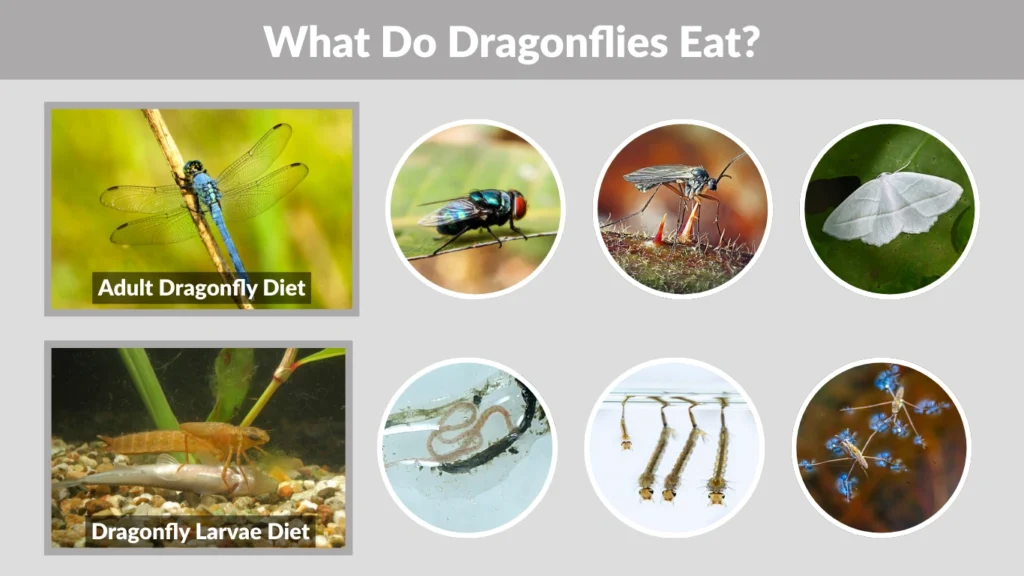
Dragonflies are carnivorous insects that feed exclusively on other animals. From the moment they hatch until adulthood, they are active predators. Their diet mainly consists of smaller insects, especially flying ones, which makes mosquitoes a natural part of their food chain.
Dragonflies are exceptional hunters. They have large compound eyes that give them nearly 360-degree vision, allowing them to spot prey mid-air. Their four wings can move independently, enabling them to hover, glide, and change direction instantly. This combination of vision and flight control makes them one of the most successful insect predators in nature.
Adult Dragonfly Diet
Adult dragonflies primarily feed on flying insects. Common prey includes mosquitoes, flies, gnats, midges, small moths, and even other smaller dragonflies. Mosquitoes are particularly easy targets because of their slow, erratic flight patterns and abundance in warm environments.
An adult dragonfly typically hunts during daylight hours, especially near water sources where insects gather. When it spots prey, it intercepts it mid-air, using its legs to form a basket-like shape that traps the insect. The dragonfly then consumes its prey while still flying or after landing on a nearby perch.
Because mosquitoes often swarm around ponds, gardens, and wetlands—the same places dragonflies prefer—encounters between the two are frequent. While mosquitoes may not be the dragonfly’s only food source, they are a regular and convenient part of its diet.
Dragonfly Larvae Diet
Before becoming flying adults, dragonflies spend most of their lives as larvae, also called nymphs. This stage takes place underwater and can last several months or even years, depending on the species. During this time, dragonfly larvae are aggressive predators.
Dragonfly nymphs feed on aquatic organisms such as mosquito larvae, small fish, tadpoles, and other insect larvae. Mosquito larvae are especially vulnerable because they live in still or slow-moving water, which is exactly where dragonfly nymphs thrive.
Using a specialized extendable jaw called a labium, dragonfly larvae can shoot forward and grab prey in a fraction of a second. This makes them highly effective at catching mosquito larvae before they ever become flying adults.
Do Dragonflies Eat Mosquitoes Regularly?
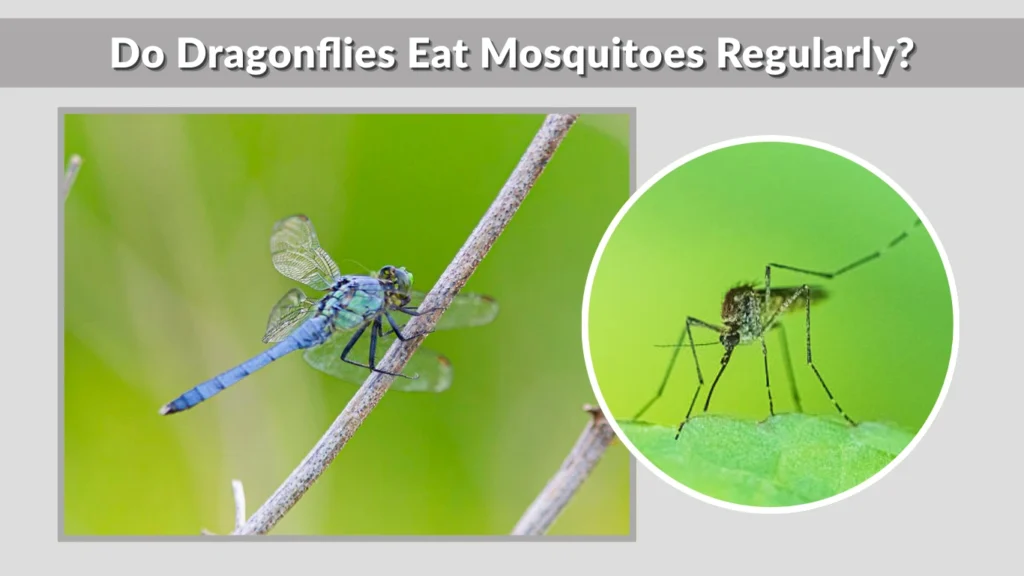
Dragonflies are opportunistic feeders, meaning they eat what is most available rather than targeting a single species. Mosquitoes are not their exclusive food source, but they are eaten regularly when present in large numbers.
In areas with high mosquito populations—such as wetlands, ponds, lakeshores, and gardens with standing water—dragonflies may consume mosquitoes daily. Seasonal factors also play a role. Mosquito activity increases during warmer months, which coincides with peak dragonfly activity, leading to more frequent predation.
That said, dragonflies do not selectively hunt mosquitoes. They simply reduce mosquito numbers as part of their broader role in controlling insect populations.
How Many Mosquitoes Can a Dragonfly Eat?
Estimating exactly how many mosquitoes a dragonfly eats is difficult because it depends on the species, size, environment, and prey availability. However, studies and observations suggest that adult dragonflies can eat dozens, and sometimes hundreds, of small insects per day. Mosquitoes often make up a portion of this total.
Dragonfly larvae may be even more impactful in the long run. By feeding on mosquito larvae, they prevent mosquitoes from ever reaching adulthood and reproducing. This early-stage predation plays a crucial role in naturally limiting mosquito populations near water sources.
Are Dragonflies Effective at Controlling Mosquito Populations?
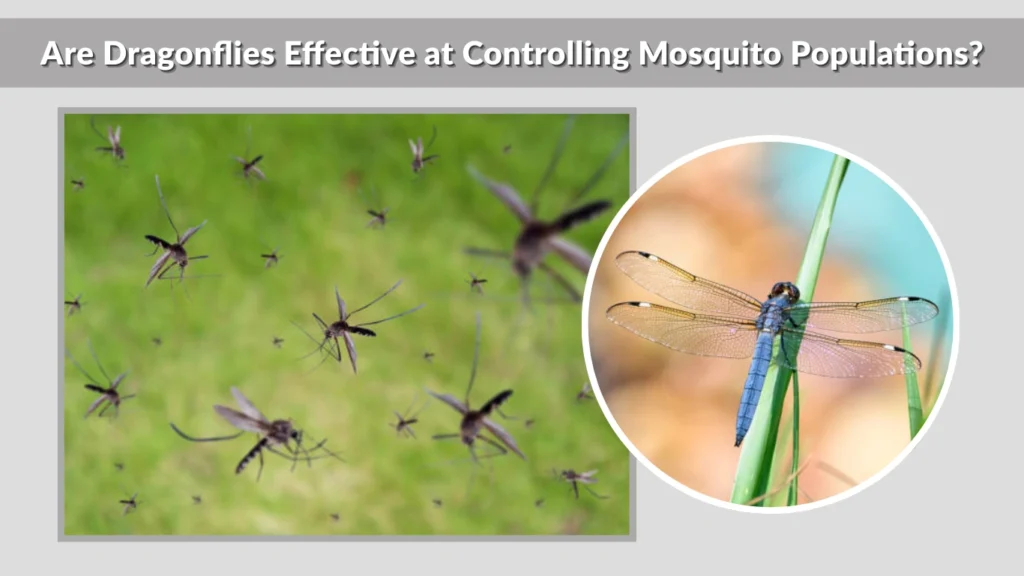
Because dragonflies eat mosquitoes in both their larval and adult stages, they are often seen as a natural solution for mosquito control. While they certainly help reduce mosquito numbers, their effectiveness depends on several factors, including habitat quality, mosquito density, and overall ecosystem balance.
Dragonflies are most effective at a local level. In areas with healthy ponds, wetlands, or water gardens, they can noticeably reduce mosquito activity. However, dragonflies alone cannot eliminate mosquitoes entirely. Mosquitoes reproduce quickly and thrive in many environments, including small, temporary water sources that dragonflies may not inhabit.
Dragonflies vs Other Natural Mosquito Predators
Dragonflies are just one part of a larger network of mosquito predators. Other animals also play important roles in controlling mosquito populations.
- Bats consume large numbers of flying insects at night, including mosquitoes.
- Birds feed on mosquitoes, especially during breeding seasons.
- Frogs and fish eat mosquito larvae in aquatic environments.
- Spiders trap mosquitoes in webs near vegetation and water.
Compared to these predators, dragonflies are especially effective during daylight hours and near open water. Their advantage lies in their precision hunting and their ability to target mosquitoes at multiple life stages.
Can Dragonflies Reduce Mosquito Numbers Naturally?
Dragonflies contribute to long-term mosquito control rather than instant results. By preying on mosquito larvae and adults, they help keep populations in check over time. This makes them valuable allies in an eco-friendly mosquito management strategy.
However, relying solely on dragonflies is unrealistic. The most effective mosquito control approaches combine habitat management, biological predators, and responsible human intervention, such as eliminating unnecessary standing water.
Dragonflies and Mosquito Larvae Control
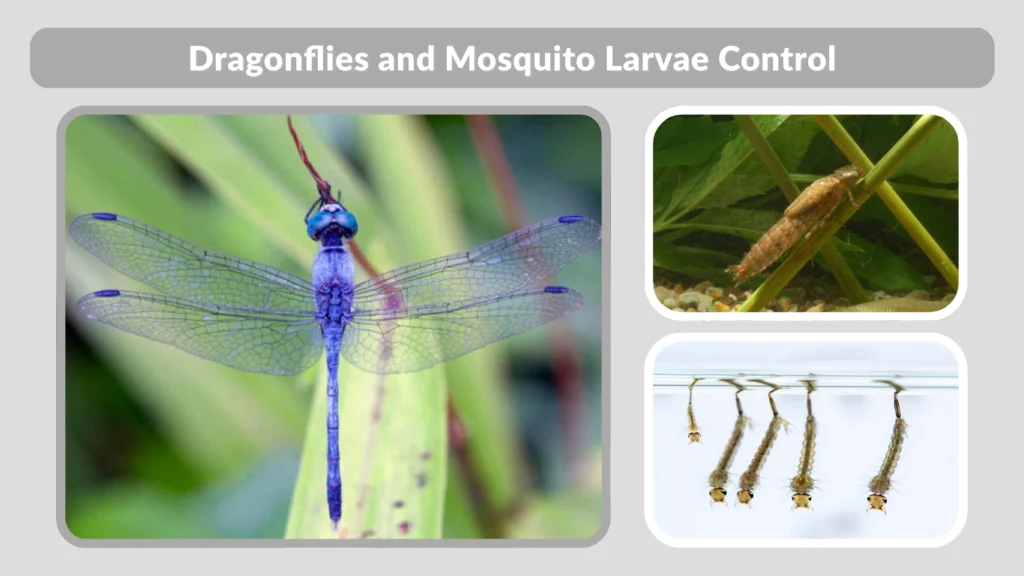
One of the most important ways dragonflies impact mosquito populations is through their larvae. Mosquitoes lay their eggs in standing water, where larvae develop before emerging as adults. Dragonfly nymphs live in the same environments and actively hunt these larvae.
Healthy aquatic ecosystems support higher numbers of dragonfly larvae, which leads to fewer mosquitoes reaching adulthood. This is why natural ponds often have fewer mosquitoes than neglected containers or clogged drains, which lack predators.
By maintaining balanced water habitats, dragonflies help disrupt the mosquito life cycle at its earliest stage.
How to Attract Dragonflies to Your Yard or Garden
Encouraging dragonflies to live near your home can help reduce mosquitoes naturally while supporting local biodiversity.
Create a Dragonfly-Friendly Habitat
Dragonflies are strongly attracted to water. Adding a small pond, water feature, or rain garden can make your yard more inviting. Still or slow-moving water works best, as it allows dragonfly larvae to thrive.
Sunny areas are also important, since dragonflies rely on warmth to regulate their body temperature. Open spaces near water give them room to hunt and fly.
Plants That Attract Dragonflies
Native aquatic plants provide shelter, perching spots, and breeding areas for dragonflies. Plants such as reeds, rushes, and water lilies create ideal conditions for both adults and larvae.
Tall plants and shrubs near water give adult dragonflies places to rest and survey their surroundings while hunting.
What to Avoid If You Want Dragonflies
Chemical pesticides and insecticides can harm dragonflies directly or reduce their food supply. Overuse of chemicals in gardens and water features often drives dragonflies away.
It’s also important to avoid over-cleaning ponds. A completely sterile water feature offers little food or shelter for dragonfly larvae.
Benefits of Dragonflies Beyond Eating Mosquitoes
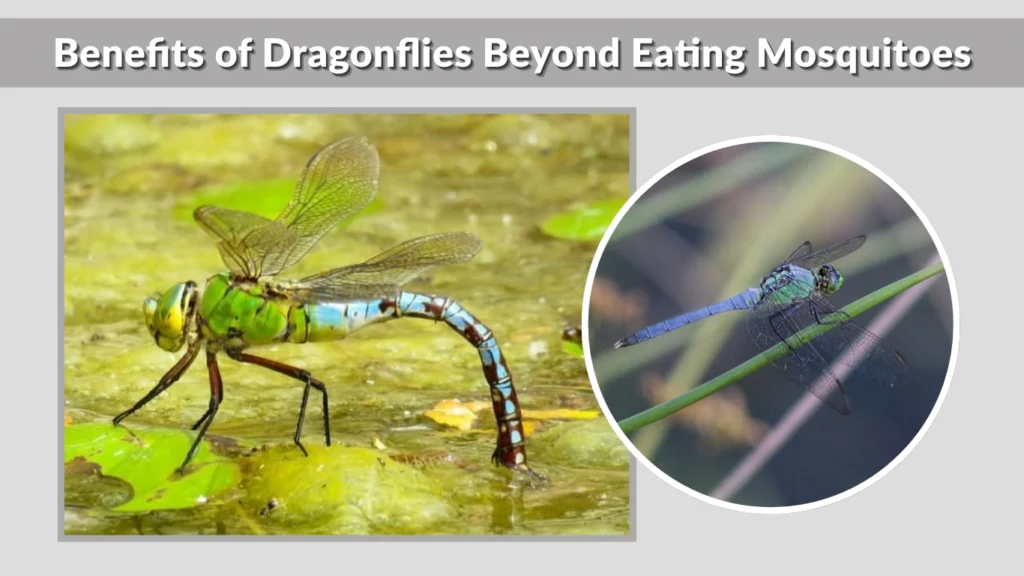
Dragonflies provide more than just pest control. They are indicators of clean water and healthy ecosystems. Their presence often signals good environmental conditions and balanced biodiversity.
In addition, dragonflies are fascinating to observe. Their bright colors, acrobatic flight, and long evolutionary history make them valuable for education and nature appreciation.
Common Myths About Dragonflies and Mosquitoes
A common myth is that dragonflies can completely eliminate mosquitoes. While they help reduce numbers, total eradication is unrealistic.
Another misconception is that dragonflies are dangerous to humans. In reality, dragonflies are harmless and rarely interact with people.
Conclusion
Dragonflies do eat mosquitoes, both as adults and as aquatic larvae. While they are not a magic solution, they play an important role in natural mosquito control by reducing populations and disrupting the mosquito life cycle. By supporting dragonfly habitats and maintaining healthy ecosystems, people can benefit from a safer, more sustainable approach to managing mosquitoes.