
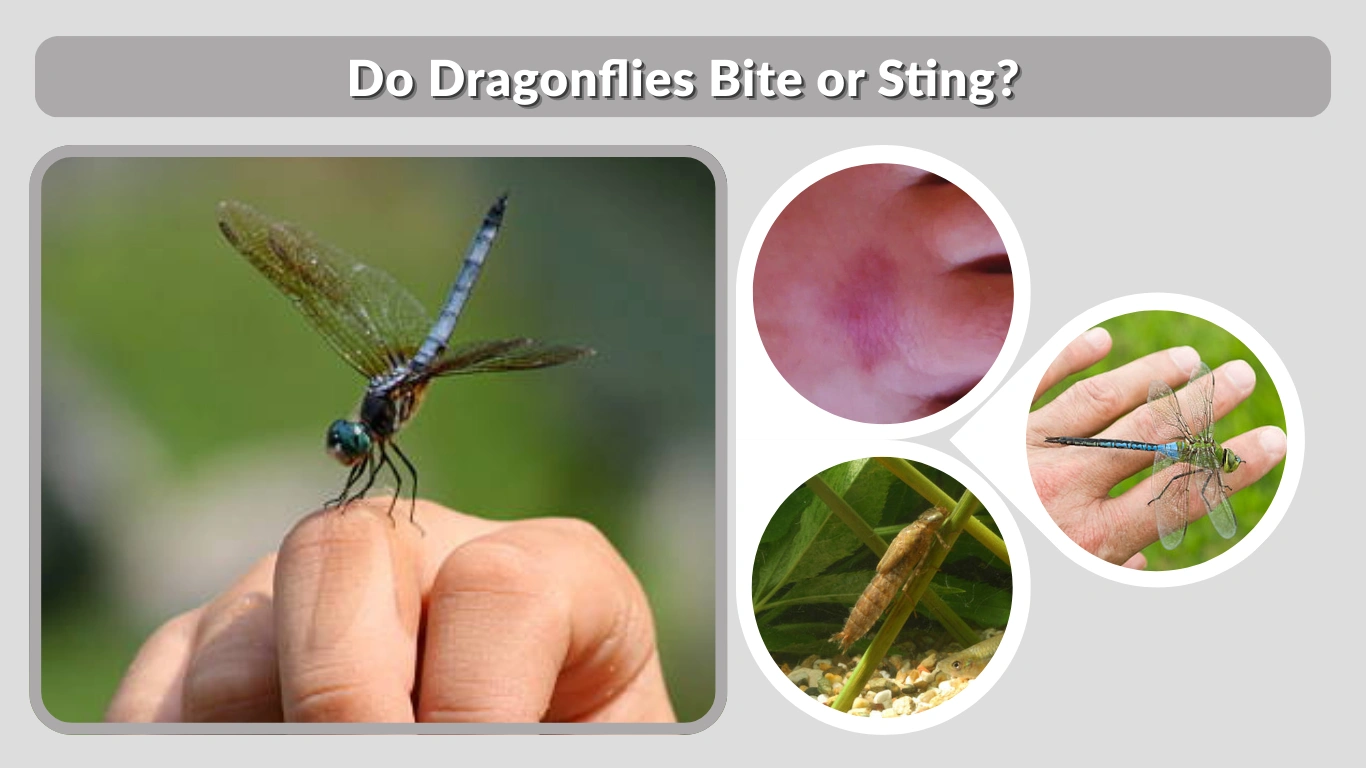
Dragonflies often capture attention because of their size, speed, and unusual flying patterns. While many people admire their beauty, others feel uneasy when a dragonfly flies close to them. This fear has led to common questions such as whether dragonflies bite, sting, or pose any danger to humans. Misinformation online has only added to the confusion. In reality, dragonflies are far less threatening than many people believe. This article explains whether dragonflies bite or sting, how they behave around humans, and what actually happens in the rare cases of contact.
Do Dragonflies Bite?
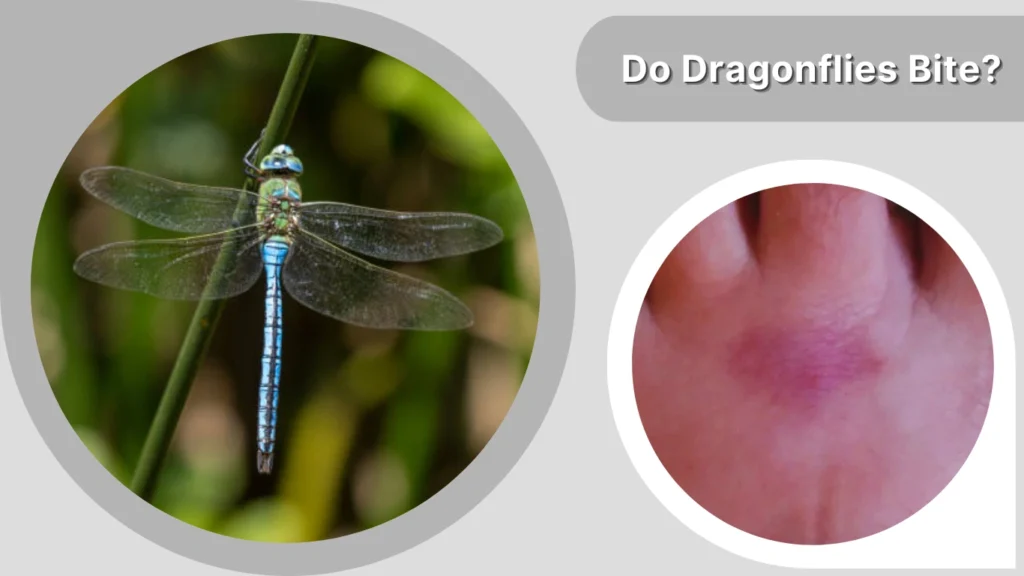
Yes, dragonflies can bite, but it is extremely rare and usually harmless. Dragonflies have small, strong jaws designed for catching and chewing other insects, not for attacking humans. Most people will never experience a dragonfly bite in their lifetime.
When bites do occur, they are almost always the result of a dragonfly being handled, trapped, or threatened. Dragonflies do not seek out humans to bite and are not aggressive by nature. In the wild, their focus is on hunting flying insects such as mosquitoes and flies.
In most situations, a dragonfly will simply fly away if approached. Their ability to bite exists, but their behavior makes biting humans highly unlikely.
Do Dragonflies Sting?
Dragonflies do not sting. They completely lack a stinger and do not have venom of any kind. This is one of the most common misconceptions about dragonflies, often caused by confusion with bees, wasps, or other stinging insects.
The long, pointed appearance of a dragonfly’s abdomen sometimes leads people to believe it can sting. In reality, the abdomen is harmless and plays a role in balance and reproduction, not defense. Unlike bees or wasps, dragonflies rely on speed and flight rather than stinging to protect themselves.
If you see claims suggesting that dragonflies sting, those claims are incorrect. Any discomfort associated with dragonflies comes only from rare biting incidents, not stings.
Do Dragonflies Bite Humans?
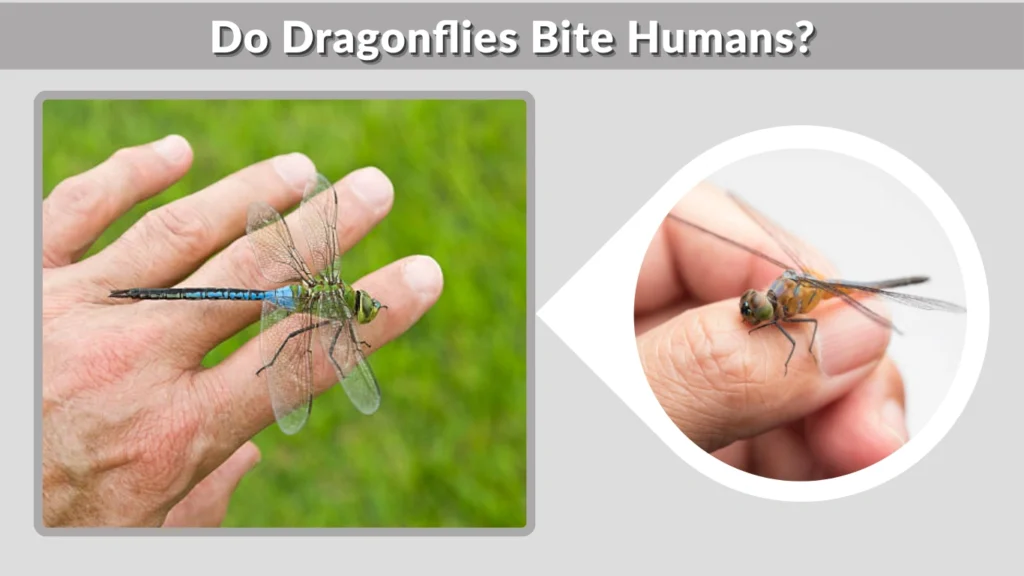
Dragonflies do not normally bite humans. Humans are not part of their diet, and dragonflies have no reason to attack people. In almost all cases where a bite is reported, the dragonfly was picked up, caught in clothing, or trapped against skin.
Do Dragonflies Bite People on Purpose?
No, dragonflies do not bite people intentionally. A bite is a defensive reaction rather than an act of aggression. If a dragonfly mistakes a finger for prey or feels threatened, it may attempt to bite as a last resort.
Even then, the bite is typically weak and brief. Many people describe it as a small pinch rather than a painful bite. Once released, the dragonfly usually flies away immediately.
Do Dragonfly Bites Hurt?
Dragonfly bites usually do not hurt much, if at all. For most people, the sensation is comparable to a mild pinch or slight pressure on the skin. In many cases, the skin is not even broken.
If a bite does break the skin, it may cause minor redness or irritation. The discomfort typically fades within a short time and does not require medical treatment. Dragonflies do not inject venom, so there is no risk of poisoning.
People with sensitive skin may experience slight swelling or itchiness, but serious reactions are extremely rare.
What Do Dragonfly Bites Look Like?
A dragonfly bite usually appears as a small red mark or faint indentation on the skin. There may be minimal swelling, but significant inflammation is uncommon. Unlike mosquito bites, dragonfly bites typically do not itch intensely.
In the rare event that the skin is broken, basic hygiene such as washing the area with soap and water is usually sufficient. Signs of infection, such as increasing redness or warmth, are very uncommon.
Why Do Dragonflies Bite?
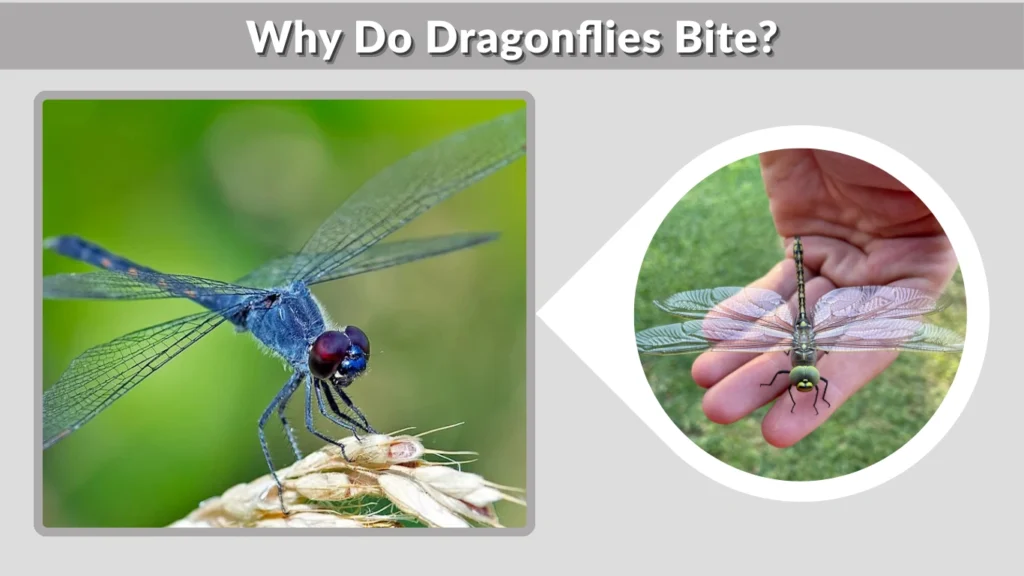
Dragonflies bite only as a defensive response. They may bite if they feel trapped, grabbed, or unable to escape. This behavior is similar to many wild animals that react when stressed or handled.
Another rare reason for biting is mistaken identity. A dragonfly may briefly confuse a moving finger for prey, especially if it is shiny or moving quickly. However, once it realizes the mistake, it will release and retreat.
Do All Dragonflies Bite?
Not all dragonflies are capable of biting humans in a noticeable way. Smaller species have very weak jaws that are unlikely to break human skin. Larger dragonflies, on the other hand, have stronger mandibles, which means they can bite if handled roughly. Even so, size does not make a dragonfly aggressive. Large dragonflies are just as likely to fly away from people as smaller ones.
Do Big or Large Dragonflies Bite More?
Large dragonflies may be slightly more capable of biting simply because their jaws are stronger, but they are not more likely to do so. Biting is still a rare defensive behavior rather than a common action.
Do Colored Dragonflies Bite? (Myths Explained)
Color has no connection to biting behavior. Blue, red, green, and black dragonflies all behave in similar ways. Color differences are related to species, age, and mating displays—not aggression.
Do Dragonflies Bite or Sting Pets?
Dragonflies do not pose a real threat to pets. They do not sting dogs, cats, or other animals. A dragonfly might bite a pet only if it is caught or mouthed, and even then, the bite is harmless.
Dogs or cats sometimes chase or eat dragonflies out of curiosity. In most cases, this causes no harm. However, swallowing insects may occasionally lead to mild stomach upset, so it’s best to discourage pets from eating them.
Do Dragonfly Larvae or Nymphs Bite?
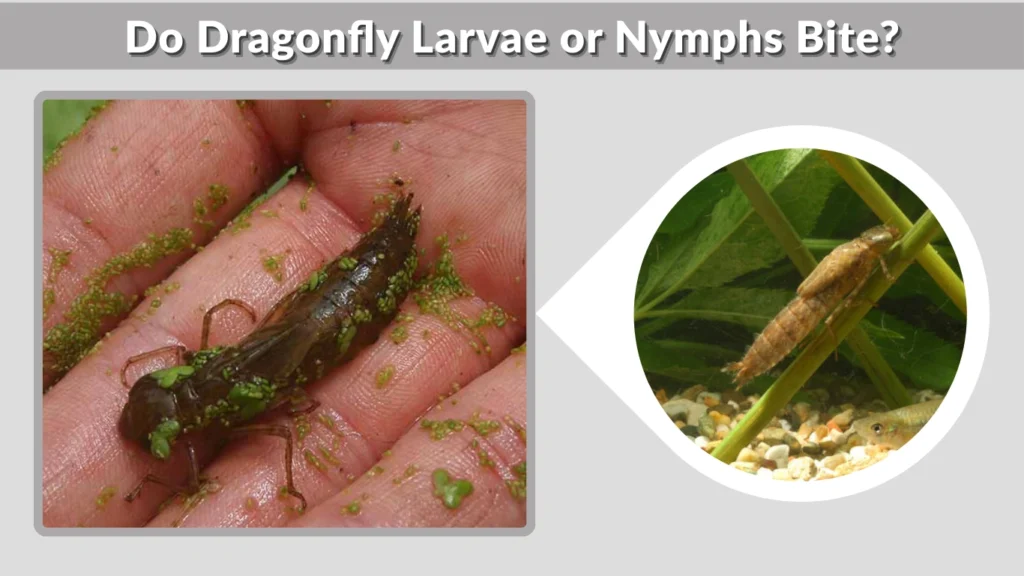
Dragonfly larvae, also known as nymphs, live underwater and are more aggressive hunters than adult dragonflies. They use a fast, extendable jaw to catch prey such as mosquito larvae and small fish.
While dragonfly nymphs can bite humans if handled, this usually happens only during pond cleaning or when someone picks one up. A nymph bite may feel sharper than an adult bite but is still not dangerous. Washing the area afterward is generally enough.
What to Do If a Dragonfly Bites You
If a dragonfly bites you, there is usually no cause for concern. Simple first aid is sufficient.
- Wash the area with soap and clean water
- Apply a cool compress if there is mild swelling
- Avoid scratching the area
Medical attention is rarely needed unless signs of infection develop, which is extremely uncommon. Because dragonflies do not carry venom or diseases that affect humans, bites are considered low risk.
Are Dragonflies Dangerous Overall?
Dragonflies are not dangerous to humans. They do not sting, rarely bite, and prefer to avoid contact altogether. In fact, dragonflies are beneficial insects that help control mosquito populations and other pests.
Their presence often indicates a healthy environment, especially clean freshwater ecosystems. Rather than being feared, dragonflies should be appreciated for their role in nature.
FAQs
Do dragonflies bite or sting you?
Dragonflies do not sting and rarely bite. Any bite that does occur is usually harmless.
Do dragonflies bite dogs?
Dragonflies do not bite dogs unless they are caught, and even then, the bite is not harmful.
Should you be afraid of dragonflies?
No. Dragonflies are not aggressive and pose no danger to humans.
Conclusion
Dragonflies may look intimidating, but they are among the least threatening insects people encounter. They do not sting, rarely bite, and only react defensively when handled. Understanding their behavior helps clear up common myths and reduces unnecessary fear. By recognizing dragonflies as harmless and beneficial insects, we can better appreciate their role in maintaining healthy ecosystems.