
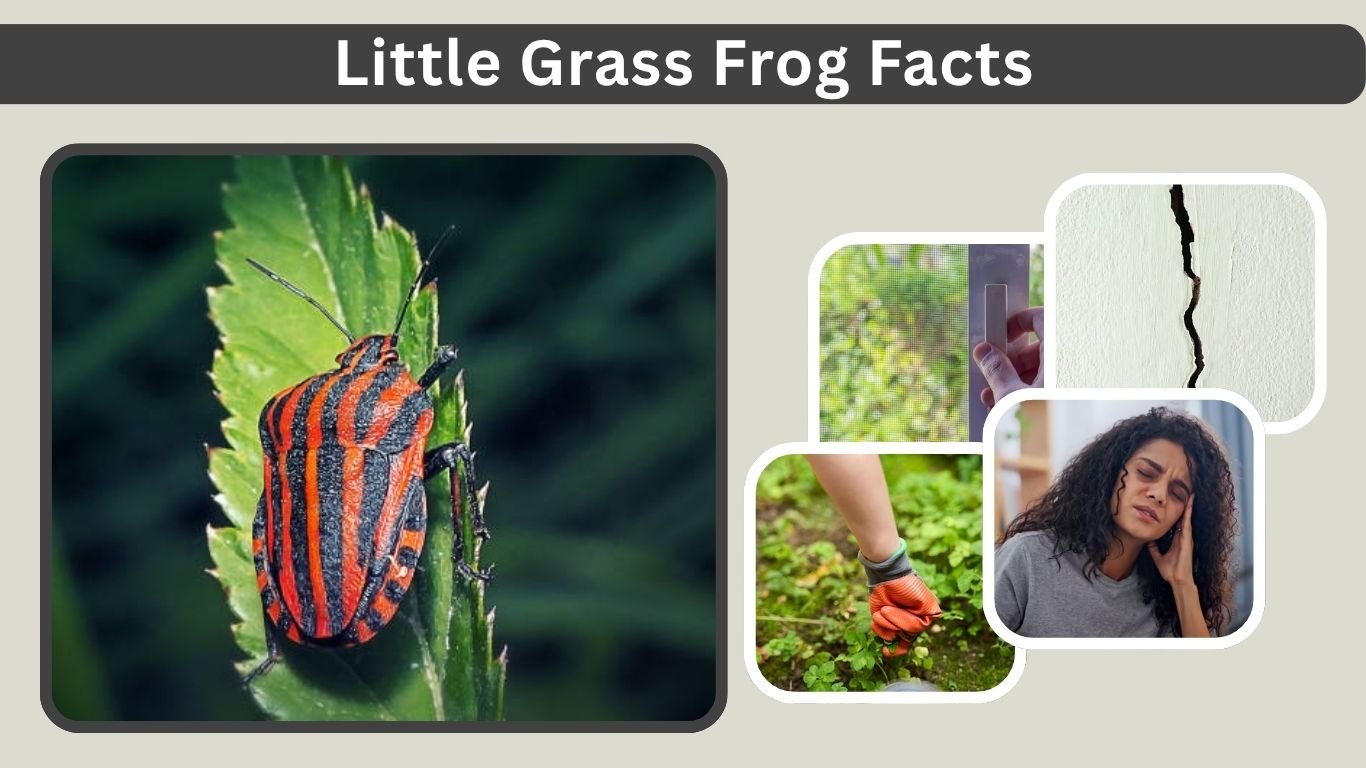
Stink bugs are common household pests known for their unpleasant odor, but many people wonder if they bite or pose any real danger. While their appearance can be intimidating, their behavior is often misunderstood. This guide explains whether stink bugs bite humans or pets, what their bites look like, and how to respond if contact occurs. By understanding their habits and risks, you can handle them safely and avoid unnecessary concern in your home or garden.
Do Stink Bugs Bite Humans
Many people worry about being bitten when they see stink bugs indoors. The truth is that most stink bugs are not aggressive and rarely bite humans. They are more interested in plants than people and usually avoid contact unless they feel threatened or trapped against the skin.
Key facts about human bites
- Biting is very rare and defensive
- They do not feed on blood
- No venom or toxins are injected
- Most encounters do not result in bites
Do Stink Bugs Bite or Sting

There is often confusion about whether stink bugs can sting like bees or wasps. Understanding their anatomy and behavior helps clear up this misunderstanding and reduces unnecessary fear when dealing with them inside your home.
Do stink bugs have stingers
- They do not have stingers
- Cannot inject venom
- No risk of stinging pain
Do stink bugs bite people
- May bite only if handled roughly
- Bite feels like a mild pinch
- Not harmful in most cases
Do Brown Marmorated Stink Bugs Bite
Brown marmorated stink bugs are one of the most common species found in homes. They are often blamed for bites, but in reality, they behave similarly to other stink bugs and are not known for aggressive behavior toward humans.
These bugs prefer to stay hidden and only release odor as a defense mechanism. If they come into contact with skin, they are more likely to crawl away than bite. Reports of bites are extremely rare and usually not serious.
Do Different Types of Stink Bugs Bite

Different species of stink bugs exist, and their behavior can vary slightly. However, most of them share similar habits and are not considered a threat to humans. Understanding these differences helps you identify which types may pose a slightly higher risk.
Common stink bug types and behavior
- Green stink bugs rarely bite and are harmless
- Brown stink bugs behave similarly and avoid contact
- Black or red stink bugs show no aggressive behavior
- Predatory stink bugs may bite if provoked
Why Do Stink Bugs Bite
Stink bugs do not actively seek to bite humans. When bites do occur, they are usually a reaction to being disturbed or accidentally pressed against the skin. Their primary defense is their smell, not biting.
They may bite as a last resort when they feel threatened or trapped. In most cases, people mistake skin irritation or contact with their odor for a bite. Understanding this behavior can help reduce fear and prevent unnecessary reactions.
What Do Stink Bug Bites Look Like
Identifying a stink bug bite can be difficult because it often looks similar to other insect bites. Since bites are rare, many reported cases may actually be caused by different insects.
Typical bite appearance
- Small red bump on the skin
- Mild swelling around the area
- Slight itching or irritation
- No severe pain or long-term effects
Do Stink Bug Bites Hurt or Itch

Stink bug bites are uncommon, and when they do occur, the symptoms are usually mild. Most people experience little to no discomfort, which is why these insects are not considered harmful. The reaction depends on individual skin sensitivity rather than the bug itself.
Common symptoms of a bite
- Mild itching or irritation
- Slight redness or swelling
- Temporary discomfort that fades quickly
- No serious or lasting effects
Do Stink Bugs Bite Pets (Cats and Dogs)
Pet owners often worry about whether stink bugs can harm their animals. While pets may interact with these insects out of curiosity, bites are extremely rare. The bigger issue is the strong odor, which can irritate pets if they try to bite or eat the bug.
Effects on pets
- Rare biting incidents
- Strong odor may cause drooling or irritation
- Temporary discomfort if ingested
- No serious health risks in most cases
What to Do If a Stink Bug Bites You
If you suspect a stink bug bite, there is usually no need to worry. The symptoms are mild and can be treated easily at home. Simple care steps are enough to reduce irritation and keep the area clean.
Wash the affected area with soap and water to remove any bacteria or residue. Apply a cold compress to reduce swelling and soothe the skin. If itching occurs, a mild anti-itch cream can help. In rare cases of unusual reactions, monitoring the symptoms is recommended, but medical attention is rarely needed.
How to Prevent Stink Bug Bites

Preventing stink bug contact is the best way to avoid bites, even though they are rare. Simple precautions can help reduce encounters and keep your home free from these pests.
Prevention tips
- Avoid handling stink bugs directly
- Use gloves when removing them
- Seal cracks and gaps in your home
- Keep windows and doors properly screened
FAQs
Do stink bugs bite humans at night?
No, stink bugs do not typically bite at night. They are not blood-feeding insects, and most nighttime bites are caused by other pests like mosquitoes or bed bugs.
Do stink bug bites itch?
Yes, in rare cases, a bite may cause mild itching or irritation. However, symptoms are usually minor and disappear within a short time.
What do stink bug bites look like?
They usually appear as small red bumps with slight swelling. They can easily be mistaken for other insect bites due to their mild appearance.
Do brown marmorated stink bugs bite people?
They rarely bite humans. Even if they do, the bite is harmless and does not cause serious health issues.
Do stink bugs bite dogs or cats?
Stink bugs rarely bite pets. However, pets may experience irritation if they try to eat or play with them because of the strong odor.
Conclusion
Stink bugs are mostly harmless insects that rarely bite humans or pets. While their odor can be unpleasant, they do not pose serious health risks. Understanding their behavior and taking simple precautions can help you avoid contact and manage them effectively.